Tag Archives: Wonder Woman

The Emerging Problem Of Superman And Lois Lane

1234599567267158119

I think I’ve made it fairly clear that I’m a big fan of superhero romances. I’m a big fan of romance in general, but romance between superheroes has a special place in my heart. I was a comic book fan before I was a romance fan. As the years have gone by, it has been among my favorite combinations. I put it up there with pizza and a cold beer.

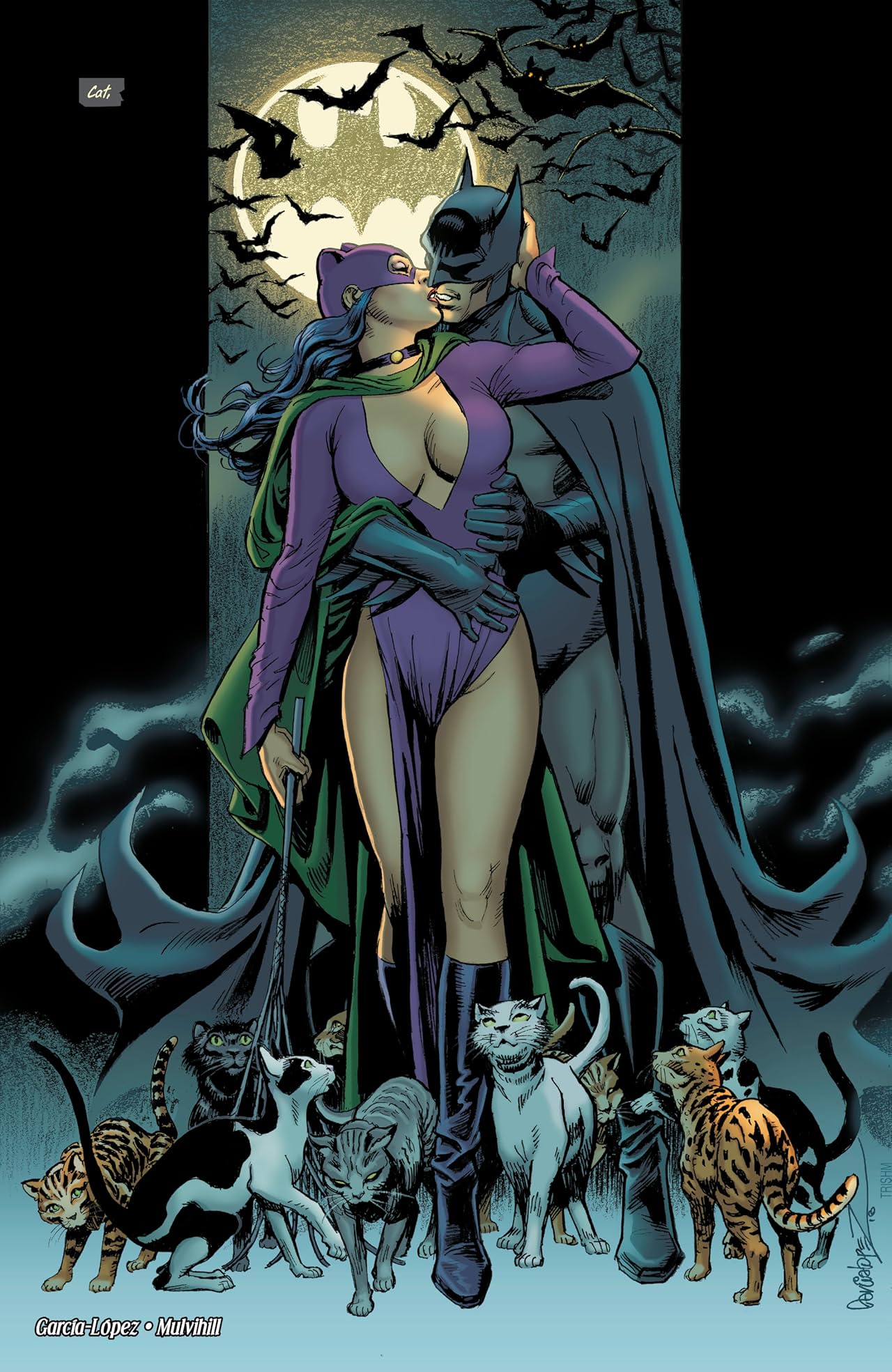
It certainly helps that superhero comics have inspired some of the most iconic romances of the past century. Say what you will about Rose and Jack in “Titanic.” I still find the love story between Batman and Catwoman is much more complex and compelling in terms of depth, not to mention many times sexier.

Superhero comics have informed a lot with respect to my fondness for romance. I also think they offer unique insights into the complexity of romance. Love is complicated enough. Adding superpowers and super-villains into the mix only compounds the drama. Sometimes it can end in tragedy. Sometimes it can make for some truly epic romance that strikes all the right emotional chords.

In some instances, though, mixing romance and superheroes can cause problems. Like relationships in the real world, there are many ways to screw it up. Comics have done plenty to mishandle romance. Just ask any Spider-Man fan about a story called One More Day and watch them recoil with disgust. I’ve even noted a few examples.

However, there are some instances where romance in superhero comics cause unique problems that are subtle in substance, but vast in implications. It doesn’t always involve relationships that are inherently toxic to multiple characters. Sometimes, those problems can emerge in even the most iconic relationship.

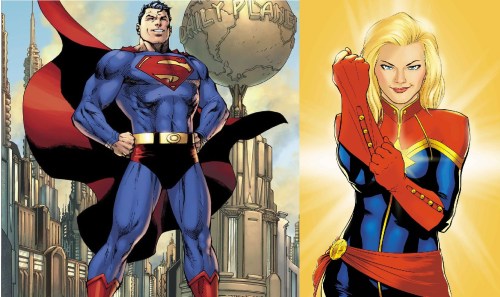
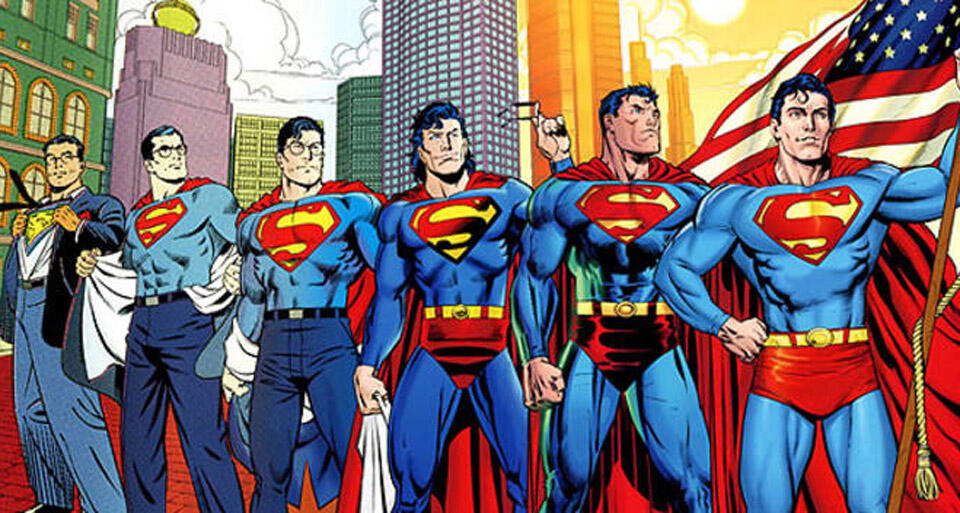
In the pantheon of superhero romances, the top spot is usually reserved for Superman and Lois Lane. In terms of romance in superhero comics, they are the gold-encrusted diamond standard by which all others are measured. Their love is isn’t just iconic. It’s a foundational component for both characters.

Superman loves Lois Lane. Lois Lane loves Superman. That romance is established in the pages of Action Comics #1. It’s a critical part of how both characters evolve over the years. You can’t tell Superman’s story without Lois Lane and you can’t tell Lois Lane’s story without Superman.

In the same way Superman always does the right thing and Deadpool always makes the dirtiest joke, this dynamic is fundamental. It establishes the kind of romance that is pure, unconditional, and uncorrupt. There’s no need for a previous love interest to die or a love triangle to provoke drama. Superman and Lois Lane just love each other and that’s all there is to it.

However, even with a romance this iconic, there is a problem and it’s actually a very recent problem. It affects both Superman and Lois Lane, but I believe it affects Lois to a much greater extent. It stems from an issue that I’ve been noticing more and more lately with certain romances. When it shows up in the most iconic romance in the history of comics, though, I take notice.

The nature of the problem has less to do with love and more to do with how a relationship defines certain characters. In both fiction and real life, it’s common and even romantic for two people to become so close that their lives become heavily entwined. There comes a point, though, where it stops being romantic and starts being destructive.

For most of their history, Superman and Lois Lane’s romance was built around simple, but effective dynamics. Lois Lane loved Superman, but not Clark Kent, who she didn’t know was Superman. Superman kept his identity from her to protect her many years, which created plenty of tension and made for some great moments.

Eventually, Superman reveals his identity to Lois and they eventually get married. I remember that moment. It was an amazing milestone for both romance and comics lore. The problem only came when that dynamic was complicated by a new theme that has since permeated the narrative.

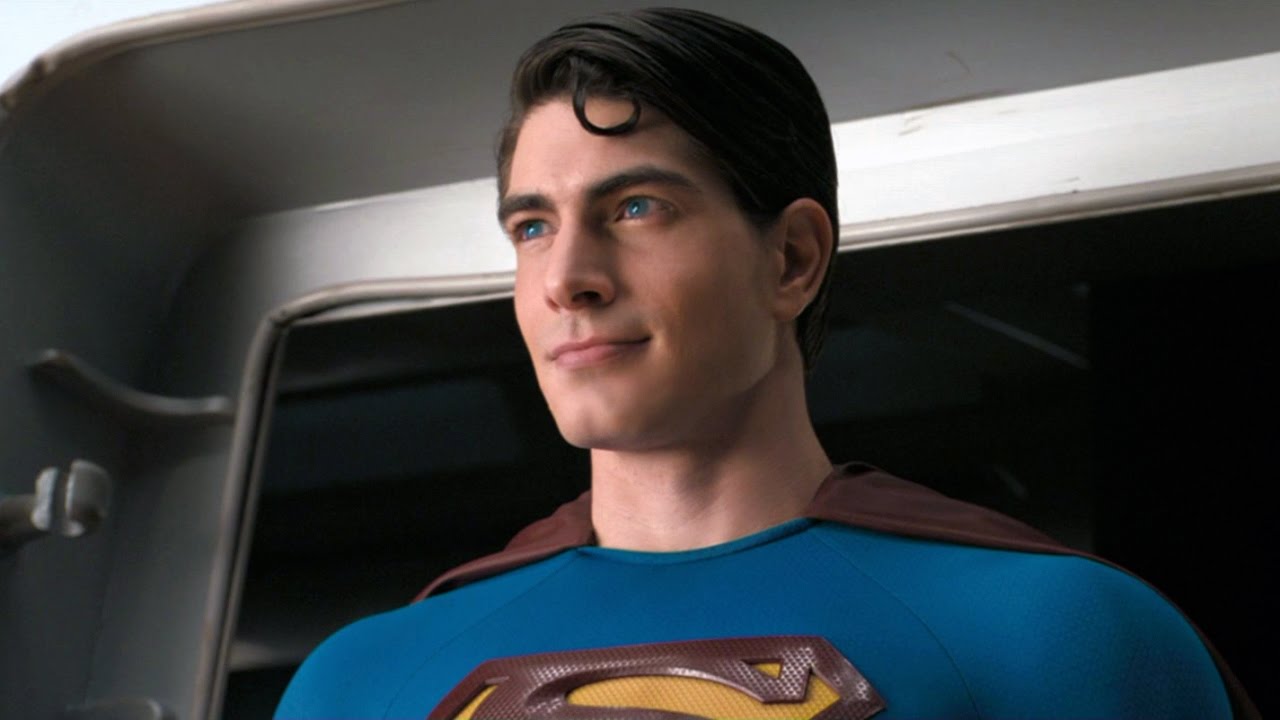
It didn’t start at any particular date, but I think “Superman Returns” marked the unofficial turning point. That movie, on top of turning Superman into a deadbeat dad, made a small, but critical tweak to the Superman/Lois romance. In essence, it turned their love from a strength to a liability that is detrimental to the ideals of Superman and romance, as a whole.

At the beginning of that movie, Superman’s actions are the same as they’ve always been. He does the right thing because it’s the right thing. That’s who he is and why he’s so iconic. Towards the end, though, what he does becomes less about doing the right thing and more about resolving his relationship with Lois Lane.

Suddenly, doing the right thing and saving Lois aren’t just supplementary plots. They’re indistinguishable. One is the other and that’s a problem for reasons that go beyond romance and heroism. It wouldn’t have been that big an issue if it had only played out in one sub-par Superman movie, but in recent years, the problem has escalated.

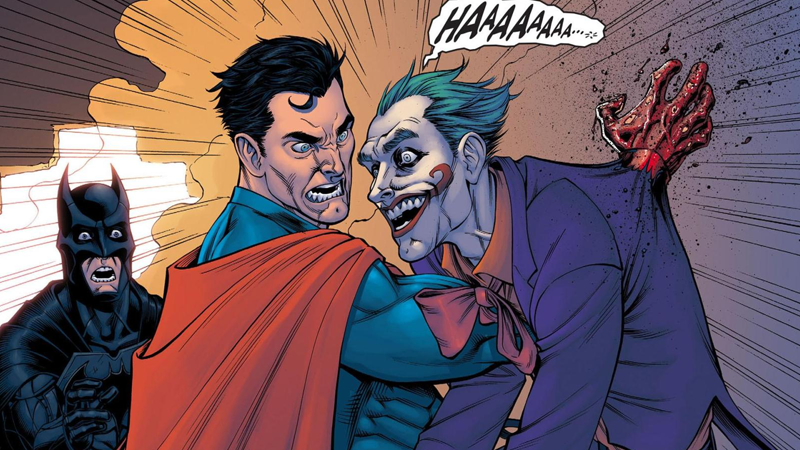
It manifested in its most overt form in “Injustice: Gods Among Us,” a video game with a comic book series tie-in that essentially provides a worst-case-scenario for Superman. In this story, Superman is tricked into killing both Lois and his unborn child by the Joker. It’s not just an atrocity and a tragedy. It fundementally breaks Superman.

I’m not just referring to his spirit either. The death of Lois Lane also marked the death of Superman, as an ideal. In both the game and the tie-in comics, he’s no longer a hero. He’s a tyrant who becomes everything he once fought against. I wouldn’t go so far as to call him a villain, but he’s definitely not the beacon of goodness that so defines his character.

While it makes for a powerful story, the particulars of that transformation are profound and not in a good way. It implies that Superman’s heroism is directly tied to Lois Lane and not supplemented by it. If she dies, then Superman ceases to be that iconic hero who stands for truth and justice.

That sends the message that Superman’s love for Lois Lane isn’t a strength. It’s a crutch. She’s not just his connection to humanity. She’s his lifeline. Beyond putting a burden on a character whose appeal is her ambitious pursuit of truth, it reduces Lois Lane to a singular role and one that’s impossible to maintain.

Unlike Superman, Lois is human. She’s going to age. She’s going to eventually die. Under this dynamic, Superman will eventually lose sight of his ideals. He’ll eventually stop being the hero that fights for truth, justice, and the American Way. Without Lois, he’s destined to give up and for a character who once moved the sun, that’s pretty weak.

This issue came up again in the plot for “Batman v. Superman: Dawn of Justice.” While I enjoyed the movie and don’t think it deserved half the criticism it got, there was one major issue that I felt undercut the story. Once again, it came back to Superman’s relationship with Lois.

Throughout the movie, Superman constantly questions his role and responsibilites as a hero, especially after seeing Batman’s approach to pursuing justice. That’s perfectly appropriate with respect to humanizing his character, but at the end of the day, he bases much of his decision to save the day around saving Lois.

That’s not to say that there isn’t merit to saving a lover, but this is Superman we’re talking about here. This is a hero whose entire appeal is built around him having god-like power, but still doing the right thing. When the right thing is only ever in the context of saving his girlfriend, then that undercuts both the ideals and the romance itself.

It’s largely for that reason, among others, that I find the romance between Superman and Wonder Woman more compelling. Back in 2012, there was a brief period in DC Comics where the timeline was tweaked, which happens fairly often, and Superman’s marriage to Lois Lane was nullified. That gave these two iconic heroes a chance to be together.

I could probably write several more articles about why I think the Superman/Wonder Woman romance is special in its own right. In many respects, I think it’s healthier than the Superman/Lois Lane relationship. It may never be as iconic, but it fundementally avoids this problem.

Wonder Woman can take care of herself. She can save herself and be a hero on her own terms. Lois Lane, however, is becoming more and more defined by how she defines Superman. For the most iconic superhero couple of all time, that’s pretty shallow.

The recent comics have done little to address this issue. With yet another tweak to the timeline, Superman is back with Lois. They even have a child now. However, the nature of their relationship is still on uncertain ground. I still feel it lacks the complementary dynamics that made it work so well for so many years.

There’s a chance it could change. Given the fickle nature of comic book continuity, it’s very likely that the Superman/Lois Lane dynamic will continue to evolve. However, I think it’s going in the wrong direction if Superman’s reasons for doing the right thing are that dependent on Lois.

Whether or not this problem deepens or subsides remains to be seen. Superman and Lois Lane are still the most iconic romance in the history of comics. That will continue to hold true, even if the problem deepens. Superman and Lois Lane are great characters in their own right. That aspect cannot and should not get lost under the weight of their iconic romance.

As much a romantic as I am, I don’t deny that it is possible for a love story to go too far. Loving someone and being dependant on them are not the same thing, especially when superpowers get involved. If a relationship becomes too dependent, then it can be more damaging than a mountain of kryptonite.

65 Comments

Filed under Comic Books, Jack Fisher, Superheroes, Marriage and Relationships, romance, superhero movies

How To Disappoint (But NOT Destroy) An Iconic Romance In Batman #50

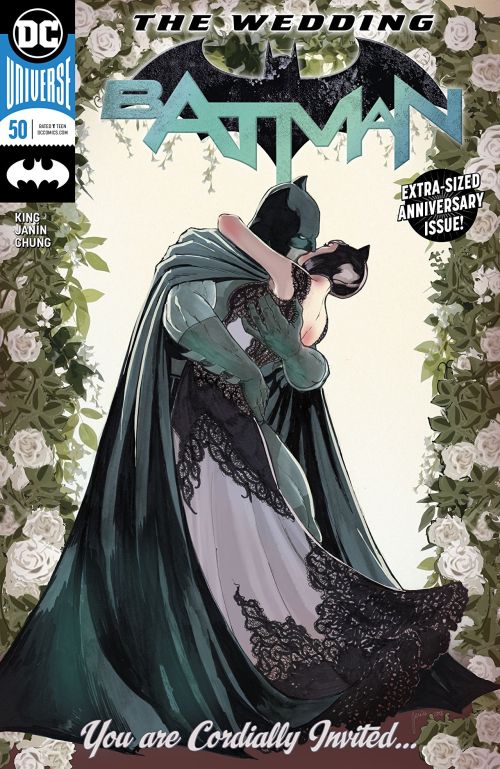
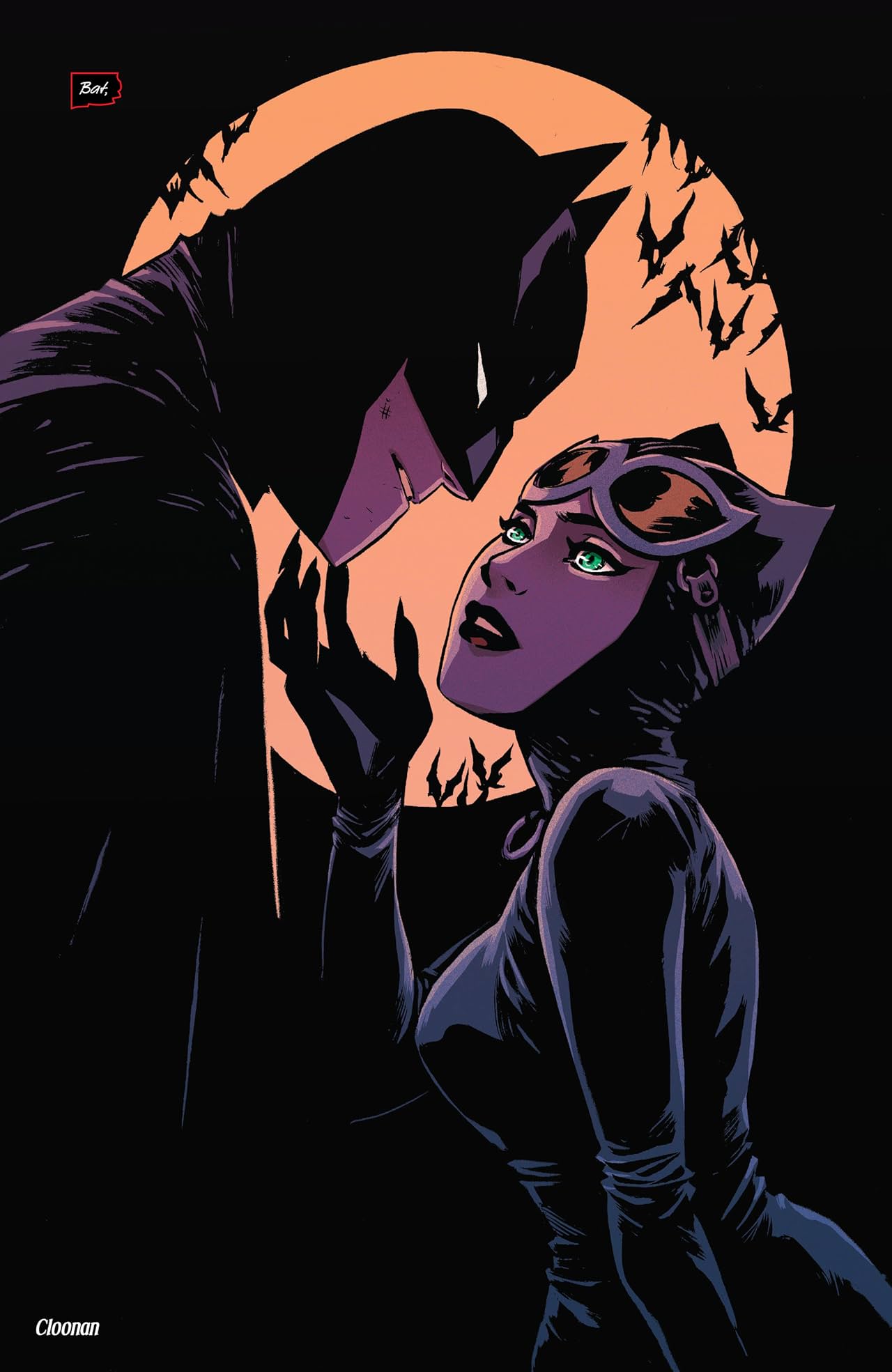
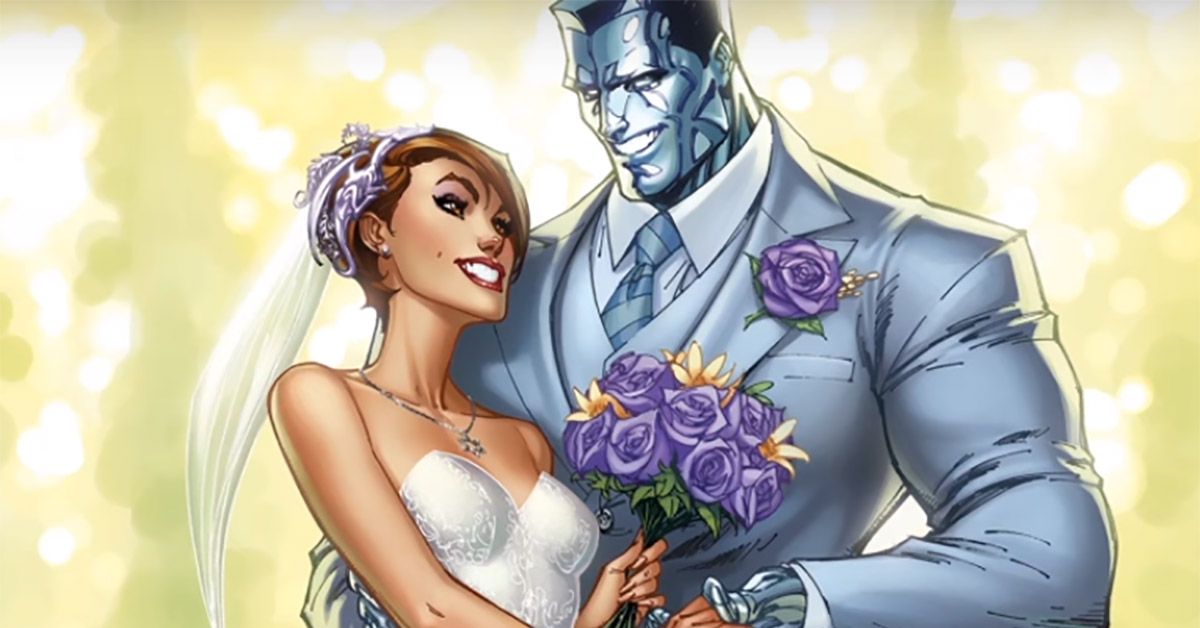
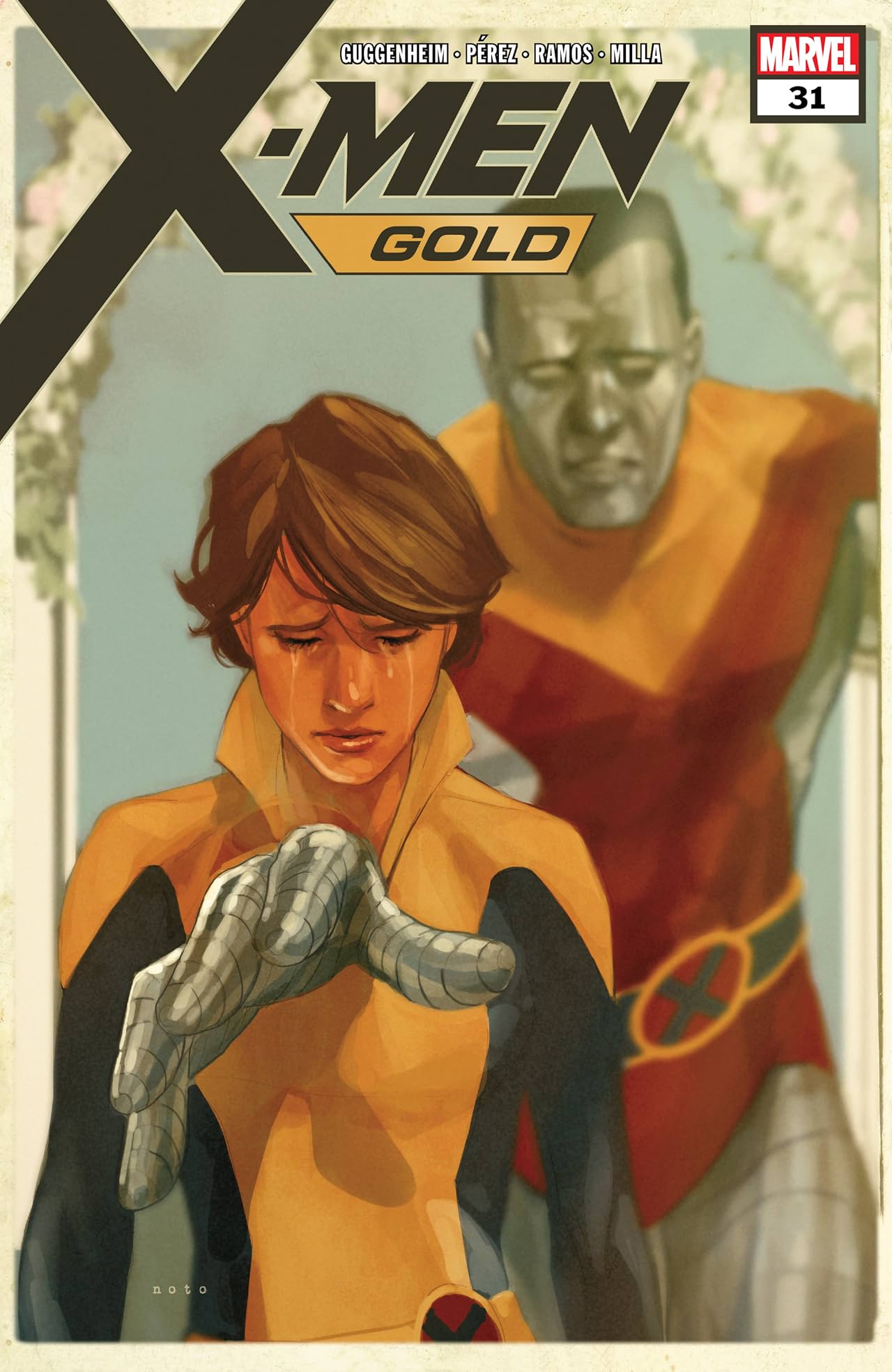
688356-_sx1280_ql80_ttd_It’s been a rough summer for fans of romance, superheroes, and superhero weddings. In fact, in all the years I’ve been reading comics and following romantic sub-plots, I can’t remember a time when there was this much melodrama and heartbreak. I understand that any epic romance is going to involve a healthy bit of emotional strain, especially when it involves superheroes. There comes a point when it just becomes too much.After the deconstruction and denigration of superhero romance that unfolded in X-men Gold #30, I feel like we’re dangerously close to that point. It’s as though everyone involved in making superhero comics is admitting that superheroes can’t get married. They can’t have a functional, compelling romance and still be interesting.That sort of sentiment is basically an affirmation of Marvel’s justification for undoing Spider-Man’s marriage to Mary Jane Watson in the infamous One More Day story. Given the relative infamy of that story line and the recent upheaval with the X-men, many fans of both superheroes and romance were placing a lot of hope that the wedding of Batman and Catwoman could help stop the bleeding in Batman #50.I certainly counted myself among those who was very excited about this event. I even admit I really wanted this to make up for the disheartening outcome of X-men Gold #30. The romantic in me wanted at least one superhero wedding this summer that didn’t end in heartbreak or tragedy.Well, if you saw the same spoilers in the New York Times that I did just two days before Batman #50 came out, you already know that’s not what happened. Bruce Wayne and Selina Kyle did not get married. That means in terms of superhero weddings, the summer of 2018 is now 0 for 2.However, that outcome did not compound my lingering disappointment from X-men Gold #30. I’ll even go so far as to say that Batman #50 didn’t send the state of superhero romance past the point of no return. It didn’t improve the state of affairs. It was disappointing, but not to the point where it damaged a story or a romance beyond repair.Before I explain, I want to establish that many of the details beyond this point are heavy spoilers. Seeing as how this comic was already spoiled a couple days prior to its release, much to the chagrin of comic retailers, I don’t think I need to place too many warnings. I still recommend that people buy the comic, but there’s more going on here than a wedding that didn’t happen, much more so than what we saw in X-men Gold #30.By nearly every measure, Batman #50 approaches the concept of a superhero wedding differently than X-men Gold #30. The wedding of Kitty Pryde and Colossus was set up as this big, momentous affair between an established couple that overcame a lot just to have the opportunity to get married. They brought in friends, family, and fellow superheroes from across the X-men comics.In contrast, the ceremony in Batman #50 was very small. In fact, there wasn’t much of a ceremony to speak of. The only ones who were present besides Batman and Catwoman were Aflred, Bruce Wayne’s butler and long-time confidante, and a lone judge who was already drunk so that he wouldn’t remember his or Catwoman’s identity. Batman always has a plan for that sort of thing. That’s why he’s Batman.On top of that, Batman is the one who proposed to Catwoman back in Batman #24. He’s the one who pitched the idea of getting married in the first place. That’s critical because Kitty Pryde was the one who proposed to Colossus in X-men Gold #20. That matters because she’s also the one who broke it off and at the last second, no less. Things were a bit less cruel in Batman #50 and that’s saying something for a Batman comic.At one point in the story, Batman makes clear that he still wants to marry Catwoman. He’s not having second thoughts. It’s Catwoman who makes the fateful decision to break it off and she doesn’t wait until half-way through the ceremony, either. To put that another way, an admitted jewel thief who enjoys having sex on rooftops showed more decency than Kitty Pryde on her failed wedding day.It’s not a public spectacle that turns into an equally public debacle. It’s a private affair that simply doesn’t pan out. There’s no awkward reception. There’s no attempt to salvage it by shoehorning another romance into the mix just so someone gets married, as though such romances can be swapped out like batteries. It just doesn’t happen.Moreover, Catwoman actually gives a reason for not going through with the wedding and, unlike Kitty Pryde, it’s not a wholly contrived. She establishes throughout Batman #50, through a series of montages documenting their romance over the years, why she loves him and why he’s such an effective hero. In the process, she reveals something profound about Batman.What makes Batman both effective and iconic is how he takes the pain of a tragedy, namely the death of his parents, and turns it into strength. The same pain that would break a lesser man drives him to do so much more. He’s the Dark Knight who defends Gotham. He’s a hero who deserves to fight alongside demigods and aliens on the Justice League. For him to be Batman, he needs that pain to fuel him.From Catwoman’s perspective, Batman finding happiness means denying him the fuel he needs to be Batman. That’s not a realization that just randomly pops into her mind at the last second, though. This is something the Joker actually points out to her in Batman #49. It has less to do with whether or not she loves him and more to do with him being the hero that Gotham needs.That doesn’t make Catwoman’s decision any less disappointing, but it’s still nowhere near as callous or selfish as Kitty Pryde’s decision in X-men Gold #30. I know it’s somewhat unfair to keep comparing the two, given the different circumstances of their relationship, but those distinctions highlight an important element that the failed Batman/Catwoman wedding has that the Colossus/Kitty Pryde wedding didn’t.What happens in Batman #50 is definitely a setback for Batman and Catwoman’s relationship, but it doesn’t fundamentally destroy it. In fact, there’s a very critical detail at the end of the issue that leaves the door open for this romance to keep evolving. I won’t spoil it, but it unfolds in such a way that makes romance fans like me want to root for this relationship.The same definitely cannot be said for the Colossus/Kitty Pryde relationship. After the way things played out during their wedding, it really feels as though their romance is damaged beyond repair. It’s no longer a love story. It’s an outright tragedy, one that would need an even greater contrivance to repair at this point. In a universe with shape-shifting aliens, though, that’s not wholly unfeasible.In the grand scheme of things, Batman #50 is still disappointing in the sense that it doesn’t let Batman and Catwoman take their love story to another level. In fact, not a whole lot changes. The way it plays out feels more like a setback rather than a tragedy. The writer of the comic, Tom King, even claims it’s just part of a much larger narrative between Batman and Catwoman.How that story will play out remains to be seen. Given how long it took Batman and Catwoman to get to a point where they try to get married, Batman #50 already gives the impression that their romance is being dragged out. For a couple who has been off and on again since the 1940s, that’s saying something.If I had to score Batman #50, as both a comic book fan and a romance fan, I’d give it a 6 out of 10. It’s a bit of a letdown, but it’s not nearly as soul-crushing as X-men Gold #30. It still leaves the state of superhero romance in a very precarious state, but at the very least, this book gives me reason for hope.I’ll still be very skeptical of any future superhero wedding for the foreseeable future, though.
5 Comments

Filed under Comic Books, Jack Fisher, Superheroes, Marriage and Relationships, romance

The following is a review I wrote for PopMatters for Justice League #1. Enjoy!

Justice in Its Totality: Justice League #1

Leave a comment

June 12, 2018 · 9:43 pm

The following is a review I wrote for PopMatters for Wonder Woman #46. Enjoy!

Dark Connections and Darker Divinity in ‘Wonder Woman #46’

Leave a comment

May 11, 2018 · 10:00 pm

Why Superman Is An Icon And Why He Still Matters After 80 Years

action-comics-1000-vo

Take a moment and think about how many artifacts of popular culture have endured for 80 years. Even if you’ve got an extensive knowledge of culture or just spend a lot of time browsing Wikipedia, it shouldn’t take long to realize how short that list is. That makes the icons on that list all the more endearing.

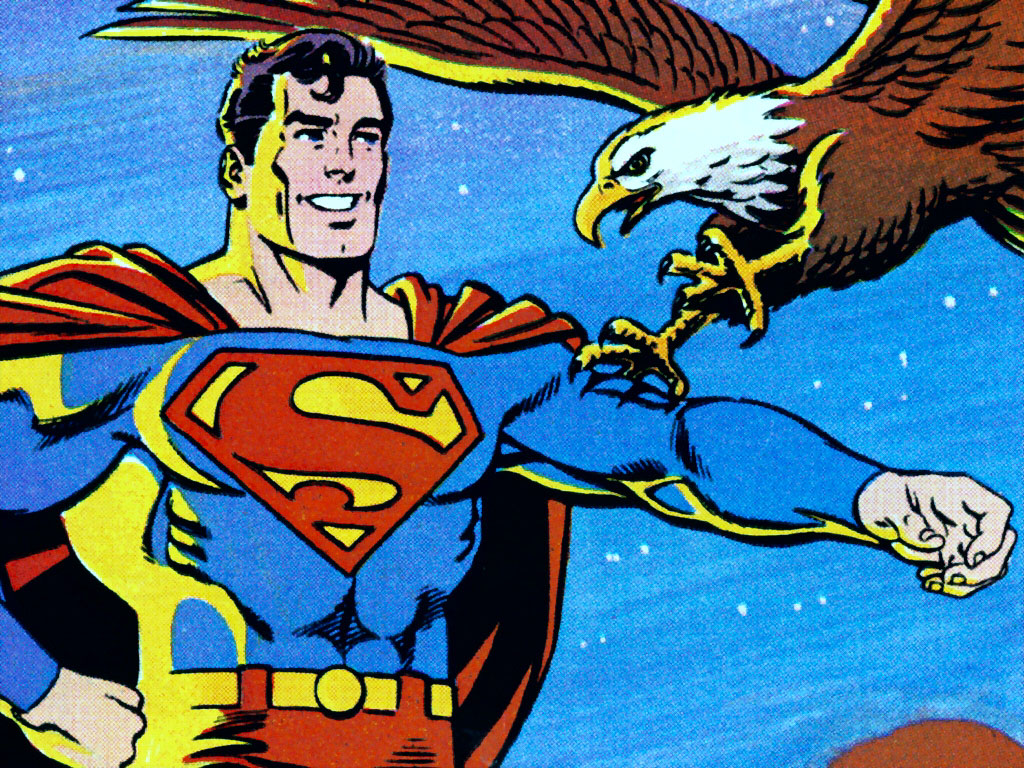
Near the top of that list is Superman. Even if you’re not a comic book nerd and can’t stand to watch more than five minutes of a superhero movie, it’s impossible to deny the special place Superman has in our culture. He’s not just a comic book character. He’s not just a superhero either. He’s in a league of his own that transcends any one genre.

That became abundantly clear this past week when Superman celebrated his historic 80th anniversary with the release of Action Comics #1000. As an admitted comic book fan who goes out of his way to explore the deeper messages and implications of comics, this was a pretty big deal for me.

Now, I don’t consider myself as big a Superman fan as I am an X-men fan. I like to think I’ve made my love of X-men quite apparent on this site. However, I still enjoy my share of Superman content. Beyond the comics, I grew to love Superman through his animated series and the Justice League cartoon that was produced by Bruce Timm. To date, those and the Richard Donner “Superman” movie are the definitive Superman for me.

As much as I love those incarnations, though, I understand that Superman’s history is much broader than that. A character doesn’t endure for 80 years without having a rich history and Superman certainly has plenty of that. In that history, he’s evolved a lot in terms of style and portrayal. From battling Nazis in the early 1940s to ditching his iconic red trunks for a while, Superman has had his share of reinvention over the years.

Through all these changes, though, Superman has always embodied a specific set of ideals that helps cement his status as an icon. From his earliest days to his most recent movie version, Superman at his core is an inspiration. He’s epitomizes just how good a hero can be and how profoundly he can influence others.

Some call him the ultimate Boy Scout. Some call him the perfect goody-two-shoes. Some even go so far as to claim that his nauseatingly good nature that Christopher Reeves captured so perfectly in the movies makes him a boring character. Given the sheer breadth of his power, which include some truly insane feats, I can understand that to some degree.

At the same time, though, I would also argue that same annoyingly wholesome nature is part of what makes Superman something much greater than an overpowered superhero. I would even go so far as to say that’s part of what has helped him endure for 80 years and made him an icon that transcends comic books, movies, and heroics in general.

There’s a long, if not bloated, list of superheroes of varying degrees of power. Some are even more powerful than Superman. However, just having power isn’t enough, as any Batman fan will tell you. It’s how a hero uses that power and why they do what they do that helps define them.

By that standard, Superman is the gold standard. His heroism is very much the standard by which all others are measured. He has the power to do things that aren’t just incredible. They’re outright impossible. He still does them, though, because he’s Superman. However, it’s why he does them that’s more important.

Compared to why other heroes do what they do, Superman’s reasons for using all that power for good is as simple as it is profound. It’s the right thing to do. He doesn’t need someone to kill his parents. He doesn’t need to be bound by duty or driven by guilt. He just does the right thing because it’s the right thing. That’s all there is to it.

It’s so simple that it’s almost inane, but it’s profound in its implications. I even explored some of those implications when I explored the nihilistic implications of Superman’s morality, drawing comparisons to Rick Sanchez from “Rick and Morty” of all characters. Regardless of how strong those comparisons are, it doesn’t undercut the impact of that idea.

It’s a big part of what helps Superman inspire others. It’s very much a part of why he still matters today, especially in an era where every heroic character needs some sort of catalyst to become a hero, whether it’s a princess getting kidnapped or someone shooting their dog. Superman doesn’t need any of that. He just does the right thing with his powers because it’s the right thing. That’s all there is to it.

That might not seem like a big deal, especially compared to the more elaborate journeys that other characters go on the path of heroism. Why would someone even want to follow a journey of someone who just does the right thing from the start and doesn’t need to team up with any talking raccoons along the way?

The answer to such a cynical question comes back to inspiration. It’s something that has only become more valuable as we get bombarded by countless bleak headlines. Superman is capable of so much, both in terms of his immense power and altruistic persona. He has such an immense impact when he saves the world, whether by outsmarting Lex Luthor or snapping General Zod’s neck.

However, it’s how those actions inspire others that elevates Superman’s heroics. He doesn’t wear a mask. He doesn’t hide in the shadows. He lets people see his face. He smiles and talks towards civilians, fellow heroes, and even other villains, as Action Comics #1000 so fittingly explored. It’s not just enough to do heroic things. Superman seeks to inspire the heroism in others.

That sentiment is beautifully echoed through the iconic voice of Marlon Brando in Richard Donner “Superman” movie. Even today, after 80 years, they still help define the spirit of Superman.

Live as one of them, KalEl. Discover where you strength and your power are needed. Always hold in your heart the pride of your special heritage. They can be a great people, KalEl, they wish to be. They only lack the light to show the way. For this reason above all, their capacity for good, I have sent them you, my only son.

These are the words of Superman’s biological father, Jor-El. They don’t just lay the foundation for a hero. They reflect the spirit that eventually becomes Superman. They don’t just encourage Superman to use his immense power to help people. They encourage him to inspire.

That inspiration, the idea that a being of such immense power can do the right thing just because it’s the right thing, is why Superman endures. It’s also why he matters now more than ever. We’ve become so accustomed to seeing other iconic heroes and people in the real world get corrupted by power. Superman sets himself apart, showing that it is possible to have great power and still do the right thing.

In a world full of cynical people who may be getting more nihilistic with each frustrating headline, that’s an important concept to preserve. Having power doesn’t have to corrupt someone in the same way that doing the right thing doesn’t require some elaborate motivation, be they dead parents or some failed prophecy. It’s possible to just do the right thing because it’s the right thing.

It’s not enough to just save the day. Superman gives others the hope, strength, and drive to make a better tomorrow. Say what you will about the ending of “Dawn of Justice,” but the breadth of the impact that Superman had on the world through his sacrifice was powerful. It shows why his greatest power is, and always has been, doing the right thing.

That spirit of incorruptible goodness was critical in 1938 and it’s just as critical now in 2018. I would argue it’ll still be critical in 2118, even if we’ve all evolved into cyborgs at that point. Doing the right thing for others in the spirit of pure, untainted altruism is a powerful message and one that Superman embodies to the utmost. That’s what makes him an icon now. That’s why he’ll be an icon for years to come.

8 Comments

Filed under Comic Books, Jack Fisher, Superheroes, human nature

wonder-woman-cheeta-kristen-wiig

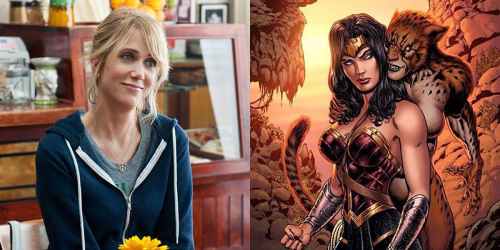
How’s this for timing? A few days ago, I write an article about all the reasons why Cheetah should be the main villain in “Wonder Woman 2.” Earlier today, director Patty Jenkins announces that Kristin Wigg will play Cheetah. I’m not saying my article had anything to do with this news, but some coincidences are just uniquely satisfying.

CBR: Patty Jenkins Confirms Kristen Wiig For Wonder Woman 2

Leave a comment

March 9, 2018 · 11:04 pm

Why Cheetah Should Be The Main Villain In Wonder Woman 2

It’s been a while since I talked about Wonder Woman, DC Comics, or developments surrounding the planned sequel to her first movie, which I praised to no end last year. Even though a sequel was announced shortly after the movie’s historically successful debut, not much news has come from it.

There’s a reason for that, albeit a distressing one. The news surrounding anything related to DC’s movie universe has been pretty grim since “Justice Leagueunder-performed at the box office. While I enjoyed the movie and gave it a glowing review, I can’t deny that it’s perceived shortcomings have caused all sorts of problems for the DC movie universe.

Image result for henry cavill mustache

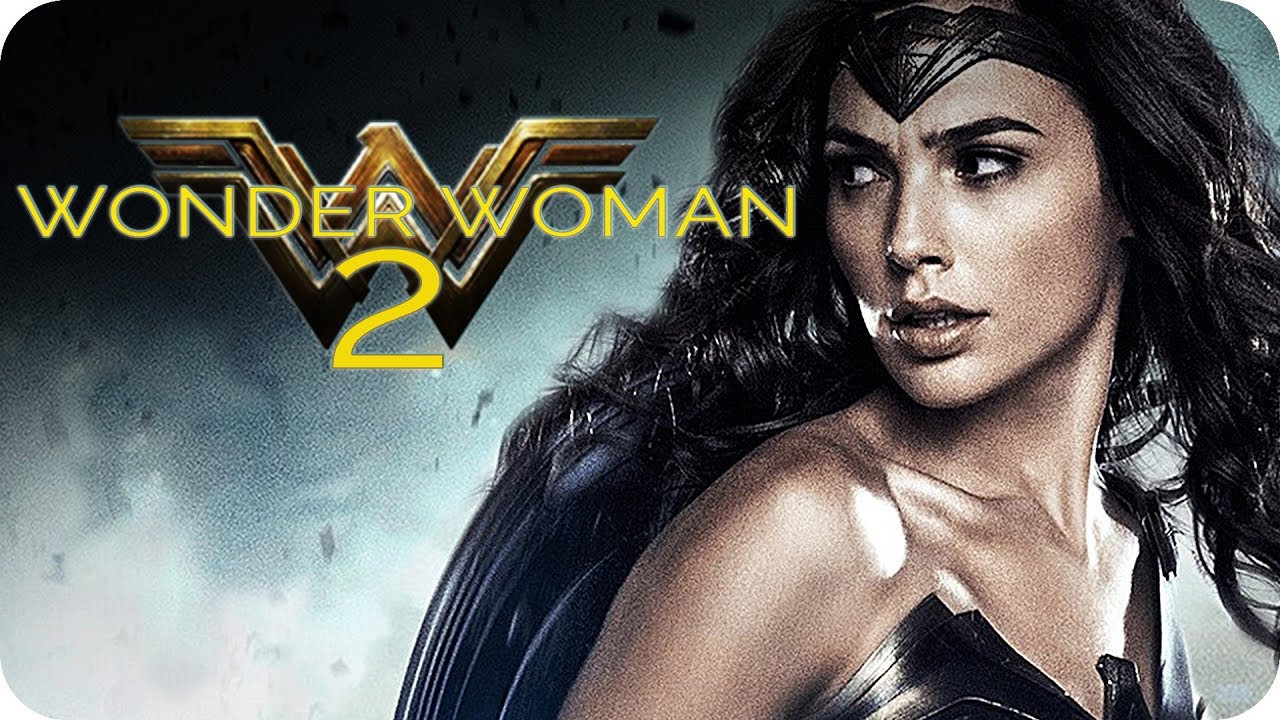
Those problems aside, Wonder Woman is still seen as the lone bright spot in a bleak outlook, especially as Marvel keeps raising the bar with their movies. To date, “Wonder Woman” remains the highest rated, highest grossing DC Comics movie. That makes the success of the sequel, still only known as “Wonder Woman 2,” of paramount importance to the future of superhero movies.

To date, there hasn’t been much news surrounding “Wonder Woman 2.” The only official details we have thus far are that Gal Gadot will continue to play Wonder Woman as only she can and Patty Jenkins is once again set to direct it. According to Jenkins herself, it will to be a very different movie compared to the first one. These are her words:

“We’re actually making a totally different film with a lot of the same, similar like things that we love, but it is its own movie completely, so it’s not ‘two’ to us. It’s an entirely new adventure together that we couldn’t be luckier [to do].”

I’m certainly excited about it, as I am with all things related to Wonder Woman. However, there’s one element that I believe will determine whether “Wonder Woman 2” is a “Dark Knight” level success or a “Batman and Robin” sized disaster. By just referencing “Dark Knight,” I think most superhero movie fans know where I’m going with this.

Image result for Heath ledger joker

It’s all about the villains. Regardless of the studio making the movie, the heroes involved, or the sex appeal of said heroes, the movie often succeeds or fails by how compelling or forgettable the villain is. Nobody will ever forget Health Ledger’s Joker in “Dark Knight.” Conversely, I’m pretty sure everyone has already forgotten Steppenwolf in “Justice League.”

Wonder Woman” may not have had an iconic villain on the same level as Heath Ledger’s Joker, but the combined narratives of both Ares and Dr. Poison worked because they supplemented Diana’s journey towards becoming Wonder Woman. Since the core of “Wonder Woman” was built around that journey, she didn’t really need a villain of Joker caliber.

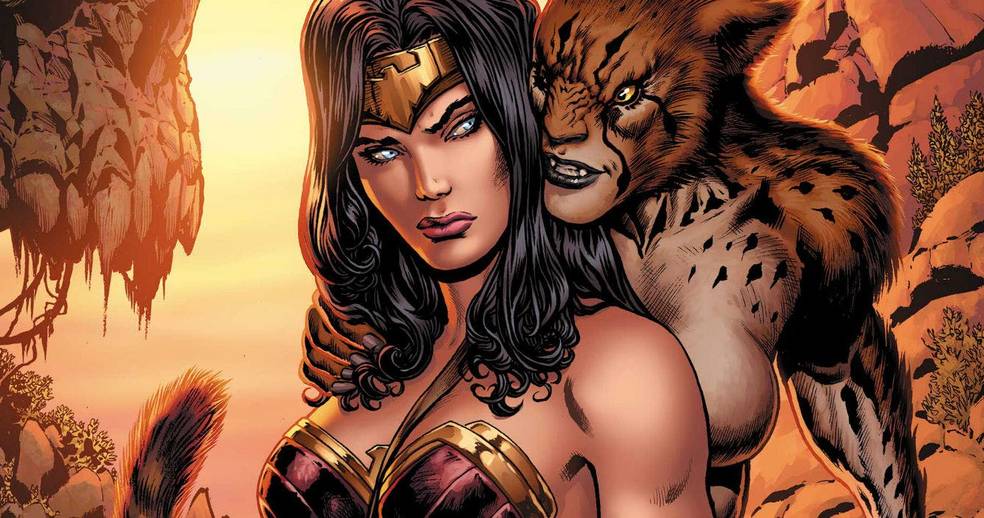
However, she’ll need one for “Wonder Woman 2” and that’s where Cheetah comes in. She has already been rumored to be the villain of the movie. She’s no Joker, but she is probably Wonder Woman’s most well-known villain. The fact that she isn’t an embittered child of Zeus, a story so old that it pre-dates movies, comics, and the printing press, makes that status all the more remarkable.

Image result for Wonder Woman Cheetah

From a pure comic book stand point, Cheetah makes the most sense as the main villain for “Wonder Woman 2” because she’s also one of Wonder Woman’s oldest foes. Her origins go all the way back to the earliest, and also kinkiest, era forged by Wonder Woman’s creator, William Marston.

Like many other classic villains, Cheetah’s persona mirrors Wonder Woman’s in many respects. In her earliest incarnation, Priscilla Rich, she’s an aristocrat woman born to a powerful family. Her mother isn’t a queen, like Diana, but just being in that privileged position from birth puts a great many expectations and temptations on her. It brought out the best in Diana, but it brought out the worst in Cheetah.

From a purely thematic standpoint, that’s an important component for Wonder Woman’s journey. In the same way characters like General Zod embody the kind of person Superman might have become, Cheetah shows Wonder Woman the much darker path she could’ve walked.

Related image

That path already has a very lengthy gap for Patty Jenkins to work with. The conclusion of “Wonder Woman” and the events of “Batman Vs. Superman: Dawn Of Justice” reveal that Diana had been secretly living in the modern world since the end of World War I. That’s a lot of time for her journey to take many turns, some of them darker than others.

That significant breadth of time actually plays to Cheetah’s advantage because her title is not tied to one person. In some instances, it’s a legacy that others take on. In others, it’s a curse that gets transferred from one person to the other. In every case, though, Cheetah embodies a persona that directly clashes with everything Wonder Woman’s stands for.

Wonder Woman fights for compassion. Cheetah fights for herself.

Wonder Woman believes in blessings. Cheetah believes in curses.

Wonder Woman is deeply empathic. Cheetah is exceedingly callous.

Wonder Woman is loyal to her friends. Cheetah betrays them.

Wonder Woman believes in love. Cheetah is driven by hate.

These contrasts were best embodied in Cheetah’s earliest incarnations, but it’s actually her more modern persona in Barbara Ann Minerva that, I believe, has the most potential for “Wonder Woman 2.”

Related image

Like other Cheetah’s before her, Barbara is a privileged woman from a powerful family in which she has all these expectations thrust upon her. As a result, she shares many of the selfish, arrogant, neurotic traits of Priscilla Rich and every spoiled rich brat that ever lived. However, what makes Barbara’s story more compelling is that in her most recent incarnation, she started off as a close friend of Diana.

It’s an element to the villain’s journey that makes their story more entwined with that of the hero. By starting off as a friend, it makes the inevitable clash that much more dramatic. Given the high drama we got in Diana’s final battle against Ares in “Wonder Woman,” it makes sense to take a similar approach with “Wonder Woman 2.” Diana, as we’ve seen, is at her best when drama and passions run high.

Image result for Wonder Woman fights Ares

The Barbara Ann Minerva that Diana knows in the most recent comics can come off as a spoiled brat at times, but she has a genuine fascination with gods, mythology, and the divine. In that context, it’s only natural that Diana would start out as an ally and a friend.

For Diana, especially after how her first movie ended, she would need a friend. After losing Steve Trevor, she would need someone to connect with in a world that is still very new to her. Conversely, Diana can give Barbara the connection she seeks to the world of gods, demigods, and magical lassos that make for hilariously awkward moments.

These two women have everything they need to forge a powerful friendship. At the same time, though, they have everything necessary to create a bitter rivalry as well. In the comics, Barbara’s ambitions and bad choices are what turns her into the feral, villainous Cheetah. It’s those differences in choices doesn’t just make their clash dramatic. It makes it genuinely heartbreaking for Diana.

Image result for Wonder Woman vs cheetah

To some extent, making a new friend and seeing them become an enemy would be even worse than losing Steve Trevor. It would also provide a legitimate explanation as to why Wonder Woman remained hidden from the world for so long, up until the events of “Batman Vs. Superman: Dawn Of Justice.”

Cheetah can do for Diana what Killmonger has recently done for Black Panther. She can give Wonder Woman an enemy that forces her to confront the harsher parts of a world that is still new to her. Back home on her paradise island of warrior women, she was sheltered from all these hardships. Now, she’s all alone in having to face them. That struggle is what will forge her into the iconic female hero that we know and love.

Image result for Wonder Woman vs cheetah

This is, of course, my own personal sentiment and I understand that doesn’t account for much. I’ve already made a wish list of all the things I want to see in “Wonder Woman 2” with the understanding I’ll probably only get a fraction of it, at most. After the first movie, both Gal Gadot and Patty Jenkins have done plenty to earn my trust.

It’s simply my hope that a sequel to such a wonderful, ground-breaking movie will find new ways to raise the bar for superhero movies and female superheroes, in general. That bar is still rising and I believe a character like Cheetah can help raise it for Wonder Woman.


1 Comment

Filed under Comic Books, Jack Fisher, Superheroes, Wonder Woman

Can “Tomb Raider” Succeed Like “Wonder Woman” (And Begin A Larger Trend)?

Tomb-Raider-Poster-Alicia-Vikander

It seems so long ago, but there was a time when movies based on superheroes were in the same sorry state as those based on video games. The fact I’m old enough to remember those days makes me feel way older than I want, but it’s still remarkable to consider at a time before big budget superhero movies like “The Avengers” and “Iron Man 3” grossed over a billion dollars.

That’s a huge shift from the mid to late 1990s, an era where such craptacular cinematic turds like “Batman and Robin” and “Super Mario Brothers” created the sentiment that those kinds of movies were box office poison. I’m sure some have yet to forgive Joel Shumacher and whoever thought casting Dennis Hopper as Bowser was a good idea.

That all changed, at least for superhero movies, when “X-men” hit theaters in 2000. Even with the stench of Shumacher’s failure lingering, that film proved that superhero movies can be both good and make a lot of money. As a result, the modern era of superhero movies was born.

While that has been great for the superhero movie genre, the video game genre didn’t fare as well. It’s not just because “Super Mario Brothers” was that bad, though. It’s more a matter of bad timing, bad execution, and movie studios just plain not knowing how to make a decent video game movie.

There have been attempts, including one “Doom” movie and fiveResident Evil” movies. None of them were the kind of hit that could kick-start an entire genre. Granted, Milla Jovovich made a respectable effort. Like the nipples on George Clooney’s Batman costume, though, it just didn’t take. As such, video game movies remain a punchline instead of a genre.

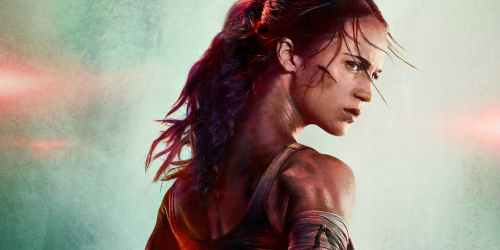
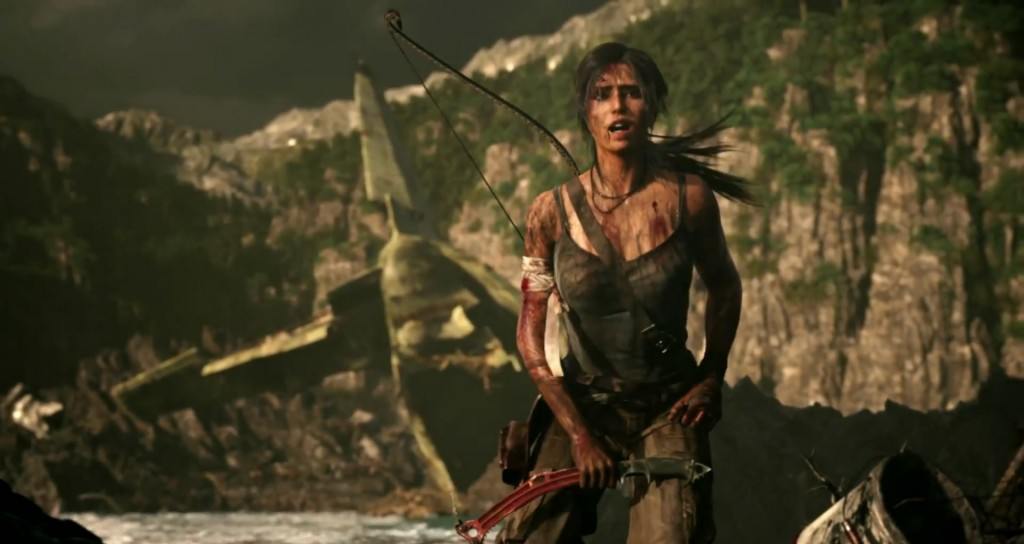
That may be about to change, though. Just this past week, a second trailer dropped for a movie that could do for video games what “X-men” did for superheroes. That movie is “Tomb Raider,” the same title of one of the most successful video game franchises of the past 20 years, which also happens to star one of the most famous, not to mention sexiest heroines of all time.

Unlike “Resident Evil” or “Super Mario Brothers,” Lara Croft is the kind of character who can work just as well in an action movie as she does a video game. Her being a digital sex symbol is just a nice bonus. The fact that Warner Brothers cast Alicia Vikander to play her role, an Oscar winning actress who did plenty to establish her sex appeal in “Ex Machina,” shows they’re really trying this time.

Just watch the trailer. Even for those who have never played a “Tomb Raider” game or cared much for Lara Croft can’t deny the potential. I still hesitate to say it, but this might just be a true video game movie that doesn’t suck.

I say that not just because of the trailer. Modern audience have learned since “Snakes on a Plane” that an awesome trailer rarely makes for an awesome movie. I’m daring to have confidence in this movie because it looks like it’s trying to capture the theme and spirit of the game without sacrificing the quality of the movie. For video game movies, that’s unprecedented.

Beyond the apparent effort, though, there’s something else “Tomb Raider” has going for it. Thanks to the success of “Wonder Woman” last year, which I so happily documented, this movie is coming along at the best possible time.

It’s not just generic male heroes or John McClane rip-offs that appeal to audiences anymore. “Wonder Woman” proved that there is a market for female heroes. Not only was that movie critically praised. It made a lot of money, more than all five “Resident Evil” movies combined. Nobody can argue that female heroes don’t sell anymore. Wonder Woman proved they do and “Tomb Raider” can take it a step further.

I believe this because the Lara Croft that’s set to show up in this movie is not the same Lara Croft that once drew so much ire from whiny pop culture critics who think every attractive female character is just fodder for horny male gamers. This a different, more complex Lara Croft than the one that Angelina Jolie tried to bring to life in two previous “Tomb Raider” movies.

Now, I don’t want to dwell too much on those movies or the associated flaws with them. I’ll just say that, while I don’t consider those movies bad, they really were just generic action movies slapped with a “Tomb Raider” logo. Angelina Jolie certainly had the sex appeal, but it did little to make Lara Croft that interesting, which showed in the critical response and the box office for both movies.

The Lara Croft that Alicia Vikander is playing in this movie has more complexity and nuance to her. That version of Lara came to life in the 2013 “Tomb Raider” video game that rebooted her story. Having played that game multiple times and joined the chorus of its many critical praises, I can say with confidence that this trailer captured those critical elements from that game.

In the 2013 game, Lara doesn’t start out as the sexy, sassy archaeology enthusiast who loves to shoot guns and run around in hot pants. She’s an ambitious, but inexperienced young woman who is still growing into that persona and over the course of the game, she eventually develops into that character that so many video game fans know and love.

As other successful movies have shown, establishing growth in a character and making them someone we can root for goes a long way towards making a movie compelling. Part of what made “Wonder Woman” so great was that we got to see her grow into the beautiful female icon that so many cherish. The previous “Tomb Raider” movies, and most video game movies in general, barely tried.

Instead, most video game movies make the mistake of assuming the audience already knows the characters and just plops them into an action-heavy story with no purpose, heart, or major drama. If there is any drama, it’s usually forced or contrived. This version of “Tomb Raider” looks like it will take those same dramatic elements that made the 2013 game so compelling and translate them into the movie.

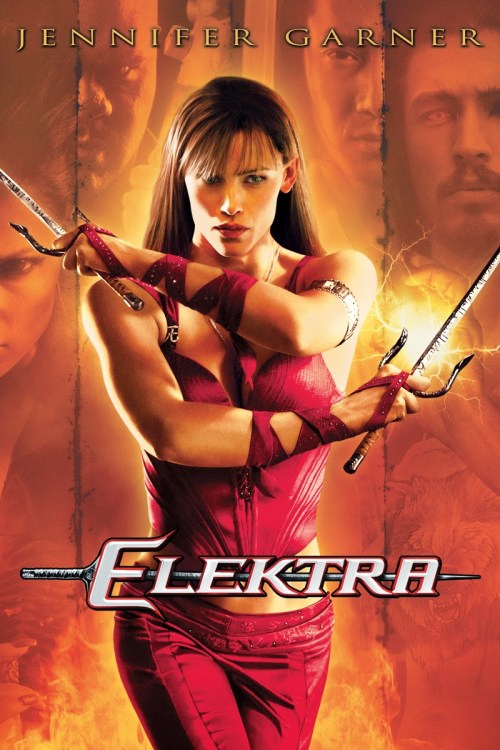
This version of “Tomb Raider” also has the benefit of coming out at a time when there’s a legitimate push for female-led movies. It’s very different from the Angelina Jolie era, whose movies came out a time when legendary flops like “Elektra” and “Catwoman” were setting back female heroes for a decade. Studios can’t get away with being that reckless with female characters anymore.

It’s for that reason that I have genuinely high hopes for this movie. It’s also because of the success of “Wonder Woman” that I believe there’s already an audience that’s eager to help “Tomb Raider” succeed.

Hollywood is already trying to capture that audience with movies like “Atomic Blond” and “Red Sparrow.” The recent announcement of a “Black Widow” movie being in development by Marvel Studios is only adding more momentum to the future of female heroes in movie.

Tomb Raider” succeeding will do even more than just build upon that momentum. It will establish that the success of “Wonder Woman” was not a fluke. It is possible to build a successful, lucrative franchise around more than one powerful woman. Lara Croft may not be an amazon warrior, but she has the potential to carve a place for herself in an increasingly competitive market.

Now, I don’t discount the potential that this movie could also fail. Like I said, video game movies have an abysmal track record, to say the least. That legacy is going to be difficult to overcome, but as “X-men” showed in 2000, it only takes one hit to start a trend. It’s a trend that I believe needs to happen for the good of the entire movie industry.

Even if you’re among the crowd who thinks the media is trying way too hard to push diversity in movies, video games, comics, and whatever other form of media is trying to turn a quick buck, it’s better for everyone that we have heroes who actually vary from time to time. There shouldn’t be that many similarities between John McClane, Luke Skywalker, and James Bond and every major movie icon of the past 50 years.

There is room for female heroes. There’s also room for movies based on video games. It’s not good for the industry, as a whole, if the only successful franchises come from Disney, Marvel, and the collective minds of Jack Kirby and Stan Lee. By succeeding, “Tomb Raider” will open the door for a broader array of movies and female character.

That added variety need not come at the expense of the established male characters that we all know and love. “Wonder Woman” didn’t have to knock Superman or Batman down a peg in order to succeed. She found a way to succeed on her own and the superhero movie genre is better because of it. Lara Croft is fully capable of succeeding as well and the video game movie genre will be better too.

I’ll be keeping a close eye on this movie. Like “Wonder Woman,” it’s success will have far-reaching implications beyond the movie itself. It has everything it needs to succeed, from quality source material to an Oscar-winning actress to a market that’s recently demonstrated that iconic female characters can make millions at the box office. It just needs to follow through.

It’s doubtful that “Tomb Raider” will succeed at the same level as “Wonder Woman,” but it doesn’t have to. It just needs to turn a profit and capture all the elements that make Lara Croft great. If it can achieve that, then the future for both video game movies and female heroes is brighter than ever. It may not make us forget “Super Mario Brothers,” but it’ll help us move forward.

1 Comment

Filed under Comic Books, Jack Fisher, Superheroes, gender issues, Movie Reviews, sex in media, Wonder Woman

My Wish list For “Wonder Woman 2”

I know it’s been a while since I talked about Wonder Woman. In my defense, there have been a lot of distractions between the holidays, the response to the “Justice League” movie, and recent news stories to which I just couldn’t resist responding. Make no mistake, though. I haven’t forgotten about Wonder Woman or the fact that she had a breakout year in 2017.

In many respects, Wonder Woman was one of the best parts of 2017. She didn’t just amaze audiences by proving that there is a market for female superheroes, even after “Catwoman.” She raised the bar for the entire genre, both in terms of critical and commercial success. That bodes well for other female-led superhero movies.

While other female superheroes play catch-up, though, Wonder Woman is set to continue rising the bar. She’s Wonder Woman. That’s what she does through Gal Gadot’s charisma and she does it with uncanny grace. Shortly after her movie came out, a sequel was announced to the surprise of no one. At the moment, “Wonder Woman 2” is slated for release on November 1, 2019.

While that date seems so far away, some details are already starting to trickle in. Director, Patty Jenkins, has already started teasing details. At the recent Palm Springs Film Festival, she indicated that the sequel would be a very different film compared to its predecessor. Naturally, she didn’t give too many details, but it’s enough to get Wonder Woman fans excited.

Since I consider myself among those fans, I already find myself contemplating what a “Wonder Woman” sequel will entail. It wouldn’t be the first time I’ve contemplated such things, either. While it’s too early to know or even speculate what “Wonder Woman 2” will bring, we can still hope and imagine the wondrous possibilities.

In that spirit, here is a brief, but basic wish list for what I hope to see in “Wonder Woman 2.” Granted, if Ms. Jenkins is serious about this being a very different movie, chances are not much on this list will apply. I understand and accept that. This is just the giddy Wonder Woman fan in me daring to imagine how wonderful this movie can be.


Wish #1: Establish More Villains (And Make It Personal)

If Wonder Woman has any flaws, beyond those that assholes and trolls point out, it’s that her list of villains isn’t quite as iconic as that of Batman or Superman. For much of her history, Wonder Woman’s greatest battles have been tied to those of the Justice League or those of her fellow Amazons. She’ll be a major force in those battles, but they rarely have major personal stakes.

Wonder Woman 2” presents a golden opportunity to change that because there are a few villains with strong personal ties to Diana. While Ares was more built up boss battle in the first movie, villains like Cheetah can test Diana’s heart, as well as her skill.

The recent Wonder Woman comics have done an excellent job establishing the deep personal struggle between Wonder Woman and Cheetah. While there are multiple women who have gone by Cheetah, the overall theme is the same. She is Diana’s rival, but there was a time when she was also her friend.

Having to fight her friends is an agonizing challenge for Wonder Woman, which we saw play out in the “Justice League” movie. It brings out her heart and her passions for all the right reasons. A more personal villain can only help expand that appeal in “Wonder Woman 2.”


Wish #2: Maintain A (Very) Distant Connection From The Other DCEU Films

While I stand by my statement that “Justice League” did not deserve the negative reviews it got, I don’t deny that the “Justice League” movie has become somewhat of a toxic brand. It’s not quite on the same levels as “Batman and Robin,” but at this point there’s just no way to salvage the backlash.

It’s for that reason, among many others, that I hope “Wonder Woman 2” maintains an extremely distant connection from the larger DC Extended Universe. I’m not saying it should cut itself off entirely. Even the first movie made it a point to establish that this movie was part of a larger world. The sequel should reflect that.

However, the events of “Justice League,” however big they might have been, shouldn’t be a major driving force in the narrative. Whether it takes place in the modern day or in the past, like the first movie, it can’t be too beholden to the events of other major DC movies.

A big part of the success of “Wonder Woman” was its ability to stand on it its own, apart from the rest of DC’s main superheroes. “Wonder Woman 2” should build on that and I imagine Patty Jenkins isn’t going to want to be too constrained by the burdens of other movies. For Wonder Woman, despite her kinky past, there can be no such restraints.


Wish #3: Build On The Amazons’ Mythology (And Diana’s Family Ties)

There were a lot of positives in “Wonder Woman” and I went out of my way to acknowledge them in my review of the movie. However, if there was one flaw in the overall narrative, it had to do with the limited exposure of the Amazons. That’s because in nearly every medium, Wonder Woman’s story is inherently enriched by her Amazon heritage.

The first movie did enough to establish who the Amazons were, why they are so important, and how important they are to Wonder Woman. Unfortunately, it didn’t do much more than that. After Diana left Paradise Island, we didn’t hear from them again. That’s why I hope “Wonder Woman 2” takes the time to expand on the story of the Amazons.

They already showed how badass they can be in “Justice League.” I sincerely hope they get more opportunities in “Wonder Woman 2.” Between Diana’s mother and her more notable siblings, there’s a wealth of material for Wonder Woman to build on. It further raises those personal stakes I mentioned earlier, which can only help expand the appeal of Wonder Woman’s world.


Wish #4: Let Wonder Woman Address Social Issues (In Her Own Unique Way)

Given Wonder Woman’s iconic status as a female icon, it’s unavoidable that she’s going to provoke discussions about social issues. These days, that leads to many heated, hateful, and downright counterproductive conversations. However, that’s exactly why I still want Wonder Woman to address those issues in “Wonder Woman 2.”

Gal Gadot has already shown that she gets the unique spirit of love and compassion that Wonder Woman espouses. Sure, she is prone to making a few controversial remarks, but overall she gets what Wonder Woman is about. She even showed this in the first movie, having Diana navigate the very patriarchal world of the early 20th century, but without using that as an excuse to hate it.

Like it or not, there are a lot of social issues going on in the world. For the most part, we do a poor job debating those issues, as a society. Wonder Woman, with her emphasis on compassion and love for all, is the perfect antidote to that.

I don’t know how she’d go about it in “Wonder Woman 2.” A lot of that depends on the setting, the time period, and the conflicts involved. Whatever form it takes, though, I think it’ll be good for the audience and for the superhero genre to see Wonder Woman confront these social issues as only she can.


Wish #5: Expand The Emotional Stakes (And Let Gal Gadot Channel Her Passions)

This is more of a broader hope for “Wonder Woman 2.” While there are quite a few specific things I’d love to see in this movie, I think it’s more important that it embody the necessary theme that makes Wonder Woman so endearing. Like with some of my other wishes, those themes revolve heavily around the emotional stakes of Wonder Woman’s journey.

We didn’t see too much of that in “Justice League,” but we saw plenty of that in the first movie. Every battle she fought was an emotional struggle. That struggle gave Gal Gadot the opportunity to emote in a way that would make any Amazon warrior proud. Wonder Woman has never just been about fighting injustice or kicking ass. That is always secondary to her heart.

Some of the best moments in “Wonder Woman” just involved her taking a moment to smile, explore, and share herself with others. Whether it was making Steve Trevor feel awkward or making friends with Etta Candy, we got to see Wonder Woman share her passions with others outside the battlefield. That helped make her endearing on so many levels.

Wonder Woman is already a very likable, very passionate character. She’s the kind of person that men and women, alike, can rally behind. Any successful sequel will take those themes and run with them. There’s so much to love about Wonder Woman and how Gal Gadot brought her to life. If “Wonder Woman 2” can build on those themes, then it already has the most important ingredient for more wonderful success.

3 Comments

Filed under Comic Books, Jack Fisher, Superheroes, Wonder Woman

Gal Gadot’s Message To Misogynists (And Why It’s Incomplete)

It has been a good year for Gal Gadot. When you’re the woman who brought Wonder Woman to life in one of the most successful movies of 2017, as well as the highest grossing superhero origins movie of all time, you can objectively say you’re doing pretty damn well for yourself.

Ms. Gadot has every reason to be confident and not just because she’s the second woman since Lynda Carter who can call herself Wonder Woman with a straight face. She didn’t just make the “Wonder Woman” movie an unmitigated success while also getting Chris Pine naked in the process. She did it in a way that was truly empowering to women, female superheroes, and guys who just appreciate women who can kick ass.

As such, Ms. Gadot’s words carry a lot more weight than most people, regardless of their gender. She could say tomorrow that pineapples and beaver testicles are the greatest pizza topping of all time and we, as a society, would still take her seriously. That’s how much power you get from making an awesome “Wonder Woman” and doing part of it while pregnant, no less.

That’s why when, during a promotional interview with IGN with her “Justice League” co-star, Ezra Miller, Ms. Gadot made a bold proclamation. Granted, it wasn’t entirely serious and Miller had goaded her, but since she’s Gal “Wonder Woman” Gadot, these words still carry weight.

“Misogynist sexists, your wrath upon this world is over!”

If you want to see the full interview in order to get the full context of the statement, which is important here, you can watch the video here.

Again, the statement wasn’t on the same level as a full-blown protest, complete with bra burning. This is her and a co-star goofing around, but some of that sentiment stems directly from some distressing recent events involving powerful men being dicks to women. These issues are serious, bringing out the best and worst in people.

That’s why Ms. Gadot’s message matters. As I write these words, there are probably people out there taking them far more seriously than she intended. Some may even use it as a rallying cry to wage war against everyone with a penis who dared to have a dirty thought about a beautiful woman. While those people may be a fringe minority, the message still resonates, due to the unique time we find ourselves in, as a culture.

There’s no question that 2017 is a turning point and not just for female superhero movies like “Wonder Woman.” USA Today is already calling it “The Harvey Weinstein Effect” and has been maintaining a list of powerful men who have lost their jobs and/or reputations, due to sexual misconduct.

At this point, even if you’re a card-carrying member of the patriarchy, you can’t deny the growing trend. It’s gotten to a point where anytime you see a male public figure’s name trending on social media, there’s a good chance that they’re somehow involved in some sordid sexual misconduct. Say what you will about the merits of this trend, but it’s happening.

Going back to Ms. Gadot’s bold proclamation, I think it’s partially accurate in that it’s already being fulfilled. Powerful men who have harassed women are losing power, reputation, and influence. Influential organizations are cutting ties with those who are embroiled in sex scandals.

If you’re a powerful man who loves using his power to coerce sexual favors, this is not a good time for you and Ms. Gadot’s words should strike fear in you. While that part of her statement is valid, and most people would probably agree with it, there is one issue with it. It’s incomplete.

By that, I don’t mean Ms. Gadot misspoke. I am not foolish enough to tell Wonder Woman herself how she should talk when she could probably kill me with her pinkie toe. In terms of the overall substance of her message, though, it’s one of those instances where the rhetoric is more ambitious than the words.

The problem is that the message gives the impression that there’s an actual war going on. Coming from Gal Gadot, who served in the Israeli army before becoming Wonder Woman, it makes sense for her to frame it in such a way.

However, when it comes to powerful men exploiting vulnerable women, that’s not a war. That’s an societal problem on top of a leverage problem on top of a biological problem within the ongoing problem that is our caveman brains. Granted, that’s a lot of problems, but framing it as a war only compounds them.

That’s because wars, and wraths by default, are chaotic and bloody. Wars have casualties and most of the time, they’re not just enemy soldiers. Declaring a war on something, even if it’s an objectively bad thing, is bound to stir chaos that will affect others than the intended targets. Just look at the casualties in the ongoing war on drugs for distressing proof of that.

Ms. Gadot’s comment also implies there’s some shadowy army of evil Harvey Weinstein clones, each plotting and planning to create a world where they can harass and assault women with impunity. That may very well be a plot for another Wonder Woman movie, but it’s not reflective of the real world.

The kind of misogyny that creates men like Harvey Weinstein is not the result of some shadowy conspiracy that only Alex Jones would buy into. They’re largely a result of unequal power structures, outdated ideas about gender roles, and people generally taking advantage of opportunities that other horny men can only dream of.

It’s not an agenda or a wrath that’s in play here. It’s injustice and exploitation, coupled with greed and corruption. That, in and of itself, is a pretty toxic combination that affects people of any gender. It can get pretty bad at every levels of power, but it’s not just restricted to misogyny or general sexism.

Now, there’s no question that there’s still a lot of injustice and sexism in the world. If Ms. Gadot wants to fight that, both as an advocate and as Wonder Woman, I would gladly fight beside her, along with anyone else who would heed her call. That call, however, can’t be the same as a war cry against a secret cabal of misogynist sexists. It has to have more substance than that.

For the most part, people already despise misogynist sexists. Neither Ms. Gadot nor Wonder Woman need to convince anyone of that. Men with sordid pasts are already seeing their reputations and authority being undermined by recent efforts. Ms. Gadot herself even played a part in one of them involving Brett Ratner.

However, it can’t be like Wonder Woman’s final battle against Ares in the “Wonder Woman” movie. That’s not how sexism manifests in the real world. It’s not one of those things that can be fought with fists and godly powers. It’s one of those things that can only be fought with understanding, knowledge, and compassion, all of which are among Wonder Woman’s core tenants.

I don’t know what a better rallying cry would be for Ms. Gadot. Even if I did, it wouldn’t mean much coming from a male erotica/romance writer. Sexual harassment, sexual assault, and sexism are all serious issues. As such, any effort to confront them needs to start with the right message and I hope Gal Gadot is among those who delivers that message.

1 Comment

Filed under Celebrities and Celebrity Culture, Comic Books, Jack Fisher, Superheroes, gender issues