Tag Archives: comic books

How To Do Romantic Sub-Plots Right (And Why Some Fail)

3586038c620fcc65ac400b9fc3bc86ca1

This will probably surprise no one who regularly visits this site, but I love romantic sub-plots. In many cases, they’re my favorite part of a movie, TV show, or comic book. I’ve made my love for romance in general fairly well-known, but romantic sub-plots offer a special kind of appeal.

Now, when I say romantic sub-plots, I’m not referring to the stories built solely around romance, like many of my novels. I’m referring to stories that are primarily presented as another genre, be it sci-fi, fantasy, or a blatant “Die Hard” rip-off, but include a secondary romantic story that runs parallel to the main story.

Sometimes, that story is subtle. Sometimes, it becomes a major catalyst for other parts of the main story. Sometimes, it just adds a little melodrama in between all the bigger, flashier conflicts. Watch pretty much any prime time show on the CW these days and you’ll see examples of every kind to some extent.
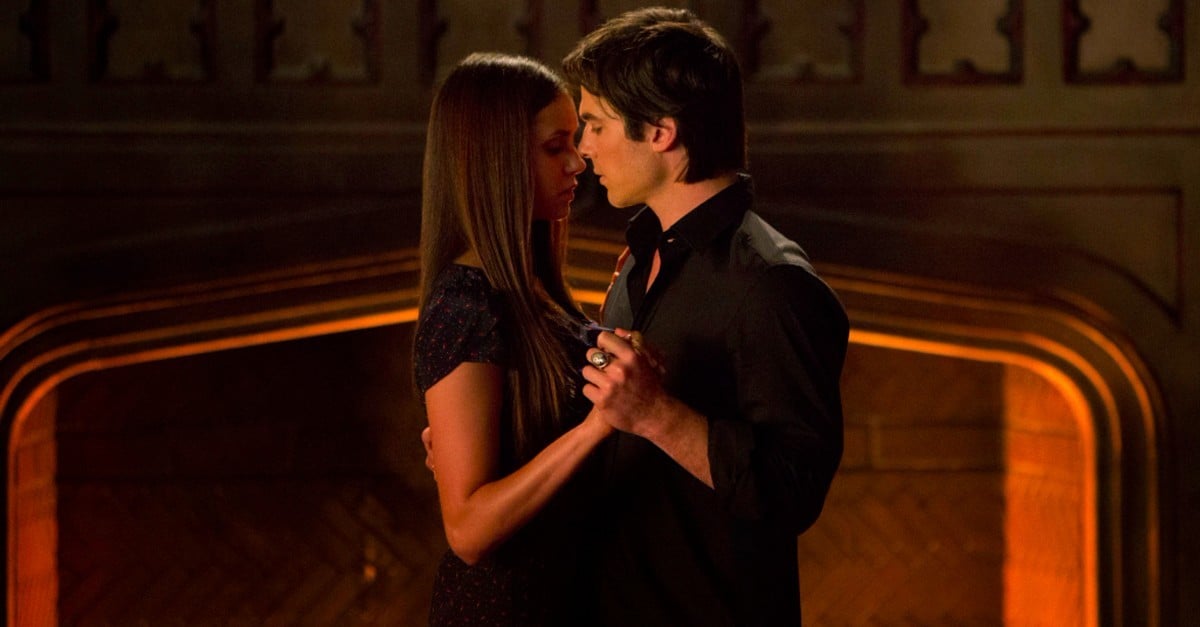
As much as I love these sub-plots, though, they can also be frustrating. For every romantic sub-plot I felt was handled well, I can think of five others that were horribly botched. On one end, you have the rich, balanced love story of Han Solo and Princess Leia in the original “Star Wars” trilogy. On the other, you’ve got the inherently toxic love story between Penny and Leonard in “The Big Bang Theory.”

There’s so much variety and diversity to romantic sub-plots that I could spend an entire weekend going through all of them. However, for the sake of making a more concise point, I want to focus on what makes a romantic sub-plot truly compelling. Regardless of genre, medium, or scope, a good romantic sub-plot can really enhance the overall plot.

Like every other sub-plot or storytelling tactic, though, romantic sub-plots are prone to all sorts of tropes, cliches, and traditions. Some are more useful than others. However, some can create obstacles and pitfalls that derail an otherwise promising romantic sub-plot.

While I don’t consider myself an expert on all the mechanisms that go into a good romantic sub-plot, I do know plenty of others out there who are far smarter than me and far more capable of explaining the subject in a more comprehensive way. They may not be experts either, but they know how to get the point across.

That’s where wonderful YouTube channels like Overly Sarcastic Productions come in. I’ve referenced it before in previous discussions about strong female characters, but it also provides other extensive breakdowns of various tropes and does it in a colorful, entertaining way, sometimes literally.

One such video in their Trope Talk series covers romantic sub-plots and the breakdown here is the best I’ve seen to date on what makes a good and not-so-good sub-plot. If you haven’t seen it yet, I highly recommend you watch it. If nothing else, it should put some of your favorite and least favorite romantic sub-plots into a larger context.

There’s a lot of fast-talking, broad-based breakdowns of this trope, which the narrator freely admits she doesn’t fully understand. However, she demonstrates that she understands enough to point out what not to do when pursuing a romantic sub-plot on a fairly basic level. I want to go beyond basics.

The video singles out a few TV shows and cartoons where the romantic sub-plot falls flat, such as “The Legend of Korra” and “Castle.” In both cases, the sub-plot is very shallow in that it’s built entirely on the fact that a straight male and a straight female character work closely together. As such, they become romantically entangled.

Therein likes the most glaring problem, though. Just being two characters who work together is seen as sufficient to justify the sub-plot. As a result, there’s no effort to build meaningful chemistry between the characters. In some cases, there isn’t even an effort to establish whether they’re romantically compatible with one another.

This is probably the most common, not to mention the most annoying, problem that arises when romantic sub-plots enter a story. The sub-plot is given the bare minimum in terms of depth, relying on the audience to fill in the blanks as to why these two should be together.

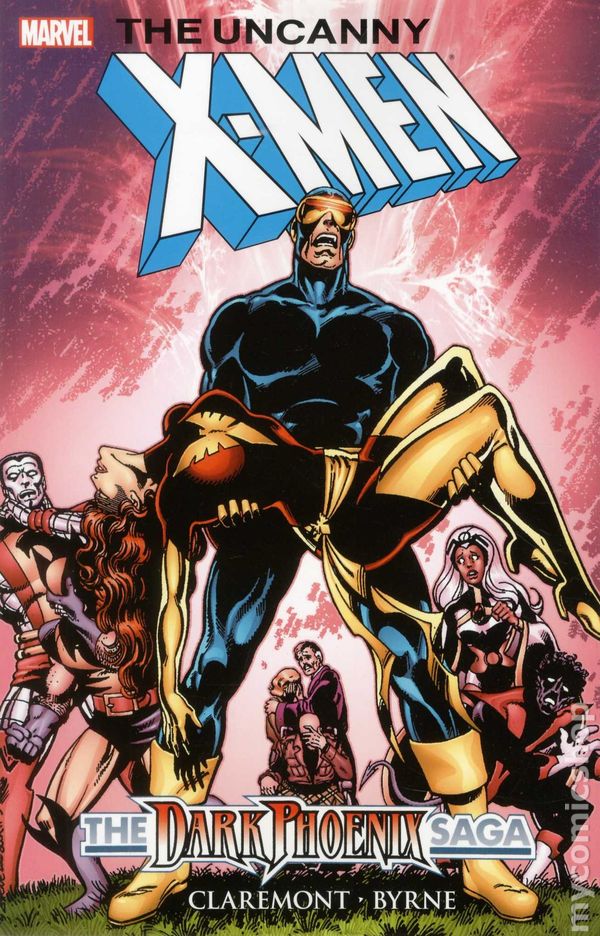
This happens a lot in the superhero genre. Romantic sub-plots and soap operas are the cornerstone of some of the most iconic superhero comics, TV shows, and movies. One of the most epic examples, the Dark Phoenix Saga, is set to become a movie next year. However, I would argue that the superhero genre is most guilty of this common shortcoming.
Take, for instance, the first “Iron Man” movie and the romantic sub-plot between Tony Stark and Pepper Potts. Never mind the fact that these two characters don’t have much of a romance in the comics. The first movie and the two successful sequels that follow do plenty to establish Tony and Pepper as the primary romance of the story. However, it does little to show why these two belong together.

The same thing happens with Thor and Jane Foster in the first two “Thor” movies. Unlike Iron Man, the comics establish a more robust romantic history between these two. The movies, however, do little to drawn from this history. They rely solely on the fact that Thor spends a little time around Jane, she’s attracted to him, and that’s all that’s necessary for the romance to unfold.

Again, it’s shallow in that it relies too heavily on the audience to fill in the gaps of chemistry and compatibility. For any functional romance, those gaps are pretty big. Just getting together is only a small part of that process and the story around it. Movies like “Thor” and “Iron Man” give the impression that just being around each other long enough is sufficient. These characters don’t have to actually work on their romance.

Compare that to the much more developed romances in the superhero genre, such as Barry and Iris in “The Flash” TV show. In that romance, just getting together isn’t the end of the story. It’s just part of it. Barry and Iris actually work, struggle, sacrifice, and even argue at times, but that’s exactly what makes their relationship so meaningful.

Outside the superhero genre, there are other ways the romantic sub-plot gets derailed in a way that’s more annoying than entertaining. I think “Friends” was one of the worst offenders with Ross and Rachel because almost the entirety of the sub-plot was built around them struggling to get together. Sure, the process of two people coming together can be compelling, but that can’t be the whole story.

Movies tend to struggle with it even more, but mostly due to logistical reasons. There’s only so much romantic development you can squeeze into a two or three hour movie. However, it can be done. Despite being brief and tragic, the sub-plot of Sarah Conners and Kyle Reese in the original “Terminator” movie showed that it is possible for a romantic sub-plot to be meaningful within those limitations.

Far more often, though, movies try to rush a sub-plot or outright force it. That’s part of what makes any romance hard to take seriously. In a movie like “Jurassic World,” where you have two very different characters in Claire and Owen, it really has to be forced because outside the plot of the movie, it’s hard to imagine these two having a meaningful relationship.

In some respects, that’s a good litmus test for any romantic sub-plot. If you can’t see the characters involved functioning outside the plot of the movie, then chances are the romantic sub-plot is fundamentally flawed. It’s easy to imagine iconic couples like Superman and Lois Lane, Cyclops and Jean Grey, or even Allie and Noah in “The Notebook” enjoying a functional relationship past the final credits.

Even for couples where it’s harder to picture them outside a conflict, it helps when a romantic sub-plot still puts in extra effort to make the romance believable. While this is a challenge in movies, TV, and comics, I’ve actually seen this handled a lot better in modern video games.

Romantic sub-plots are important elements of popular games like the “Uncharted” series. What makes that sub-plot effective, though, is how much time and energy is put into establishing why a man like Nathan Drake would be with a woman like Elena Fisher. It even goes out of its way to show how these two characters create a genuinely functional relationship towards the end.

While it might be a bit of a stretch, I would also cite the “Mass Effect” series that I’ve praised before in how well it handles romantic sub-plots. Now, it’s a stretch because the game is structured in a way where the player can choose a particular romantic sub-plot or choose to not have one at all. That makes the story a lot more fluid than a movie or TV show, but it still manages to create depth for a sub-plot.

That depth shows, regardless of which romantic sub-plot the player chooses. Whether it’s Shepard and Liara, Shepard and Ashley, or Shepard and Garrus, the game provides opportunities for depth and development. If you follow the sub-plot through to the end, the romance has genuine dramatic weight.

In the end, that’s the most important impact of any romantic sub-plot. When done right, it adds greater weight to the overall narrative. It creates an emotional dimension that goes beyond just achieving a goal or surviving a conflict. It fleshes out the emotions, passions, and desires of the characters involved.

Conversely, it can really disrupt the plot when done wrong. I’ve already covered how the worst love triangle in history derailed the X-men movies. Talk to any “Star Wars” fan and they’ll probably say the poor romance between Anakin Skywalker and Padme was the most disappointing part of the prequels not named Jar Jar Binks.

To some extent, a romantic sub-plot is a gamble. It stretches the odds, but it also increases the payout. When it fails, it can fail pretty spectacularly. When it works, though, it can make for some of the most dramatic, passionate moments in a story. As an unapologetic romance lover, I say it’s a gamble worth taking.

1 Comment

Filed under Comic Books, Jack Fisher, Superheroes, gender issues, human nature, Love Or Obsession, Marriage and Relationships, movies, romance, sex in media

Why Superman Is An Icon And Why He Still Matters After 80 Years

action-comics-1000-vo

Take a moment and think about how many artifacts of popular culture have endured for 80 years. Even if you’ve got an extensive knowledge of culture or just spend a lot of time browsing Wikipedia, it shouldn’t take long to realize how short that list is. That makes the icons on that list all the more endearing.

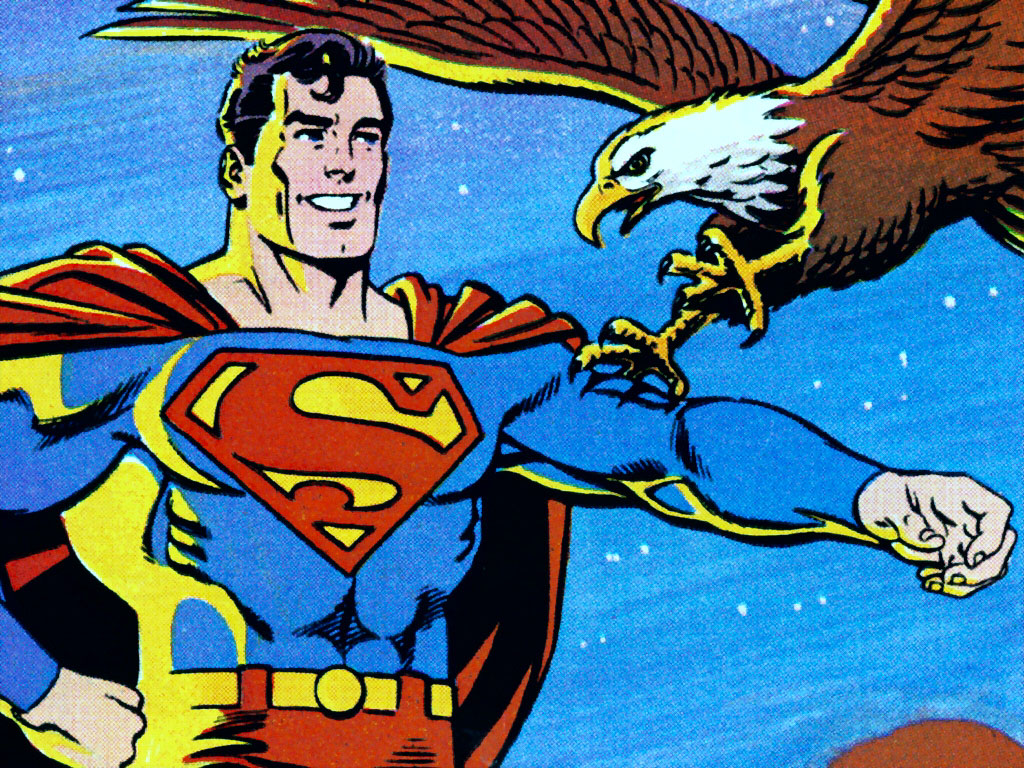
Near the top of that list is Superman. Even if you’re not a comic book nerd and can’t stand to watch more than five minutes of a superhero movie, it’s impossible to deny the special place Superman has in our culture. He’s not just a comic book character. He’s not just a superhero either. He’s in a league of his own that transcends any one genre.

That became abundantly clear this past week when Superman celebrated his historic 80th anniversary with the release of Action Comics #1000. As an admitted comic book fan who goes out of his way to explore the deeper messages and implications of comics, this was a pretty big deal for me.

Now, I don’t consider myself as big a Superman fan as I am an X-men fan. I like to think I’ve made my love of X-men quite apparent on this site. However, I still enjoy my share of Superman content. Beyond the comics, I grew to love Superman through his animated series and the Justice League cartoon that was produced by Bruce Timm. To date, those and the Richard Donner “Superman” movie are the definitive Superman for me.

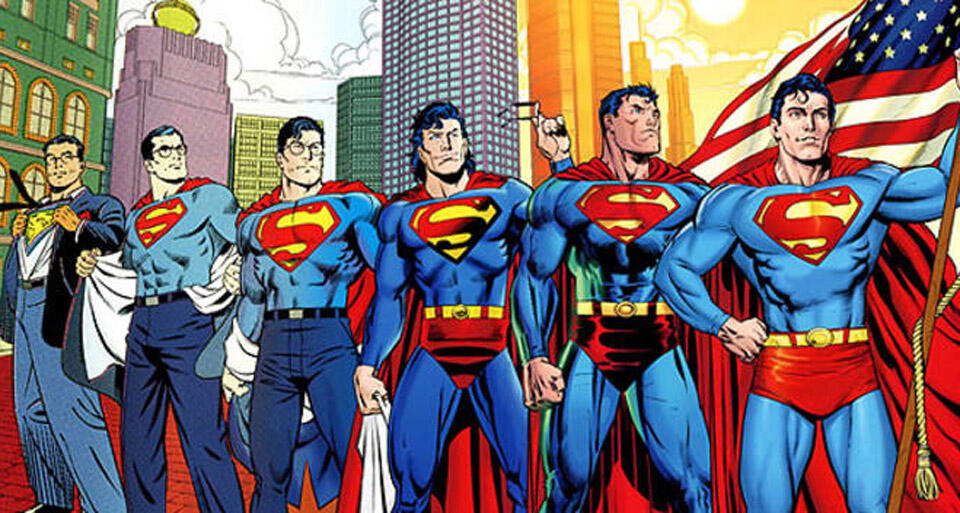
As much as I love those incarnations, though, I understand that Superman’s history is much broader than that. A character doesn’t endure for 80 years without having a rich history and Superman certainly has plenty of that. In that history, he’s evolved a lot in terms of style and portrayal. From battling Nazis in the early 1940s to ditching his iconic red trunks for a while, Superman has had his share of reinvention over the years.

Through all these changes, though, Superman has always embodied a specific set of ideals that helps cement his status as an icon. From his earliest days to his most recent movie version, Superman at his core is an inspiration. He’s epitomizes just how good a hero can be and how profoundly he can influence others.

Some call him the ultimate Boy Scout. Some call him the perfect goody-two-shoes. Some even go so far as to claim that his nauseatingly good nature that Christopher Reeves captured so perfectly in the movies makes him a boring character. Given the sheer breadth of his power, which include some truly insane feats, I can understand that to some degree.

At the same time, though, I would also argue that same annoyingly wholesome nature is part of what makes Superman something much greater than an overpowered superhero. I would even go so far as to say that’s part of what has helped him endure for 80 years and made him an icon that transcends comic books, movies, and heroics in general.

There’s a long, if not bloated, list of superheroes of varying degrees of power. Some are even more powerful than Superman. However, just having power isn’t enough, as any Batman fan will tell you. It’s how a hero uses that power and why they do what they do that helps define them.

By that standard, Superman is the gold standard. His heroism is very much the standard by which all others are measured. He has the power to do things that aren’t just incredible. They’re outright impossible. He still does them, though, because he’s Superman. However, it’s why he does them that’s more important.

Compared to why other heroes do what they do, Superman’s reasons for using all that power for good is as simple as it is profound. It’s the right thing to do. He doesn’t need someone to kill his parents. He doesn’t need to be bound by duty or driven by guilt. He just does the right thing because it’s the right thing. That’s all there is to it.

It’s so simple that it’s almost inane, but it’s profound in its implications. I even explored some of those implications when I explored the nihilistic implications of Superman’s morality, drawing comparisons to Rick Sanchez from “Rick and Morty” of all characters. Regardless of how strong those comparisons are, it doesn’t undercut the impact of that idea.

It’s a big part of what helps Superman inspire others. It’s very much a part of why he still matters today, especially in an era where every heroic character needs some sort of catalyst to become a hero, whether it’s a princess getting kidnapped or someone shooting their dog. Superman doesn’t need any of that. He just does the right thing with his powers because it’s the right thing. That’s all there is to it.

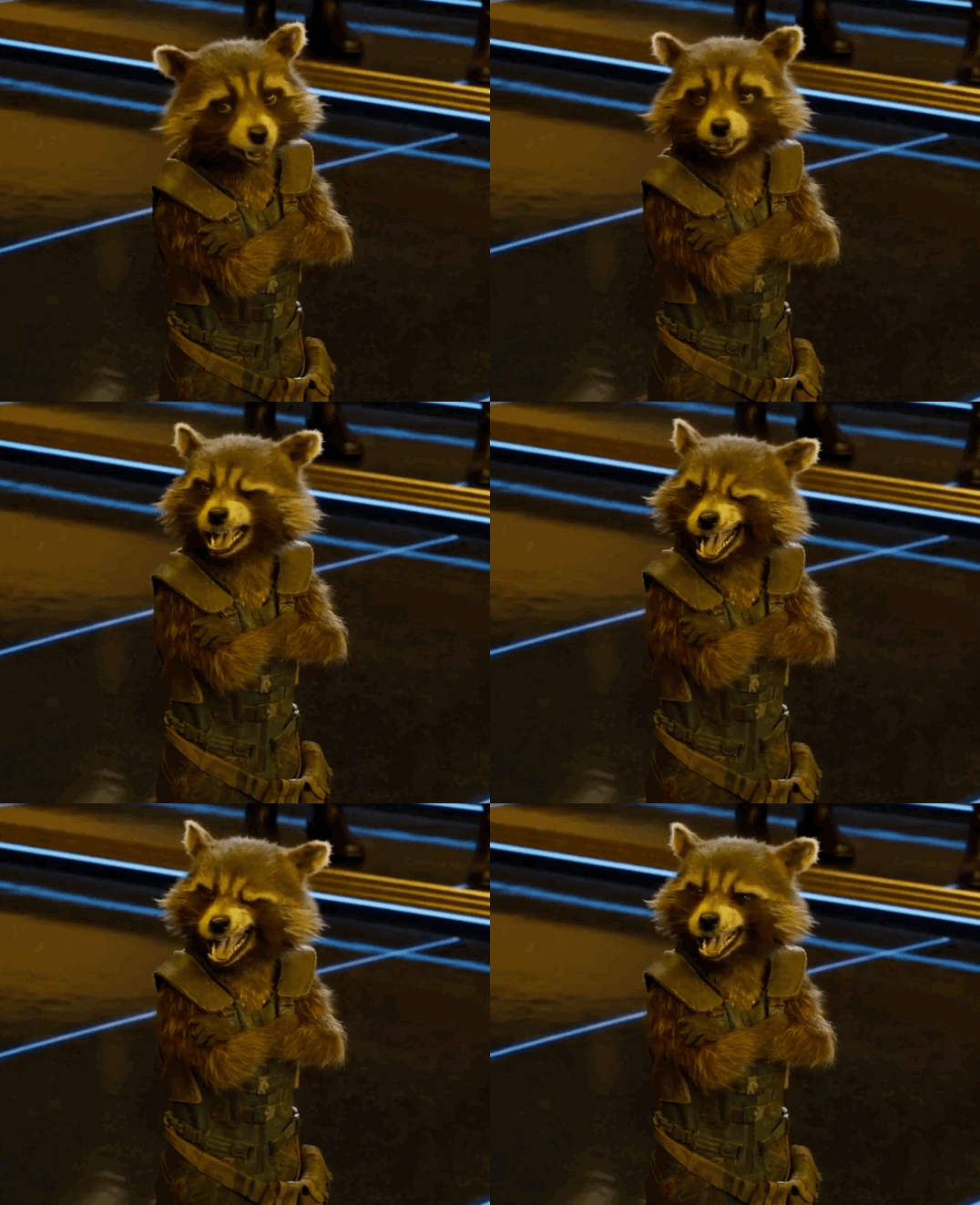
That might not seem like a big deal, especially compared to the more elaborate journeys that other characters go on the path of heroism. Why would someone even want to follow a journey of someone who just does the right thing from the start and doesn’t need to team up with any talking raccoons along the way?

The answer to such a cynical question comes back to inspiration. It’s something that has only become more valuable as we get bombarded by countless bleak headlines. Superman is capable of so much, both in terms of his immense power and altruistic persona. He has such an immense impact when he saves the world, whether by outsmarting Lex Luthor or snapping General Zod’s neck.

However, it’s how those actions inspire others that elevates Superman’s heroics. He doesn’t wear a mask. He doesn’t hide in the shadows. He lets people see his face. He smiles and talks towards civilians, fellow heroes, and even other villains, as Action Comics #1000 so fittingly explored. It’s not just enough to do heroic things. Superman seeks to inspire the heroism in others.

That sentiment is beautifully echoed through the iconic voice of Marlon Brando in Richard Donner “Superman” movie. Even today, after 80 years, they still help define the spirit of Superman.

Live as one of them, KalEl. Discover where you strength and your power are needed. Always hold in your heart the pride of your special heritage. They can be a great people, KalEl, they wish to be. They only lack the light to show the way. For this reason above all, their capacity for good, I have sent them you, my only son.

These are the words of Superman’s biological father, Jor-El. They don’t just lay the foundation for a hero. They reflect the spirit that eventually becomes Superman. They don’t just encourage Superman to use his immense power to help people. They encourage him to inspire.

That inspiration, the idea that a being of such immense power can do the right thing just because it’s the right thing, is why Superman endures. It’s also why he matters now more than ever. We’ve become so accustomed to seeing other iconic heroes and people in the real world get corrupted by power. Superman sets himself apart, showing that it is possible to have great power and still do the right thing.

In a world full of cynical people who may be getting more nihilistic with each frustrating headline, that’s an important concept to preserve. Having power doesn’t have to corrupt someone in the same way that doing the right thing doesn’t require some elaborate motivation, be they dead parents or some failed prophecy. It’s possible to just do the right thing because it’s the right thing.

It’s not enough to just save the day. Superman gives others the hope, strength, and drive to make a better tomorrow. Say what you will about the ending of “Dawn of Justice,” but the breadth of the impact that Superman had on the world through his sacrifice was powerful. It shows why his greatest power is, and always has been, doing the right thing.

That spirit of incorruptible goodness was critical in 1938 and it’s just as critical now in 2018. I would argue it’ll still be critical in 2118, even if we’ve all evolved into cyborgs at that point. Doing the right thing for others in the spirit of pure, untainted altruism is a powerful message and one that Superman embodies to the utmost. That’s what makes him an icon now. That’s why he’ll be an icon for years to come.

8 Comments

Filed under Comic Books, Jack Fisher, Superheroes, human nature

The following is a review I wrote for PopMatters for Domino #1.

Luck Be A Lady (And Then Some): Domino #1

Leave a comment

April 18, 2018 · 5:32 pm

Why We Should Be Excited (And Worried) About A “Y: The Last Man” TV Show

y-the-last-man

There are certain announcements that certain kinds of comic book fans have been waiting to hear for years. Most people who don’t have boxes and bookshelves full of comics probably won’t appreciate the importance of those announcements when they finally arrive. Ideally, everyone eventually comes to acknowledge how important it is in the long run.

Just recently, one of those announcements hit the entertainment wire and comic book fans like myself are still trying to catch their breath from the excitement. It has to do with a series called “Y: The Last Man,” one of the most critically acclaimed comic book series of the past 20 years. According to The Hollywood Reporter, FX has officially ordered a pilot for a TV series based on this comic.

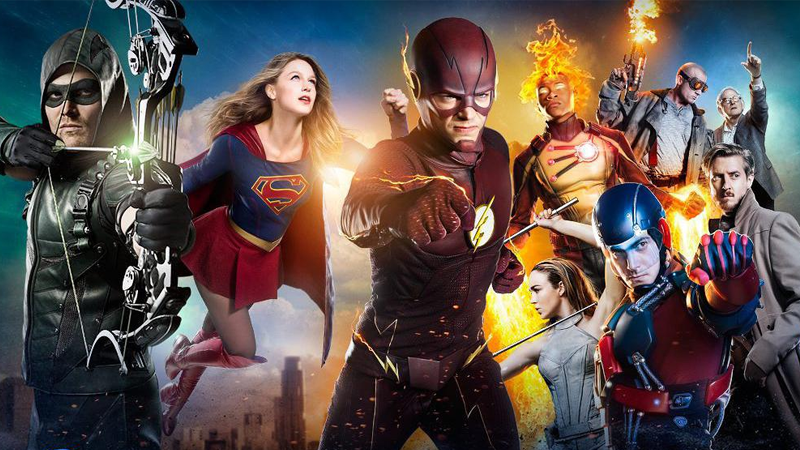
I know that may not sound like ground-breaking news in an era when TV shows based on comic books account for a sizable chunk of programming. There are shows featuring famous superheroes like “The Flash,” “Supergirl,” and “Daredevil.” There are also shows based on non-superhero comics like “Preacher” and “The Walking Dead.” Why is adding yet another show to that list such a big deal?

Well, as someone who has thoroughly read and deeply enjoyed Y: The Last Man, I can attest that this is one of those comics that is special for all the right reasons. It’s compelling, dramatic, mysterious, and emotional on so many levels. It doesn’t just tell a great story. It builds an entirely new world around a truly catastrophic event.

The premise of Y: The Last Man is simple in concept, but grandiose in implications. One day, all the men in the world just die. They don’t get sick first. There’s no mass pandemic. They all just start bleeding from their mouth and eyes before they keel over and die. It’s not just human men either. Everything with a Y-chromosome just dies.

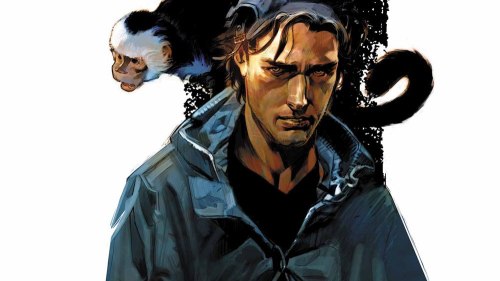
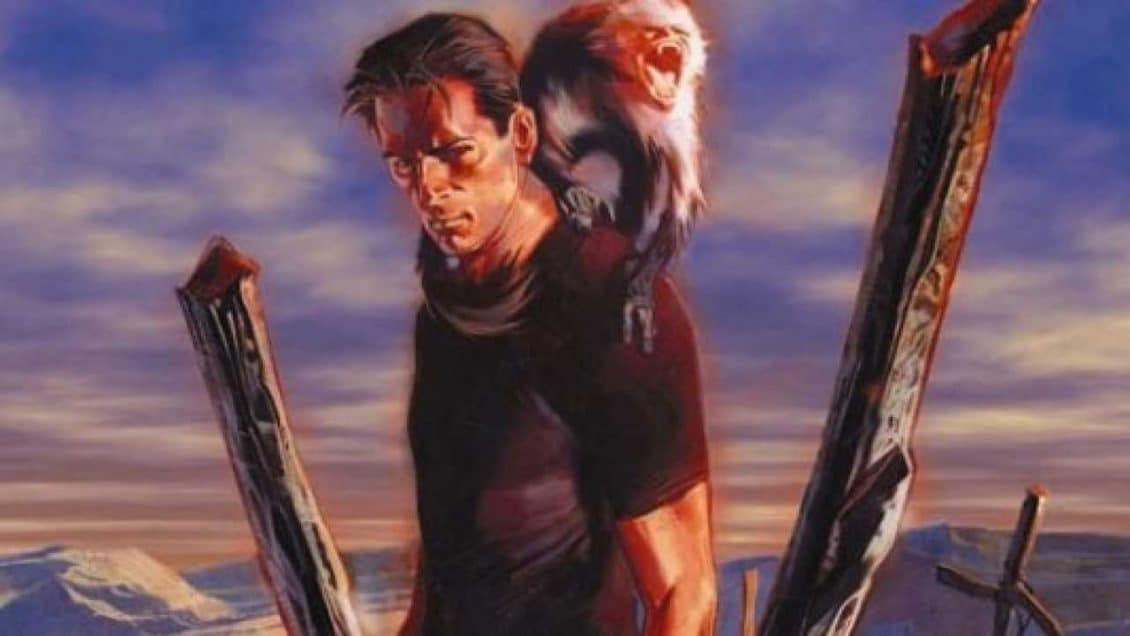
It happens so suddenly and so quickly. It’s not the flashiest apocalypse, but it’s every bit as brutal and traumatic as it sounds. In the midst of this massive gendercide, only one man survives for mysterious reasons. His name is Yorick Brown, an amateur escape artist who also happens to have a male pet monkey, who also survives.

The story about how he survives in this post-apocalyptic world, while also trying to uncover the mysteries of the plague that killed all the men, is full of intrigue, sorrow, hope, and drama. The fact that it manages to achieve all this without zombies or superheroes makes it all the more remarkable.

Add on top quality writing from by acclaimed comic writer Brian K. Vaughan and top-notch art from Pia Guerra and it’s easy to see why this series received multiple awards, including the coveted Eisner Award back in 2008. The fact that Y: The Last Man wasn’t made into a movie or TV show earlier is both shocking and outrageous.

To be fair, there have been multiple attempts to make a movie based on the series, all of which failed for a wide variety of reasons. Given the scope and nature of the story, though, a TV series is probably more suited and there has been interest in making one since 2010.

Now that there’s finally a pilot in the works on FX, a network that is less inclined to water down the harsher elements of the series, there’s are plenty of reasons for comic fans and fans of apocalyptic dramas to be excited. At the same time, however, there are also a plenty of reasons to worry.

Had this been announced five years ago, I don’t think those worries would’ve been major. Then, gender politics began getting exceedingly heated. From scandals born from video games to new concerns about female representation in movies to the anti-harassment movement, things have gotten a lot more hostile between genders.

This is an era where every action between men and women are subject to greater scrutiny. It’s an era where attempts at rational discussion are overshadowed by ever-present outrage. Buzzwords like mansplaining, social justice warrior, soy boy, and toxic masculinity are now part of our lexicon. I’ve expressed my dismay over such terms and why they’re empty in meaning, but I don’t expect them to disappear anytime soon.

It’s because of these ongoing trends in gender politics that I’m concerned about what form Y: The Last Man will take in this era. I don’t expect a perfect, panel-for-panel recreation of the 60-issue comic series. That’s not always necessary, as the success of “The Walking Dead” has proven.

However, I do worry that the greater meaning and dramatic impacts of the story will get lost, somehow, under the weight of ongoing gender politics. Some of those concerns are even articulated in the Hollywood Report’s announcement. Mr. Vaughan is even quoted as saying this when he met with potential show-runner, Michael Green.

“When [Green] first pitched his take on it to Nina Jacobson and me a long time ago, he came in saying he wanted to do something about toxic masculinity. It felt very relevant, and unfortunately, I think it’s only become more relevant with each passing day. His take on it was really brave and very different, but exciting as well. I really admire how audacious he’s been with his translation.”

It’s the bolded part that really has me worried. I’m not entirely surprised that producers of the show would want to tap into ongoing debates about toxic masculinity, no matter how asinine a term that might be. Like it or not, it is a relevant issue and for a premise that involves killing nearly all the men on the planet, it’s going to influence the story.

It’s just a matter of how different those involved want to make the narrative in Y: The Last Man. What matters most, however, is keeping with the overall theme of the story. Y: The Last Man is not just about an apocalypse involving gendercide. It’s part of a much larger world full of colorful and, at times, eccentric characters.

What happens to these characters is downright traumatic, as is to be expected in the face of a global apocalypse. The world, as they know it, is shattered. Their sons, fathers, husbands, and brothers are all dead. The pain, the loss, the sorrow, and the anger surrounding that trauma is what helps drive the story.

That’s especially true of the lone male survivor, Yorick Brown. In the comic, he’s not a superhero or even a multi-talented super-genius. In fact, he’s painfully human and downright inept at times, especially compared to some of his supporting cast. However, he never comes off as a whiny beta male or a brutish meathead. He’s the kind of character we see in real men throughout the real world.

Any effort to subvert that by turning him into some sort of superhero or some beta male weakling will remove a core aspect of Yorick’s appeal, not to mention the appeal of the overall story. It’s not just Yorick’s story either. The female characters in this story are every bit as rich and diverse, but as we saw with the female characters in “Star Wars: The Last Jedi,” that can be badly mishandled.

There are no Mary Sues in Y: The Last Man. There are no Lara Crofts or Wonder Womans either. These characters, especially Yorick’s sister, Hero Brown, and his bodyguard and traveling companion, Agent 355, are all as human as he is. They fight, struggle, fail, and suffer like real people navigating a traumatic apocalypse.

That’s not to say there aren’t some elements of gender politics in Y: The Last Man. There are aspects of the story that lend plenty of fodder to the radical feminist part of the political spectrum. There are a few characters who go so far as to celebrate the death of all men. The fact that some women in the real world have advocated killing all men shows that this sentiment is very present.

At the same time, there are parts of Y: The Last Man that will appeal to the men’s rights crowd, as well. The way society collapses with the death of all the men will give plenty of credence to those seeking to highlight men’s role in society. As with the radical feminists, though, it might be tempting to take it too far.

The story is not defined exclusively by toxic masculinity or radical feminism. It’s a story that puts men, women, and society in an extreme situation that brings out the best and worst in them. That would be the ultimate failure for a show like this and an egregious insult for a series as celebrated as Y: The Last Man. If it becomes driven by gender politics and not the spirit of the actual story, then that’s tragedy for all genders.


Leave a comment

Filed under Comic Books, Jack Fisher, Superheroes, gender issues, sex in society, sexuality

The following is my review for Venomized #1 that I wrote for PopMatters. Enjoy!

The Poison and Perils of Symbiotic Plots in Marvel’s ‘Venomized #1’

Leave a comment

April 6, 2018 · 10:42 am

The following is my review for Mighty Morphin Power Rangers #25, which I wrote for PopMatters

‘Mighty Morphin Power Rangers #25’ Goes Boldly Into Uncharted Territories

Leave a comment

April 1, 2018 · 9:37 pm

The following is a review I wrote for PopMatters. Enjoy!

Mixing, Mashing, and Monsters in Marvel’s ‘Weapon H #1’

1 Comment

March 23, 2018 · 5:45 pm

The following is a review I wrote for Popmatters on “New Mutants: Dead Souls #1.” Enjoy!

Teenagers And Zombies Are A Good Mix In “New Mutants: Dead Souls #1”

Leave a comment

March 16, 2018 · 5:51 pm

A (Non-Preachy) Lesson In Tolerance In Supergirl #19

635764-_sx1280_ql80_ttd_

Growing up, every TV show that aired between 3:00 p.m. and 6:00 p.m. seemed air some sort of pro-tolerance, anti-bigotry message. These shows assumed, rightly in my case, that a lot of kids who’d just gotten home from school would plop themselves in front of the TV and rather than doing their homework. In terms of targeting a market, it was pretty brilliant.

Having been fed those messages for over two decades now, I think they’ve been belabored to the point where most kids and young adults have gotten the message. Some are even annoyed by it. Even I admit there’s only so many times I can hear some poorly-rendered cartoon character say that tolerance is good and bigotry is bad.

Image result for care bears 90s

In recent years, especially with the rise of certain regressive elements within popular media, these pro-diversity, anti-bigotry messages have gone to distressing extremes. It’s no longer enough to just send the message. It has to be angrily protested by media critics, internet mobs, and hyper-sensitive crowds that push political correctness way past its previous extremes.

I could spend fill several blog posts of instances of people whining about a lack of diversity or complaining that political correctness has gone too far. I can understand the frustration of both sides to some extent. Both see a problem with the way tolerance is being promoted within society and they want to fix it. They both want to make society better and that’s entirely commendable.

Instead of focusing on the frustrations, though, I want to highlight an example of a pro-tolerance, anti-bigotry message done right. By that, I mean it sends a message in a way that doesn’t sound preachy, heavy-handed, or denigrating to another group. As it just so happens, it unfolds in a comic book, a medium that has provided me with many deeper messages in the past.

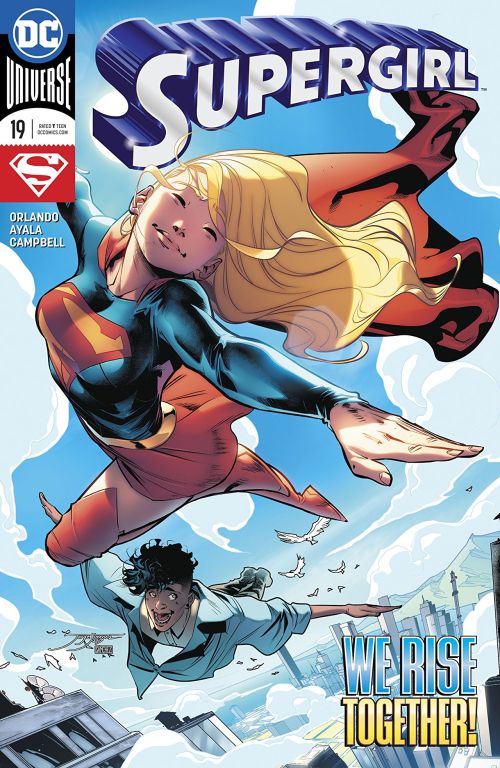
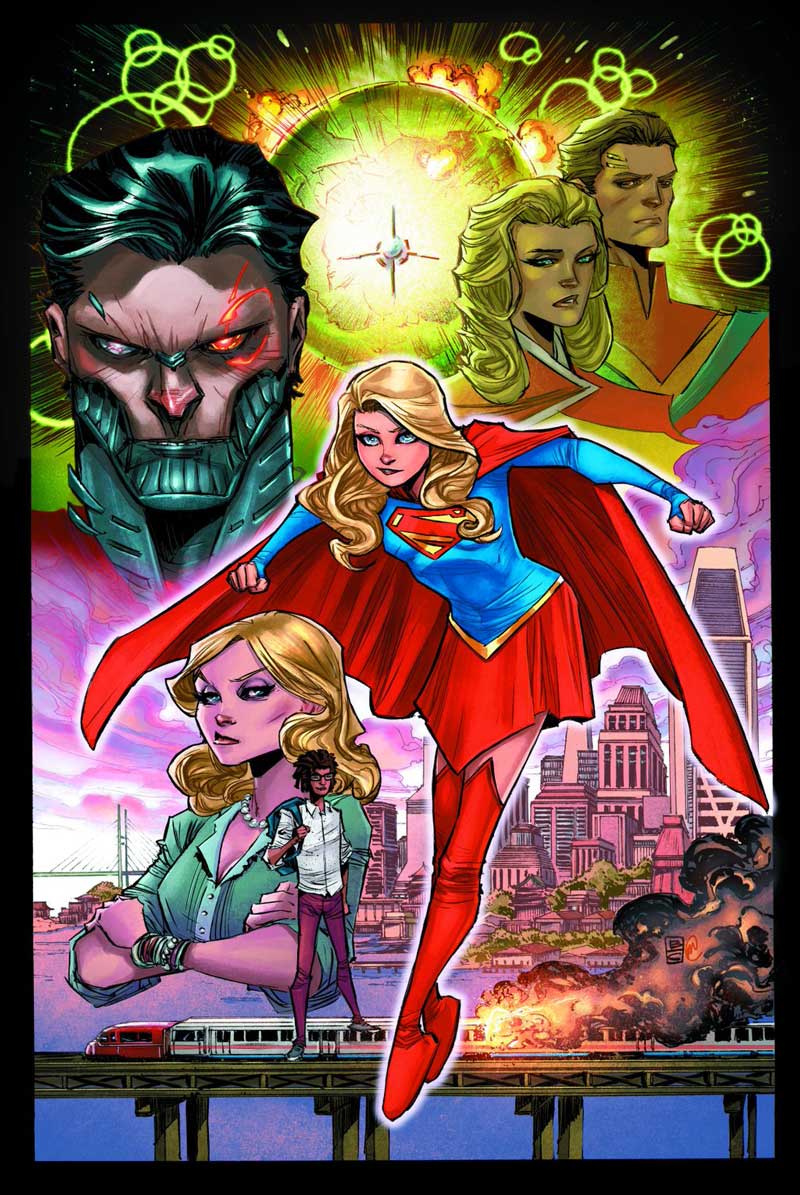
In this instance, the comic is Supergirl #19 by Steve Orlando and Vita Ayala. Being a fan of the “Supergirl” TV show and of beautiful, lovable female heroes in general, I’ve been following this comic since it relaunched in 2016. It’s a series that deals with heroic conflicts typical of DC Comics and anyone remotely associated with Superman. This issue, however, takes a moment to get personal.

Image result for Supergirl Rebirth

The story itself is a brief, self-contained narrative often referred to as a one-shot. You don’t have to know the full story of the character or even the events of the past several issues to understand what’s going on. You don’t even have to know the first thing about Supergirl to appreciate the message that this issue conveys.

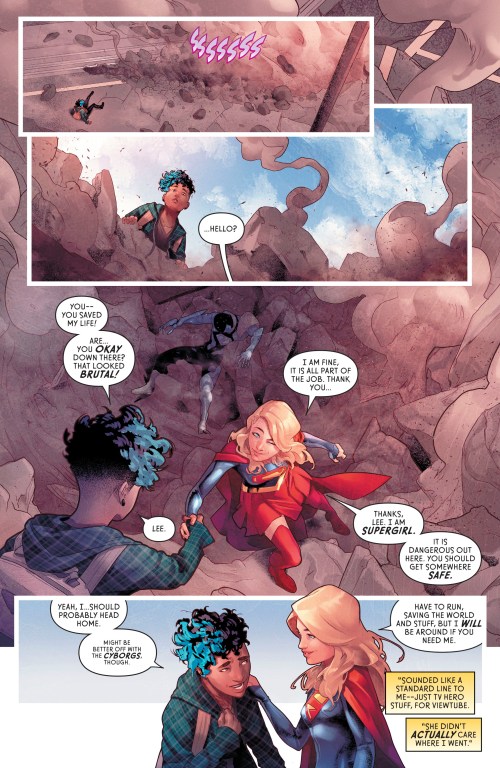
It’s built around a personal story told by a character named Lee Serano, a character whose life Supergirl recently saved. That, in and of itself, isn’t too remarkable. Supergirl, Superman, and pretty much every major DC hero saves the life of a random character in almost every issue. However, it’s Lee’s struggles beyond being in the wrong place at the wrong time that make her note-worthy.

Supergirl (2016-) 019-009

Lee identifies as genderqueer or non-binary, a concept that tends to make headlines for all the wrong reasons. More often than not, stories about people who identify with this label are only identified as a way to point out how far political correctness has gone. It’s often a classification that certain people cite when making fun of those who think there need to be over 58 genders.

Whatever your attitudes towards gender, it’s still generally a dick move to ridicule and degrade someone for identifying that way. Throughout Supergirl #19, Lee doesn’t come off as someone who is just craving attention by identifying as some extreme minority. She comes off as someone who is genuinely conflicted with her gender and is afraid how it’ll affect her.

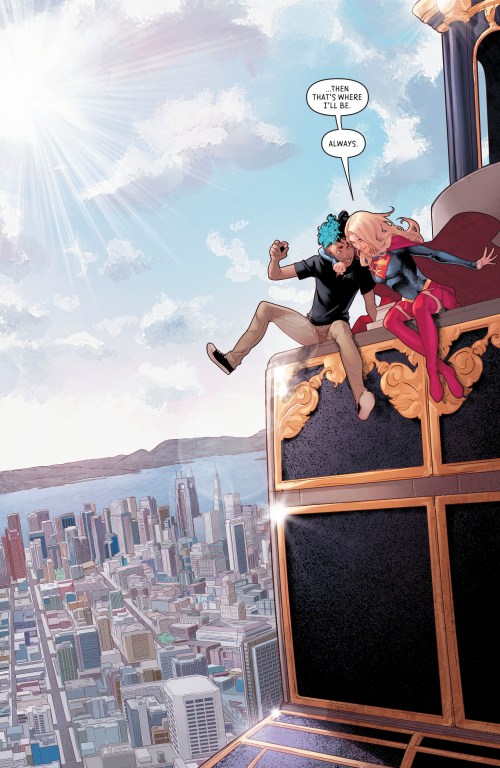
That’s where Supergirl comes in and this is where the anti-bigotry message gains some unexpected, but welcome dimensions. Like any good hero, Supergirl goes out of her way to help Lee beyond saving her life. She offers her both consolation and sincere affection, as any decent person would to someone who is in distress. The fact she has superpowers is basically an afterthought.

Supergirl (2016-) 019-017

It’s here where Lee stands up for Supergirl in a way that might catch even the anti-PC crowd by surprise. She acknowledges that there are those who look at Supergirl and only see this blond-haired, blue-eyed, traditionally beautiful, able-bodied, cis-gendered woman with superpowers. Her very presence is seen as part of the problem.

The fact she acknowledges this has an important context. This issue takes place at a time when Supergirl is trying to regain the trust of the public. Unlike her more famous cousin, she hasn’t been around long enough to earn everybody’s implicit trust when she makes a mistake. The extent of that mistake is covered in previous issues, but you don’t need to know them to get the message here.

In one of the most revealing scenes, Lee confronts the argument that certain regressive types would use against Supergirl if she ever tried to get involved with gender minorities, social justice, and everything in between. She makes this important comment that sets the tone for the entire story.

“People are out there talking, saying Supergirl’s dangerous, that she can’t be trusted. Saying that her hiding her dad – trying to help him get better – is wrong. I heard the talk. Believed it for a while, even. I mean, she’s the “All-American Ideal – blonde, white, pretty – and she can fly. She MUST think she’s better than us – above us,” and, “There’s no way she could understand,” right? But that’s not the truth.”

This statement is critical in that it highlights the most frustrating part of discussing these issues with the overly-regressive crowd. Their politics and attitudes are so skewed in one direction that they see anyone who doesn’t line up with their particular group, however eccentric it might be, as somehow unworthy of being part of the conversation.

It often happens in discussions involving race, gender, religion, and most other minority issues. For certain people in those discussions, often the angrier, more radical wings, just associating with the majority is seen as fraternizing with the enemy. It doesn’t just limit the conversation. It dehumanizes the opposing side.

Image result for dehumanizing the other side

Supergirl #19 takes the opposite approach in that both Supergirl and Lee are humanized to the upmost. Lee isn’t some confused, attention-seeking teenager. Supergirl isn’t some arrogant, stereotypical stand-in for majority. They’re just two individuals, connecting like mature individuals do to help one another in a time of need. It’s basically a template for simple human decency.

Contrast that with those who claim white people shouldn’t contribute to conversations about race. Contrast that with those who claim beautiful people shouldn’t contribute to issues surrounding body shaming. Contrast that with those who claim men should shut up when discussing women’s issues, scorning anyone who dares to follow Matt Damon’s example.

These instances don’t just take the anti-bigotry, pro-tolerance message to an unhealthy extreme. It angers and alienates those on the other side of the argument. It gives them no reason to listen to what someone who considers themselves gender non-binary has to say, relying instead on prejudices and assumptions.

Image result for prejudice

Neither side benefits from that approach. Nobody helps anyone when two sides of an issue harbor so much animosity that the very presence of another is seen as an insult. Yes, Supergirl does check most of the boxes for someone who faces far fewer issues than a non-white, gender non-binary individual in the United States. That doesn’t mean she’s part of the problem.

I don’t want to spoil the rest of Supergirl #19. Like other comics I’ve singled out in the past, I’d rather people take the time to read it in order to experience the breadth of the story. It’s a story worth heeding during these contentious times. I would argue it offers something far more important than those old after-school PSAs.

More than anything else, it emphasizes treating people as individuals and not lumping them into a particular group with a particular agenda. Lee points out that people just assume Supergirl thinks and feels a certain way because of how she looks and acts. That’s a flawed assumption that dehumanizes and denigrates her.

Image result for Supergirl hugs

It doesn’t matter if Supergirl, or anyone else who gets involved in contentious social issues, looks a certain way or doesn’t check the right boxes. She’s still a human being, albeit one with alien origins. Unless you can actually read her thoughts and feelings, as some DC characters can, then making those assumptions is just a different form of bigotry hiding behind the guise of anti-bigotry.

Supergirl #19 is a solid story with an important message. I would argue it’s more important now than it would’ve been in the days of after-school specials. It’s a good thing to promote tolerance, but not to the point that it inspires intolerable attitudes. Supergirl’s compassion helped Lee in her time of need. Her life and Supergirl’s are better because of it.

The fact that Supergirl didn’t even need to use her powers that much to help Lee is a testament to her character, as well as an inspiration. If she can help a total stranger that much, just by being decent and compassionate, then what’s our excuse?

Image result for Supergirl comics

2 Comments

Filed under Comic Books, Jack Fisher, Superheroes, Current Events, gender issues, human nature

A Better Way To Promote Diversity

Tracer

How do you encourage meaningful change in media, culture, and social attitudes? That’s a reasonable and relevant question to ask these days. It seems everyone is either trying to push for greater diversity or whining about the lack thereof. More often than not, however, those efforts aren’t mutually exclusive.

Even if nobody has a definitive answer to the question of how, that hasn’t stopped many from trying. There have been major diversity pushes in every form of media from video games to comics to movies to TV shows. Not all of them have been successful. In some cases, they backfired horribly and cost people money.

I don’t want to belabor the specifics of those failures, but I do think it’s worth pointing out that they also have the effect of angering and/or insulting the audience. For franchises that have a huge fan base, that can be pretty detrimental. Some franchises never recover.

Image result for green lantern movie

It certainly doesn’t help that there are those who push for diversity for all the wrong reasons. There’s a very vocal contingent of critics/professional trolls who go out of their way to bemoan the lack of diversity in a certain piece of media. Whether it’s a video game having too many people of the same race or a lack of strong female characters, these people will whine about it as loud as the internet will allow.

For the most part, I don’t think anyone should give much attention to such whining. We’ve all dealt with whiny children at some point in our lives. Most people learn, often the hard way, that arguing with them rarely works out. Most people just give up to stop the whining. I’ve pointed out before why this can lead to bigger problems down the line.

It quickly becomes a brutal cycle. The more attention you give to these whiny children, the more incentive they have to whine so they can get what they want. The same applies to these “critics” who keep whining about diversity. It’s not enough for them that “Black Panther” is doing so well with a diverse cast. Some will still whine that it had no LGBT characters.

Image result for whiny children

It’s inescapable. You simply cannot win against a whiny child. No matter how much you go out of your way for them, they’ll find another reason to whine and so long as they keep getting their way, they’ll keep doing it. In the long run, though, that’s still a terrible way to promote diversity.

Ideally, producers of media will pursue diversity because they want to appeal to a broader audience. They want to make money and money doesn’t care about race, religion, or genital configuration. However, when critics/trolls rely on whining to get their way, then those efforts become less about diversity and more about stopping the whining.

Image result for whiny SJW

I believe there is a better way to promote diversity and it does not involve any whining. It doesn’t require some radical rethinking of how we go about producing, consume, or discussing media. It doesn’t even require some major protest, a new law, or diversity quotas. It’s just a simple change in approach that anyone can do for free and without that much effort.

That change can be summed up in two words: positive reinforcement. If you’ve taken a basic psychology class at any point in your education, you already know what this means. Even if you haven’t taken any classes and just deal with a lot of annoying people/children/whiners, you probably know the idea.

Rather than complaining about what is so bad about something, positive reinforcements involve focusing on the good. Rather than whine about what isn’t there, you celebrate what is there. Most importantly, though, you turn that outrage once reserved for those bad things into apathy. Most forms of media can survive outrage. They cannot survive apathy.

Image result for positive person

To illustrate this approach, consider the following scenario that tends to play out whenever someone criticizes a movie, TV show, video game, etc. for a lack of diversity.

“Just look at this terrible affront to women, minorities, and LGBTQ people! It’s so racist/sexist/homophobic/transphobic! It sends a terrible message and appeals to an audience that wants to cling to their regressive attitudes. It’s perpetuating a destructive, unhealthy mindset that directly impacts our culture. This affront should be censored, changed, or condemned endlessly until the world changes!”

Chances are, you’ve heard something like this over the past few years. Sometimes it involves a female character that doesn’t check the right boxes. Sometimes it involves a story that tries to check too many boxes. In any case, the whiners I mentioned earlier will find a reason to get upset about it. Moreover, they’ll demand some sort of change, coupled with condemnation over anyone who disagrees.

Image result for whiny SJW

That’s not going to promote diversity. If anything, that’s going to give people one too many reasons to resent pushes for diversity. Some media companies are already learning that the hard way, with Marvel being the most recent example. Ideally, you want someone to promote diversity because they want to and not because they’re afraid of a backlash.

With that in mind, here’s a second scenario that shows how positive reinforcement can further that effort.

“That thing some claim is racist/sexist/homophobic/transphobic? I don’t really care for that. Let me tell you about this other thing that I just think is amazing! I love it. It’s so much fun and it sends such a good message to men, women, and minorities of all kinds. I want more of this. I’m willing to pay for more of this. Please make more of this!”

It may come off as some peppy kid who is way too excited about something. Then again, wouldn’t you rather be around that kid instead of the one that whines to get what they want? When someone is happy and excited about something, it’s kind of infectious. It makes us want to share in that feeling.

Throw money into the mix and suddenly, the same producers that make all the media that regressive types whine about actually have a good incentive to promote diversity beyond just placating whiners. Instead of just avoiding controversy, they actually want to do diversity and do it right.

Image result for Black Panther on throne

The key is focusing on instances where it is done right. They are there. There have been plenty of examples of the media actually getting diversity right. They just don’t make the news because outrage is louder and garners more attention. Even so, excitement and praise can be just as loud.

Instead of complaining about Rey being a Mary Sue in “Star Wars,” focus on how great Princess Leia was in the first trilogy or how great Ahsoka Tano is in “Star Wars: Clone Wars.”

Instead of complaining about Lara Croft being too sexy, focus on how great Samus Aran is in the Metriod games.

Instead of complaining about the lack of diversity on shows like “Seinfeld,” focus on how great the minority characters are in shows like “Fresh Off The Boat” or “House.”

It may not sound as vocal or satisfying as venting outrage about a flaw, but it sends the kind of message that others are more likely to want to get behind. Whereas positive feelings can have many benefits to yourself and those around you, venting outrage can be very unhealthy.

Image result for venting anger

In the long run, getting others to want to promote diversity is the best way to further it. Whining about it isn’t going to accomplish that. It’s just going to make others want to stop the whining. That may work for kids, but not functioning adults.

Movie producers, TV executives, comic book writers, and video game programmers alike are all still human at the end of the day. Human beings respond positively to positive feelings. Channel those feelings into promoting diversity and you won’t just get more of it. You’ll get people who are actually excited about producing it.

1 Comment

Filed under gender issues, sex in media, sexuality, video games