

The following is a review I wrote for PopMatters. Enjoy!
The following is a review I wrote for PopMatters. Enjoy!
The following is a review I wrote for Popmatters on “New Mutants: Dead Souls #1.” Enjoy!
Teenagers And Zombies Are A Good Mix In “New Mutants: Dead Souls #1”
Growing up, every TV show that aired between 3:00 p.m. and 6:00 p.m. seemed air some sort of pro-tolerance, anti-bigotry message. These shows assumed, rightly in my case, that a lot of kids who’d just gotten home from school would plop themselves in front of the TV and rather than doing their homework. In terms of targeting a market, it was pretty brilliant.
Having been fed those messages for over two decades now, I think they’ve been belabored to the point where most kids and young adults have gotten the message. Some are even annoyed by it. Even I admit there’s only so many times I can hear some poorly-rendered cartoon character say that tolerance is good and bigotry is bad.
In recent years, especially with the rise of certain regressive elements within popular media, these pro-diversity, anti-bigotry messages have gone to distressing extremes. It’s no longer enough to just send the message. It has to be angrily protested by media critics, internet mobs, and hyper-sensitive crowds that push political correctness way past its previous extremes.
I could spend fill several blog posts of instances of people whining about a lack of diversity or complaining that political correctness has gone too far. I can understand the frustration of both sides to some extent. Both see a problem with the way tolerance is being promoted within society and they want to fix it. They both want to make society better and that’s entirely commendable.
Instead of focusing on the frustrations, though, I want to highlight an example of a pro-tolerance, anti-bigotry message done right. By that, I mean it sends a message in a way that doesn’t sound preachy, heavy-handed, or denigrating to another group. As it just so happens, it unfolds in a comic book, a medium that has provided me with many deeper messages in the past.
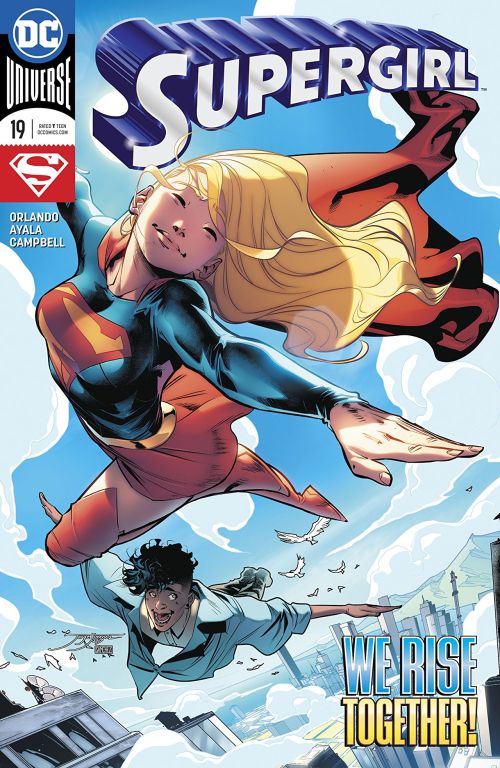
In this instance, the comic is Supergirl #19 by Steve Orlando and Vita Ayala. Being a fan of the “Supergirl” TV show and of beautiful, lovable female heroes in general, I’ve been following this comic since it relaunched in 2016. It’s a series that deals with heroic conflicts typical of DC Comics and anyone remotely associated with Superman. This issue, however, takes a moment to get personal.
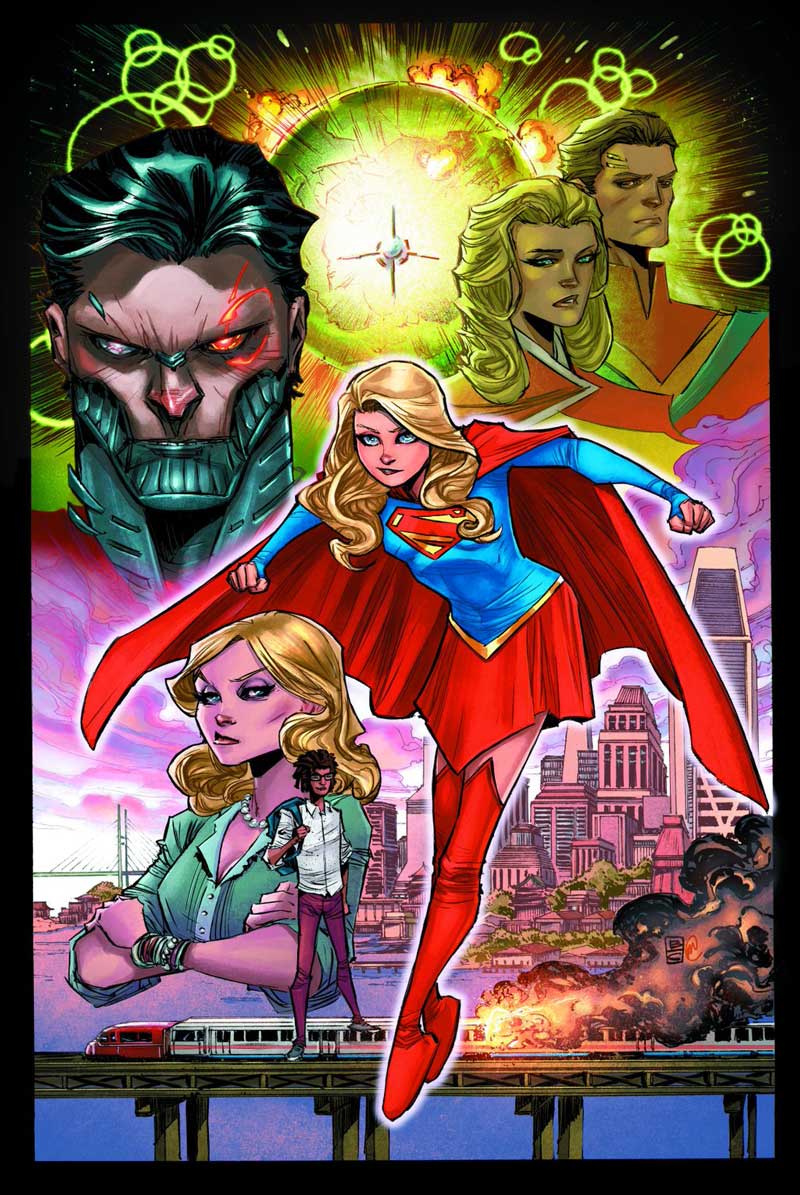
The story itself is a brief, self-contained narrative often referred to as a one-shot. You don’t have to know the full story of the character or even the events of the past several issues to understand what’s going on. You don’t even have to know the first thing about Supergirl to appreciate the message that this issue conveys.
It’s built around a personal story told by a character named Lee Serano, a character whose life Supergirl recently saved. That, in and of itself, isn’t too remarkable. Supergirl, Superman, and pretty much every major DC hero saves the life of a random character in almost every issue. However, it’s Lee’s struggles beyond being in the wrong place at the wrong time that make her note-worthy.
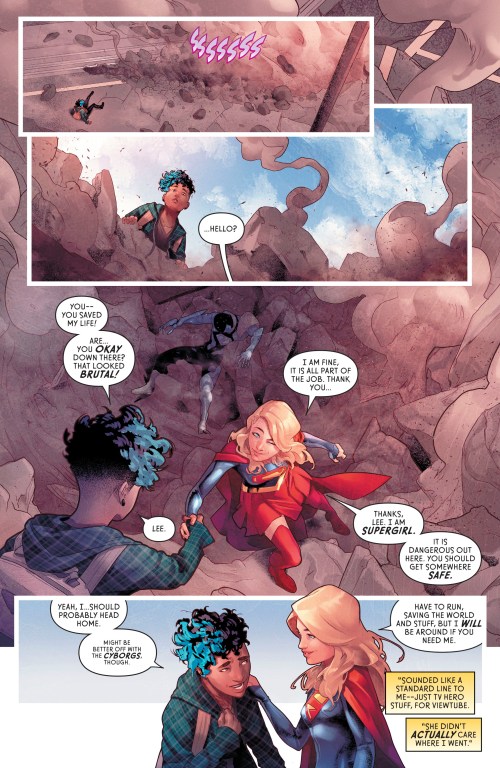
Lee identifies as genderqueer or non-binary, a concept that tends to make headlines for all the wrong reasons. More often than not, stories about people who identify with this label are only identified as a way to point out how far political correctness has gone. It’s often a classification that certain people cite when making fun of those who think there need to be over 58 genders.
Whatever your attitudes towards gender, it’s still generally a dick move to ridicule and degrade someone for identifying that way. Throughout Supergirl #19, Lee doesn’t come off as someone who is just craving attention by identifying as some extreme minority. She comes off as someone who is genuinely conflicted with her gender and is afraid how it’ll affect her.
That’s where Supergirl comes in and this is where the anti-bigotry message gains some unexpected, but welcome dimensions. Like any good hero, Supergirl goes out of her way to help Lee beyond saving her life. She offers her both consolation and sincere affection, as any decent person would to someone who is in distress. The fact she has superpowers is basically an afterthought.
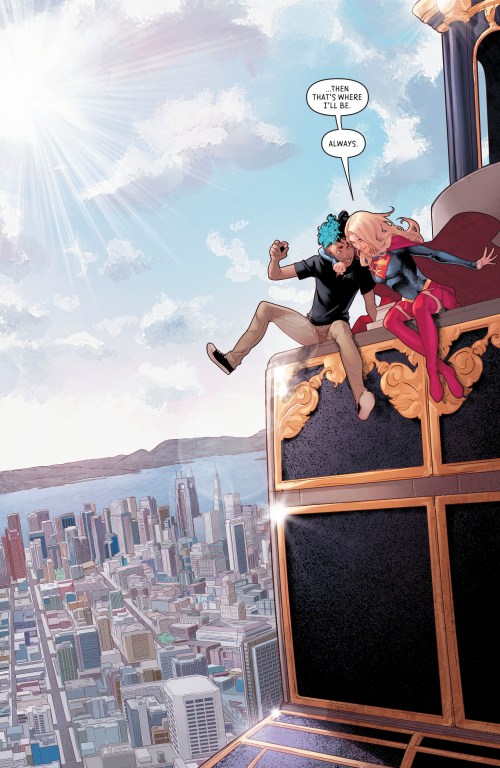
It’s here where Lee stands up for Supergirl in a way that might catch even the anti-PC crowd by surprise. She acknowledges that there are those who look at Supergirl and only see this blond-haired, blue-eyed, traditionally beautiful, able-bodied, cis-gendered woman with superpowers. Her very presence is seen as part of the problem.
The fact she acknowledges this has an important context. This issue takes place at a time when Supergirl is trying to regain the trust of the public. Unlike her more famous cousin, she hasn’t been around long enough to earn everybody’s implicit trust when she makes a mistake. The extent of that mistake is covered in previous issues, but you don’t need to know them to get the message here.
In one of the most revealing scenes, Lee confronts the argument that certain regressive types would use against Supergirl if she ever tried to get involved with gender minorities, social justice, and everything in between. She makes this important comment that sets the tone for the entire story.
“People are out there talking, saying Supergirl’s dangerous, that she can’t be trusted. Saying that her hiding her dad – trying to help him get better – is wrong. I heard the talk. Believed it for a while, even. I mean, she’s the “All-American Ideal – blonde, white, pretty – and she can fly. She MUST think she’s better than us – above us,” and, “There’s no way she could understand,” right? But that’s not the truth.”
This statement is critical in that it highlights the most frustrating part of discussing these issues with the overly-regressive crowd. Their politics and attitudes are so skewed in one direction that they see anyone who doesn’t line up with their particular group, however eccentric it might be, as somehow unworthy of being part of the conversation.
It often happens in discussions involving race, gender, religion, and most other minority issues. For certain people in those discussions, often the angrier, more radical wings, just associating with the majority is seen as fraternizing with the enemy. It doesn’t just limit the conversation. It dehumanizes the opposing side.
/cdn.vox-cdn.com/uploads/chorus_image/image/53574415/Brian_darwin2_copy.0.jpg)
Supergirl #19 takes the opposite approach in that both Supergirl and Lee are humanized to the upmost. Lee isn’t some confused, attention-seeking teenager. Supergirl isn’t some arrogant, stereotypical stand-in for majority. They’re just two individuals, connecting like mature individuals do to help one another in a time of need. It’s basically a template for simple human decency.
Contrast that with those who claim white people shouldn’t contribute to conversations about race. Contrast that with those who claim beautiful people shouldn’t contribute to issues surrounding body shaming. Contrast that with those who claim men should shut up when discussing women’s issues, scorning anyone who dares to follow Matt Damon’s example.
These instances don’t just take the anti-bigotry, pro-tolerance message to an unhealthy extreme. It angers and alienates those on the other side of the argument. It gives them no reason to listen to what someone who considers themselves gender non-binary has to say, relying instead on prejudices and assumptions.

Neither side benefits from that approach. Nobody helps anyone when two sides of an issue harbor so much animosity that the very presence of another is seen as an insult. Yes, Supergirl does check most of the boxes for someone who faces far fewer issues than a non-white, gender non-binary individual in the United States. That doesn’t mean she’s part of the problem.
I don’t want to spoil the rest of Supergirl #19. Like other comics I’ve singled out in the past, I’d rather people take the time to read it in order to experience the breadth of the story. It’s a story worth heeding during these contentious times. I would argue it offers something far more important than those old after-school PSAs.
More than anything else, it emphasizes treating people as individuals and not lumping them into a particular group with a particular agenda. Lee points out that people just assume Supergirl thinks and feels a certain way because of how she looks and acts. That’s a flawed assumption that dehumanizes and denigrates her.
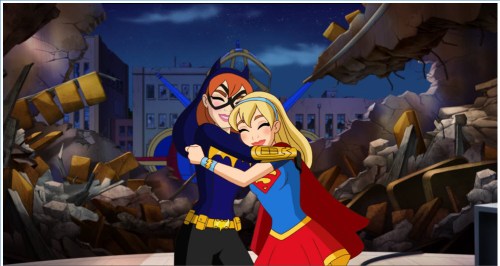
It doesn’t matter if Supergirl, or anyone else who gets involved in contentious social issues, looks a certain way or doesn’t check the right boxes. She’s still a human being, albeit one with alien origins. Unless you can actually read her thoughts and feelings, as some DC characters can, then making those assumptions is just a different form of bigotry hiding behind the guise of anti-bigotry.
Supergirl #19 is a solid story with an important message. I would argue it’s more important now than it would’ve been in the days of after-school specials. It’s a good thing to promote tolerance, but not to the point that it inspires intolerable attitudes. Supergirl’s compassion helped Lee in her time of need. Her life and Supergirl’s are better because of it.
The fact that Supergirl didn’t even need to use her powers that much to help Lee is a testament to her character, as well as an inspiration. If she can help a total stranger that much, just by being decent and compassionate, then what’s our excuse?


How do you encourage meaningful change in media, culture, and social attitudes? That’s a reasonable and relevant question to ask these days. It seems everyone is either trying to push for greater diversity or whining about the lack thereof. More often than not, however, those efforts aren’t mutually exclusive.
Even if nobody has a definitive answer to the question of how, that hasn’t stopped many from trying. There have been major diversity pushes in every form of media from video games to comics to movies to TV shows. Not all of them have been successful. In some cases, they backfired horribly and cost people money.
I don’t want to belabor the specifics of those failures, but I do think it’s worth pointing out that they also have the effect of angering and/or insulting the audience. For franchises that have a huge fan base, that can be pretty detrimental. Some franchises never recover.
It certainly doesn’t help that there are those who push for diversity for all the wrong reasons. There’s a very vocal contingent of critics/professional trolls who go out of their way to bemoan the lack of diversity in a certain piece of media. Whether it’s a video game having too many people of the same race or a lack of strong female characters, these people will whine about it as loud as the internet will allow.
For the most part, I don’t think anyone should give much attention to such whining. We’ve all dealt with whiny children at some point in our lives. Most people learn, often the hard way, that arguing with them rarely works out. Most people just give up to stop the whining. I’ve pointed out before why this can lead to bigger problems down the line.
It quickly becomes a brutal cycle. The more attention you give to these whiny children, the more incentive they have to whine so they can get what they want. The same applies to these “critics” who keep whining about diversity. It’s not enough for them that “Black Panther” is doing so well with a diverse cast. Some will still whine that it had no LGBT characters.

It’s inescapable. You simply cannot win against a whiny child. No matter how much you go out of your way for them, they’ll find another reason to whine and so long as they keep getting their way, they’ll keep doing it. In the long run, though, that’s still a terrible way to promote diversity.
Ideally, producers of media will pursue diversity because they want to appeal to a broader audience. They want to make money and money doesn’t care about race, religion, or genital configuration. However, when critics/trolls rely on whining to get their way, then those efforts become less about diversity and more about stopping the whining.

I believe there is a better way to promote diversity and it does not involve any whining. It doesn’t require some radical rethinking of how we go about producing, consume, or discussing media. It doesn’t even require some major protest, a new law, or diversity quotas. It’s just a simple change in approach that anyone can do for free and without that much effort.
That change can be summed up in two words: positive reinforcement. If you’ve taken a basic psychology class at any point in your education, you already know what this means. Even if you haven’t taken any classes and just deal with a lot of annoying people/children/whiners, you probably know the idea.
Rather than complaining about what is so bad about something, positive reinforcements involve focusing on the good. Rather than whine about what isn’t there, you celebrate what is there. Most importantly, though, you turn that outrage once reserved for those bad things into apathy. Most forms of media can survive outrage. They cannot survive apathy.

To illustrate this approach, consider the following scenario that tends to play out whenever someone criticizes a movie, TV show, video game, etc. for a lack of diversity.
“Just look at this terrible affront to women, minorities, and LGBTQ people! It’s so racist/sexist/homophobic/transphobic! It sends a terrible message and appeals to an audience that wants to cling to their regressive attitudes. It’s perpetuating a destructive, unhealthy mindset that directly impacts our culture. This affront should be censored, changed, or condemned endlessly until the world changes!”
Chances are, you’ve heard something like this over the past few years. Sometimes it involves a female character that doesn’t check the right boxes. Sometimes it involves a story that tries to check too many boxes. In any case, the whiners I mentioned earlier will find a reason to get upset about it. Moreover, they’ll demand some sort of change, coupled with condemnation over anyone who disagrees.

That’s not going to promote diversity. If anything, that’s going to give people one too many reasons to resent pushes for diversity. Some media companies are already learning that the hard way, with Marvel being the most recent example. Ideally, you want someone to promote diversity because they want to and not because they’re afraid of a backlash.
With that in mind, here’s a second scenario that shows how positive reinforcement can further that effort.
“That thing some claim is racist/sexist/homophobic/transphobic? I don’t really care for that. Let me tell you about this other thing that I just think is amazing! I love it. It’s so much fun and it sends such a good message to men, women, and minorities of all kinds. I want more of this. I’m willing to pay for more of this. Please make more of this!”
It may come off as some peppy kid who is way too excited about something. Then again, wouldn’t you rather be around that kid instead of the one that whines to get what they want? When someone is happy and excited about something, it’s kind of infectious. It makes us want to share in that feeling.
Throw money into the mix and suddenly, the same producers that make all the media that regressive types whine about actually have a good incentive to promote diversity beyond just placating whiners. Instead of just avoiding controversy, they actually want to do diversity and do it right.

The key is focusing on instances where it is done right. They are there. There have been plenty of examples of the media actually getting diversity right. They just don’t make the news because outrage is louder and garners more attention. Even so, excitement and praise can be just as loud.
Instead of complaining about Rey being a Mary Sue in “Star Wars,” focus on how great Princess Leia was in the first trilogy or how great Ahsoka Tano is in “Star Wars: Clone Wars.”
Instead of complaining about Lara Croft being too sexy, focus on how great Samus Aran is in the Metriod games.
Instead of complaining about the lack of diversity on shows like “Seinfeld,” focus on how great the minority characters are in shows like “Fresh Off The Boat” or “House.”
It may not sound as vocal or satisfying as venting outrage about a flaw, but it sends the kind of message that others are more likely to want to get behind. Whereas positive feelings can have many benefits to yourself and those around you, venting outrage can be very unhealthy.

In the long run, getting others to want to promote diversity is the best way to further it. Whining about it isn’t going to accomplish that. It’s just going to make others want to stop the whining. That may work for kids, but not functioning adults.
Movie producers, TV executives, comic book writers, and video game programmers alike are all still human at the end of the day. Human beings respond positively to positive feelings. Channel those feelings into promoting diversity and you won’t just get more of it. You’ll get people who are actually excited about producing it.
Filed under gender issues, sex in media, sexuality, video games
The following is a review I wrote for PopMatters. Enjoy!
Gloriously Destructive Deconstruction in ‘Batman: White Knight #6’
The following is a review I wrote for PopMatters for ‘Mera: Queen of Atlantis #1.’
Royal Vulnerabilities and Regal Strength in ‘Mera: Queen of Atlantis #1’

Say what you will about these tumultuous times. One thing is still clear. It’s a damn good time to be a fan of Black Panther. Whether you’re a long-time reader of the comics or Chadwick Boseman enjoying a meteoric rise in fame, these are the best of times for T’Challa, Wakanda, and everything in between.
As of this writing, the “Black Panther” movie has topped $700 million worldwide in just over a week since its release. It’s well-poised to cross the $1 billion mark that only a handful of movies have reached. Things are going very well for Black Panther is what I’m saying.
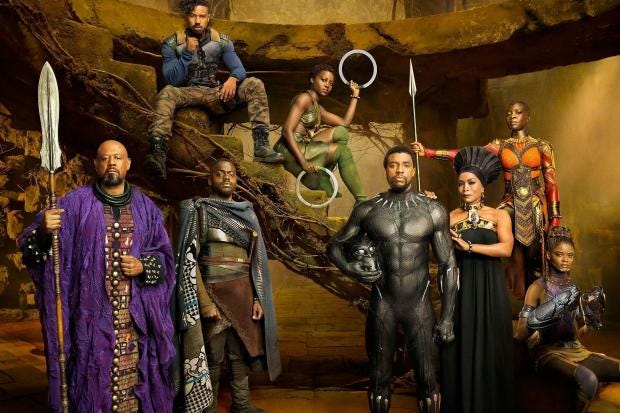
I cite all this good news surrounding Black Panther because what I’m about to discuss is not going to show him in the best of light. None of it detracts from the character, nor does it undercut the remarkable achievements that the “Black Panther” movie has accomplished. Given the promising future of Black Panther’s future, though, I think now is probably the best time to bring it up.
Once again, it has to do with superheroes and romance. Long-time readers of this blog probably aren’t surprised by that in the slightest. I talk about superhero romances a lot, citing instances where those romances embody the best elements of a love story and those that are inherently flawed. I’m afraid this is going to be about the latter.

Black Panther is a great character and has a lot of things going for him, right now. Between a successful movie and a successful ongoing solo series, which you should definitely check out, he has a lot has gone right for him. Unfortunately, that does not extend to his love life.
To those who only know T’Challa through the “Black Panther” movie, I’m not referring to Nakia, who is his primary love interest in that story. I’m referring to a much higher-profile relationship he had with a much higher-profile character in the mid-2000s. That character is Storm, a character I’ve praised before and not just for her love of foreplay.
It’s true. In Black Panther Volume 4, Issue 18, which came out in 2006, Storm and Black Panther got married in what was billed as the highest-profile superhero marriage since the wedding of Cyclops and Jean Grey. It even managed to temporarily stop the ongoing hostilities in Marvel’s now-famous Civil War event.

On paper, it was billed as the union between two of Marvel’s most prominent black superheroes. It was presented as a union between a weather goddess and a king. It couldn’t have had more going for it without being the central plot of a Disney movie, which isn’t impossible at this point.
There’s just one glaring, omega-level problem with that approach. The relationship between Storm and Black Panther is one of the shallowest, emptiest, and least compelling romances in the history of superhero comics. Yes, it’s even worse than the time Juggernaut had a fling with She-Hulk.
For two character who are so iconic, well-rounded, and endearing, that’s quite a statement. I imagine that more than a few people disagree with it, but there’s a reason behind that statement and it’s not an overly petty one. Between being a die-hard fan of superhero comics and an aspiring erotica/romance writer, the flaws in this relationship stand out more than most for me.
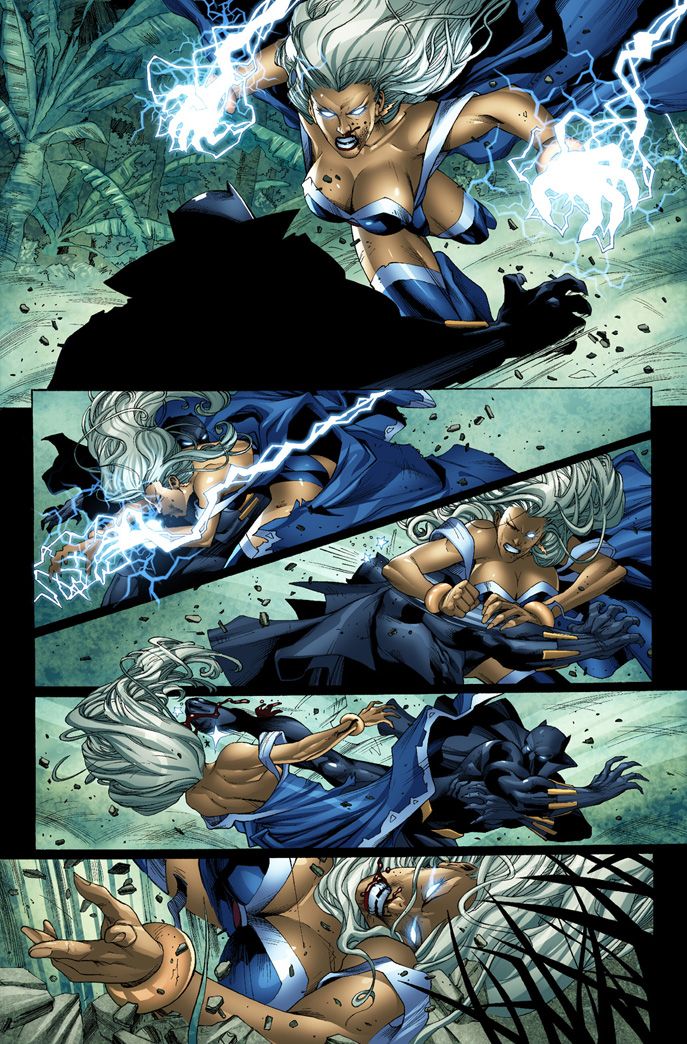
The most glaring flaw, by far, is just how forced the relationship was in the first place. I won’t say it was quite as bad as the relationship between Jean Grey and Logan was in the X-men movies, but it was pretty damn close. From the beginning, it was less about the chemistry between these two characters and more about the fact that they were two prominent black superheroes.
Never mind having an actual reason to want to be together. Never mind actually tying their respective stories together in a compelling way. The approach was as lazy as it was empty, essentially relying on the iconic status of both characters and nothing more. By that logic, Taylor Swift and Ed Sheeran should’ve gotten married already.
Even if the approach was lazy, the premise could’ve worked if there was time and effort into developing the Storm/Black Panther romance compelling. Sadly, that’s not the approach Marvel used. They were in such a rush to get these two married that they skipped the part where they told a dramatic love story that brings these characters together in a meaningful way.

As a romance fan and a comic book fan, that was as satisfying as food poisoning and a hangover. Instead of presenting valid reasons as to why these two characters should be in love, Marvel rewrote Storm and Black Panther’s history to establish that they met each other when they were young and shared a strong connection. That’s all well and good, but there’s one glaring problem.
By rewriting the past, it devalues the emotional depth in the present. Instead of actually building that depth, it’s just suddenly revealed that these two characters had a long-standing history. There’s no need to tell a more elaborate story. It already happened in the past and they’re only acknowledging it now. If I could write that with more sarcasm, I would.
Now, history being rewritten in comics is nothing new. That’s what comic fans refer to as a “retcon” and it’s basically the narrative equivalent of a mulligan. When used correctly, it can help clear up convoluted elements. When used poorly, however, it can be very destructive. Just ask Captain America fans.

A retcon is the ultimate contrivance and that was the foundation of the Storm/Black Panther relationship. If every good relationship starts with a strong foundation, then the Storm/Black Panther relationship was built on a mix of quicksand and moldy bread.
I get the intent. In order for Storm and Black Panther to get married, they needed to establish that their relationship was somehow worthy of being on the same level as Superman/Lois Lane or Mr. Fantastic/Invisible Woman. Unfortunately, the only way to do that is to rewrite their entire history so that their love was something that had depth. It just happened entirely behind the scenes.

Contrast that with the love story we saw in the “Black Panther” movie between T’Challa and Nakia. There was nothing contrived about that story. These two characters both had their own narrative. In pursuing that narrative, they came together in a way that felt organic, genuine, and sincere. It was probably the most sincere love story in a superhero movie since the original Deadpool movie.
That shared narrative has huge gaps with Storm/Black Panther and not just because it required a rewriting of their respective history. Even before that retcon, Storm and Black Panther followed very different narratives.
Storm, since her debut in 1975, has been an integral part of the X-men and their story. She was a key player in some of the most defining moments in X-men history. Along the way, she’s had various romantic relationships with the likes of Bishop, Nightcrawler, and Forge. For a time, she had a pretty passionate relationship with Wolverine.

The fact she had all those relationships while Black Panther had plenty of his own, most notably with former Captain Marvel, Monica Rambeau, makes the idea that they shared this powerful bond in their youth seem not so powerful. Even if there were other forces pushing them apart, the fact they followed such distinct narratives really undermines the sincerity of their relationship.
It also makes for some pretty distressing implications. Throughout the X-men’s history, the team has been on the run and on the brink every other week. In some cases, it led to some pretty brutal tragedies. All these things were happening with the X-men and Storm was often on the front lines.
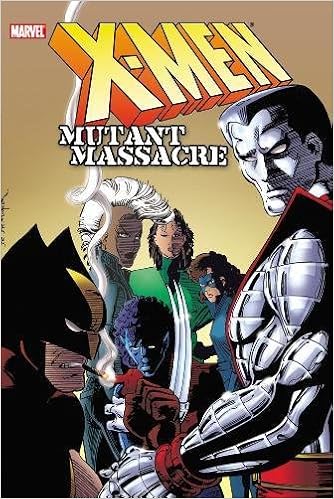
The fact that she and her friends struggled so much while T’Challa, king of the most advanced nation in the Marvel universe, never did a goddamn thing to help her or her friends just makes the situation even worse. Unlike Wolverine or Forge, he wasn’t there to share in all the struggles. Granted, T’Challa had his own struggles, but neither he nor Storm ever went out of their way to support one another.
Sharing struggles is one of the most important components of a believable, functional romance in both the real world and in superhero comics. Without that, it’s like trying to build furniture without a hammer. You can try, but if you don’t have the right tools, the results are going to be limited at best.
It’s the fact that Storm and Black Panther shared such different struggles that their marriage in the comics ended in a fairly ugly fashion. When the Avengers and X-men clashed in the aptly-named “Avengers vs. X-men” event, Storm and Black Panther were on opposite sides. The conflict was so bad that it left Wakanda in ruin and by the end, their marriage was annulled.
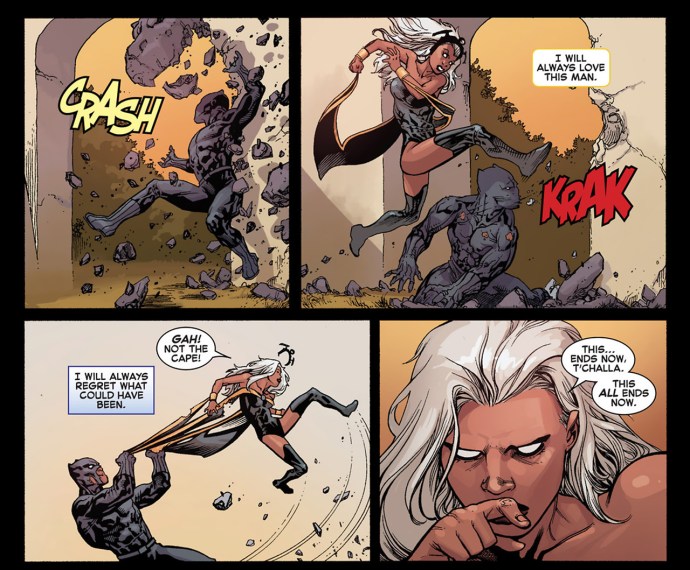
It was an inglorious ending to a romance that Marvel tried hard to make iconic. Unfortunately, they went about it in all the wrong ways for all the wrong reasons. There’s no question that Storm and Black Panther are among Marvel’s highest-profile black heroes, even more so now with the success of the “Black Panther” movie. That’s still not the sole reason why they should be romantically involved.
The relationship was so forced and so flawed that even the X-men’s most iconic writer, Chris Claremont, says the whole thing was a big mistake. Storm and Black Panther may have potential, but by forcing it and rushing it to such an egregious extent, it’s hard to take that romance seriously.
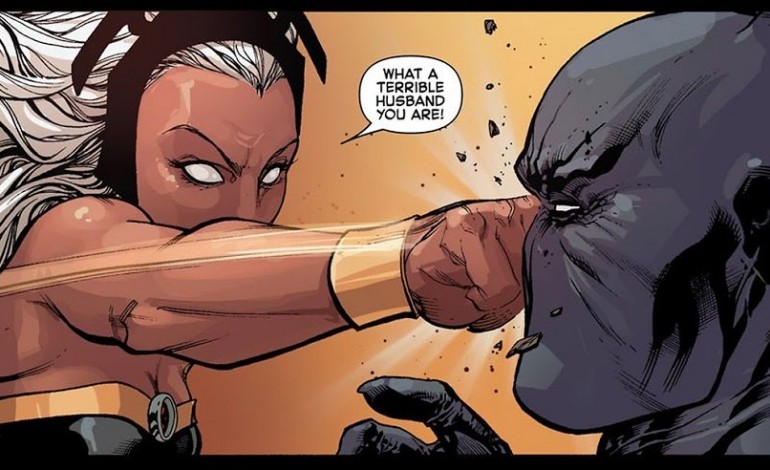
If nothing else, the Storm/Black Panther relationship should provide a cautionary tale for superhero romances and real romances alike. Most importantly, it reinforces the notion that genuine romance can’t be forced. Strong couples share in their respective struggles, supporting one another and guiding one another.
Storm and Black Panther did none of that. Marvel’s approach to forging their relationship only gave them more reasons not to be together. Both characters have a bright future in their own respect, but that future cannot and should not be forced or contrived.
After I graduated college, I got my first full-time job at a software company providing technical support. Out of respect for my former employer, I won’t name the company or the type of software it made. I’ll just say that, like all software, it sometimes malfunctioned and users got really upset.
For the most part, those seeking support were polite and reasonable. I enjoyed helping them. It made the job feel rewarding, despite the erratic hours and mediocre pay. However, there were certain customers who, for whatever reason, just weren’t satisfied complaining about the product. They basically went out of their way vent all their problems on whoever was unlucky enough to get their call.
At my office, we called these people “rubber wall users” because they weren’t just an impenetrable wall of whining. Any time you tried to throw something at them to fix their issue, it just bounced right back at you. While we tried to be professional, there was an unwritten rule that even my supervisor understood. You say whatever you have to say to get that person off the phone and on with their miserable lives.

I’m sharing that story because it’s a fitting metaphor for a phenomenon we’re seeing more and more of these days. I see it in movies, TV shows, video games, and even novels, which especially concerns me. It involves pressuring artists, producers, and developers to be more inclusive and diverse with their media. Then, when it finally happens, that’s labeled “progress.”
With respect to the sincerity of those efforts, as well as the memories of some of the angry customers I dealt with, I disagree.
I’ve talked about progress on this blog before, mostly within the context of just how much the human race has made over the past century. You won’t find many people who celebrate that progress as much as I do. By nearly every measure, we’re far more prosperous, tolerant, and well-behaved than we’ve ever been.
That said, there are certain kinds of progress that shouldn’t count as progress. They’re only progress in the same way that getting an unruly customer off the phone with some moniker of professionalism counted as progress at my old job. It’s not motivated by a sincere acceptance of diverse opinions. It’s just a way to stop the whining.

For the past couple years, I’ve found myself wondering just how much of this false progress is being mislabeled. I’ve been seeing it in multiple mediums. Comic books, a medium for which I regularly express my love on this blog, is just one of them.
While I’ve avoided talking about such controversies, I have noticed the same trend that others have vocally criticized in other mediums. Major publishers, including Marvel, have been pushing for more diversity in their books, but their efforts haven’t always been well-received and the resulting “progress” isn’t necessarily cause for celebration.
Beyond the diversity push, Marvel even made an effort to de-sexualize their characters. While that’s only possible to some extent for overtly sexual characters like Emma Frost or DC’s Starfire, some of those efforts have had a noticeable effect on characters like Carol Danvers and Black Cat. It’s now much rarer to see female characters flaunt their sexuality.

For some, that counts as progress. Specifically, for those who believe depictions of sexy female characters promotes misogyny and sexism, it counts as a victory. If it upsets the fans and robs an inherently visual medium of a unique form of beauty, then so be it. That’s the price of “progress.” If I could say that with more sarcasm, I would.
Again, I disagree. In fact, I would go so far as to say those efforts by Marvel backfired and not just because it cost their editor-in-chief his job. Marvel, like all media companies, is a business. Businesses need to please their customers. When certain customers are especially vocal, they have to listen to some extent, just as I had to listen to those customers.
It’s debatable how much those at Marvel actually bought into the “progress” that certain critics were asking for. I don’t doubt that some creators were sincere in their desire to improve diversity and expand the appeal of their comics. However, I also don’t doubt that a part of that effort was just to temper some of the whining by people who know how to be extra loud in the era of social media.

While the impact on Marvel comics concerns me greatly, I noticed a much bigger effort late last year from an industry that has been prone to much louder criticisms. Specifically, it happened in one of my favorite video game franchises of all time, “Mass Effect.” Unlike what happened with Marvel, I’m not sure this beloved series will survive.
Prior to 2014, “Mass Effect” was the cream of the crop of video game franchises. It had a little of everything. There was action, drama, romance, exploration, insight, and yes, even a little sexiness. Characters like Miranda Lawson, Liara T’soni, Samara, EDI, and even the female protagonist, Shepard, had undeniable sex appeal.

Then, in between the release of “Mass Effect 3” and the 2017 sequel, “Mass Effect: Andromeda,” a scandal broke out in the video game industry that involved everything from sexism to harassment to just how visible a character’s butt could be in a video game. I wish I were exaggerating, but it really happened and I don’t think the industry has fully recovered.
In the midst of that scandal, the demand for “progress” soared more than it did for most other mediums. Suddenly, the act of making a video game character too sexy was seen as contributing to a toxic culture of misogyny, sexism, and violence against women and minorities. It’s not like sex appeal had nothing to do with Lara Croft becoming so successful. Again, if I could say those words with more sarcasm, I would.

“Mass Effect: Andromeda” was developed in the eye of that storm. EA and Bioware couldn’t use the same approach they did with previous “Mass Effect” games. They had to be very careful with how they designed their characters, especially their female characters. One misplaced curve is all it would take to reignite a controversy that nobody wanted to deal with, given all the negative press the gaming industry had incurred.
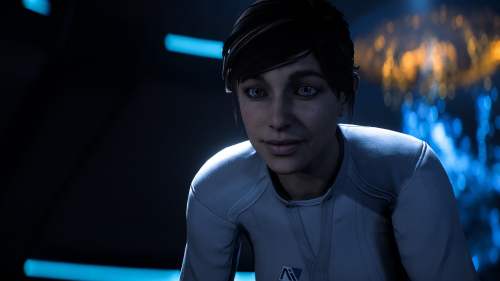
As a result, the female characters in “Mass Effect: Andromeda” didn’t just dial down the sex appeal. In some cases, there was a concerted effort to make their female characters less attractive. This is best shown in the female model used for Sara Ryder, the main female protagonist. To say it didn’t translate to the game would be like saying drinking a gallon of bleach might make you a little queasy.

Ryder wasn’t the only female character to have her looks tempered. Pretty much every female character, from the supporting cast to background characters, was designed with minimal sex appeal in mind. That’s not to say the game didn’t have some sexier moments, but compared to what other games attempted before that, it was pretty watered down.
That was just one of many problems that “Mass Effect: Andromeda” faced when it launched in March 2017. Now, games launching with bugs and glitches is nothing new. It’s standard practice for a game to get patched after launch. However, the extent of those bugs in “Mass Effect: Andromeda,” combined with unattractive characters, did not help the game’s reception.
I say that as someone who played the game and still loved it, for the most part. Since I love “Mass Effect” games so much, I found plenty of reasons to love “Mass Effect: Andromeda.” However, I found myself having to overlook more flaws than usual. I also found it hard to really admire the visual aspects of the game. Like comics, undermining that part of the experience can be pretty detrimental.

There were a lot of criticism levied against “Mass Effect: Andromeda.” Some are legitimate. Some are painfully valid. More than any other game, though, it was developed with the intent to promote a more diverse and inclusive product that appealed everyone and offended no one. As the sales and reception seem to indicate, though, even female gamers don’t like looking at unattractive characters.
As a result, nobody really hailed “Mass Effect: Andromeda” as progress. However, nobody staged a mass online protest claiming the game made its female characters too sexy and promoted toxic behaviors among its users. Some might count that as progress too. I am not one of them.

In a sense, “Mass Effect: Andromeda” is a case study in a product where efforts towards progress just masked a desire to avoid outrage. Just avoiding outrage does not count as progress in any capacity. It just counts as a company trying to shield itself from bad publicity that might damaged its brand. Say what you will about corporate greed, but brand still matters to them, often more than money.
I don’t blame Bioware or EA at all for going that route, but simply avoiding outrage set the bar pretty low and it might have doomed “Mass Effect: Andromeda” before it ever had a chance. At the moment, the “Mass Effect” franchise is on indefinite hold because the response to “Mass Effect: Andromeda” was not what the developer had hoped.
Beyond the tragedy of damaging a beloved franchise, “Mass Effect: Andromeda” reflects a dangerous and potentially regressive sentiment in the industry. Rather than focus on pushing the envelope and doing something bold, artists and developers are more concerned with avoiding outrage. The actual quality of the final product can only ever be secondary, at most.

There are a great many challenges facing the video game industry, as anyone who followed the news surrounding “Star Wars: Battlefront II” can attest. However, the precedent set by “Mass Effect: Andromeda” may very well be the most damaging.
Most agree that video games, like any other media, should work to appeal to a broad audience. However, as Marvel found out, forcing certain kinds of “progress” can have some pretty detrimental effects in the long run. It alienates consumers, frustrates developers, and limits the incentives to innovate and try new things.
At the end of the day, making female superheroes less sexy in comics and making characters in “Mass Effect” less attractive did nothing to reduce sexism, promote gender equality, or foster a more inclusive culture. All it really did was go out of its way to stop exceedingly vocal critics from whining.

Bioware and EA didn’t suddenly become more enlightened about video games, female characters, and the impact of mass media. They simply took the path of least resistance, doing what would generate the least amount of outrage, at least in terms of sexist accusations. That’s not progress. That’s just frustration and, like my old job, very little good comes from it.
Filed under gender issues, sex in media, sexuality, video games
The following is a comic book review that I wrote for PopMatters for Mighty Morphin Power Rangers #24. Enjoy!
Mighty New Worlds and Mightier Complications in ‘Mighty Morphin Power Rangers #24’

I know it’s been a while since I talked about comic books, comic book romances, or general life lessons from comic books. As a self-proclaimed comic book fan who loves to tie that passion into other sexy topics, I feel like I owe myself and certain readers an apology. Consider this part of my effort to make up for it.
Just because I haven’t been writing about comics much lately doesn’t mean I haven’t been following them. It also doesn’t mean I’m not aware of the major developments unfolding in the comic book world. As I write this, there’s a lot going on, from Tony Stark’s return as Iron Man to the return of Superman’s iconic red trunks.
If you’re a comic book fan, though, you already know about this and I don’t need to say anything to get you excited. If you’re a comic book fan who also happens to be a big romance fan, there are other stories that excite you. I mentioned one late last year with the big announcement that Batman and Catwoman are getting married. Now, I have another.
Kitty Pryde and Colossus of the X-men are getting married too!
The big announcement was actually teased last November in the form of a wedding invitation that designated the summer of 2018 as the big day. It also highlighted some of Marvel’s most famous superhero marriages. Never mind the fact that Marvel has a shaky track record with married characters. It’s still exciting news, especially for X-men fans like me.
It’s big news for Marvel as well. They’re already promoting this as a major event for these characters and for the Marvel universe as a whole. Sure, it may just be their way of competing with the upcoming Batman/Catwoman wedding, but that doesn’t make the sentiment involved any less genuine. It also doesn’t make the promo video for X-men Gold #30, the wedding issue set to come out this summer, any less sweet.
I know Kitty Pryde and Colossus are not exactly on the same level as Superman and Lois Lane, Batman and Catwoman, Cyclops and Jean Grey, or even Deadpool and tacos. In the pantheon of superhero romances, they’re not exactly top five, but they’re not afterthoughts either.
Their romance has never been a major plot in an X-men movie, nor has it been a focus in any X-men cartoons. However, for those familiar with the X-men comics, this relationship is as special as it is unique. It’s one of those romances that blossomed in unique and sometimes controversial ways.
Chief among that controversy was the age difference between the characters when they first met. When Kitty first joined the X-men in Uncanny X-men #129, she was 14-years-old and Colossus was 19. Needless to say, it didn’t sit well with Marvel’s editors at the time when writer Chris Claremont had Kitty develop a crush on him.
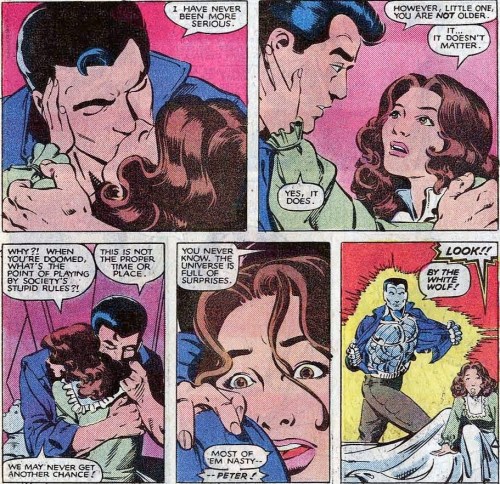
That crush, however, never got as creepy as some of the other romances that Marvel had teased. As the characters grew, aged, and developed within the pages of the X-men comics, that teenage crush evolved into something more serious. Eventually, they developed one of those relationships where they always seemed to find their way back to one another.
I won’t recount all the chaotic elements of their romance. I’ll just point out there have been many times where they’ve gotten closer, been friend-zoned, ended up in other relationships, and even died on one another, which happens a lot in comics. I’ll also say that the love between Kitty Pryde and Colossus carries with it some unique insights into love, relationships, and how they blossom.
So, in the spirit of celebrating the upcoming nuptials of these fictional characters that I hold dear, I’d like to share some of those insights that translate into real-world lessons on love. Being both a romance fan and a comic book fan, I’m especially fond of the parallels that tie works of fiction into serious matters of the heart.
Whether or not the marriage of Kitty Pryde and Colossus lasts or prospers in the X-men comics remains to be seen. Regardless of Marvel’s poor track record with marriage, they’re a couple worth rooting for and this is what they can teach us.
Lesson #1: Failed Relationships Can Still Succeed

For many fictional romances, especially those involving superheroes, the romantic dynamics are often idealized, pure, and heavy on melodrama. They’re basically “Romeo and Juliet” with superpowers, built around a love that’s so pure it can only ever be corrupted by a horribly contrived love triangle.
Colossus and Kitty Pryde are decidedly not that. Theirs is a more clumsy romance, one where they sort of stumble their way towards one another. Throughout their history, they have tried to forge a relationship, but failed on multiple occasions, sometimes due to circumstances and sometimes due to hard choices.
In those failures, Kitty Pryde dated other men, like Pete Wisdom and Iceman. Colossus dated other women, like Domino. Along the way, they each followed their own stories. They each grew in their own way. They weren’t dependent on each other. They didn’t have to be together to become strong.
These failures may have derailed their romance at times, but it didn’t end their love or their desire to be together. Eventually, they found themselves in a position to act on that love in the pages of X-men Gold. Now, they’re getting married. Ironically, their past failures helped get them to that point.
Learn from failures in a relationship and build a better one from the ashes. That’s not just a critical lesson. In a world where the ideal love stories of “Romeo and Juliet” are reserved for high school English classes, it’s a much more realistic way to approach love.
Lesson #2: Love Who Someone Is Trying To Be (And Not What They Were)

This kind of gets into those creepier elements I mentioned earlier. It’s true. Kitty and Colossus had a sizable age gap when they first met. Age gaps in young romances are taboo and for good reasons, beyond just the legal reasons. However, that age gap hid another important lesson that Kitty and Colossus later embodied.
Beyond the basic flirty exchanges they had in their youth, Kitty Pryde distinguished herself as a special character by how quickly she grew and matured throughout the pages of Uncanny X-men. Sure, she was a vulnerable young girl when she first joined the X-men, but she didn’t stay that way.
The same goes for Colossus, who underwent more than his share of upheavals. Some of his greatest moments involved him trying to be a kinder, gentler soul, despite having the kind of obscene strength that steroid-laden meatheads can only envy.
Again, a lot of complications get in their way, as is often the case with superheroes, but whether or not they manage those complications isn’t the point. It’s who they’re trying to be, as individuals, that makes them who they are. It’s that striving that often draws them together. It’s that constant effort to be better that fuels their chemistry.
That chemistry is built less on who they are and more on who they’re trying to be. Kitty and Colossus saw who they were trying to be in the midst of the chaos that comes with being X-men. That’s the person they fell in love with and in a chaotic world where everyone has to better themselves just to keep up, that’s an important and underrated facet of love.
Lesson #3: Seek To Grow With AND Love Someone

This also ties, somewhat, to the age gap between Kitty Pryde and Colossus, but without the taboo. Age gaps matter when two people are young, immature, and don’t have a firm grasp of their emotions. They matter less and less at time goes on. I say that as someone whose parents have an age gap that’s actually wider than Kitty and Colossus.
In a sense, the age gap worked to Kitty and Colossus’ advantage because they didn’t just see each other in their impressionable youth. They actually watched each other grow into adults. While they weren’t always on the same team, they were able to grow together within a similar environment. In doing so, that innocent crush evolved into something deeper.
That’s an important distinction that a lot of young people, myself included, don’t often realize until much later in life. We focus so much on the here and now when it comes to loving someone that we forget that we’re still growing as individuals. Sometimes, two don’t realize we’re growing apart until it’s too late.
I’ve seen this happen in the real world with once strong relationships that just drift apart as the couple gets older. I’ve also seen it happen in the opposite direction, watching two people grow closer as they actually seek to grow with someone, as well as love them. Kitty Pryde and Colossus are a perfect embodiment of the latter.
Lesson #4: Let The Moment Be Right For Love (And Guide It If You Can)

I know I keep repeating this and it’s worth belaboring, but Kitty Pryde and Colossus had a lot of obstacles when it came to getting together, the least of which involved Colossus dying at one point. It’s worth belaboring because it reflects how hard these two had to work in order to get together over the course of several decades of X-men comics.
Within those complications, though, is an important lesson that best played out in Joss Whedon’s legendary run on Astonishing X-men. The circumstances aren’t always right for two people to come together. However, when that moment is right, don’t be afraid to act on it. You can’t force those moments. You can only let them unfold and embrace them.
For Kitty Pryde and Colossus, those moments were rare, but they weren’t random. When Colossus returned from the dead, they had every reason to just jump each other’s bone in an overly dramatic moment. They didn’t do that, though. They didn’t try to force that moment. They just led each other to it.
A similar situation unfolded in X-men Gold. They had an opportunity to jump back into their relationship, but they didn’t. Sure, they made excuses at first, which I found annoying, along with many other long-time X-men fans. However, by taking it slow and letting the moment come to them, it made the eventual culmination in X-men Gold #20 that much more satisfying.
You can’t force a romantic moment, nor should you. However, you can guide the situation towards those moments. If the love is strong, like it is with Kitty Pryde and Colossus, it’ll happen and it’ll be beautiful.
Lesson #5: Don’t Make Excuses For Loving (Or NOT Loving) Someone

This is a common and annoying trope with fictional romances. For those not built on love-at-first-sight or sickeningly-pure infatuation, a romantic sub-plot in most stories will be full of excuses on why they should not be together. Given my take on excuses, it should surprise no one how much this annoys me.
Kitty Pryde and Colossus made a lot more excuses than most and not just because of the early age gap. Sometimes it was because they were on different teams. Sometimes it was because they were caught up in other relationships. Sure, some of those excuses were valid, like being dead or trapped in a giant bullet flying through space. Those that kept them apart, however, were often shallow or contrived.
Now, some of this might have been due to whoever was writing the X-men comics at the time. As I’ve noted before, there have been instances where bias writers force contrived plots to keep certain characters apart. Chris Claremont’s efforts with Cyclops, Jean Grey, and Wolverine are well-documented.
The efforts surrounding Kitty Pryde and Colossus, though, never got that extreme. They also never undid the chemistry between them or fundamentally changed the elements that attracted them to one another. In that respect, they didn’t make excuses. They didn’t hide from those emotions, even if they avoided them. That ended up strengthening their relationship in the long run.
It’s another important lesson about excuses and reasons. When your reasons for not being with someone are built on excuses, then you’re missing the point. Kitty and Colossus stopped making excuses in X-men Gold #20. If they can do it, then there’s hope for everyone, real and fictional alike.


