The following is a review I wrote for PopMatters for “The Life of Captain Marvel #5.” Enjoy!
Losses, Journeys, and Ascensions: ‘The Life of Captain Marvel #5’
The following is a review I wrote for PopMatters for “The Life of Captain Marvel #5.” Enjoy!
Losses, Journeys, and Ascensions: ‘The Life of Captain Marvel #5’

The following is a review I wrote for PopMatters for X-Men Red #11.
Jean Grey Exercises the Power of Emotional Intelligence in ‘X-men Red #11’
What is happening to villains these days? That’s an entirely reasonable question to ask. Over the past decade, we’ve seen a remarkable shift in how we approach villainy in movies, TV, comic books, and video games. I’m not just talking about the superhero media, either. However, that happens to be the most visible manifestation of this change.
As a long-time fan of both superheroes and quality villains, I welcome this change. At the same time, I’m curious about where it’s leading and what it means for the future. Villains are as old as storytelling itself. From the Bible to “Star Wars,” these stories work best when there’s villainy to oppose the unfolding narrative. Villains have always evolved alongside the heroes that oppose them, but that evolution seems to be accelerating.
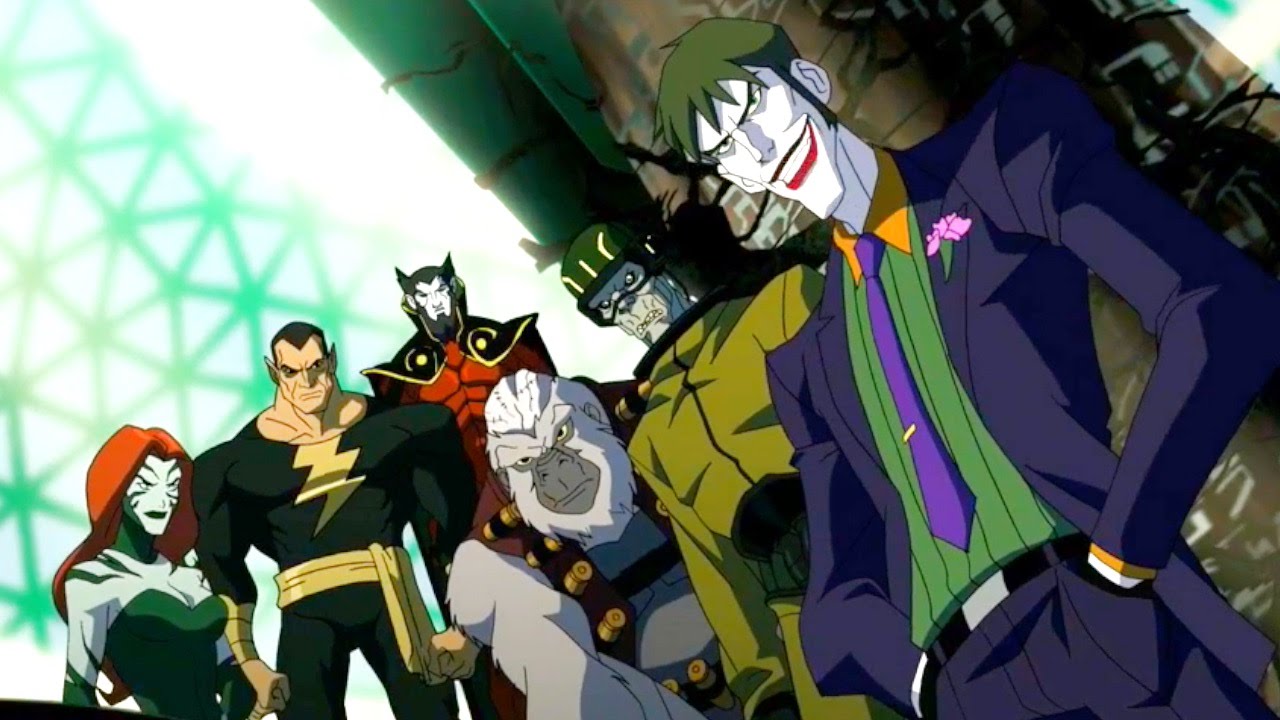
I’ve discussed the unique journey that villains undergo and how they set themselves apart from heroes. Traditionally, a villain’s primary purpose was to both oppose the hero and highlight how heroic they are. The sheer malice of characters like Lex Luthor help contrast the pure selflessness of characters like Superman. It’s easier to appreciate those heroes knowing they have to deal such malicious opponents.
Then, something remarkable happened. Audiences began demanding more of their villains. It wasn’t enough to just have a villain oppose a hero. People began wanting villains who were understandable and even relatable to some extent. Ironically, they wanted a villain they could root for.
That helped lead to characters like Walter White from “Breaking Bad.” His impact was so profound that I even called his influence the Walter White effect. However, I think there were others who paved the way for Walter White. If I had to pick one villain that helped kick-start this trend in villainy, it would be Heath Ledger’s Joker from “The Dark Knight.”
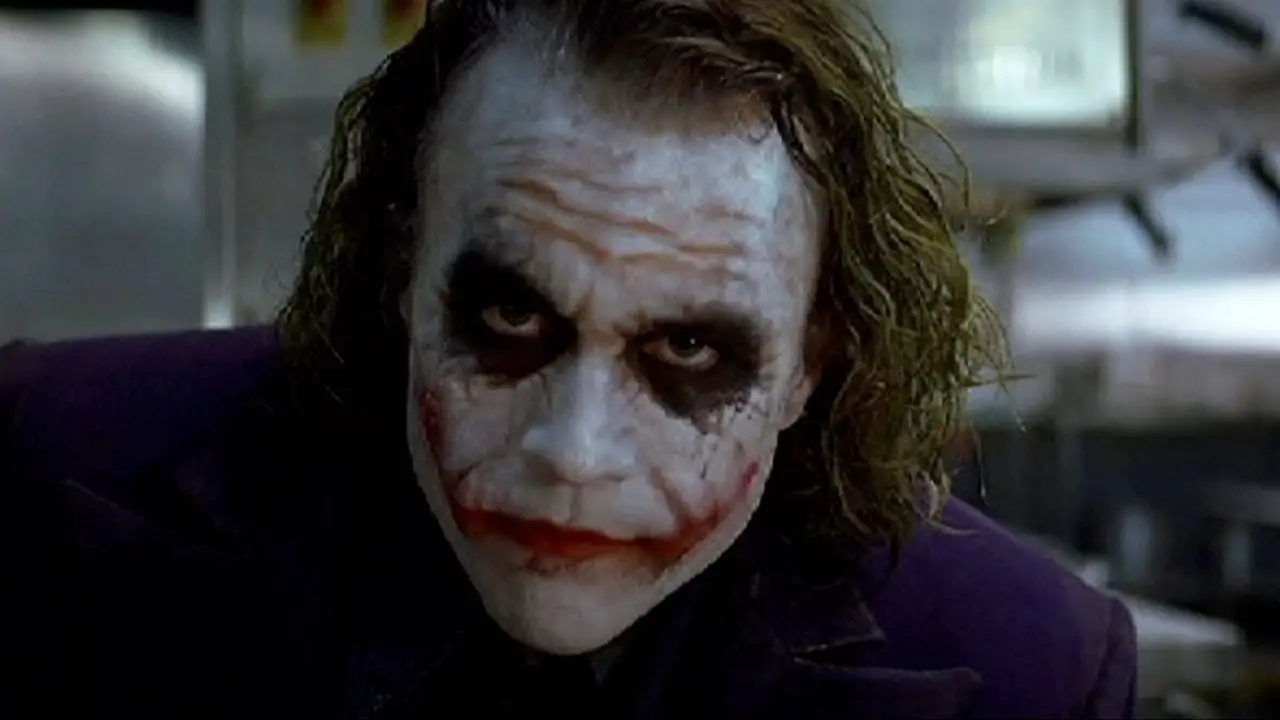
From this portrayal of villainy, the emerging state of villains emerged and it may very well set the tone for the future. On the surface, this version of the Joker wasn’t too different from the one who had existed in the comics for years. He’s dangerous, destructive, murderous, and callous, like many villains. Unlike most, though, he does what he does with a laugh and a smile.
What made this version of the Joker so memorable was the principles behind his madness. To him, society is corrupt and people aren’t inherently good. As such, he seeks to point out how laughable it is when others try to save it. Batman’s crusade against crime is the biggest joke of all, which helps drive their rivalry.
It’s a philosophy that few other than terrorists and extreme nihilists would buy into, but it’s one that’s understandable to some extent. We don’t have to agree with them or their methods. We just have to see their twisted logic. They can’t just be standard James Bond villains whose motives are indistinguishable from fascists, communists, or terrorists. There needs to be something more personal at work.

We saw plenty of that in 2018’s biggest movies. From “Black Panther” to “ Avengers: Infinity War” to “Incredibles 2,” the villains all had something personal at stake. Erik Killmonger saw his villainous actions as heroic. He wasn’t out to just take over Wakanda. He had a vision in mind that felt justified to some extent, especially to those familiar with real-world historical injustices.
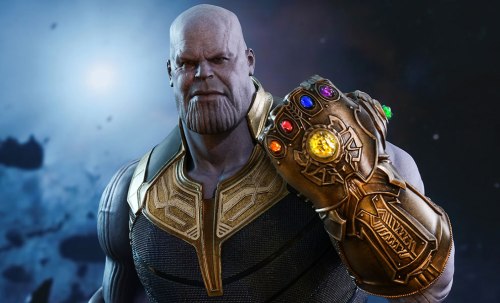
Thanos raised the bar even more in “Avengers: Infinity War.” He never tries to come off as a hero, but he never sees his actions as villainous, either. In fact, when heroes like Dr. Strange call him out, he frames his desire to cull half the population in the universe as mercy. For him, it’s simple math. Half a population is better than no population at all.
These motivations, as devious they might be on paper, have some semblance of merit to it. Both Thanos and Killmonger think they’re doing the right thing. That significantly impacts how the heroes in their stories go about thwarting them, although I would argue that one story was more complete while the other remains unresolved.
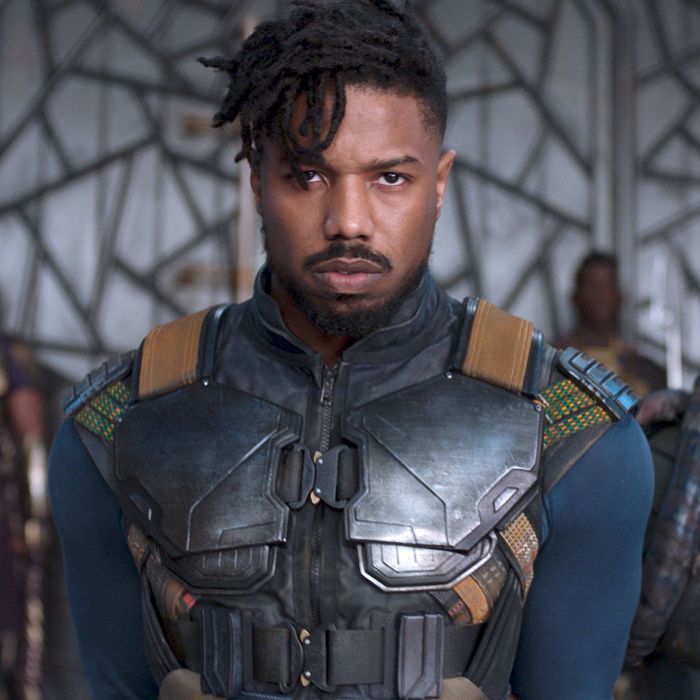
In “Black Panther,” T’Challa doesn’t just stop at defeating Killmonger. He actually sees some of his enemy’s points and takes steps to address them. He doesn’t revert things back to the way they were. Wakanda doesn’t return to the same isolated state it had been at the start of the movie. Instead, he seeks to find a middle ground. That, I would argue, is the new template for how heroes defeat this kind of villain.
The resolution in “Avengers: Infinity War,” however, is not as clear. That’s largely due to the story not being complete. There is a sequel planned, but at no point in the three-hour spectacle did the Avengers attempt to prove Thanos wrong. They only ever tried to stop him. That oversight has not gone unnoticed by audiences.

This, in many ways, sums up the new dynamic between heroes in villains. It’s no longer enough for heroes to just defeat their adversaries. It’s not even enough for villains to be exceptionally devious. There have to be larger principles at work. It can’t just be reduced to general greed, ego, or bullying.
Thanos seeks to kill have the population because he believes that it’ll prevent the complete extinction of all life.
Erik Killmonger seeks to empower oppressed minorities to right past injustices.
Dr. Doom seeks to conquer the world because a world under his rule is the only one free of suffering and want. That’s actually canon in the comics.
It’s makes crafting compelling villains more difficult, but at the same time, it opens the door to more complexity. On top of that, it demands that audiences think beyond the good versus evil dynamic that has defined so many stories, going back to the days of fairy tales. It’s a challenge that some are certain to fail. Some already have, sadly.
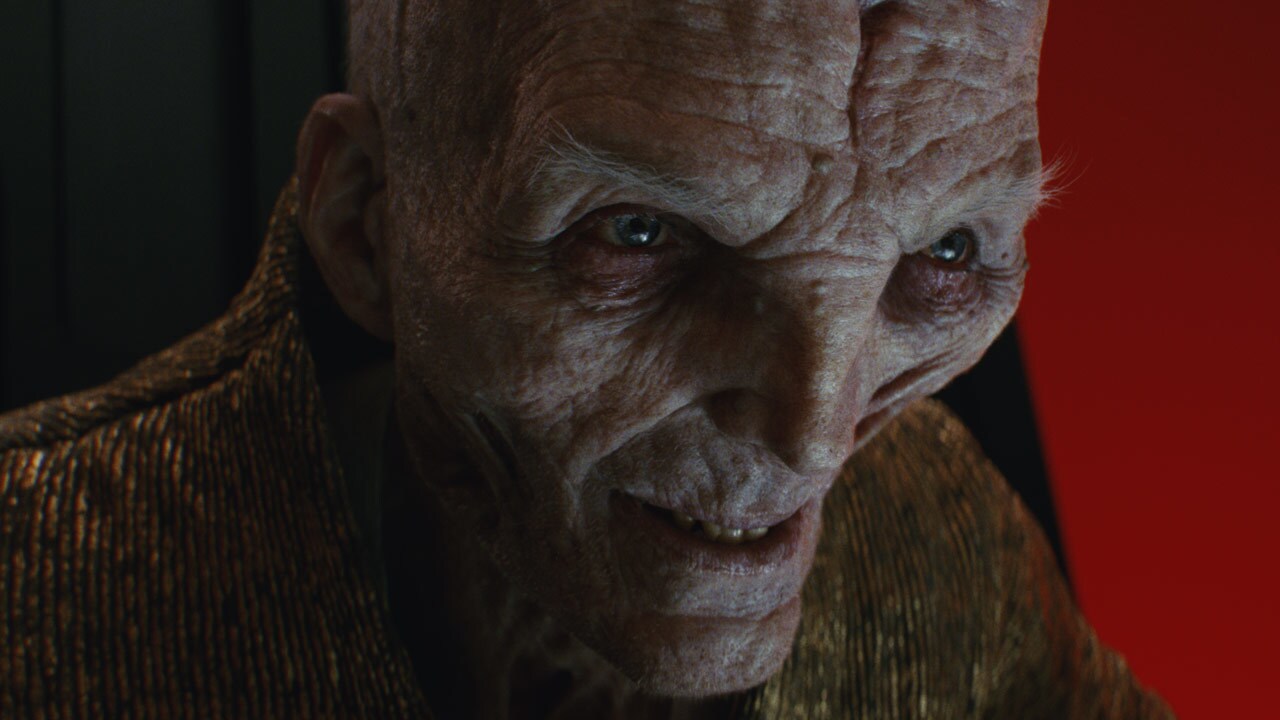
It also sets the tone for future forms of villainy. How that villainy manifests is impossible to predict, but given the current trends, I think there’s room to speculate. At the heart of this emerging villainy is the idea that the current system just isn’t working. It’s so bad that the only viable option is to destroy and rebuild it. There’s no room, whatsoever, for reform.
This is where the heroes will have to evolve, as well. They can’t just play “Super Friends” and save the day. They have to actually make meaningful changes to move society forward. King T’Challa did that at the end of “Black Panther.” Other heroes need to be as willing. Otherwise, they won’t be able to call themselves heroes. They’re just defenders of a status quo may not be working as well as they think.
It’s an ideological struggle that parallels many real-world struggles. People today have less and less faith in established institutions. As a result, more people are falling sway to populist rhetoric that promises to break down the current system entirely. By and large, people today aren’t content with just preserving things as they are. They seek more meaningful change.

That presents a serious problem for heroes and a golden opportunity for villains. Historically, heroes haven’t been able to effect change beyond a certain point. Some of that is for logistical reasons. A hero can never create a functioning utopia without ending the story completely, which is something major media companies cannot have. There’s too much money to be made.
Logistics aside, the future of villainy will have plenty of raw materials to work with and plenty of societal angst to draw upon. Heroes who save the day, but do little else won’t be able to call themselves heroes in the world currently unfolding. Villains who have a real vision with understandable motivations will find themselves with more supporters than before.

It’s no longer taboo to root for the villain, especially when the heroes don’t confront the flaws in their rhetoric. In what seems prophetic now, “Avengers: Age of Ultron” may have put it best when Ultron stated:
“I’m sorry, I know you mean well. You just didn’t think it through. You want to protect the world, but you don’t want it to change.”
That’ll be the key to the future of villainy, change in a world that resists too much of it happening at once. It’ll make for some complicated villains, but it will definitely make the struggle of heroes even harder. However it plays out, I believe it’ll be worth watching.

The following is a review I wrote for PopMatters for “X-Men: The Exterminated #1.”
On Melodrama and Family Ties in Marvel’s ‘X-Men: The Exterminated #1’
It shouldn’t be that difficult or controversial to create compelling female superheroes. In a perfect world, it would be no different than creating quality male heroes. As long as they’re compelling, enjoyable, and foster great stories, that should be enough.
Sadly, we don’t live in a perfect world. You could even argue it has become even worse in recent years for female superheroes because they’ve become entwined with identity politics. It’s no longer sufficient for a female hero to just be likable and interesting. They have to take part in the never-ending whining contest that dominates outrage culture.
As a lifelong fan of superhero comics, this really frustrates me. I get that comics, like any medium, often reflect the issues of the time. That’s not new and comics have taken positions in those issues. Iconic stories have been crafted around them. The current situation with female superheroes, however, is less a reflection of the times and more a liability.

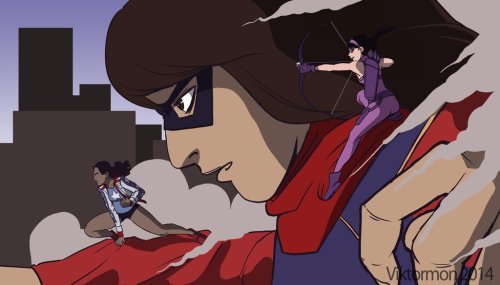
To illustrate this point, I’d like to single out two female superheroes, Kamala “Ms. Marvel” Khan and America “Miss America” Chavez. Both characters were created within the past 10 years. They’ve also been cited as prominent figures in the recent push for diversity within comics that has caused a lot of uproar or all the wrong reasons.
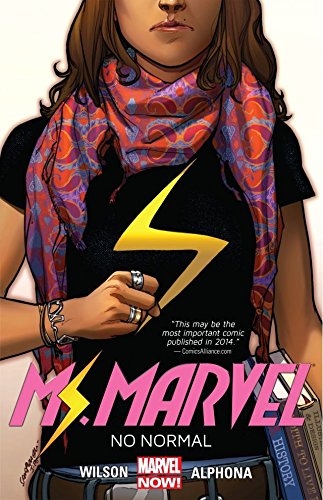
What sets them apart is that one character, Kamala Khan, has become a success story by most measures. Since her debut issue in February 2014, she has become popular and beloved. She has received and won numerous accolades and her graphic novels have made it onto the New York Times Best Sellers list. I consider myself a fan of hers. She’s one of my favorite female heroes.
On the other end of that spectrum is America Chavez. She debuted in 2011 and went onto have her own ongoing series. Unlike Kamala, though, her series received no accolades, sold poorly, and did nothing to endear her to fans of superhero comics. She has had opportunities to establish herself as a quality female hero. With few exceptions, she has failed at every turn.
These two characters represent a stark dichotomy in the current world of female superheroes. One provides a template for success. The other is a cautionary tale of how not to create a compelling female superhero in the current climate. It’s pretty striking how two characters created within a similar cultural environment can go in such wildly different directions. However, that difference also carries with it plenty of lessons.
/cdn.vox-cdn.com/uploads/chorus_image/image/54078711/3061358_inline_i_2_half_marvel.0.png)
To be fair to the medium I love, creating female superheroes today is very different compared to past decades. If Wonder Woman, Storm, Carol Danvers, or Supergirl were created today, they wouldn’t have the same impact. They came out at different times and under different circumstances. Those circumstances played a key role in how they became iconic.
Great female superheroes, and quality female characters in general, have traits that allow them to resonate in any era. However, the timing and influences have to be right for them to carve a place in popular culture. Kamala Khan and America Chavez dealt with similar circumstances when they debuted. That makes them a good case study in how female superheroes can succeed and fail.
Why Kamala Khan Succeeded

I still remember the day I read Ms. Marvel #1. I hadn’t been planning to buy it. I remember clearly that it was a light week, in terms of comics. I happened to have a few extra bucks to spend. I had heard that there was going to be a new Ms. Marvel. Having been a fan of Carol Danvers, I decided to check it out.
I’m glad I did because that one fateful issue made me a Kamala Kahn fan for years to come. The story it told struck all the right chords. It presented a character who felt real, genuine, and relatable. The fact that she was a girl, a Muslim, and the daughter of Pakistani immigrants was secondary. She still felt like a character that I could be friends with if she were real.
The reasons why Kamala was so endearing had little to do with how many diversity points she scored and everything to do with how the writer, G. Willow Wilson, went about developing her. She spent almost the entire first issue just revealing who Kamala was and what sort of life she had. We learn about her family, her friends, her hopes, her dreams, and even her favorite hobbies.
She quickly becomes more than just another teenage character. She’s a self-professed fangirl who writes fan fiction, plays MMO games, and loves gyros. Wilson approached developing Kamala the same way Stan Lee approached developing Peter Parker. She developed the personality before turning them into a superhero.
When Kamala finally does get her powers, Wilson establishes a solid reason for why she’s a hero. Just getting powers isn’t enough. Unlike Peter Parker, however, she doesn’t need a loved one to die. Being a fan of superheroes and having decent parents puts her in a position to make that choice without anyone dying. That, alone, makes her worthy of admiration.
From that point forward, it’s easy to root for Kamala. She carries herself as someone you want to root for. She personifies how fans of superhero comics are inspired by their heroes. Her having a chance to be a hero like the ones she idolizes isn’t just endearing. It’s special. That’s why she succeeds and why it’s very likely we’ll see her enter the Marvel Cinematic Universe at some point.
Why America Chavez Failed
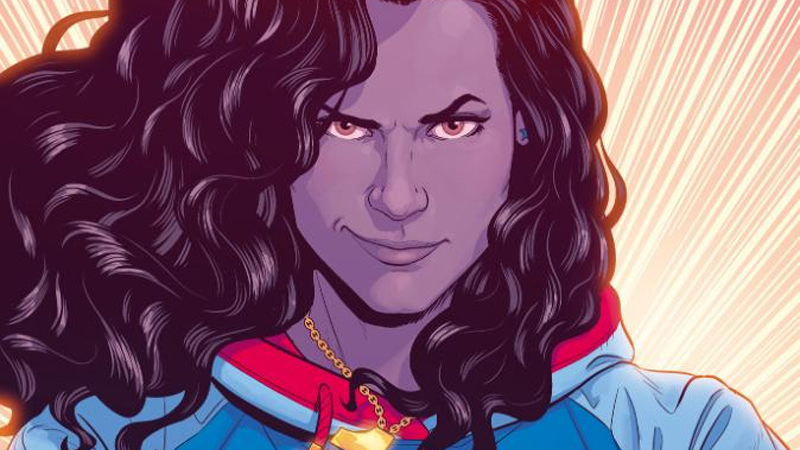
Take everything I just said about why Kamala Khan works and why she’s so lovable. Then, reverse it completely. That’s basically who America Chavez is and why she’s more a joke than a success.
On paper, America has a lot going for her. She’s not just another generic female hero. She’s Latina, she’s a lesbian, and she comes from a very different world, literally and figuratively. In terms of diversity points, she checks as many boxes as Kamala. She has her own unique style and she even uses a familiar moniker that has been successfully used by others.
Beyond those traits, however, there’s nothing about her character or her story that will get superhero fans cheering. She’s not relatable like Peter Parker or Kamala Khan. She’s from a place called Utopian Parallel, which is exactly as boring as it sounds. Her world was threatened with destruction, but her parents sacrificed themselves to save it. They’re the only respectable heroes in her story.
America, for reasons that are poorly told and poorly developed, decides to prove that she’s as good a hero as her parents. Her world is a utopia. It doesn’t need her. As a result, she just looks for a world that needs heroes and happens to choose one that has a massive glut of them. Already, her judgment is questionable.
If you’re expecting me to explain the depths of why she’s a hero and how she distinguishes herself, I’m sorry to disappoint. That’s the extent of her heroic journey. She doesn’t answer the hero’s call as much as she looks for an excuse. She doesn’t work her way into the world of heroism. She just throws herself into it and skips the part that makes it a meaningful story.
It certainly doesn’t help that she’s grossly overpowered in a way that makes every battle feel boring. Unlike other powerful characters, including Superman or Captain Marvel, there’s no real intrigue to her abilities. Whereas Kamala Khan and Peter Parker struggle, seeing their powers as burdens at times, America Chavez rarely strains herself. When she does, it feels forced and contrived.
On top of all that, America never comes off as a likable person. In nearly every scene she’s in, she carries herself with an in-your-face, screw-you, I’m-better-than-everyone attitude that isn’t the least bit endearing. She basically tries too hard to be a badass female hero, but forgets the part where heroes are actually supposed to be admirable.
It’s not enough to just punch a Nazi, which she does at one point. Being a hero means embodying ideals that go beyond gender politics. America Chavez’s story is so contrived, at times, that it feels like the most shameless kind of pandering. It’s why those who bemoan Marvel’s diversity push often cite America Chavez as the personification of everything wrong with that effort. Sadly, she gives them plenty to work with.
Lessons For The Future

I have high hopes for Ms. Marvel. I even hope that, at some point, America Chavez becomes a solid character. There’s plenty of room for new characters that resonate with everyone, regardless of gender, race, creed, ethnicity, or sexual orientation. It doesn’t have to come at the cost of established characters, either. Heroes can be anyone. That’s what makes them icons.
Now, I understand that there are plenty of people out there who don’t like Kamala. I don’t deny that she has her flaws and she’s had some pretty unflattering moments. I also understand that America Chavez has her share of fans who think I’m not being fair to her. I don’t claim that my take on her is definitive.
I singled these two characters out because I believe they embody the struggle facing female superheroes in the existing cultural climate. Like any creative endeavor, there is a right and wrong way to go about it. Kamala Khan and America Chavez provide important lessons on what to do and what to avoid. They include, but aren’t restricted to, the following.
Lesson #1: Build the character before the hero
Lesson #2: Appeal to everyone and not just a select few
Lesson #3: Make their struggle feel real and genuine
Lesson #4: Give the character a distinct and endearing voice
Lesson #5: Don’t just rely on punching Nazis
There are many other lessons to be learned from characters like Kamala Khan and America Chavez. Some of those lessons have to be learned the hard way, but they’re worth learning. More quality female superheroes can only help the genre, as a whole. Superheroes, by definition, are supposed to inspire others to be better. That inspiration need not be restricted to gender, race, or any other distinction.
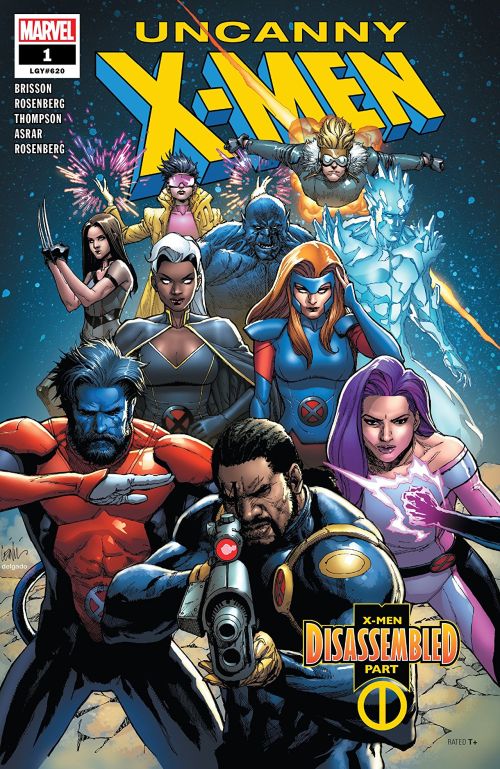
The most relevant stories are often the ones that ask the most difficult questions. The nature of those questions vary among places, people, cultures, and whatever happens to be pissing off a significant chunk of the population. Regardless of the circumstances, those questions are important and sometimes they come from unexpected places.
I wasn’t expecting such questions when I picked up “Uncanny X-men #1,” the latest relaunch in the most iconic X-men brand of all time. I was just glad to see Uncanny X-men return to prominence after an extended absence dating back to 2016. This first issue was over-sized and priced at $7.99, which is a lot for a single comic. I still feel like I got my money’s worth.
In addition to telling a great story that brought many prominent X-men characters to the forefront, “Uncanny X-men #1” did something unique in terms of how it established a conflict. For once, it didn’t involve killer robots, preventing a genocide, mutant terrorist, or alien space gods. Instead, it asked one profound question.
What if there was a way to preventing people from becoming mutants in the first place?
That may sound like a question that has come up in other X-men stories, but that’s only partially correct. This isn’t about curing mutants, a story that Joss Whedon brilliantly told during his run on Astonishing X-men and that “ X-men: The Last Stand” botched horribly. This is about inoculating children the same way we do for polio.
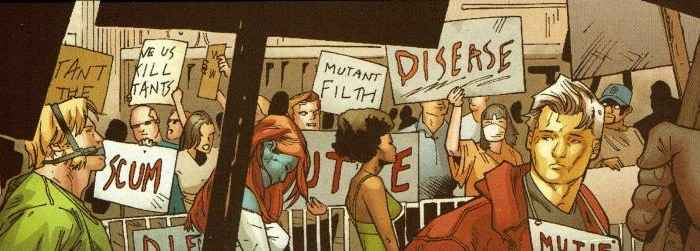
Specifically, a lab develops a vaccine that prevents the X-gene from expressing. Technically, they would still be mutants in that they would still have this gene. It just wouldn’t express itself. It would be akin to turning off the gene responsible for cystic fibrosis or sickle-cell anemia. It essentially treats mutation the same way we would treat any other genetic-based disease.
Naturally, the X-men and many other mutants don’t like this idea and not just because it’s akin to treating homosexuality as a mental illness. It reeks too much of genocide, something they’ve faced on more than one occasion. It would’ve been easy for “Uncanny X-men #1” to present it in that way, but that’s not how it plays out.
The all-star creative team of Ed Brisson, Kelly Thompson, Matthew Rosenberg, and Mahmud Asrar frame the issue in a very different way. Instead of some anti-mutant racist like Graydon Creed or William Stryker calling for mutant extermination, we get Senator Ashton Allen. He’s as generic a politician as can be in a superhero comic, but what he says and how he says is revealing.
Amidst a crowd of humans, mutants, and X-men, he talks about this mutant vaccine as a tool to alleviate suffering. He doesn’t rant about the dangers of evil mutants like Magneto or Apocalypse. He talks only about mutant children developing powers that could be dangerous to themselves or others. In that context, a vaccine might actually help them.
When you consider the mutant powers of characters like Rogue and Cyclops, who have mutant abilities that do real damage when uncontrolled, it seems entirely reasonable to make this vaccine available. Senator Allen never says anything about forcing it on kids or on mutants that already exist. He only ever emphasizes making it an option for concerned parents.
That’s distressing for the X-men because they don’t need to be omega-level psychics to imagine the implications. They can easily envision a concerned parent who doesn’t want their child to deal with the possibility that they may shoot lasers out of their eye one day. Any parent who cares for their child will want to mitigate the chances of them enduring such hardships.

In a world populated by mutant-hunting robots, parents already have plenty of incentive to use this vaccine. Given the damage that mutant-led conflicts often incur, the government has just as much incentive to make that vaccine available to everyone, free of charge and tax deductible. Governments less concerned with things like human rights could force it on children and that has some real-world parallels.
For mutants and the X-men, though, that means a permanent loss of their identity. Considering how mutants act as a metaphor for other oppressed minorities, this has implications for the real world, as well. I would even argue that the question will become increasingly relevant in the coming decades.
To appreciate just how relevant it could be, you need only look up the heartbreaking stories of parents who have disowned their children because they’re gay or transgender. In tragic some cases, people are driven to suicide. Even for those who aren’t parents, anything that might avert this kind of hardship is worth considering.

Given the complex causes of homosexuality, as well as the many factors behind transsexuality, it’s unlikely that there could ever be a vaccine to prevent it. The same can be said for conditions like Dwarfism. It’s not just genes, hormones, or radioactive spider bites that shape an individual’s persona. It’s a complex confluence of many things.
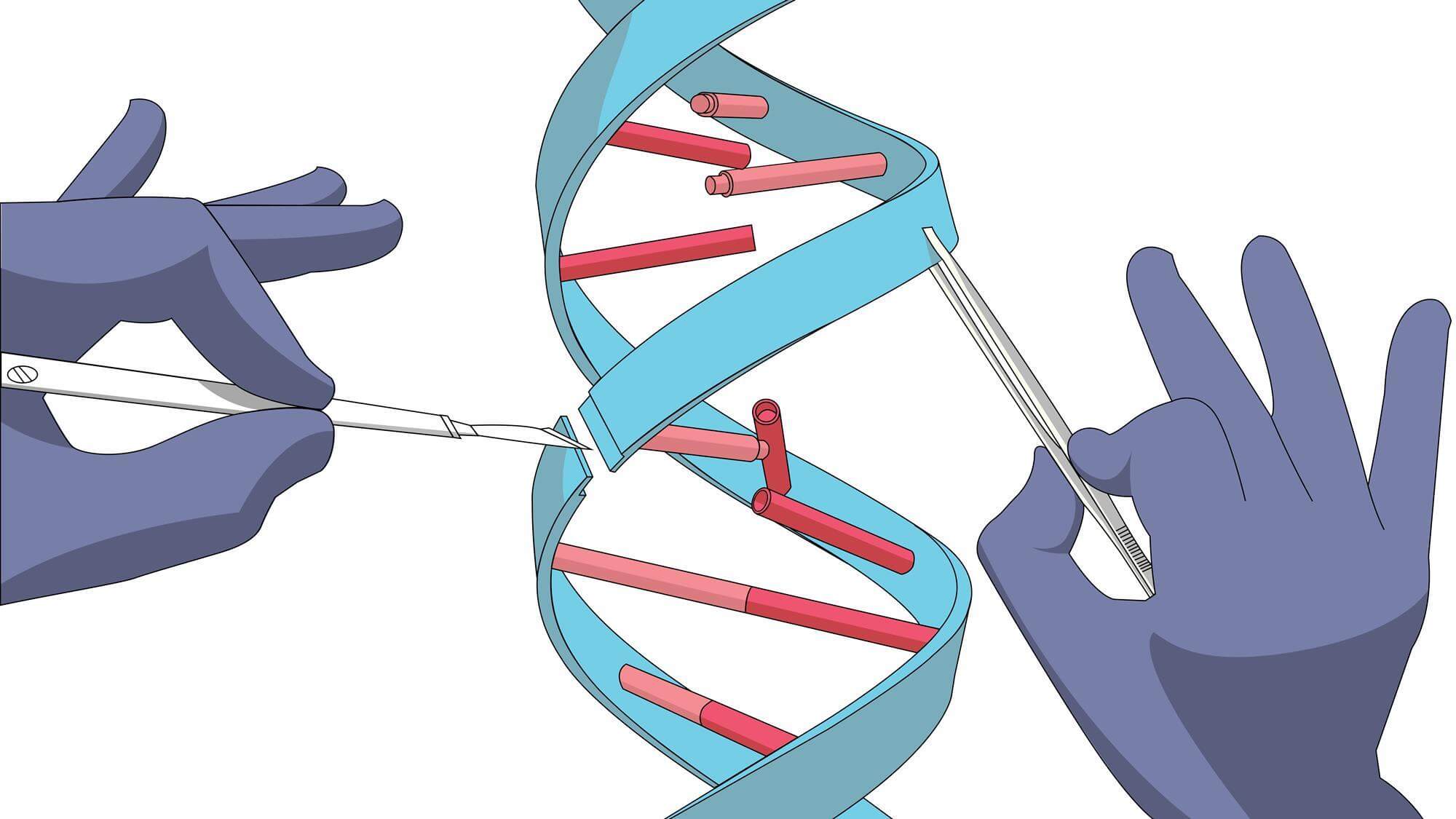
However, we are getting very close to a point where it’s possible to design children at the genetic level. Thanks to tools like CRISPR, it might even be possible one day to cut out entire traits from the human genome. That could, in theory, eradicate both cystic fibrosis and Dwarfism. More than a few people have expressed concern about that possibility.
Homosexuality and transsexuality are a bit different since there is no one gene or hormone that causes it, but most contemporary research suggests that genetics do play at least some role. Using similar technology, it might be possible for parents in the future to minimize or eliminate the chances of their children being homosexual or transsexual.
I imagine many in the LGBT community feel the same way about those efforts that the X-men felt about Senator Allen’s efforts in “Uncanny X-men #1.” Even if it only extends to giving parents this option for children and provides strict protections for those already born with these traits, it still treats who and what they are as a disease.
It’s dehumanizing and demeaning. More than one X-men in “Uncanny X-men #1” makes that abundantly clear. They don’t see being a mutant as a disease any more than homosexuality, transsexuality, or dwarfism. The fact that there’s now a way to prevent this makes for an existential crisis with some pretty heavy implications for the real and fictional world.
In the world of Marvel comics, a world without mutants has its own set of issues, the least of which would be the loss of a top-selling comic series. In the real world, though, the stakes are even higher. What would we, as a society, do if we suddenly had the tools to prevent homosexuality, transsexuality, and dwarfism in children before they’re even born?
.jpg)
I’ll even ask a more controversial question that’s sure to draw plenty of ire. What if those same tools could be used to modify the skin color, facial features, and overall appearance of our children? We already understand how genetics affects our appearance to some extent. What happens when we’re able to determine that for someone before they’re ever born?
These are objectively distressing questions. I’m glad “Uncanny X-men #1” dared to ask them. I doubt they’ll get debated or resolved completely in the proceeding issues, mostly because such resolutions are impossible in superhero comics. It still presents the X-men with a unique issue to confront and one that we will likely have to confront in the real world.
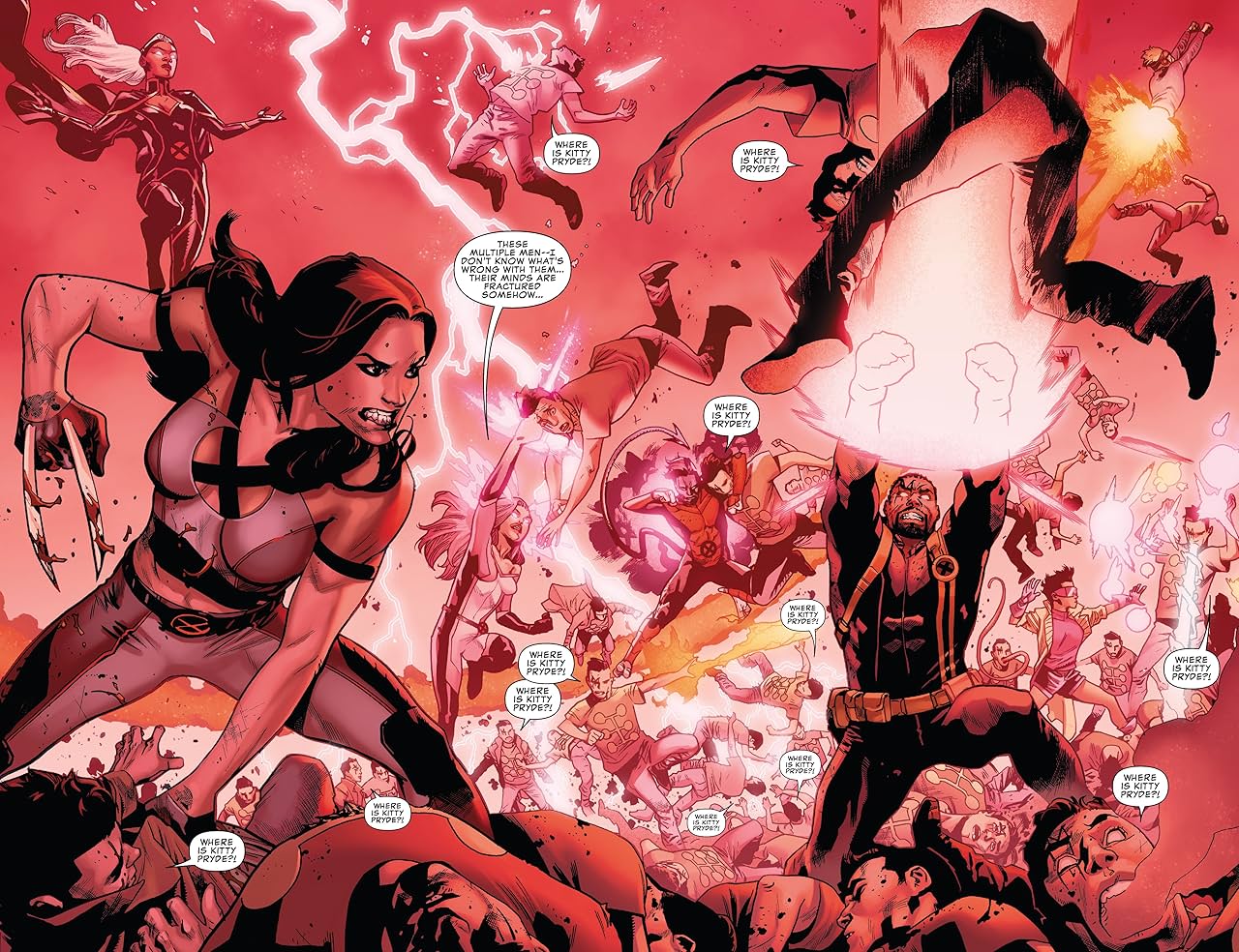
As is often the case with difficult questions, the answers are likely to anger some and distress many. Most people genuinely and sincerely want what’s best for their children. In the world of Marvel Comics, that could mean preventing them from gaining the kind of superpowers that makes them targets for Sentinels. In the real world, that could mean removing an entire class of people from the gene pool.
In issues like this, there are no heroes or villains. There are just difficult choices that we must make before someone else makes them for us.

The following is a review I wrote for PopMatters on Uncanny X-men #1. Enjoy!
An Uncanny Deconstruction of Superheroes in ‘Uncanny X-men #1’
Filed under superhero comics, superhero movies

The following is a review I wrote for PopMatters for X-23 #6. Enjoy!
Class, Clones, and Killer Robots in Marvel Comics’ ‘X-23 #6’

The following is a review I wrote for PopMatters for X-men Black: Emma Frost #1. Enjoy!