Category Archives: philosophy

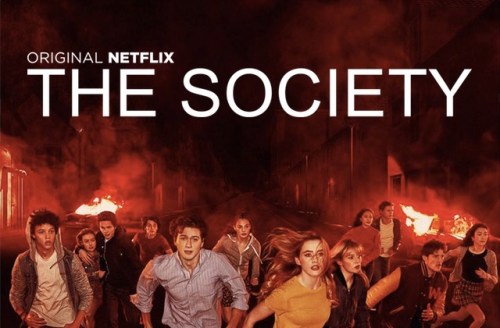
How “The Society” Humanizes Teenagers In A Refreshing (And Overdue) Way

the-society-netflix

As someone who hasn’t been a teenager for many years, I admit I have some unflattering perceptions of that demographic. Ask anyone over the age of 30 what they think of teenagers today and chances are you’ll hear more than a few complaints.

They’re too obsessed with their phones.

They’re too emotionally fragile and prone to outrage.

They’re too entitled, coddled, and sheltered from the real world.

You’ve probably heard those rants before and not just from Fox News. With those stereotypes in mind, imagine what would happen if a large collection of teenagers were left unsupervised and isolated in a large area for long stretches of time. What do you think would happen? How do you see that playing out?

Something like this, probably.

I don’t deny that I’d make some unflattering assumptions such a scenario. I would fully expect that they act erratically and irresponsibly. I would also expect for them to falter emotionally if left alone for too long. Having lived their whole lives within some system of authority and supervision, I wouldn’t expect them to function for very long on their own.

It’s those very assumptions that that “The Society,” a very binge-worthy Netflix show, dares to challenge. This thriller/mystery/drama is one of those shows that has all the right ingredients to play up every tired trope that teen-centered television show has explored for years. That was certainly what I expected when I discovered the show. I freely admit that those expectations were wrong.

The premise of “The Society” is built around a strange mystery that “Lost” fans should appreciate. One day, a large contingent of high school students get on a bus and leave the affluent New England town of West Ham for a 10-day camping trip. For reasons not yet revealed, the buses turn around and drop them off exactly where they picked them up.

Upon returning, these teenagers find out that all the adults in their town are gone. Near as they can tell, everyone just picked up and left. To further compound the mystery, they find out that all the paths leading out of the town have become dead ends. There are no neighboring towns to visit. As far as they know, there’s nothing but endless forests in every direction.

It’s genuine mystery with distressing implications. While the specifics are only partially explored in the first season, the mystery is only part of what makes the “The Society” such a compelling show. It doesn’t just put a bunch of hormonal, irrational teenagers in an enclosed area and let the drama tell the story. The show dares to humanize teenagers in a way that is exceedingly rare in a TV show.

By that, I’m not just referring to a handful of character that are well-developed and fleshed out. While there are certainly plenty of those in this show, it approaches how teenagers conduct themselves with more balance and nuance. It even makes the case that, in dire situations, they can come together and cooperate as well as full-fledged adults.

In the beginning, that’s not immediately apparent. When they all return to West Ham and find out the adults are gone, they react the way most would expect of decadent, hormonal teenagers if they were left unsupervised all night. However, the extent of their decadence never goes beyond a certain point.

To a point, being the key term.

Sure, many drink, they dance, and they hook up. A few just go home and turn in for the night, thinking nothing is amiss. They don’t do anything too outrageous, though. In essence, they conduct themselves the same way most single adults would if they knew there were no police or authority figures to stop them.

After that first night, though, things start getting serious. These teenagers, who still come off as kids in the first few episodes, realizes that something has gone very wrong. Their parents are gone. The adults are gone. Their entire town is completely cut off. They have no connection to the world beyond their town. They have a finite supply of food and little experience in terms of governing themselves.

It’s a scary situation. Some handle it better than others, but a few start to crack under the pressure. For some, especially Campbell Eliot and Lexie, the situation reveals sides of their personality that probably wouldn’t have otherwise emerged. That tends to happen with most people in extreme circumstances, but being a teenager tends to raise the stakes even more.

The fun and games quickly end. People start getting hurt. There are even a few deaths, which has a significant impact on everyone in the town. It sends a clear, unambiguous message. This isn’t just about hanging in there until their parents find them. They have to survive and they can’t do that unless they work together.

On paper, it sounds like it can only end in disaster and it certainly comes close, especially towards the end of the first season. Again, these are teenagers. Most people don’t expect them to function beyond a certain point. While “The Society” doesn’t strip away everything in the mold of “Lord of the Flies,” it removes enough to make the situation dire.

They still have electricity, running water, and shelter. However, their food supply is finite and there’s a distressing lack of expertise in everything from basic medical care to fixing a car. In order to survive, they must create a system of governance to keep the peace. If they don’t, then everybody suffers.
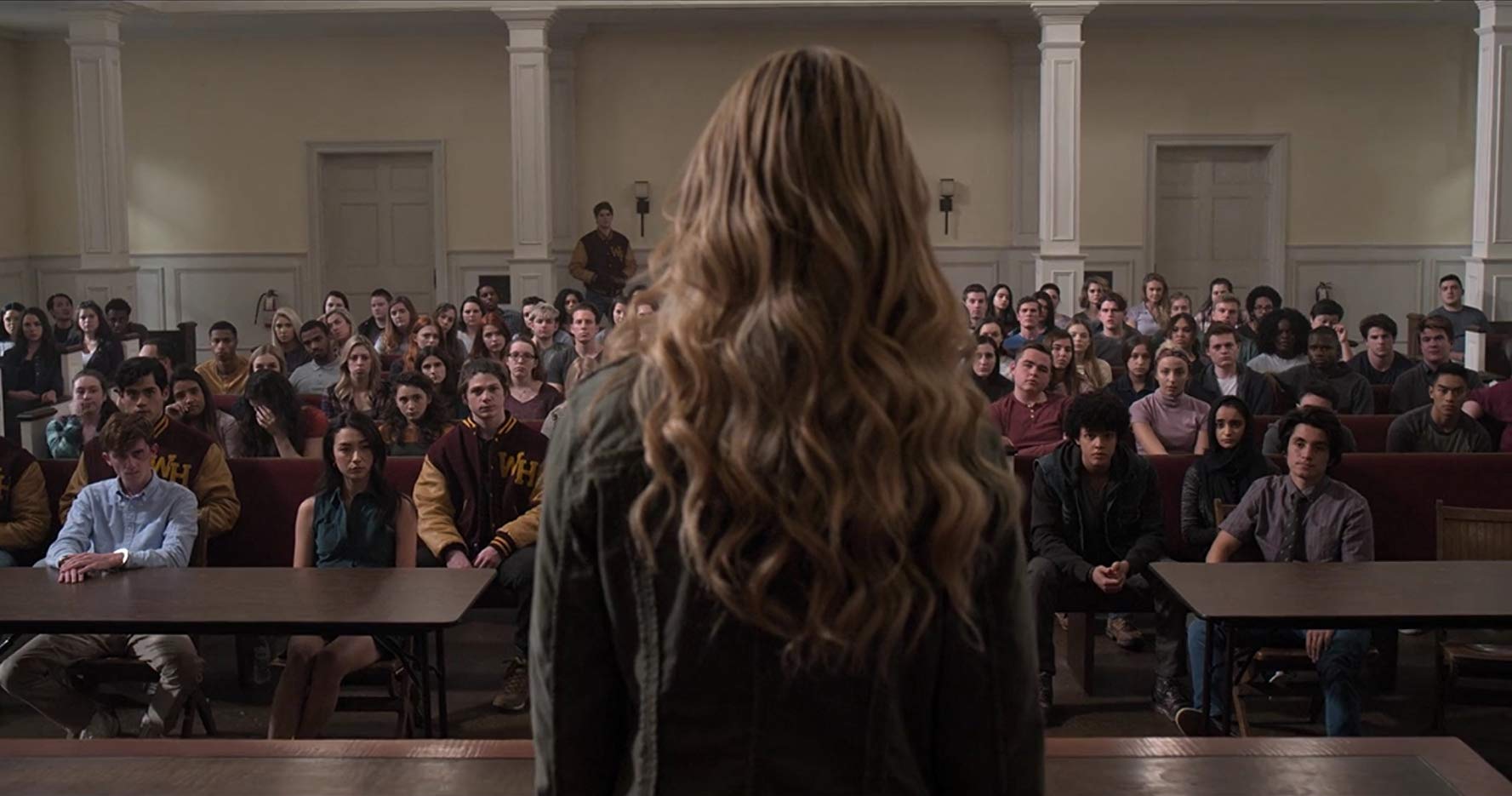
This is where “The Society” really shines, both as a story and as a concept. It’s also where it explores how teenagers, despite their maturity and lack of experience, can come together when they have to. They’re not perfect, but neither are experienced adults. They do find themselves in painful, heart-wrenching situations that include murder, illness, and despair. However, things never totally fall apart.

To anyone who has ever tried to explain student loan debt to a teenager, it almost seems absurd. The idea that a bunch of unsupervised teenagers can somehow form a functioning society just doesn’t fit with the common narrative surrounding teenagers.

In that narrative, things always tend to devolve until the adults return to impart the proper amount of discipline. Look at any movie, sitcom, or rowdy music video and the themes often come back to teenagers being out of control and needing the discipline of responsible adults. “The Society” makes the case that teenagers can become responsible on their own, albeit after some setbacks.

There are still many factors working against them. We’ve yet to see what happens to the citizens of New Ham, as they dubbed it, when the food runs out and they have to start farming the land. We also haven’t seen them endure a harsh New England winter. However, “The Society” never gives the impression that these young people are incapable of overcoming these challenges.

By the end of the first season, it’s easy to root for them. The emotional toll is palpable and so are the difficult decisions that many end up facing. Over the course of the show, however, it’s easy to see the progression that they all experience. It’s hard to even see them as teenagers anymore. Some conduct themselves as true, full-fledged adults.

While the mystery surrounding “The Society” is still unfolding, complete with fan theories and potential clues, the show’s approach to depicting teenagers is its greatest accomplishment in my opinion. If there is a second season, I’m definitely interested in seeing how these characters and their over-arching story progresses.

I doubt “The Society” will change anyone’s current attitudes of teenagers. There will surely be other shows and movies that double down on the many stereotypes surrounding them. If nothing else, “The Society” shows that teenagers are capable of carrying a story without adults complaining about them.


2 Comments

Filed under human nature, philosophy, psychology, television

“King of the Hill” Vs. “F is for Family” And The Evolution/Disillusion Of The American Dream

image-20160331-28459-18j5spk

What happened to the American Dream? That’s a question more and more people are asking these days. It’s a question people have been asking in some form or another for decades. Even if you’re not American, it’s relevant because as politics and economics become more global, there’s a sense that a great many people are being left behind. More recently, it feels like that trend is accelerating.

Since I’m not a political scientist or an economist, I’m not qualified to break down all the factors behind these trends. However, given my age and relative experiences, I’ve witnessed many of the changes and upheavals that have shaped the current state of affairs. Over that period, I’ve even seen those changes reflected in two iconic animated TV shows from two disparate eras.

One is “King of the Hill,” a colorful slice of the late 90s/early 2000s cultural zeitgeist. The other is “F is for Family,” a show that, despite taking place in the 1970s, heaps plenty of scathing criticism on current American ideals. I’ve written about both shows before, citing the former as a lesson in work ethic and the latter as a perfect satire for its time. I also consider myself a fan of both shows.

Combined

On their own, they each have their own sense of style, story, and overall humor. They’re both entertaining and endearing in their own unique way. When placed side-by-side, though, they reflect an even greater message that goes beyond the themes of either shows. That message can be summed up with one harsh realization.

The American Dream isn’t just failing. Those who pursue it are being punished.

I know it sounds bleak, if not fatalistic. It’s certainly not a message that “King of the Hill” and “F is for Family” ever state overtly. However, when placed in the context of their time and their over-arching themes, the overarching themes are clear, if not unavoidable.

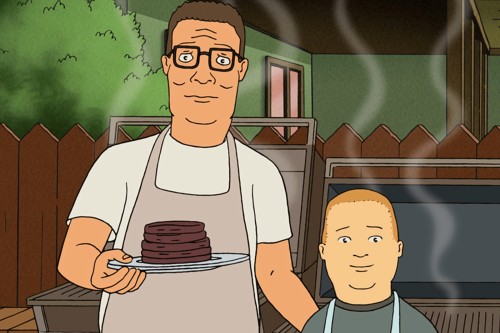
In terms of ideals, Hank Hill and Frank Murphy have a lot in common. They’re both hard-working American men who see themselves as embodiments of American values. They take pride in their roles and responsibilities as husbands, fathers, and providers. They’re active in shaping the identity of their community. They both have an idealized vision of what the American Dream entails.

Some of those similarities extend to their family and how they impact the structure of the show. Many plots in “King of the Hill” and “F is for Family” revolve around Hank and Frank reacting to events that happen within their family. They have wives that seek their own path and kids who rarely appreciate the work they do. Much of the comedy in each show emerges from these conflicts.

The face of many such conflicts.

Things really start to differ when the bigger picture of their respective worlds comes in. Whereas “King of the Hill” reflects a more optimistic view of the world that was more prevalent in the late 1990s, “F is for Family” paints a more dire picture. In Frank’s world, American ideals are failing and he’s struggling just to keep that vision alive.

In just three seasons, Frank has lost his job, struggled to provide for his family, and had his dreams derailed again when his wife gets pregnant. While his temper and his penchant for threatening to put people through walls don’t help, many of the factors that put him in such situations aren’t his fault. In fact, his tendency to do things the right way, as Hank often does, often work against him.

This isn’t even Frank’s worst day.

Within this dynamic, “King of the Hill” and “F is for Family” diverge in a critical way that speaks to the larger issues surrounding the American Dream. In the world of “King of the Hill,” doing the right thing and following American values are rewarded. It’s one of the show’s most common themes over the course of 13 seasons.

In this world, working hard at a blue collar job is fulfilling, respectable, and rewarding.

In this world, a man can support his family with a job that involves selling propane and propane accessories.

In this world, people who take short-cuts or try to avoid hard work ultimately fail.

In this world, a man who marries the woman he impregnates is rewarded with respect, support, and admiration.

Simply put, adhering to principles of hard work, high morals, and personal responsibility will help someone achieve the American dream. Hank Hill, with his quaint suburban house and supportive community, is the personification of these principles. It’s not always easy for him, given his influences, but that only makes his adherence to those principles more respectable.

This is virtuous system is not present in “F is for Family.” If anything, it’s turned upside down. Frank Murphy followed those principles as closely as Hank. He put his personal goals on hold when his wife got pregnant. He served his country dutifully when he got drafted. He works hard and provides, despite having a slob for a boss. However, his efforts go unrewarded. If anything, they’re punished.

In Frank Murphy’s world, a hard-working man can save the company he works for, but still get fired.

In Frank Murphy’s world, marrying your pregnant girlfriend instead of following your dreams will only get you ungrateful kids, a miserable wife, and an unfulfilling job.

In Frank Murphy’s world, people who eschew hard work and behave irresponsibility are rewarded with cocaine-fueled parties and trophy wives.

In Frank Murphy’s world, a corporation can steal your idea and make millions off it while you don’t even get credit.

The system is harsh, unfair, and completely unconcerned with who adheres to American ideals. The only thing that ever seems to matter is dumb luck and already having significant wealth or privilege. Sadly, this is a lot more consistent with the current state of affairs where the rich and powerful exact immense influence, creating a system that benefits those at the top while straining everyone else.

Frank yelling on behalf of America.

This unfair system even extends beyond the political and economic sphere. In “F is for Family,” there are multiple characters who seem to succeed, no matter how little they work or how unmotivated they are. It’s not unlike those who flaunt their lavish lifestyles on Instagram, which is often fueled by inherited wealth that they did not work for or earn.

That kind of system wouldn’t just leave Hank Hill aghast. It would completely undermine his world, his identity, and his ethics. Whether he would resort to putting people through walls instead of just kicking asses is difficult to determine, but the bigger picture is clear. The American Dream in his world is intact whereas its reversing course in “F is for Family.”

To some extent, this reversal is consistent with how the world has been trending since the late 1990s and early 2000s. People have become increasingly cynical and trust in institutions is declining. Thanks to the media and the internet, it’s getting harder to hide the harsh realities of a world where just doing the right thing isn’t enough anymore. Despite taking place before the internet, “F is for Family” perfectly reflects this reality.

The face of that harsh reality.

It creates a dynamic that’s bound to create more Frank Murphys and fewer Hank Hills. People are told that the American dream is still in their grasp. They just have to be like Hank, playing by the rules, working hard, and not taking shortcuts. Those who buy into that dream aren’t just let down. They’re outright punished.

Frank didn’t become a profanity-spewing rageaholic overnight. As perfectly depicted in the show’s opening credits, the various machinations of this unfair system just kept hitting him and no matter how hard he worked or how much he sacrificed, he never got closer to the American Dream. If anything, it just kept getting farther away.

Both “F is for Family” and “King of the Hill” have plenty to offer in terms of insights. Their respective worlds may take place in an animated world where former presidents and future serial killers can show up, but such exaggerated dynamics help each show convey a certain message that fit perfectly within the context of a certain time.

The idealism in “King of the Hill” and the satirical deconstruction in “F is for Family” paint conflicting pictures of the American Dream. Both still glorify it as an ideal, but each present a different understanding of how it plays out. Within the comedy, there are genuine, relevant messages worth considering.

For many people in the real, non-animated world, the American Dream still matters. Many still work as hard and as passionately as Hank Hill and Frank Murphy. It’s hard enough when those efforts go unrewarded, but when doing the right thing becomes a liability, it’s hard to call it a dream.

2 Comments

Filed under Current Events, F is for Family, human nature, King of the Hill, philosophy, political correctness, psychology, television

Why Sadism Is Necessary For Both Heaven And Hell

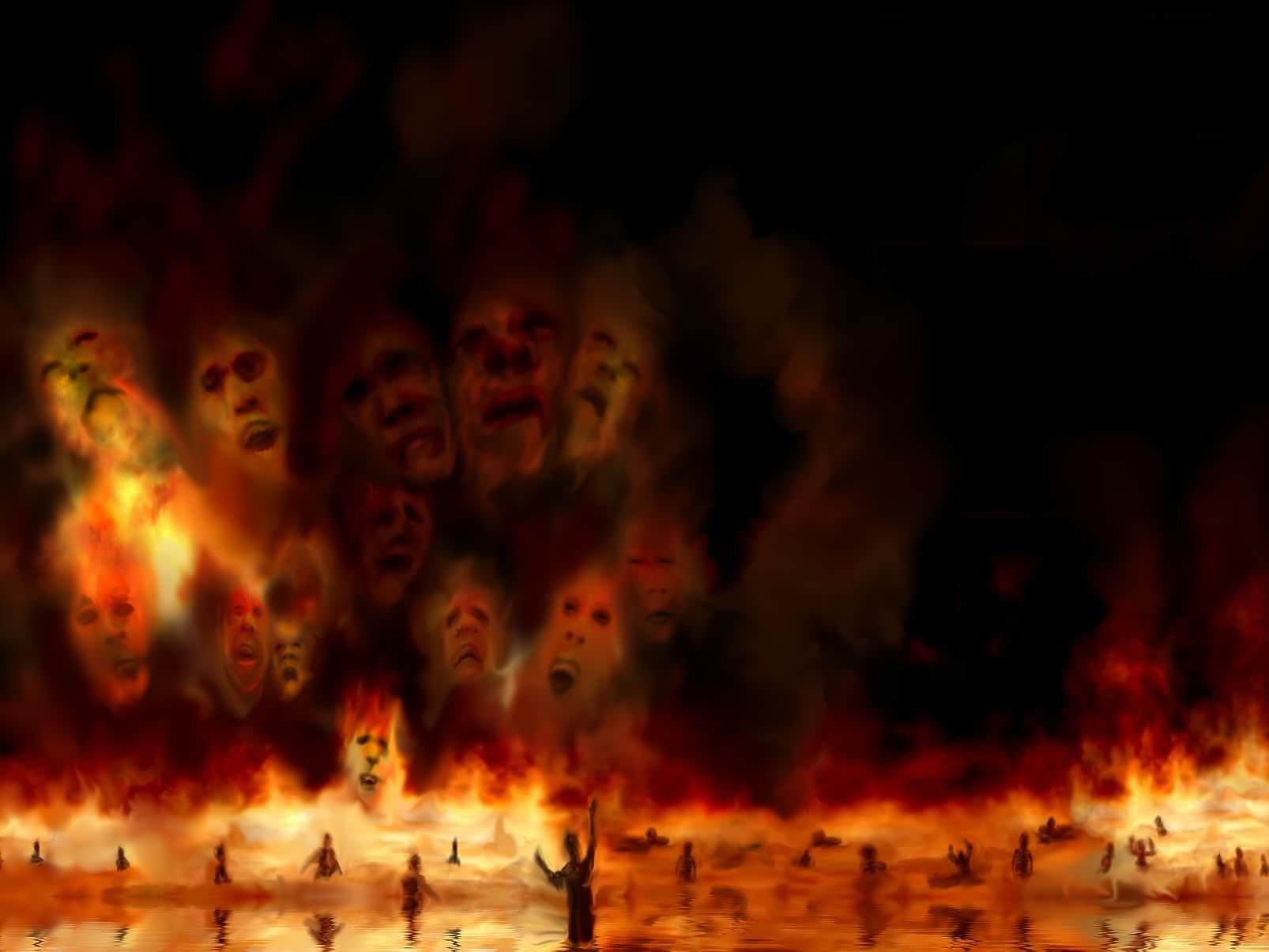
hell-fire

Imagine there’s this big, beautiful house on the top of a hill. It’s opulent, luxurious, and full of every comfort you can imagine. Inside, there are servants and guests that cater to every conceivable whim. There’s no suffering, whatsoever. The people who live there are as happy and content as can be.

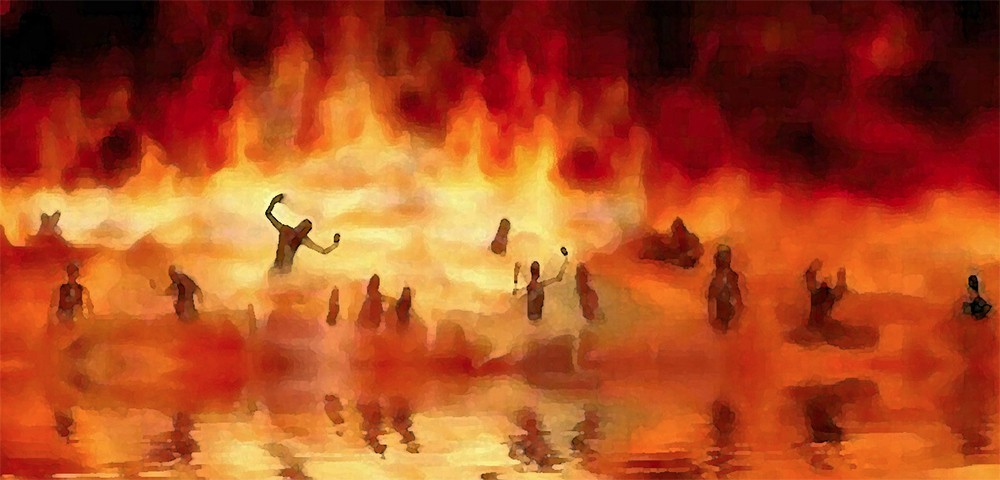
In that same house, however, there’s a dungeon in the basement. Within that dungeon, people are being horribly and endlessly tortured. They’re repeatedly beaten, burned, and mutilated without mercy. The suffering is constant and the pain is unbearable. Every day, more and more people are forced into that dungeon and never let out. They constantly cry and scream for mercy, but it never comes.

Everyone in that house knows the dungeon is there. They’re constantly reminded of it. At times, they can even hear the tortured screams of those trapped inside. Some of the people there might even be friends and loved ones. However, they don’t do anything about it. They don’t show an ounce of sorrow or concern. They just continue enjoying the joys and comforts the rest of the house has to offer.

With this scenario in mind, how would you judge the people who weren’t in the dungeon? How would you judge anyone who is perfectly happy when others nearby are suffering horribly? It would be one thing if they didn’t know the torture was happening, but the people in that house have always known, even before they arrived. To still be happy in that house requires more than just an immense lack of empathy.

This is just one of many fundamental disconnects in traditional concepts of Heaven and Hell. While it’s not the first flaw I’ve pointed out, it’s one that I believe is incredibly relevant because it subverts core aspects of our humanity. Regardless of whether you believe humans evolved or were magically created, it’s a biological fact that humans are a very social species. Empathy is a key component of that dynamic.

Empathy doesn’t just allow us to coordinate, cooperate, and relate to one another. It’s at the core of our understanding of right and wrong. You could even argue that empathy is the core ingredient within the Golden Rule that so many religions preach in some form or another, including those that incorporate some form of Hell.

It’s also the foundation on which our innate sense of justice and fairness is built. Both foundations crack once Heaven and Hell enter the picture. However, when eternity enters the picture, which is common in various Judeo-Christian traditions, those foundations shatter.

It’s in that context where simply being callous to the suffering of others, even if you feel they deserve it, becomes unavoidably sadistic. As soon as eternity enters the equation, any sense of proportional justice becomes impossible. Even for the most monstrous individuals who spent every moment of their lives hurting others, a punishment without end eventually becomes unjust.

At that point, the pain and suffering someone endures is no longer about punishment or justice. It becomes part of a sadistic act that only becomes more sadistic the longer it goes on. If Hell is truly eternal, as many devout believers espouse, then its very existence is an act of infinite sadism.

That’s a major problem for any theology that includes an all-knowing, all-loving deity. By definition, a deity cannot be all-loving while exercising infinitely sadistic acts. If that same deity is all-powerful, then that only makes things worse because it means the deity has the power to both stop those acts and prevent them from ever happening. By not doing so, the deity becomes even more sadistic.

Now, there are plenty of traditions that include sadistic gods. The god of the Old Testament certainly qualifies in many respects. If a deity of that power opts to use it for sadistic acts, it doesn’t carry as much weight in terms of how humans approach morality and justice. Granted, it means the people who worship that deity must do so out of fear on some levels, but their approach in that context is understandable.

It’s less understandable when Hell and the concept eternal punishment becomes part of a larger theology because it means adherents must participate in sadistic activities, even if it just means ignoring the torture inflicted by someone else. Everyone in Heaven, no matter how wonderful it is, has to remain numb to the infinite suffering going on below them.

Considering how threats of Hell has been a common tool for proselytizing, the sadism gets compounded even more, both from a human and theological perspective. More than one adherent had used the threat of Hell to warn others about believing in something other than their preferred religion. They likely do so out of genuine compassion and concern for those who don’t believe.

However, once that same person goes to Heaven, they have to become a sadist on some levels. They must now exist in a domain where others they tried to save from eternal damnation are doomed to endless suffering. They know it’s happening at every waking moment. It doesn’t matter if time works differently in the afterlife. Eternity is still eternity.

Even if that same person convinced every person they met to embrace their theology, there’s still the countless others that they never reached. That doesn’t even begin to account for all the other hapless souls that have lived throughout history, practicing other religious traditions with every bit as much devotion and piety. Even if they committed no egregious crimes, they could be damned to Hell.

While many religious traditions offer some recourse for righteous individuals who follow a different faith or lived before those traditions began, the concept is still flawed because it requires some tolerance of injustice. When people are judged by actions or inactions for which they had no opportunity to react, tolerating the results means tolerating injustice.

It doesn’t even work if the deity involved only sends the worst of the worst people to Hell. No matter how bad somebody’s crimes were, they were finite in nature because humans are finite beings. The issues surrounding infinite punishment for finite sins is subject to its own set of theological and moral debates, but the implications are unavoidable.

Think of the most brutally sadistic person who lived 6,000 years ago, a time that even the most conservative Christians agree that humans walked the planet. Over the course of their life, they committed every possible crime and sin. They murdered, raped, tortured, and blasphemed with unrepentant glee. The scars of their crimes lasted years after their death.

However, after a certain amount of time, their deeds cease to have a real impact. The victims and the descendants of those victims move on. The world moves on. Eventually, the memory of the person’s crimes fade. The finite transgression become nothing more than a faded memory. At that point, what’s the purpose of continuing the punishment?

Moreover, what happens to that purpose if and when that monstrous individual seeks to repent? Given enough time and punishment, at least one damned soul would see the light and wish to atone in a way beyond suffering. In most civilized societies, we give those individuals that chance. Hell, if it is truly eternal, offers no such opportunity.

At that point, the punishment is no longer punishment. It’s just sadistic torture. It ceases being a measure of justice and becomes an act of injustice. Even if it takes a trillion years deliver a proportional punishment for a finite person’s egregious behavior, they’ll still be subject to trillions of more years of torment.

All the while, everyone in Heaven has to be okay with this. If part of being a righteous soul means compassion for victims and proportional punishment for transgressors, then nobody in Heaven can remain righteous. Even if the all-powerful deity demands it and they are powerless to change anything, they still have to temper the very empathy that made them righteous in the first place.

Heaven and Hell are difficult, distressing concepts. Whether you’re devoutly religious or a lifelong atheist, it’s never pleasant imaging an afterlife that involves horrendous punishment, even if it’s reserved for the worst of humanity. Not every religious tradition involves an afterlife or traditions of an eternal Hell, but the concept reveals more about our innate sense of humanity than it does any religious doctrine.

Human beings are at their best when they can empathize, appreciate, and understand one another. There will certainly be instances when people commit gross injustices. How we deal with them is critical in terms of how we structure our societies and survive in an ever-changing world. Anything that attempts subverts it or requires that we suspend our humanity will only make every gross injustice infinitely worse.

3 Comments

Filed under human nature, philosophy, psychology, religion

Revealing (And Deconstructing) A Theological Journey In “Lucifer” Season 4

eiujqhlx4fx21

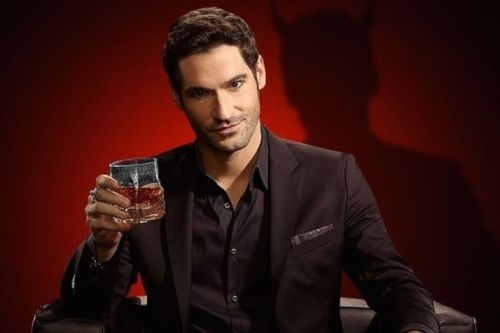
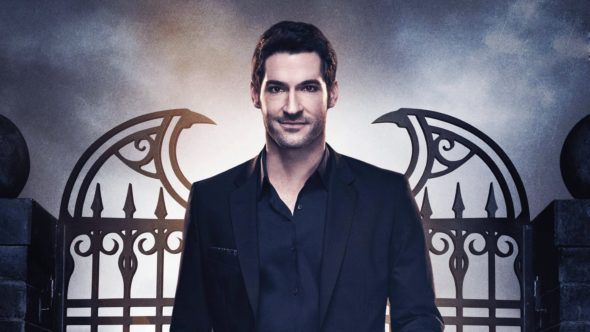
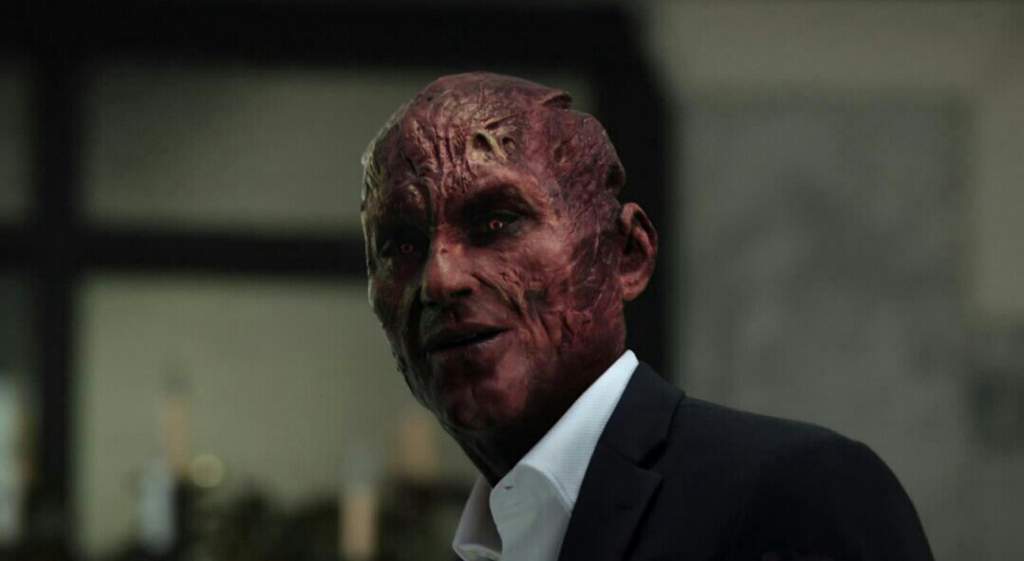
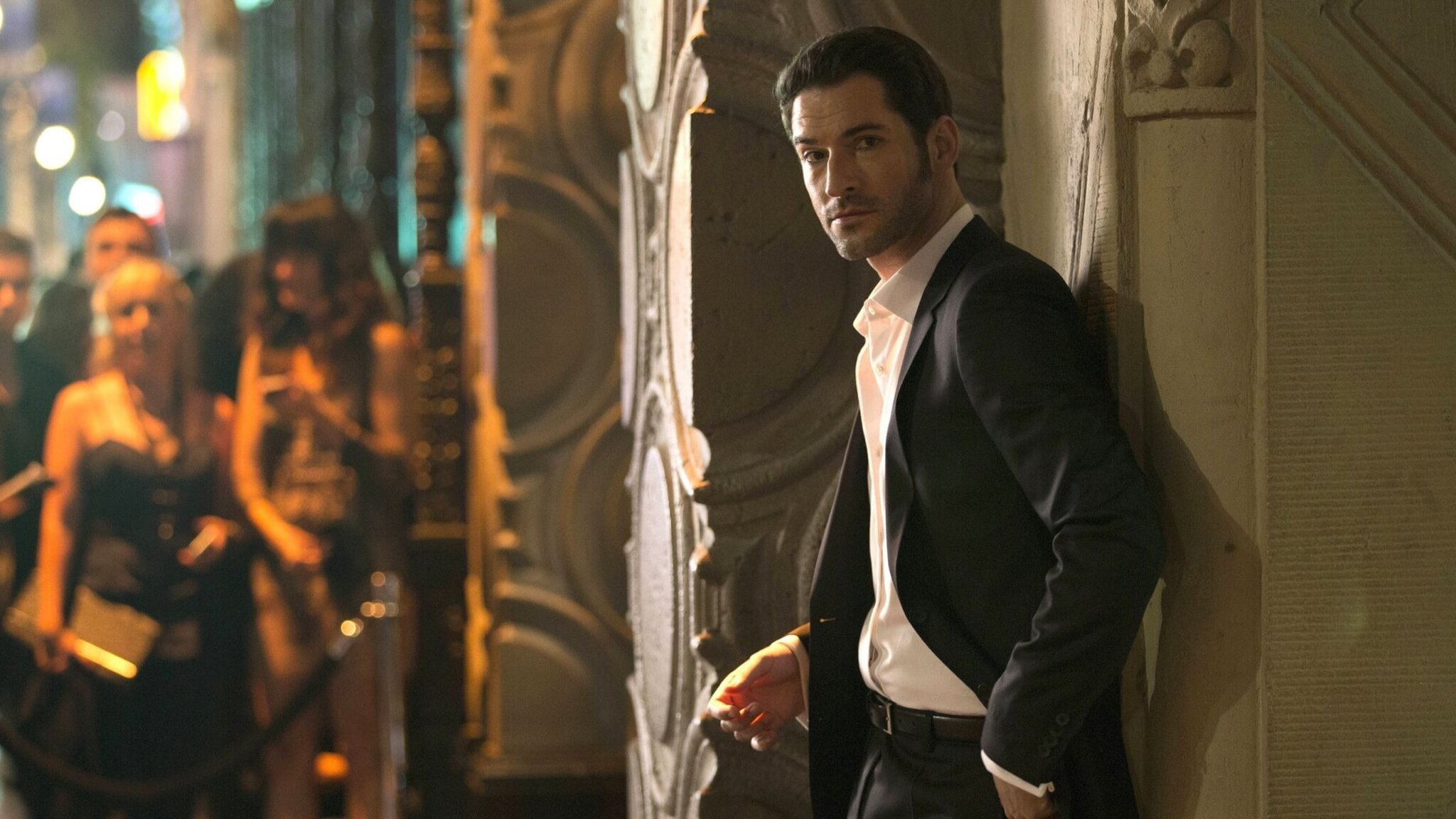
In a world where Heaven and Hell are real, celestial beings exist, and the devil has Tom Ellis’ sex appeal, how do you know what is holy and unholy?

How can you be sure that everything you think you know about divinity, sin, and tradition is true?

How can you even be sure that your beliefs are true?

These are just some of the questions that come up in the first three seasons of “Lucifer.” Most of those questions were explored, but unresolved. For a while, it seemed like they would go unanswered after Fox canceled the show. Then, Netflix performed and unholy miracle and saved it, releasing a fourth season that continued this devilishly journey.

Having been a fan of the show since it debuted, I set aside large swaths of my weekend to binge-watch all 10 episodes and follow Lucifer Morningstar through the next round of hellish endeavors. Through three seasons, “Lucifer” has crafted a uniquely polished theology that emphasizes individual freedom, personal responsibility, and pursuing desires. I had lofty expectations, to say the least.

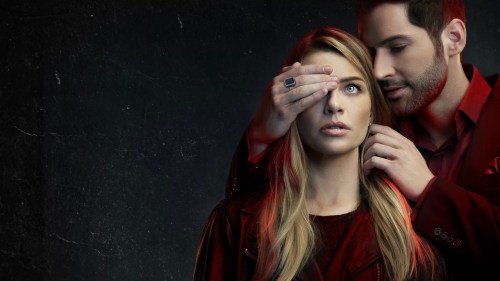
Lofty expectations personified.

Considering the overt sex appeal in some of the promos, I was more than a little skeptical that it could measure up. Without getting into all the juicy details, some of which includes clear shots of Tom Ellis’ butt, I’ll say without hesitation that Season 4 of “Lucifer” raised the bar for just how divinely great this show can be. I’ll also say it succeeded masterfully in expanding both the drama and the theology of the show.

Through 10 episodes these characters that have undergone so much upheaval take huge in their respective story arcs. In doing so, the overall world and the divine machinations that drive it expand. I could write multiple articles about each character, from Lucifer to Chloe to Amenadiel to Ella Lopez, and how they evolved as characters.

However, after watching every episode and taking the time to process it all, I believe that the biggest success of this season of “Lucifer” is in how it refines its devilish theology while deconstructing others. From the first episode to the tenth, the divine and not-so-divine forces guiding these characters acts as the catalyst that makes every other part of this show work.

By far, the biggest upheaval of Season 4, if not the entire show, is Chloe Decker accepting that Lucifer really is the devil. It took three seasons to get to that point. For a while, it was a running gag in that Lucifer was so overt about his identity. Chloe, like everyone else, just didn’t believe him. Now, having seen his devil face and his wings, she can’t avoid the truth.

This hits Lucifer almost as hard as Chloe. It adds a huge complication to their relationship, which had been growing deeper since the latter part of Season 3. It changes the dynamics between them considerably. They can’t be as coy or playful as they were with Lucifer’s devilish persona as they were in previous seasons. At some point, the truth must seep in.

Chloe’s initial reaction and eventual acceptance of that persona is incredibly revealing, both in terms of how it impacts her character and how it impacts the theology of the show. After seeing Lucifer’s true face, she faces a daunting challenge. This man, who she has grown so very close to, is the literal devil. How can she possibly process that?

All she has to go on are all the stories people tell about the devil. Many cultures offer various histories of this unholy figure. In some, he’s a fallen angel. In others, he’s evil personified. Whatever his heritage, they all have a similar theme. Lucifer is not one of the good guys. If anything, he’s the standard on which all evil is measured.

None of those stories completely mesh with the Lucifer that Chole knows. While she has seen him act in selfish, narcissistic ways, she has also witnessed his capacity for good. He will go out of his way to pursue justice, ensuring nobody escapes righteous punishment. He also has an admirable code of honor. He doesn’t lie. He doesn’t betray the trust of others. He also makes good on his deals.

These personal experiences do not fit the caricature that generations of mythology and folklore have espoused. It leaves Chloe incredibly conflicted. On one hand, she has all these texts and traditions telling her one thing about the devil. On the other, she has her own personal experiences that she has witnessed first-hand. What is she supposed to believe?

It presents an indirect, but powerful criticism about how others perceive God, Satan, and divinity in general. In many respects, it strikes at the foundation of everything anyone ever assumed about the devil. Most of us only ever have these time-tested traditions to go on when we imagine the persona of the devil. How can we be sure any of them are true?

For most people, it’s impossible to know. As a result, they live their lives thinking they have a clear understanding of who the devil is and where he fits in any divine plan. The fact that so many of these ancient stories agree that the devil is evil comes off as legitimate proof that he cannot be trusted.

This is where Chloe’s work as a detective really pays off. She knows better than most that it is possible for commonly-accepted stories to be wrong. Even before she saw Lucifer’s true face, she demonstrates time and again that even the most comprehensive anecdotes can be flawed. That’s why she always pursues actual, verifiable evidence.

In the first three seasons of “Lucifer,” she sees ample evidence that Lucifer is not evil incarnate. He has plenty of opportunities to do deplorable things and get away with it. He ultimately chooses not to. He even gives understandable reasons, every step of the way. In essence, he gives Chloe his side of the story, which never gets told in religious texts.

It’s true that he rebelled against God. It’s also true that he ruled Hell and oversaw the punishment and torture of countless souls. However, is that enough to make him evil? Is punishing those who deserve it an evil act? He even made clear in one episode that the punishment isn’t technically eternal. People simply endure whatever torment their guilt conjures in a repetitive time loop.

What makes this so revealing, both for Chloe’s story and the overall theology of the show, is how it deconstructs traditional notions of evil, the devil, and how people navigate right and wrong. Chloe has to process all these influences, many of which give her conflicting information. Some tell her Lucifer is evil. Some tell her he’s not. She’s genuinely torn, right up until the final episode.

In the end, the determining factor in “Lucifer” comes back the individual. In both this show and the comic that inspired it, the individual is ultimately responsible for making that choice and shouldering the responsibility. It reflects the heart of Lucifer’s rebellious persona. From the first episode to the dramatic climax of Season 4, it’s all about what an individual chooses.

There’s no divine will to choose for us.

There’s no divine plan that guides us.

There’s only what each individual chooses to do and the consequences of those choices.

The way Lucifer goes about it seems selfish, at times. He and others like him freely pursue their desires, unconcerned with how they offend traditional notions of civility or decency. When there are consequences, they don’t avoid them. It effectively builds an entire theology around individual empowerment and personal desire.

For most of the show, Lucifer is the embodiment of that theology. In Season 4, it’s Chloe who best reflects this sentiment. She is the one who decides whether to accept Lucifer for who he is. She has to sift through all the competing traditions, assumptions, and influences to decide for herself. On top of that, Lucifer must make similar choices about who he is and his place in the world.

By the end of Season 4, both Lucifer and Chloe make critical decisions that have a truly heart-wrenching impact. They’re each perfect personifications of a theological journey centered around the individual. Whether that individual is human or a celestial being doesn’t matter. Their choices are still the most powerful acts they can ever perform.

There are plenty of other ways in which this theology manifests. The parallel story surrounding Amenadiel and Dr. Linda involve some very weighty choices, as well. Ella Lopez and Dan “Detective Douche” Espinoza face their share of touch decisions as well. There are also the choices made by Eve, who is by far the most colorful addition to Season 4.

Then, there’s Mazikeen. She’s just awesome all around and has been since Season 1.

There are many other plots, concepts, complexities to explore with “Lucifer.” Season 4 does more in 10 episodes than the past two seasons, combined. It doubles down on notions of individuals charting their own spiritual path, pursuing their own desires, and taking responsibility for their actions. The results are dramatic in both a holy and unholy context.

There’s still plenty to build upon. While I won’t spoil the end of the final episode, I will note that it lays a solid foundation for Season 5. At the moment, it’s not clear whether Netflix will pick it up again. However, Tom Ellis himself has stated that there’s still more story to tell. Given the rich mythology the show has conjured in four seasons, I totally believe him.

Fittingly enough, the devil is in the details and there are still plenty of details to explore.

2 Comments

Filed under Lucifer, philosophy, religion

Understanding And Appreciating The Work Ethic Of Hank Hill

nol3t

As kids, we don’t always appreciate the deeper messages of certain TV shows, movies, or songs. I imagine most kids who saw “Jurassic Park” in 1993 didn’t care that much about the larger points Ian Malcom made about tampering with nature. They just loved seeing dinosaurs eat cowardly lawyers off toilets.

That’s why re-watching shows you loved in your youth can be insightful. Sometimes, it can be a little distressing, seeing themes that aren’t quite in line with today’s taboos and social norms. However, I don’t want to focus on those unpleasant instances. Instead, I want to focus on insights that we appreciate more as adults than we do as kids.

This brings me to a show that, even by today’s standards, has uncanny appeal. That show is “King of the Hill,” a show I’ve already singled out as home to Hank Hill, a strong example of noble masculinity. After rediscovering the show, thanks to Hulu, I’ve found myself appreciating the less obvious messages of the show.

One clear message that seems to come up several times over the course of the show’s 13 seasons is the value of a work ethic, especially when contrasted to those who have none. It’s a value few kids and teenagers appreciate. That’s understandable because in the innocence of youth, most go out of their way to avoid hard work or laborious tasks.

What makes “King of the Hill” stand out, more so to adults than to kids, is how it portrays work and the way people go about it. One of Hank Hill’s core traits is his dedication to his job. Among his most memorable and oft-repeated quotes is that he sells propane and propane accessories. That’s not just his job, though. It’s part of his identity.

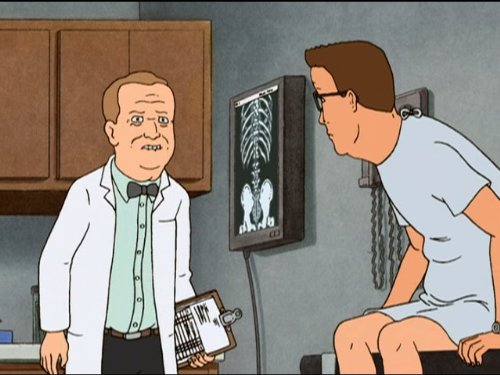
Hank, unlike many male protagonists in animated sitcoms, actually loves his job. It’s not just something he does to pay the bills and provide for his family. He genuinely loves selling propane and propane accessories. That love is played up in plenty of comedic ways. In one episode, “Hank’s Back,” even doctors had a hard time believing that anyone would avoid a worker’s comp settlement.

What makes that comedy work is the common expectation that few people actually like their jobs. If they do, it’s only because they’re rich and it affords them all sorts of fancy perks. However, Hank is not rich. One episode even goes out of its way to show that, even by middle class standards, he’s not that well off. He’s no Al Bundy, but he’s not Charlie Harper, either.

That doesn’t matter to Hank because his is not entirely about money or even the opportunity to make more money. It’s about doing something he loves and deriving real meaning from it. His job selling propane and propane accessories gives him a unique sense of fulfillment that can’t be quantified with money.

This sort of approach to work isn’t just unique among sitcom dads. It reflects an approach to work that is rarely emphasized, even in a world where work is changing due to automation. Growing up, the nature of work and careers is presented in a certain way. It’s not always through the media or movies like “Office Space,” either.

When kids and teenagers are encouraged to think about future careers, it’s almost always framed as a means to an end. First and foremost, a career provides money and resources with which to build a life, whether it’s a family or just a home in general. It’s part of a much larger process of becoming a productive member of society.

Most counselors and teachers will encourage kids to find a career they actually like. That’s the ideal. However, it’s a poorly-kept secret that few people ever land their “dream job.” Just as few people end up working jobs that are related to their college major. On top of that, many of these people who graduate college are underemployed, which put them in a similar position to Hank.

To some extent, Hank Hill is in an ideal career because he’s doing something he loves and he’s getting paid for it. That alone sets him apart from many career-seekers, both in the real and fictional world. However, the love he has for his work and his career actually runs deeper than that.

To him, his job isn’t just a means to an end. It is the end. The work itself is the reward. The money he makes is only ever secondary. For Hank Hill, the best moment of his job isn’t when he gets his paycheck. It’s when he sees the look on a satisfied customer’s face when he sells them a new grill or helps them refill their propane tank.

That kind of fulfillment isn’t just rare in an animated sitcom that includes a self-professed conspiracy theorist who never realizes that his wife cheated on him for years. It’s a rare and unique state of being, having a job in which the work feels so rewarding. Even in the real world, this sort of mindset is rare, which is part of what helps set Hank Hill apart.

For most of human history, people didn’t have careers. They just had things they had to do to survive another day, whether it involved hunting and gathering or growing crops. In modern times, a new host of jobs gave people a variety of ways to earn a living, but the nature of the work was rarely fulfilling and often laborious.

The idea of having a job that you actually like and feeling fulfilled in the work you do is akin to a modern nirvana, of sorts. It takes the very idea of work and turns it into something other than that stuff people have to do in order to make money. Hank isn’t just lucky in that he has that kind of job. He’s got the perfect attitude for it.

That attitude of seeing work as something inherently fulfilling often puts him at odds with other characters and sub-plots throughout the show. On many occasions, Hank’s approach to work often clashes with other characters who go out of their way to avoid hard work or seek to make as much money as they can for as little effort as possible.

His son, Bobby Hill, often embodies that sentiment and not just because he’s terrible in gym class. In multiple episodes, Bobby’s fondness of laziness is not very subtle. When faced with the prospect of having to work hard, he usually does what he can to avoid it. More often than not, trying to avoid the work backfires or ends up being more laborious than the work itself.

He’s not the only one who harbors this attitude. Hank’s loud-mouthed neighbor, Kahn Souphanousinphone, attempts more than one get-rich-quick-scheme throughout the show. To him, work is always a means to an end. Even though his job affords him more money and better material assets, or so he claims, he rarely comes off as fulfilled as Hank.

Even when money isn’t the endgame, others still approach work with a different end in mind. Hank’s wife, Peggy, approaches her job as a substitute teacher with more passion and purpose than most. For her, though, the work she does is less about the money and more about feeding her inflated ego. In some cases, it borders on outright narcissism.

Regardless of intent or goal, “King of the Hill” often comes back to the same theme with respect to work. Hank, for all his faults and shortcomings, has the right attitude when it comes to work. It’s not just about having your dream job and doing what you love for a living. It’s about seeing work as inherently fulfilling, regardless of money or material aspirations.

At a time when the future of work will likely change what it means to have a career, Hank Hill may very well be ahead of his time. Even in the current work climate, his has major value. It’s a perspective that most kids and teenagers don’t appreciate. For some, it may not even be an idea they’ve ever contemplated, the notion that a job could be so inherently fulfilling.

It may still seem like an impossible ideal for many, but Hank Hill shows that it’s not that impossible. Selling propane and propane accessories isn’t one of those jobs that requires a rare set of skills or talents. It requires only basic people skills, salesmanship, and a working knowledge of propane.

Hank didn’t go to college and he didn’t go through some rigorous training to achieve what he achieved. He simply took a simple job selling propane and propane accessories and made it part of his passion. Even in an animated world where impossible things can happen, Hank makes his approach to his job feel attainable, even in the real world.

Appreciating Hank’s work ethic was not the first thing that appealed to me when I watched “King of the Hill” when it was still on the air. However, as I get older and see people wrestle with their careers, I see more and more merit to Hank’s approach to work.

I don’t deny that hard work can be tedious, at times. I also don’t deny that every job, even so-called dream jobs, have bad days every now and then. Even Hank has a few bad days at Strickland Propane throughout the course of the show. That still never discourages him from doing his job as well as he does it and getting genuine fulfillment from it.

There are plenty of lesson in “King of the Hill” that are as relevant now as they were when the show first aired. It’s possible for people of all ages to appreciate those lessons and the comedy that comes with it. That’s part of what made the show so successful for so many years.

When it comes to work ethic and approaching a career, Hank Hill stands out more than most. He sells propane and propane accessories better than anyone has or probably ever will, but that’s not the point. For him, the work itself is the greatest reward. Whether you appreciate his many other quirks or not, that’s a sentiment worth respecting.

5 Comments

Filed under human nature, media issues, noble masculinity, philosophy, television

Fun, Happiness, And Why People Wage War On Them

people-having-fun

There’s a famous quote attributed to American journalist, H. L. Mencken, on Puritanism. It goes like this:

“Puritanism. The haunting fear that someone, somewhere, may be happy.”

I’ve always found that sentiment humorous and more than a little revealing. It’s one I often notice with people who have extreme views on politics, religion, or some other arbitrary social construct. I see it those who are overly liberal or exceedingly conservative. I see it in organized religion among adherents who are exceedingly-strict with their dogma. I even see it among ardent comic fans to some extent.

Wherever you find a subject in which people can hold extreme positions, you’ll find people who are aghast at the idea that someone else within their domain is happy or having fun. Some take it as a direct insult, as if anyone who isn’t as passionate about their opinion is an affront to their very being.

Some Christians and Muslims are genuinely appalled when they see someone getting drunk and fooling around.

Some Hindus are just as appalled when they see someone enjoying a big hunk of beef for dinner.

Some feminists are outraged when they see men acting extra-masculine or even women acting traditionally feminine.

Even some anti-feminists are outraged when they see women exercising some degree of freedom, be it sexual or legal.

What’s going on here? I get why people get upset when they see a gross injustice in the world, be it a natural disaster that claims many lives or some atrocity committed by a violent psychopath. Human beings are naturally empathetic creatures. It makes sense for us to get worked up about those horrible situations. Why would we get just as worked up about people having fun or being happy?

I found myself asking that question a lot after a non-scandal broke out involving Alexandria Ocasio-Cortez, the youngest woman ever elected to the United States Congress. Being young, female, beautiful, and an unabashed liberal, she’s bound to attract criticism from her rivals and she certainly has since her election.

I understand there’s always going to be some mud-slinging in politics. However, an attack involving an old video of her from college took the discourse to a new domain of absurdity. What was that old video that a conservative rival used in an attempt to discredit her? Did she go on a racist rant, joke about sexual assault, or give unsolicited opinions about Israel?

It was none of that. It was just a video of her dancing in video that mirrored a classic scene from “The Breakfast Club.” Seriously, that’s it. She’s just dancing, smiling, and having a great time. Remember, this was intended to attack her.

Much to the chagrin of her rivals, it backfired. Most of the people who saw it thought it was adorable. I thought it was great. She and her friends are smiling, having fun, and enjoying themselves. What’s wrong about that? Why is fun and happiness a political weapon?

These are serious questions that are hard to take seriously when an issue involves happiness and fun. After all, who could possibly be against that other than those misery-loving Puritans that H. L. Mencken joked about? Well, there is twisted logic to it and it’s distressing in its implications.

This actually isn’t the first time a video of young people dancing and being happy caused a political scandal. Back in 2014, six youths in Iran were arrested and punished for having the audacity to dance together in a video to the Pharrell Williams song, “Happy.” This being Iran, a country ruled by a radical theocratic regime, they just couldn’t tolerate that.

The face of a man bent on killing fun.

The reasons for that intolerance weren’t the same was those behind the attack on Ms. Ocasio-Cortez, but the twisted logic was the same. These people were doing something other than working for the advancement of a particular movement, specifically Iran’s theocratic regime. Moreover, they were having fun in the process. From the perspective of the ruling state or radical ideologues, that’s just untenable.

I’m not being coy in making that point. People having fun and being happy is a legitimate problem for any religious, social, or political movement. That’s because, much to the horror of adherents, people who are content generally don’t want to get worked up about anything . They’re enjoying themselves. Why should they want to change anything about their current situation?

Happiness and fun are essentially kryptonite to anyone who wants to rally supporters to overthrow a government, the patriarchy, or angry “Star Wars” fans. They’re not just the ultimate distraction. They send the message that the current state of affairs is good and doesn’t need a radical upheaval. For those who want that upheaval, it’s a huge obstacle.

To some extent, the success of any movement requires that people never be happy or have fun. It’s how you keep the revolutionary fervor going. It’s how supporters of a movement stay energized. If they’re angry, upset, and distressed, then they’ll stay motivated. They’ll keep working and sacrificing to alleviate this troubled state.

Even in the absence of a powerful moment, fun and happiness can be a problem for an established order. Whether it’s a Western-style democracy or an old-school autocracy, people who have too much fun can become a liability. Too much fun and happiness could negatively impact their ability to work in the interests of that order. Even when times are good, there’s a tendency to attack anything that’s too fun.

Think back to the outrageous moral panics of the class, such as those involving comic books, dungeons and dragons, and various forms of music. In fact, you don’t even have to venture into the past. Just look at the current panics surrounding video games, porn consumption, and illicit drugs. There are all things that people have fun with, but they’re a not-so-subtle threat in the eyes of the established system.

From the perspective of those fueling the panic, all this fun won’t just keep people content and distracted. It’ll bring down the whole of society. That’s not just hyperbole. In their minds, they envision a world where everyone is having fun reading comics, doing drugs, and listening to heavy metal music. While they’re having that fun, though, the world around them is suffering.

Nobody is going to work and sacrificing for the community. Nobody is pairing up with an appropriate partner and having children that go onto be productive, tax-paying workers/consumers/adherents. For the rulers, politicians, and religious figures who benefit from that system, this vision is nothing short of apocalyptic.

This gets especially touchy whenever sex gets involved. If you want to understand why sexual promiscuity and the LGBT community have faced so much condemnation over the years, look no further than the constant refrain that they will ruin civilization. It’s not just that they don’t produce families/children/workers/taxpayers/adherents. There’s too much room for personal fulfillment.

Granted, their concerns are unfounded. The idea that everyone in a society would suddenly be distracted indefinitely by something that’s just that much fun underscores just how easily people get bored or distracted. People are chaotic and diverse in how they live their lives. They can’t even agree on the color of a dress or whether this picture of Bill Murry or Tom Hanks.

It’s still a crippling fear for every ideology or existing society. Too much happiness and fun will just cause it to collapse entirely. Even individual people who have too much fun are somehow flawed because they’re not passionately and angrily pursuing some sort of larger goal.

People NOT protesting. The horror.

Think back to the attack on Ms. Ocasio-Cortez and her fun-loving dance. From the perspective of her attacker, they thought they were showing that this woman was incapable of pursuing the goals she promised in her campaign. They thought it would undermine her credibility, as a politician and a potential threat to the opposing party.

However, those same attackers made the same mistake that everyone in a moral panic tends to make. People, in general, like having fun and being happy. They even appreciate those who can achieve it in their own unique way. It’s a losing battle, waging war on fun and happiness. It’s also a battle that those seeking to preserve power or pursue radical change can’t avoid.

Happy people having fun aren’t going to care about whatever angry rhetoric they’re trying to sell. Why would they? They’re too busy enjoying themselves.

Leave a comment

Filed under human nature, media issues, outrage culture, philosophy, political correctness, psychology, religion, sex in society, War on Boredom

The Secular Theology of “Lucifer” (The TV Show)

lucifer

What happens when you die?

Does our consciousness live on in some form?

Is there a way in which people who escaped punishment in life ultimately face it in death?

These are distressing, but profound questions that form the backbone of nearly every major religion. From the major Abrahamic faiths to the lore of ancient civilizations, there are many ways to approach this question. We all contemplate our mortality at some point and wonder/dread what will happen after our mortal bodies fail us.

Even some non-believers have mused about it at some point. Whereas religion tends to speculate wildly on the possibilities, an secular view of the afterlife isn’t too different from how it views deities. In the same way there’s no evidence for any gods or supernatural forces, there’s no evidence that consciousness exists outside the human brain.

That’s what makes the recently-canceled, but saved by Netflix show, “Lucifer,” such a compelling contributor to this age-old question. Beyond Tom Ellis flexing his uncanny charm, the show achieves something remarkable in how it approaches gods, angels, demons, and the afterlife. I would even go so far as to say that it crafts a theology that affirms secular values over those of any religion.

By that, I don’t mean that “Lucifer” glorifies atheism or non-religious worldviews. If anything, one the show’s common themes is that glorifying any worldview is pointless. It’s surprisingly balanced in how it portrays religious and non-religious characters. The show contains respectable believers like Father Frank Lawrence and deplorable non-believers like Jimmy Barnes.

When it comes to addressing those age-old questions about deities, the afterlife, and morality, though, the show crafts a mythos that doesn’t play favorites. In the world of “Lucifer,” it doesn’t matter whether you’re a Christian, Muslim, Scientologist, Buddhist, or Pastafarian. Your life and your afterlife are subject to the same standards.

To understand those standards, it’s necessary to understand the influences of the show. Before Tom Ellis put on an Armani suit, the story of Lucifer Morningstar emerged in a the critically-acclaimed graphic novel, “The Sandman.” Even if you’re not a comic book fan, I highly recommend this book. There’s a good reason why it’s in Entertainment Weekly’s 100 best reads from 1983 to 2008.

While there are many differences between this comic and the TV show, the core tenants are the same. Lucifer Morningstar once ruled Hell, but decided to abandon that role and set up shop in the mortal world. Much like Tom Ellis’ character in the show, this version of Lucifer resents the stereotypes and misunderstandings surrounding him.

He’s not the source of all evil. He’s not the Lord of Lies, either. In fact, Lucifer has his own personal code of conduct and chief among that code is not lying. It goes beyond just telling the truth, though. Lucifer doesn’t sugarcoat anything, nor does he tell only part of the story. He tells the truth in the clearest, harshest way possible.

The show captures many of these elements. In the first episode when he meets Detective Chole Decker, he says outright who he is and isn’t coy about it. While she doesn’t believe he’s the actual devil, he sets a similar tone in how wields the truth. He’s not afraid to shove it in peoples’ faces and let horrifying realizations do the rest.

That emphasis on hard truth, both in the show and the comics, closely mirrors a secular approach to reality. It doesn’t matter how strongly you believe or don’t believe in something. The truth doesn’t change. People can spend their entire lives avoiding it, making excuses or crafting elaborate mythologies.

Whether someone identifies as atheist or agnostic, the premise is the same. If there’s no verifiable evidence, then you can’t say something is true. That leaves a lot of uncertainty about the nature of life, the afterlife, and everything in between. For many people, that’s just untenable and that leads to all sorts of contemplation and speculations.

It only gets worse when there’s considerable evidence to the contrary, which those who cross Lucifer often learn the hard way. While the comics touch on this to a limited extent, the show is much more overt. It often occurs when Lucifer flashes his true form to others. Most of the time, their reaction is one of unmitigated horror and understandably so.

These people, whether they’re cold-blooded killers or schoolyard bullies, just got a massive dose of exceedingly heavy truth. They just learned that the devil is real. Hell is real. Angels, demons, and deities are real. That also means it’s very likely that there’s some form of life after death. For those who have done bad things, that’s a genuinely terrifying prospect.

The details of that terror are explored throughout the show, especially in the first and second season. It’s here where the show distances itself from the fire and brimstone of the Abrahamic faiths. It even differs considerably from the hellish visions of Eastern religious tradition. To some extent, it takes the ethical concepts of secular humanism and crafts a prison around it.

That prison doesn’t involve pitchforks, fire, or monsters who chew on the souls of history’s greatest traitors. In the divine world of “Lucifer,” Hell is dark domain in which the souls of sinful mortals are punished for the misdeeds they committed in life. How that punishment plays out varies from soul to soul.

In the first season, Malcolm Graham spends a brief time in Hell, relatively speaking. He describes it as a place that takes everything someone loves and uses it to torment them. In his case, he freely admits that he loves life. As such, he is starved and isolated so that he cannot experience it or its many joys. It’s an extreme form of solitary confinement, which is very much a form of torture.

On top of that, time flows differently in Hell. Even though Malcolm wasn’t there for very long, he conceded that 30 seconds felt like 30 years. That doesn’t necessarily mean it moves slower, though. Time is simply a tool with which to ensure the effectiveness of the punishment. Lucifer, himself, finds this out in Season 2, Episode 13, “A Good Day To Die.”

For him, time becomes an endless loop of sorts. In that domain, he continually relieves the moment he kills his brother Uriel, one of the few acts in which Lucifer feels genuine regret. It keeps on happening again and again, evoking the same anguish. It’s like the movie “Groundhog Day,” but one in which people constantly relieve the worst day of their life.

These kinds of punishments are certainly worthy of Hell. They’re harsh in that they’re customized torture that’s specific for every damned soul. It’s a lot more flexible than the elaborate Hellscape described in “Dante’s Inferno.” However, there’s one important aspect to this punishment that puts it into a unique context.

The specifics are revealed in Season 3, Episode 7, “Off The Record.” Lucifer reveals to Reese Getty that the devil isn’t the one who decides which souls end up in Hell. No deity decides that, either. Ultimately, it’s the individual who makes that decision, albeit indirectly.

When humans transgress in the world of “Lucifer,” there’s no cosmic judge keeping track of their misdeeds. What sends them to Hell is the weight of their own guilt. Even when they pretend they don’t feel it, like Malcolm Graham, it’s still there. They’re just ignoring it or avoiding it. When they die, though, it ultimately comes back to weigh them down.

This means that punishment in Hell isn’t technically eternal, which I’ve noted is critical if the concept is to have any meaning whatsoever. Lucifer even says in the same episode that there’s no demon army guarding the gates of Hell. The doors are opened and unlocked. Those damned souls are free to leave, but they never do. It’s their own choices, guilt, and regret that keeps them damned.

That means the deeds that send people to hell are subjective and contextual. It’s an outright rejection of the universal morality that many religious traditions favor and an affirmation of the more nuanced ethics espoused by secular humanism. Both the morality and the theology of “Lucifer” depends heavily on the situation, intent, and consequences of someone’s action.

In the world of “Lucifer,” a priest and a porn star can both go to Heaven. It’s strongly implied that Father Frank Lawrence went to Heaven after his heroic actions in “A Priest Walks Into A Bar.” It’s also implied in “City Of Angels?” that there’s a distinct lack of porn stars in Hell due to all the good works and joy they bring to people in life.

At its core, “Lucifer” frames damnation as an underlying consequence of individual actions. Everything begins and ends with the individual. What they do, why they do it, and the consequences they incur are primary criteria for how souls spend their afterlife. In both the comics and the TV show, Lucifer is a champion of individual choices and all the implications that come with it.

This emphasis on the individual effectively tempers the influence of any deity or supernatural force. Even though gods and angels exist in the world of “Lucifer,” they don’t make choices for anybody. Granted, they can have major influences, as shown in episodes like “Once Upon A Time.” At the end of the day, it’s still the individual who is ultimately responsible.

This secular approach to theology works because individual actions are the only deeds we can truly quantify. It creates criteria under which neither atheists nor believers have any clear advantages. How they live their lives and how they go about making choices is what determines whether they face punishment after death.

It still has some problems that the show has yet to address. It doesn’t indicate how Hell handles people who are incapable of feeling guilt or otherwise mentally ill. It also doesn’t reveal how Heaven differs from Hell, although Lucifer implied to Father Frank that it’s more boring than Hell. Hopefully, that’s just one of many other themes that get touched on in Season 4.

Whatever the flaws, the unique take on theology and morality give “Lucifer” a special appeal for both believers and non-believers. It presents a world where those profound questions I asked earlier have answers. No one religion got it right and atheists aren’t at a disadvantage for not believing. That may not sit well with some, but it affirms a brand of secular justice that judges every individual by the choices they make.

More than anything else, Lucifer Morningstar is a champion of deep desires and hard truths. He opposes anyone who tries to dictate someone’s decision or fate, be they a devil or a deity. People who do bad things are ultimately punished, but not by him. In the end, he really doesn’t have to. An individual is more than capable of creating their own personal Hell.

13 Comments

Filed under human nature, philosophy, religion, television, Villains Journey

Rise Of The Phony Nihilists

1230453_1

A while back, a relative of mine told a story about a college professor and a smart-ass student. The student claimed he was a hardcore nihilist. He genuinely believed that there was no inherent purpose to humanity, life, or the universe. His professor didn’t respond at first. However, that didn’t stop him from making a point and sending a message.

Shortly after that initial encounter, the professor handed out grades on the first paper. He gave the self-professed nihilist a zero. When the student protested the grade, the professor just shrugged and reminded him that he was a nihilist. If he thought nothing mattered, then why should he care about his grades?

Regardless of whether this story is true, it makes an interesting point. That professor, who I suspect a PHD in trolling, exposed his arrogant student’s hypocrisy. He claimed to be a nihilist, but he still cared about his grades. He may have overestimated the extent of his nihilism, but the professor proved it only went so far.

It’s a lesson that’s a lot more relevant today because nihilism, in general, has become oddly fashionable. We have popular TV shows like “Rick and Morty,” “True Detective,” and “Bojack Horseman” that each espouse a certain degree of nihilistic philosophy. Iconic villains like Heath Ledger’s Joker in “The Dark Knight” also embody the random chaos that often reflects the chaos of a nihilistic worldview.

As much as I love the “The Dark Knight” and “Rick and Morty,” including its unique approach to exploring nihilism, there are serious issues with applying their philosophy to real life. These are fictional characters unbound by the logistics and consequences of real life. Nobody could reasonably do what they do and get the same result. We already have enough scary clowns committing crimes.

That hasn’t stopped some people from taking those complex philosophical concepts more seriously than most. It also happens to complement the ongoing rise of trolling, both on the internet and in real life. That makes sense because the mentality of a troll has to be nihilistic to some extent. When your goal is to cross lines and demean people for the thrill of it, you can’t be too concerned with greater meaning.

That’s not to say there aren’t trolls who are genuine sadists. I’ve encountered more than a few who would qualify. For the most part, though, nihilism is an excuse rather than a motivation. Some pretend they just want to watch the world burn when they say something that’s horribly offensive or laughably absurd. They’re just trying and failing to be as charismatic as Heath Ledger’s Joker.

It’s a phony brand of nihilism and one that defeats itself when you apply the slightest bit of scrutiny. It often leads to empty arguments on otherwise serious issues. It usually breaks down like this.

Someone will say something absurd, wrong, or just flat out offensive.

Someone else calls them out on it.

An argument ensues that usually involves an escalating amount of hatred, insults, and frustration.

Ultimately, the person who made the triggering remark claims they’re just in it for the kicks, the cheap thrills, and to taste the tears of their enemies.

In the end, they try to come off as this enlightened, above-it-all intellectual who has somehow transcended the petty arguments that the non-nihilists of the world keep having. They pretend they’re above it all or just don’t care. Again, it’s an excuse. They’re not full-on nihilists in the traditions of Rick Sanchez or Friedrich Nietzsche. They’re just assholes trying to hide from the fact that they’re assholes.

These same people who claim to care nothing about the greater meaning of the universe rarely practice what they so poorly preach. They still pay their taxes. They still work jobs that they probably hate to make money so that they can function in this undeniably flawed society we live in. If they were truly nihilists, they wouldn’t see the point in any of that.

If they got sick, they wouldn’t go to a doctor to get better. What’s the point?

If they lost all their money, they wouldn’t worry. What’s the point?

If their lives were utterly ruined by their behavior, they wouldn’t complain about it. What’s the point?

The phony nihilists pretend they can be Rick Sanchez or Heath Ledger’s Joker. However, they never come close to turning themselves into a pickle or setting fire to a giant pile of money. Those are things that a hardcore nihilist would do and they wouldn’t bother arguing about it. Again, and this is the question that phony nihilists avoid answering, what’s the point?

More and more, nihilism is being used less as a philosophy and more as a rhetorical tactic from trolls. In an era where it’s easy to troll and people are extremely divided, I understand why this brand of phony nihilism is emerging. I can even see why it has an appeal. It allows people to skip the part where they have to justify their beliefs or take responsibility for the actions. It’s more about convenience than conviction.

I don’t expect the trend of phony nihilism to stop anytime soon. If anything, it’s going to intensify as the world becomes increasingly complex on every level. There are over 7.7 billion people on this planet and it’s getting exceedingly difficult to feel like you matter in such a world. Falling into a nihilist trap is easy and even comforting for some.

It’s still not an excuse to be an asshole. Even if you think nothing truly matters and we’re all just globs of matter waiting for the heat death of the universe, you’re alive in this world with billions of other people trying to find their place in it. Being an asshole, whether it’s out of nihilism or some other philosophy, is never justified.

6 Comments

Filed under human nature, media issues, nihilism, outrage culture, philosophy, psychology

Creationism, Religion, And Mafia Morality

angry_god

Anyone who has seen at least one movie about the mafia has a good idea for how they do business. They take the whole “might makes right” approach to its logical conclusion. Being in the right means being strong. Being strong means being able to dictate what is right. It’s circular reasoning, but that’s how the mob justifies its activities, from loan sharking to protection rackets.

The setup is simple. You find someone who is inherently weaker, tell them what will happen to them if they don’t pay them, and let fear of death or bodily harm do the rest. The weak usually pay up, whether it’s money, respect, silence, or a combination of the three. The foolish will try to resist and often face serious consequences.

Most reasonable people find this kind of morality deplorable. However, this kind of morality is often employed by another organization that is not only legal. It doesn’t even have to pay taxes in many countries. That powerful entity is organized religion it can take mafia morality to a far greater extreme.

Before I go any further, I want to make clear that I’m not claiming that religion is worse than the mafia. Most religious people are kind, decent people who would never dream of employing this kind of morality. Only a subset of exceedingly dogmatic adherents resort to such extreme and I’m not just talking about the Spanish Inquisition.

These people aren’t pages in history or fodder for a Monty Python sketch. They’re real, they run official ministries, and even manage to obtain tax incentives for major projects. Their brand of religion isn’t just conservative. It’s unapologetically strict. They don’t just garner theological insight from holy texts. They take it as literally as the evening news.

That includes stories like Genesis, despite considerable evidence that it was derived from earlier flood-based stories from ancient Mesopotamia. They read that the god of the bible created the world in six days and they interpret that as six 24-hour days. There’s no room for metaphor or translation errors. This is infallible truth and any effort to contest that is met with the fiercest resistance.

While this kind of dogmatic adherence manifests in many ways, including justifications for slavery and anti-gay discrimination, one of the most overt manifestations occurs in the form of creationists. Now, as much as I respect the faith that many place in their particular religion, I’ve always had a hard time respecting creationists.

They’ve always struck me as a form of Christianity that’s as misguided as it is absurd. It’s not just that they believe the bible literally. They go so far as to say that everything science has concluded about life, evolution, cosmology, and physics is wrong. Some go so far as to claim that it’s an anti-Christian conspiracy on the level of the Illuminati and shape-shifting lizards.

If that was the extent of their faith, then I wouldn’t have a problem with it. Plenty of non-religious people believe in absurd conspiracy theories. However, creationism is especially pernicious in that a key factor in that dogma has a basis in mafia morality. It’s rarely stated overtly, but when it does show, it brings out the worst in its adherents.

Most recently, it reared its head in a surprisingly overt way during a debate between Aron Ra, the director of the Texas state chapter of American Atheists and a popular YouTube personality, and Kent Hovind, a well-known creationist evangelical who has made a career out of debating opponents.

This is the least absurd photo of Mr. Hovind I could find.

While I have my opinions about Mr. Hovind, who I feel has a serious credibility problem in terms of credentials, his methods for contesting evolution leave a lot to be desired. If you got more than a B-minus in a high school science class at a legitimate public school, even in America, you’re capable of seeing through his poorly-rendered ideas.

However, there are times when he, and other creationists like him, skip the part where they pretend to understand the science they deny and resort to the kind of mafia morality that they feel vindicates their beliefs. In essence, they threaten their opponent on behalf of their deity that believing in science will lead them to an afterlife full of eternal torture and suffering.

Never mind the inherent Problem of Hell that many religious and non-religious people have debated for centuries. By their logic, not believing in the holy texts of their religion is an outright affront to their deity and, for the same reason you don’t want to offend a powerful mafia boss, you don’t want to offend an all-powerful being.

Most creationists are subtle about this, but in his debate with Aron Ra, Mr. Hovind basically resorted to this tactic at the end of the nearly two-hour debate. These were his exact words:

“I would like to remind you guys, you’re gonna die one day and you’re gonna be dead for a long time. I hope you can take what you believe to the grave. You’re happy with it?”

While he doesn’t say outright that his deity is going to punish non-believers like Aron Ra for all eternity, the subtext is there. While non-believers may not be at all concerned with what happens after they die, it’s a genuine concern for someone like Mr. Hovind. He truly believes that his God is the kind of deity that would severely punish people for not believing in a specific translation of a holy text.

Ignoring for a moment the absurdities inherent in that attitude, take a moment to appreciate the kind of world Mr. Hovind and others like him believe. In their world, there’s an all-powerful, all-knowing being that wants human beings to think a certain way and accept certain concepts. Even if there’s evidence to the contrary, they must believe it. If they don’t, they’re punished with the full wrath of an all-powerful being.

That’s not just a scary thought, even for a devout believer. It’s the ultimate extreme of mafia morality. No matter how much evidence there is for evolution or how many errors in the bible are documented, the sheer might of an all-powerful deity trumps all of it. No matter what every tool of science or sense of the mind says, deviating in the slightest means punishment in the utmost.

While I’ve noted in the past how eternal punishment and eternal bliss tend to lose meaning in the long run, I suspect it’s a significant concern for creationists like Mr. Hovind. I even have some sympathy for them, if it is the case they genuinely fear the eternal torture referenced in their theology. It may be the case that they’re just charlatans or trolls and they wouldn’t be the first who used religion to aid their efforts.

Even if the Kent Hovinds of the world are just trying to get out of paying taxes, and failing to do so at times, the extreme mafia morality of their theology still has a major impact on adherents and religion. It’s worth noting that Mr. Hovind’s brand of creationism is on the decline among Christians. His kind is an extreme version of a faith that most people don’t accept.

It’s still a dangerous and distressing concept to espouse, that an all-powerful deity would punish reasonable people for accepting what evidence and reason tell them. That’s a tactic that ruthless mob bosses utilize, much to their detriment. Unlike the mafia, though, all-powerful deities don’t risk anything by being so ruthless and those caught in their path are bound to suffer.

8 Comments

Filed under human nature, philosophy, psychology, religion

Gender, Psychopaths, And The (Revealing) Differences

female-psychopath

Psychopaths are akin to the nastiest side-effects of the human condition. They are, by their nature, an extreme manifestation of certain traits that often run counter to humanity’s best strengths. A big part of our success, as a species, is our ability to coordinate, cooperate, and empathize with one another in ways that balance selflessness with survival. Psychopaths completely throw off this balance.

Between popular misconceptions and a glut of TV shows and movies that glorify psychopaths, most people don’t know the specifics of these twisted minds. In a medical context, psychopathy isn’t considered a mental illness like schizophrenia or OCD. It’s a personality disorder in which individuals exhibit a set of common traits such as:

Having little to no empathy, conscious, or capacity for guilt

Poor impulse control and reckless disregard for the consequences of their actions

A low threshold for boredom coupled with a high capacity for stimulation

Little respect for authority and a predilection for controlling others

Excessively high self-esteem and strong inclination towards selfish behavior

Basically, these are traits consistent with every classic supervillain ever made. Look at all the defining traits for a character like Lex Luthor. That’s the essence of a psychopath. It’s not just that they’re more selfish and less likely to regret bad behavior. They take their selfishness to an extreme and regret doesn’t even enter the equation. Guilt, for a psychopath, may as well be an alien concept.

Naturally, that kind of deviant behavior ensures that psychopaths are highly represented in prison. While they’re not always violent, they tend to be cold and calculating in their actions, not caring for mortality, law, or social norms. From an evolutionary standpoint, this makes them useful as ancient blood-thirsty warriors and modern dictators. In ordinary society, though, they can be dangerous.

However, and this is where discussions generally get heated, that danger manifests differently when gender enters the equation. While men, women, and everything in between are equally prone to becoming psychopaths, an emerging body of research is showing that the effect is not entirely equal.

One recent study revealed that while female psychopaths share most of the same traits as their male counterparts, those traits vary in a few key ways. They’re just as inclined to selfishness, manipulation, and deviance. They just go about it differently. You could even argue they’re more cunning in their approach.

That same study also showed that female psychopathy is frequently attributed to mental illness or other disorders, such as borderline personality disorder. While there often is overlap, it’s actually somewhat convenient from the perspective of a psychopath. It allows them to cloak their psychopathic behavior as an illness that warrants sympathy.

That approach does plenty to serve the interest of the psychopath because sympathy is an easy emotion to manipulate. Others don’t see them as selfish, callous, or reckless. They see them as victims. That means they need treatment, attention, and care, which can both stroke their ego and serve their interests. It’s working smarter and not harder.

While it’s difficult to know for sure whether someone has a legitimate issue with mental illness, the fact people are more prone to attribute psychopathic behavior with illness in women reveals something critical about our approach to gender. We’re perfectly fine labeling a man a psychopath if he fits the criteria, but we’re more inclined to make excuses for women.

Some of that, in my opinion, has more to do with popular culture than gender politics. When most people think of a psychopath, the first image that comes to mind isn’t some devious woman who emotionally manipulates everyone around her to get what she wants. They tend to conjure images of villains like Lex Luthor and serial killers like Ted Bundy.

That’s not to say there aren’t plenty of female psychopaths in popular culture. From the Wicked Witch of the West to Regina George in “Mean Girls,” most people can think of at least one female psychopath in fiction. Some can even identify a few notable female psychopaths from history. However, the fact they’re not the first image that comes to mind when we think of psychopaths is telling.

On some levels, we don’t want to believe that women can be as psychotic as men. Historically, society has been less inclined to attribute heinous crimes to women. More recently, especially with the anti-harassment movement, there’s an even greater tendency to give women the benefit of the doubt, even when there are documented cases of deceit.

Another major difference manifests in the preferred tactics that psychopaths utilize. One study by the International Journal of Women’s Health concluded that female psychopaths are more included to use flirting and sexuality to manipulate others into serving their selfish ends. While I doubt that’ll surprise anyone familiar with the traits of a psychopath, it further plays into a distinct gender-driven narrative.

Some of that is due to logistics. Male psychopaths tend to bully others more directly because of basic strength differences. A female psychopath is less capable of imposing their will on someone physically, but emotions can be every bit as powerful as muscles. When sex enters the equation, the incentives get even stronger.

These methods can be both effective and devious, but they serve the same goal. It helps the psychopath get what they want, be it attention, money, power, or just a good thrill. Psychopaths have a low threshold for boredom and a high threshold for satisfaction so they need to use whatever tactics work best for them. Women just work with different tools.

The end results for male and female psychopaths is just as striking. While all psychopaths care little for law or morality, female psychopaths are less inclined to commit homicide. They’re also less likely to end up in prison, but that may just be a byproduct of having different tactics that make killing less appealing to a psychopath’s interests.

Now, and I wish I didn’t have to make this disclaimer, none of this is to imply that female psychopaths are worse than male psychopaths. At the end of the day, the damage done by psychopathic behavior is gender neutral. Using, abusing, and manipulating people for selfish ends is deplorable, regardless of what body parts someone has or doesn’t have.

There’s still something to be said about how psychopaths conduct themselves and how we react to their behavior. In some ways, we may be doing female psychopaths a favor by approaching them differently than their male counterparts. Psychopaths don’t need much incentive to take advantage of other peoples’ more considerate tendencies. Our attitudes towards gender are only making their job easier.

Like it or not, psychopaths are part of our society. Some of them even wield a distressing amount of power and influence. This is one domain in which we have to be brutally honest and exceedingly fair in how we deal with psychopaths of any gender because they most definitely won’t.

Leave a comment

Filed under gender issues, human nature, philosophy, psychology, sex in society