Tag Archives: youth

How Much Are You Willing To Spend/Risk On Emerging Longevity/Anti-Aging Treatments?

We’re all born with youthful energy. As kids and young adults, this energy helps fuel us as with build lives for ourselves and our families, be they our close relatives or any children we might have. But over time, that energy fades. Our health, our looks, and our overall energy for living fades. It is an inescapable fact of life.

One of my old health teachers once summed it up with this endearing quote that I remember to this day.

“Once your body is done growing, it starts dying. The only part you can control is how rapidly that process unfolds.”

This has become more and more relevant for me, personally. I am no longer young by most measures. My teenage years and my early 20s feel like a lifetime ago. Who I was then is very different from who I am now. And while I have gotten much better at taking care of myself since I turned 30, I know that’s just slowing the aging process. It doesn’t stop it.

At some point, my body and mind will start to break down.

At some point, I’ll start succumbing to the many ailments often associated with age.

I am not looking forward to that. I prefer to delay that as much as possible. I’ve always been somewhat self-conscious about my looks and my health. I don’t deny that the prospect of aging is scary to me. That’s one of the reasons I often keep a close eye on advancements in biotechnology. And with each passing year, I also find myself paying more attention to advances in the fields of longevity.

I know there are many conflicting perspectives when it comes to body image, beauty standards, and the idea of aging gracefully. For everyone in human history, you didn’t really have a choice. You just had to accept that you were going to get older. Your looks, your energy, and your body was going to fade. But if this technology is able to mature, there might be other options in the future.

Whether or not I’ll live long enough to take advantage of those opportunities, it’s hard to say. It may already be too late for someone my age. Even if new treatments emerge, there’s a good chance they’ll be reserved for the rich and well-connected. Unless I win the lottery, I doubt I’ll be in a position to utilize them.

But that might not be the case for my nieces and nephews, who are still young children at the moment. It might not even be the case for those just graduating college at the moment. In the same way artificial intelligence has had a sudden surge of advancement, longevity might experience a similar surge, thanks in no small part to AI.

As I write this, science has uncovered so much about the mechanics of aging. We know considerably more today than we did 20 years ago. We’re sure to uncover more in the coming years. At some point, we may even develop effective treatments that don’t just slow aging. We might find a way to actually reverse it.

This sort of technology isn’t some far-off sci-fi fantasy on par with a warp drive. Reversing aging doesn’t break the laws of physics. It doesn’t even break the laws of biology, given how some animals never seem to age. It’s just a matter of developing the right tools, the right treatments, and the right approach. I have no idea what form that will take. I doubt it will be something as simple as a pill, an injection, or something you could buy at a pharmacy.

But if such a treatment were available, it’s worth asking how much you’d be willing to risk in order to take advantage of it. Because, like any emerging medicine, there is risk early on. When something is unproven in the long-term, you will be putting your mind and body at risk by embracing it so quickly. Even if it’s tested to a point where very major health organization gives it the thumbs-up, there’s always a chance something could go wrong. That’s just how medicine and biology works.

Some people might not be willing to take that risk.

For me personally, I totally would. Even if my health and appearance is generally good, I would definitely take a chance at a treatment that would help preserve both for a longer period. I would certainly expect side-effects. But if it delivers good results, I’ll endure those.

But there’s also the cost to consider. Even if a treatment is shown to be effective at keeping you feeling young, beautiful, and energetic, it doesn’t do you much good if it costs you every penny you have and then some. Sure, you’d have your youth and your looks, but you’d be broke and in debt. Is that worth it?

Personally, I wouldn’t be willing to spend everything or go that deep into debt, just to look young and remain healthy. Few good things ever come from indebting yourself to that extent.

But others might feel differently. Some might not want that kind of longevity, even if it were available. That’s perfectly fine. We should certainly respect anyone who makes such a choice. But we should also put real thought and effort into attacking aging the same way we attack any disease. Regardless of how we age or how we choose to approach it, we’re subject to the chaotic ravages of time.

Emerging technology will give us more options than we’ve ever had at any point in our existence as a species. How we choose to exercise those options remains to be seen. I might not get that choice. But I sincerely hope that some reading this do.
Leave a comment

Filed under biotechnology, CRISPR, technology

What DARE Taught Me (And What It Failed To Teach Me) About Drugs

This is a video from my YouTube channel, Jack’s World.

In this video, I recount and discuss my experience with the Drug Resistance Awareness Program (DARE) when I was a kid. For many people my age, DARE was a big part of their youth. It was in schools, on TV, and part of many major social programs. It had a simple message.

Don’t do drugs. Just say no.

But in the grand scheme of things, was it all that effective? Did it really teach me or anyone else my age not to do drugs? The answers here are mixed. And I offer my perspective on the whole experience, as well as what it means for current issues involving drug abuse. Enjoy!

Leave a comment

Filed under Jack's World, politics, psychology, YouTube

How I Dealt With A Bully (And Why I Don’t Recommend It)

Should You Confront Your Old Bully?

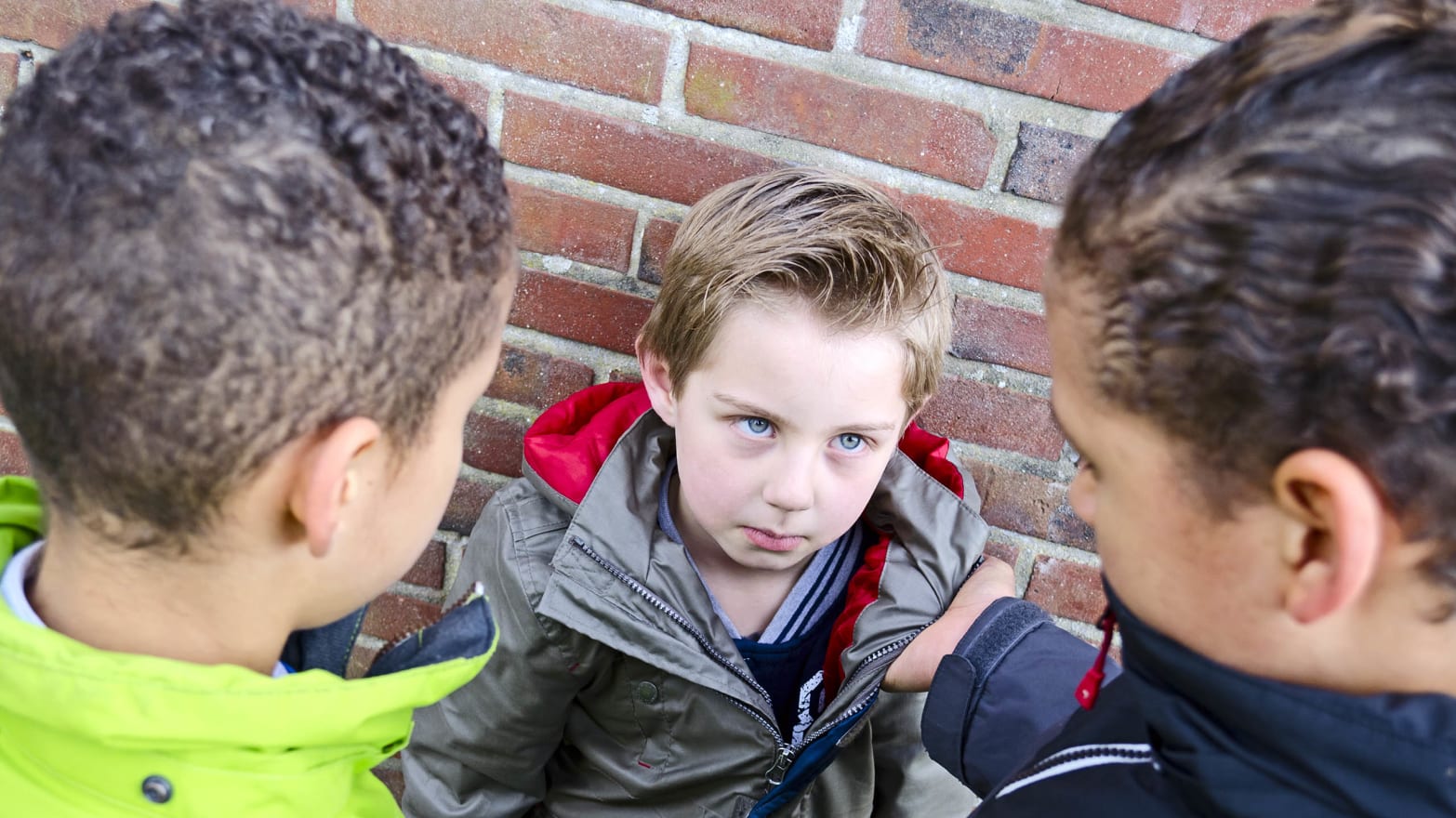
Bullies suck. I think most of us can agree on that. Those who don’t probably haven’t been on the receiving end of a bully at some point in their lives. They’re the lucky ones. Most of us can’t rely on that kind of luck.

Now, before I go any further, I want to make clear that this isn’t some generic anti-bullying PSA. There are already way too many of those and even if their intentions are good, they don’t always send the right message.

That has been my experience with these campaigns. They claim to understand the dynamics of bullying. They offer a list of responses and recourses, some of which are more helpful than others. Some are downright counterproductive. They all miss one key detail.

Every bullying situation is different.

Every bully is different.

Every target of a bully is different.

The dynamics behind every instance of bullying is different.

In short, not every case of bullying plays out the same way and there’s no one proper way to deal with it. Not every bully is Biff Tannen and not every victim is George McFly. One well-placed punch isn’t going to completely rectify a situation. Just ignoring it won’t rectify it, either.

With that in mind, I’d like to share another personal story about how I dealt with a bully. It’s not nearly as dramatic as you might see in the movies, but it worked out in my favor for the most part. In fact, to say it worked out might be a bit of a stretch. You’ll understand why when you hear the details.

This incident played out when I was in the 9th grade. It was not a good time for me. I was depressed, socially awkward, and had pretty much no self-esteem. I also had a bad attitude that made me fairly unpopular and an easy target. In hindsight, I think it was only a matter of time before a bully found me.

For the sake of this story, let’s call this kid Don. He was no Biff Tannen, but he was a real asshole. This kid was my age, but he was behind the curve when it came to maturity. He and a bunch of like-minded friends liked to goof off, screw with people, and do their own thing. They weren’t exactly caricatures from 80s teen movies, but they were close.

As it just so happened, Don rode the same bus as I did. In fact, he got off at the same stop that I did. He lived less than two blocks from me. Due to that proximity, he took an interest in me. He started teasing me and asking dumb, embarrassing questions. Sometimes he did it on the bus. Sometimes he did it in the middle of a class. Whenever he did it, I hated it.

Me being the immature, self-loathing kid that I was, I didn’t deal with it very well. I often tried to tell him off. I cussed him out. That only seemed to encourage him. I never tried to fight him, but I’d be lying if I said I wasn’t tempted.

It also helped, somewhat, that I wasn’t in good shape and would probably lose that fight. Don was no athlete, but he was bigger than me and willing to do dumb shit to win. I had no advantages, whatsoever.

I still wanted it to stop. I had enough problems in my life. I didn’t need to deal with Don and his antics. I wasn’t sure how I was going to deal with it. I got some advice from the adults in my life. They often told me to just ignore him and avoid him. If he ever laid a hand on me, then I should go to a school administrator. I didn’t want it to get to that point.

Unfortunately, ignoring Don didn’t make him stop. If anything, it encouraged him to keep doing it. He didn’t get bored. He just saw someone he could tease and get away with. That wasn’t something the anti-bullying PSAs told me.

At some point, I had to respond. Yelling at him wasn’t working. Trying to politely ask him to stop wasn’t working. This was an immature knuckle-head who wasn’t going to be reasoned with. If I was going to respond, it had to be very blunt and very effective.

It finally came to ahead one day on the bus. We were waiting to leave to go home for the day. Like he had before, Don decided to move up to my seat and start harassing me. I don’t remember what he said. I just remember he wouldn’t go away. He kept asking me these dumb question and teasing me when I didn’t respond.

He just would not stop and he would not leave. I was tempted to punch him in the face, but I knew that probably wouldn’t pan out. If I threw the first punch, then I would be blamed for everything. I may have been young, but I knew how school politics work.

Finally, I decided to respond.

I didn’t punch him.

I didn’t break something he had on him.

Instead, I just looked at him with as much hate as I could muster and I spit right in his eye.

At that moment, Don’s goofy and immature demeanor disappeared in an instant. He turned away to rub his eye. I wasn’t sure if he was crying or anything. At the time, I honestly didn’t care. I didn’t move from where I sat. I just remained where I sat, waiting for a response.

Eventually, I got it. He tried to spit at me too. He missed, only hitting my ear. After that, he left and went to the back of the bus with his friends.

That was it.

That was the end of it. Don never talked to me ever again.

Now, I do not recommend anyone do that with a bully. Spitting in someone’s eye isn’t as bad as a punch, but it still counts as assault. Had Don gone to a school administrator, he could’ve gotten me into a lot of trouble. However, he didn’t and I think I know why. He would’ve had to explain why the situation got so heated and since he instigated it, he would’ve gotten in trouble too.

Even so, I’m not proud of what I did. I didn’t feel better about myself. I doubt Don felt better, either. Had there been more witnesses or had someone reported us, it could’ve gotten much worse. At the same time, I could’ve handled that much better, even for a moody teenager.

Again, do not take this as advice for dealing with a bully. There’s a good chance it will not work out as well as it did for me. I got lucky in this case. Don’t expect to get that lucky when dealing with a bully.

Also, Don, if you’re reading this, I apologize for spitting in your eye. However, you were still a huge asshole.

Leave a comment

Filed under human nature, Jack Fisher's Insights, psychology, real stories

Gray Hairs, Getting Older, And (Evolving) Perspectives

See the source image

I’m not a young man anymore. I’ve long since accepted that. It took me a while, but it was necessary. You can’t think, act, and conduct yourself as a young person forever. Neither the human body nor the flow of time works that way.

However, as we get older, our perspectives and outlook changes. I know mine has since I was a teenager. Given how miserable I was, I kind of had to. I expect it to continue changing as I get older. I don’t know what or how much that change will entail, but I know it’s coming.

Very recently, I already saw some of those signs. About a month ago, I finally had my annual physical, which is something I encourage everyone to do, regardless of their age. A part of getting older is understanding that youth won’t keep you healthy anymore. You have to be proactive. You have to take care of yourself physically, mentally, and emotionally.

For the most part, I’ve put in the work. I try hard to say in shape as best I can, especially after I was so unhealthy in my youth. I won’t say I’m in perfect health. My annual physical did raise some issues, some of which have less to do with my exercise routine and more to do with my family history of illness. However, it’s what happened shortly afterwards that really stood out.

I noticed a notable increase in gray hairs.

I won’t say this freaked me out, but it was a bit jarring. I understand I’m not young anymore. Getting gray hair is an unavoidable part of getting older. I’ve seen it happen with my father, my uncles, and pretty much every older male friend. It was bound to happen to me at some point. I just didn’t expect to notice until after I turned 40.

Now, some of that might be a result of how stressful last year was. Other parts of it might have to do with a series of other big changes in my family that are too numerous to list. Whatever the cause, it’s getting more noticeable. You might not see it from afar, but trust me. I can see it every morning when I look in a bathroom mirror.

At some point, others will see it too. I won’t be able to hide my age. Nobody will ever mistake me for a guy in his 20s anymore. Honestly, I’m fine with that. The guy I was in my 20s was still a work-in-progress. That progress is far from complete, but I’m much further along now compared to where I was 10 years ago.

In that sense, gray hair almost seems like a marker of sorts. It’s a sign of how far I’ve gone in life and how strenuous it has been. I don’t doubt that I’ve had it easier than some and harder than others, but I’ve endured and learned every step of the way.

I haven’t gone as far as I could’ve. Hindsight has a tendency to reveal all the missed opportunities and avoidable mistakes we’ve made. In that respect, graying hair reminds us that we don’t have unlimited time. Moving forward, every second becomes a bit more precious. Past mistakes become bigger in some ways and smaller than others.

I’m at a point in my life where I still have the time and energy to succeed in new ways. I still want to become a successful writer. I still want to meet a beautiful woman who I can spend the rest of my life with. I still want to experience new things and cherish the activities I’ve come to love.

I just have to do those things with the knowledge that I’m not young anymore. Youthful energy will not carry me as it once did. Achieving what I hope to achieve will still take effort. However, what I lack in youthful energy, I make up for with experience, wisdom, and perspective.

The more I notice these gray hairs, the more incentive I have to keep enduring. That’s my perspective and I hope others in my position come to share it.

1 Comment

Filed under health, Jack Fisher's Insights

When Parents Look As Young As You: Speculation And Implications

Can aging be reversed? | Wall Street International Magazine

A while back, I was sifting through some old pictures and I found a few of my parents when they were younger. Some of those pictures were a bit faded, but some held up remarkably well. A few in particular depicted my dad when he was in his 20s. It was fun, seeing how my parents looked in their youth. They certainly had plenty of stories behind each picture.

Beyond the stories, there was also the uncanny resemblance. My dad in his 20s looked a lot like me and my brother do now. I definitely have my dad’s facial structure. More than one relative has commented how similar we look whenever I share a picture of us.

My brother definitely inherited my dad’s old hair style. There’s this one picture of my dad in a hammock with long, uncut hair and it looks eerily identical to how my brother styles his hair. Overall, you can definitely see the resemblance.

Naturally, peoples’ appearances change as they age. It’s a normal thing. We can all marvel at how our parents looked in their youth, but that doesn’t change how different they look now. Most people don’t have the luxury of looking like Keanu Reeves in their 50s. As they get older, age will affect their appearance, their energy levels, and their mental state.

With all due respect to my wonderful parents, their age does show. When we stand together for family pictures, you can tell who’s the parent and who are the kids, even though my brother and I are full adults. I don’t doubt my age will start showing soon enough. It already has in some respects.

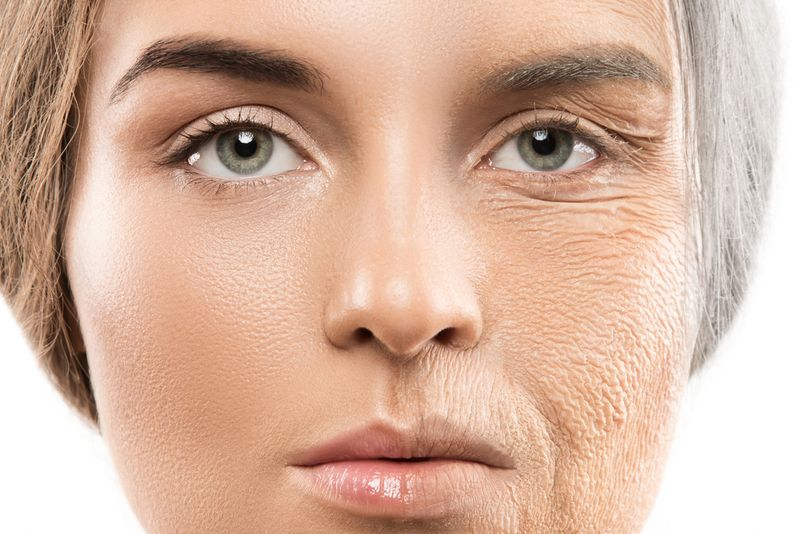
However, what happens if we suddenly gain the ability to either stop aging at a certain point or completely reverse it?

What if our parents could look the same age as us when we turn 30?

How would that affect us personally?

How would that affect us as a society?

These are not entirely rhetorical questions. It may sound like something that requires futuristic technology, but it’s not as far fetched as we think. Reversing or stopping the aging process in living things isn’t like breaking the speed of light. We know it can be done because there are animals that do it all the time.

Certain species of turtles never seem to age out of their adult prime. Other species basically age in reverse. In biology, it’s called negligible senescence and it’s a subject of significant interest for the treatment of aging. While humans do have a lifespan that seems built into our biology, we’re steadily developing the tools to hack that biology.

The technology is new and unrefined, but the incentives for developing it have never been greater. We already have an aging population. Helping people live into their 90s is nice, but what good is living that long if you can’t enjoy life as you did in your youth?

That technology is still a ways off, but like I said before. There’s no hard rule of biology or physics that prevents us from reversing the effects of aging. The research into the mechanisms of reversing aging altogether is ongoing and anyone who develops treatments are sure to gain a chunk of the multi-billion dollar anti-aging industry.

How and when this technology becomes mainstream is difficult to predict, but if and when it does, it raises some major implications. Setting aside the issues that come about from a population that doesn’t get weaker or less energetic with age, what does that do to how we carry ourselves around family?

That’s a personal impact of this technology that I don’t think enough people contemplate, mostly because they think it’s impossible. However, there are people alive today who may live long enough to see this technology mature. At that point, they’ll have to deal with having parents that look the same age as they do once they turn 30.

Imagine, for a moment, going to a restaurant with your parents. To you, they’re your parents and you know that. To everyone else, however, you’re just three people hanging out at a restaurant. If you look the same age, how can you tell the difference between a family getting dinner and a bunch of friends hanging out?

Things can easily get more complicated and awkward from there. Imagine you’re a guy meeting your mother for lunch or a girl meeting her father for coffee. From the outside, you don’t look like a parent and child. You might look like a couple on a date. I can only imagine how tense waiters might feel if they find out a cute couple are actually parent and child.

Add grandparents who don’t age to the equation and the complications only compound. When your family unit becomes indistinguishable from a co-ed dorm in college, how does that affect your perspective? Beyond the awkward realizations that the cute girl you’re hitting on is as old as your grandmother, how do parents and kids relate to one another when they look alike at a certain point?

As kids, we know our parents are our parents because they’re older than us. Even as adults, most of us reserve some level of respect and reverence for both our parents and elders. Just looking older will garner a certain reaction. What happens when technology removes appearance from the equation entirely?

We all know young people who are wise beyond their years and old people who are as dumb as a kid. When we all look the same age, those distinctions will become blurred and muddled. How that affects our personal perspectives, as well as our society in general, is difficult to fathom at the moment. Given the rapid pace of biotechnology and all the money at stake, that moment might come sooner than we think. As such, we should start preparing ourselves for the awkwardness that’s sure to follow.

1 Comment

Filed under biotechnology, futurism, technology

What Going Through The D.A.R.E Program Taught Me (And What It Failed To Teach Me)

Was D.A.R.E. Effective? | Live Science

Don’t do drugs. They’re bad for you.

We’ve been telling that to kids for decades. Many people reading this probably remember hearing it as well when they were kids. They heard it at school, form parents, from churches, and from any number of anti-drug PSAs. “South Park” has even done entire episodes about it.

The message is out there.

It’s not exactly ambiguous.

Drugs are bad and you shouldn’t do drugs. We get it. It’s so belabored at this point that it might as well be background noise.

However, it’s for that very reason that we should scrutinize that message. I don’t know if anyone has noticed, but despite all those anti-drug ads and programs, drug abuse is still a big problem. People are still doing illicit drugs and thousands still die from it.

Why is that?

Did these people not hear the same anti-drug messages that we’ve all been hearing for years?

It’s very likely they did. It just didn’t have any effect on them. That raises plenty of other questions. Before I even try asking those, I’d like to share a brief personal story about my experience with these anti-drug programs. Once I do, I hope it reveals why their impact is so muted.

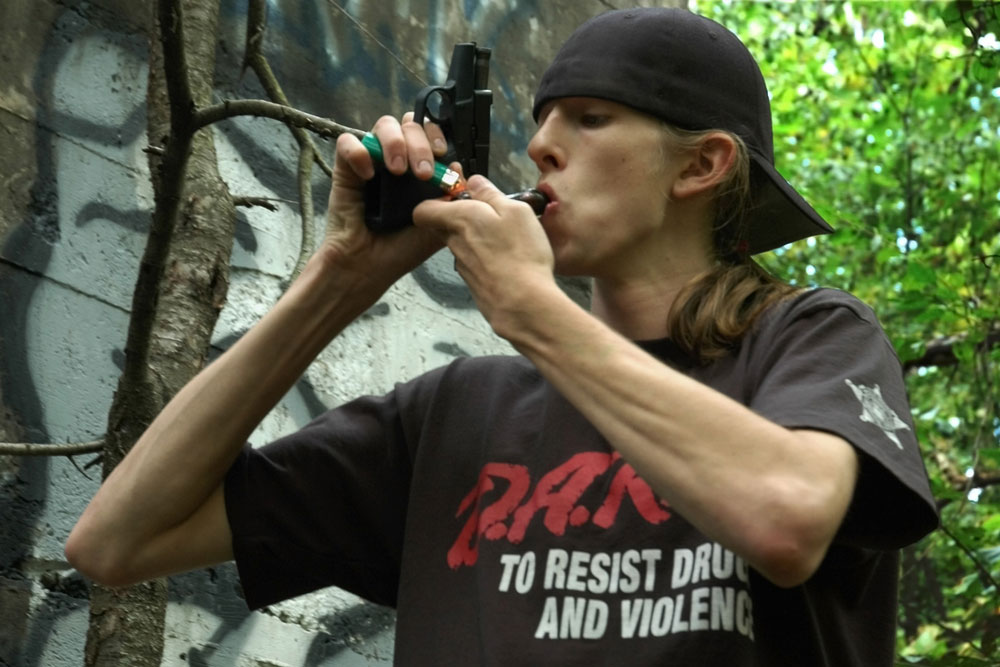
When I was in grade school, the now-infamous Drug Abuse Resistance Education Program, better known as DARE, was in full-swing. All over the country, various schools and community programs would take time out of their schedules to hold these DARE-sponsored events. Those events were meant to be informative, but they always came back to just telling kids not to do drugs.

I was in the third grade when I first went through it. I distinctly remember only caring about it because it meant an entire afternoon had been cleared of other schoolwork. That’s how most of my friends at the time thought of it, too.

The program itself wasn’t that elaborate. We just had two men, a DARE spokesman and a police officer, sit down in front of our class to talk about drugs. I don’t recall any discussions about addiction or why people do drugs in the first place. Almost everything revolved around identifying certain drugs and learning to say no to them.

Some of those drugs, namely marijuana, are now legal in large parts of the country.

Curiously, the two drugs they never mentioned were alcohol and tobacco, which are far more likely to be abused.

I’m sure there was a reason for this and it had to do with these two drugs having billion-dollar companies behind them, but I digress.

What my third-grade brain took away from this was mixed, at best. Going through this program, these well-meaning adults painted a strange picture. They made it seem like there are these evil, nefarious drug dealers lurking in the shadows, looking to jump you on your way home from school, and shove illegal drugs in your face.

As a kid who read a lot of comics and watched plenty of cartoons, I found that to be very strange. Even crazed supervillains had some motivation behind it. These DARE people never talked about that. They didn’t mention things like drug cartels or gang violence. They just said these drug dealers are evil people who just want to get you addicted to drugs.

I honestly wanted to ask questions, but we never got a chance. This whole program was basically a lecture, not a discussion. The only questions they answered involved what certain drugs looked like and what they were often called.

Things got even more confusing in later years when I went through other parts of the program, which often included watching cheesy, poorly produced videos about the horrors of drugs. We would see pictures of ugly drug addicts and people getting arrested. At no point did we ever learn why these people were addicted or what happened to them after they got arrested. It was all so basic and bland.

Now, I understand keeping things basic for school kids, but it’s also worth noting that kids have bullshit detectors. They may not be as smart or as knowledgeable as an adult, but they’re not stupid. As a result, the way DARE framed drugs, drug dealers, and drug abuse never came off as something serious. It just felt like another case of adults talking down to kids again.

In that sense, I really didn’t get much out of DARE. If anything, it often left me confused.

I understood what drugs were, but the way DARE talked about them left little room for nuance. I still remembered at the time my parents often saying we had to stop off at the drug store on our way home. I knew what they meant. Some of us had prescriptions that needed filling. My parents explained it to me. I understood that, despite my age.

Now, here’s this program that constantly tells us drugs are bad and you should never do drugs, but never specifying what exactly they mean by “drugs.” Technically, aspirin and cough syrup are drugs. Were those just as dangerous? Again, I never got a chance to ask questions to clear that up.

Even as I reached middle school and high school, DARE programs didn’t change much. They just hammered away at that same message. Somebody from a police department would come to talk to a bunch of students and tell them not to do drugs. At this point, though, we were so numb to it that I remember some of my classmates falling asleep or doodling on their notepads the whole time.

To date, I’ve never met anyone who says the DARE program stopped them from doing drugs. That sentiment is mirrored in actual research done on the effectiveness of this program. For the most part, it didn’t work. In some cases, it actually had the reverse effect because it sent the message to kids that drug use was far more common than it actually was.

Then, there were the kids and teenagers who did drugs just to spite adults. Tell them not to do something and they’re just going to want to do it even more. I don’t know how common they were, but I know for certain those people exist.

Now, I’m an adult and looking back on it, I won’t say the DARE program was a total farce. I don’t doubt for a second that the intentions behind it were good. I know people who’ve had drug problems. Drug abuse is serious and it really does a lot of harm. However, there are far better ways of talking about it with kids and adults alike. None of them involve talking down to anyone.

I also feel like DARE was incomplete. It talked about drugs, but not the kinds of drugs people most often abuse, namely alcohol and tobacco. I didn’t learn about that until I was nearly in college. By then, most people already knew about it from other, non-DARE sources, so it was far too late to do anything about it.

It also felt like a missed opportunity because drug addiction has evolved since I was a kid. Today, abuse of prescription drugs is a far more serious issue than crack cocaine ever was. It’s killing people at a terrible rate and the way it manifests is nothing like what the DARE program described.

These days, DARE is largely seen as some cheesy relic from the late 80s and early 90s. That’s true to some extent, but having gone through it, I also think it’s worth looking beyond the dated references. It showed that we all realized there was a drug problem in this country. We needed to address that problem. We just went about it the wrong way with DARE.

I’m not saying we’ve fixed our approach to educating people about drug abuse. People are still using, abusing, and dying from drugs at an alarming rate. If DARE taught us anything it’s that there’s plenty of room for improvement. We just have to be willing to be serious, realistic, and understanding of this issue. If we aren’t, it’ll only get worse.

1 Comment

Filed under Current Events, human nature, politics, psychology

A Personal Story (And Perspective) On Daylight Savings Day

It’s that time of year again, at least if you’re in these countries. Daylight Savings day is upon us. It’s not a holiday, nor a means for major celebration. It just means that this weekend, we can all look forward to an extra hour of sleep.

Honestly, after the year we’ve all endured, an extra hour of sleep is literally the least we can hope for. I’ll gladly take it.

Now, I don’t have an opinion on daylight savings, why it’s observed, or whether we should continue observing it. That sort of contention is just not worth my time or anyone else’s. Instead, I’d like to take a moment in these last few days before we fall back to share another personal story.

It involves high school, but I promise it’s not nearly as awkward or angst-ridden as some of the others I’ve shared. This story is more an observation than a personal account and one I think is more relevant. Say what you will about teenagers and young people in this current environment. They do have issues and they’re worth highlighting.

To appreciate this story, I need to offer a little context. While I was in high school, the last week of October was uniquely difficult. It wasn’t just because the weather was getting colder, mid-terms had just wrapped up, and the holidays were still too far off to warrant excitement. Much of the difficulty, in this case, had to do with sleep.

It wasn’t so much about getting enough of it, which is a challenge in its own right, as it was about waking up. I lived in a school district where high school classes started at 7:20 a.m. If you weren’t in your first period class by that time, you were late and you could get in trouble. That might not have been an issue if you lived nearby. Unfortunately, I wasn’t that lucky.

My family lived on the boundaries of the school district. That meant I had to take the bus to school, which wasn’t too big a deal. However, in order to get to school on time, the bus had to pick me and my classmates at 6:30 a.m. to make it on time.

Now, I know some people are already rolling their eyes. We had to be at the bus stop by 6:30 in the morning. Why is that such a big deal? There are people with jobs that require they wake up even earlier.

To those people, I have a simple message.

First off, we don’t get paid to go to high school. We’re forced to, by law. Second, we were teenagers. We’re not exactly used to night shifts at the salt mines. We’re still going through puberty, trying to transition into adulthood, and dealing with plenty of awkward feelings along the way. Have some goddamn sympathy.

With that in mind, take a moment to appreciate what it’s like the week before we fall back with daylight savings. You wake up at 6:00 a.m. and it’s still nearly pitch black outside. You can still see stars in the sky. You can barely see any hint of the sun.

If you’re a functional adult who is used to early mornings, it’s no big deal. If you’re a teenager who’s several steps away from being that functional, the world is basically asking us why the hell we aren’t still sleeping. Our collective response is the same. We have no choice. This is what we have to do, by law, to get to school on time.

Make no mistake. Waking up this early and standing outside when it’s still dark out is jarring to a teenager’s mind and body. The last week of October was just the most pronounced. During the first weeks of school, you could at least depend on the sun coming up, which helped wake you up. By this time, however, you had no such benefit. It was still dark out and it stayed dark until you got to school.

This is where my story comes into play. It’s not just one particular incident on one particular day, either. For the entirety of my high school career, this sort of thing played out every year on the last week of October. If I were to catch up with my old classmates, they’d probably share the same sentiment.

It went like this.

We wake up at 5:30 a.m. to get ready for school. It’s pitch black out.

We take a shower, eat some breakfast, and gather our things. It’s still pitch black out.

We go out to the bus stop at about 6:25 a.m. It’s still pitch black out.

The bus arrives, we get on, and we settle in for the ride. It’s still pitch black out.

For the entire trip, we’re all only half-awake. Nobody talks. Nobody socializes. We just sit there, try to keep our eyes open, and get whatever sliver of rest we can before we arrive. Most of the time, the sun is just barely starting to rise when we get to school.

I know it’s not the most harrowing story about high school, but it does stand out and it wouldn’t be at all possible without daylight savings. It’s because of that time shift that it’s still so dark out in the morning on that final week leading up to it. An adult may see that as a trivial detail, but from the perspective of tired teenage minds, I assure you it isn’t.

I try to forget a lot of things from that time in my life. I’ll never forget those early morning bus rides on the last week of October. They always had this strange, ominous feel to them. Setting aside the ambience, the impact it had on me and the rest of my classmates was distinct.

Being out at that bus stop when it was still so dark and riding to school before the sun came up just put everyone in a drowsy, lethargic mood. Riding to school in that environment wasn’t just quiet. It was dead silent at time.

Nobody said a word.

Nobody talked, socialized, or screwed around.

It was just too dark and we were all too tired. You think packing a bunch of teenagers in a bus is bound to create something rowdy and decadent? Well, when it’s that dark out and that early in the morning, you don’t have to worry. When you’re still tired, you’re not going to have the energy.

Now, that did change to an extent the following week. Once we set the clocks back, there’s usually daylight outside when we go to the bus stop. That does make a difference. In fact, it makes a big difference. There’s even some science behind it.

I was still a miserable high school student, but at least it easier to stay awake when the sun was out. I also noticed that once we had some sunlight, people talked and socialized more on the bus. It was just less depressing overall. Being less tired will have that effect.

In hindsight, I’m amazed that we all functioned as well as we did in those conditions. The science is also catching up to the sentiment. More and more people are uncovering the negative effects of having high school start so early. Teenagers may be immature and dumb at times, but they’re still human. If they don’t get enough sleep, they’re not going to function well.

A lack of sleep has all sorts of negative impacts. Add the rigors of adolescence to the mix and you’re just going to make both much worse. It’s something I find myself contemplating every year in the days leading up to daylight savings.

We have a lot of problems in this world and teenagers have a lot to deal with. Nobody can do much of anything if they’re too tired or sleep deprived.

1 Comment

Filed under Current Events, Jack Fisher's Insights, real stories

Recounting The Dumbest Injury I Ever Got

We all like showing off scars. It doesn’t matter how big they are. We still use them as a catalyst to tell stories about ourselves. I don’t always get it. It’s just one of those weird things people do to make them seem tougher and more badass than they really are.

It’s not just a man thing, either. Women do this too. They just tend to be more subtle about it.

I have my share of scars from lingering injuries over the years. Each one of them has a story behind it. Some are more painful than others. There are a few I’d rather not share. Instead, I’m going to share a different kind of story about bodily injuries. Specifically, I’m going to tell the story about the dumbest injury I ever got.

It left no badass scar.

It didn’t make me tougher or stronger.

It was just a stupid fluke of an injury that taught me how hilariously frail the human body can be. More than anything else, I hope this story makes you laugh and appreciate the less foolish injuries we endure.

This particular injury occurred when I was playing little league baseball. For a time, it was a spring tradition. My dad would sign me up for little league and we’d build our weeks around it. For the most part, it was great. I loved baseball. I loved playing. I won’t say I was that good, but I certainly wasn’t that bad, either. I had fun, for the most part.

Like with any sport, you’re bound to get a few injuries here and there. I’d endured a few in that time. It was nothing I couldn’t handle. It was nothing that left a scar, either. I got lucky, compared to some of my teammates.

That changed one fateful day at practice. I think I was in the 4th or 5th grade at the time. I wasn’t doing very well that day. I don’t know why. My game was just off. I wasn’t hustling as much as I usual. I was content to just get through practice and prepare for the game.

Then, during fielding drills, the coach hits a ball my way while I’m playing outfield. Rather than glove it, I reach down to pick up the ball so that I can make a play at third base. In doing so, I badly jam my middle finger right against the ball.

It was the flukiest of fluke plays. I reached in and hit the ball with my finger at just the right angle to do some damage. I felt that damage too because I immediately whined about it. I still tried to shake it off, but by the end of practice, my middle finger was noticeably bruised. Part of it also started swelling. By the next day, my finger looked like it got stung by multiple bees.

It hurt like hell. On top of that, it was the same hand I used to write with. That made doing school work more painful than it already was. However, that wasn’t what made the injury so dumb. What truly made it stand out was that, for nearly a week, I could not bend my middle finger.

That meant that, for reasons beyond my control, it looked like I was giving everyone the finger. It was funny at times, but it hurt so much at the time that I don’t remember laughing much. I didn’t need a splint or anything. I just had to wait for it to heal. That was a long wait and there were plenty of embarrassing moments in between, especially at school.

I’m sure my parents remember some of those moments. I complained to them a lot and the best anyone could offer was a bag of ice. It was a miserable time, to say the least. I almost preferred a more serious injury. That would’ve made for a better story to tell. You just can’t tell a great story about picking up a baseball awkwardly and jamming your finger.

It did eventually heal. I did eventually go back to playing little league. I was just a lot more careful when it came to fielding ground balls. I endured more injuries over that time, but none were quite as dumb as that.

If you’ve got a dumber injury you’d like to share, please do so in the comments. Let’s not pretend every injury is epic. We’re all fallible human beings at the end of the day. We’re going to do stupid things and hurt ourselves in stupid ways. The best we can do is laugh about it and learn from it.

Leave a comment

Filed under Jack Fisher's Insights

Recalling (And Thanking) My Favorite Teacher In High School

See the source image

I’ve made no secret of how much I hated high school. I’ve also made no secret of how miserable I was as a teenagers. I know most teenagers are inherently moody. It’s as unavoidable as acne, body hair, and homework. I was just a lot moodier than most teens and for piss poor reasons.

However, my teenage years and high school experience weren’t all purified misery. There were indeed a few notable bright spots. Since this is the time of year when high school students are preparing for their last round of tests or planning for college, I thought it would be a good time to share one of those bright spots.

It’s not a single event, moment, or achievement. It’s a person. Specifically, he was my favorite teacher out of every teacher I had up to that point in school.

Out of respect for my teacher’s privacy, I won’t use his real name. I’ll just call him Mr. Lee. If I were to list all the things that made Mr. Lee such a great teacher, it would take me all week and that’s if I skipped meals. There are some teachers who just read from books and assign homework. There are also teachers who genuinely care and genuinely love to teach. Mr. Lee was the latter.

I had him for two classes. First, I had him for a computer science class. Then, I had him for AP Calculus. In both classes, his skill and passion for teaching shined. That’s not easy to do when you’re teaching something like calculus to a bunch of hormonal teenagers, but the man made it look easy. He even seemed to have fun while doing it.

It probably helped that Mr. Lee was incredibly smart. By that, I don’t just mean he was qualified to teach those subject. Mr. Lee graduated from Harvard with honors. He had a masters degree in computer engineering. He could’ve easily gotten a job at a big tech company and earned six figures by the time he was 30. Instead, he decided to teach immature teenagers how to write computer code and do calculus.

That, alone, speaks to the kind of character this man had. He was the kind of teacher who had an answer for every question and he never needed to check a book, phone, or computer. When you asked him something, he wouldn’t just give you an answer. He’d give you a damn good reason as to why it’s the right answer.

Despite how smart he was, Mr. Lee still carried himself with uncanny humility. He never acted like he was better than everyone else for being so smart. He was actually very approachable. You could talk to the man about anything. I once had a 10 minute conversation with him about how to make the perfect pizza. I still smile whenever I recall him explaining how carefully he spread the cheese on every pie.

Mr. Lee didn’t just demand your respect. He earned it. More importantly, and this is what set him apart, he made you want to earn his respect. Nobody slouched in his class. Nobody disrespected him or tried to nap through a lesson. That was the one class you really couldn’t sleep through because Mr. Lee made every lesson so engaging.

Again, this man taught AP Calculus. That’s not an easy subject to make engaging.

He still found a way. He always found a way to make a concept easy to understand. It’s because of him that I passed every exam, including the notoriously difficult AP Calculus exam that every student dreaded. I don’t think I’ve ever been more confident taking a test that didn’t involve an essay question.

I owe that success to Mr. Lee. Without him, I would’ve been even more miserable in high school. His classes, as difficult as they were, made me feel like I was learning something valuable. I still appreciate that value to this day.

You don’t always know which teacher will impact you the most over the course of your life, but when they do, it’s worth cherishing. I doubt Mr. Lee will ever read this or remember me, but during a less-than-pleasant time in my life, he was a breath of fresh air. For that, I sincerely thank him.

Leave a comment

Filed under Jack Fisher's Insights, Uplifting Stories

Hard Life Lessons You Can Only Learn Later In Life

Life is full of hard lessons that can only be learned through hardship. Anyone who isn’t rich, beautiful, or well-connected understands that. You’re going to go through periods in life when it feels like fate, luck, and divine forces are conspiring against you. That’s not a good feeling. I understand that. It’s also a feeling that’s worth embracing.

I say that as someone who stagnated and stumbled through much of his teen years and early 20s. In terms of social skills and overall outlook, I was behind the curve longer than most. I’ve shared my various struggles from high school. I’ve also shared personal stories of major low points in my life. I don’t doubt that others have endured far worse, but the over-arching themes are the same.

When you’re young and inexperienced, you see the world a certain way. When you’re older and more experienced overall, you see it another. Time, perspective, and basic human psychology has that effect on most people as they live their lives. An unfortunate byproduct of that is there are some lessons that you can’t learn until you’re older.

That’s a sentiment I’m sure many teenagers hear on a regular basis. Some will roll their eyes and I don’t blame them. I probably did the same when I was that age. It’s also a message that most adults have a difficult time conveying because they have the benefit of hindsight. Make no mistake. Some lessons are only visible through hindsight.

For those who struggled as teenagers, like me, I imagine that’s not news to them. I also imagine there are many other lessons that weren’t obvious until many years later in life. My own parents have shared some of those lessons with me. I’ve tried to share those lessons with younger friends and relatives. It’s hard to get across. In some cases, it’s impossible.

Those lessons are still worth putting out there, if only to act as reminders through the filter of hindsight. Here are just some of the lessons that I’ve learned personally or seen in others. If you have others to share, please do so in the comments.

Lesson #1: The world doesn’t owe you anything and whining about it won’t change that.

Lesson #2: You can’t know how right or wrong someone is for you until you’ve spent more than a few years with that person.

Lesson #3: You never know for sure what you want to do with your life before and during puberty.

Lesson #4: A single failure won’t ruin your life if you learn from it.

Lesson #5: Every opportunity is a gamble, but you can control the odds to some extent through determination, work ethic, and talent.

Lesson #6: There are people in the world who are far smarter and capable than you’ll ever be, no matter how hard you work or believe in yourself.

Lesson #7: Convincing people to change their minds about anything is one of the hardest things you’ll ever do.

Lesson #8: It’s okay to be disappointed or upset, but at some point, you have to try to get over it.

Lesson #9: Like or not, having the right attitude can be the difference between happiness and misery.

Lesson #10: It’s just as easy to fall out of love as it is to fall in love.

Lesson #11: Habits, both good and bad, are difficult to break, but can be managed to some extent.

Lesson #12: People may be driven by basic needs, but are more complicated than you realize.

Lesson #13: It’s never too late to change your path or reinvent yourself, but the longer you wait, the harder it will be.

Lessons #14: Many of the things you think are important now won’t be important years from now.

Leave a comment

Filed under human nature, Jack Fisher's Insights, psychology