Tag Archives: Uncanny X-men

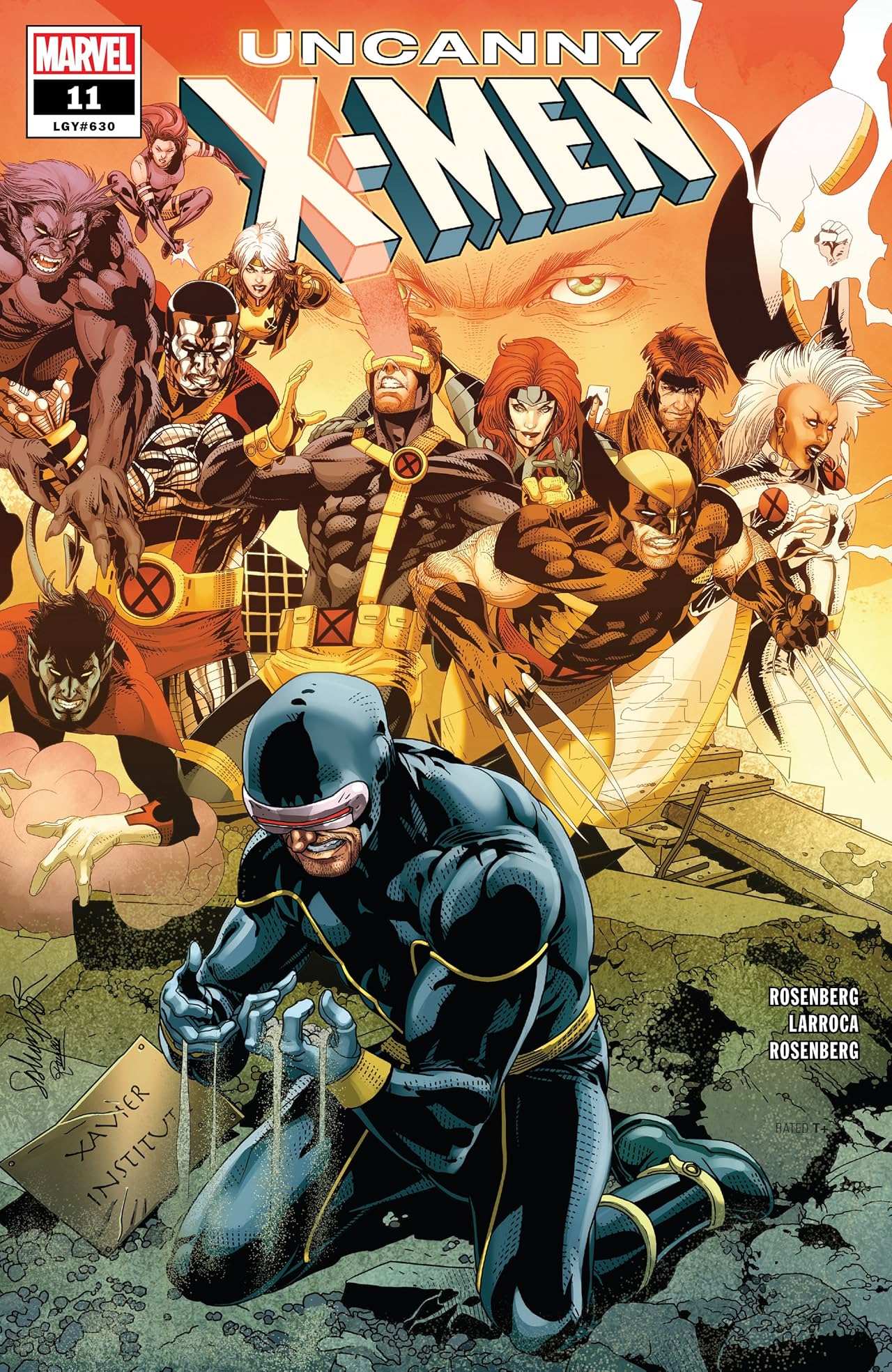
Jack Fisher’s Weekly Quick Pick Comic: Uncanny X-Men #11

Every week, a fresh crop of new comics comes out and the world is a little bit more awesome because of it. As a lifelong fan of comics, superheroes, and many other things that the Bill Maher’s of the world despise, I take it upon myself to single out one comic from that week that makes this most special of days for superhero fans that much more memorable.

This week was a busy week with big events brewing with DC’s Heroes In Crisis story and Marvel’s ongoing Age of X-Man event. Being a lifelong X-men fan, I know I’m somewhat bias towards the X-men side of things. This week, however, I didn’t need that bias to single out Uncanny X-Men #11 as my top pick of the week.

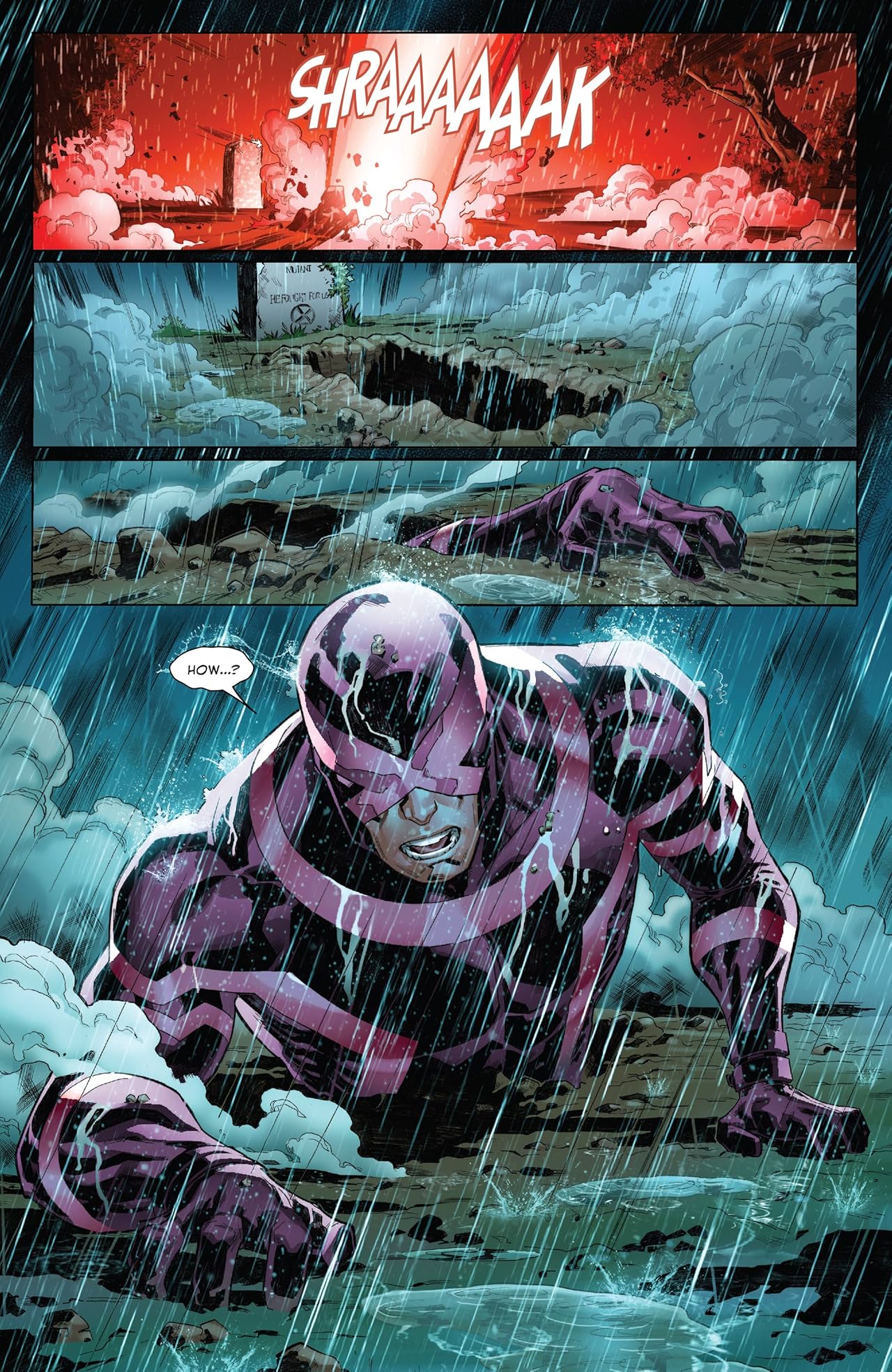
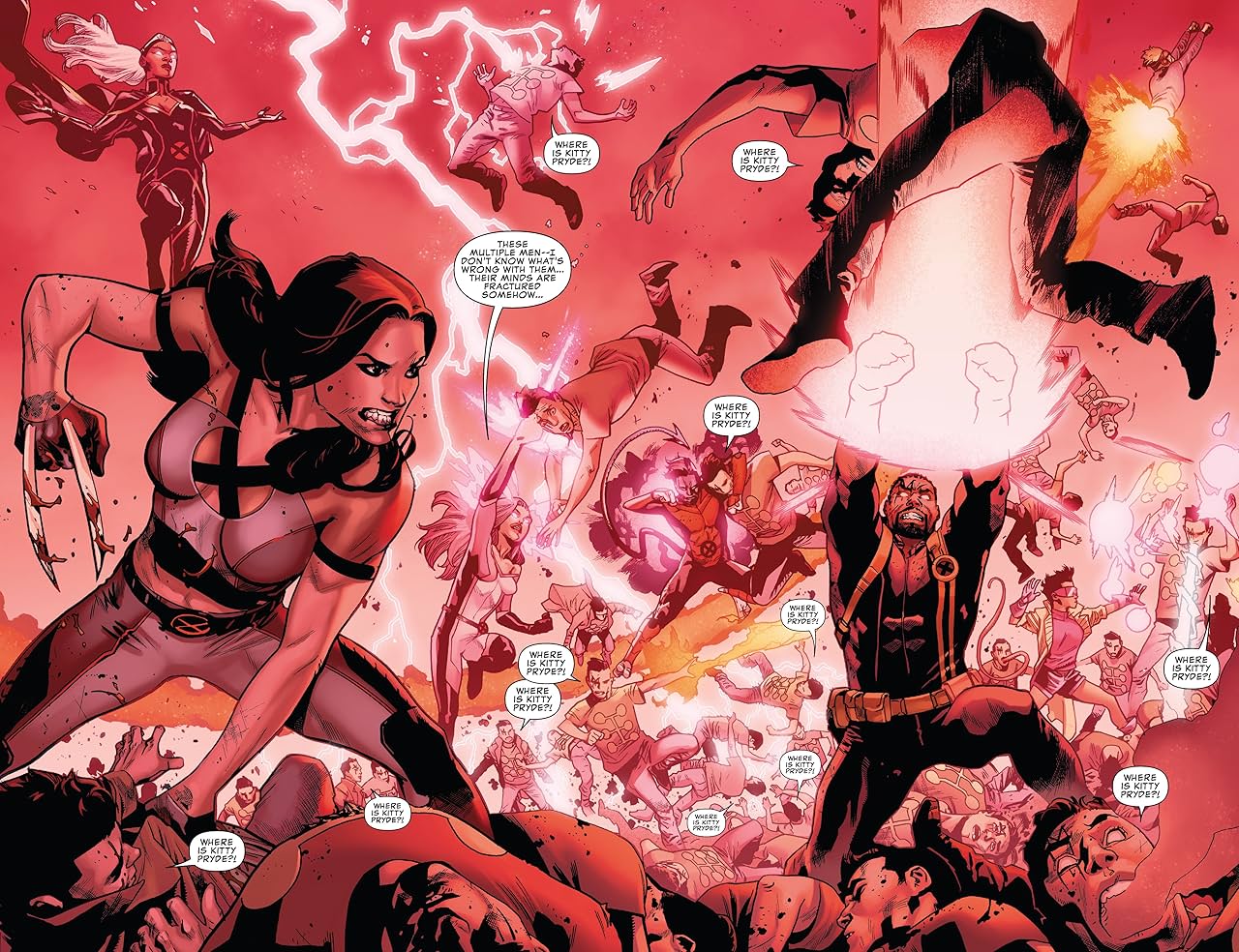
It’s not just because this book comes on the heels of Cyclops’ latest return from the dead, which occurred in Uncanny X-Men Annual #1 a couple weeks ago. It’s not just because he’s returning to a world where most of the X-Men have disappeared and been presumed dead after their battle with Nate Grey in Uncanny X-Men #10, either. What makes this comic my top pick is something far greater.

In every superhero comic, you learn the most about a character when they’re at their worst. It’s easy for any hero to shine when things are going well. When the world loves them, when super-villains despise them, and when they’re not stuck on the wrong end of a love triangle, it’s easy to seem heroic. It’s when everything is terrible and their world is on the brink that you learn who they truly are.

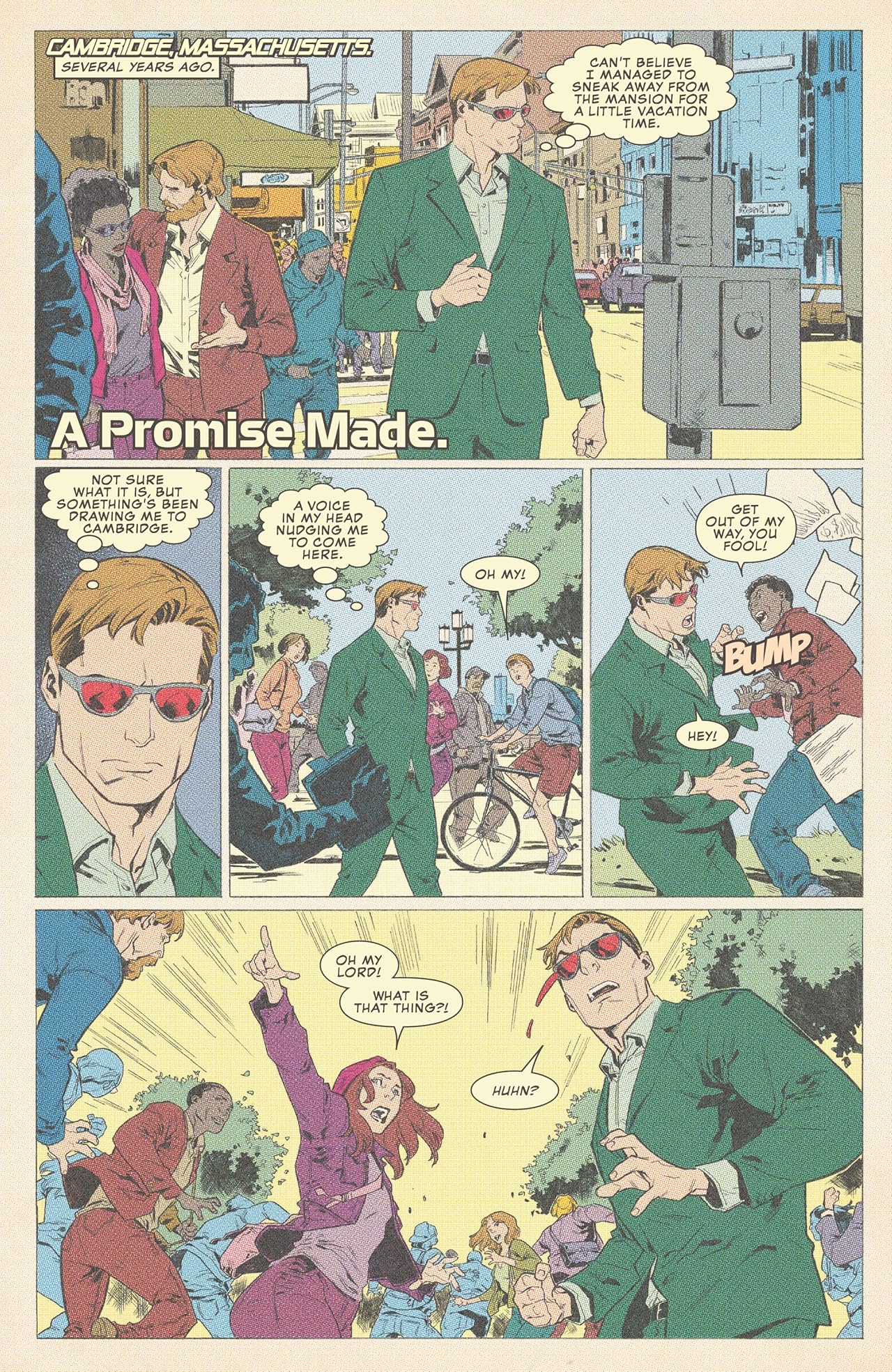
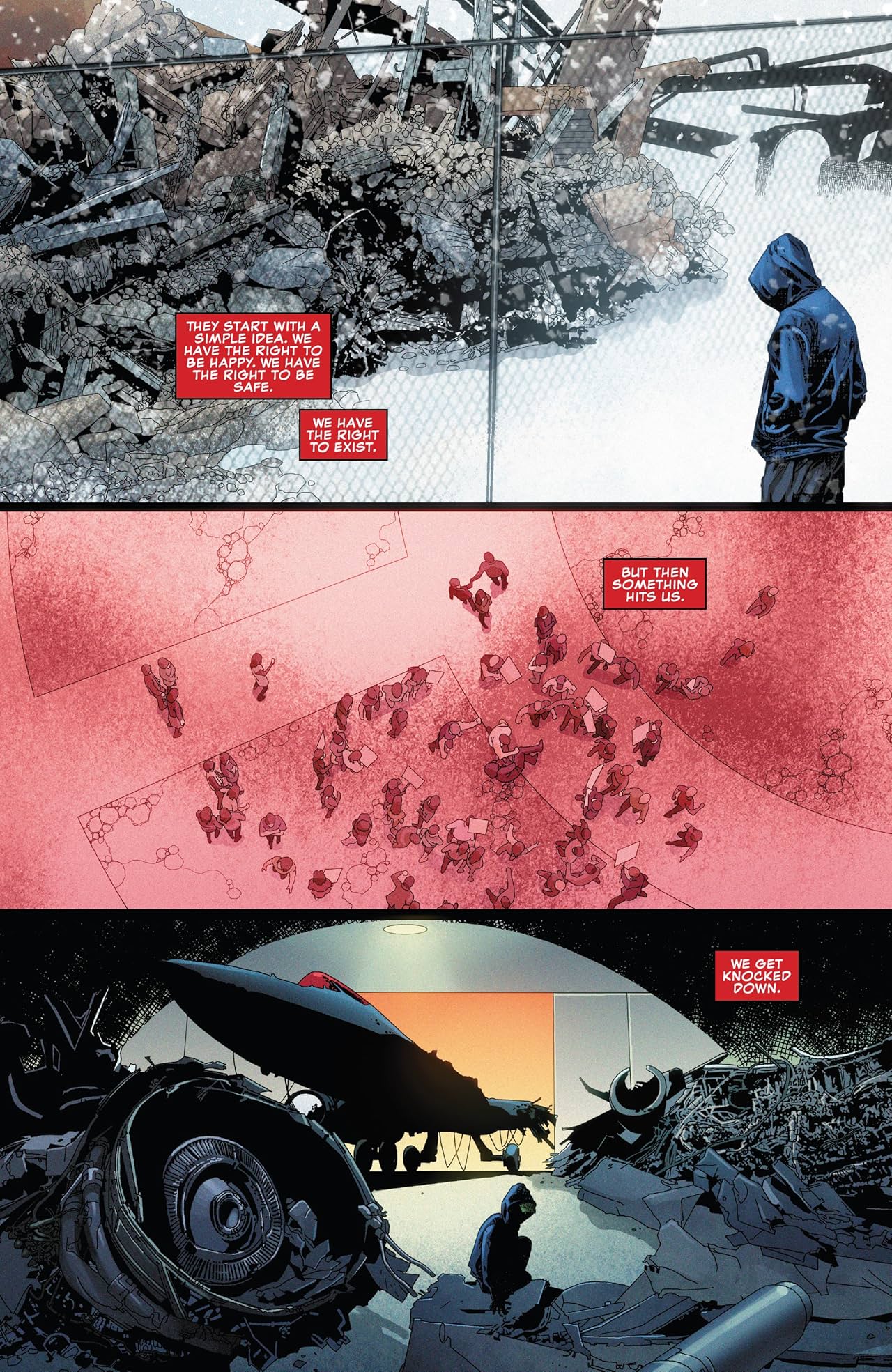
Uncanny X-Men #11 lets everyone know who Scott “Cyclops” Summers is. In this story, he has no X-men to lead. He has no beautiful wife by his side or buxom blonde lusting after him. His mentor is gone. His home is gone. Everything he ever fought to defend is gone. What does a man like that do in a situation like that?

He can either cower and whine or he can step up and fight. Cyclops, having gone to war with the Avengers and the Inhumans, has never been one to cower. The story that Matthew Rosenberg and Salvador Larroca tell here shows why he’s the leader of the X-men in the first place. It shows why beautiful telepaths are attracted to him. When things are at their worst for the entire mutant race, this is the man you want leading you.
If you’re a Cyclops fan in any capacity, Uncanny X-Men #11 is a must-have. However, what makes this book even more valuable is that it’s giant-sized. That means it costs a little more than the typical two to three dollar price, but you get a lot more for those few extra bucks.

In addition to Cyclops kicking ass, Wolverine has his own story that unfolds in the background. He too recently came back from the dead and has been dealing with the many complications associated with resurrection in his own series, Return of Wolverine. Having sufficiently stabbed those complications, he’s ready to return to the X-Men and he’s just in time to help Cyclops, a guy who’s wife he kept trying to sleep with.

It’s a beautiful thing, these two coming together once more in the X-Men’s darkest hour. The way it happens and the action it inspires is too great for words. That’s why I’m not going to spoil it. I’ll just say that if you’re a Cyclops fan, a Wolverine fan, or an X-Men fan in general, this comic feels like one of those books that will one day be critical in the history of the greater Marvel universe.
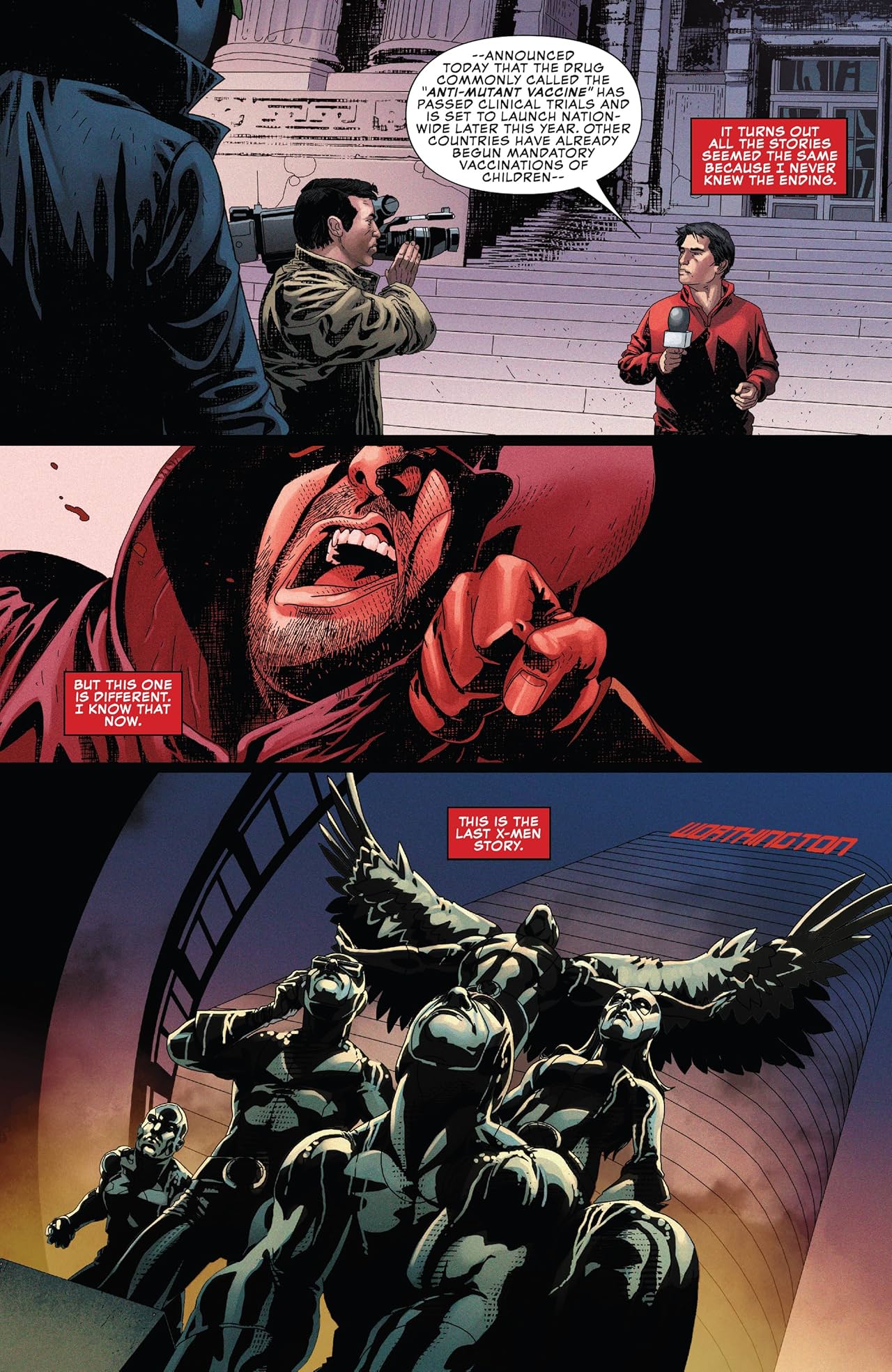
As it stands, the X-Men are gone and the mutant race is fading into obscurity. Rather than genocide, they’re facing a future where people simply treat mutation like a flu shot. The vaccine that was introduced in Uncanny X-Men #1 works. Parents can now keep their children from becoming mutants. While it greatly limits their chances of becoming superheroes, it ensures they can lead a “normal” life.

What does this mean for the future of the X-Men? What does it mean for mutants? These are unanswered questions that will probably linger for many issues to come, but Uncanny X-Men #11 effectively fires the first shot in a new struggle. Cyclops, Wolverine, and the rest of the mutant race aren’t content to just whither away. That’s not their style and this issue demonstrates why in so many uncanny ways.

If the measure of a true hero is determined by how they handle their darkest hour, then Uncanny X-Men #11 reaffirms why the X-Men are in a league all their own. The world may always love the Avengers, but the X-men will always command their respect.
Leave a comment

Filed under Jack's Quick Pick Comic

Jack Fisher’s Weekly Quick Pick Comic: Uncanny X-Men Annual #1

Every Wednesday, a new crop of comics enters this world and makes it just a little more awesome. Being a lover of comics in addition to a lover of love, I try to select one comic from this fresh batch that I feel offers the most awesome for just a few bucks. At a time when the economy is always on a verge of tanking, it’s hard to find a better value.

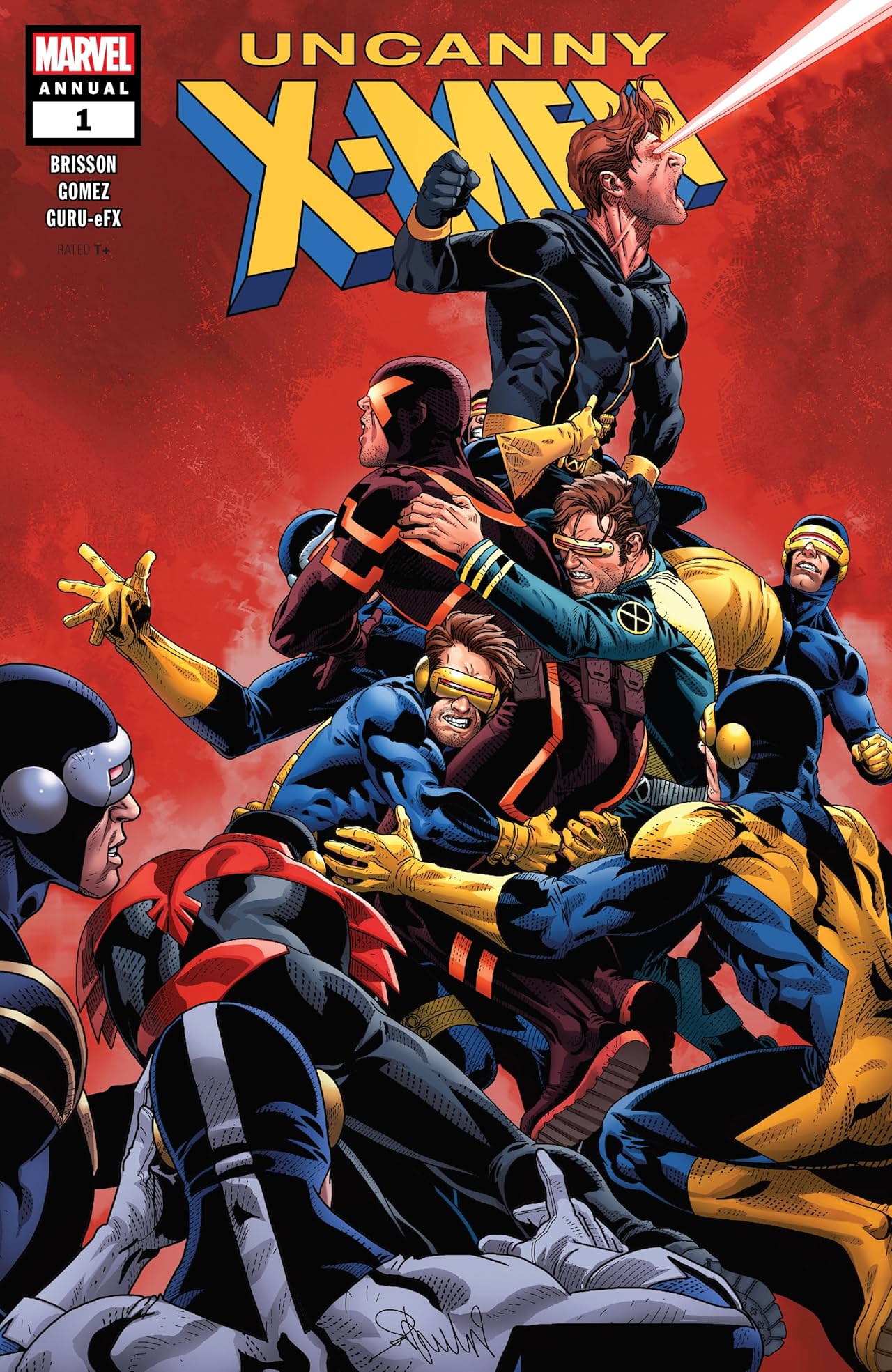
This week’s pick was an easy one with “Uncanny X-men Annual #1” and not just because I’m hopelessly bias towards the X-men, in general. This issue marks a critical development in the overall landscape of the X-men and the Marvel Universe, as a whole. As the beautiful cover art by Salvador Larroca indicates, it’s all about Cyclops.

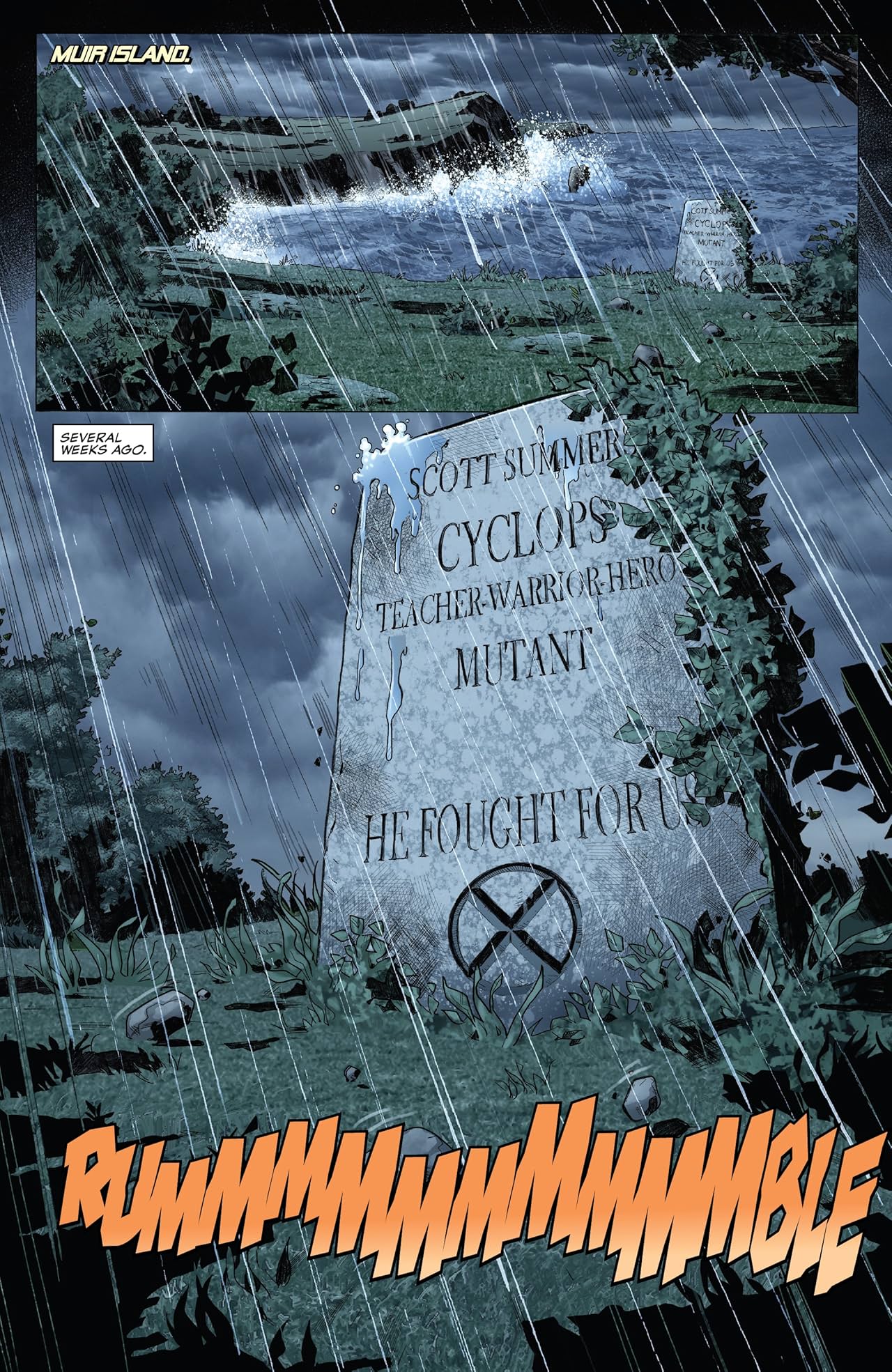
That may not seem like a big deal for those who don’t regularly follow the X-men comics, but trust me when I say that this is a huge development. That’s because for the past three years, Cyclops has been dead in the X-men comics. In an event aptly called “Death of X,” Scott Summers met an inglorious end at the hands of the Terrigen Mists, the alien gas cloud that gives the Inhumans their powers.

His death had a major impact on the overall landscape of the X-men and very little of it was good. In the same way that the Avengers aren’t the same without Captain America and the Justice League isn’t the same without Superman, the X-men just aren’t the X-men without Cyclops. He’s literally been with the X-men since the beginning and there’s just something missing when he’s not there.

Writer, Ed Brisson, makes it a point to highlight this throughout the issue. Aside from just telling the story of how Cyclops came back from the dead, he takes some time to demonstrate why he’s the leader of the X-men. He even puts him in a position to show why he’s a hero and why other heroes follow him.

Without spoiling too much, the story builds beautifully off the events of both “Death of X” and “Extermination,” which is another brilliant X-men story by Mr. Brisson that I highly recommend. It even references moments from “Phoenix Resurrection,” another story I’ve given high praise. The connections and details in this comic fit beautifully. It shows that there was a lot of effort and thought put into this story.

As someone who has read more comics than most will ever admit to reading, I can safely say I know when a writer isn’t trying very hard. For the past couple years, a new crop of writers that include the likes of Mr. Brisson show that there’s a new round of passion surrounding the X-books and it clearly shows in “Uncanny X-men Annual #1.”

Beyond making appropriate connections to recent continuity, the story checks all the right boxes in terms of telling a quality X-men story. It even checks some extra boxes in terms of showing a character at his best when they sorely need it.

Cyclops is one of those characters who always seems to generate heated debates among X-men fans. He’s also someone a long list of talented Marvel writers have mishandled over the years. The fact he’s part of the worst love triangle of all time is proof of that. This issue cuts through those complications and just gets to the core of what makes Cyclops great.

This issue is one of those comics that will definitely have a ripple effect for future X-men comics. Any time a major character comes back from the dead, which happens a lot in X-men comics, it’s a big deal. It often marks a turning point for the course of the story and lays the groundwork for the future of the series.

By the time you finish “Uncanny X-men Annual #1,” you really feel as though you’ve just witnessed one of those turning points. On top of that, there’s a sense that this character who has been so maligned over the years for all the wrong reasons is back to his old self. If that doesn’t get your inner X-men fan excited, then you’re just being difficult.

For Cyclops fans, X-men fans, and Marvel fans in general, “Uncanny X-men Annual #1” is one of those rare books that actually gets you excited about the future. At a time when you can’t go more than a day without something terrible trending on social media, that’s worth the price of a comic book.

Leave a comment

Filed under comic book reviews, Jack's Quick Pick Comic

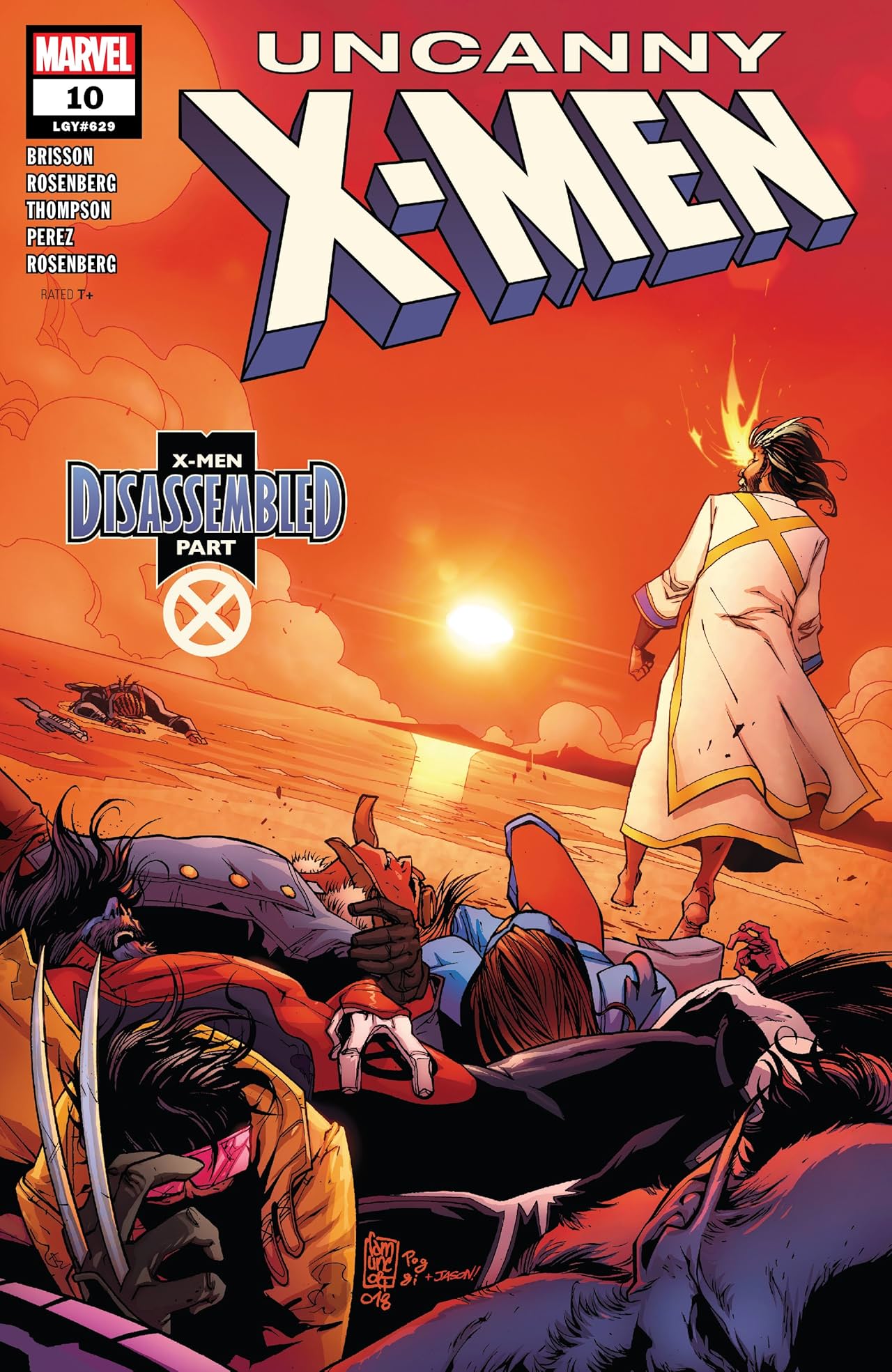
Jack Fisher’s Quick Pick Comic: Uncanny X-men #10

Every Wednesday, fans of comic books and superheroes are blessed with fresh batch of comics. It’s like Christmas every week and you don’t have to suck up to some jolly fat guy who lives at the North Pole. You just have to have a few extra bucks and a Comixology account.

This week, however, those extra bucks go a lot further than usual for X-men fans. That’s because “Uncanny X-men #10,” the final issue in a story arc that assembled almost every notable character associated with X-men has come out. Some weeks are harder than others when it comes to picking the most worthy comic from the bunch. This was not one of those weeks.

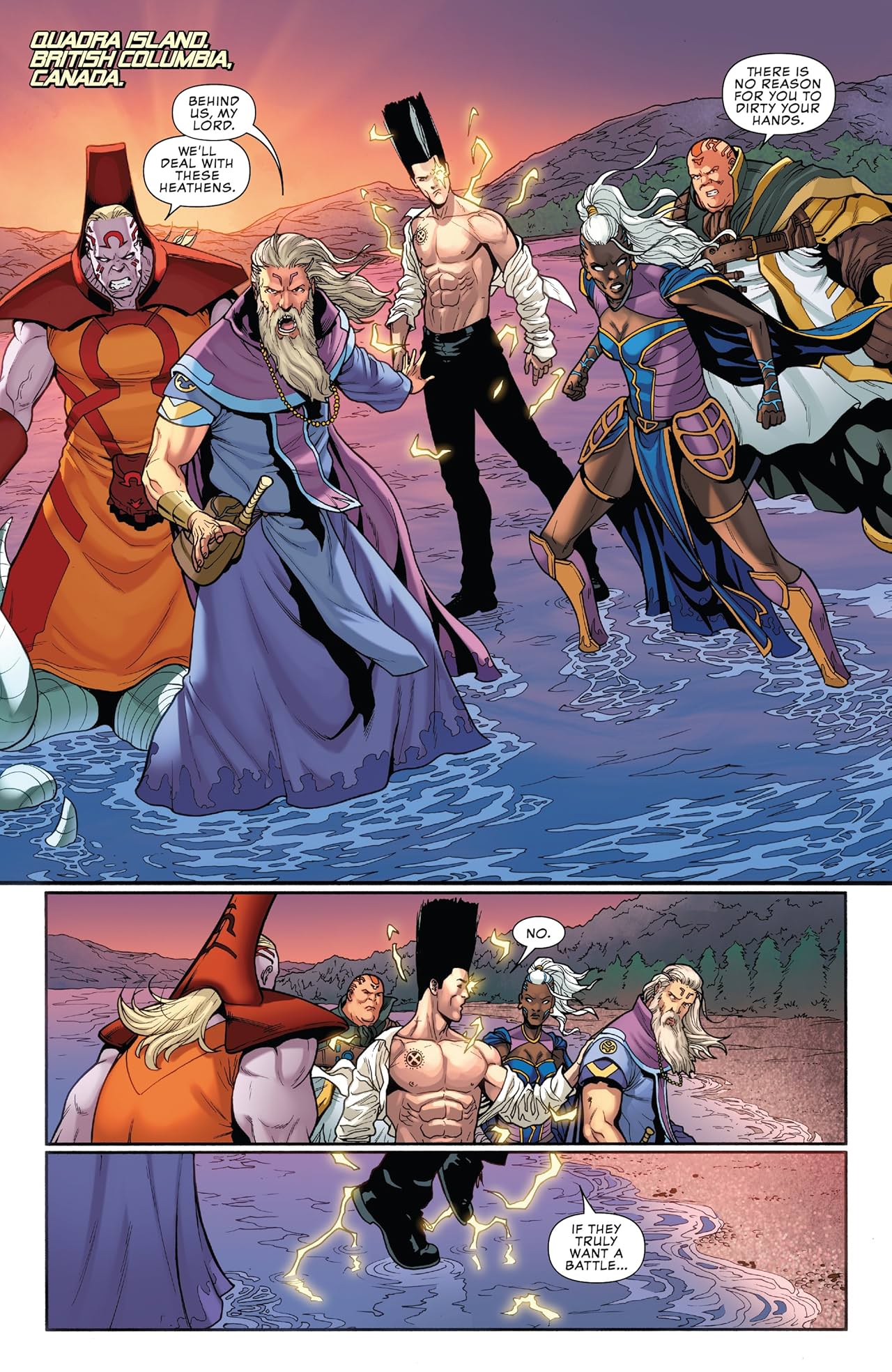
Make no mistake. “Uncanny X-men #10” is both a game-changer and a major upheaval for the X-men. It acts as a culmination of a battle that began with the return of Nate “X-man” Grey, but in a powerful new form. He’s not just another displaced character from a dystopian timeline, of which there are many in comics. His agenda is different and his personal connections to the X-men make him a daunting foe.

He’s not Apocalypse. He’s not Magneto. He’s not even some uneasy ally who was once an enemy and the X-men have had plenty of those. Nate Grey is out the save the world, but not by protesting injustice or signing an online petition. He literally wants to destroy it and remake it. Given the insane breadth of his power, that’s entirely possible.

For the past nine issues, he’s gone about his plan with the subtly of a hurricane. He’s abducted senators, mind-controlled powerful mutants, and waged war on anyone who might stand between him and a better world. The X-men, who have a strict policy against over-powered mutants destroying the world to remake it, oppose him at every turn.

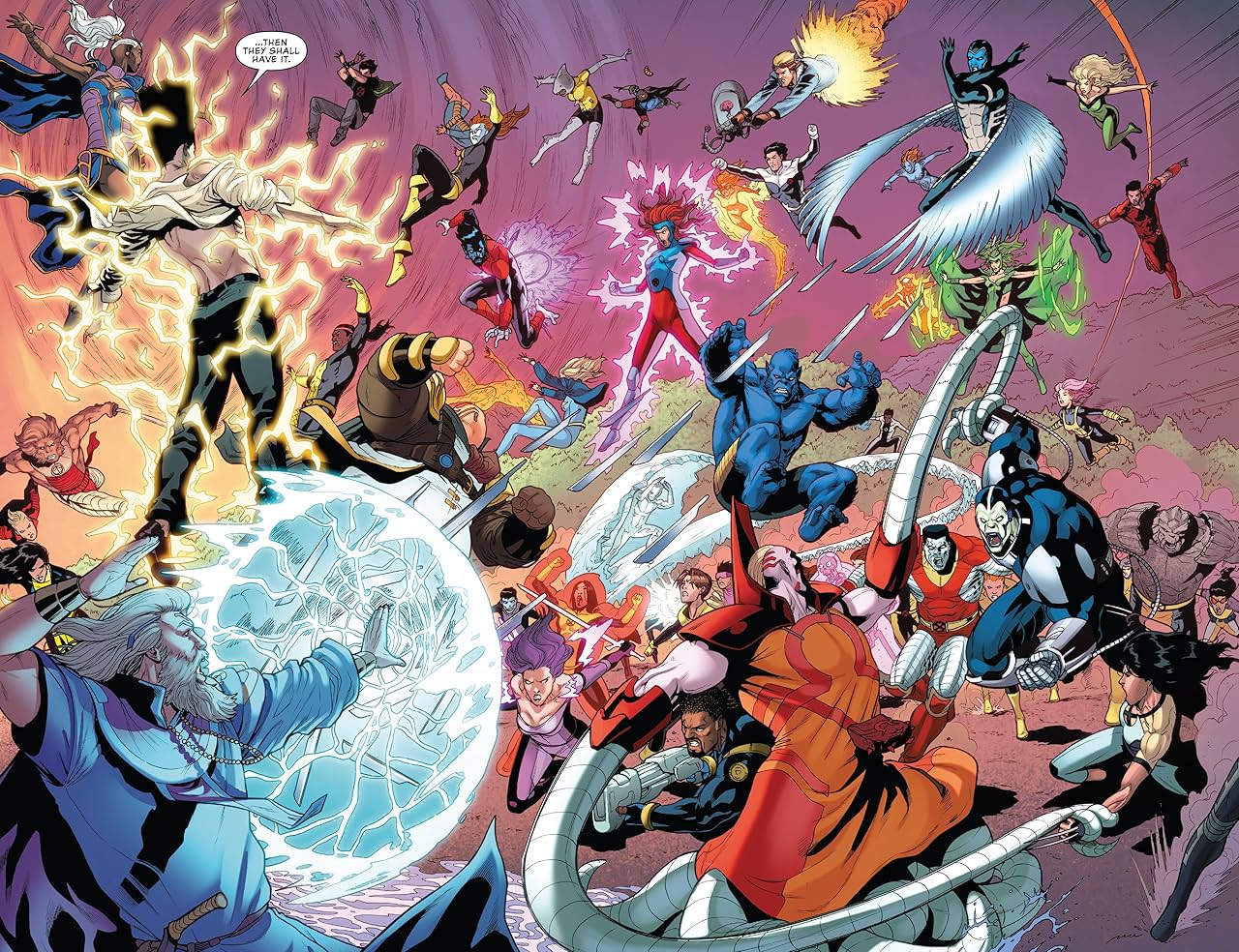
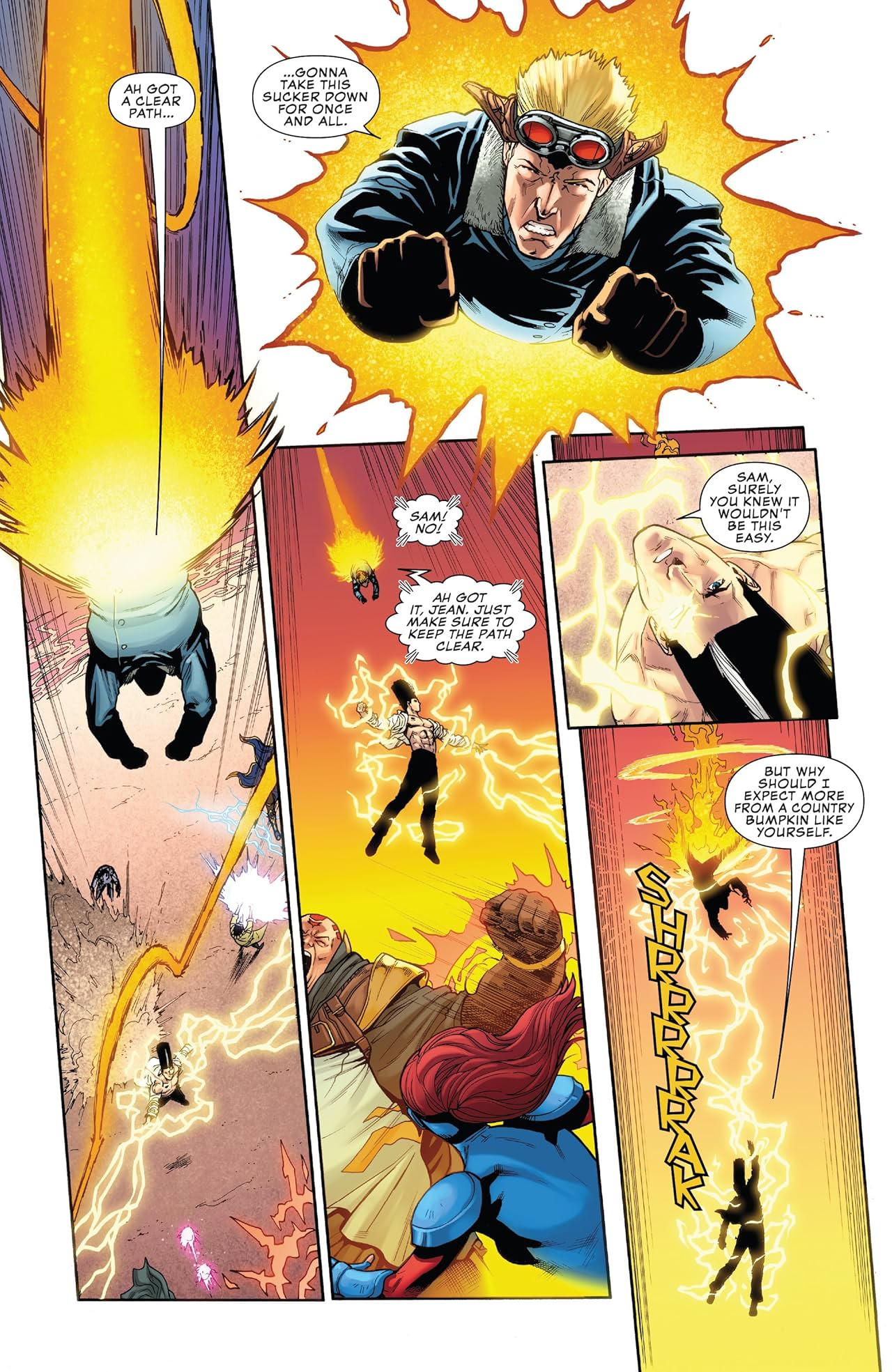
Uncanny X-men #10” is just the final showdown and it’s a battle for the ages. The writing talents of Matthew Rosenberg, Ed Brisson, and Kelly Thompson team up with the artistic talents of Pere Perez to craft a mutant-powered spectacle that never slows down. It’s the most powerful mutants in the Marvel universe against a threat who wasn’t just a close friend. To characters like Jean Grey, he’s family.

This is where “Uncanny X-men #10” shines in a special way. While a good chunk of the comic is dedicated to epic mutant battles, there’s never a point where the action is mindless and impersonal. In between all the fighting, there are major personal stakes for Nate and his alternate universe mother, Jean Grey.

Their interactions is what really gives dramatic weight to the spectacle. I won’t spoil the details of their exchange. I’ll just say that it’s beautifully done. It’s genuinely heart-wrenching to see Jean having to battle her own son. Even if he’s from an alternate universe, she sees him as family and that makes fighting him all the more difficult.

That kind of heavy drama is what brings out the best in the X-men. It’s what makes for the best moments in superhero comics, as a whole. However, what really makes “Uncanny X-men #10” worth getting is how it sets up the future of the series.

Again, I won’t spoil it. I’ll just say that the aftermath of the battle creates a very different world for mutants, humans, the X-men, and everyone in between. It’s a world where all the hopes and dreams of the X-men are effectively moot. What does that mean for them and those they protect? There are some telling hints, but there’s definitely an impact when all is said and done.

I’m sure there will be plenty of X-men fans who feel both excitement and dread after reading “Uncanny X-men #10.” If you’ve been following X-men comics in any capacity for the past several decades, then you know that’s not unusual. However, this feels like one of those issues that people will be referring to for years to come. Whether they love it or hate it, this comic marks a major turning point for the X-men.

Most X-men fans knew that 2019 was going to be a major year for the Children of the Atom. Between two movies, the pending Disney/Fox merger, and the return of multiple major characters, there’s a lot get hyped about. “Uncanny X-men #10” is just the latest catalyst that can only help the X-men’s prospects in 2019.

Leave a comment

Filed under Jack's Quick Pick Comic

The following is a review I wrote for PopMatters for X-Men Red #11.

Jean Grey Exercises the Power of Emotional Intelligence in ‘X-men Red #11’


Leave a comment

December 17, 2018 · 8:47 pm

The following is a review I wrote for PopMatters for “X-Men: The Exterminated #1.”

On Melodrama and Family Ties in Marvel’s ‘X-Men: The Exterminated #1’

Leave a comment

December 6, 2018 · 7:53 pm

The Distressing (But Relevant) Questions Raised In Uncanny X-men #1

711931-_sx1280_ql80_ttd_

The most relevant stories are often the ones that ask the most difficult questions. The nature of those questions vary among places, people, cultures, and whatever happens to be pissing off a significant chunk of the population. Regardless of the circumstances, those questions are important and sometimes they come from unexpected places.

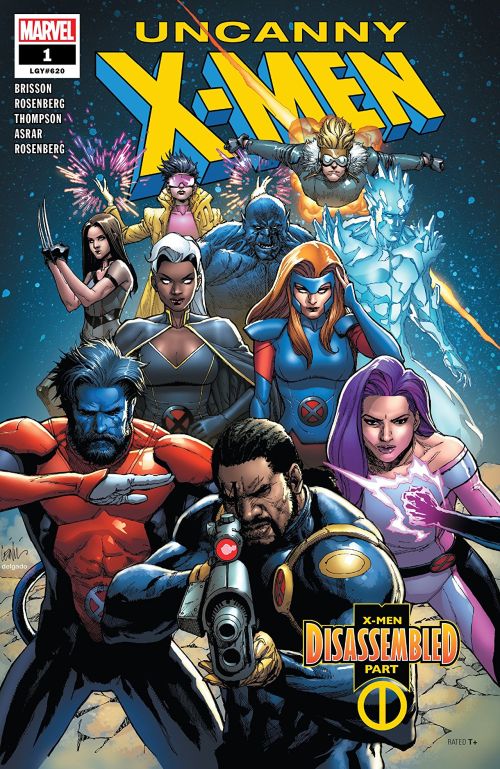
I wasn’t expecting such questions when I picked up “Uncanny X-men #1,” the latest relaunch in the most iconic X-men brand of all time. I was just glad to see Uncanny X-men return to prominence after an extended absence dating back to 2016. This first issue was over-sized and priced at $7.99, which is a lot for a single comic. I still feel like I got my money’s worth.

In addition to telling a great story that brought many prominent X-men characters to the forefront, “Uncanny X-men #1” did something unique in terms of how it established a conflict. For once, it didn’t involve killer robots, preventing a genocide, mutant terrorist, or alien space gods. Instead, it asked one profound question.

What if there was a way to preventing people from becoming mutants in the first place?

That may sound like a question that has come up in other X-men stories, but that’s only partially correct. This isn’t about curing mutants, a story that Joss Whedon brilliantly told during his run on Astonishing X-men and that “ X-men: The Last Stand” botched horribly. This is about inoculating children the same way we do for polio.

Specifically, a lab develops a vaccine that prevents the X-gene from expressing. Technically, they would still be mutants in that they would still have this gene. It just wouldn’t express itself. It would be akin to turning off the gene responsible for cystic fibrosis or sickle-cell anemia. It essentially treats mutation the same way we would treat any other genetic-based disease.

Naturally, the X-men and many other mutants don’t like this idea and not just because it’s akin to treating homosexuality as a mental illness. It reeks too much of genocide, something they’ve faced on more than one occasion. It would’ve been easy for “Uncanny X-men #1” to present it in that way, but that’s not how it plays out.

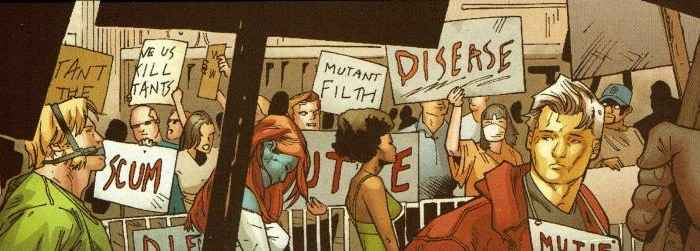
The all-star creative team of Ed Brisson, Kelly Thompson, Matthew Rosenberg, and Mahmud Asrar frame the issue in a very different way. Instead of some anti-mutant racist like Graydon Creed or William Stryker calling for mutant extermination, we get Senator Ashton Allen. He’s as generic a politician as can be in a superhero comic, but what he says and how he says is revealing.

Amidst a crowd of humans, mutants, and X-men, he talks about this mutant vaccine as a tool to alleviate suffering. He doesn’t rant about the dangers of evil mutants like Magneto or Apocalypse. He talks only about mutant children developing powers that could be dangerous to themselves or others. In that context, a vaccine might actually help them.

When you consider the mutant powers of characters like Rogue and Cyclops, who have mutant abilities that do real damage when uncontrolled, it seems entirely reasonable to make this vaccine available. Senator Allen never says anything about forcing it on kids or on mutants that already exist. He only ever emphasizes making it an option for concerned parents.

That’s distressing for the X-men because they don’t need to be omega-level psychics to imagine the implications. They can easily envision a concerned parent who doesn’t want their child to deal with the possibility that they may shoot lasers out of their eye one day. Any parent who cares for their child will want to mitigate the chances of them enduring such hardships.

In a world populated by mutant-hunting robots, parents already have plenty of incentive to use this vaccine. Given the damage that mutant-led conflicts often incur, the government has just as much incentive to make that vaccine available to everyone, free of charge and tax deductible. Governments less concerned with things like human rights could force it on children and that has some real-world parallels.

For mutants and the X-men, though, that means a permanent loss of their identity. Considering how mutants act as a metaphor for other oppressed minorities, this has implications for the real world, as well. I would even argue that the question will become increasingly relevant in the coming decades.

To appreciate just how relevant it could be, you need only look up the heartbreaking stories of parents who have disowned their children because they’re gay or transgender. In tragic some cases, people are driven to suicide. Even for those who aren’t parents, anything that might avert this kind of hardship is worth considering.

Given the complex causes of homosexuality, as well as the many factors behind transsexuality, it’s unlikely that there could ever be a vaccine to prevent it. The same can be said for conditions like Dwarfism. It’s not just genes, hormones, or radioactive spider bites that shape an individual’s persona. It’s a complex confluence of many things.

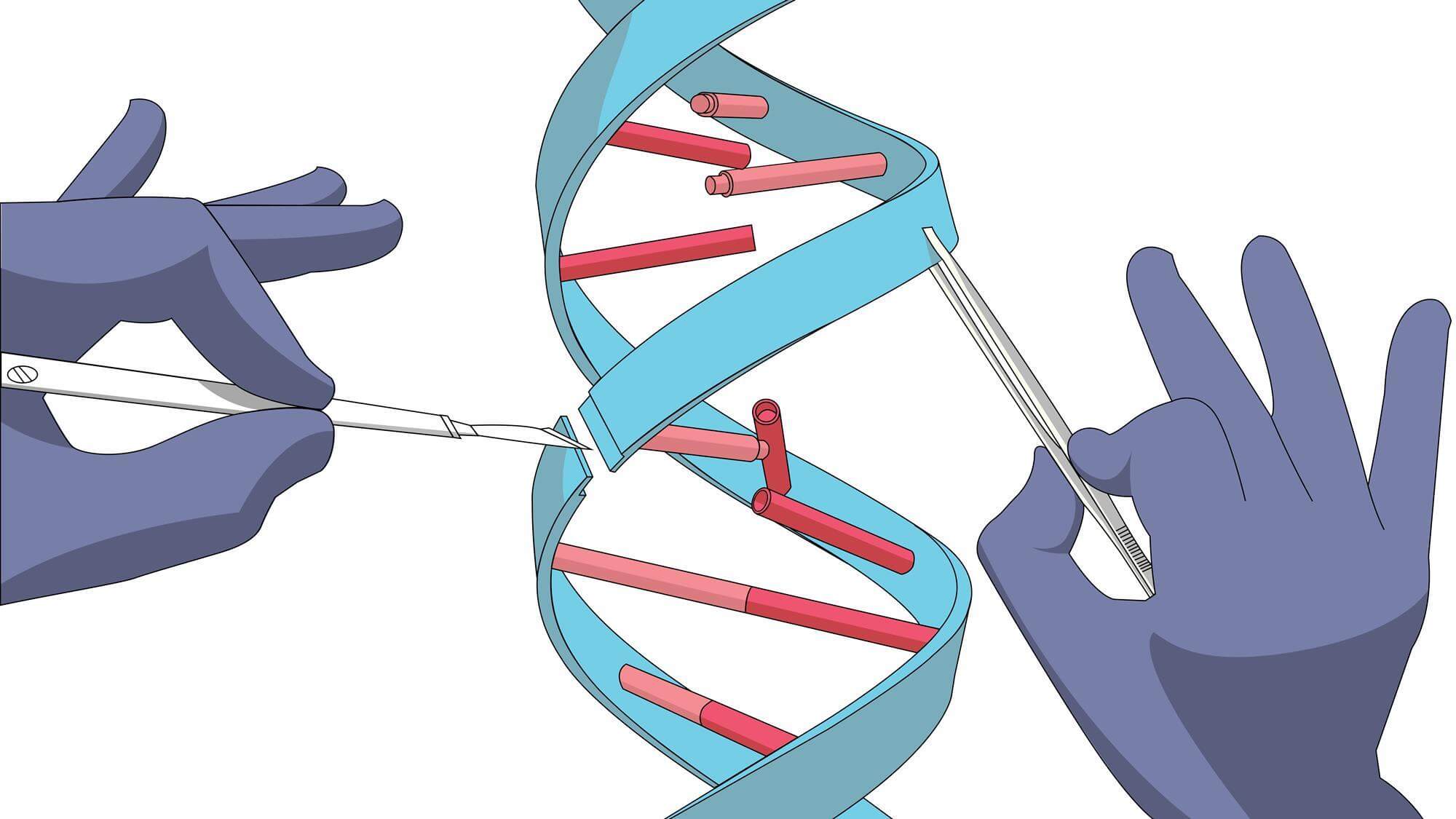
However, we are getting very close to a point where it’s possible to design children at the genetic level. Thanks to tools like CRISPR, it might even be possible one day to cut out entire traits from the human genome. That could, in theory, eradicate both cystic fibrosis and Dwarfism. More than a few people have expressed concern about that possibility.

Homosexuality and transsexuality are a bit different since there is no one gene or hormone that causes it, but most contemporary research suggests that genetics do play at least some role. Using similar technology, it might be possible for parents in the future to minimize or eliminate the chances of their children being homosexual or transsexual.

I imagine many in the LGBT community feel the same way about those efforts that the X-men felt about Senator Allen’s efforts in “Uncanny X-men #1.” Even if it only extends to giving parents this option for children and provides strict protections for those already born with these traits, it still treats who and what they are as a disease.

It’s dehumanizing and demeaning. More than one X-men in “Uncanny X-men #1” makes that abundantly clear. They don’t see being a mutant as a disease any more than homosexuality, transsexuality, or dwarfism. The fact that there’s now a way to prevent this makes for an existential crisis with some pretty heavy implications for the real and fictional world.

In the world of Marvel comics, a world without mutants has its own set of issues, the least of which would be the loss of a top-selling comic series. In the real world, though, the stakes are even higher. What would we, as a society, do if we suddenly had the tools to prevent homosexuality, transsexuality, and dwarfism in children before they’re even born?

I’ll even ask a more controversial question that’s sure to draw plenty of ire. What if those same tools could be used to modify the skin color, facial features, and overall appearance of our children? We already understand how genetics affects our appearance to some extent. What happens when we’re able to determine that for someone before they’re ever born?

These are objectively distressing questions. I’m glad “Uncanny X-men #1” dared to ask them. I doubt they’ll get debated or resolved completely in the proceeding issues, mostly because such resolutions are impossible in superhero comics. It still presents the X-men with a unique issue to confront and one that we will likely have to confront in the real world.

As is often the case with difficult questions, the answers are likely to anger some and distress many. Most people genuinely and sincerely want what’s best for their children. In the world of Marvel Comics, that could mean preventing them from gaining the kind of superpowers that makes them targets for Sentinels. In the real world, that could mean removing an entire class of people from the gene pool.

In issues like this, there are no heroes or villains. There are just difficult choices that we must make before someone else makes them for us.

Leave a comment

Filed under comic book reviews, futurism, gender issues, human nature, sexuality, superhero comics, Thought Experiment, X-men

The following is a review I wrote for PopMatters on Uncanny X-men #1. Enjoy!

An Uncanny Deconstruction of Superheroes in ‘Uncanny X-men #1’

Leave a comment

November 15, 2018 · 10:09 pm

The following is a review I wrote for PopMatters for X-men Black: Emma Frost #1. Enjoy!

Ascent of a True Queen: ‘X-men Black: Emma Frost #1’

Leave a comment

November 1, 2018 · 4:56 pm

The following is a review for “X-men Red #9” that I wrote for PopMatters. Enjoy!

Marvel’s ‘X-men Red #9’ Gets into Psychic Wargames and Battling Ideas

Leave a comment

October 26, 2018 · 11:46 pm

Gabby Kinney: A Case-Study In Cuteness

Gabby.jp

What makes a character cute?

That’s a not an empty question. It’s one that movie studios, TV networks, toy makers, and novelists attempt to answer every day. I’m not just talking about the ones affiliated with Disney, either. While the House of Mouse is legendary for crafting a winning formula for the creation of all things cute and lovable, it’s worth breaking down the components.

Understanding them isn’t just important for creating likable characters. It can be pretty damn lucrative too. Just look at the merchandise sales for “Frozen.” Cute, adorable characters sell. They sell a lot. Plenty has been written about the cuteness of characters created by Disney, Fox, and a multitude of Japanese anime. However, I’d like to single out one particularly adorable character.

As it just so happens, this character is from the world of superhero comics. Specifically, she’s from the X-men comics. If you’ve followed this website for any length of time, this shouldn’t surprise you in the slightest. I promise this isn’t just another love letter to the X-men like the many I’ve crafted before. This is an exploration of a character who forged a unique path to cuteness.

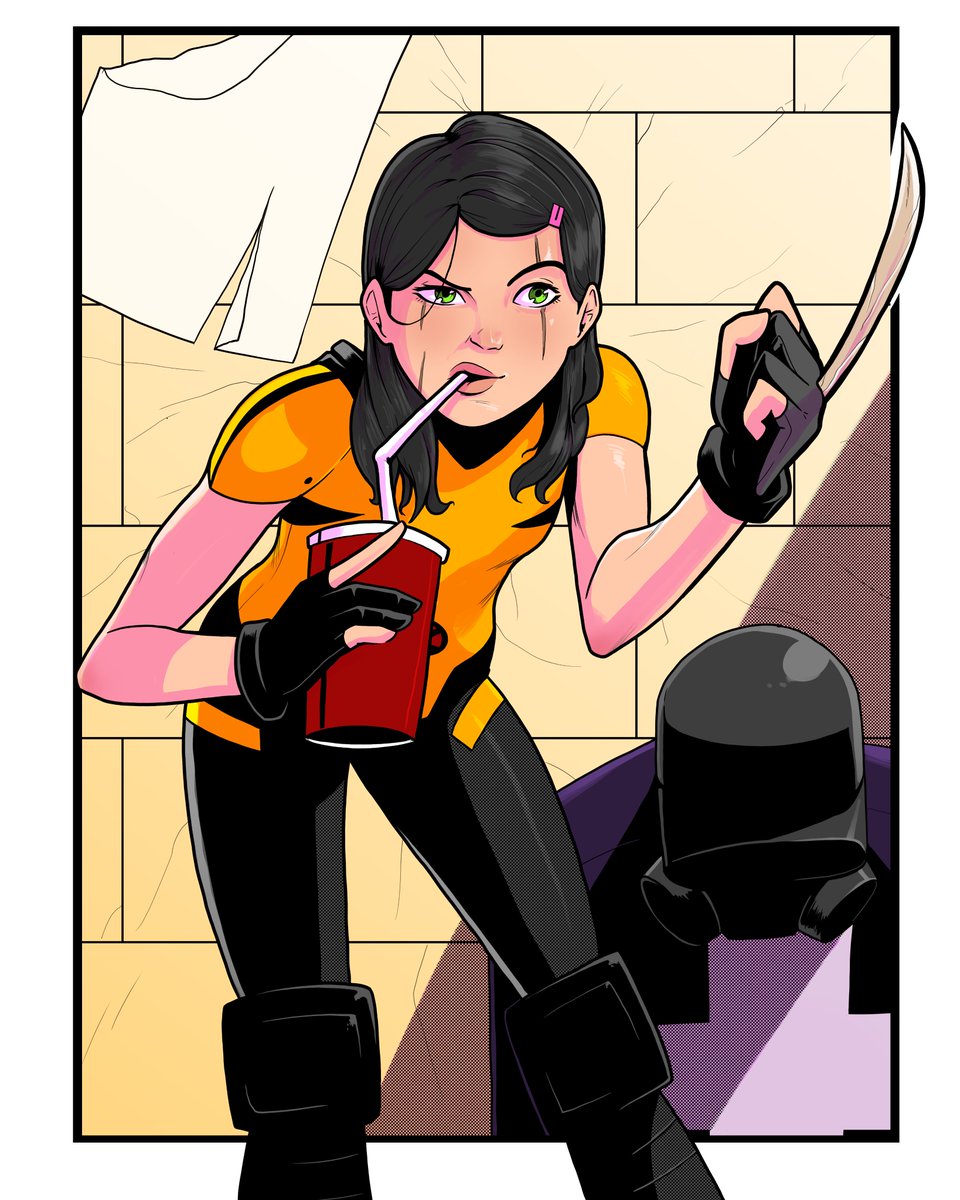
Her name is Gabrielle “Gabby” Kinney, also known as Honey Badger. You probably haven’t heard of her because, in the context of Marvel’s vast history, she’s very new. She has only been around for about three years. In that time, though, she’s done plenty to make her mark on the world.

Think of the cutest characters you’ve ever known. Whether it’s a talking animal, a princess, or a boy band, take a moment to contemplate all the traits that make them cute. From their looks, their personality, their story, and everything in between, think about qualities that make them so adorable.

Without hesitation, I can say Gabby has all those qualities, as well as a few you didn’t know could be so adorable in the first place.

That may sound like a bold claim, but it’s true. After reading every issue of All-New Wolverine, I genuinely believe that she has raised the bar for cuteness for any character, both within superhero comics and in the real world. To appreciate why her story is so remarkable, it’s necessary to know some key details about her backstory.

This should give you a few telling hints.

On paper, she doesn’t come off as the kind of character who can be overly cute. She’s a clone of Laura “X-23” Kinney, who herself is a partial clone of Wolverine. Given the number of clone-based character in comics, including a few who are notably infamous, she doesn’t have a lot going for her at first.

That changes quickly after she’s introduced. She’s actually one of three clones from Laura, but she ends up being the one who makes the greatest impression and not just because she doesn’t go evil, which tends to happen a lot with clones in comics.

From the beginning, Gabby sets herself apart as being the more upbeat, bubbly clone of the bunch. She’s not overly angry or vindictive. She isn’t even that bothered by the fact that she’s a clone. It helps that she’s just a kid, but it also helps that this has never been hidden from her. She knows what she is and doesn’t whine about it. That, alone, makes her more mature than the majority of adult heroes, even the non-clone ones.

She even has a sense of humor about it. She doesn’t take herself too seriously. She doesn’t get too uptight in tense situations, either. That even includes dangerous situations that involve dragons, zombie animals, and alien parasitic bugs. Gabby sees the world through a rose-colored lens, regardless of how ugly it is, and this is the key to what makes her so adorable.

Whether she’s helping Laura battle Sentinels or caring for a pet wolverine, Gabby always finds a reason to smile. She’ll always look for the lighter side of a complicated situation and help others see it. That sort of thing is becoming increasingly precious in today’s overly-cynical world, but it’s especially powerful in the world of superhero comics.

The very premise of any world involving superheroes requires that the world contain the kinds of chaos that can’t be contained with extra police and stiffer fines. In Gabby’s case, she inhabits a world full of evil organizations like Hydra, shape-shifting aliens like the Skrulls, and actual devil-like creatures that go out of their way to ruin marriages between iconic characters.

The fact that Gabby can lighten the mood under those circumstances helps amplify her lovability. Make no mistake. She is disturbingly lovable. I say that as someone who was extremely sick of clone character at the time All-New Wolverine debuted in June 2015. However, the writer of All-New Wolverine, Tom Taylor, went the extra mile with Gabby.

It’s not just in the light-hearted jokes that she makes. It’s not just the fact that she’s a cute kid full of youthful innocence, despite having been cloned in a lab by assholes who wanted to make her a living weapon. Any character can just say goofy things and ignore the horrible crap going on around them. Where Gabby really shines is how she affects those around her.

From the moment she meets Laura to her first hilarious team-up with Deadpool, Gabby has a positive influence on pretty much everyone she meets. She doesn’t get scared or overwhelmed by any given situation, even those involving parasitic aliens. She never lets these situations destroy her child-like innocence.

That, in and of itself, sets her apart in a major way. In so many other stories involving cute characters, their innocence is treated like fine china. It’s easy to crack, easy to taint, and irreparable when damaged. More often than not, a big part of a plot surrounding cute characters is how they become corrupted.

Tom Taylor basically turns that narrative upside down. Rather than build the story around how Gabby loses her innocence, he essentially surrounds her innocence in an adamantium shell that’s every bit as unbreakable as Wolverine’s claws.

This is critical to what makes Gabby uniquely cute, but it’s also important to the presence she brings to the X-men comics and the larger Marvel universe. Instead of having everyone try to protect her innocence, she basically has to shove her cuteness in their face and remind them that she doesn’t need protecting. In fact, they need her more than she needs them.

She gives them a reason to laugh and smile after Hydra has taken over the United States. She gives them a reason to feel good after the Red Skull comes back to life yet again to bring old-fashioned fascism to the world. She goes out of her way to be a positive presence on everyone she encounters. However, it’s her impact on Laura where her cuteness becomes genuinely endearing.

To appreciate why that matters, it’s worth recalling just how dark and brutal Laura’s story has been thus far. That story has closely followed that of her predecessor, Logan. She was born in a lab, subject to dehumanizing treatment, and turned into a living weapon. Unlike Gabby, she didn’t escape it until she’d committed soul-scarring atrocities, one of which included the death of her mother.

Since her introduction in the memorable, yet underrated “X-men Evolution” cartoon of the early 2000s, Laura has personified a worst-case-scenario for a cloned character. Her life, her story, and her personality are driven by loss, anger, and sorrow. Then, Gabby comes along and suddenly, there’s a light in her life.

Gabby is like a breath of fresh air to someone who has only been breathing smog for all their life. She’s like a hot shower after spending 4 hours shoveling snow in a blizzard. She provides an overdue balance to long-suffering characters like Laura that it’s more than just refreshing. It’s cathartic.

Gabby helps give Laura and her story something that benefits them both. She creates an outlet from the endless string of tragedies that plague the Marvel universe and the real world. She dares Laura and those following her story to not let all that ugliness destroy all that is good and pure. A cloud of darkness doesn’t have to cover the entire sky. There’s always room for a ray of light.

Gabby is that ray of light. Cute, adorable characters tend to shine brighter than most. That’s what gives them such a powerful presence. Whether it’s in a Disney movie or a superhero comic, they illuminate the darkness and make the characters around them do more than just lament. The fact that Gabby does all of this and cares for a pet Wolverine makes her a special kind of cute.

3 Comments

Filed under Deadpool, human nature, media issues, superhero comics, superhero movies, video games, X-men