Tag Archives: comic books

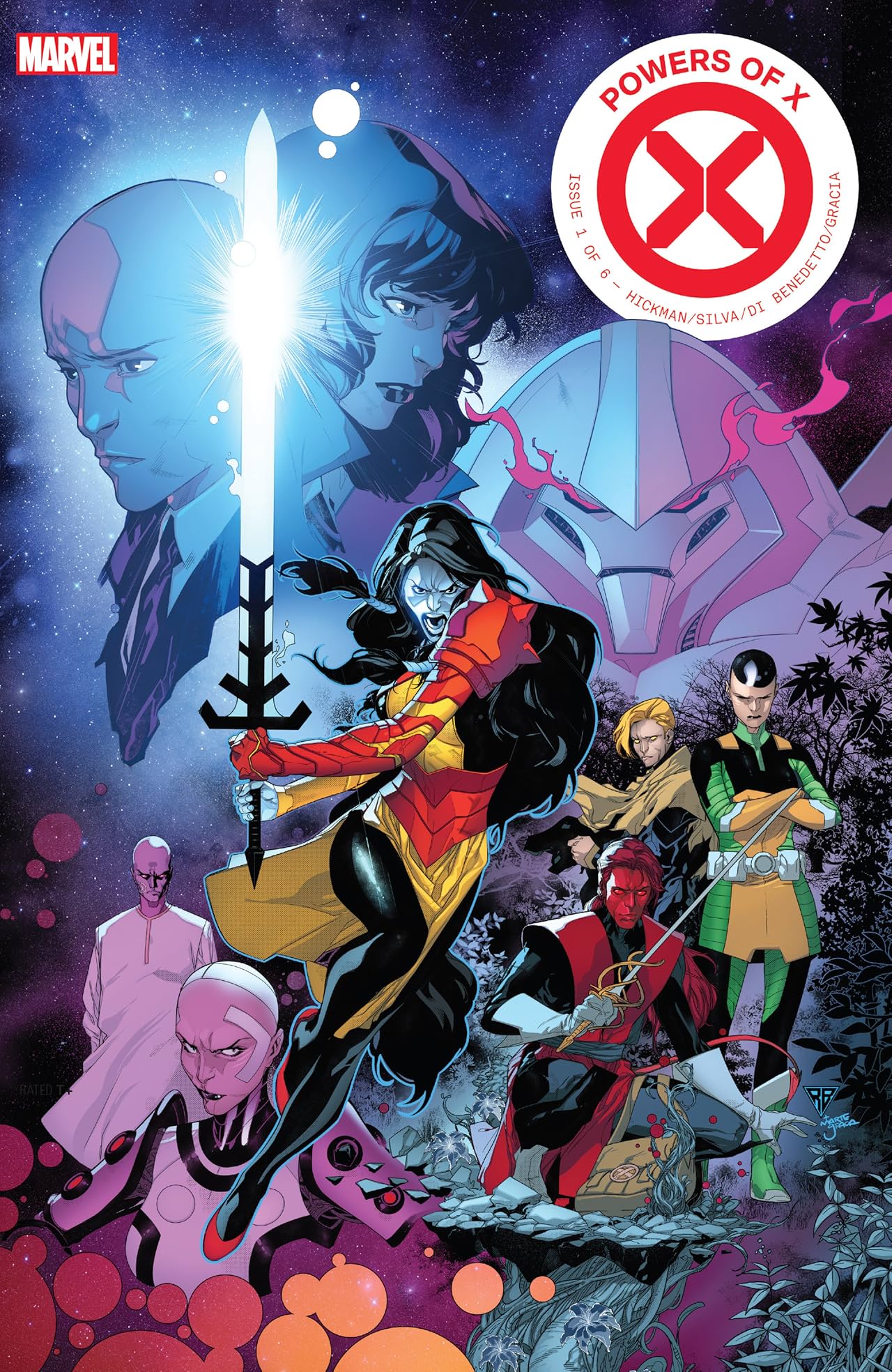
Jack Fisher’s Weekly Quick Pick Comic: Powers of X #1

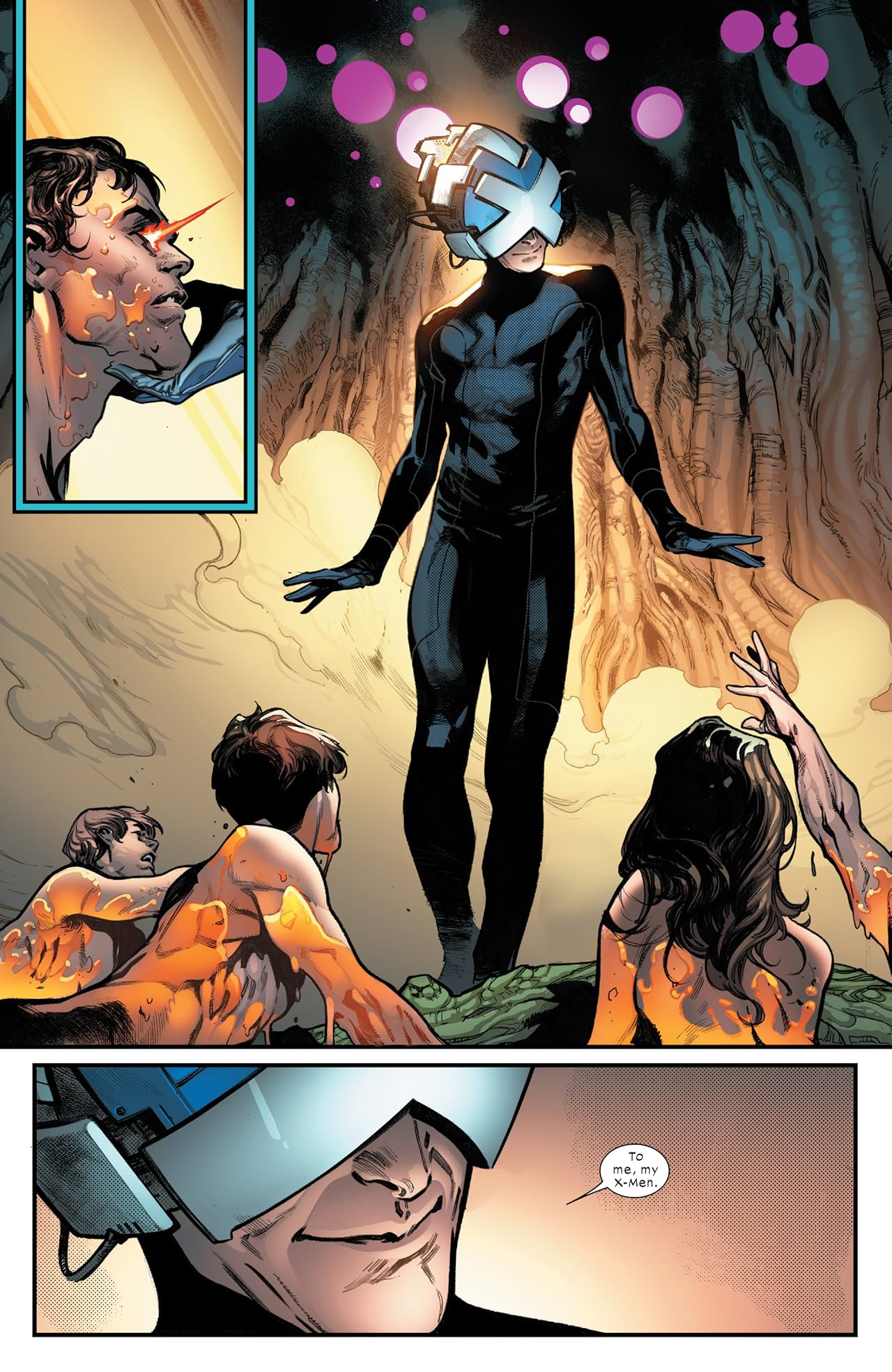
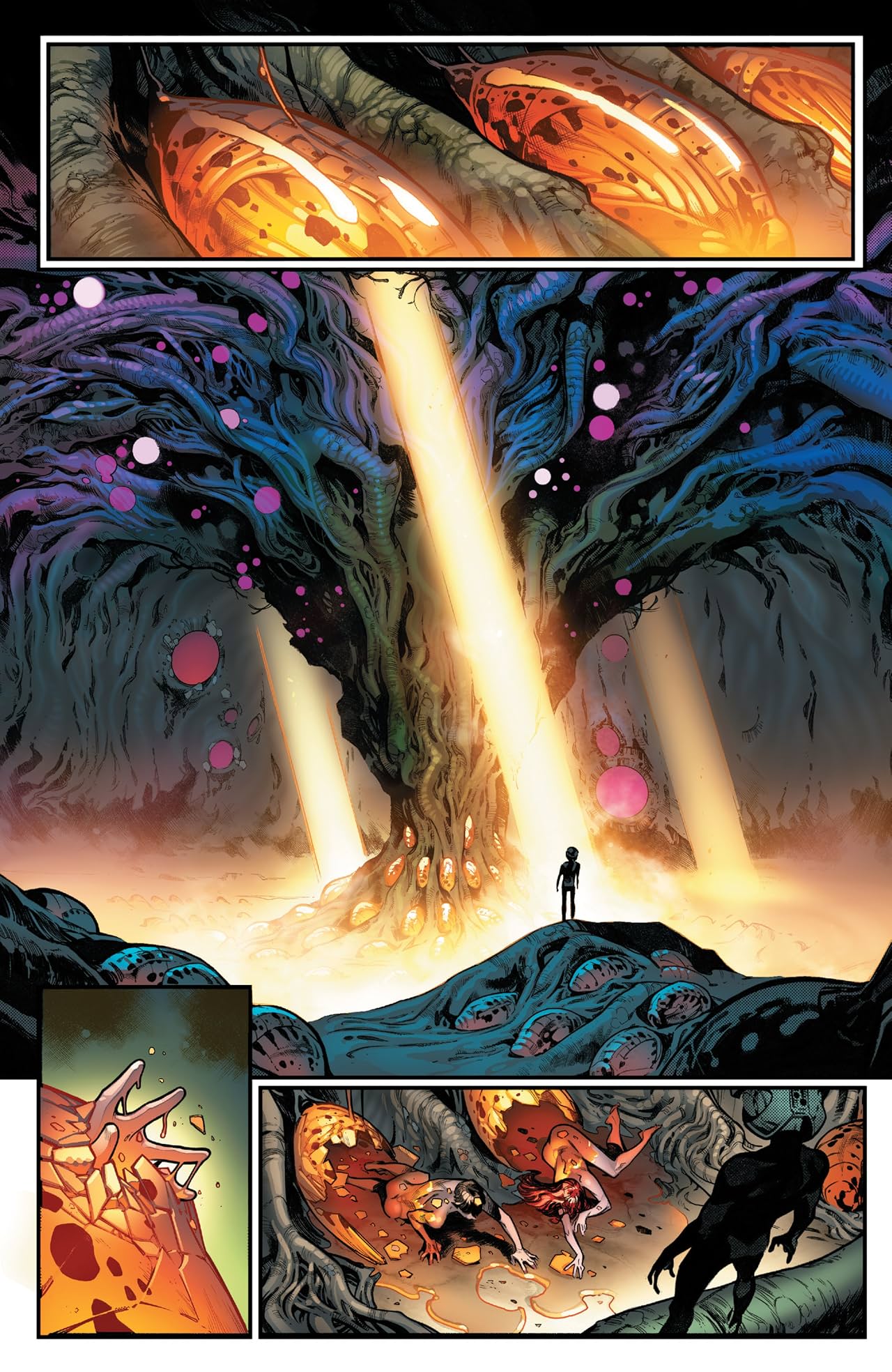
Lifelong comic book fans like myself wake up every Wednesday morning with a mix of excitement, anticipation, and dread. It’s a weekly event in which the worlds we love grow just a little bit bigger. However, not all New Comic Book Days are treated the same. Some are more memorable than others and I have a feeling that “Powers of X #1” will make this particular Wednesday feel special for X-Men fans.

The X-Men comics are in a major state of transition and upheaval. In the past, that has usually meant they’re facing yet another extinction event. Whether it’s Sentinels killing 16 million mutants or the Scarlet Witch going crazy, big change usually means the X-Men have to stave off another genocide.

Writer Jonathan Hickman is not taking that approach. As someone who has been reading X-Men comics for a good chunk of his life, I find it both overdue and refreshing. In “House of X #1,” he set out to build a bold new world for mutants. In “Powers of X #1,” he puts this world into a much greater context that will likely have X-Men fans talking for years to come.

This new vision for the X-Men isn’t just causing major upheavals in the present. It’s having an impact on the past and future, as well. Historically, this usually means that there’s yet another terrible dystopian future about to unfold and the X-Men already have way too many of those.

With Hickman, however, it’s not nearly as clear-cut and that’s exactly what makes “Powers of X #1” so engaging.
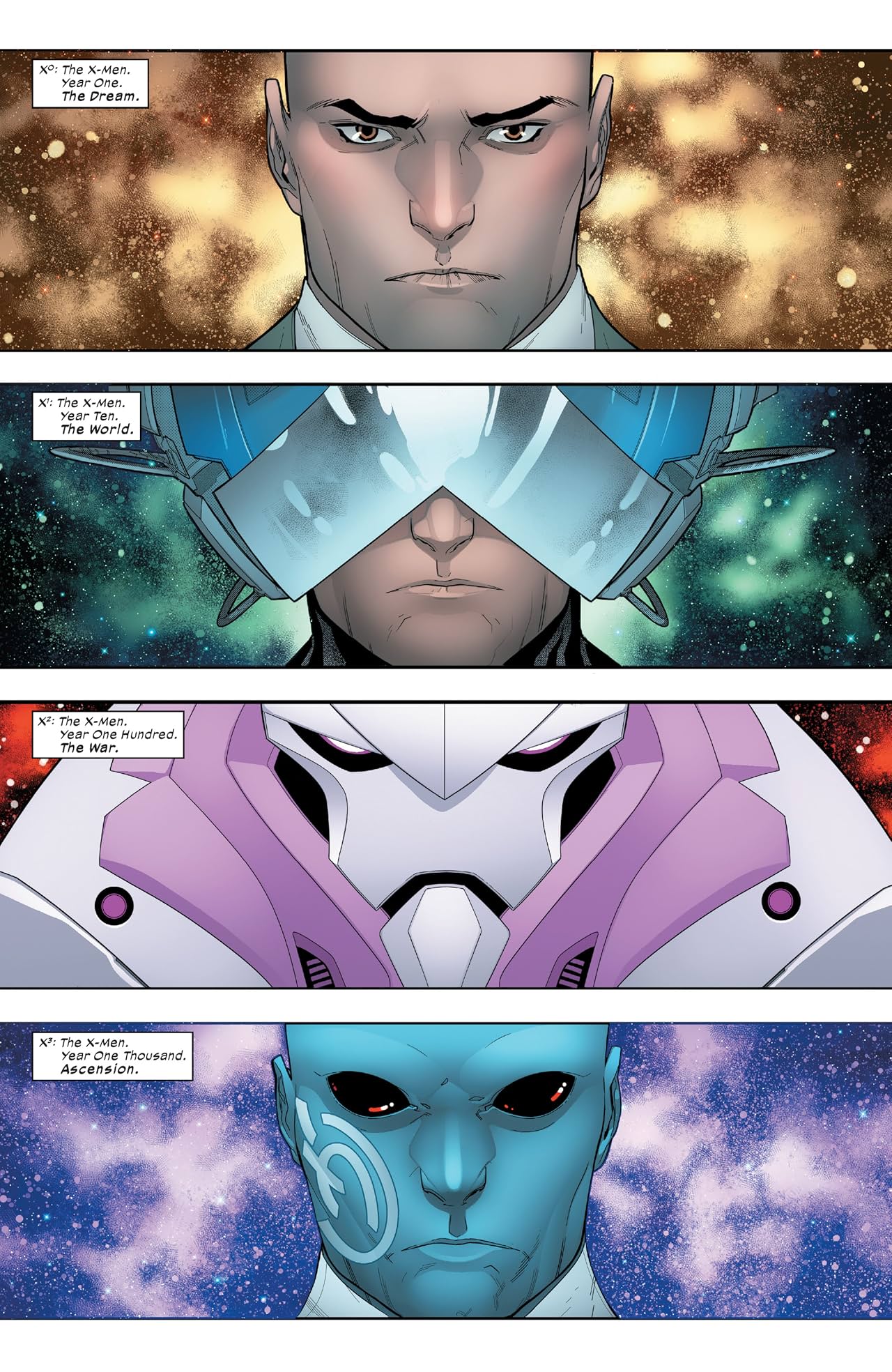
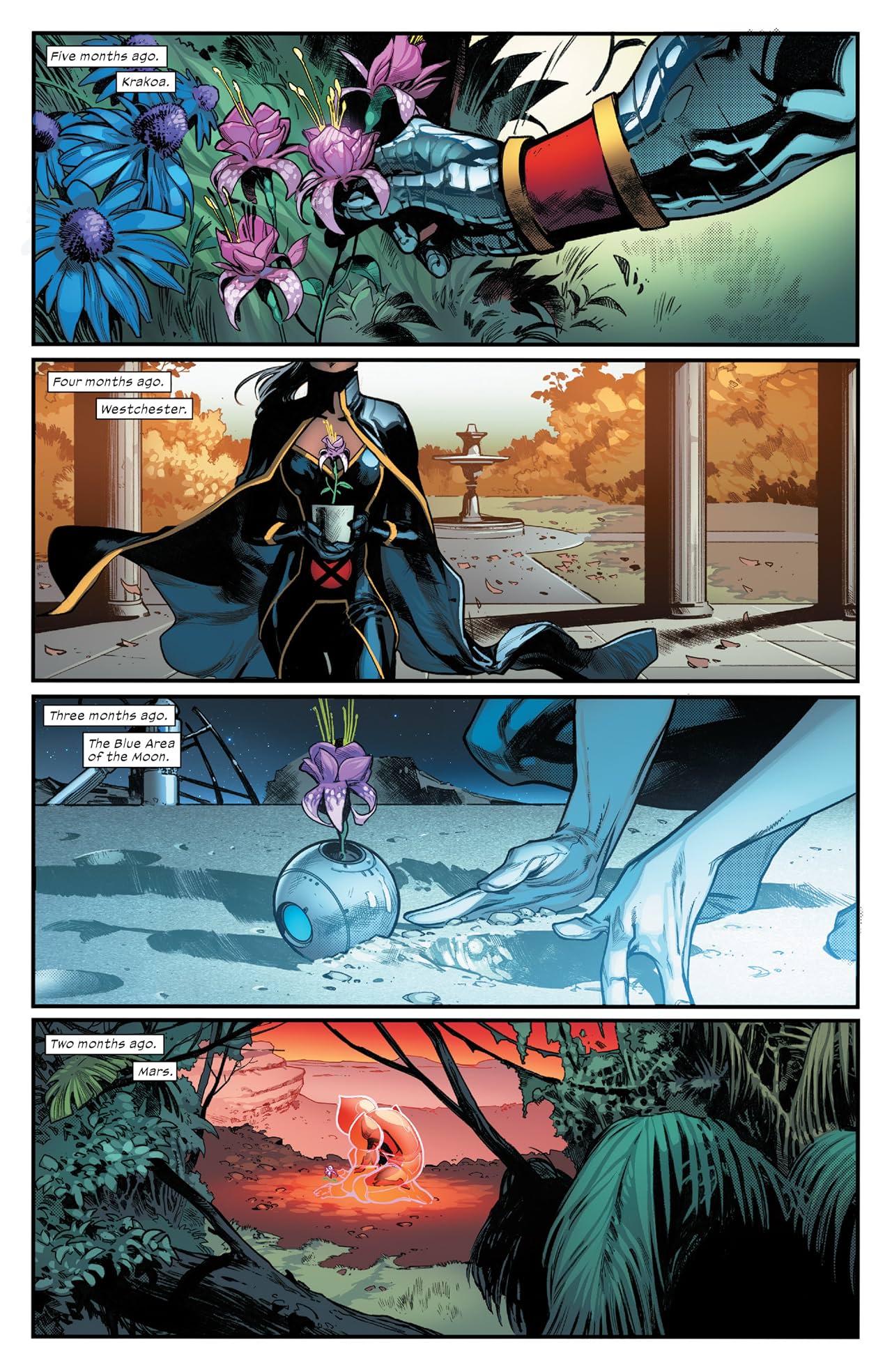
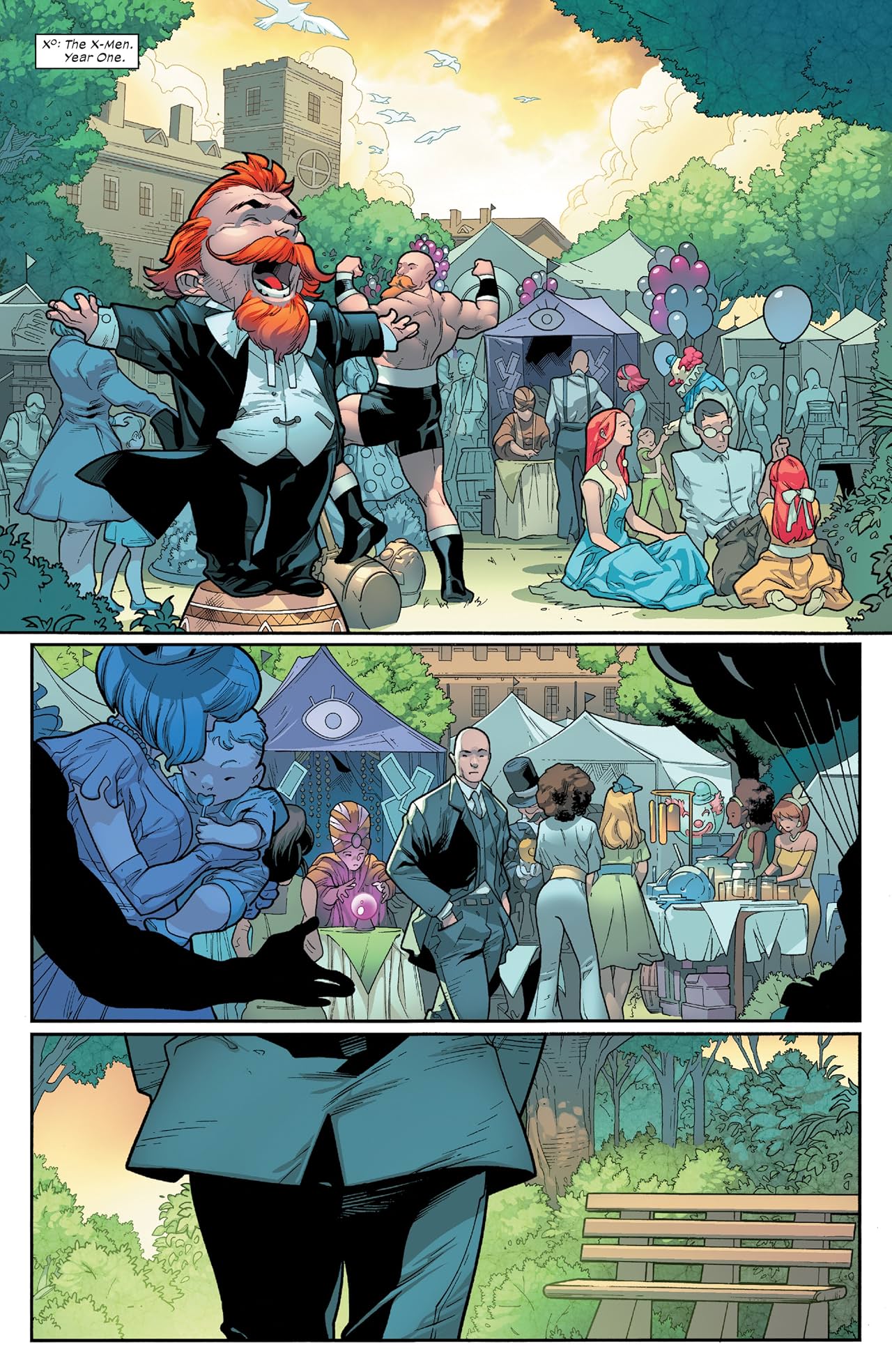
This isn’t just another case of some fateful decision in the past having dire consequences in the future. There’s no moment with Skynet or time traveling assassins. With “Powers of X #1,” the story unfolds across four distinct time periods. One takes place in the X-Men’s past. The other continues part of the story in the present that begins in “House of X #1.” The last two take place at multiple points in the future.

While much of the story unfolds in the future, there’s a never a sense that they’re too disconnected from the past or present. There are a host of new characters with familiar powers and appearances. Artist R. B. Silva is not subtle in who inspired the designs of these characters and that’s critical because a lot transpires in a short span of time.

We don’t get to know these characters very well, given their limited face time, but they do plenty to establish distinct personalities and motivations. We get a sense for what they’re after and what’s at stake. It’s not entirely dystopian in tone, but it is dire and not just for mutants.

Once again, Hickman goes heave on the world-building. In between Silva’s colorful depictions are little insights into how this future took shape. It’s not a simple as one fateful choice or one fateful death. It’s more a culmination of conflicts.
Mutants are on the brink, but it’s not because of a plague or a genocidal war. In this future, humans aren’t the enemy, but what they’ve become certainly is. They’re not just a bunch of fearful, mutant-hating zealots trying to product themselves with killer robots. They’ve actually become something more menacing.

The details aren’t all in place, but the hints are there. While mutants built on the foundation that Charles Xavier established, humanity went down a different path and it’s not one conducive to peace, love, puppies, and whiskey. Familiar faces like the Nimrod Sentinel make that abundantly clear, but it’s the new faces that add the most intrigue.

Nimrod and the other humans around it aren’t just human anymore. They’ve become part machine, as well. However, these aren’t Terminator knock-offs. They still have personalities. They even talk and converse like humans. They’re a whole new order of humans that Hickman identifies as the Man-Machine Supremacy. Given the events of “House of X #1,” it fits perfectly.

It also makes a twisted bit of sense in a not-so-dystopian way. In a world where mutants are suddenly organized, complete with a homeland and collective vision, humanity seems doomed to obsolesce. They’re only choice is to evolve in a new way so they have a chance at competing.
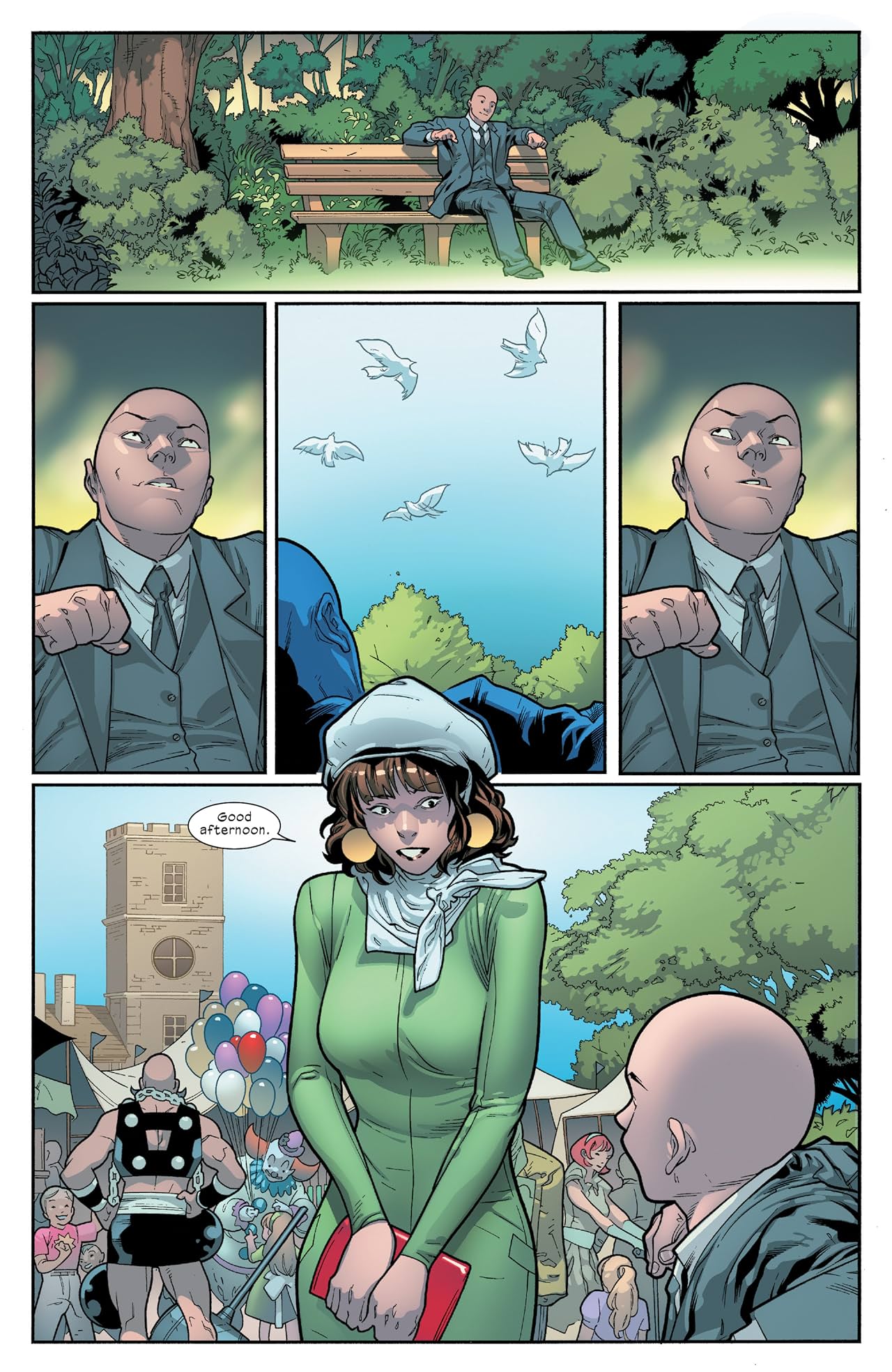
The story covers many concepts and raises many questions, but “Powers of X #1” works because there are just enough hints at the answers. It perfectly complements what “House of X #1” established with respect to setting, tone, and vision. Hickman creates a perspective that neither humans nor mutants want to go extinct. They both seek a bold vision for their future, but there’s only room for one in the future.

Every vision begins with a dream. Bold visions inspire bolder actions. This is the heart of what makes the X-Men who they are. It’s also the driving force behind the many conflicts they face. A book like “Powers of X #1” doesn’t attempt to subvert that conflict. It simply dares to evolve it in a new direction.

What this means for the X-Men comics moving forward remains to be seen, but it’s very likely that “Powers of X #1” will be one of those comics that gets cited for years to come as a major turning point. It affirms that while all New Comic Book Days are special in their own right, some will always be more special than others.
2 Comments

Filed under Jack's Quick Pick Comic

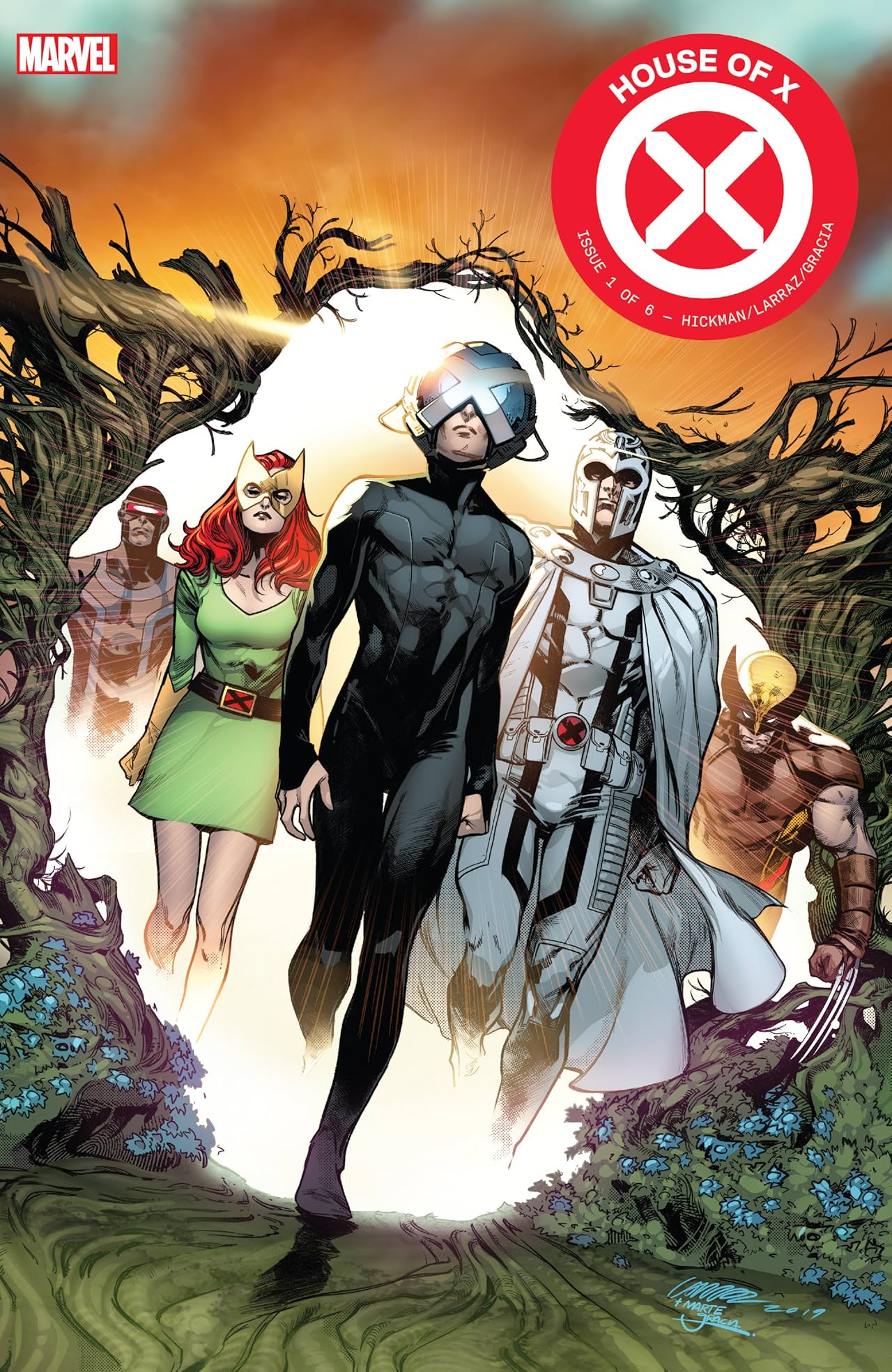
Jack Fisher’s Weekly Quick Pick Comic: House of X #1

Ever comic book fan has been conditioned to revere Wednesdays as New Comic Book Day. It’s basically Christmas every week. However, much like Christmas, not all Wednesdays are equal in terms of the presents they bring. Every now and then, a Wednesday comes along that a certain segment of comic fans come to revere for years to come.

For X-Men fans, this will likely go down as one of those Wednesdays because “House of X #1” is just that astonishing. Every now and then, a book comes along that is presented as a major paradigm shift for the characters, the themes, and the over-arching narrative of a series. In superhero comics, books like that are hyped up at least once a month. Very few deliver on that hype. “House of X #1” is one of those select few.

To say that the X-Men comics needed a book like this is like saying an insomniac needs a good night’s sleep. For years now, going back to the days of “House of M,” both the X-Men and the entire mutant population of the Marvel Universe has been in a constant state of extinction-level crisis. Even when they’re not about to go extinct, they’re caught up in something that has them just one slip-up away from another dytopian future.

In “House of X #1,” writer Jonathan Hickman dares to rebuild the X-Men’s world without first sending them to the brink of extinction. For anyone who has followed X-Men comics for more than two years, this is like a breath of fresh air, a massage, and a chocolate milkshake all rolled into one. It shouldn’t be that radical a concept, but between Hickman’s vision and Pepe Larraz’s beautiful artwork, it sure feels like it.

This bold new world for the X-Men isn’t built around mansions with high-tech jets hidden below the tennis court. You won’t find orbiting asteroids, isolated nations, or island sanctuaries in the middle of San Francisco Bay. This world is more than a nation or sanctuary. It’s a bold new form for Charles Xavier’s dream.

It comes courtesy of Krakoa, a name right out of one of the most iconic X-Men comics of all time. This living island has evolved and Charles Xavier is maximizing its potential with intriguing results. He comes off as more than just a visionary or messianic figure in “House of X #1.” He has a bold new plan for the entire mutant race and it’s big.

By that, I don’t just mean it’s big in terms of goals and scope. This plan is something that changes the way the X-Men operate. It’s not just flying around in X-Jets anymore. It’s not just peaceful protests and confronting bigotry. Charles Xavier is rallying mutants to his cause in a bold new way. He’s also dealing with humans in a new way, as well.

It’s here where “House of X #1” explores some very interesting concepts that take the X-Men into uncharted territory. For much of their history, the X-Men have been either reacting to attacks by their enemies or trying to counter intense hatred and mistrust of mutants. It hasn’t just hindered Xavier’s efforts at peace and understanding. It has kept them isolated and always on the brink.

Rather than simply brace for the worst, Charles Xavier decides to offer something tantalizing to both humans and mutants alike. I won’t spoil too many details. I’ll just say that he puts the X-Men in a unique position, in terms of how the world sees them. It may not win them the love and adulation that the Avengers get, but it does provide some bold incentives.

That’s something that few X-Men comics have ever attempted on this scale. It’s not enough to confront hatred and mistrust. Hickman puts the X-Men in a position to be more diplomatic with the world. They have something to offer the world. Accepting that offer benefits humans and mutants in a tangible, positive way.

Again, that should not be such a radical concept, but Hickman and Larraz present it in a way that feels both novel and vast. It’s not entirely utopian in its potential, but it has the potential to bring positive change to a world and a narrative that needs it.

As a lifelong X-Men fan, “House of X #1” fills me with both curiosity and awe. There’s a lot to love about this bold new world that Hickman and Larraz are building. For once, it’s not just another threat that puts the mutant race on the brink of extinction. There’s a larger effort to do something bigger.

That’s not to say the threats aren’t there. Just as Charles Xavier pursues his bold new vision in “House of X #1,” other visions forged by other characters emerge to present obstacles. Some parts of that vision are new, but there is some familiar imagery that X-Men fans will recognize. It ensures that there will still be plenty of mutant-powered fights in this new world.

At the same time, “House of X #1” creates a clear impression that fighting killer robots will only be a small part of this new vision for the X-Men. There’s so much more going on, both with the characters and with the larger Marvel Universe. After all the upheavals they’ve had over the past 15 years, it finally feels like they have room to grow again.

It’s an exciting time to be an X-Men fan. On top of Kevin Feige confirming that mutants are finally coming to the Marvel Cinematic Universe, Hickman and Larraz are taking X-Men in a bold, if not overdue direction in the comics. This sentiment is even captured perfectly in Charles Xavier’s first lines of the book.

“Humans of the planet Earth. While you slept, the world changed.”

Truer words were never spoken. In a world that gets invaded by aliens, Hydra, and renegade gods every other day, that’s saying something.

2 Comments

Filed under Jack's Quick Pick Comic

Why Natalie Portman Becoming Thor Is The Biggest Story From San Diego Comic Con 2019

natalie-portman

If you’re a fan of comic books, superhero movies, and the Marvel Cinematic Universe, this past weekend was like Christmas, Halloween, the 4th of July, and the Super Bowl all rolled into one. The San Diego Comic Con is essentially the epicenter of geek culture. In recent years, it has only gotten bigger, becoming a staging area for major pop culture events. This latest convention was no exception.

While there was plenty of news to follow at this year’s Comic Con, especially for X-Men fans like me, the biggest event was always going to be Marvel Studios. It has already been a historic year for superhero movies, especially on the Marvel side of the genre. Shortly before the convention began, “Avengers Endgame” officially passed “Avatar” to become the highest grossing movie of all time.

It’s a good time to be Kevin Feige.

It’s a good time to be Bob Iger.

It’s a good time to be a Marvel fan, in general.

With the end of “Avengers Endgame,” however, the story that began in 2008 “Iron Man” has concluded. The Avengers assembled in a truly spectacular battle for the ages. Thanos is defeated. The Marvel Cinematic Universe is once again secure, but after making the highest grossing movie of all time, how can Marvel Studios keep raising the bar like this?

In Hall H of the San Diego Convention Center, the next phase of the MCU was finally revealed. Some of the announcements were expected. News of a “Black Widow” movie, as well as an “Eternals” movie, had already been reported months ago. News of a “Blade” movie within the MCU was more surprising, but that wasn’t the biggest story by a long shot.

By far, the biggest Marvel Studios news to come out of San Diego Comic Con 2019 was Natalie Portman returning as Jane Foster to play a female Thor. I’m not going to lie. When I saw this news, I had to blink a few times and slap myself to make sure I wasn’t dreaming. Once certain this was real, it finally sunk in.

Natalie Portman is returning the MCU as Jane Foster to play a female Thor.

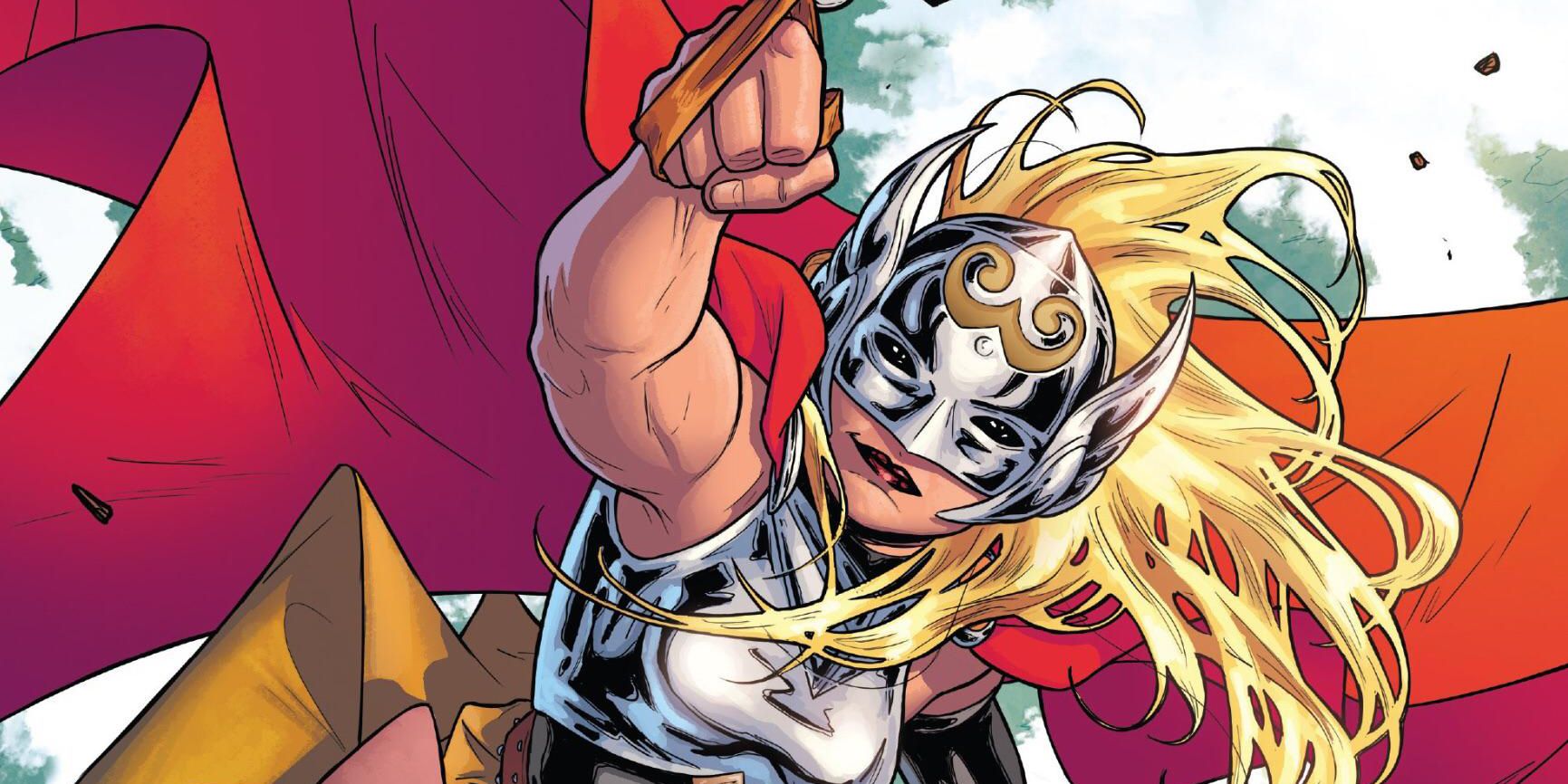
To appreciate why this is a huge deal to longtime comic readers like me, I need to provide a little context. Jane Foster being Thor is a concept that only recently gained prominence, thanks to one of Marvel’s top-tier writers, Jason Aaron.

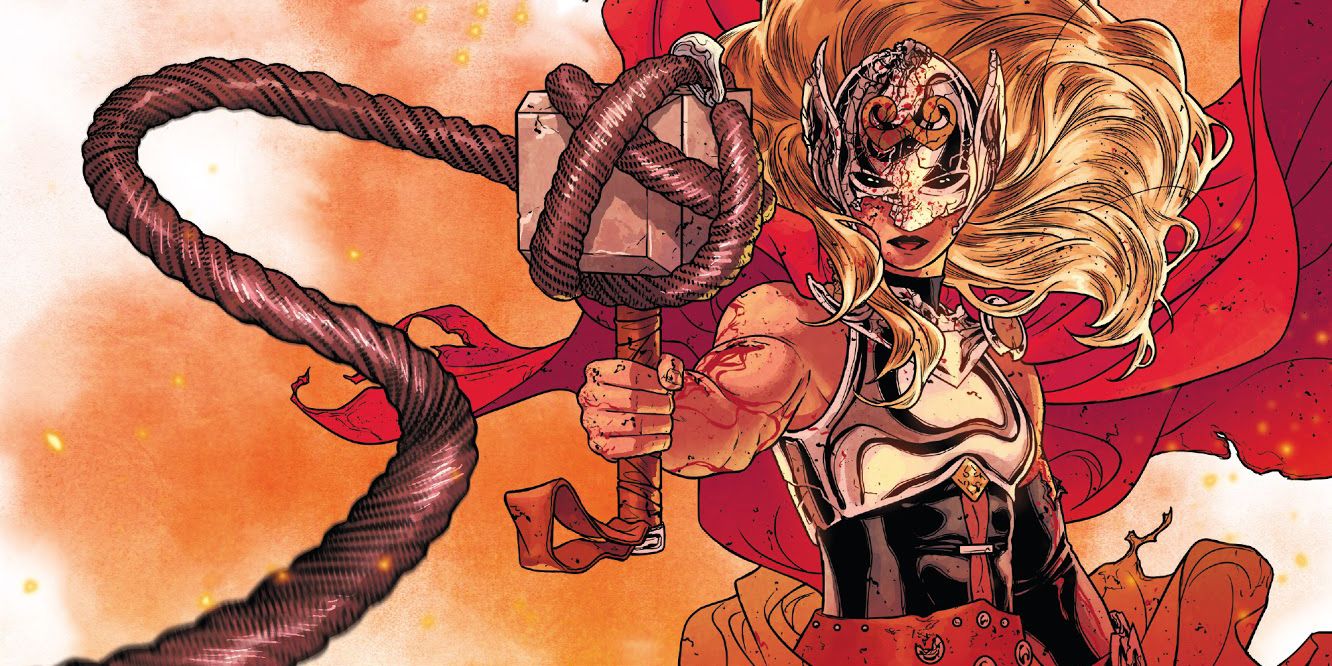
Back in 2014, the Thor comics underwent a major upheaval. After a fateful encounter with Nick Fury, Thor suddenly became unworthy of lifting Mjolnir. It was a dramatic moment that defined the character for years to come. Then, after everyone in Asgard failed to lift the hammer, Jane Foster came along to wield it. In doing so, she became the new Thor.

If you haven’t read the first few volumes of that story, I cannot recommend them highly enough. Even if you’ve only seen the movies, you’ll still find plenty to love about these comics. They made me a fan of both Thor and Jane Foster. If Marvel Studios and Natalie Portman can even capture a fraction of this story’s greatness, then it’ll be a bold new era for superhero movies.

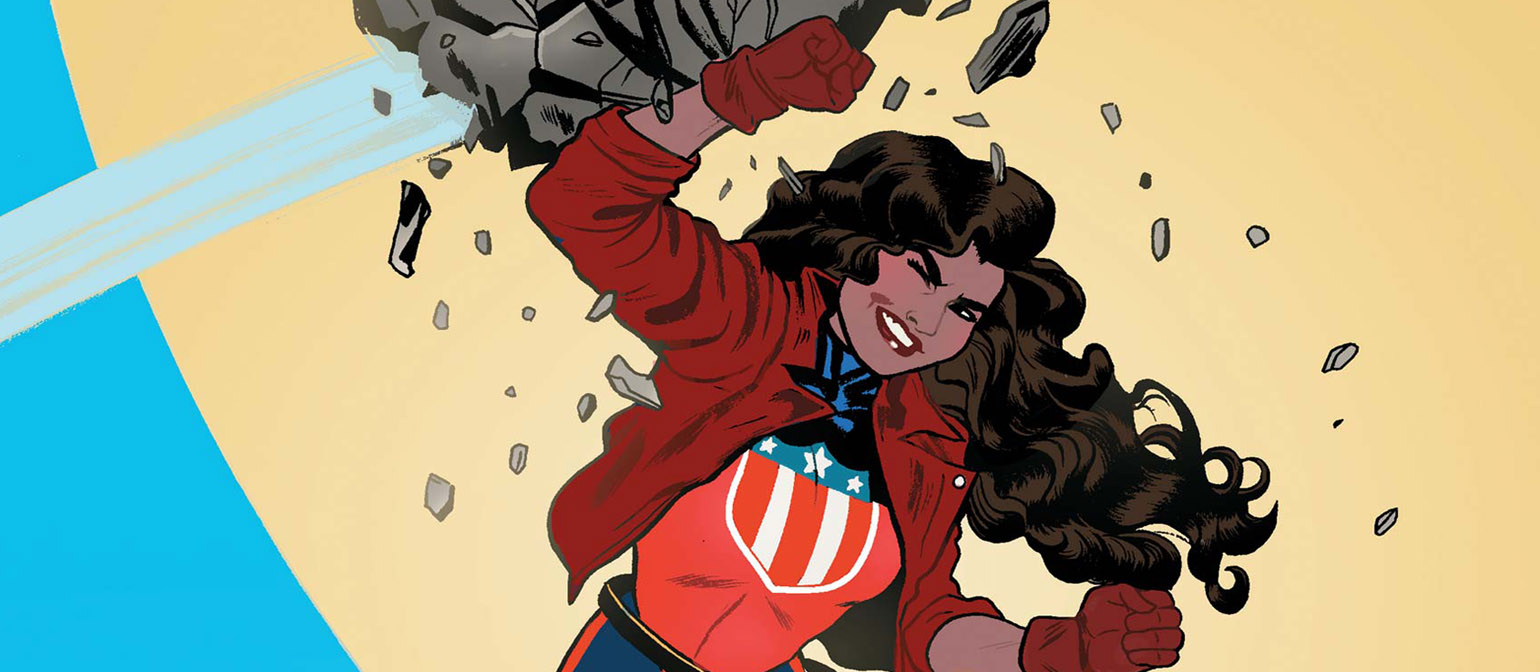
Now, make no mistake. Jane Foster becoming Thor was not without controversy. In fact, the timing of this story couldn’t have been worse. It came out right around the same time that efforts to promote diversity within superhero comics had become mired in regressive politics. It was a time when iconic characters were being replaced and new characters were being created, albeit with mixed results.

This is how mixed it got and NOT in a good way.

I’d rather not go into all the issues, controversies, and absurdities from that era, but I will say that Jane Foster becoming Thor was one of the success stories from that tenuous period. Her journey as the new Thor didn’t supplant that of her predecessor. If anything, it complemented his story. The title of Thor was greatly improved because Jane Foster wielded that hammer.

Now, Marvel Studios is in an even better position to do the same. The success of both “Wonder Woman” and “Captain Marvel” has established that there is a market for female superheroes. The events of “Avengers Endgame” also opened the door for someone else to step in without diminishing Chris Hemsworth’s character, who may still have a part to play in “Guardians of the Galaxy 3.”

It also helps that Natalie Portman’s Jane Foster has been MIA since the events of “Thor: The Dark World.” While her reasons for leaving were somewhat obscure, the announcement at San Diego left no room for ambiguity. She’s coming back and she’s going to play a major role in the next phase of the MCU.

In my opinion, this will go down as one of the most pivotal announcements in the history of the MCU. Why do I believe this is bigger than the Eternals, Blade, Black Widow, or any of the upcoming shows on the Disney+ streaming service? To answer that, it’s necessary to take a step back and look at the bigger picture.

The Jane Foster that Natalie Portman played in the first two Thor movies is not the same Jane Foster who has established herself as a prominent force in the comics. Throughout her history, she has maintained a strong connection to Thor and not just as a romantic interest. In many respects, she has been the character through which ordinary, non-Asgardian people explore Thor’s world of gods, demigods, and monsters.

A big part of what made Jason Aaron’s story surrounding Jane Foster becoming Thor so powerful was how she proved her worthiness of that title. As a mortal woman with many mortal limitations, she embraced that role and proved herself against gods, monsters, and even other superheroes. It was easy to cheer her on every step of the way.

In any era, it’s a powerful story, having an ordinary human embrace god-like power to bear god-like burdens. In this current era of superhero movies, Jane Foster becoming Thor isn’t just a fitting, comics-accurate way to build her story in the MCU. It’s a story that almost feels necessary.

The MCU is a world that has become densely populated by super soldiers, aliens, gods, monsters, and demigods. With the conclusion of “Avengers Endgame,” the world is in a tenuous state. Friendships, families, and teams have been decimated due to the conflict surrounding Thanos and the Infinity Stones. There are voids to be filled, including a few once populated by gods.

Ordinary people becoming heroes is a story that the MCU has told many times before, the latest being “Spider-Man: Far From Home.” Stories about ordinary people becoming gods haven’t been nearly as common and with the Eternals already poised to join the MCU, I think that story should play out in some manner, if only to keep humanity connected to this world.

Jane becoming the Goddess of Thunder is the perfect story to maintain that connection. Unlike Carol Danvers, Jane is not a soldier or a warrior. She’s a scientist who got caught up in the world of gods and superheroes, but she didn’t run from it in the comic. Now, armed with Natalie Portman’s Oscar-winning talent, she’s poised to make a similar journey in a world that needs new heroes to step up.

It’s an exciting, but uncertain time for the MCU. However, when you’ve got a story like that of Jane Foster becoming Thor and an actress as talented as Natalie Portman leading the way, the future has never been brighter.

3 Comments

Filed under Marvel, movies, superhero comics, superhero movies, Wonder Woman

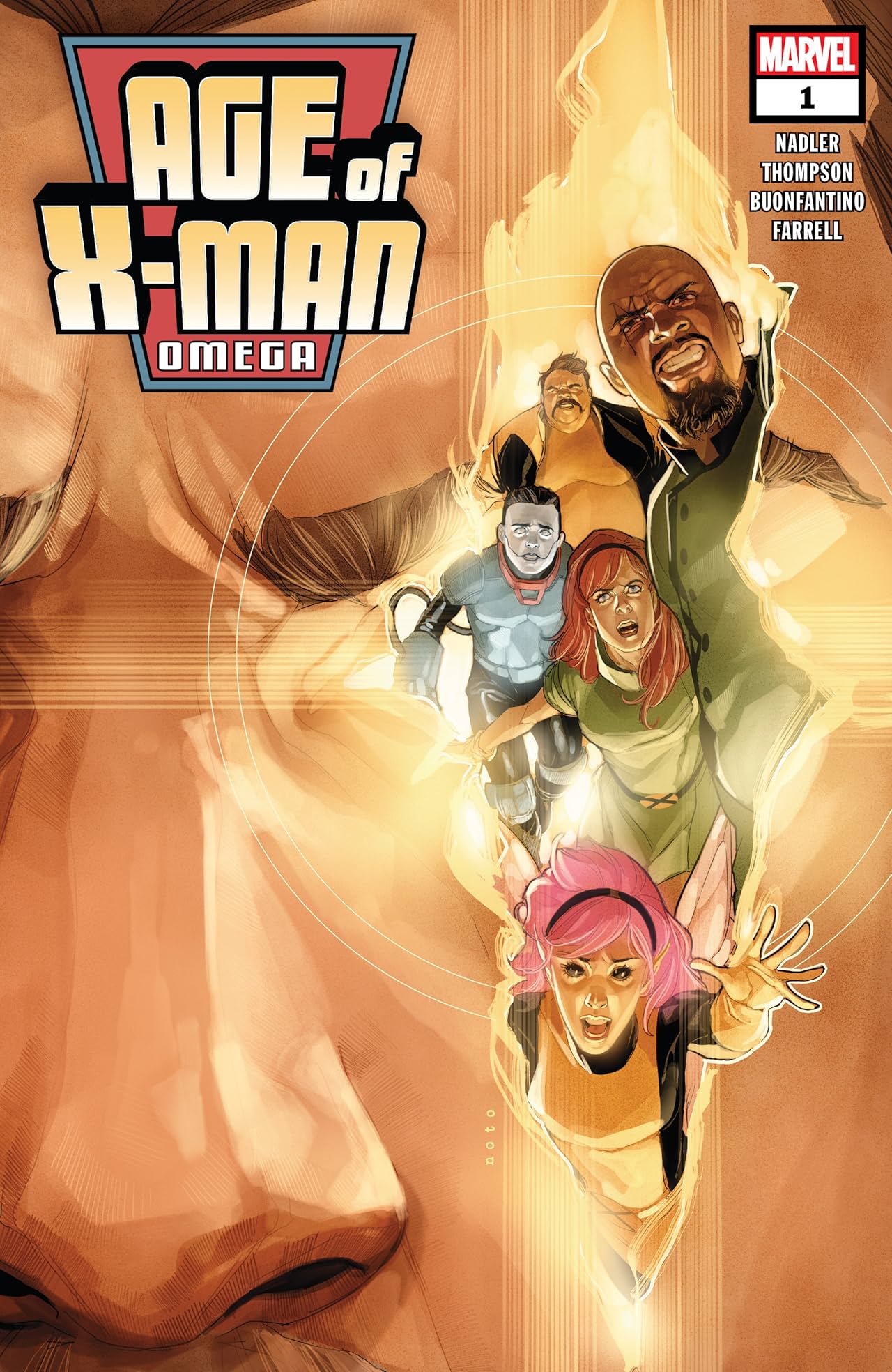
Jack Fisher’s Weekly Quick Pick Comic: Age Of X-Man Omega #1

Comics are a unique form of media in that its structure allows a certain kind of story to be told. It’s not like a movie in that it comes out once every few years and costs over $150 million to produce. It’s not like a TV show either that requires broadcast rights, streaming services, and dealing with cable companies.

The simplicity of comics, unfolding on paper and needing only ink and text to convey the story, gives it near unlimited capacity for telling big stories with bold concepts with vibrant imagery. There’s no need to pay Michael Bay or a special effects team to bring it all to life. It just requires a bold idea and someone with incredible art skills to make it real.

A comic like “Age Of X-Man Omega #1” is one of those books that fully utilizes the greatest strengths of the medium. It builds entire worlds while exploring bold concepts on a level that, if it were a movie, would take the gross national product of a small country to make real.

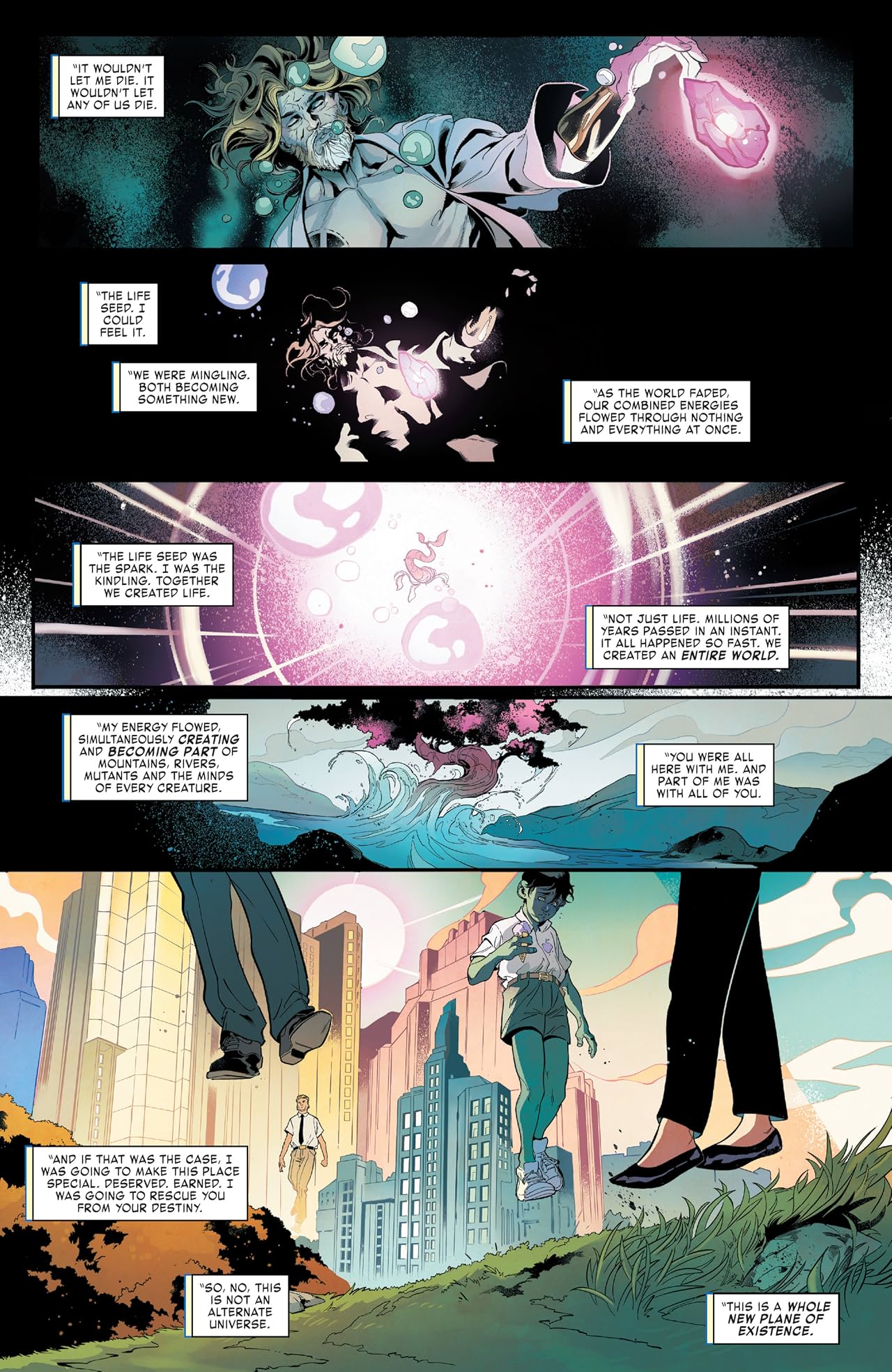
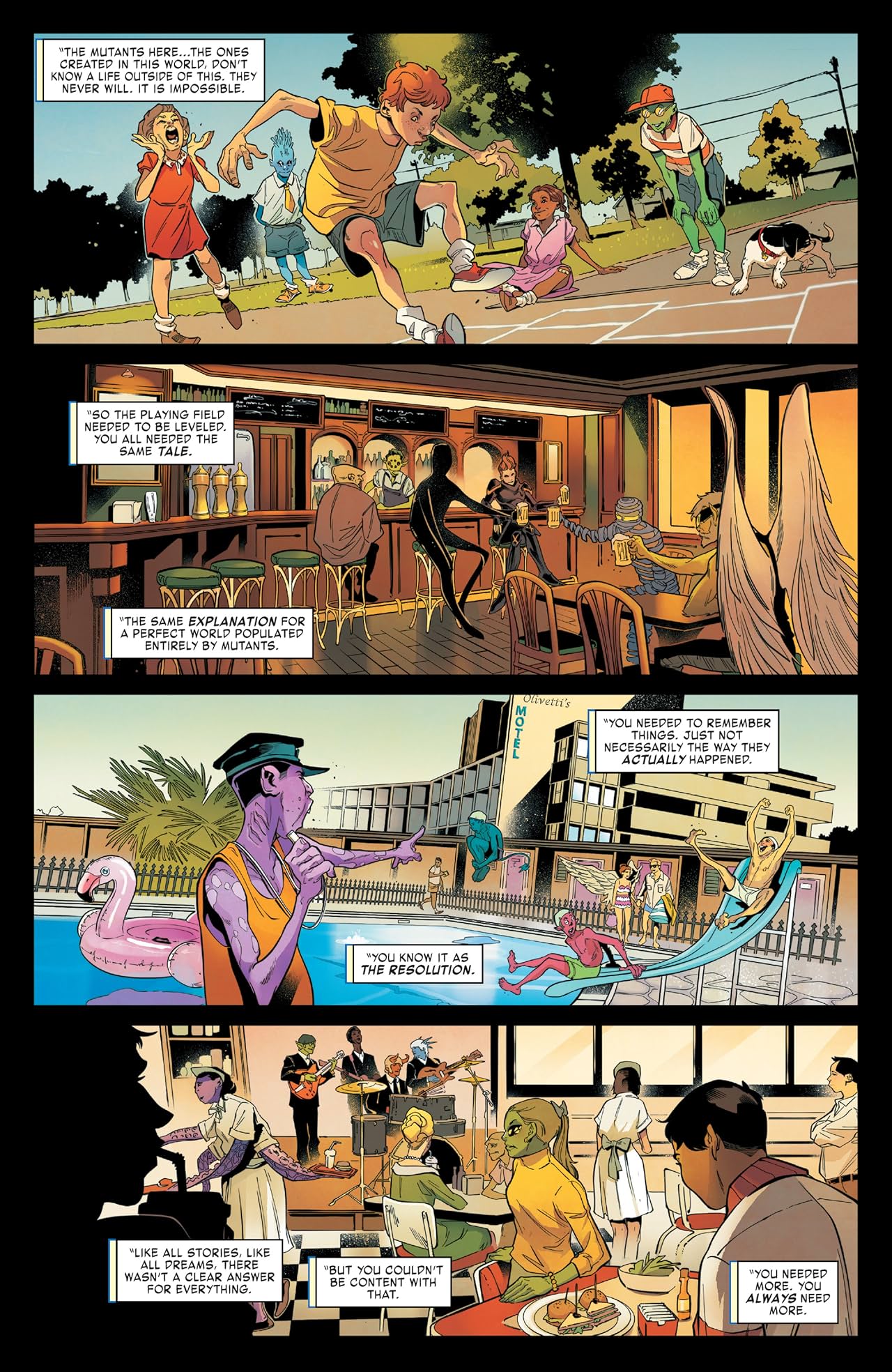
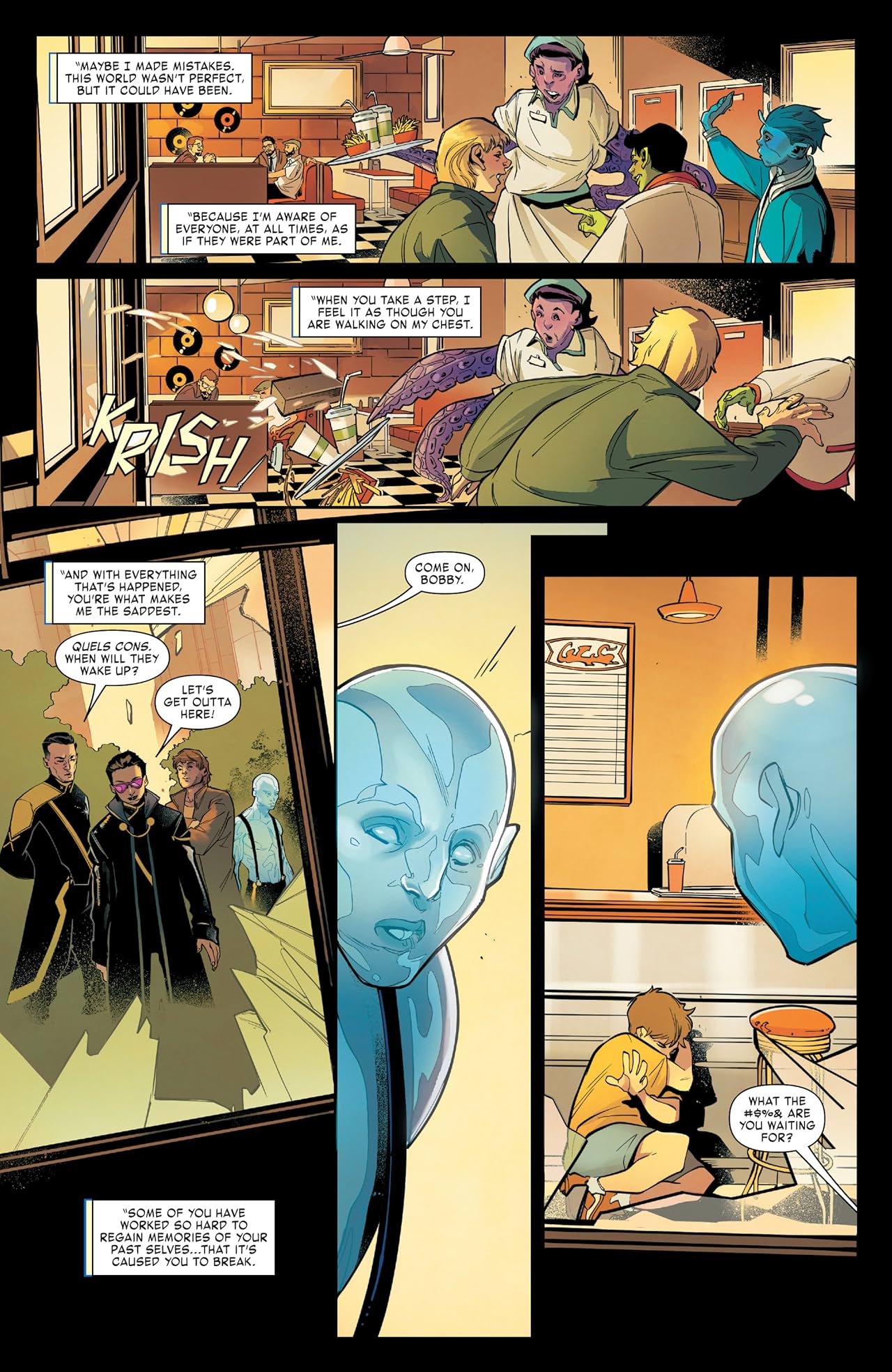
Writers Zac Thompson and Lonnie Nadler, alongside artist Simone Buonfantino, created an incredible world. Mutants, the X-Men, and their struggle took on an entirely new context within a new realty, courtesy of Nate Grey, one of the X-Men’s most overpowered characters. Age of X-Man has been a story about the strengths and flaws in this reality. “Age Of X-Man Omega #1” brings that story to a close.

From its inception in “Age Of X-Man Alpha #1,” this world that Thompson and Nadler created has been an elaborate thought experiment. What does a perfect, Utopian world look like for mutants and the X-Men? Given the many dytopian timelines the X-Men have explored, it’s not an unreasonable question.

Over the course of multiple books that cover multiple characters and concepts, we get to explore that world and all its complexities. Thompson and Nadler go heavy on the world-building, revealing the best parts of this Utopian vision, as well as price it incurs. With “Age Of X-Man Omega #1,” the full story of this world is complete. Now, it’s up to the X-Men to decide what to do with it.

Like all Utopias, the Age Of X-man comes at a cost. On the surface, everyone is safe and happy. However, there are some dark, disturbing reasons for this. The X-Men of this world, which include the likes of Jean Grey, Storm, Magneto, Nightcrwaler, Mirage, Colossus, Beast, and Bishop, have been uncovering those reasons over the course of the series. Now, they know the full truth.

However, this isn’t just a matter of fighting the source of these harsh truths. Nate Grey is not a mustache-twirling villain. “Age Of X-Man Omega #1” goes out of its way to justify his actions and the logic behind them. In the grand scheme of things, his logic isn’t that twisted.

The greatest strength of “Age Of X-Man Omega #1,” as well as the overall event, is that none of the conflicts were born out of total malice. Nate Grey didn’t create this world to toy with the X-Men or get revenge. He did it because he had the power to end the never-ending struggle that only ever brings them pain and suffering.

It’s at the heart of every Utopian vision, attempting to eliminate suffering so that everyone can be happy. It always comes at a price and Nate Grey understood that price. He even goes out of his way to justify it to the X-Men as they’re opposing him. To some extent, he has a point.

He highlights how the relationships the X-Men forge have been a liability in their efforts. He points out, ironically, how some of their most human traits are the very reason why they suffer so much. His world worked to subvert that and, even though it meant manipulation and subjugation for some, it succeeded in its own perverse way.

That’s exactly what makes the ultimate conclusion in “Age Of X-Man Omega #1” feel dramatic. It’s not entirely framed as the X-Men escaping from a prison or uncovering Nate Grey’s secrets. There is a final clash and it definitely maximizes Buonfantino’s talents. However, that clash doesn’t end because the X-Men defeated Nate Grey.

Without spoiling too many details of a story that has such an immense scope, I’ll note there are some powerful moments in which the X-Men and the mutants they’ve sworn to protect make some difficult choices. They’ve lived in this Utopia. They now know the price of such a Utopia. What they do with this knowledge is less about the battles they fight and more about the choices they make.

For once, there’s no army of killer robots to fight. There’s no deranged, mutant-hating villain to thwart. “Age Of X-Man Omega #1” puts the burden on the X-Men and the entire mutant population of the Marvel Universe to decide the course of their fate. Being heroes, their decisions aren’t that surprising. Even so, those decisions carry a great deal of weight.

As a final chapter, “Age Of X-Man Omega #1” caps off a bold story within an exotic world that dares to explore some weighty concepts. The idea of a Utopia is not new, but it’s a concept that still resonates in both real and fictional worlds. As long as people live in imperfect worlds, fictional or otherwise, it’ll continue to resonate.

The Age of X-Man built a story around an ideal life for mutants, free of conflict and killer robots. That story didn’t bring an end to the X-Men and their mission, but it did put it in a very different context. That, in my opinion, is an uncanny accomplishment.


Leave a comment

Filed under Jack's Quick Pick Comic

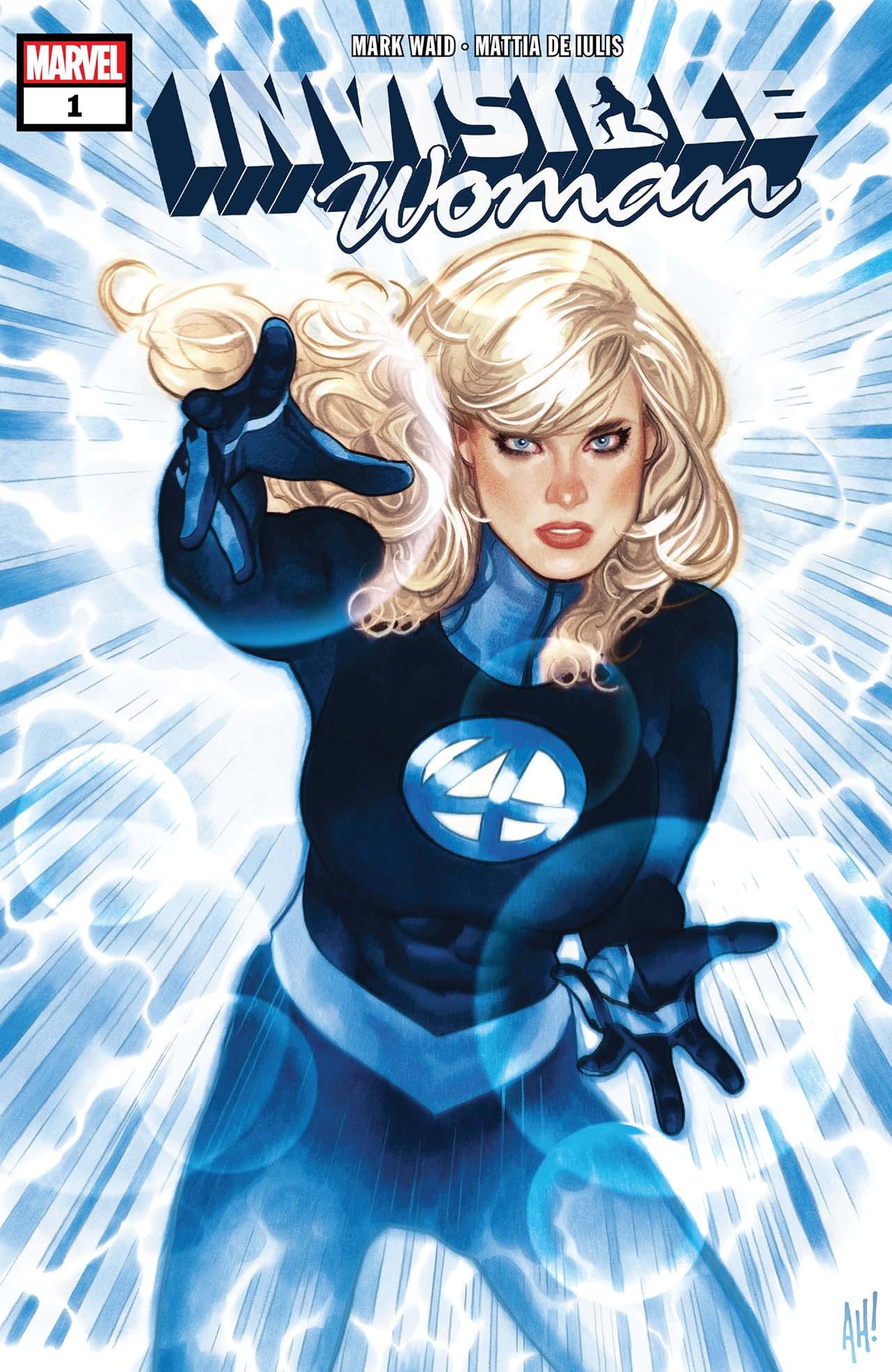
Jack Fisher’s Weekly Quick Pick Comic: Invisible Woman #1

There are some iconic characters whose iconic status acts as a double-edged sword. Being iconic helps give them staying power. Only a handful of characters are iconic enough to remain relevant for extended periods, especially when their relevance extends all the way back to the Kennedy Administration.

With that staying power, however, comes often baggage, circumstance, and complications. For much of her history, Sue “Invisible Woman” Richards has been defined by her role in Marvel’s First Family, the Fantastic Four. She’s not just the cute blond on a team of superheroes. She’s a wife, a mother, and a sister. She frequently acts as the anchor that holds the Fantastic Four together, as a family.

It’s a role that has helped make her iconic, but it has also limited her opportunities to explore stories outside that family role. It certainly didn’t help that she, Reed, and her children were MIA from Marvel’s comic book universe for an extended period, which may or may not have had something to do with movie rights.

Even with those complications, Sue is one of those characters who has always had the potential to be something more than her iconic role on a famous superhero team. With “Invisible Woman #1,” Mark Waid and Mattia de Iulis finally take a chance at realizing that potential. At a time when the Fantastic Four are still recovering from years of negligence and a historically bad movie, the timing couldn’t be better.

This isn’t just another story about Sue holding her family together. It’s not about her trying to balance being a mom, a wife, a sister, and a superhero. Waid and de Iulis put Sue in a position to show that she can be iconic in her own right without sacrificing what makes her so vital to her family.

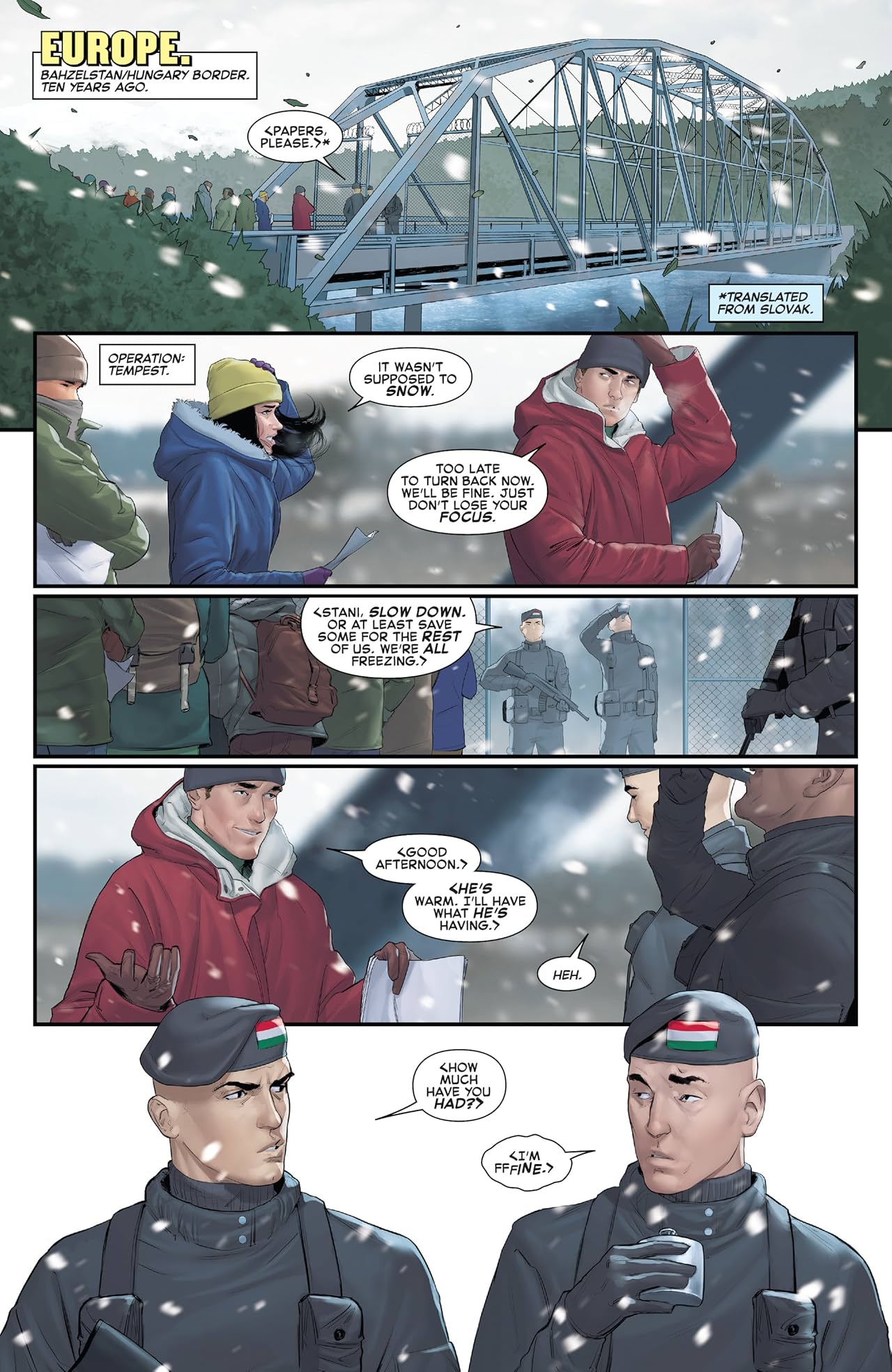
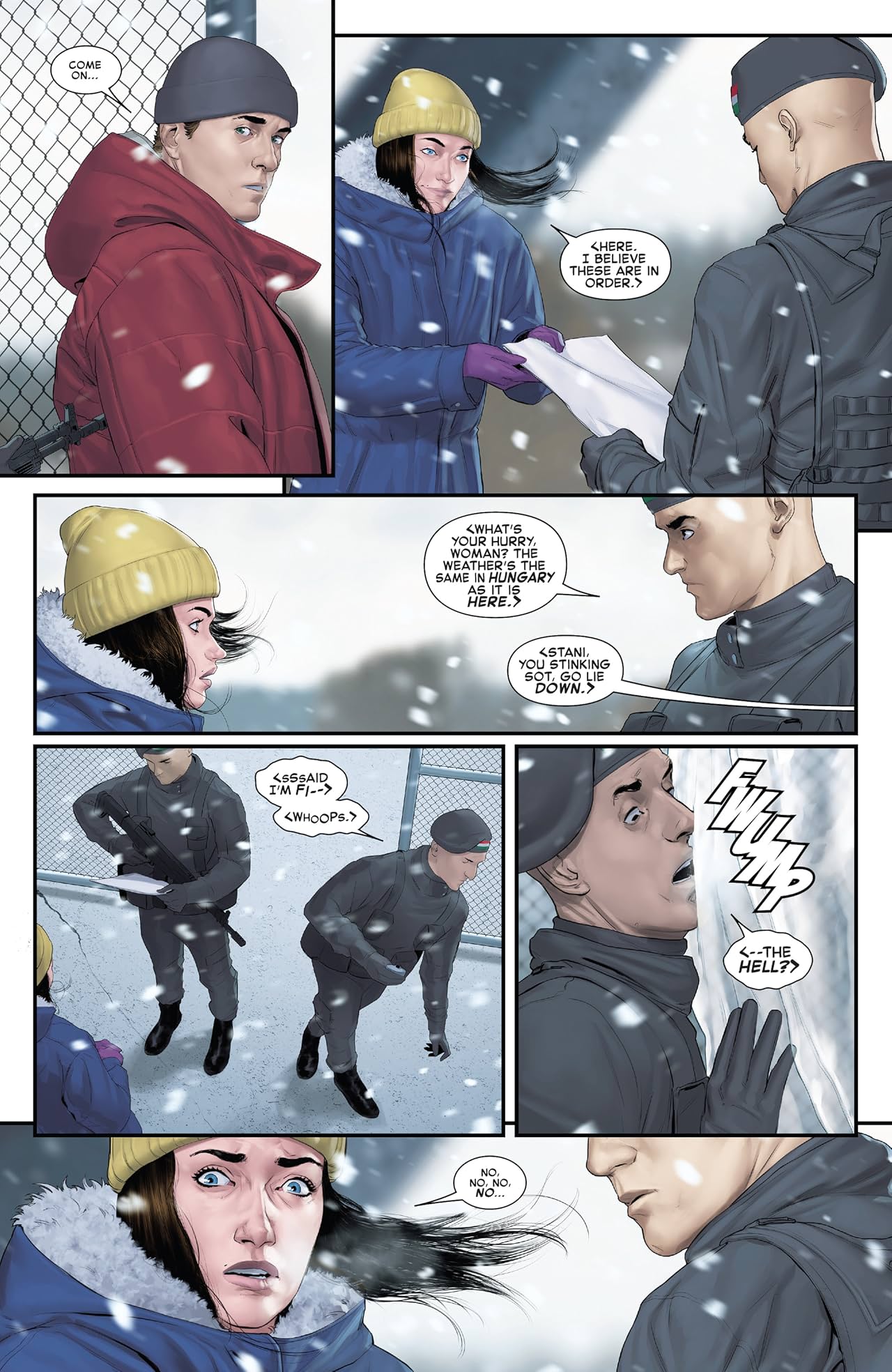
The premise of “Invisible Woman #1” is fairly simple. It establishes that there was a time in the past when Sue explored other types of superhero activities on top of her role with the Fantastic Four. One of those activities involved espionage on behalf of SHIELD. In the world of Marvel superheroes, it’s basically the equivalent of taking the night shift at a grocery store.

She was good at it too. She could get the job done and, unlike other trigger-happy SHIELD agents, she could do it without much bloodshed. It nicely reflects the loving, compassionate nature that makes her the lynch-pin of the Fantastic Four. It also shows that she can be tough and cunning when she needs to be.

It’s a side of Sue that hasn’t been explored much, but one that still reflects the greatest strength of her character. She’ll never be as cunning as Black Widow or as stoic as Nick Fury, but she’ll find a way to get the job done and she’ll make an impression on those who work with her. Even before she became a mom, she embodied that motherly love that many find comforting.

It’s because Sue did this job her own endearing way that she gets pulled back into the world of espionage. In many respects, the timing couldn’t be better. Waid builds on the recent developments with her family that have been unfolding in the current Fantastic Four comics under Dan Slott, which I highly recommend. She’s still the same mother figure she has always been, but her family is evolving.

Her children are growing up. One of her closest friends is married now. Her brother is always doing his own thing. Waid even explores how someone like her deals with the changing nature of her family. It makes diving back into the shady world of espionage feel like a golden opportunity and Sue embraces it.

It also helps that the stakes aren’t so high that the entire multiverse is in jeopardy. Whereas the Fantastic Four will routinely prevent reality from falling apart, this particular mission involves saving the lives of imprisoned students and a captured agent that she once worked with. The world isn’t at stake, but it feels personal for Sue and that’s all the motivation she needs.

It’s both refreshing and overdue, seeing a character like Sue take on a challenge that’s far different from cosmic, psychedelic adventures that often involve shape-shifting aliens and hostile planet-eaters. She does so while never deviating from what makes her so endearing, as a member of the Fantastic Four. Waid’s past history with the Fantastic Four helps make “Invisible Woman #1” feel like a perfect extension of an iconic character.

The pace of the story is slow and steady, but it never drags. It sets up plenty of intriguing elements, some of which are hinted at in the final pages. There’s a great deal of introspection, which makes sense for a character who has been subject to many upheavals in the world around her. It helps reaffirm why she’s so iconic in the first place.

Sue Richards will always be defined by her role in the Fantastic Four, but “Invisible Woman #1” proves that she still has room to grow. She can still be a mom, a husband, a sister, and a superhero. She can also be a spy on the side and not fall into the same trap as every female spy in a Jame Bond movie.

Both Sue Richards and the Fantastic Four have a long way to go in terms of recovering from the setbacks incurred by bad movies and vindictive CEOs. While it may be a while before they show up in the MCU, a book like “Invisible Woman #1” feels like a small step in that process.

It’s been a while since anyone has been able to say it with a straight face, but the future of the Fantastic Four looks genuinely fantastic.

Leave a comment

Filed under Jack's Quick Pick Comic

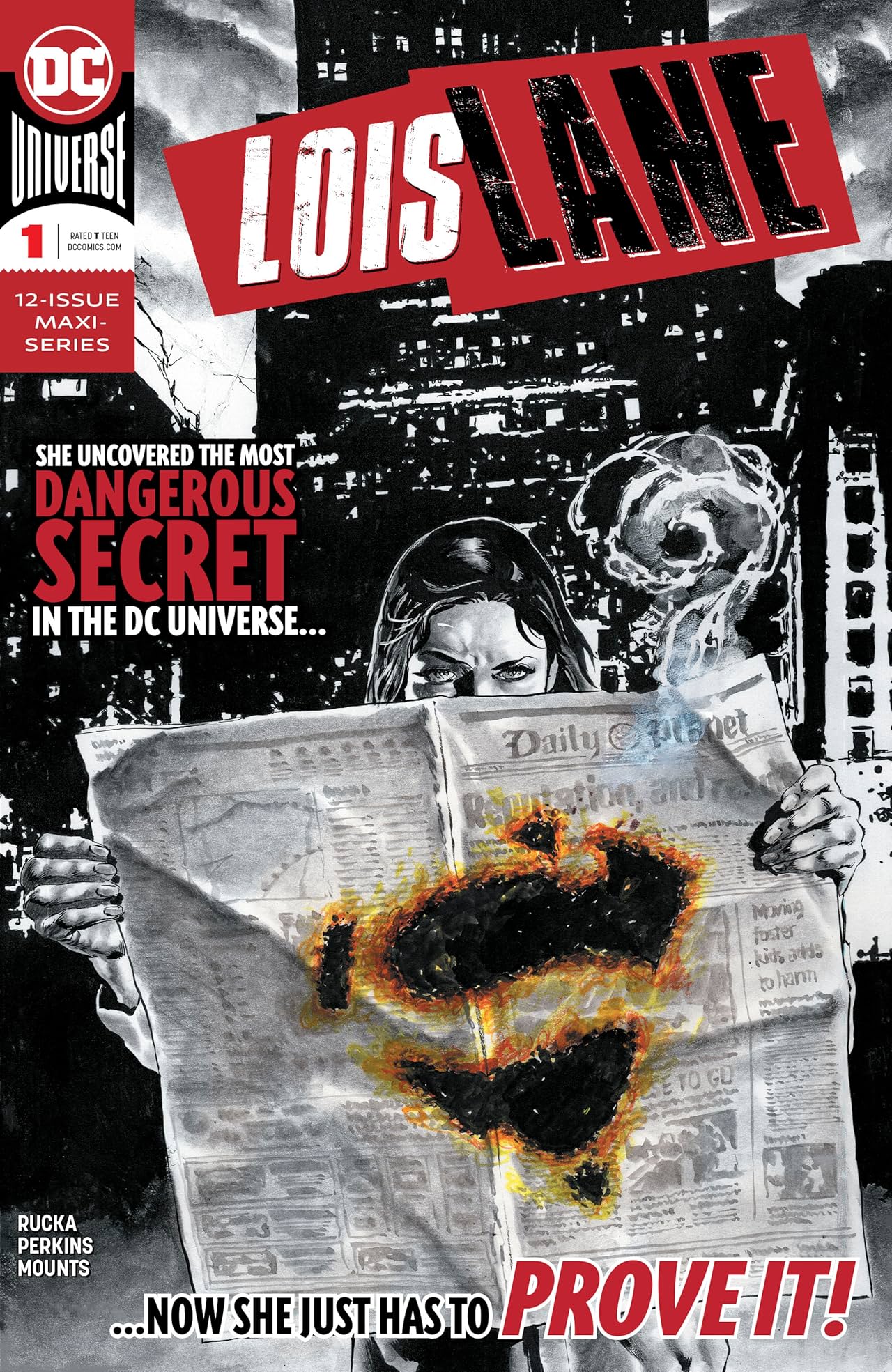
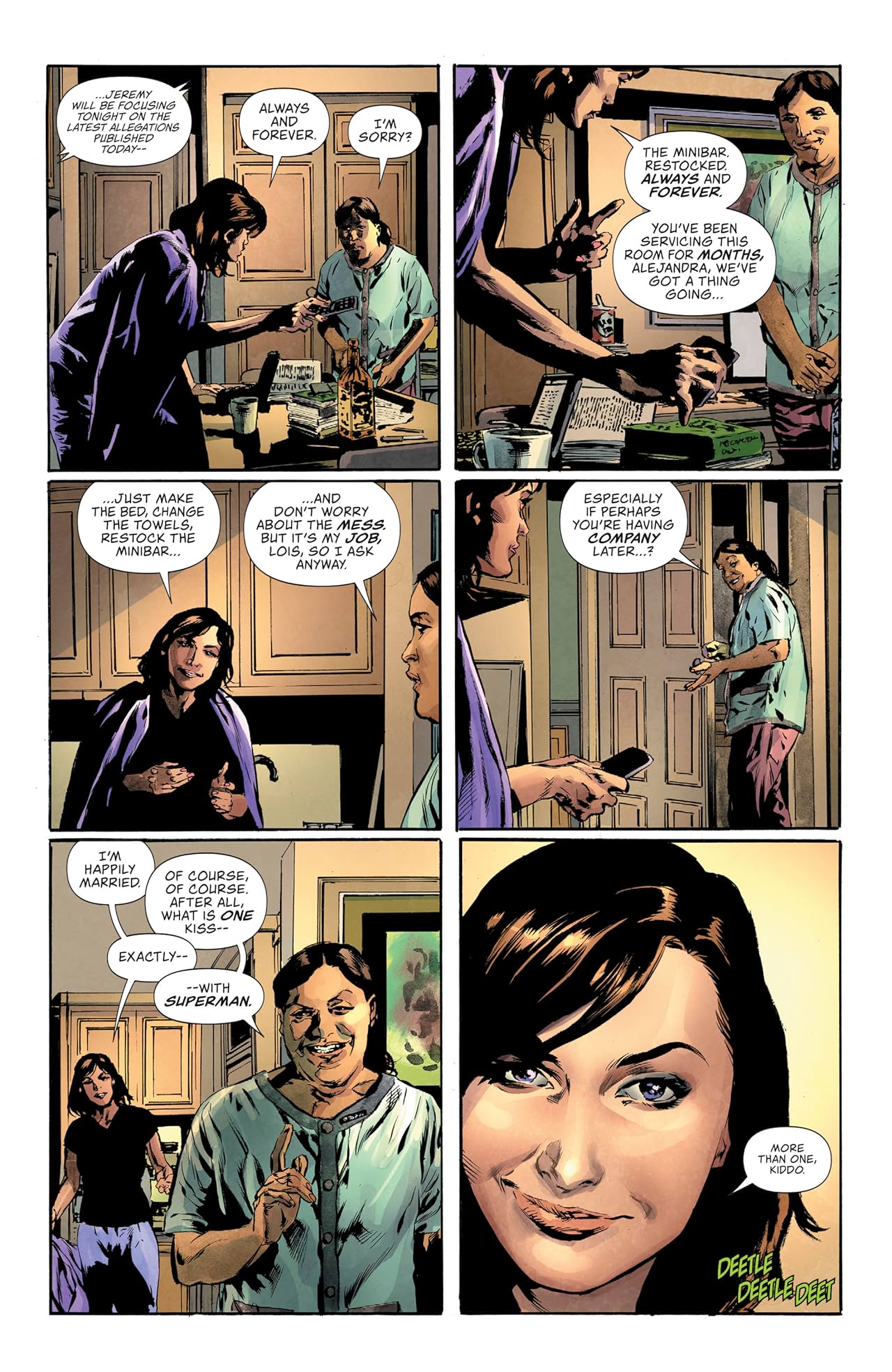
Jack Fisher’s Weekly Quick Pick Comic: Lois Lane #1

Every Wednesday, a new batch of comics enters this world in the never-ending effort to make it feel less hopeless. Fans like me take comfort and joy in reading stories about powerful superheroes using their immense abilities to pull off heroic feats. Many of these stories center around extraordinary individuals doing extraordinary things with power that few in the non-comic book world can comprehend.

Then, a comic like “Lois Lane #1” comes along and proves that heroic feats don’t need superhuman abilities. They just need a stubborn and unyielding commitment to the truth.

I admit that the idea of a Lois Lane comic didn’t seem all that intriguing. I also freely acknowledge that I’ve criticized how Lois has been utilized in recent years with respect to the larger Superman mythos. Those criticisms aside, I don’t deny the importance of her character. She is still an integral part of Superman’s world, as well as the larger DC universe.

Lois Lane #1” doesn’t change that role, nor does it attempt to radically alter who Lois is. It just takes some time to focus on what she does, why she does it, and why it’s such a critical component of truth, justice, and the American way. You could even argue that those ideals are more critical now than they ever have been, which means Lois Lane’s story carries a weight beyond being Superman’s love interest.

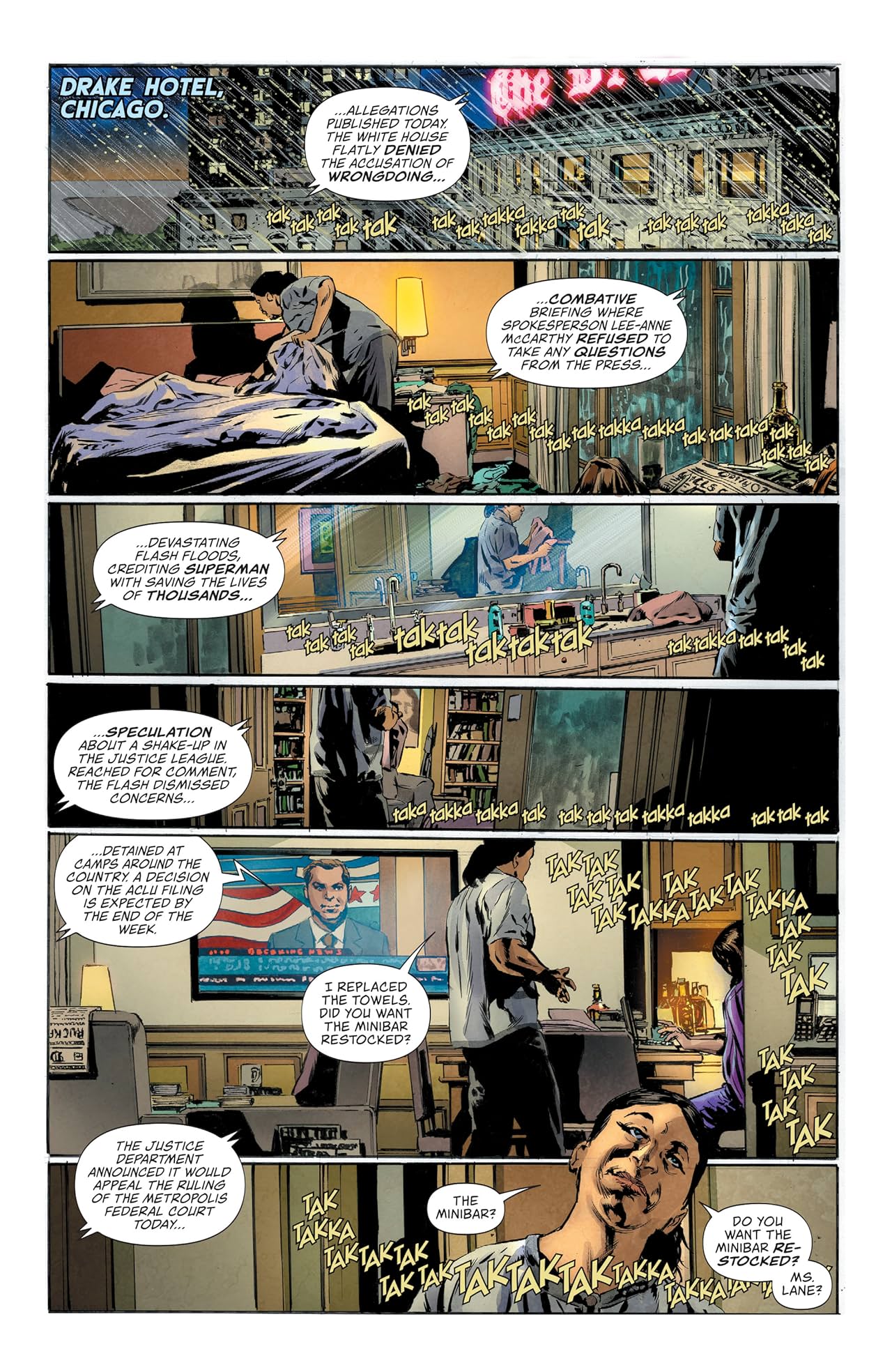
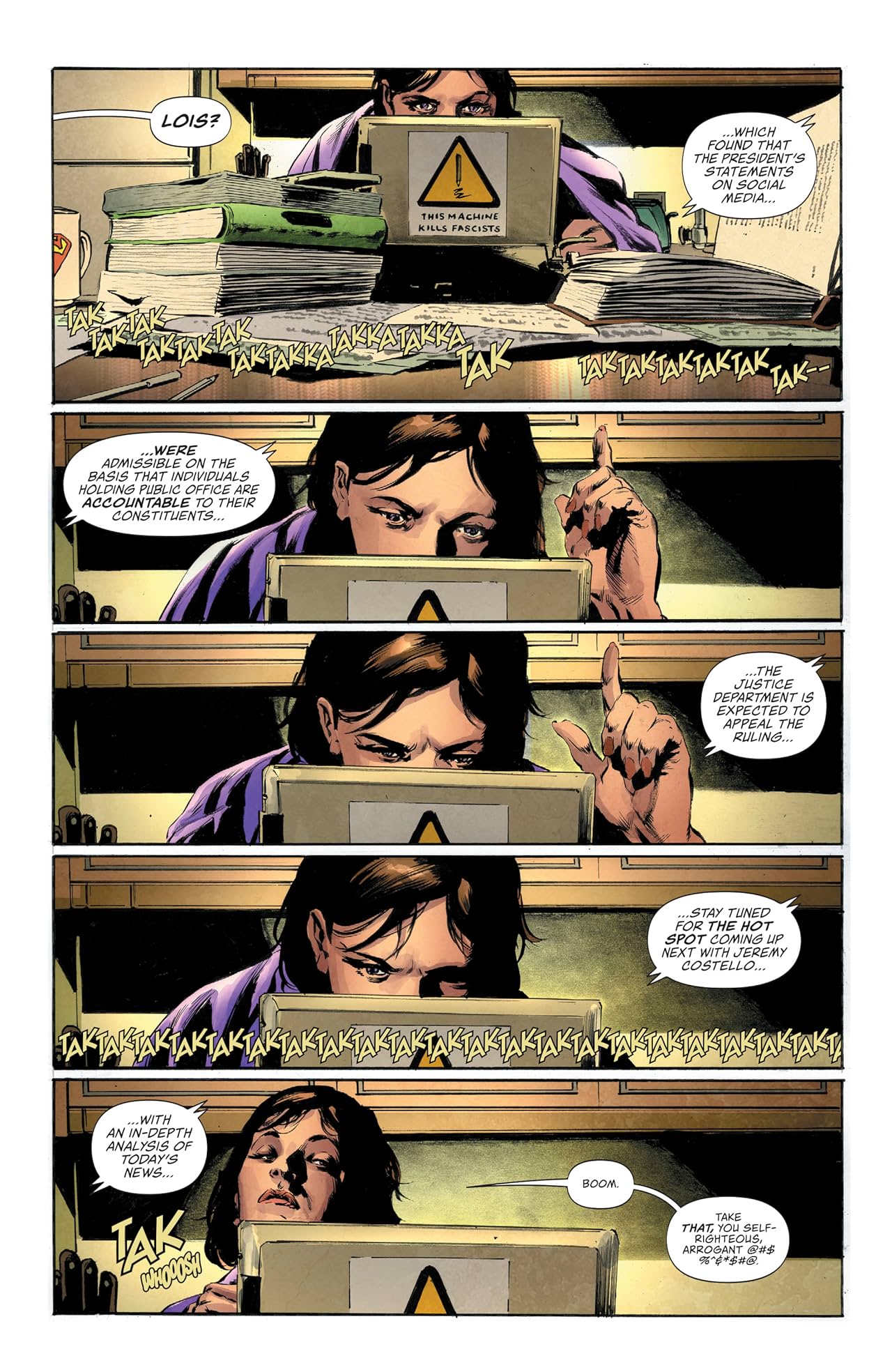
Writer Greg Rucka, who has considerable experience writing DC’s strongest female characters, builds an entire story around Lois Lane exercising her expert reporting skills. On the surface, it may not sound as exciting as watching Superman punch meteors out of the sky, but the underlying themes of the story go beyond just saving the day.

Those looking for another story about Lois needing to be rescued by Superman again will probably be disappointed by “Lois Lane #1.” However, those hoping to see someone pursue justice in a way that doesn’t require Kryptonian biology are in for a treat. Superman may be the personification of truth, justice, and the American way, but it’s Lois Lane who proves you don’t need powers to fight for it.

The story is a potent mix of a spy thriller and a mystery built around headlines that are all too real to anyone with a news feed. Yes, there are plenty of super-villains in the DC universe looking to destroy whole worlds and rip apart the fabric of reality. At the same time, there are smaller-scale forms of injustice and those are the battles Lois fights.

In this case, her fight takes her to Russia, a place not known for press freedom. She has a story that won’t defeat Darkseid, but it will expose the corruption, injustice, and lies that plague her world as much as ours. While Superman is still in the story, he actually plays no part in helping her navigate this battle. In this particular battle for truth, Lois is on her own and she proves she’s capable without superpowers.

In fact, for the truth she seeks, superpowers aren’t that useful. Exposing corruption and lies is never a matter of how many meteors or parademons you can punch. Lois is a reporter. She needs information, sources, and connections. These are not things you can punch or magically conjure. Rucka has Lois rely almost entirely on her reporting skills rather than her intimate relationship with Superman.

Those reporting skills might as well be superpowers. Lois isn’t just dedicated to finding the truth. She’s determined. She willingly puts herself in danger to find the information she needs. While this usually means Superman has to rescue her at least once a week, that’s not the case here.

Lois Lane #1” shows that it is possible for Lois to navigate that danger without calling on her super-powered lover. After reading this comic, you feel as though this sort of triumph doesn’t happen often enough, both in the real and fictional world.

Throughout her history, Lois Lane has been a tricky character to develop. She’s so defined by her relationship to Superman that it’s difficult for her to stand on her own. Being a side-kick or a love interest tends to define a character more than what they actually do in a story.

Lois Lane #1” doesn’t try to subvert or redefine her lengthy history. She’s still very much Superman’s love interest. She still plays a vital role in his story. However, this comic makes the case that Lois can carry her own story, as well. Rucka, along with the art of Mike Perkins, demonstrate that she can pursue truth and justice on her own. For someone who needs to be rescued so often, it’s both refreshing and overdue.

While Lois Lane will never be an iconic female hero on the same level as Wonder Woman, she embodies many of the principles that heroes of all kinds fight for. They readily protect the innocent and defend justice with their immense powers, but Lois Lane demonstrates why those principles matter.


2 Comments

Filed under Jack's Quick Pick Comic

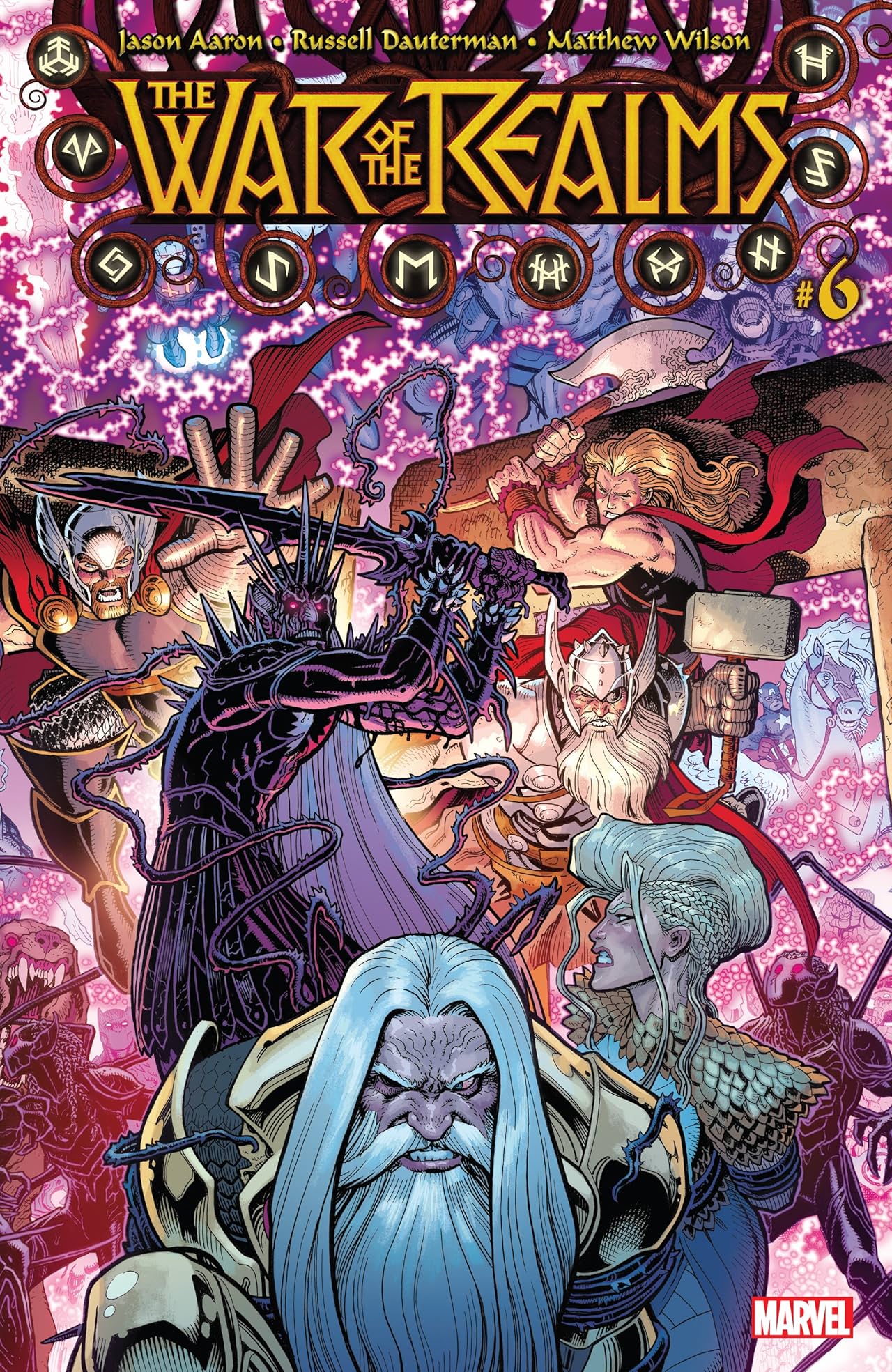
Jack Fisher’s Weekly Quick Pick Comic: War Of The Realms #6

Once a week, the comic gods bless us with a wave of new material to help make this feeble world a bit more divine. Some weeks feel more blessed than others and when it comes to concluding epic crossover events, there are plenty of blessings to go around.

If the final battle in “Avengers Endgame” stoked your appetite for high-stakes superhero battles, then congratulations! You now know what long-time comic book fans have been enjoying for decades. Before superhero movies raked in billions at the box office, battles of such epic scale played out in events like Onslaught, Secret Invasion, and Maximum Carnage. Today, War of the Realms joins those marvelous ranks.

The verdict is in. The conclusion is unavoidable. “War of the Realms #6” effectively caps off both a massive conflict and an incredible era for a certain collection of characters. This seeds of this war that were planted years ago finally bore fruit and even if you haven’t followed every stage of growth, that fruit still tastes pretty damn sweet.

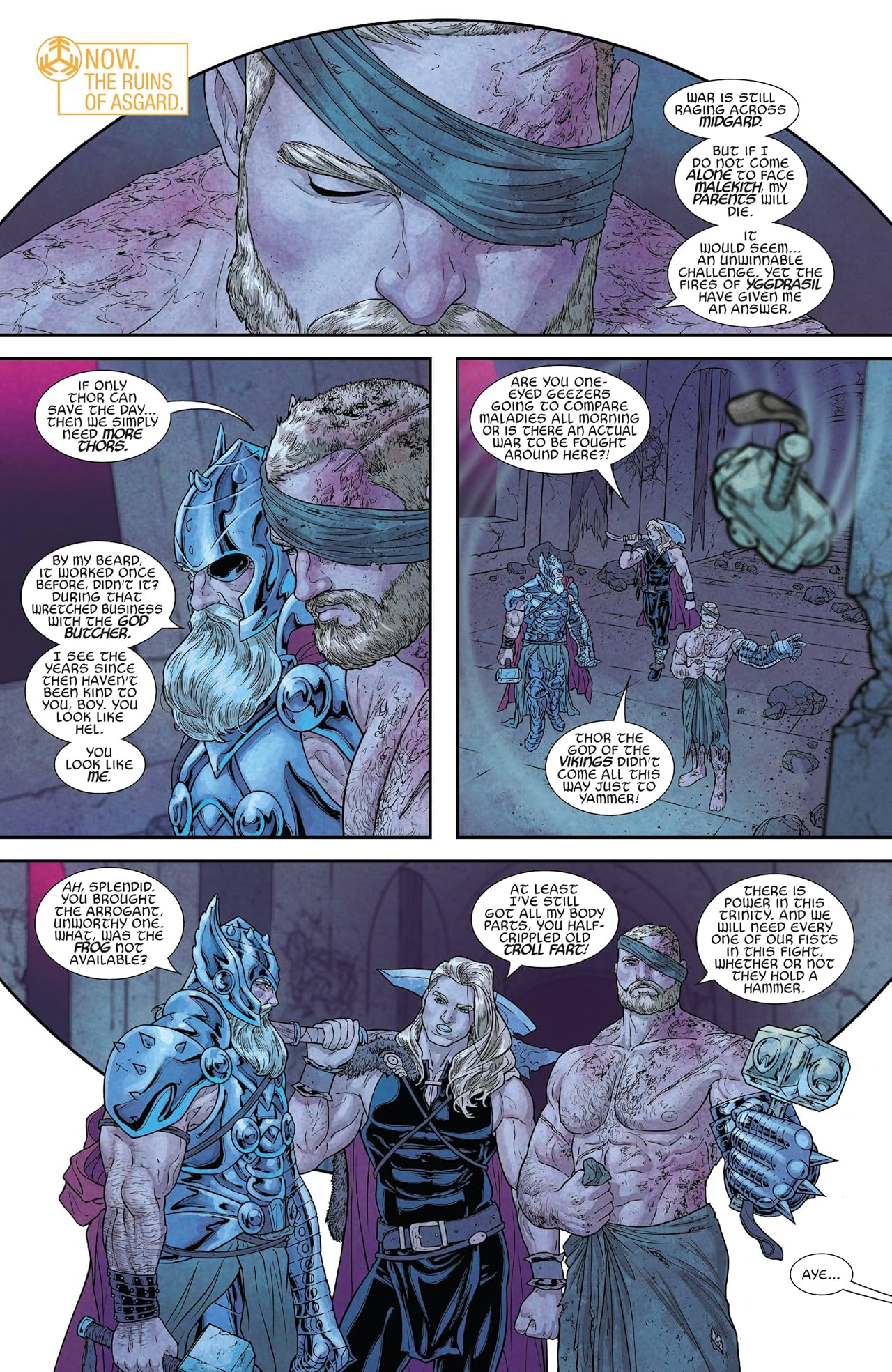
War of the Realms #6” isn’t just the end of the massive, realm-spanning war that started with Malekith the Accursed. It’s the end of a rocky journey for Thor, his family, and his friends. By the time the fighting stops, the Thor we see is a Thor who is worthy on an entirely new level. Not even the pickiest enchanted hammer can deny that now.

The War of the Realms was never just about Malekith waging a massive war on Earth. That was still a big part of it, but there were other personal stakes in this war that made it feel like more than god-fueled disaster porn.

Malekith basically attacked at a time when Thor, Asgard, and the entire foundation of the 10 realms were vulnerable. Even before Thor became unworthy of his iconic hammer, the divine realms of the Marvel Universe faced some heavy upheavals. Asgard was no longer this beacon of power and order. Thor’s father, Odin, made more than a few ill-fated decisions and didn’t have Anthony Hopkins’ charm to get him through.

Over the course of War of the Realms, and its various tie-ins, one thing became clear. This war could not be won by simply reverting to the same tactics that had saved Asgard many times before. Thor, Odin, Freyja, and the Avengers who fought by their side had to be bolder. They also had to be willing to pay a price.

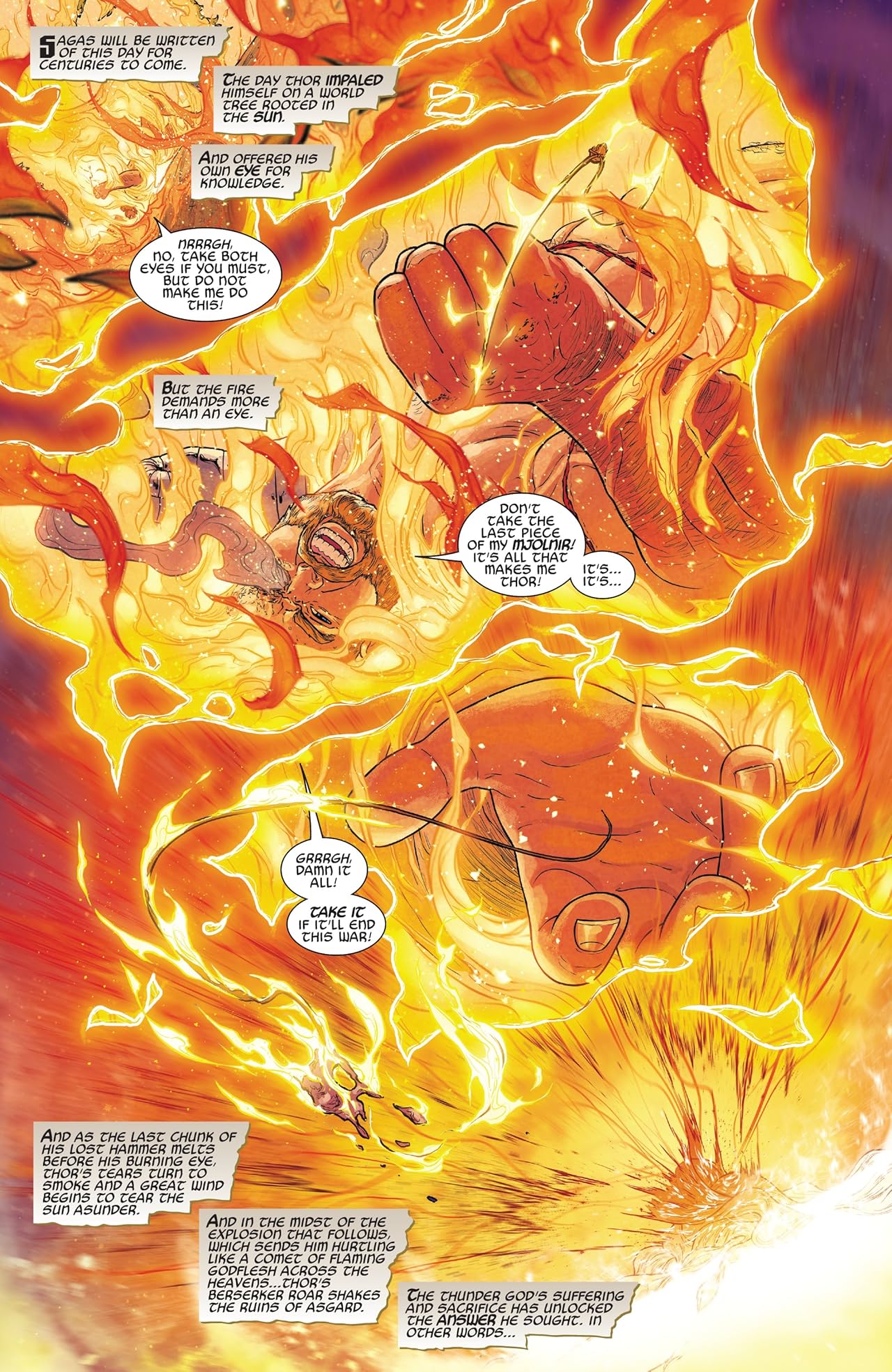
Historically, that’s something Thor has avoided. Sacrifice is something his father often preaches and warns about, but Thor often finds a better way, usually with the help of his fellow Avengers. That’s not the case, this time. Thor subjects himself to some heavy torment in “War of the Realms #6” to help win the day. The results of his actions are as satisfying as they are worthy.

Writer Jason Aaron, who has been spearheading Thor’s story in the comics for years now, completes a lengthy chapter in the God of Thunder’s ever-evolving mythos. If becoming unworthy was Thor’s lowest point in this arc, then “War of the Realms #6” is a new high point.

Thor doesn’t just prove himself in the face of Malekith’s unending forces. He shows how much he’s grown in recent years and artist Russell Dauterman makes it a sight to behold. There’s redemption in some areas. There’s also vindication, which is something Thor has not had much of in recent years. By the end, even his father recognizes that.

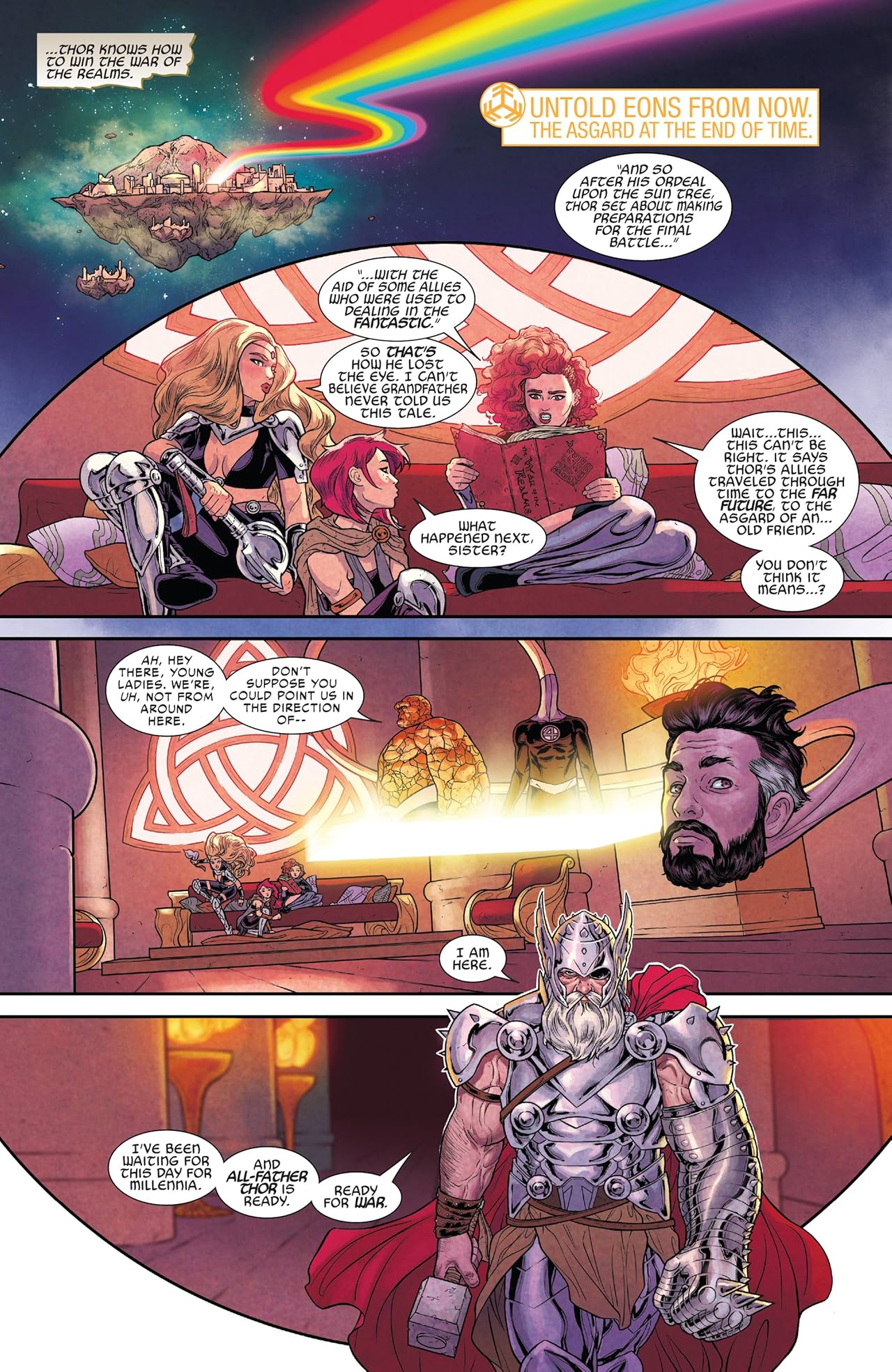
Thor isn’t the only one who shines, either. War of the Realms has assembled a diverse and colorful mix of heroes with which to navigate this conflict. Wolverine, She-Hulk, Captain Marvel, Daredevil, Spider-Man, and the Punisher have all had great moments. Thor’s supporting cast, including Jane Foster and his parents, also play a major role in beating Malekith.

Even though War of the Realms is very much a Thor story, it feels like everyone involved had a chance to benefit from the struggle. Thor just happened to benefit the most.

War of the Realms #6” is one of those comics that feels like a turning point for a certain set of characters. In addition to being an action-heavy, super-powered conflict involving mortals, gods, and dark elves, it always felt personal to those involved.

For a crossover story, that’s a critical element. Whether it’s a comic book, a blockbuster movie, or the real world, a war with personal stakes is a war with greater meaning. Without those stakes, it’s just violence and bloodshed. In comics, meaningless action is fun, but meaningful conflict is what brings out the best in these characters.

War of the Realms definitely did this for Thor and “War of the Realms #6” ended the final battle on a strong, thunderous note. If Chris Hemsworth made you a Thor fan, then “War of the Realms #6” will help affirm your love of this most worthy of Asgardians. If neither this comic nor Mr. Hemsworth charisma is still enough to make you a Thor fan, then you’re just being difficult.

Leave a comment

Filed under Jack's Quick Pick Comic

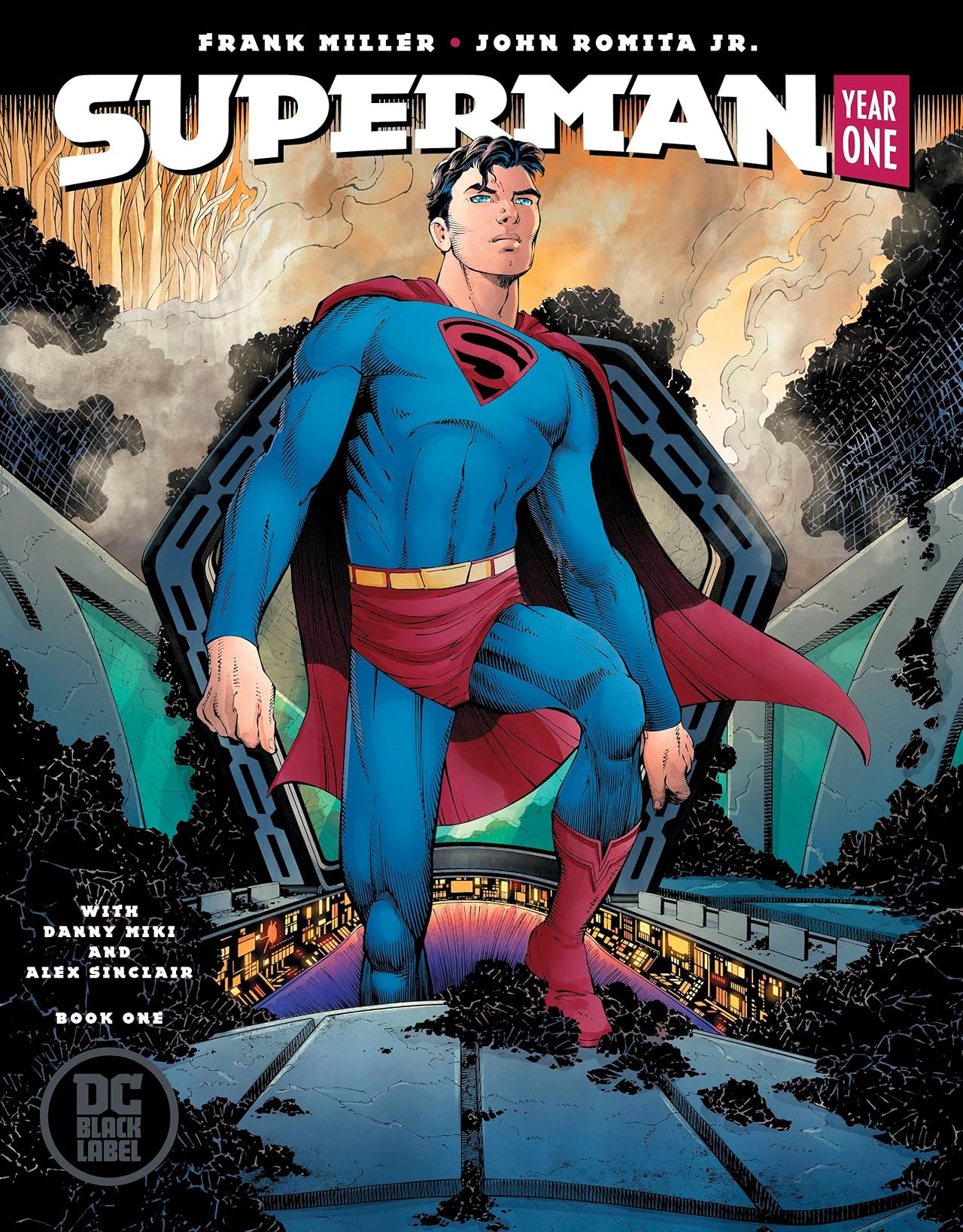
Jack Fisher’s Weekly Quick Pick Comic: Superman: Year One #1

Every Wednesday, comic fans like me rejoice at the prospect of enjoying a nice stack of new books to start the day. While not every stack is full of epic sagas that leave readers with lifelong memories of pure awesome, there are some that stand out more than others. When one comic in that stack is written by Frank Miller, it’s usually an event that comic fans remember for the rest of their comic-loving days.
If you don’t know who Frank Miller is, then trust me when I say that his name carries a lot of weight in the comic book community. There’s Stan Lee. There’s Jack Kirby. There’s Alan Moore. Most people know those iconic names and the place they have in pop culture. Talk to most well-read comic book fans and they’ll agree. Frank Miller deserves to be in that special class of writer.

This is someone whose work was a true paradigm shift for the medium. His work in the 1980s changed the way people approached superhero comics. It’s not unreasonable to say that Miller is one of the most influential comic writers of the past 40 years. If you want to understand the power of that influence, then “Superman: Year One #1” should get the point across.

This is not a comic that requires a working knowledge of DC Comics’ current continuity, which has been subject to some messy upheavals over the past 10 years. You don’t even have to know anything about Superman to appreciate “Superman: Year One #1.” This is one of those rare books where anyone who has never touched a superhero comic can just pick it up, follow along, and understand the breadth of the story.

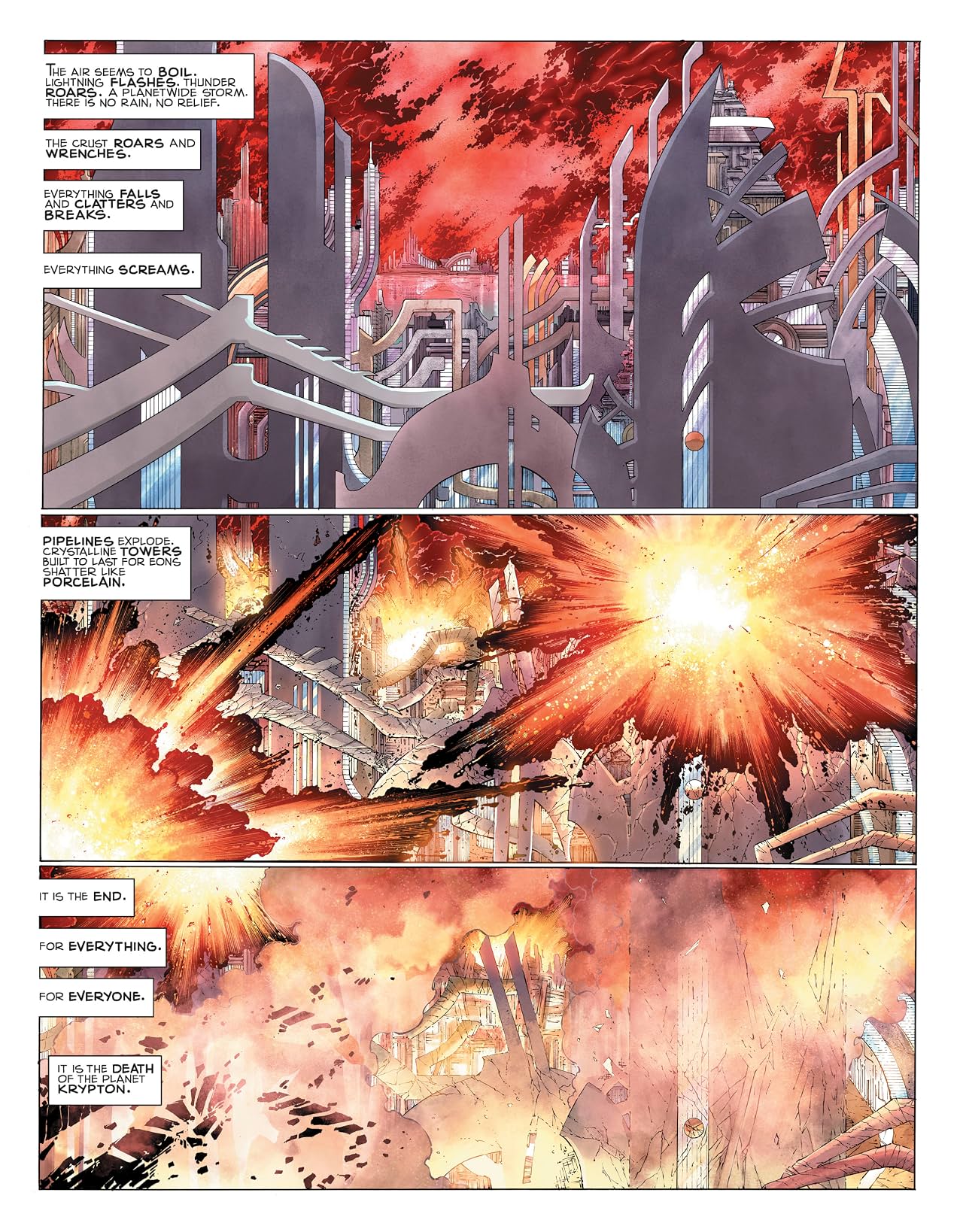
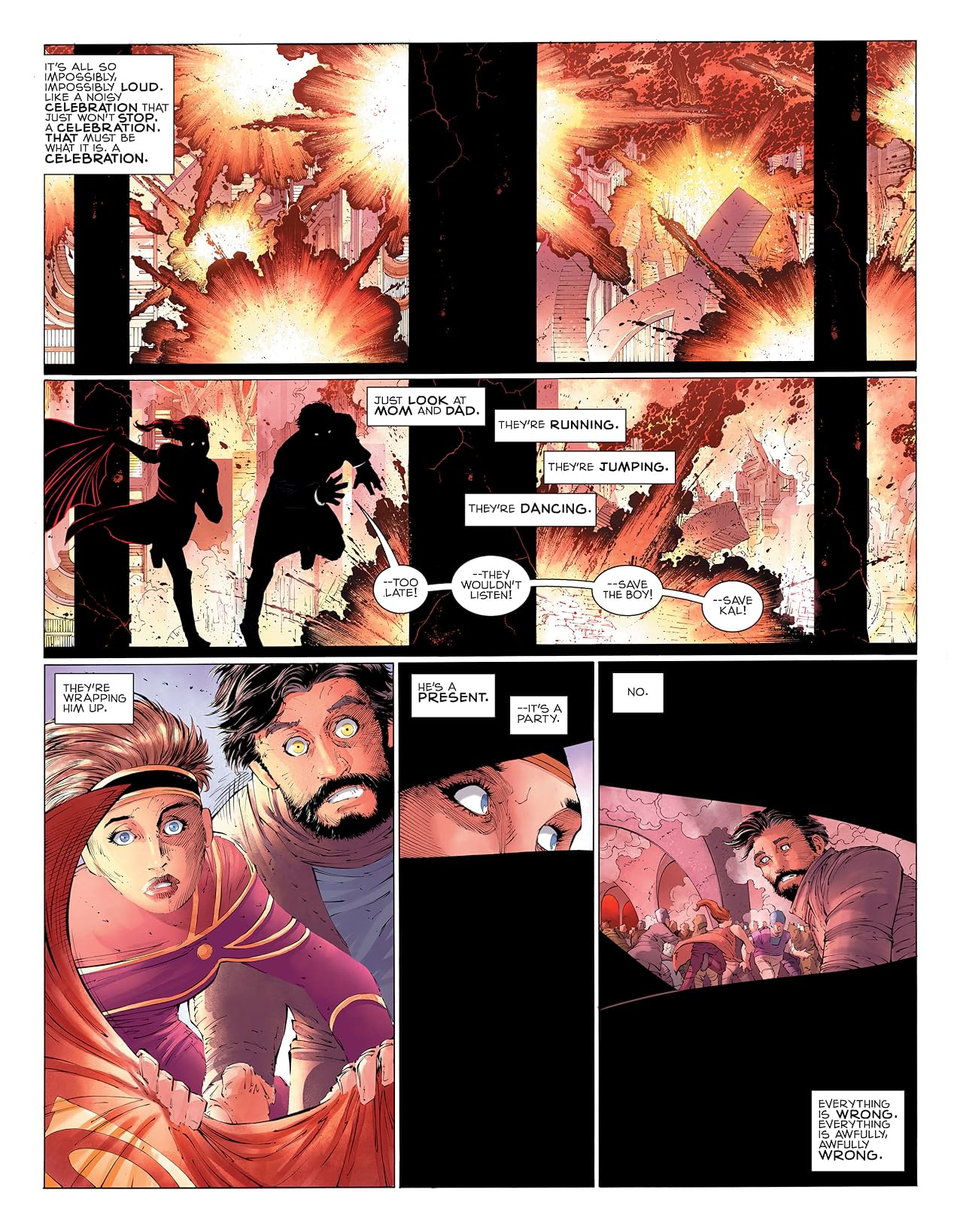
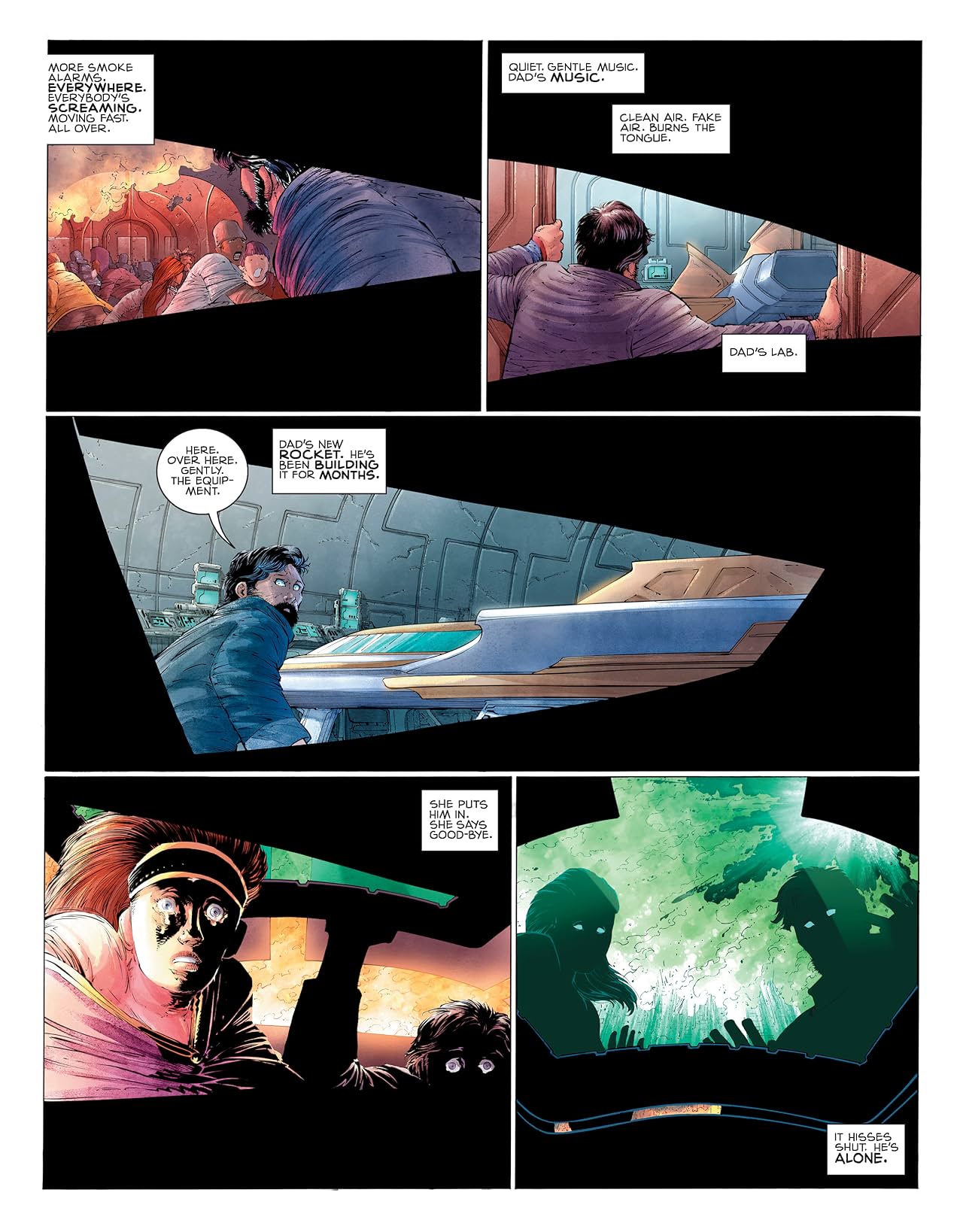
This comic, which is printed under DC’s more mature Black Label banner, is not a radical re-telling of Superman’s origins. If you know the basics or have just seen a few Superman movies, then you won’t see anything too shocking. That said, “Superman: Year One #1” brings something new, compelling, and revealing to the table.

There any number of stories about Clark Kent’s formative years, from origins comics to the “Smallville” TV series. Many go to great lengths to show how and why Clark becomes Superman. However, Miller’s approach to “Superman: Year One #1” is a bit different.

The story is less about Clark becoming a hero and more about how he finds his place in the world. He’s not a hero yet. The thought hasn’t even crossed his mind. He’s just a kid for most of the story, navigating his life and trying to figure out where he fits in. His emerging powers are secondary, for the most part.

There are times when Clark is overwhelmed. There are even times when he’s uncertain. One of Superman’s most defining traits is his inclination to do the right thing just because it’s the right thing. That’s what makes him the hero by which all others are measured. In “Superman: Year One #1,” he doesn’t know what the right thing is yet, but he’s eager to find out.

In addition to the emergence of Clark’s morality, Miller also explores his influences and his supporting cast. His parents, his peers, and his first love interest, Lana Lang, all get a chance to play a part in his story. They don’t just give him advice or put him in challenging situations, either. Miller gives them all a personality.

Their voices feel distinct. Their impact on Clark feels unique. They help nurture his humanity more than any aspiring superhero. Both Lana and Martha have powerful moments that reveal why they’re so critical to Clark’s journey. Some of those moments, namely the one with Lana, aren’t the kind that would make it onto kid-friendly movie or Saturday morning cartoon, either.

Miller does take advantage of DC’s Black Label, injecting some more mature themes into the story. However, he never pushes it beyond a certain point. Compared to what happened withBatman: Damned #1,” Miller keeps things relatively balanced. That doesn’t stop “Superman: Year One #1” from feeling like a more mature Superman story.

This is a story where Clark Kent gets to be a kid who just happens to develop amazing powers. It’s a story where he doesn’t fight invading aliens, mad scientists, or hulking monsters. The biggest fight he has involve a group of high school bullies who saw one too many 80s teen movies.
The stakes are small. Clark doesn’t need to save the world at this point in his life. He just has to save a few people and navigate through a few personal situations. While that doesn’t make for the kinds of epic battles that Superman tends to fight every other day, it’s because of this smaller scope that the story feels more personal.

Before Clark can learn to save the world, he has to start by saving Lana Lang from being assaulted. Before Clark can battle Braniac, Lex Luthor, and Doomsday, he has to learn how to take down a group of bullies without causing too much damage. Not everything comes easily, even for someone of his immense power. That’s exactly what makes “Superman: Year One #1” so compelling.

Miller allows Clark to struggle and learn. The artwork of the amazingly talented John Romita Jr. helps give that struggle the perfect aesthetic. Even when he slips up, things never get too dark or angst-ridden. For Miller, the same man who wrote one of the darkest Batman stories of all time, it’s a critical, yet necessary change.

While it’s too early to say whether “Superman: Year One #1” becomes as iconic and well-regarded as Miller’s other work, it succeeds in demonstrating why his approach to superheroes is so iconic. It’s not enough to simply tell the story about how the hero wins the day against impossible odds. Miller highlights the person beneath the heroic icon.

Clark Kent is Superman. Superman is Clark Kent. The identities are often interchangeable, but they’re only names and titles. At the end of the day, there’s still a person within that iconic costume and his story is worth exploring. Under the pen of Frank Miller, that story is in good hands.

Leave a comment

Filed under Jack's Quick Pick Comic

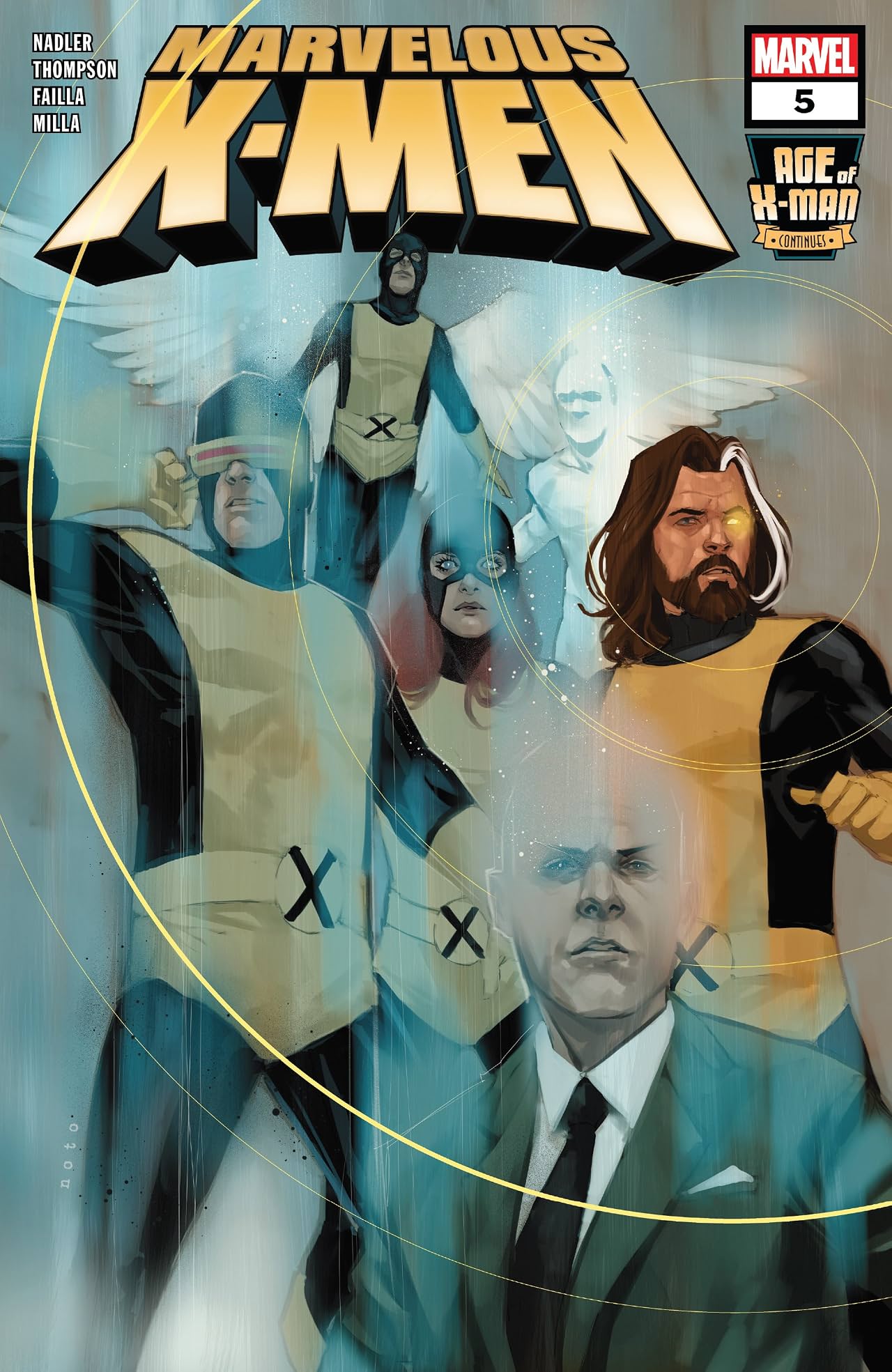
Jack Fisher’s Weekly Quick Pick Comic: Age of X-Man: Marvelous X-Men #5

For comic book fans, Wednesdays are basically our weekly holy days. It’s the day when we take a moment to stop obsessing over the latest casting rumors for the MCU and just enjoy a stack of new comics. After all, superhero movies wouldn’t be the multi-billion dollar draw they are without these comics.

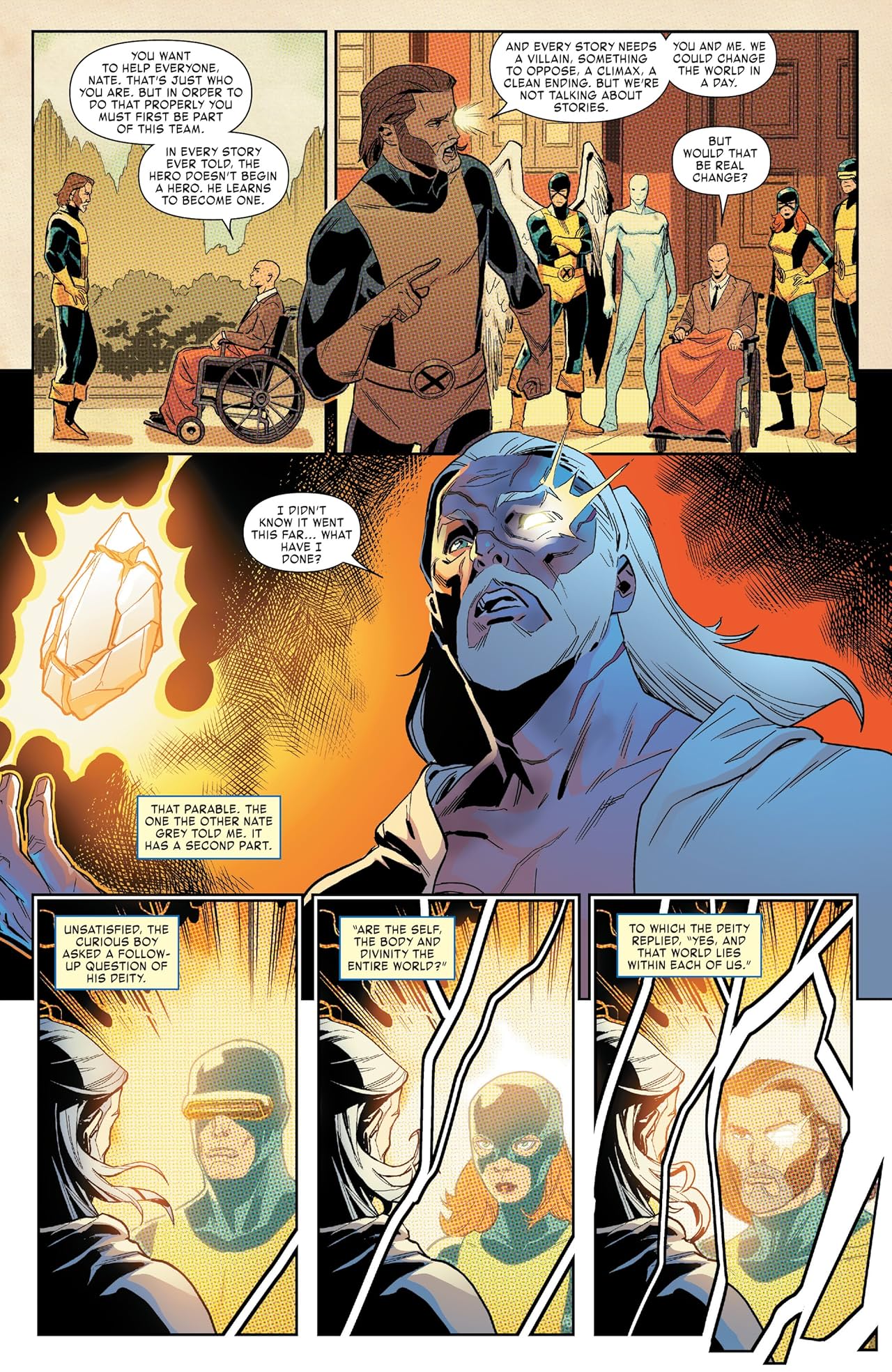
The over-arching narrative of superhero comics is powerful. They embody the best parts of the classic hero’s journey that often finds their way into our most iconic stories. They can inspire, as well as guide people down a particular path. In “Age Of X-Man: Marvelous X-Men #5,” however, someone finds a way to weaponize that narrative.

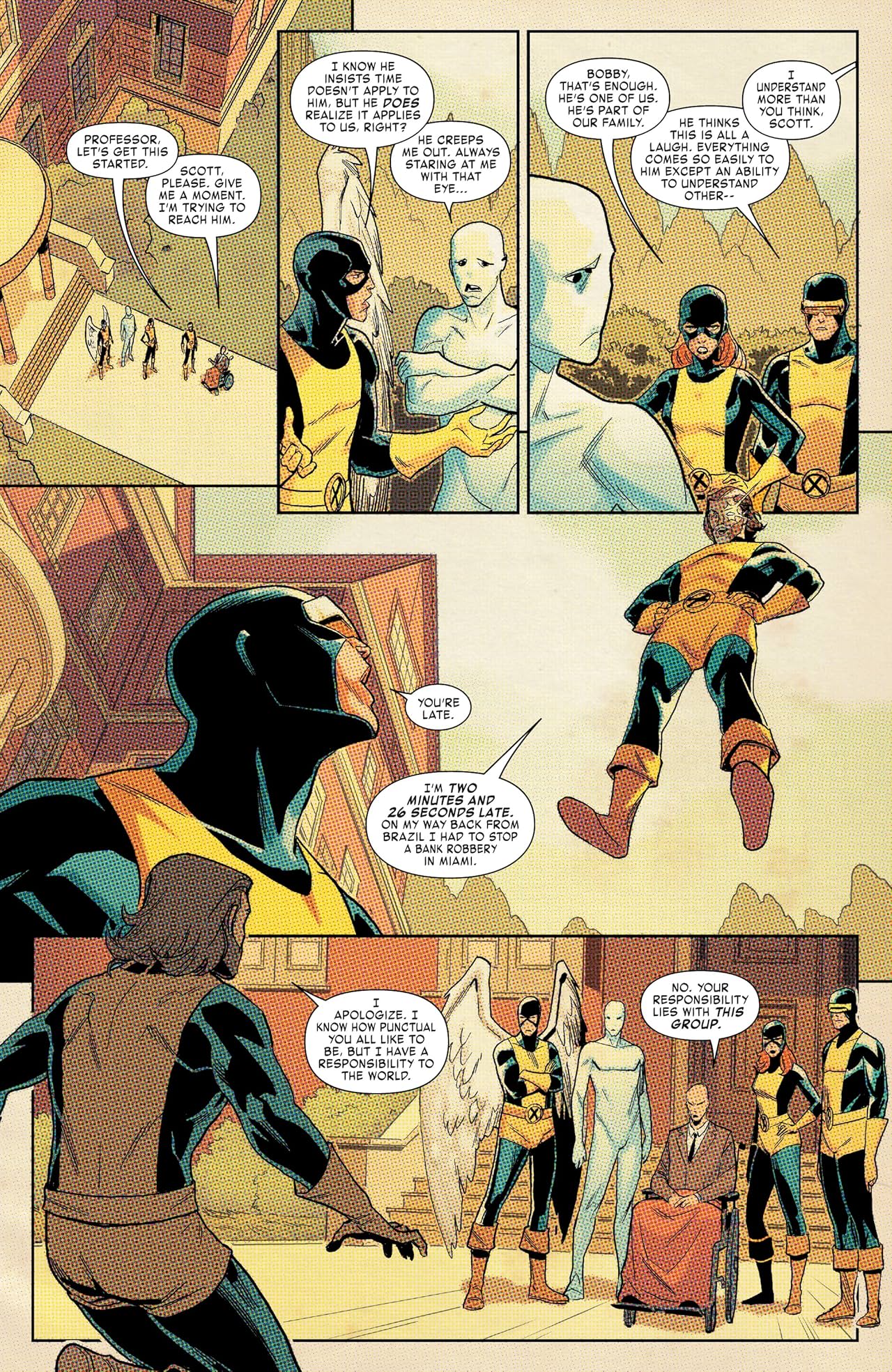
For the past several months, the X-Men comics have undergone a strange, yet colorful upheaval. Nate Grey, an overpowered mutant capable of warping reality on a level that makes “The Matrix” look lazy, basically lost his mind and decided to go out with a bang. That bang involved taking nearly every major X-Men character with him and putting them in an entirely new reality with an entirely different history.

On the surface, it’s a utopia. Granted, love and intimacy are outlawed, but there are no mutant internment camps so that counts as an upgrade for the X-men. Everyone lives in peace and the X-Men aren’t just celebrated. They’re basically real-life holy figures. There are no more killer robots to fight or extinctions to avoid. They basically won.

However, that’s just the primary narrative of this world. That finally starts to unravel in “Age Of X-Man: Marvelous X-Men #5.”

Since the whole Age of X-Man story began, Nate Grey has basically been the architect of his own world. He’s built the society, crafted its history, and completely changed the life story of every individual. This isn’t just another case of wiping someone’s mind to think they once dated Taylor Swift. This is an entirely new world, but to the X-Men, it’s the only world they’ve always known.

This huge gut-punch to reality isn’t something Nate did out of malice. Writers Zac Thompson and Lonnie Nadler establish from the beginning that Nate’s intentions are good, albeit tragic. There’s never a sense that he created this world for selfish reasons. He genuinely believes that this world is one in which mutants can live in peace and everyone he loves can be happy.

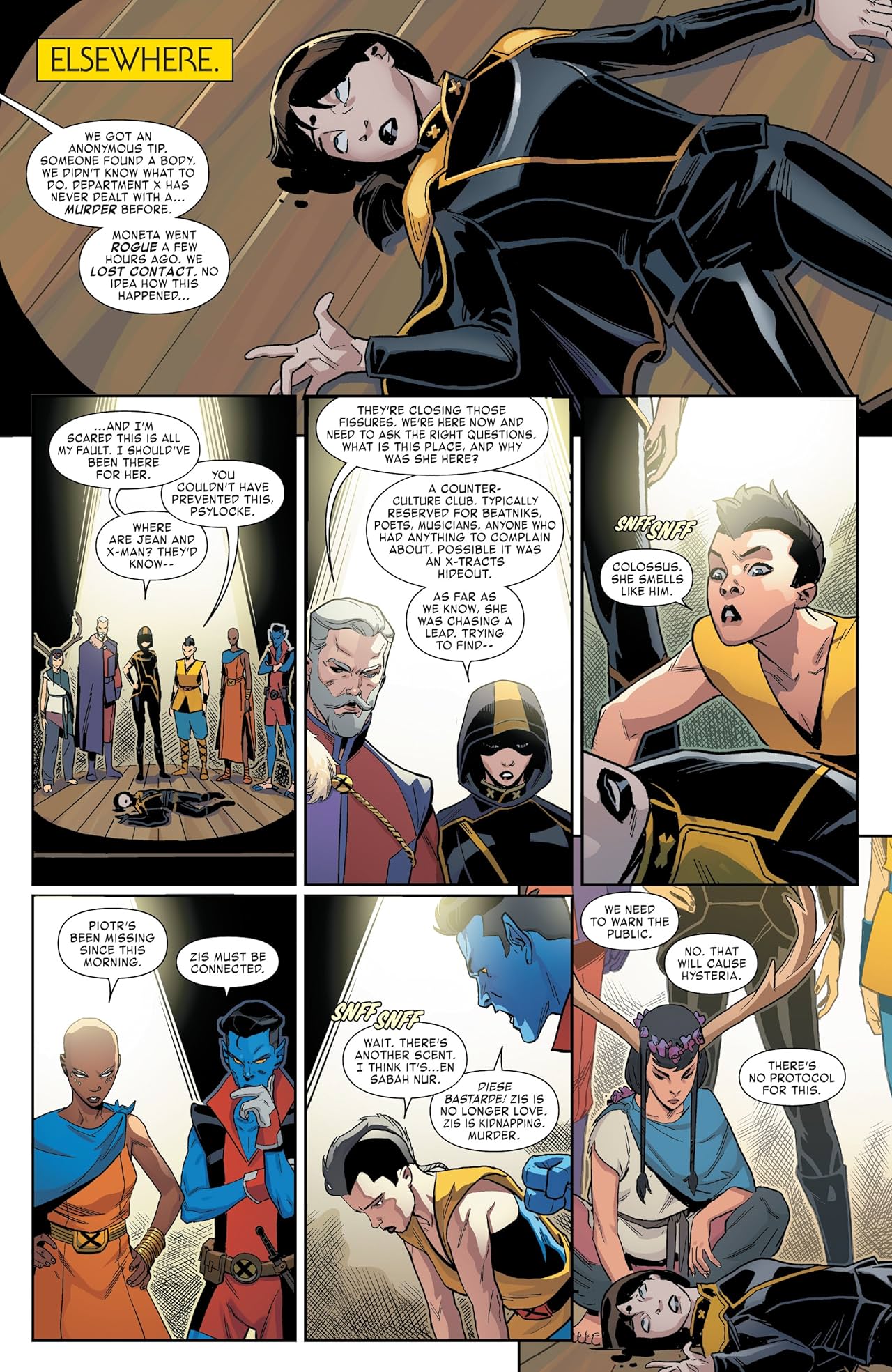
Even his power and the narratives he weaves around them have limits, though. While investigating the murder of Moneta, the X-Men finally uncover unambiguous clues as to just how much Nate has been manipulating things. The signs have been there throughout the Age of X-Man story, but now there’s no avoiding the truth. They know the story he’s trying to tell and the lies he’s using to tell it.

When Nate wrote the history of this world, he did so knowing that it wasn’t enough to make everyone happy. Even in a world without killer robots or convoluted movie rights, people need something to strive for. That means it’s not enough to give the heroes a good story. He has to give the villains a story, as well.

That means that even Apocalypse, Nate’s biggest enemy, has to be part of this narrative. His role is very different from the murder-happy social Darwinist he’s always been, but he still acts as this powerful threat to this utopian world. He makes the X-Men necessary and creates discord that requires more than just fighting.

Even as Thompson and Nadler finally peel back the curtain, Nate’s efforts to maintain this narrative never waiver. In some parts of the issue, Nate acts as the narrator, trying to justify the story of this world. There’s still no mustache-twirling evil in his story, but it’s clear there are a few plot holes that he just can’t plug.

Age Of X-Man: Marvelous X-Men #5” isn’t entirely built around the X-Men uncovering the truth. There’s no existential crisis or mental breakdown upon learning the truth. Instead, there’s a sense of anger and betrayal. Nate isn’t just some unhinged, overpowered mutant. He’s their friend. He’s family. To them, he was a hero before he tried telling this bigger story.

In many respects, that’s what has made Age of X-Man such an engaging story. “Age Of X-Man: Marvelous X-Men #5” effectively doubles down on the tragic elements of that story. This is very different from the Scarlet Witch going crazy and committing mass genocide. Nate comes off as disturbingly sane as he tries to protect and maintain this world that he’s created.

In any superhero narrative, intentions matter. Villains, by definition, tend to have selfish and destructive motives. By that standard, Nate is not a villain. He is certainly misguided, though. The extend of just how misguided he is finally plays out in “Age Of X-Man: Marvelous X-Men #5.”

For many of the characters involved, especially characters like Jean Grey, Storm, and Nightcrawler, it’s devastating in ways that go beyond having their lives manipulated. Nate Grey is their friend. He’s helped them in the past. Hell, he goes by the code-name, X-Man. He’s supposed to embody the best aspects of who they are.

Now, they have to take him down. After learning about what he did and how much he warped their lives, the X-Men have to be the ones to end Nate’s story. It’s tragic, but fitting. In terms of ending a story, though, that can be a potent combination.

Leave a comment

Filed under Jack's Quick Pick Comic

Jack Fisher’s Weekly Quick Pick Comic: Black Cat #1

Every Wednesday, this crazy and chaotic world gets a bit more bearable when a new stack of comics enters this world. Some feature iconic superheroes. Others feature devious villains. Some dare explore the vast gray area in between. Of all the new comics this week, one book dares to stand out by staking a claim in that gray area.

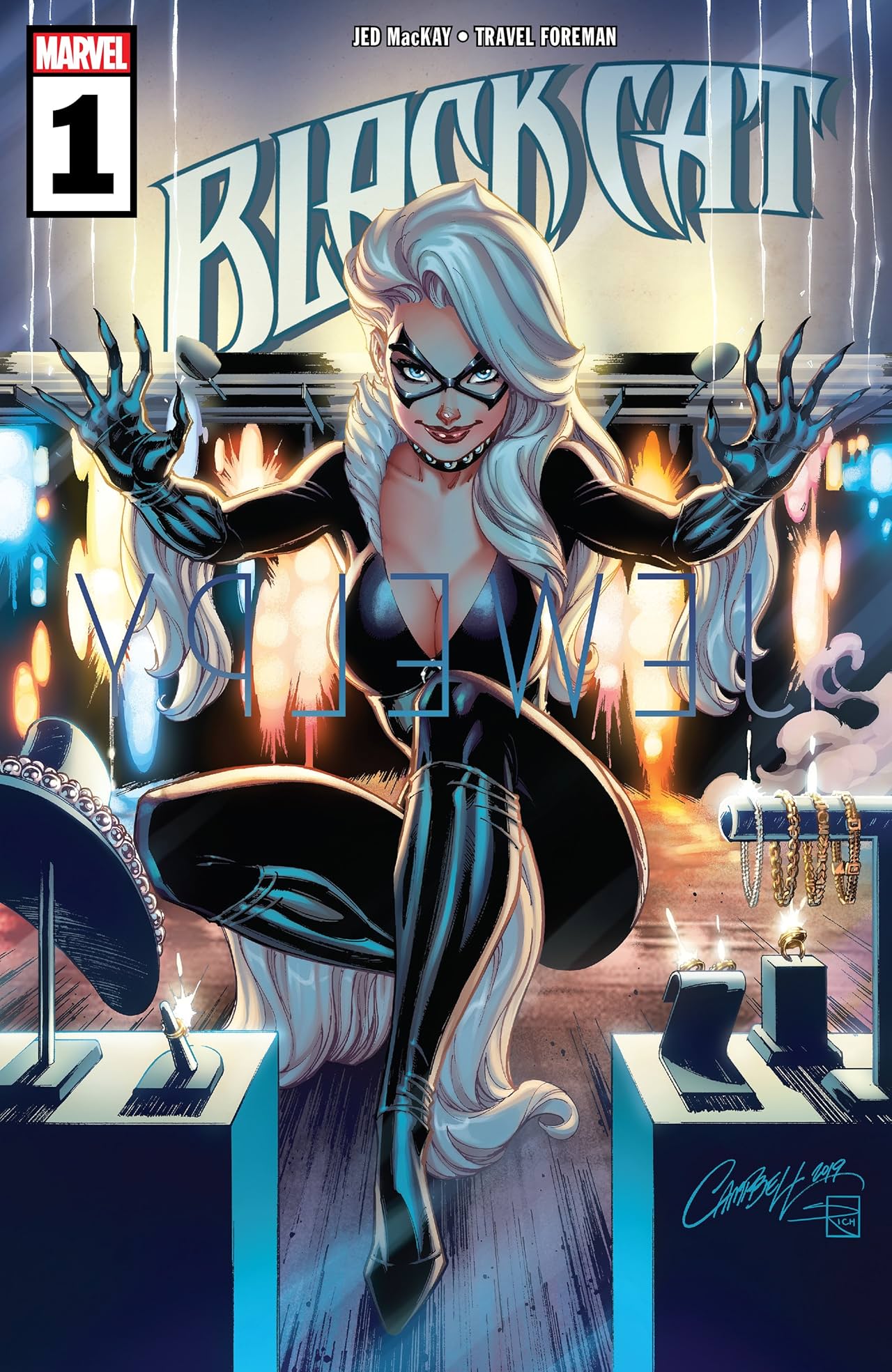
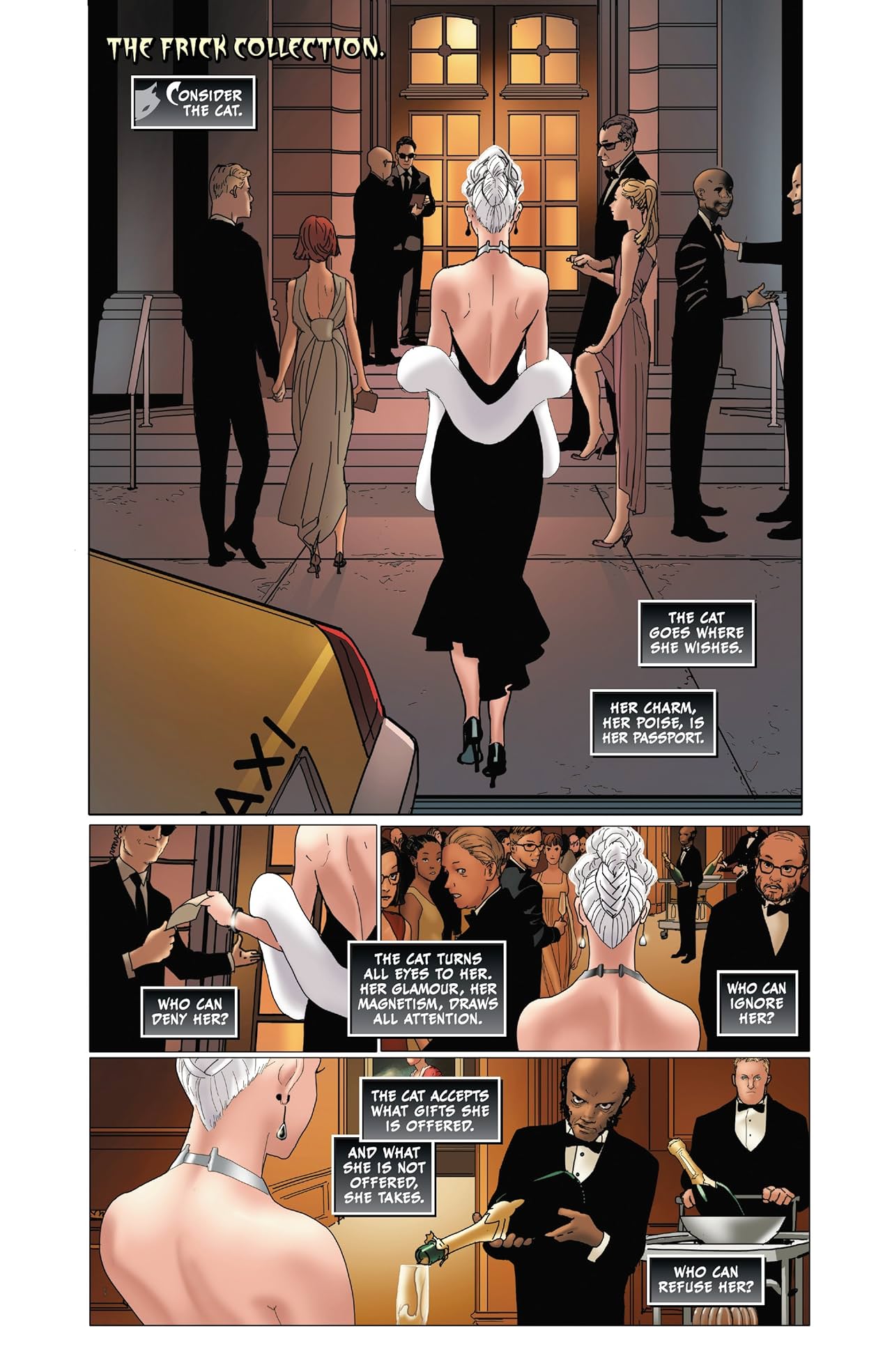
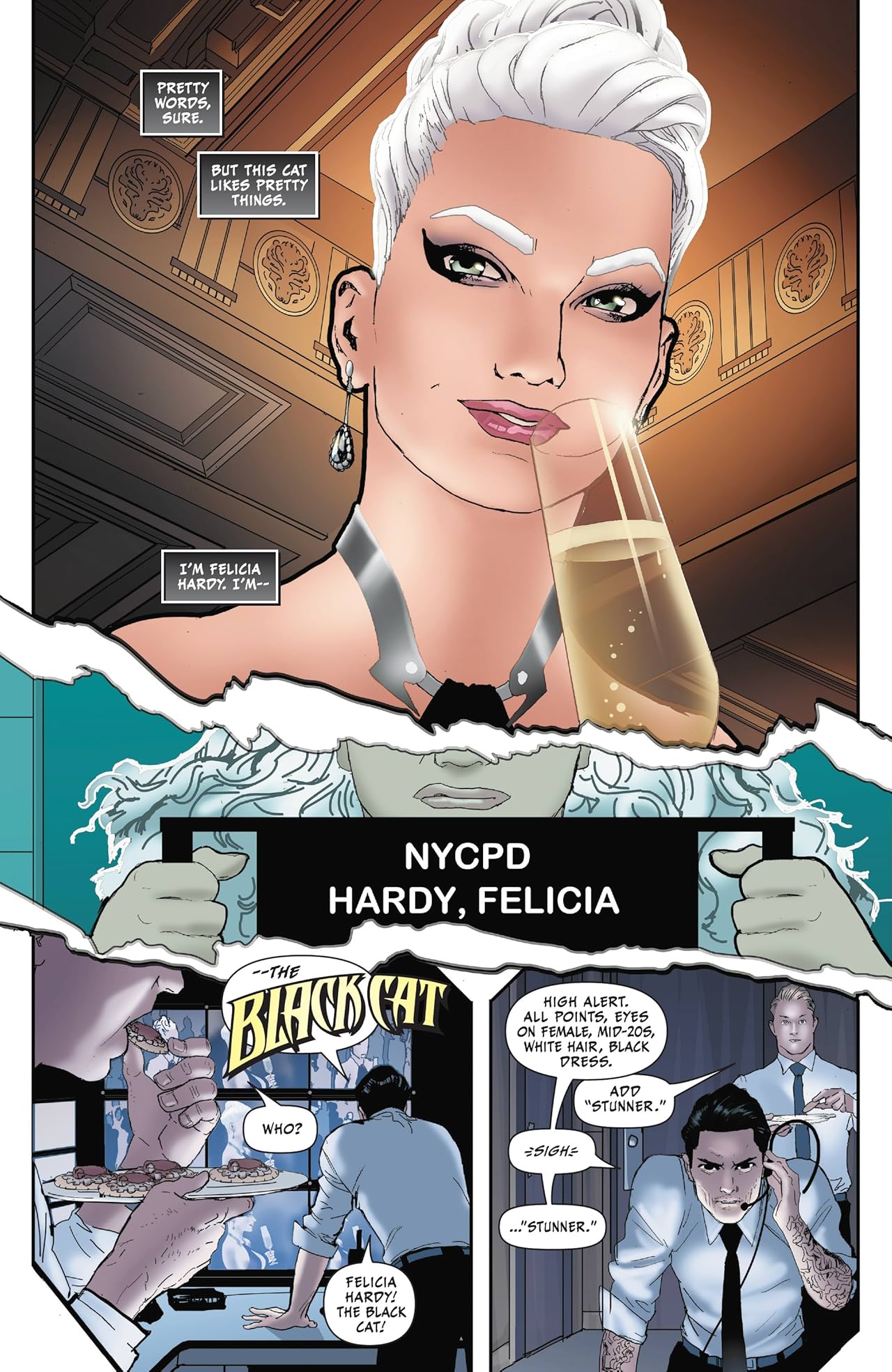
Black Cat #1” is one of those comics that probably wasn’t on many peoples’ radar. Felicia “Black Cat” Hardy is not one of those obscure comic book characters that only ardent Marvel fans know about, nor is she in that top-tier class occupied by the likes of Spider-Man and Captain America. However, whenever she shows up, she finds a way to leave her mark and looks dead sexy while doing it.

For years, Black Cat was a supporting character for Spider-Man who often fluctuated between being a sexy villainous, a volatile love interest, and a full-fledged anti-hero. At her core, she’s a thief who treats stealing as an art and a profession rather than a matter of necessity. She’s basically a female Danny Oceans with infinitely more sex appeal.

Black Cat #1” doesn’t try to shake up those previous roles. Instead, it embraces Black Cat’s thieving persona. It even celebrates it in ways that rarely play out in a typical Spider-Man comic. It showcases just how capable, devious, and downright coy Black Cat can be when she’s at her best.

There’s no Spider-Man sub-plot here. The plot in “Black Cat #1” is entirely built entirely around Felicia Hardy organizing a daring heist. However, it’s not just for money or thrills this time.

Thanks to recent events in Amazing Spider-Man, she has a target on her back. In addition to the police and various other superheroes who don’t take kindly to thieves, she managed to piss off the Thieve’s Guild, an organization that tends to hold a nasty grudge, even by comic book standards.

Black Cat can’t simply rely on her cunning, skill, and sexiness to get out of her predicament. She also can’t do everything on her own, for once. As such, she has to exercise both her thieving skills and her ability to manage a crew of other thieves who don’t have a romantic history with Spider-Man.

It’s a simple heist that requires a complex effort. It’s not quite on the same level as “Ocean’s 11,” but it’s not as simple as just breaking the glass and sneaking through air vents. In fact, “Black Cat #1” avoids some standard thieving tropes, focusing instead on everyone who tries to stop Felicia.

I won’t spoil many of the details, but I will note that they fail. Whether they’re security guards, police officers, or ninjas attacking her car, they certainly make a concerted effort. True to her skill and persona, Black Cat fights back and smiles a lot in the process.

Writer, Jed MacKay, captures both the personality and spirit of who Black Cat is. For once, she isn’t pushed into a particular role, as is often the case when she shows up in a Spider-Man comic. He lets her be herself. He gives her a voice that feels distinct and appropriately sassy. The collective artwork of Mike Dowling, Travel Foreman, and Nao Fuji ensures she looks good every step of the way.

That’s an accomplishment because one of Black Cat’s biggest shortcomings is that it’s not always easy to root for her. While she never descends too deep into outright villainy, she can often come as crass and manipulative, even without Spider-Man. That never happens in “Black Cat #1.” She only ever seems confident, charismatic, and focused.

On its own, “Black Cat #1” is a solid, well-contained heist story involving one of Marvel’s most famous thieves. It shows Black Cat when she’s at her best, stealing things that are difficult to steal and navigating obstacles that frustrate even the more competent villains. There’s never a point where you feel like rooting against her.

What makes “Black Cat #1” even more compelling, as a comic, is how it sets up the next part of Felicia Hardy’s story. Unlike many other stories where she acts mostly as a supporting character, the one MacKay teases feels more personal. It doesn’t just present a new challenge. It adds a significant complication to a life that is already inherently complicated by being affiliated with Spider-Man.

Even if you don’t know much about Black Cat or haven’t paid much attention to her story in recent years, “Black Cat #1” is one of those rare comics that can sell you on a character. In one issue, you get a good idea of who she is, what she’s about, and why she matters in the larger Marvel universe. In that same issue, you also get a sense that there’s more to her story and it’s about to change in a major way.

Some characters need to be overhauled while others need to be reinvented. Black Cat needed none of that. She just needed a chance to show what she can do and how much fun it can be to see her work. That’s exactly what “Black Cat #1” delivers.

Leave a comment

Filed under Jack's Quick Pick Comic