Category Archives: politics

What I Plan To Do With My Stimulus Check (And Suggestions For Others)

For anyone on social security or disability, getting regular money from the government is not a novel concept. It’s part of the social contract in many western style democracies. You work for much of your life. You contribute to society and the economy. Then, at a certain age, we make an effort to return the favor.

It’s noble and reasonable system, despite what some libertarians would have you believe. I have close family members who use it. I’m happy to pay into that system to help them.

However, the global pandemic that unfolded last year did a lot to shake up the system. I’ve covered some of those shake-ups before, but I’d like to highlight one byproduct in particular. As it just so happens, it’s one of the less dour results of this horrible crisis.

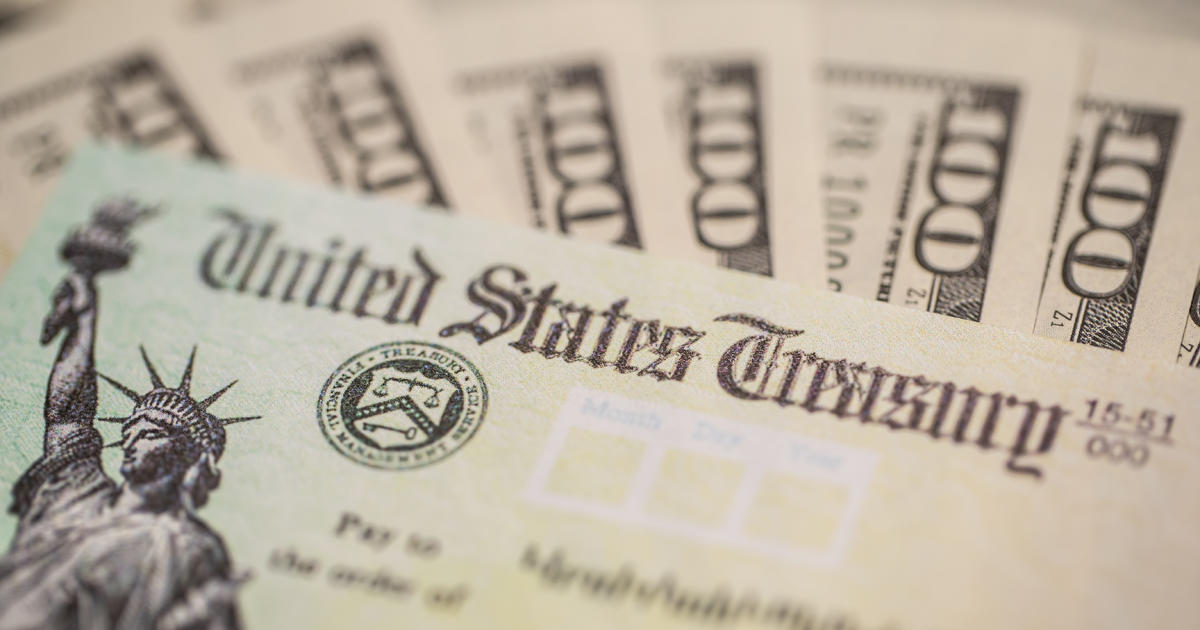
It has to do with money, specifically the money many people got in the form of stimulus checks last year. For many who aren’t retired or over 65, it was a big deal. The economic impact of the pandemic was nothing short of catastrophic. Even after nearly a year, many people still haven’t recovered. A few parts of the economy probably never will.

These stimulus checks weren’t meant to be a perfect solution. They were a band aid and some would argue they weren’t a good one. Personally, I disagree. I think it has opened people up to the idea that a government should take care of all its citizens, especially during a global crisis.

What a concept, right?

It is capable of sending everyone money. It’s just a matter of political will, which is always messy to say the least.

That will was enough to earn most of us two stimulus checks thus far. To date, I’ve received $1,800, with $1,200 coming from the first and $600 coming from the next. After the recent bill that made it through Congress, I received another $1,400.

Again, it’s a band aid. I doubt this will do much to fix the serious problems that many others are still dealing with, but it’s better than nothing. I certainly welcome this money. I even have an idea on how to spend it.

That’s noteworthy because, unlike the previous stimulus checks, I can actually spend this money on something non-essential. My first stimulus check went largely to paying down debts and a few overdue home repairs that I didn’t want to put off. The second went to some car repairs that I wanted to take care of before winter rolled in.

In hindsight, those were smart investments. The stimulus didn’t pay for all of it, but it did help ease the strain on my wallet.

This latest $1,400 promises to do more than just pay down my usual living expenses. As of now, assuming no unexpected costs come my way, I want to put this money towards something I know I’ll get plenty of use from.

To that end, I hope to put this money towards a new computer.

At the moment, I’m working on a computer that I bought back in 2015. Now, this computer has served me very well. I’ve made many videos and written many sexy short stories on it. However, for the past two years, it has shown its age.

It’s starting to slow down considerably. Just rebooting it takes way too long. It’s also struggling to handle the video editing software that I’ve come to rely on for my YouTube channel. If I want to keep making that kind of content, I need a better system that can handle better software.

It also doesn’t help that my previous PC wasn’t exactly top-of-the-line. It wasn’t cheap, either. I usually buy computer hardware that’s somewhere in the middle. This time, however, I want to buy something that’s a bit beyond that.

That doesn’t mean I’ll buy the most expensive system I can find. This stimulus money simply means I can buy more than usual. Hopefully, it’ll get me a system that’ll last a good long while. In addition, I hope it can handle some better video editing software, which I hope will show in future videos.

That’s my plan, for now. It’s always subject to change, a hard lesson we all had to learn in 2020. If you’re getting a stimulus check too, I hope you get to use it on something like this, as well. Maybe a new computer is a worthy investment. Maybe it’s something else.

Whatever it is, especially if you’re not retired, I hope it’s something useful. If you have other ideas on how to use this money, please share it in the comments. We’re almost through this mess. Some of us aren’t going to get a check like this from the government for years. I say let’s make the most of it.
1 Comment

Filed under Jack Fisher's Insights, politics, real stories

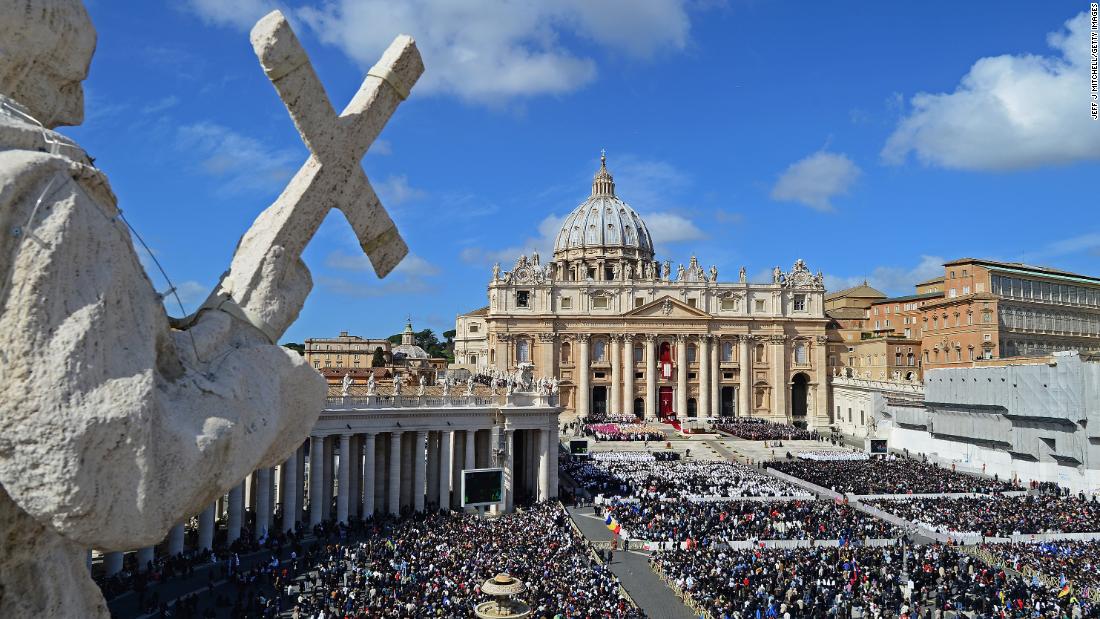
The Vatican (Unsurprisingly) Won’t Bless Same-Sex Unions And Why That Still Matters

When the Vatican makes the news for all the wrong reasons, few are surprised anymore. For the past few decades, major scandals and stories of horrific abuse have become common knowledge. It’s not a conspiracy. It’s not fake news. This stuff happened and the Vatican doesn’t bother denying it anymore.

Despite this, they still wield a great deal of power, authority, and reverence for millions of people. People still see the Vatican as the central authority for their faith. Even when more terrible scandals come out, it barely shocks anyone anymore. It’s tragic and infuriating, especially to the victims.

That’s why when the Catholic Church makes a sweeping moral judgement that affects millions of people, including those who aren’t Catholic, it evokes a special kind of frustration. This is an organization whose corruption and hypocrisy has directly led to widespread suffering and death. They do not any moral authority, especially on matters pertaining to sex and family.

Remember, this is an organization run by a bunch of old men who have taken a vow of celibacy. Getting advice from them on matters of sex is like getting advice from a vegan on how to cook a steak.

So, with that in mind, when the Vatican comes out and says same-sex unions are sinful and unworthy of their blessing, it should not carry any weight. It should not be taken seriously, either. They have as much credibility as Jenny McCarthy’s position on Quantum Field Theory.

Unfortunately, because they still wield the zeal of centuries-old religious authority, a lot of people do take them seriously. That’s why we shouldn’t be too surprised when they announce that their attitudes towards things like same-sex relationships is the same as it was several centuries ago.

AP News: Vatican bars gay union blessing, says God ‘can’t bless sin’

The Vatican declared Monday that the Catholic Church won’t bless same-sex unions since God “cannot bless sin.”

The Vatican’s orthodoxy office, the Congregation for the Doctrine of the Faith, issued a formal response to a question about whether Catholic clergy have the authority to bless gay unions. The answer, contained in a two-page explanation published in seven languages and approved by Pope Francis, was “negative.”

The note distinguished between the church’s welcoming and blessing of gay people, which it upheld, but not their unions. It argued that such unions are not part of God’s plan and that any sacramental recognition of them could be confused with marriage.

Again, this organization’s deplorable history with covering up egregious sex crimes should bar them from making such judgements. If they didn’t have religious tradition to hide behind, their statement would be a joke worthy of its own Onion article.

For countless Catholics, as well as same-sex couples and millions who identify as LGBTQ, it’s no laughing matter. What the Vatican is doing shouldn’t surprise anyone, no matter how frustrating it is in the grand scheme of things.

It’s easy to just cling to tradition. It means they don’t have to change. They don’t have to come out and say they were wrong about something for hundreds of years. They also don’t have to apologize and face possible legal issues for all the abuse they enabled over many years.

To the powers that be in the Vatican, it’s the path of least resistance.

To everyone else, it’s pure cowardice.

Now, please don’t misconstrue that as a sweeping judgment on all Catholics or those who respect the Vatican. As I often say whenever I criticize religion, most religious people, including most Catholics, are decent people. Many are actually in favor of LGBTQ rights, including same-sex marriage. They don’t hold the Vatican in that high regard and for understandable reasons.

However, the Vatican’s refusal to break free of old dogma is a testament to how stubborn and flawed this institution has become. Between all the scandals that have come out in recent years and the overall decline in religiosity, the powers within the Catholic Church are doing themselves no favor by clinging to their dogma.

At the same time, they’re continuing the stigma and harm that LGBTQ people continue to face all over the world. Many of the hate and oppression they face is religiously motivated. The Vatican is in a position to condemn it, but they choose not to. That is a moral failing on their part and one that further undermines their credibility, as a moral organization. Then again, how much moral authority can an organization have after covering up rampant child sexual abuse?

1 Comment

Filed under gender issues, political correctness, politics, religion, sex in society

Marijuana Legalization Is Progressing (And Why Prostitution May Be Next)

It’s amazing how certain social issues progress rapidly. Hell, it wasn’t that long ago that the vast majority of Americans opposed the legalization of same-sex marriage. Back when I was in college, supporting the full legalization of same-sex marriage was considered an extreme position. Today, it has so much support that even those who identify as conservative support it.

Not every issue changes so rapidly in such a short period of time. I honestly thought same-sex marriage wouldn’t be legal for decades when I graduated college. I thought it would take even longer for marijuana to be legalized. It turns out I was even more wrong about that.

As quickly as same-sex marriage gained acceptance, marijuana legalization has progressed even faster. It actually caught a lot of people by surprise. In 2012, two states legalized it through a ballot initiative. I don’t think even the most ardent weed legalization proponent expected it to progress as quickly as it did after that.

Once the precedent was set, other states followed suit. As of this writing, there are 14 states that have some form of legalized marijuana and several more states are well on their way to follow suit. I may not live in one of those states, but I’m a 20 minute drive away from one of them.

In those states that have legalized it, society didn’t collapse. A new multi-billion-dollar industry emerged. The stage is set. It’s basically a matter of time and bureaucracy. The negative effects of drug prohibition are becoming more and more apparent. It’s not at all unlikely that marijuana will be legalized nationwide in America by the end of the decade.

This trend, which I feel is objectively positive for society, is likely to spill over into other issues. That tends to happen a lot as social attitudes and norms evolve. What was considered taboo or undeniably negative for one generation is considered an issue of justice and progress to the next. We saw it with same-sex marriage in the early 2000s. Then, we saw it with weed in the 2010s.

Now, I suspect that the next issue to undergo that process might be prostitution, or sex work as it is more commonly known these days.

I make this claim with no expertise or insight. I’ve written about prostitution before, both in terms of its legality and its taboos. In terms of progress or change of any kind on this issue, there hasn’t been much since Nevada legalized prostitution decades ago. Unlike weed and same-sex marriage, prostitution has some unique challenges.

The biggest of those challenges, by far, is how policy changes affect human trafficking, an objectively horrible crime that nobody wants to help or facilitate. Whether fair or not, prostitution gets linked to human trafficking. Anytime there are proposed changes to prostitution laws, be they legalization or greater criminalization, human trafficking is often cited.

These are tough hurdles to overcome for anyone hoping to put sex work on the same level as other social issues. However, there are signs that the cultural tide regarding sex work is changing.

Back in 2016, Amnesty International made headlines by publicly endorsing the widespread decriminalization of prostitution. In their official policy, this was their position and their justification.

It recommends the decriminalization of consensual sex work, including those laws that prohibit associated activities—such as bans on buying, solicitation and general organization of sex work. This is based on evidence that these laws often make sex workers less safe and provide impunity for abusers with sex workers often too scared of being penalized to report crime to the police. Laws on sex work should focus on protecting people from exploitation and abuse, rather than trying to ban all sex work and penalize sex workers. 

The policy reinforces Amnesty International’s position that forced labour, child sexual exploitation and human trafficking are abhorrent human rights abuses requiring concerted action and which, under international law, must be criminalized in every country.

When it first came out, this caused some uproar, especially among those who favored the Nordic Models of combating prostitution, which only criminalized the buyers of sex. That uproar hasn’t fully abated. There is still a great deal of disagreement on how best to reform prostitution laws to improve the situation for sex workers and combat human trafficking.

Then, the pandemic hit and like so many other things, we all had to rethink everything.

To say that the pandemic has impacted the lives of sex workers everywhere would be a gross understatement. Legal or not, this is an activity that cannot accommodate basic practices of social distancing. That’s especially true for sex workers who are minorities or otherwise disadvantaged. Amnesty International even cited racial justice as a reason for their position.

At a time when injustices of so many kinds are becoming more prominent, the time might be right for prostitution and sex work to enter the conversation. Some jurisdictions are actually proposing new, more liberal policies on sex work. The rights of sex workers are quickly becoming more entwined with human rights, in general.

That’s a path that closely mirrors what happened with same-sex marriage. It’s also a path that the pandemic has reshaped considerably. Like every other industry, the sex industry has had to adapt. Even once the pandemic is over, it’s very unlikely things will go back to the way they once were.

The need for change is apparent now. That nature and extent of that change is still unclear. However, as the fight over weed legalization settles and same-sex marriage becomes mainstream, I believe it’s very likely we’ll see prostitution and sex work become a more pressing issue in the coming years. If for no other reason, it’ll have to be addressed. If it’s ignored, then expect progress on sex robots to accelerate even more rapidly.

Leave a comment

Filed under politics, prostitution, sex in society, sexuality

A Message To Those Who Whine About The “Mainstream Media”

There are certain institutions and organization no one wants to defend. Usually, there’s a good reason for that. Who would ever want to stand on the side of the IRS, insurance companies, or oil companies? I don’t deny some will make the effort, but it’s often born of questionable motivations.

Now, I’m not out to defend any of those organizations or the people they pay to protect them. In fact, I’m going to try very hard to not take a side here. That may not be possible because in this case, I’m going to try and be balanced on an institution that has only become more imbalanced over the years.

I’m referring to “the mainstream media.” Yes, I put that term in quotes. There’s a good reason for that.

I’m also aware that people talk about “the mainstream media” the same way they talk about hemorrhoids, traffic jams, and malignant tumors. You’re unlikely to find anyone who will come to their defense. It’s why trust in “the mainstream media” is at an all-time low.

However, is that entirely the media’s fault?

Don’t get me wrong. The modern media is a mess and definitely needs a top-down overhaul, but I’m not smart enough to discuss that at any great length. Instead, I want to focus on those who constantly whine about “the mainstream media.”

You hear it from liberals who claim right-wing news sources peddle disinformation and outright propaganda.

You hear it from conservatives who claim left-leaning news sources basically treats anyone to the right of Jimmy Carter a fascist.

You basically hear it from everyone from every side of the political spectrum. Either “the mainstream media” is actively undermining democracy or they’re an unofficial arm of an oppressive government. There’s no middle-ground or nuance. No matter your politics, you’ll find an excuse to hate them.

I’m sorry, but I have to call bullshit.

Again, this is not me coming the defense of mainstream media. This is just me saying there’s legitimate criticism of modern media institutions and then there’s just bullshit whining. The latter has grossly overwhelmed the former as of late.

I see it in comments section and social media. It takes many forms, but it often boils down to this.

“The mainstream media is covering up the truth!”

“The mainstream media is spreading lies!”

“The mainstream media is attacking [insert favorite politician/pundit/celebrity]!”

“The mainstream media is destroying the country I love!”

Trust me, it gets more hyperbolic and vulgar. In some cases, real people faced outright death threats because of peoples’ hatred for “the mainstream media.” Even after the death of Rush Limbaugh, the hate isn’t subsiding. It’s only going to get worse.

That’s because it’s easier than ever to basically customize your news feed. If you want to only hear news from a right-wing bias, you can do that. If you only want to hear news from a left-wing bias, you can do that too. If you just want news that’s uplifting, there’s even a source for that too.

It’s not entirely a result of the internet. This has been happening since the rise of talk radio. People learned that you could garner a large, loyal audience by telling them the news and opinions that they want to hear. They won’t care how factually accurate it is. They just want to hear what makes them feel good.

That’s not inherently wrong. We’re human. We have our biases. There’s no way around it.

The problem is that, because people are having their biases satiated, they’re becoming more antagonistic towards anything that doesn’t do exactly that. That means any news that isn’t their preferred news is “the mainstream media” and “the mainstream media” is always bad.

I wish I could write that with more sarcasm, but this is a serious issue and one with deeply distressing implications.

This is part of why it’s becoming increasingly harder to convince people that a certain news story has been debunked or discredited. It’s also why people will cling to certain issues, citing only uncredible and bias sources, long after they’ve faded from the headlines.

You cannot reason with someone who clings to an unreasonable source of information. You also cannot have a civil discussion with someone who sees anything that doesn’t agree with them as wrong, evil, or a conspiracy by shape-shifting lizard people. I swear that last one is an actual conspiracy theory. I wish I was joking.

For this reason, I’ve had many unpleasant conversations with people who are otherwise decent human beings.

For that same reason, I’d like to send those people, as well as those who side with me on most arguments, a simple message.

The mainstream media is not out to get you.

The mainstream media is not out to destroy your way of life.

The mainstream media is not some evil organization run by a cabal of supervillains.

In essence, whining about “the mainstream media” has just become code for whining about certain people or organizations that don’t agree with you politically or ideologically. It’s a knee-jerk reaction that gives people an excuse to dismiss every point they make, even if it’s right, accurate, and completely credible.

It’s pathetic that people are that insecure about their politics, but it’s also dangerous. The events of January 6th at the Capitol is proof of that. I’m not saying we should all start trusting the media at every level. I’m just saying that there’s a better, more balanced way to get a clearer view of our world. You’re just not going to get that view if you only ever listen to Infowars.

Leave a comment

Filed under Current Events, media issues, political correctness, politics, psychology, rants

Dear Gina Carano And Her Supporters: Avoid Ben Shapiro (And Everyone Like Him)

Talking about politics is ugly.

Talking about issues like “cancel culture,” which I put in quotes for a reason, is often revolting.

Sometimes, though, we can’t avoid it. When it makes headlines, it’s like a massive traffic accident. We can’t look away. It’s just how we’re wired. It’s a problem that plays right into the flaws of human nature.

It affects us on an emotional level, appealing to tribalism and hate. It brings out the worst parts in some people. For others, it brings out a sense of greedy opportunism that is nothing short of exploitative.

This brings me to the ongoing saga involving Gina Carano, the new face of “cancel culture” after Disney fired her from “The Mandalorian.” She’s been making a lot of noise in the media lately, which is kind of ironic for someone claiming to be silenced or censored, but that’s beside the point.

However, a good chunk of that noise came out of her recent interview with Ben Shapiro of the Daily Wire. Now, I’m inclined to believe that Gina is sincere in her statements. I’m also inclined to believe that she’s not a hateful person, even though her words and tweets tend to the wrong message.

Reasonable people can have reasonable discussions about how justified Disney was in firing her. Those same people can have reasonable discussions about the merits of “cancel culture” and how conservatives are viewed in the media. Those are discussions we should have.

The problem is that Ben Shapiro is not a reasonable person, for the most part, nor are many conservative-leaning blowhards like him. Gina herself might already know the kind of person he is, but I doubt she fully grasps the bigger picture of who this man is and why people like him are not true allies.

It’s fine to be a conservative.

It’s fine to disagree with major liberal talking points.

Men like Ben Shapiro take it several steps further and cross way too many lines. He’s as much a conservative as Bugs Bunny is a real opera singer. He’s nothing more than a mouthpiece funded by a couple of oil billionaires, who are also huge funders of the religious right. These are people who think the only women’s right that matters is the right to obey her husband and pump out babies.

These are not people you want to ally with.

These are not people who have the best interest of America, women, and Star Wars fans in mind.

They have an agenda and Gina is nothing more than a tool, as are her fans. However, I don’t expect anyone to just take my word for it. The YouTube channel, Some More News, actually went through the trouble of creating a one-hour video detailing why Ben Shapiro is not a serious person who should be taken seriously about anything, let alone real conservatism.

Please, I implore both Gina and her supporters to watch this video and think carefully about who they’re throwing their support behind. As multiple Star Wars movies have shown us, making a deal with the dark side rarely works out for anyone who isn’t already in power.

Leave a comment

Filed under Current Events, politics, psychology, Star Wars, YouTube

Happy President’s Day America! (Let’s Try To Appreciate That)

Hello, my fellow Americans.

As many of you know, it’s President’s Day. In most years, that’s just a day off from school or work, as well as a formal acknowledgement of America’s history. It’s our indirect way of appreciating the ideals of American democracy and the people who made it possible.

However, this isn’t most years. Hell, last year wasn’t most years and not just because of a historic pandemic. The events of January 6 at the Capitol didn’t help much, either.

Many others have already said it, but it still holds true. America is very divided. That’s not an opinion. It’s backed up by real numbers. Half of Americans hate each other, based on their political ideology. There’s no respectful disagreements. There’s just a growing us-versus-them mentality and it’s incredibly toxic.

Since a new president was sworn in last month, there have been a lot of talk about unity and healing. That talk hasn’t resulted in much, in the grand scheme of things. Many Americans still hate each other. They also still refuse to accept that a President they didn’t like or vote for won the election.

How do we come back from that?

How do we heal from that?

How do we ever get to a point where we can just get along again?

I honestly don’t know. I wish I did. I really do. As a proud American who loves his country as much as any patriotic American, I want to see us do better. I want to see us transcend our flaws, of which there are many, and become more akin to the vision that our founders set out to create.

I don’t expect it to start today. I don’t expect it to start tomorrow, either. However, I believe in making the effort.

Maybe today is a day when we can all start trying. Even if you didn’t vote for the current President, don’t let that stop you from making America the best it can possibly be. Look forward to the future and not to the past. See your fellow Americans as fellow Americans and not an insurgent army.

I know that’s asking a lot. I also understand there are some people who truly cannot be reached. They will not be satisfied until America, as we know it, is destroyed and rebuilt in their own perverse image. Those people are an extreme minority, but they often talk the loudest and resort to violence most readily.

Let’s not let them derail the vision for a better America.

Let’s not let them keep us divided.

We’re Americans. We are lucky beyond measure to be born in this great land. In our country, a President is not a King, but they are those tasked with carrying America forward. They’ll continue to do their part. That’s why we elected them. Now, on this President’s Day, let’s do ours.

Leave a comment

Filed under Current Events, political correctness, politics

Why We Should Treat Our Data As (Valuable) Property

Many years ago, I created my first email address before logging into the internet. It was a simple AOL account. I didn’t give it much thought. I didn’t think I was creating anything valuable. At the time, the internet was limited to slow, clunky dial-up that had little to offer in terms of content. I doubt anyone saw what they were doing as creating something of great value.

I still have that email address today in case you’re wondering. I still regularly use it. I imagine a lot of people have an email address they created years ago for one of those early internet companies that used to dominate a very different digital world. They may not even see that address or those early internet experiences as valuable.

Times have changed and not just in terms of pandemics. In fact, times tends to change more rapidly in the digital world than it does in the real world. The data we created on the internet, even in those early days, became much more valuable over time. It served as the foundation on which multi-billion dollar companies were built.

As a result, the data an individual user imparts onto the internet has a great deal of value. You could even argue that the cumulative data of large volumes of internet users is among the most valuable data in the world.

Politicians, police, the military, big businesses, advertising agencies, marketing experts, economists, doctors, and researchers all have use for this data. Many go to great lengths to get it, sometimes through questionable means.

The growing value of this data raises some important questions.

Who exactly owns this data?

How do we go about treating it from a legal, fiscal, and logistical standpoint?

Is this data a form of tangible property, like land, money, or labor?

Is this something we can exchange, trade, or lease?

What is someone’s recourse if they want certain aspects of their data removed, changed, or deleted?

These are all difficult questions that don’t have easy answers. It’s getting to a point where ownership of data was an issue among candidates running for President of the United States. Chances are, as our collective data becomes more vital for major industries, the issue will only grow in importance.

At the moment, it’s difficult to determine how this issue will evolve. In the same way I had no idea how valuable that first email address would be, nobody can possibly know how the internet, society, the economy, and institutions who rely on that data will evolve. The best solution in the near term might not be the same as the best solution in the long term.

Personally, I believe that our data, which includes our email addresses, browsing habits, purchasing habits, and social media posts, should be treated as personal property. Like money, jewels, or land, it has tangible value. We should treat it as such and so should the companies that rely on it.

However, I also understand that there are complications associated with this approach. Unlike money, data isn’t something you can hold in your hand. You can’t easily hand it over to another person, nor can you claim complete ownership of it. To some extent, the data you create on the internet was done with the assistance of the sites you use and your internet service provider.

Those companies could claim some level of ownership of your data. It might even be written in the fine print of those user agreements that nobody ever reads. It’s hard to entirely argue against such a claim. After all, we couldn’t create any of this data without the aid of companies like Verizon, AT&T, Amazon, Apple, Facebook, and Google. At the same time, these companies couldn’t function, let alone profit, without our data.

It’s a difficult question to resolve. It only gets more difficult when you consider laws like the “right to be forgotten.” Many joke that the internet never forgets, but it’s no laughing matter. Peoples’ lives can be ruined, sometimes through no fault of their own. Peoples’ private photos have been hacked and shared without their permission.

In that case, your data does not at all function like property. Even if it’s yours, you can’t always control it or what someone else does with it. You can try to take control of it, but it won’t always work. Even data that was hacked and distributed illegally is still out there and there’s nothing you can do about it.

Despite those complications, I still believe that our data is still the individual’s property to some extent, regardless of what the user agreements of tech companies claim. Those companies provide the tools, but we’re the ones who use them to build something. In the same way a company that makes hammers doesn’t own the buildings they’re used to make, these companies act as the catalyst and not the byproduct.

Protecting our data, both from theft and from exploitation, is every bit as critical as protecting our homes. An intruder into our homes can do a lot of damage. In our increasingly connected world, a nefarious hacker or an unscrupulous tech company can do plenty of damage as well.

However, there’s one more critical reason why I believe individuals need to take ownership of their data. It has less to do with legal jargon and more to do with trends in technology. At some point, we will interact with the internet in ways more intimate than a keyboard and mouse. The technology behind a brain/computer interface is still in its infancy, but it exists and not just on paper.

Between companies like Neuralink and the increasing popularity of augmented reality, the way we interact with technology is bound to get more intimate/invasive. Clicks and link sharing are valuable today. Tomorrow, it could be complex thoughts and feelings. Whoever owns that stands to have a more comprehensive knowledge of the user.

I know it’s common refrain to say that knowledge is power, but when the knowledge goes beyond just our browsing and shopping habits, it’s not an unreasonable statement. As we build more and more of our lives around digital activities, our identities will become more tied to that data. No matter how large or small that portion might be, we’ll want to own it as much as we can.

It only gets more critical if we get to a point where we can fully digitize our minds, as envisioned in shows like “Altered Carbon.” At some point, our bodies are going to break down. We cannot preserve it indefinitely for the same reason we can’t preserve a piece of pizza indefinitely. However, the data that makes up our minds could be salvaged, but that opens the door to many more implications.

While that kind of technology is a long way off, I worry that if we don’t take ownership of our data today, then it’ll only get harder to do so in the future. Even before the internet, information about who we are and what we do was valuable.

This information forms a big part of our identity. If we don’t own that, then what’s to stop someone else from owning us and exploiting that to the utmost? It’s a question that has mostly distressing answers. I still don’t know how we go about staking our claim on our data, but it’s an issue worth confronting. The longerwe put it off, the harder it will get.

Leave a comment

Filed under Artificial Intelligence, biotechnology, Current Events, futurism, Neuralink, politics, technology

Censorship Vs. Accountability: Know The Difference

I hate talking about censorship.

I hate talking about “cancel culture,” a term I think has all the wrong connotations for all the wrong reasons.

I am a proud American and I believe in free speech to the utmost. I will gladly fight for that freedom and support those who do.

I say all that because, in wake of the terrible events at the Capitol recently, there has been a lot of whining from certain people. I won’t name names. I’ll just note that they’re whining and ranting about censorship and cancel culture. Watch the news for more than five minutes and you’ll know who they are.

Now, I don’t want to go on an extended rant about why censorship is different from not being allowed to post on your favorite social media site. Make no mistake. There is a difference. There’s actually a lengthy legal framework behind what constitutes censorship in a purely legal sense.

I’m not a lawyer, nor am I smart enough to break down the various complexities about censorship, cancel culture, and the various cases attributed to both. I doubt any point I make will change anyone’s mind, especially if they’ve been affected by perceived censoring from either side. Even so, I still think a point is worth being made.

In watching this debate, I’ve noticed something that’s both peculiar and revealing about this issue. Whenever there’s a case of alleged censorship or cancel culture, those who bemoan it only complain when it’s used against them.

For instance, say your favorite politician who you vote for and vocally support was kicked off Twitter, Facebook, and all major social media platforms for rhetoric that incited violence and spreads damaging disinformation. Chances are, you’re going to defend them more than you would if that politician was someone you vocally opposed.

Yes, I realize this is not a subtle example. It still gets the point across.

Those same people might not raise an eyebrow if there was a case of an gay couple who denied service at a bakery. They might also be perfectly fine with laws on the books that actually ban atheists from holding public office. Those are both actual cases of discrimination, but it’s happening against people who they don’t agree with, politically. As such, they don’t care or actively support it.

On the other side of that coin, the same people who celebrate certain politicians from getting kicked off social media will loudly support boycotts and bans from certain individuals speaking on campuses. They’ll also whine about a certain scene in a TV show or certain media depictions of minorities.

The absurdity is the same. The only difference is the target and the political affiliation of those complaining about it. It’s just tribalism at its most basic. You support and make excuses for the people and things you support. You protest those you think are against you. There’s no logic to it. It’s all based on who you support or hate.

With respect to those who actually do get censored, there’s also another side of that coin. While I am a vocal proponent of free speech, I also believe in accountability, especially for people in positions of power. It’s one thing for me to say something stupid on social media. It’s quite another for someone who is an elected official.

Those words carry a lot more weight. When someone in that position encourages anger, outrage, and protest, it can lead to real world actions. We saw that at the Capitol. Real people suffered and died because of those actions. In that case, there are consequences.

When you incite violence against others, that’s not free speech. That’s a crime. When your words lead to tangible harm and destruction, that’s something that you are accountable for. It’s not censorship. It’s not cancel culture. It’s just accountability, plain and simple.

If you can’t understand that, then you don’t understand free speech and what it really means. Now, with respect to tech companies removing certain voices or having a bias, that’s another issue. It’s complicated and requires more nuance than simple whining.

However, when it comes to powerful people just wanting to use social media to exercise their power, that’s different. Powerful people must be held to a higher standard. If not, then people far less powerful will pay the price and we can’t have any kind of freedom in a society like that.

Also, blurring female nipples is still bullshit censorship. Can we at least agree on that?

Leave a comment

Filed under censorship, Current Events, extremism, outrage culture, political correctness, politics

A Post-Inauguration Letter To America

I’m a proud American. I celebrate, value, and promote the ideals that America stands far. I don’t ignore its flaws, nor do I overlook the egregious mistakes that it and its people have made in the past. That still doesn’t stop me from appreciating all that America strives to be.

Saying all that the day after Inauguration Day shouldn’t feel so dramatic. It really shouldn’t. However, the past year has really shaken up the political and social landscape, albeit in a very distressing manner.

I don’t want to get into the details of why, how, and who’s responsible for all these distressing disruptions. I know that, by doing so, I’ll only invite the wrath and whining of people intent proving their particular ideology or politician is right. I’d rather not do that. I feel like there’s been enough of that in recent years.

Instead, I want to send my own personal letter to America and its new President. Think of it as an addendum of the letter I sent the day after the attack on the Capitol. That was the low point of low points. Today, I’d like to start raising the bar for this great country once more.

It all comes back to one simple notion that I still believe, even after everything that has happened this past year.

We can do better than this.

We can be better than this.

We can and should start working towards a better future rather than trying to realize an idealized past.

I know that all sounds like simple platitudes. Some may even find it corny and empty. I don’t care. I still think they’re worth putting out there to my fellow Americans, including the ones who vehemently disagree with me and did not vote for the new President.

I believe those people can be better too. I don’t think they’re terrible people for voting as they did or for believing what they believe. I do think some are misguided, some more so than others. There are times they say and do things that I find to be genuinely hurtful, hateful, and divisive. It goes beyond disagreeing with them and towards feeling genuinely threatened.

That’s painful because I’m related to some of these people. I have close friends and relatives who avidly and proudly espouse political views that I find repugnant. I do what I can to separate the views from the actual people, but that’s not always easy, especially after what happened at the Capitol.

I genuinely worry about some of them. They have great passion for their positions, but when they argue from a misguided standpoint, it gets disconcerting to say the least. However, I cannot forget that they are still Americans. They still live in this country and want to see it thrive, albeit in their own misguided away.

We may never fully agree on all the issues.

We may never genuinely like one another on every level.

At the very least, I still believe we can all find a way to live together in a way that brings peace and prosperity to both of us.

That’s the message I want to send to my fellow Americans as a new President and a new administration begins. We have many challenges ahead of us, the least of which involves a once-in-a-century pandemic that has killed thousands. We’re not going to overcome these challenges by endlessly insulting one another for our politics.

At some point, we do have to tolerate one another to maintain a civilized society. We have to live together, work together, and even learn from one another as we move forward.

Like it or not, another day will come. The sun will set on one Presidential administration and rise on another. In 2024, we’ll go through the process again. We don’t know what state the world will be in by then, but we can all assume we’ll still have many challenges before us.

That’s something to remember for the future.

For now, let’s focus on the present.

Let today be the first day when we close our eyes, grit our teeth, and try to look forward. I know it’s tempting to look back on all the frustration, derision, mistakes, and injustices of the past. We shouldn’t forget them, but we also shouldn’t be defined by them. We cannot change the past. We can only effect the future before us.

Let’s begin that process today.

On this day, let’s remember that we’re all still Americans.

We still love, value, and celebrate this wonderful country. Whoever you are and however you voted, never forget what that means. Let’s not just focus on making it great. Let’s work to make it better than it has ever been.

Leave a comment

Filed under Current Events, politics

Young Adults Are Making Better Decisions About Their Sex Lives While Older Adults Still Complain About Them

It’s a tale as old as time and no, I’m not referring to “Beauty and the Beast.”

Younger generations clash with older generations. The older people are appalled at how the youth are conducting themselves. They see them doing things and behaving in ways that they never would’ve imagined in their youth. It’s not new. In fact, it’s been happening since ancient times in some form or another.

It’s especially pronounced when sex enters the equation. Older people don’t like thinking about their kids having sex and young people don’t like thinking about their grandparents having sex. We know it happens. There are over 7 billion humans on this planet. It happens a lot. It just makes us both very uncomfortable.

From discomfort comes assumptions and from assumptions come irrational fears. It’s not always overt, but it’s present in popular perceptions. Personally, I’ve never heard someone over the age of 60 claim that young people today are far more responsible in managing their sexual behavior. I doubt anyone in that age group could say that with a straight face.

However, that’s not what actual, verifiable data says. According to recent research in Psychological Science, young people today are more responsible than ever when it comes to making decisions about their sex lives.

Psychological Science: Young Adults Make Rational Sexual Decisions

We examined risky sexual choice under the lens of rational decision-making. Participants (N = 257) completed a novel sexual-choice task in which they selected from among hypothetical sexual partners varying in physical attractiveness and in the probability that one would contract a sexually transmitted infection (STI) from a one-time sexual encounter with them. We found that nearly all participants evaluated the sexual-choice alternatives in a coherent fashion consistent with utility-based theories of rational choice. In subsequent analyses, we classified participants’ responses according to whether their sexual preferences were based on maximizing attractiveness or minimizing the risk of STIs. Finally, we established an association between sexual choice in our task and reported real-world sexual risk-taking.

It doesn’t just stop with responsible choices, either. There has been a relatively consistent trend over the past 40 years. Sexual activity, as a whole, has been going down, so much so that it’s a demographic concern. That has corresponded with a decline in teen pregnancy, abortion, and unwanted pregnancy.

These are all good things for society for the most part. There are some legitimate concerns that a lack of physical and emotional intimacy could be detrimental on these young people, but with respect to the rampant promiscuity that older generations often complain about, the reality just isn’t as titillating.

That’s not to say there aren’t irresponsible young people in this world. There certainly are. I’ve known quite a few. Most people have. It’s just not this big, decadent trend. Cable news and popular media love to paint young people as these strange, tradition-hating deviants who seek to destroy our most precious institutions. They are simply wrong.

They’re also trying to sell you a bullshit narrative to get ratings, but that’s another story.

Even in matters not exclusive to sex, older generations still try to find ways to criticize these crazy young people. It’s become more popular in recent years to call anyone under 30 a cohort of over-confident narcissists. Some go so far as to say there’s a narcissism epidemic.

Research says young people today are more narcissistic than ever

‘Somebody high in self-esteem values individual achievement, but they also value their relationships and caring for others,’ she says. ‘Narcissists are missing that piece about valuing, caring and their relationships, so they tend to lack empathy, they have poor relationship skills. That’s one of the biggest differences, those communal and caring traits tend to be high in most people with self-esteem but not among those who are high in narcissism.’

Again, this is a flawed and incomplete narrative. It’s also incompatible with with the notion that young people are somehow more decadent sexually. Among the key traits of narcissism is promiscuity and it’s not just related to the sexual kind.

It’s hard to be narcissistic and responsible for the same reason it’s hard to be relaxed and enraged. The human psyche just doesn’t work like that. Society, as a whole, doesn’t work like that either. It can’t. If young people really were as decadent and narcissistic as old people thought, then our civilization never would’ve made it this far.

I know I’ve brought up flawed assumptions about young people and their sex lives before. I doubt old people will stop complaining about the deviant, decadent behaviors of young people anytime soon, even if a mountain of data says they’re better-behaved than their predecessors.

The reason I bring it up now is because this is one of those years when we should all re-assess our perspectives. The grim events of this past year have affected everybody, young and old. It’s affected our society, our emotions, and our sex lives. A lot will change as a result of this year. Generations afterwards will feel it.

As someone who will one day become old and cranky, I hope to maintain a healthy perspective regardless of what happens. I don’t doubt that when I get to a certain age, I’ll see young people behaving in ways that I find shocking. Some of those shocking ways might involve their sex lives. If I ever have kids, that’s going to concern me.

At the same time, I imagine that part of me will envy those young people for having the time, energy, and passions to behave in such ways. On some levels, I think many older people share those feelings. Their youth is a memory. The days of breaking traditions and upsetting their elders is long gone because they’re not elder. It’s just part of life.

We can’t avoid it, at least not yet. I don’t know what kind of state the world will be in by the time I turn 60. I just know I’ll have plenty to complain about. The fact that young people are bucking those complaints gives me hope that it’ll be better than any false perception.

Leave a comment

Filed under gender issues, health, human nature, Marriage and Relationships, outrage culture, political correctness, politics, sex in media, sex in society, sexuality