Tag Archives: social psychology

Why I’m NOT Nostalgic For The 90s (Or Any Past Decade)

This is a video from my YouTube channel, Jack’s World.

A lot of people my age talk fondly about growing up in the 90s. A lot of older friends and relatives talk just as fondly about life in previous decades. This sort of nostalgia is understandable, but it’s also misguided.

Even with the current state of the world, I’m NOT nostalgic for the 90s. And I’m here to make the case that nostalgia for any past decade is empty and incomplete. Enjoy!

Leave a comment

Filed under Jack's World, psychology, rants, YouTube

How To Tell If You’re In A Cult And Why it Matters

This is a video from my YouTube channel, Jack’s World.

This video is about cults and how to tell if you might be in one. It was a difficult video to make in that I tried to be sensitive to the difference between a cult and a religion. I also tried to be fair in discussing those who get roped into cults. These people are often victimized by these groups and it is important to keep that in mind when discussing this topic.

I also highlight the BITE model when determining the practices of cults. If you’d like to know more about this model, please see the link below.

Leave a comment

Filed under history, Jack's World, philosophy, politics, psychology, religion, YouTube

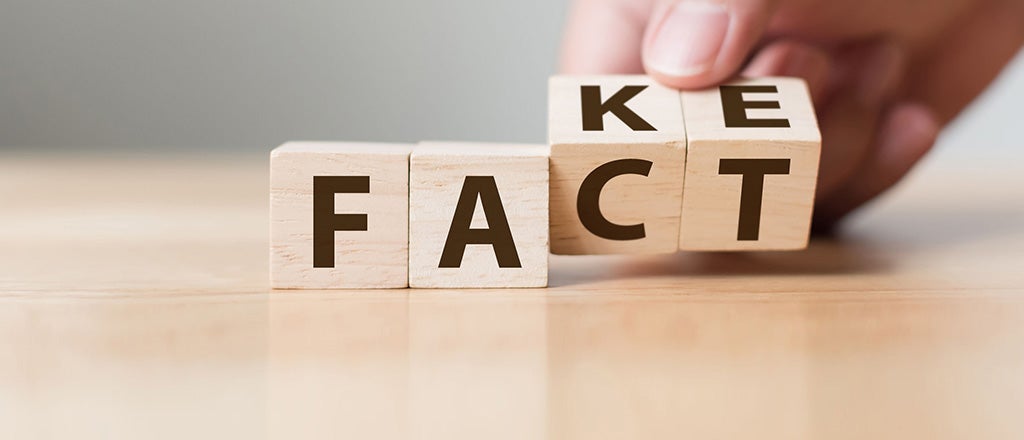
Why We’ll Never (Fully) Get Rid Of Misinformation

How Private Information Helps Fake News Hoodwink the Public

Being informed is important. In some cases, it is literally a matter of life and death. That’s a big reason why I’ve made multiple posts urging people to get vaccinated against COVID-19. It could literally save your life. It’s also free, by the way. How many other things that could save your life are also free?

Seriously, people, get vaccinated. I’ll belabor that as much as I have to.

However, this isn’t only about vaccines or the idiots who refuse to get them. It’s about the “information” that these people are using to justify their choices. I put “information” in quotes because calling some of this stuff information is a poor use of the term.

Information, by definition, is supposed to inform. It’s supposed to make you more aware and educated about the world around you. Lies, propaganda, and misinformation do none of that. That sort of thing makes you dumber, more vulnerable, and more easy to manipulate by those willing to do so.

It happens in politics, religion, pop culture, business, and even shady marketing schemes. Much of these endeavors don’t have facts, truth, or verifiable information on their side. As a result, they require that people buy into whatever misinformation they feed them. It’s dishonest, disgraceful, and should be condemned to the utmost.

The problem is that people still buy into it.

Moreover, some people actively seek for this kind of information.

This is something I think many people have experience with, either directly or indirectly. I also suspect it has become a lot more relevant lately, given the rise of anti-vaxxers and conspiracy theories. This sort of mentality was always present. The problem is that the internet and social media have made it disturbingly easy to spread.

Now, it’s easy and tempting to blame big tech companies for this phenomenon. Make no mistake. Big tech companies are certainly at fault to some degree. Many of these same companies also have done some incredibly shady things, to say the least.

However, I’m still of the opinion that, no matter how disreputable big tech companies can be, it still ultimately falls on the users to control what information they seek. Whether it’s Google, Facebook, or TikTok, these systems don’t operate in a vacuum. They simply respond to user input. We are, to some extent, responsible for the information we seek.

I’m certainly guilty of seeking out information that isn’t exactly reputable. There have been times, including a few very recent instances, where I find myself seeking information that turned out to be less than truthful. Even if it was for something as innocent as comic book news or NFL trade rumors, it’s still misinformation as best and outright lies at worst.

That may not do much harm if the information you’re seeking is only damaging to your Fantasy Football team, but if that information involved politics or your health, then that’s where the real damage can occur. I’ve already seen it manifest with friends who fell down some very dark internet rabbit holes. Some of that might have just been by accident, but I also don’t doubt it was intentional in some cases.

In recent years, I’ve tried to make a more concerted effort to seek accurate, truthful information. I haven’t always succeeded, but I genuinely try to find true and accurate information, even if it’s something I don’t like. The fact it takes so much effort has me worried.

On top of that, it has led me to believe that it might not be possible to avoid misinformation. Even without the internet, it will find you. Propaganda and lies did exist before the digital age. It’ll likely always exist to some extent, so long as human brains are wired a certain way. Since we can’t change that anytime soon, despite the best efforts of Elon Musk, we’re likely stuck with misinformation.

This has me genuinely concerned because, even as some tech companies are making greater efforts to combat misinformation, it’s still relatively easy to find. On top of that, there are people out there working for nefarious organizations who are actively engaged in creating, spreading, and supplementing misinformation. Even if you shut them all down tomorrow, others will just spring up to replace them.

In some respects, it’s a lot like the war on drugs. You could arrest every single drug dealer in the world this morning, but by dusk a bunch of new dealers will emerge to take their place. Like it or not, there’s still a demand and there’s money, influence, and power to be gained.

Misinformation may not be the same as heroin or pot, but is subject to the same incentives. People actively seek it. Taking it in makes them feel special, important, and smarter than their neighbor. Today, it’s misinformation about vaccines, liberals, and gaming culture. Tomorrow, it might be about something else entirely.

It all comes back to how we’re wired. Our brains are not designed to seek truth or accurate information. They’re designed to keep us alive. Misinformation might be damaging in the long run, but it can make us feel better in the short-term, which is sadly more than enough incentive for some, even if it proves deadly in the long run.

I seriously wish I could end this on an uplifting note. I genuinely tried to find some way of putting a positive spin on this struggle. Unfortunately, the best I could come up with is to simply urge everyone to try harder to seek true and accurate information. If these past two years have taught us anything, it’s that bad information can cause a lot of harm.

We can never get rid of it, so long as our brains operate as they do.

We can and should still do our part. Truth and accuracy matters. You may not like it, but it may very well save your life in the long run.

Leave a comment

Filed under Current Events, outrage culture, political correctness, politics, psychology, rants, technology

Thought Experiment: How Much SHOULD Society Seek To Control People?

Make and Enforce the Rules Without Making Enemies | FirstService Residential

The older I get, the more I realize how complicated the world can be. By the world, I don’t just mean complex socio-political or cultural trends that manifest over extended periods of time. I’ve found that most people, in general, are complicated.

Every individual has their own story to tell.

Every person has their own goals, wants, needs, morals, and methods for doing things.

Every community and culture has their own approach to molding a functioning society.

There’s no one perfect way to go about it. If anything, there are too many approaches that are good, bad, or some messy combination of both. Many of us like to think there’s a single way to maximize the happiness and potential of all individuals. Many even believe they know it when they’re young and idealistic.

Then, we get older and we realize that’s not just impossible. It’s untenable.

I say this as someone who went through his share of ideological shifts, especially in college. I won’t bore everyone with the details. I’ll just say that my perspectives on politics, religion, and culture when I was 20 were vastly different from what they were when I turned 30.

In developing those perspectives, there weren’t many common threads, especially when religion and politics were involved. I know I’ve touched on both many times before and while I try to be fair, I don’t deny I have certain leanings that I don’t hide.

I am generally mistrustful of organized religion, as well as the agendas of those who are overly extreme in their beliefs. I am just as mistrustful as those who take extreme positions on certain political ideologies, be they conservative or liberal.

I am deeply critical of conservative religious types who basically seek to impose a theocracy.

I am also deeply critical of extreme left-wing liberals who seek to impose a politically correct autocracy.

People on both sides will likely claim they’re not seeking anything bad or negative. They genuinely believe that their way will be for the greater good. They believe people will be happier and more prosperous of everything they believe is imposed and integrated into a larger order.

Sincere or not, I still say those beliefs are misguided. I also suspect those same people don’t understand the complexities and nuances of individuals or humanity, as a whole. At the same time, I do think they raise an important question, which also warrants a larger thought experiment.

How much SHOULD society seek to control people?

It’s a question both sides of the political/ideological/cultural/religious spectrum grapple with, even if they don’t say it out loud. It often comes back to this. Whether it involves determine morals, crafting laws, or developing a larger culture, this is one of the most common issues.

It’s not an unreasonable concern, either. To some extent, society needs to exact some control over peoples’ behavior. Even in small, tribal settings, individual behavior can have a profound impact on others. If people just did anything they want without any regard for others, we couldn’t function. We couldn’t cooperate, coordinate, or collectively thrive.

Humans evolved to be a social species. One individual, on their own, can only do so much to function and survive. A group of individuals can achieve so much more. With a large enough group, we can create a civilization that can literally reshape the face of the planet.

That kind of coordination requires some level of control over the individual. Whether it’s by punishing or shaming certain behaviors or strongly encouraging others, we need some mechanism for maintaining social cohesion. It’s just a matter of extent.

Some ideologies go to incredible extremes. Religious conservatives can be particularly draconian in enforcing control. They don’t just seek to punish certain behaviors while censoring certain messages. They actively seek to police peoples’ thoughts and feelings, often in a way that’s damaging to many individuals.

Extreme liberals can be just as bad. There are those who seek to not just punish those who do so much as tell an offensive joke or depict video game characters in a way that’s too sexual. They seek to punish individuals in the present for the actions of those in the past. Like their religious counterparts, they also attempt to police others’ thoughts.

Then, you’ve got the extreme libertarians who try to minimize social control to the greatest extend possible. I would argue that too is not practical, if only because it ignores the nuances and complexities necessary for a functioning society at large.

For most people and societies, the extent of the control they impose varies. In some places, free speech is protected while in others, it’s tempered in the name of ensuring social harmony. The same goes for things like encouraging or discouraging certain behaviors, like drinking, gambling, or promiscuous sex. Some involve laws while others involve shaming. The goal is still the same.

It all comes back to control. To complicate things even more, some individuals require less control than others. There are those who are perfectly responsible and don’t need the law or shaming to be decent, upstanding members of society. There are also those who are just pathologically incapable of following the rules and getting along with other people. What does society do about them?

I understand I’m using “society” in a broad, generalized term. That’s because the question, and any thought experiment surrounding it, needs to focus on the bigger picture. I know that’s not easy for any one individual. Like I said, we all have our biases, prejudices, and predispositions. We also tend to believe we’re right and are generally resistant to change.

I maintain that’s exactly why we should ask questions like this. It’s also why we should dare to think about how much or how little we control one another on a societal level. Civilization and society, for all the wonders they achieve, is an ongoing process. That means there are always opportunities for refinement. We can and should take every opportunity to do so.

If you have any insights on this thought experiment, please share them in the comments. Also, if you have any thought experiments you’d like me to discuss, please share those as well.

1 Comment

Filed under philosophy, politics, Thought Experiment

Contemplating The Lies, Sincerity, And Dishonesty Of Public Figures

53,509 Lying On Back Stock Photos, Pictures & Royalty-Free Images - iStock

When you lie down in bed at night, alone in the dark with your thoughts, I believe that’s when you’re most honest with yourself. Whether you sleep alone or with a lover, this is one of those few times when we can allow our minds to wander freely. Sometimes, we find ourselves thinking things that make us uncomfortable. While it may be distressing, I would argue that’s healthy.

I freely admit that I find myself contemplating a lot of strange things when I lay down to go to sleep at night. I doubt I’m alone. I would question the honesty of anyone who claims their private thoughts perfectly match those they contemplate in public.

With this in mind, I’d like to pose a relevant question. I wouldn’t go so far as to call it a thought experiment because this is one of those questions that may have a definitive answer. Granted, it’s an answer we’ll probably never know for sure. However, I still feel it’s worth asking for the sake of the bigger picture.

It has to do with public figures. By that, I don’t just mean major celebrities like movie stars, musicians, and what not. I’m also referring to well-known politicians, political commentators, and even popular social media figures on sites like YouTube and Tik-Tok. To all of them, I pose this question.

When these people lie in bed at night, do they genuinely believe the things they do, espouse, or support?

I think the answer to that question, even if we cannot know it, is incredibly revealing.

Let’s face it. These are all people who have a very public persona. Most people who know who they are know them only through that persona. Whether they’re a politician known for saying dumb things, a celebrity with a nasty reputation, or religious preachers with controversial views on certain subjects, they have a public face and a public personality.

It’s also incredibly common for people to not be honest with themselves. Most of us have done that at some point in our lives to varying degrees. We carry ourselves as someone we’re not. We convey feelings, ideas, and emotions that are not entirely in line with our true selves. Why we do this varies, but it can be incredibly damaging if taken too far.

For certain public figures, though, there are many additional layers of complications. For some people, especially politicians, shock jocks, and social media personalities, they have to present a certain version of themselves to the public. That version is almost always carefully crafted and refined. It rarely reflects a completely honest version of that person.

On top of that, this version of themselves is presented as a means to obtain money, power, influence, attention, and everything that comes with that. They say and do whatever reaffirms or builds upon that persona. If it gets any level of attention, be it positive or negative, it gets reinforced.

It can quickly become a cycle, but one that’s reinforced with money, power, and influence. At that point, a public figure doesn’t just have an incentive to keep up this persona. They have incentives to double down and take it to new levels. Even if it makes them infamous and hated, they still get enough out of it to justify the effort, no matter how dishonest it might be.

With those incentives in mind, I often find myself wondering how much or how little certain public figures are aware of them. Perhaps when they lay in bed at night and are alone with their thoughts, they acknowledge that hard truth to themselves, but wouldn’t dare acknowledge it to anyone else.

Think about someone like Bernie Madoff. Before he got caught in his infamous Ponzi scheme, he knew what he was doing. He knew he was a fraud. How much or how little did he realize that when he was in bed at night before he got caught?

Think about some of the most radical, right-wing or left-wing politicians you know. Think about some of the craziest beliefs they espouse. When they lay down at night, do they realize how crazy they are? Do they even truly believe what they say? Do they just say what they need to in order to keep their persona going?

Think about some of the radical religious preachers who bilk money from the faithful. Do they truly believe the terrible things they espouse? Do they really believe that they are somehow more holy than everyone else? When they lay in bed at night, do they realize that what they’re doing is antithetical to their religion? Is it possible that some don’t even believe and are simply doing what they do because it earns them money and influence?

We’ll probably never know the answer. Regardless of how you feel about these public figures, especially the ones most decent people find deplorable, the question is still relevant. It should also inform our perspective about certain public figures. If someone has a powerful incentive to keep being who they are in public, then expect them to keep doing what they’re doing. The only time they may acknowledge it is when they lay in bed at night.

Leave a comment

Filed under Current Events, philosophy, political correctness, politics, psychology, religion, Thought Experiment

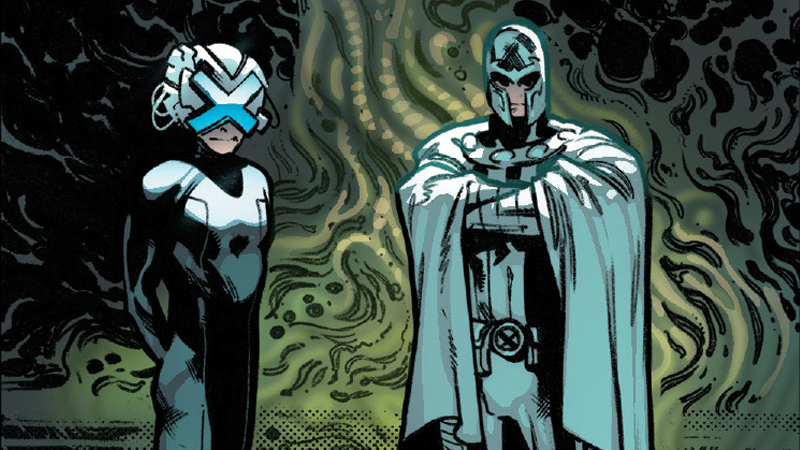
What Recent X-Men Comics Can Teach Us About Present (And Future) Politics

house-of-x-variant-cover-xavier-1200x676

Trying to make sense of politics is like trying to understand quantum mechanics while stoned. The process of governing humanity has always been tricky. Ever since we exchanged our basic hunter/gatherer ways for a more formal system of order, the process has only become more difficult over time. You don’t have to look far to see the complexities and the overall absurdities of politics.

I’ve tried to talk about politics before, albeit with a limited focus on hot-button issues. I never claim to be an expert or an authority on the matter. I’m an aspiring erotica/romance writer. My understanding of politics is as limited as most people who don’t live, work, and breath these issues. Despite those limitations, I still want to make an effort to talk politics in a novel way.

As it just so happens, I’ve come up with just such a way and it involves X-Men comics. Considering how much I’ve written about X-Men and superhero comics in general, this should surprise no one.

More specifically, I want to take the events that have been unfolding in the X-Men comics for the past two years and use it to make sense of the current state politics. I also want to use it to speculate a bit on where these politics might lead us. Again, I am not even close to an expert, but I do believe that art and media have an uncanny way of shining a light on the real world and there are few narratives more uncanny than the X-Men.

The current state of politics, especially in the United States and Western Europe, has been dominated by polarization. More and more, citizens are becoming more tribal. On top of that, people are becoming more divided. That’s not just an anecdote, either. According to Pew Research, the public has become more ideologically split over the past 20 years and it’s only getting worse.

Rather than try to make sense of these decade-long trends, I want to apply it to the politics in the X-Men comics. More than any other superhero comic or franchise, politics are a major driving force for the X-Men, more so than killer robots. Co-creator, Stan Lee, stated that the inspiration for the X-Men was drawn from the ongoing Civil Rights movement that was in full swing in the early 1960s.

Over the years, this idea of mutants being an oppressed minority who were hated and feared for being different has been the driving force behind the X-Men’s story. It is also a big part of what helped them gain such a wide appeal. Some of the X-Men’s most iconic stories come from conflicts inspired by the hate and fear that ordinary humans feel towards mutants.

In the real world, hatred and fear are powerful forces that don’t need killer robots to cause upheaval. Hatred and fear is at the heart of debates surrounding migrants and immigrants. That same hatred and fear is at the heart of the political polarization.

Liberals hate and fear conservatives because they think they want to turn the world into one big plantation ruled by rich, wealthy slave-owners.

Conservatives hate and fear liberals because they think they want to abandon their heritage, punish people for the sins of their ancestors, and micromanage their lives.

In the world of X-Men, humans hate and fear mutants because they think they’re too dangerous, unpredictable, and uncontrollable. On top of that, if they truly are a new species, then that means their survival means humanity’s extinction.

The parallels aren’t perfect, but they are there. Mutants aren’t just a metaphor for any minority who has been oppressed, segregated, and denigrated. They represent just how divided two groups can be. Constant conflict ensures that hatred and fear will fester. However, it’s the events of House of X and Powers of X that the entire concept of X-Men has gained greater political relevance.

In case you haven’t been following superhero comics, the details of these events are many, but the theme is relatively simple. After years of fighting, running, surviving, and being marginalized because of movie rights, the entire mutant race has decided to reorganize themselves into a new society.

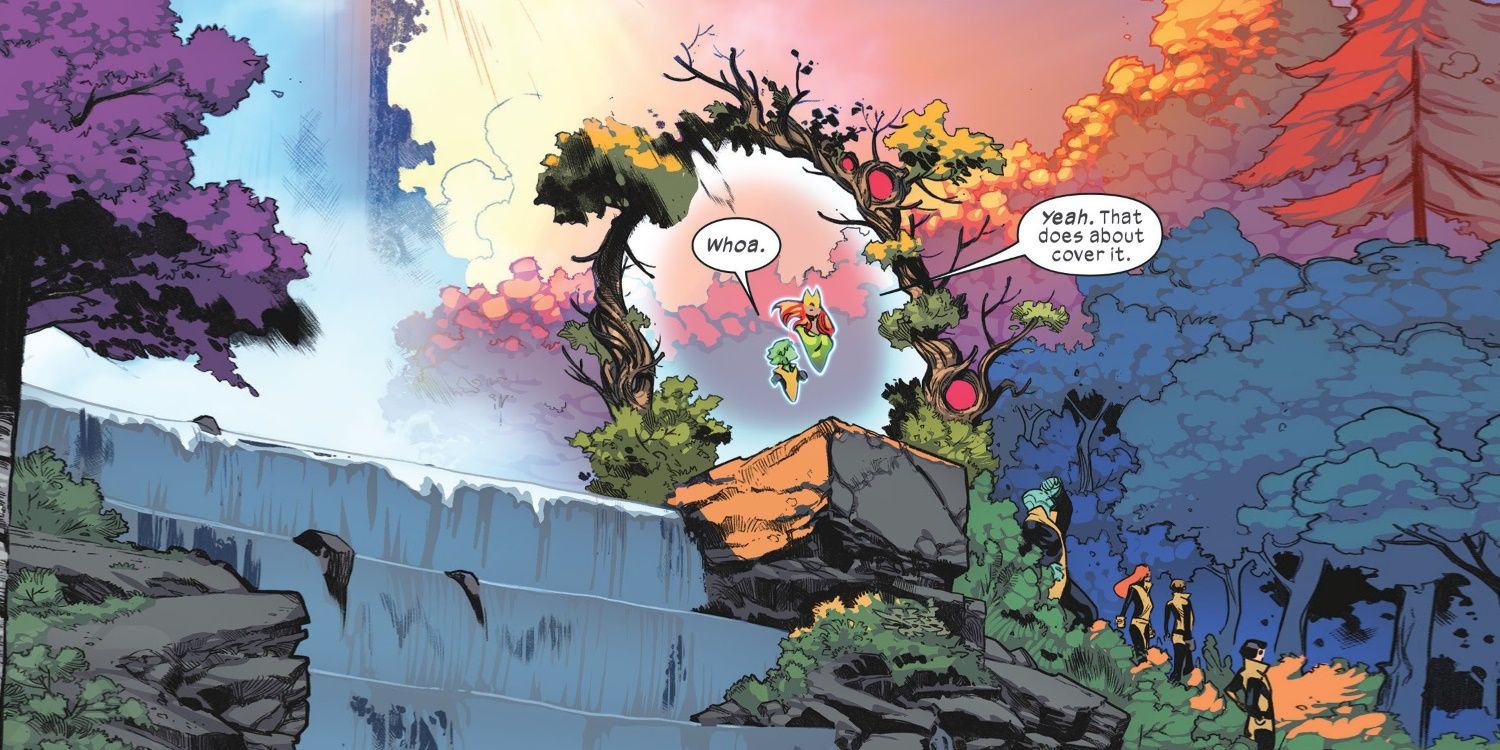
This isn’t some exclusive club or superhero team. With help from Charles Xavier and the powerful foresight provided by Moira MacTaggart, the mutants of the Marvel Universe have united within a new homeland, which happens to be a living island. They also have their own mysterious language that only they understand. They are essentially establishing themselves as a new political entity.

In the scope of the X-Men’s 50-plus year history, the idea isn’t new. There have been multiple efforts over the years to give mutants a homeland. One was called Genosha. One was called Utopia. Both enjoyed some measure of short-term success, but both ended up destroyed or abandoned. The reasons for this aren’t important. What sets them apart from Krakoa is the scale.

To understand it in a real-world context, think of Genosha and Utopia as enclaves within a community. They’re akin to neighborhoods in America or Europe that are predominantly populated by a particular ethnic group or religion. Many are quite successful in their own right. Others have become the sites of atrocities and tragedies.

What the mutants are doing with Krakoa in the comics is something bigger than an enclave. They’re not just seeking to be recognized as a full-fledged country, either. Charles Xavier, the X-Men, and every other mutant is building Krakoa to be a society that can function with or without humanity. It’s not land borrowed from humans. It’s land that’s theirs and theirs alone.

That’s not to say Krakoa operates in isolation, as Wakanda once did. They actually seek to maintain diplomatic relations with the world. They even have valuable resources with which to trade. They don’t have to make these kinds of deals, but under Charles Xavier, they do anyway. It culminates in “House of X #5,” in which Krakoa gains formal recognition by the UN.

This is where the politics of the X-Men comics add some necessary nuance to what we’re seeing in the real world. When people feel marginalized, they tend to feel unwelcome. Even if you are legally an American, a German, an Italian, or a Wakandan, being hated and feared by a large segment of the country makes you feel like you don’t belong.

Between divided polls and America’s colorful electoral map, it’s not hard for anyone to feel out of place. The added polarization provided by the internet, social media, and cable news only adds to the divisions and the animosity. As a result, people naturally retreat into groups and tribes where they feel welcome. Whether it’s a political group, a religious group, or an identity, they seek some form of sanctuary.

In doing so, these groups essentially create their own little world within their community. It’s a world that might as well be a separate reality from what others see. It’s how different people can see the same facts, but have wildly different interpretations. Their brains are still working and the facts are still facts. It’s how they apply them to their world that’s different.

Each group feels they don’t belong. They may even feel victimized. It doesn’t matter if the group happens to make up the vast majority of the population. They still feel like they’re the ones under attack, not unlike the X-Men when they constantly confront fearful, hate-filled humans. They act as though they need to carve their own place in the world and defend it at all costs.

This is where House of X and Powers of X can provide some possible insights into the future of politics. To some extent, Krakoa is a natural byproduct of mutants being hunted, attacked, and denigrated at every turn. They tried isolating themselves on islands. They tried living among humans, sometimes in their most populated cities. Now, they’re trying something bigger.

It’s not exactly peaceful and not everyone understands it, which seems antithetical to Charles Xavier’s dream. However, it’s pragmatic in a very political sense. They have a homeland that they can control. They have barriers for entering and exiting that homeland. Nobody who isn’t authorized can enter it. It’s basically the ultimate immigration control.

On top of that, it has valuable resources that the rest of the world wants. The mutants of Krakoa are willing to share them, but only if they respect their new homeland and treat it like a legitimate country with its own culture, laws, and norms. In a world where people constantly attack others for not respecting their culture or norms, it feels like the ultimate endgame of sorts.

Those who want their culture and way of life preserved will only have more incentive to become more organized. If they keep feeling hatred and fear, they may look for ways to simply function without those they feel don’t belong. People won’t just become more ideologically divided. They may end up more divided in a very literal sense.

It’s the ultimate manifestation of our natural tribal instincts. We seek to join, maintain, and protect our tribe from others, be they real or imagined. It doesn’t matter if there are objective facts that show our tribe is somehow wrong or misguided. We still feel inclined to protect it at all cost.

This era of X-Men comics has been exciting. Writer, Jonathan Hickman, has turned the X-Men from just another superhero team into a blossoming community with its own culture, identity, and borders. As an X-Men fan, I’ve been enjoying it a great deal. As someone in the real world who can’t always avoid politics, it leaves me worried about just how divided we’ll ultimately become.

Leave a comment

Filed under human nature, politics, superhero comics, X-men

When (And Why) NOT To Be An Optimist

In general, I’m a pretty optimistic person. I have an overall positive outlook on life and the future. I’d even go so far as to say I’m excited about what the future will bring. My posts about sex robots should be proof enough of that.

However, I wasn’t always optimistic. In fact, anyone who knew me in high school or middle school probably saw me as the antithesis of optimism. I was always so dire and bleak with my outlook. I rarely had anything good or positive to say. I put myself down all the time and tried to bring the rest of the world with it.

It was not a healthy mindset, to say the least. I’m very glad I got out of it.

At the same time, it has given me some perspective. Having been on both extremes, I know what fuels that kind of thinking. I know and understand, to some extent, what leads someone to have that mindset.

Overall, I feel like having a positive outlook is more beneficial. That’s to be expected. When you’re more hopeful and optimistic, it tends to bleed into other aspects of your life. Optimism tends to attract optimistic people and those people are generally good for you. I certainly wouldn’t have the friends I have now if I’d remained so negative.

At the same time, there is a limit to optimism. There does come a point where being optimistic can be damaging, in the long run. I’m not talking about the kind of optimism that’s outright delusional, either. I’m more referring to the kind of mindset that makes someone too oblivious to the world.

I think that’s something people do struggle with. That might be a hard thing to say in wake of a global pandemic, but even before that dampened everyone’s spirits, it was easy to get caught up in that mindset. It often goes like this.

If everything seems to be going well, then why bother changing anything?

If things stop going well, then you try to get back to that particular mentality.

If what you do doesn’t work, then you double down and try even harder.

What made you happy and hopeful worked before. Why wouldn’t it work again?

This is a mindset I can attest to. When I was in college, my overall outlook improved. I got a lot less negative about the world. I got better at making friends. I even dared to be hopeful about the future.

Then, I faced some challenges. It was often small or minor. A girl I liked didn’t like me back. A class I took didn’t go well. My favorite team starts losing or I get into a fight with my roommate. It was very stressful, but I thought just maintaining a positive outlook would help work things out.

It didn’t. I won’t say it didn’t help at all. It just didn’t help as much as I’d hoped.

The same thing happened when I got anxious about my health and body image. As I’ve noted before, I did not have good health habits in my youth. I didn’t start regularly going to the gym until I was almost 30. Before then, I thought I just needed to rebuild my confidence and remain hopeful. I now know that was incredibly short-sighted.

Just having the right mindset is barely the first step. At some point, I had to make a more concerted effort. I had to work, grind, and struggle to get to where I wanted to go. If I had just stayed entirely within this positive mindset, I probably wouldn’t have gotten to where I am now, health wise. In that sense, being too positive worked against me.

This is the trap of overly positive thinking. Sometimes, if you’re too positive, you’re less inclined to put in the extra effort and make a meaningful change. Whether it’s about your health, your social life, or your politics, too much positive thinking can become an excuse to not change or do anything different.

That’s rarely healthy. That’s also why a little regular introspection can be a good thing. It’s something that’s encouraged by professionals who are far smarter than me on matters of psychology. If you need further details, check out this piece I found from Psychology Today.

Psychology Today: Positive Thinking Isn’t Always the Best Way to Go

When we suffer pain, rejection, disappointment, loss, disease, or another catastrophe, happy talk, whistling in the dark, or putting on a happy face do not work. Every cloud does not have a silver lining nor is there a pot of gold at the end of every rainbow.

Because the world is filled with all sorts of unhappy events, from not getting that dream job to losing a best friend to cancer, thinking only positive thoughts is delusional. Trying to maintain a happy face while tragedy engulfs us is unnatural, akin to trying to laugh when our hearts are breaking. Like Pagliacci, the clown who was intent upon making others laugh while tears streamed down his cheeks, we shortchange ourselves when we fail to deal with negative events and emotions.

I’ll sum this up by offering one last bit of insight.

Life isn’t easy, but it’s worth the effort. Things do generally get better and assuming the worst tends to be a self-fulfilling prophecy. However, just being positive is never enough. At some point, you have to make the effort. It’s often strenuous and frustrating, but it’s wroth doing.

Leave a comment

Filed under health, human nature, Jack Fisher's Insights, psychology

The Life Ryan O’Callaghan: A Sad (But Uplifting) Story About A Former NFL Player Coming Out

Ryan O'Callaghan #75 of the Kansas City Chiefs in action against the Denver Broncos at Invesco Field at Mile High on November 14, 2010 in Denver Colorado.

For a brief moment, picture a typical gay man. Depending on when you grew up, where you came from, and what sort of media you consumed, you probably have a certain image in your head. I suspect that image looks nothing like Ryan O’Callaghan.

Unless you’re a world class NFL football nerd, chances are you haven’t heard that name before. However, after learning about his story, I hope he’s someone who has changed your perception of what it means to be LGBTQ. That’s because Ryan O’Callaghan’s story is a sad, downright heartbreaking story on many levels, but one that has a happy, uplifting ending.

We need more stories like that, especially during Pride Month. We need them now more than ever.

To appreciate what Ryan O’Callaghan went through, it’s necessary to appreciate how hard it can be to live life as a closeted gay man. It’s also worth noting that this isn’t a story from decades ago. Ryan O’Callaghan was born in 1983. He’s pretty much the same age as I am. He was born at a time when things were steadily improving for the LGBTQ community.

However, that wasn’t much solace for him. He grew up in a very conservative part of California. After realizing he was gay, he had no idea how he was going to live that life in such an environment. That led him to hide his sexuality. At one point, he even made plans to kill himself.

It’s hard to imagine how agonizing it must be, having to hide a part of who you are from everyone around you. Forget, for a moment, how you feel about homosexuality in general. Imagine trying to hide a big part of who you are from everyone and being terrified of the truth coming out. Could we really manage keeping a secret like that?

I know I couldn’t. I question the honesty of anyone who claims they can. For Ryan O’Callaghan, it was too much. He really didn’t believe he could live a full life as an openly gay man. The best he could do was hide his secret as long as he could. That was where football came in.

This goes back to that picture I conjured earlier. Ryan O’Callaghan is 6 foot 7 inches tall. During his playing days through college and the NFL, he weight in between 250 and 330 pounds. He was an offensive lineman. He looked and played the part. In essence, he was the last person anyone expected to be gay and that’s how he liked it.

Through high school, college, and the NFL, he let football be his mask. It’s supposed to be the manliest sport in the world. Even after Michael Sam became the first openly gay player to play in the NFL in 2014, there’s still this perception that the men who play football fit a certain ideal and that ideal doesn’t involve being gay.

That’s not to say there haven’t been gay players in the NFL. In fact, there have been quite a few. One of the best tight ends in NFL history, Jerry Smith, played his entire 13 year career in the NFL as a closeted gay man. There’s a good chance there are active players in the NFL right now who are gay, but in the closet.

Be that as it may, it offered no comfort to Ryan O’Callaghan. Football was still his mask, but he loved playing it enough to keep going. It also helped that he was very good at it. He was so good that he managed to get a college scholarship with the California Golden Bears. He went onto play well enough to get drafted by the New England Patriots in 2006.

That’s a level of success very few football players ever reach, regardless of position. The fact that Ryan was able to go that far is a testament to both his skill and his talent for the game. Doing it all while in the closet just makes it all the more harrowing.

However, that success didn’t change his plans. Ryan still believed he could not live life as an openly gay man. Once his playing days were over, he still planned to take his own life. At one point, he even wrote a suicide letter, bought guns, and built a cabin. That’s how close he came to ending it all.

Thankfully, this story has a happy ending.

Before he took that fatal step, he got help from a clinical psychologist. She helped him out of that dark place. Eventually, he was able to come out, revealing his secret to the general manager who had drafted him. It’s hard to overstate how big that moment must have been for him.

I certainly can’t do it justice. I’ve only touched on some of the details surrounding Ryan O’Callaghan’s story. For a more a more complete picture, check out his book, My Life On The Line. Also, I highly recommend that everyone read this story done by Outsports. It covers Ryan’s struggles in far greater depth.

I should offer a bit of a trigger warning, though. Some of the details are difficult to take in, but it’s worth noting that this story has a happy ending. Here’s a brief snippet.

Outsports: Former Patriots and Chiefs tackle Ryan O’Callaghan comes out as gay

Very early on in the process he felt it was mandatory to share his truth with Pioli, the man who had brought him from New England and helped keep his career — and his life — moving forward.

Just after the 2011 season, O’Callaghan visited Pioli in his office.

The day before he had called his general manager, who had become a good friend, to ask him for a meeting. Pioli had known about O’Callaghan’s drug abuse, and the gravity in his player’s voice over the phone told him that something dire was on his mind.

“He had built this up like he was coming in to tell me that maybe he had done something truly terrible,” Pioli remembered.

O’Callaghan trudged into Pioli’s office the next day. After a hug and some small talk, O’Callaghan turned serious. He told Pioli he had been visiting with Wilson and had gotten “clean.” It was good news to Pioli.

“I’ve got something else I’ve got to tell you,” O’Callaghan said. At this point he was fighting back tears. Pioli’s mind raced, wondering if his player had harmed or killed someone.

“I’m gay,” O’Callaghan said.

His private announcement was met with immediate support from the GM. Then:

“So what’s the problem you wanted to talk me about?” Pioli asked.

O’Callaghan looked at him, bewildered, 27 years of fear, anxiety and self-loathing meeting Pioli’s stare.

“Scott,” O’Callaghan said, “I’m… gay.”

Pioli acknowledged that and asked again if O’Callaghan had done something wrong.

“People like me are supposed to react a certain way, I guess,” Pioli told Outsports. “I wasn’t minimizing what he was telling me, but I’m waiting for the other shoe to drop. He built this up and built this up to the point where he said he was nearly suicidal. What Ryan didn’t know is how many gay people I’ve had in my life.”

O’Callaghan also didn’t know that, according to Pioli, he wasn’t the first gay NFL player whom his GM had counseled.

The two men talked more and Pioli assured O’Callaghan that their conversation changed nothing, he was still there to support him, and they were still friends. O’Callaghan was shocked by the reaction. Pioli handled it pitch-perfectly, as though he had known all along. So O’Callaghan asked if his boss had, in fact, known.

“Ryan, how would I have known?” Pioli responded.

“Do you really think I like coffee that much?” O’Callaghan asked.

Pioli had no idea what his player was talking about.

O’Callaghan had, since his time in New England, headed to the training room after every practice to consume copious amounts of coffee, a convenient excuse to avoid being in the showers with the rest of his teammates.

Pioli got emotional at the thought of one of his players having to go to those lengths to keep some distance from his teammates. The mental toll this had all taken on O’Callaghan had come into focus.

As they rose to say goodbye, Pioli came around from behind his desk and opened his arms to embrace O’Callaghan. They had hugged countless times before, after games, after the offseason, even just moments ago when O’Callaghan walked into his office.

This time O’Callaghan stuck out his hand to shake.

“What’s with the handshake?” Pioli asked.

“I just told you I’m gay,” O’Callaghan replied sheepishly.

Pioli was having none of it and grabbed O’Callaghan.

“Dude, it’s OK,” Pioli said. Then, in his signature sense of humor, “Just don’t grab my butt.”

That broke the tension and O’Callaghan burst into laughter. The humor was a sign to him that Pioli wasn’t going to change. They could get along just as they always had.

“Don’t worry,” O’Callaghan replied, “You’re not my type.”

I sincerely hope this story resonates with others for all the right reasons. Whether you’re openly LGBTQ, in the closet, or just know people who are struggling with their sexuality, I hope the story of Ryan O’Callaghan offers insight and perspective.

Yes, we’ve made progress as a society. Life for the LGBTQ community is better now than it has been in the past. We still have room for improvement, as Ryan’s story perfectly illustrates. If you or anyone you know is struggling, I hope this story helps you in some way.

Also, if you need help or are at all feeling suicidal, please check out the resources of the Trevor Project. Thank you an have a Happy Pride Month.

2 Comments

Filed under football, LGBTQ, NFL, psychology, real stories, sports

My Thoughts On Facebook And #DeleteFacebook

Here is how to delete Facebook | TechCrunch

There are certain people, groups, and companies that are difficult to defends. It’s not impossible, as is the case with tobacco companies, criminal organizations, and whoever designs unskippable video ads. It’s just difficult and I’m certainly not qualified to carry out such with any real expertise.

I’m just not that smart or informed.

I make that disclaimer because I’m about to defend a company that doesn’t have a stellar reputation, to say the least. If anything, their name and its famous founder have gained such a negative connotation that they’re just a few steps away from being a tobacco company. Given how one actually sells products that gives people cancer, that’s saying something.

That company is Facebook. I know that just typing that word out for people to read is going to garner a reaction and not in a good way.

I get that. I really do. I’m very much aware of some of the many scandals and shady dealings that Facebook has engaged in since its inception. I’m also aware of the objectively negative impacts that Facebook has had on certain people. That’s not something I can defend, nor would I want to.

There are any number of bad things about Facebook and its impact that I can go over. However, there is one important aspect to those things that I would like to highlight. I don’t think it constitutes a defense of Facebook or its practices, but some may construe it as such. I’m still going to point it out, if only to add some perspective. It all comes down to this.

Facebook is still just a tool. At some point, all its damaging ills are on us, the users, and not the company.

I understand that’s an unpopular sentiment. It’s not that dissimilar from what gun advocates say about guns. Like any inanimate object, it’s not deadly or damaging until somebody willfully uses it. That’s certainly true to some extent. It’s just a matter of the extent that people disagree on.

However, Facebook is not akin to a firearm or some tool that can actually be used to cause tangible, physical harm to someone. It’s a website/software program. Using it requires people to go out of their way to access it. In addition, getting any meaningful use out of it requires active engagement. It’s not just something you can give to a kid and they would easily figure it out.

It can still be damaging, but in a very different way. Like it or not, some of those ways are ultimately our responsibility and not that of Facebook. I know it’s just a lot easier to criticize the company, its practices, and the conduct of its founder, Mark Zuckerburg. That doesn’t change the actual nature of the product.

Yes, there is objectively toxic content on Facebook that degrades, demeans, and deceives people.

However, that toxic content doesn’t come directly from Facebook. It comes from us.

I bring this up because I saw the hashtag, #DeleteFacebook, trending again. That seems to happen several times a year, often after a new scandal or in wake of an unpopular decision. It’s becoming so routine that it’s hard to take seriously.

On top of that, the hashtag rarely accomplishes anything. Despite all the scandals and negative press, the overall usership of Facebook is still growing. As of this writing, it has approximately 2.85 billion users. Criticism and hashtags aside, it hasn’t kept the company from growing. It hasn’t made Mark Zuckerberg any less rich and influential.

I know hashtags are notorious for presenting a false reality to those who seek it, but this particular hashtag has become more a virtue signal than an actual protest. More and more these days, the hashtag has become less about Facebook’s unscrupulous business practices and more about protesting Big Tech, as they’re called.

While there’s certainly a place for protesting the practices of large, powerful corporations, I feel like the substance of that effort gets lost in virtue signaling. People are more inclined to just whine about how bad Facebook is and say how much better their lives are after deleting it. It’s rare for anyone to actually highlight a substantive policy or practice that warrants protest. It’s all about people saying, “Look at me! I gave up Facebook, so I’m better than you!”

I know that’s a simplistic statement that doesn’t apply to everyone. I’m sure there are people whose lives did improve after deleting their Facebook account. At the same time, there are people whose lives are still enriched by Facebook.

Personally, I’ve met great people through Facebook. I’ve also been able to keep up with friends and family that I never would’ve been able to keep up with. I genuinely value those connections. They even prove critical when there’s a major family crisis that everyone is trying to keep up with. That happened several years back when my grandmother got sick. It happened more recently with helping my father connect with other relatives during the pandemic.

Facebook can be used for good. Like any tool, it can have a positive impact on its users. It’s just a matter of how it’s used.

There will always be people who seek to use any tool for something wrong, deviant, or nefarious. We don’t criticize ski masks the same way we criticize Facebook and for good reason. At the end of the day, it comes back to the individuals using it.

Again, that doesn’t excuse some of the shady things the company has done over the years. I’m not defending that. This extended rant is just me reminding people that some of the worst parts of Facebook only exist because of us, the users. At some point, we have to take responsibility for that. We can’t expect a multi-billion dollar software company to do it for us.

Leave a comment

Filed under Current Events, human nature, media issues, rants, technology

Suicides (Surprisingly) Went Down During 2020: Possible Reasons And Insights

Every now and then, I go out of my way to highlight good or uplifting news. From brave priests who do defy the Vatican to wholesome comic strips involving Mr. Rogers, I try to use these stories to lift everyone’s spirits during difficult times.

Let’s face it. We’ve had a lot of that lately. Last year gave us plenty of difficulties, to say the least. It certainly doesn’t help that good stories rarely make the news, mostly because it doesn’t garner ratings or shock value. I tried to do my part, but I admit it wasn’t easy.

I managed to find some silver linings, by they hardly made up for all the soul-crushing hardship that year wrought. My spirit is still not fully intact after being so broken by last year.

Even so, I still want to make that effort to highlight good news, especially when it’s unexpected or surprising. One such story involves the less-than-uplifting topic of suicide, something that is both emotionally charged and incredibly devastating for a great many people and their families.

If ever there was a year during which people could be forgiven for thinking such morbid thoughts, it’s 2020. If a story came out that indicated suicides went up during 2020 as the pandemic raged, then I doubt anyone would be surprised. It probably wouldn’t even be news.

However, according to a story from CBS, that’s not what happened. In fact, the opposite occurred. Against all dire assumptions and understandable cynicism, the number of suicides in the US declined significantly during 2020. I’ll give everyone a minute to wrap their heads around that.

CBS News: U.S. suicides dropped last year, defying pandemic expectations

The number of U.S. suicides fell nearly 6% last year amid the coronavirus pandemic — the largest annual decline in at least four decades, according to preliminary government data.

Death certificates are still coming in and the count could rise. But officials expect a substantial decline will endure, despite worries that COVID-19 could lead to more suicides.

It is hard to say exactly why suicide deaths dropped so much, but one factor may be a phenomenon seen in the early stages of wars and national disasters, some experts suggested.

“There’s a heroism phase in every disaster period, where we’re banding together and expressing lots of messages of support that we’re in this together,” said Dr. Christine Moutier, chief medical officer of the American Foundation for Suicide Prevention. “You saw that, at least in the early months of the pandemic.”

An increase in the availability of telehealth services and other efforts to turn around the nation’s suicide problem may have also contributed, she said.

I want to make one thing clear again before proceeding. Suicide is a serious issue that affects a lot of people. If at all you’re struggling with suicidal thoughts, please consider calling a help line or reaching out to someone. There are people out there who will listen.

Having said that, I also want to note that this news genuinely surprised me. Even as someone who tries to have more faith in humanity than most, this is pretty much the opposite of what I would’ve assumed and in the best possible way.

During a crisis, people tend to panic. We all saw that last year. Anyone who fought someone for access to toilet paper remembers that. When people panic, they get stressed out. When they get stressed, they tend to get depressed. How else are you supposed to feel when you see the death toll climbing every day?

Despite all that, fewer people fell beyond that darkest of dark points. More chose to endure. That bold part is something I highlighted because that is a real effect. Whenever a disaster strikes, people tend to come together. Things like political divisions, racial strife, and what not tend to fall to the wayside when we’re all at the mercy of something we can’t control.

It’s one of humanity’s greatest strengths. Our tribalism may divide us a lot during times of peace, but when the going gets tough, we come together for the sake of survival. That’s powerful sentiment and one that can bring out the best in people. During a global pandemic, we all have to come together to some extent to make it through.

In addition, some cite the rise of telemedicine and the ability to treat people with mental illness remotely as a contributing factor. I certainly think that played a part, but I suspect that the shared struggle and solidarity that often comes during a disaster was a larger factor.

That same shared sense of community and commonality directly counter some of the most powerful risk factors for suicide. Those who make that dire choice often feel alone and isolated. They feel they lack that core sense of community that’s so critical to any social species.

The fact it was strong enough to reduce suicide during a once-in-a-century pandemic is both revealing and encouraging. It shows that this shared sense of community has tangible benefits to large swaths of people. It also hints that the world we had prior to the pandemic wasn’t given enough people this sense of connection.

You can blame that on any number of things, from smartphones to outrage culture to politics. I certainly have my theories, but I’m not smart enough or informed enough to make them credible. I highlight this story because I think it offers and important perspective.

When things get really bad, people will come together. It’s only when they get bad enough that we realize how much more we can do as a community than we can as individuals. We shouldn’t forget that. Even after this pandemic is over and things revert to some semblance of normalcy, we can’t forget that we’re a social species.

We need each other.

We need friends, family, and neighbors. It doesn’t just make us all stronger during a crisis. It’s an integral part of being human.

Leave a comment

Filed under Current Events, health, human nature, politics, psychology