The following is a video from my YouTube channel, Jack’s World. It’s a more serious video than I usually do. I started working on it a number of weeks ago. I’ve been writing about the COVID-19 pandemicoffand on since it began last year. It has been depressing, to say the least. I don’t deny I have been downright dire at times.
However, the end is in sight. Having gotten my first shot of the vaccine, I can honestly say the worst is behind us. It’s not over, but it does raise a number of questions. This pandemic is going to have a ripple effect for generations. People are going to remember this. It led me to wonder how we’ll talk about it in the future. I decided to make this video as a means of offering a big picture overview.
It’s serious, but I try to make it hopeful. Enjoy!
Everyone has something they’re nostalgic for. There’s nothing wrong with that, for the most part. There are some people nostalgic for the kind of things that require massive social regression that would do immense harm to every marginalized minority you can think of. That kind of nostalgia isn’t healthy. It’s just for entitled assholes.
For me, personally, my nostalgia is pretty limited. I have a soft spot for old school Saturday morning cartoons. They made waking up early on the weekends fun. I’m also nostalgic for a time when the only people trying to cancel stuff were uptight conservative Christians who opposed anything fun, new, or sexy
It almost seems quaint now. I think many of us still long for the days when everything didn’t have a political agenda or bias. It’s getting to a point where it’s hard to remember a time when politics wasn’t so damn tribal. I miss those days too.
However, I don’t want to focus too much on the things I miss. Instead, I want to highlight something that I honestly don’t miss for the most part, but it’s something a lot of people have fond memories over.
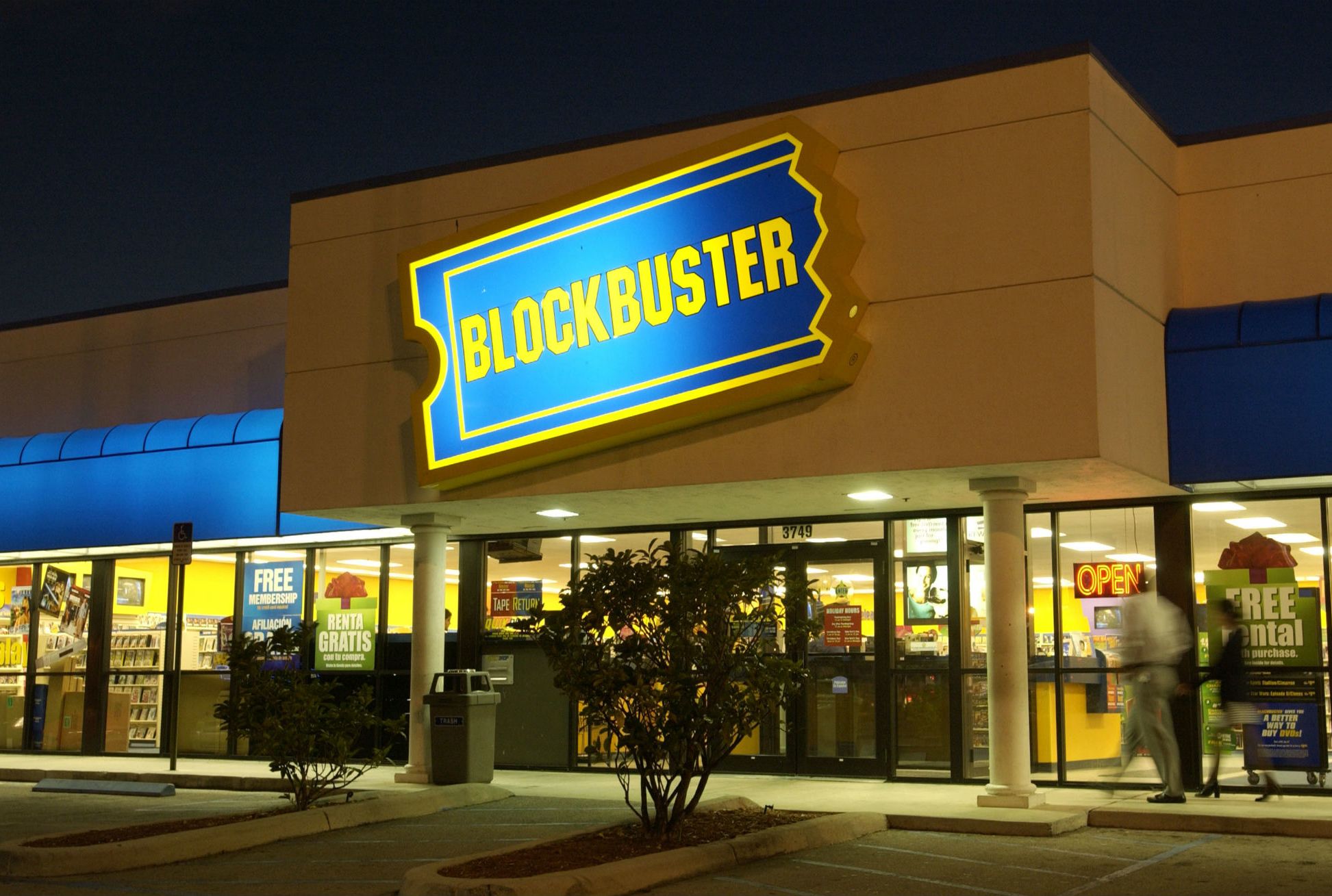
That something is Blockbuster video.
Now, most people over the age of 30 remember Blockbuster video. I certainly remember it. In fact, it was once a regular ritual for my dad to take us all to Blockbuster on Friday evening to rent a movie. At one point, I lived within walking distance of a Blockbuster. Those were good times.
That choice has since gone down in infamy as one of the dumbest decisions in the history of business. To understand just how dumb it was, Netflix as of this writing is worth over $30 billion. Take a moment to appreciate just how much history changed with that fateful choice.
At the same time, there are people out there still nostalgic for Blockbuster. Recently, there was even a mini-documentary on the last Blockbuster video in operation in Bend, Oregon. Fittingly enough, that documentary is on Netflix.
Having watched that documentary recently, I found myself thinking back to those times I mentioned earlier. I also thought about how the stories that people in the documentary told about going to Blockbuster or video stores, in general. They remembered it so fondly. When they visited the last Blockbuster, they looked downright enamored.
I can’t say I blame them. It probably took them back to a time in their lives that they remember fondly. I can certainly appreciate that.
At the same time, I can’t avoid one simple fact.
I really don’t miss Blockbuster that much.
That’s not to denigrate the people who do or the experiences I had in my youth. When I look back on Blockbuster in its totality, both in terms of the good times and the not-so-good times, I just don’t miss it. As a hub for movies, it had its place at a certain point in time. That time has long past and I’d rather not go back.
As much as I enjoyed browsing movie racks and chatting it up with the people who worked at Blockbuster, I can’t overlook the shortcomings. There were plenty of times in which I really wanted to see a particular movie, but there were just no copies available. That happened constantly with certain shows I followed closely. It got to a point where I just stopped trying.
Then, there were the late fees.
I promise that nobody misses the late fees.
I recall more than one occasion where my parents scolded me and my siblings for not returning a movie on time. Even without inflation, those fees really added up. They were a constant point of frustration and I really don’t miss having to deal with them.
There were still parts of the Blockbuster experience that I enjoyed. The stores themselves were great to be in. My brother and I spent a lot of time losing ourselves in that store. While it was nice to just come across some obscure movie or game every now and then, I feel like that was the exception rather than the norm.
Since I got Netflix, I find it a lot easier to come across some obscure movie I’ve never seen or heard of. Last Halloween, I spent an entire afternoon just browsing the Horror section of Netflix and found several movies that I probably couldn’t have found in a Blockbuster. It was a great experience.
I don’t deny that Netflix is a lot more impersonal. There’s none of that social aspect you get by visiting a Blockbuster store. That certainly had its moments, but I feel like other social spaces have more than compensated, at least for me.
I’ll always have a soft spot for Blockbuster for making Friday nights more fun with my family. I’ll always remember that distinct smell of buttered popcorn that every Blockbuster seemed to have. Beyond that, though, I’m not all that nostalgic for it. Blockbuster had a good run. It just didn’t adapt to changing times. That being said, just imagine how different the world would be if they had bought Netflix.
I’m a proud American. I love my country and I celebrate its highest ideals. I also believe most Americans are good, decent people who cherish these values as well. I don’t deny its flaws, nor do I deny its mistakes in the past, as well as the present. I genuinely want America to be the best it can be.
That’s why I’d like to make a plea to America and all my fellow Americans at the moment.
Please, for the love of whatever deity you believe it, let’s not have another Satanic Panic.
This isn’t just about politics, although there are some distressing links. This isn’t just about culture, even though the imagery is certainly present. This is me, a proud American, urging his fellow Americans to not give into the temptation to start blaming demons and devils for their problems.
There was no reason for the panic. There were no Satanic cults secretly torturing or abusing children. It was all made up. It was basically Christian Conservative fan fiction that people took too seriously. Much like the character of the devil they fear has no basis in Christian theology. It’s just a boogie man for adults.
None of it amounted to anything other than baseless fear and ruined lives in the 1980s. Now, it seems too many people have forgotten what a huge waste of time that was because concern about Satanic cults abusing children are back and more political than ever.
Much of that is because of a bullshit conspiracy theory that I won’t name or link to. You probably know who I’m referring to. They’re the one that thinks Tom Hanks is part of a Satan worshipping cabal. As it just so happens, this same cabal includes everyone who leans right politically absolutely hates.
If they’re to the right of Ronald Regan, they’re a Satan Worshipper.
If they didn’t vote republican in the last four elections, they’re a Satan Worshipper.
If they support position that doesn’t involve cutting taxes, ignoring racist policies, or overfunding the military, they’re a Satan Worshipper.
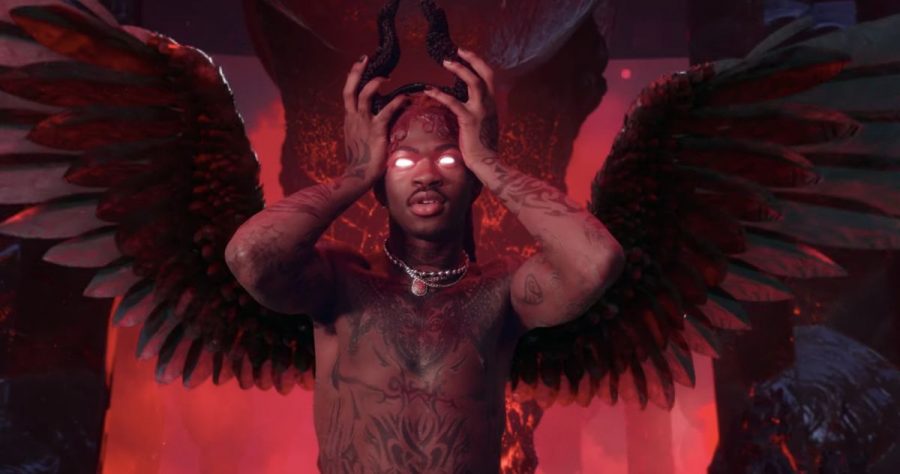
I’ve been avoiding this absurd, asinine, infuriating excuse for a conspiracy theory for years. It’s just too stupid to take seriously, let alone discuss in an honest, balanced way. However, thanks to the recent outrage surrounding Lil Nas X and his homoerotic, Satan-centered music video, I worry another panic is brewing.
Much of it is coming from the same part of the political spectrum as it did in the 1980s. This time, however, isn’t just a bunch of Christian conservatives with too much time and money on their hands. People who don’t even identify as religious are buying into this crap.
It’s not just about theology anymore. It all comes back to this age old belief that there’s a group of objectively evil supervillains who are causing all the problems in the world. Satan worshippers who eat children and deal in human trafficking is as evil as you can get. There’s nothing complicated or nuance about it. It’s the ultimate good versus evil match-up.
Except, and I cannot stress this enough, it isn’t real.
That evil conspiracy doesn’t exist. I could cite any amount of evidence, but I know that won’t convince those who ardently cling to it, even after its many predictions end up being wrong. Instead, I’m just going to point out one simple issue.
For any conspiracy of any level to function in any capacity, it requires that those involved are completely obedient, always keep their secrets, and never make mistakes. Since these conspiracies involve people and people, in general, are imperfect beings, they’re not just difficult to maintain. They’re impossible.
Human beings can’t keep secrets.
They can’t avoid simple mistakes.
When it comes to something as evil as Satan worship and child sacrifice, you’re just can’t keep that sort of thing a secret. Also, people that evil generally struggle to organize. It’s why most serial killers act alone. That kind of evil is an aberration. Building a conspiracy around that is like trying to herd a thousand cats all strung out on crack.
I’d sincerely hoped that after the events of the last election, the talk of evil Satan worshippers and conspiracies around them would die down. Sadly, I think Lil Nas X revealed there’s still a contingent of people out there who think the evil Satanic cabal is still out to get them.
That’s why I’m making this plea. My fellow Americans, this is not the way to a better tomorrow. Fighting invisible evil enemies will only ever succeed in making real enemies, both in our minds and among our fellow Americans. No good can ever come from something like that in the long run.
Moreover, believing and obsessing over a conspiracy of Satan worshippers acts as both a distraction and a delusion. Fighting something that isn’t there only keeps you from fighting actual problems involving actual people who are doing real harm, but not in the name of Satan.
It’s easy to think that there’s some centralized force of evil in the world. It makes the cause of all our problems seem tangible. It makes you feel like you’re a soldier on the front line of an epic battle, fighting alongside others who are every bit as committed as you. Unfortunately, this mindset is both dangerous and counterproductive.
There are real problems with America and the world. However, those problems don’t come from Satan, demons, or some secret cabal of lizard people. They come from other people. They come from your fellow humans, as well as your fellow Americans.
It’s complicated and messy. Just winning an epic battle against evil isn’t an option. We have to put in the work. We have to take responsibility. We have to operate in the real world with real people who have real issues. That’s how we do the most good for ourselves and our fellow Americans.
Once again, I urge everyone reading this to learn the lessons of the past and embrace the challenges of the present. Let’s hold off on another panic. Satan isn’t conspiring against us or our country or our fellow citizens. The cabal isn’t real, the conspiracy is fake, and Tom Hanks is a national treasure. If you really want to fight true evil, start by doing good by your fellow citizen.
Last week, I got my first dose of the COVID-19 vaccine. It was a smooth, pleasant experience by every measure. Those involved were kind, professional, and diligent. My arm was a bit sore for a while, but other than that, I felt no major side-effects.
Having covered the development of this vaccine, I cannot overstate what a monumental achievement this is for science, health, and the general improvement of human well-being. Those involved in the development of this vaccine are real-life heroes. It’s because of them that this terrible pandemic will never claim as many lives as it could’ve.
However, there are still those who are reluctant to take the vaccine. Some do it for religious reasons. Some do it for political reasons. Whatever their reason is, I won’t mince words. It’s stupid, selfish, and is putting other people at risk. This pandemic will drag on longer and kill more people because of them. They should be criticized for that.
Some of those people cannot be reasoned with and are just a lost cause. For others, though, who may be nervous or reluctant to take this vaccine, I feel we should reach out to those people. I’m sure they’ve heard plenty of conflicting messages as well about the vaccine. There are real answers to those concerns and I’d like to share them.
Below is a video from the YouTube channel, asapSCIENCE. They’re a good YouTube channel with millions of subscribers and great production values. They have a talent for breaking down major science-related issues in a simple, easy-to-follow manner. I sincerely hope this video allays any concerns you might have about getting the COVID-19 vaccine.
In general, it’s wise and considerate to not celebrate another human being’s death. Even if you despise that person on so many levels, we should make an effort to not take too much satisfaction in someone else’s passing. It’s just basic human decency.
However, there are some exceptions and I think most would agree the death Bernie Madoff qualifies.
There aren’t a whole lot of people in this world who have managed to make themselves so universally hated. Somehow, Madoff found a way. Hatred of him and his crimes has transcended politics, ideology, race, religion, and geography. That’s a rare kind of hatred, but one Madoff rightly earned.
For that reason, it’s entirely understandable that some are celebrating the recent news of his death. After decades of bilking people out of their money and living the life of immense wealth, Madoff died alone in prison with no friends, family, or loved ones to mourn him. It may very well be the most justice we can expect for a crime of this magnitude.
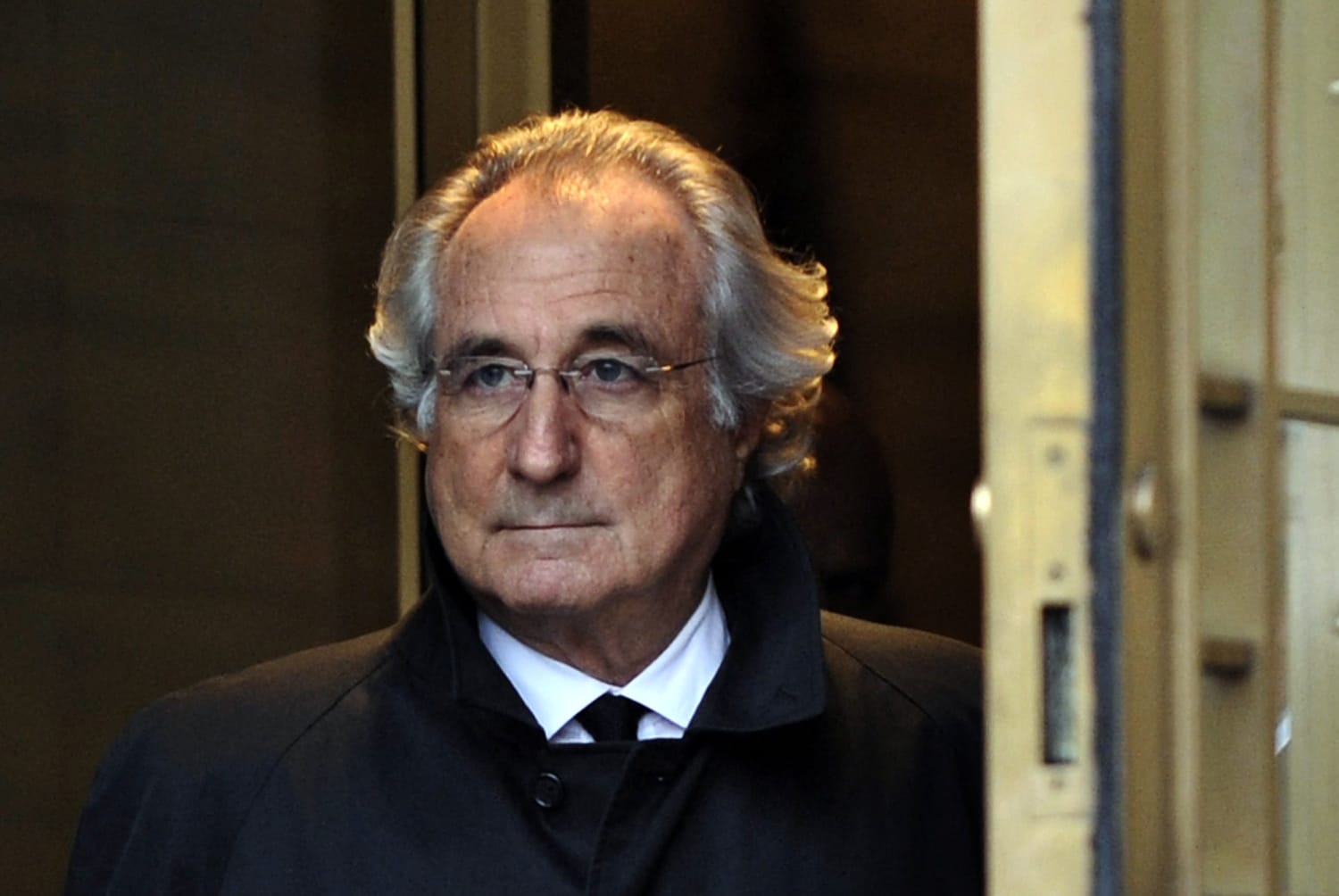
Bernard Madoff, the infamous architect of an epic securities swindle that burned thousands of investors, outfoxed regulators and earned him a 150-year prison term, died behind bars early Wednesday. He was 82.
Madoff’s death at the Federal Medical Center in Butner, North Carolina, was confirmed by his lawyer and the Bureau of Prisons.
For his many victims, I’m sure Madoff’s death is cold comfort, at best. I certainly have my opinions of the man. I’d rather not share them, if only to avoid the ire of the FCC. Instead, I want to offer some perspective on the death of this fraudster and the lessons from it that we should heed.
Most people already know the basics of Madoff’s scheme. It was, by and large, a massive Ponzi scheme. It’s certainly not a new scam. It’s been around for decades. Madoff’s was just the biggest. How he went about sustaining it for so many years has been covered by many people far smarter than me.
However, the size and specifics of the scheme matter. It was always going to fall apart, as all Ponzi schemes do. It’s like gravity. There’s only so much money you can steal to give to previous investors. Eventually, you just run out of people and money. The math always works against you.
The fact that so many Ponzi schemes still occur, despite all these forces working against them, is something worth noting. The death of Bernie Madoff doesn’t mean these types of schemes will go away. There will always be some ruthless, amoral con-man out there who manages to scam people out of money through trickery, deceit, and fraud. The death of one famous fraudster isn’t going to discourage the fraud.
Another perspective that we shouldn’t forget is how Madoff’s scheme could’ve, and probably should’ve, been exposed years ago before it got this big. It’s well-documented that Harry Markopolos, a financial analyst from Boston, figured out the scheme as early as 2000 and tried multiple times to expose it. Unfortunately, the right people didn’t listen and the system didn’t work as it should’ve.
That’s another thing that tends to happen a lot with these schemes. There are often people who figure it out long before it makes the news or alerts the authorities. Sometimes, it hastens the collapse of the scheme, but skilled con-men find a way to get around it. That only ensures more people get hurt in the long run.
With Madoff’s death, it leads me to wonder just how many other schemes like his are out there, unexposed and operating under the guise of legitimacy. We may not think they’re scams. They may go out of their way to assure us that they’re nothing like Madoff. We should still be vigilant.
There are some proactive steps you can take. There are signs you can look for and government agencies you can call. Madoff was a skilled con-man, but even he couldn’t hide every aspect of his lies. Even the most determined fraudsters can only do so much to subvert the basic math of finance.
There’s also one other perspective I think is worth highlighting and it might be the most revealing of it all. Of all the distressing details surrounding the Madoff saga, the one that stands out most to me is how Madoff inevitably gave up on it.
When he was exposed, it wasn’t because someone at the FBI or SEC caught him lying. It wasn’t because he messed up and a regulator caught him in the act. Madoff went down because he willingly gave up. He turned himself over when he realized he just couldn’t keep the scheme going anymore.
It wasn’t a matter of law enforcement catching the criminal. It was a matter of the criminal just giving up because fighting it just wasn’t worth the effort anymore. Take a moment to think about that and the implications.
We, as a law-biding society, didn’t catch Bernie Madoff. He just gave up. That says a lot more about the system in place than it does about our collective hatred of con-men like him. It also raises the question of what would happen if someone even more ruthless and amoral found themselves in a similar position.
How much further could they take the scheme?
How many more victims could they exploit?
These are distressing questions and the answers should give us pause. A man as infamous and cunning as Bernie Madoff could only succeed in a system with enough flaws for him to exploit. Who’s to say there isn’t someone worse operating a similar fraud right now?
This infamous criminal is now dead and he will be rightly vilified for his crimes for years to come. However, let’s not let his death or our shared hatred of him give the false impression that crimes like his won’t happen. They certainly will. It’s just a matter of catching them before they hurt too many people.
There are many people like Bernie Madoff who are still alive and still operating their various frauds. We can’t stop all of them. At the very least, we can make sure they never succeed as long or as much as he did.
Most religious people are not dangerous or ignorant, nor are most of the priests, rabbis, mullahs, and monks who lead them. I want to make that clear early on. I know I’ve been verycriticalof religion in the past and I stand by much of those criticism. However, I do not want to give the impression that it makes sincere adherents unworthy of respect.
I have religious people in my family. They are good, decent people and their religious beliefs means a lot to them. I do not want to denigrate that in any way.
That said, extreme religious cults are dangerous. They are worthy of criticism and, in some cases, outright scorn. People have died because of these cults, including innocent children. If we’re going to be a better people now and in the future, we need to be vigilant of these dangerous cults. Otherwise, more people will suffer.
How we go about that is beyond my expertise. There are organizations with people far more qualified to pursue that effort, such as Cult Escape and Dare To Doubt. I urge others to support those efforts, regardless of your religious affiliation. There are a lot of people out there trapped in these cults who need help.
However, there has been another troubling trend in recent years that may complicate that effort. It involves cults that aren’t necessarily religious, in nature. Some have religious elements, but also mix in politics and conspiracy theories. The goals and methods aren’t always the same, but the outcome is similar.
People get sucked into an ideology.
They get caught up in a trend that evokes strong emotions within them.
They connect with like-minded people who reinforce and reaffirm their beliefs.
They start attacking or shunning outsiders or anyone they don’t agree with.
They stop doubting their beliefs and are openly scorned if they dare raise questions, making it next to impossible to leave.
It’s a common story that many endure, but now it’s happening without the religious angle. Now, people are falling into cults that offer little in terms of theology, but still descend into a toxic mix of groupthink, hero worship, and self-delusion.
You have organizations like Nxivm, which billed itself as a self-help program that sucked people in and reshaped their thinking at the hands of a sociopath leader.
You have charismatic public personalities like Jordan Peterson and Tony Robbins, who may not set out to create cult-like movements, but still create a community wrought with cult-like behaviors.
Then, there’s Q-Anon.
Believe me, I do not want to go into details about that. I’m afraid to even post any links. I do not want someone to get sucked into that ultra-toxic rabbit hole, which has led to real-world violence and torn families apart.
These are serious issues that affect real people, as well as their families. Thanks to the world-wide reach of the internet and clunky nature of social media, it’s a lot easier to fall in with the wrong digital crowd. You don’t have to be religious. You just have to be willing to buy into a certain ideology or narrative. No miracles are necessary.
That is dangerous and I suspect it’s going to get worse in the coming years, especially as mainstream religion continues to decline. Will it be as dangerous as the religious cults of old? Well, that depends on a number of factors. At the moment, even the worst non-religious cults have major shortcomings.
Religious cults can, by definition, hide behind the guise of religion. That comes with plenty of benefits, including the kind that allows them to avoid paying taxes. Religion also has legal protections, as evidenced by the constant push for “religious freedom.”
Non-religious cults don’t have the same advantages. In fact, it’s not unreasonable to say that these types of cults couldn’t even exist without the internet or the widespread connectivity of modern media. They also don’t have the overall structure that many religious organizations have. That means they’ll only be able to do so much.
On top of that, the nature of the internet makes it a lot harder for cults to keep their members in line. At any point, an adherent could get curious and start looking up opposing views that could cast doubt on their beliefs. There’s only so much a cult can do to control a person from behind a computer screen.
Even with those limitations, they’ve still done plenty of damage. They’re likely to do plenty more and we should be very concerned about that. The world is already a chaotic place. Extreme religious cults have already done plenty to add to that chaos. The last thing we need is for non-religious cults to do the same.
This is usually the time of year when I celebrate the end of winter. For months, I’ve dealt with cold days, long nights, and a frustrating inability to comfortably wear flip-flops when walking around my neighborhood. At this point, I’m ready for warm weather. I’m downright eager for it.
However, this is not a usual year. I still remember vividly how, around this time last year, I was making ambitious plans for the summer. I knew where I wanted to go, who I wanted to visit, and what I wanted to do during the hottest days of summer. This is fairly typical for me.
Then, the pandemic hit and I don’t think I need to remind everyone of how that messed up my plans.
Needless to say, a lot of plans in 2020 got messed up. Plenty of plans in 2021 have been disrupted as well. However, there is legitimate hope that we are turning the tide against this pandemic. We have multiple vaccines being implemented all over the world and more are likely to arrive in the coming months.
The end of this pandemic is in sight. I’m trying to take comfort in that. I really am.
After last year, though, I just can’t bring myself to be that optimistic. I had my hopes and spirit crushed repeatedly last year. I missed out on opportunities and big family events that still break my heart to this day. I can never get those moments back.
I still want to try to create new moments this year, but a lot has to go right for that to happen and after last year, I’m not ready to make such lofty assumptions. The less-than-efficient vaccination efforts have already done plenty to disappoint.
Even so, the trend lines for the pandemicare going in the right direction, for the most part. We can say with a straight face that the worst is behind us. That doesn’t mean the end will come as soon as we want.
Then, there’s the matter of new variants to the virus. That, more than anything, has me concerned about making summer plans. If just one of those variants proves to be a problem, then everything would be set back considerably. We might not be back at square one, but we would be pretty damn close.
So far, it does appear that the vaccines are effective against these new variants. The key term there is “so far.” If we learned anything last year, it’s that things can change very quickly and go horribly wrong in the span of a day.
I don’t want that to happen.
I hope it doesn’t happen.
It may still happen and a part of me can’t help but brace for that.
I still want to make plans for this summer. I want to go to the beach, go to the movies, visit friends and family, go to a baseball game, and enjoy a family barbecue at some point. Even if I can’t do everything I hope to do, I’d like to be able to do some of it.
I hope the world is healed enough by then to make that possible.
I hope everyone else gets a chance to make summer plans as well. We’ll just have to wait and see, once again hoping for the best while bracing for the worst.
Sometimes, an experience you think is life-changing just turns out to be a fluke. You have one remarkable experience and you think it’s the start of a trend. However, it just turns out to be one experience and that’s it. Nothing ultimately changes.
I’ve had more than a few of those in my life. I thought playing “Final Fantasy X” would make me a final fantasy for life after the experience that game gave me. That turned out to be a one-time thing. It’s not out of disappointment. That’s just how things played out.
To find out, I used this past weekend as a secondary test, of sorts. I knew “Godzilla Vs. Kong” was coming out on HBO Max, just like “Justice League.” I made it a point to approach that movie the same way I approached “Justice League.” By that, I mean I turned my living room into a make-shift movie theater to maximize the experience.
I ordered some pizza.
I got a six-pack of beer.
I closed the blinds, dimmed the lights, and prepared my couch accordingly.
Now, I need to disclose that “Godzilla Vs. Kong” was not a movie I was particularly excited about. Compared to Zack Snyder’s “Justice League,” it’s the kind of movie I wouldn’t see in theaters on opening night. I’d usually wait a couple weeks until the price of a ticket came down and I could pick my own seat.
It still had all the makings of the kind of movie best enjoyed in theaters. It’s a big-time monster movie full of spectacle and explosions. That’s how it’s billed and, without getting too heavily into spoilers, I can confirm that “Godzilla Vs. Kong” delivers that spectacle in abundance.
As a result, I enjoyed it. I didn’t enjoy it quite as much as “Justice League,” but I still enjoyed the experience. Beyond the enjoyment, though, I confirmed something else. That experience I had with “Justice League” was not a fluke.
I can now say with relative confidence that my approach to consuming movies has changed. This experience of me turning my living room into my own personal movie theater is something I really enjoy. It’s something I want to make part of my movie-consuming experience.
By that, I don’t mean I’ll never set foot in a movie theater again. I still have every intention of doing that relatively soon, especially after I get a COVID-19 vaccine. I just don’t think I’ll ever do it as often as I once did.
It helps that “Godzilla Vs. Kong” came out on HBO Max. Last year, the powers that be decided they would release their new movies in both the theaters and on HBO Max. It’s a decision that upset quite a few people and organizations, but in terms of the bigger picture for the industry, it’s a real game changer.
Like Netflix joining the fray when Blockbuster was at its zenith, HBO Max may very well change how movies are consumed. Other studios are starting to buy in as well. Recently, Disney announced it would do a similar release with “Black Widow.” However, their release would be different in that streaming it from home will cost extra.
It’s a different approach, but one that’s following the same trend. Now, consumers have a choice in how hey consume new movies. They can either go to a movie theater or try to create their own experience at home. It’s a choice that probably wouldn’t have occurred had it not been for the pandemic that nearly destroyed the whole industry.
Be that as it may, I welcome that choice. Personally, I think the industry needs this to happen. Movie theaters and movie studios alike can’t keep clinging to a model that began before the creation of streaming media, 4K televisions, and Grubhub. At some point, they have to adapt to changing consumer habits. Now, they can’t avoid it.
I’ve already made some plans for how I’ll consume movies this summer. Even if all restrictions are lifted and everything goes back to normal, relatively speaking, I don’t think I’ll revert to my pre-pandemic approach to movies. I’ll start weighing my options.
For a movie like “Mortal Kombat” or “Space Jam: A New Legacy,” I’ll probably watch them at home on HBO Max. If I happen to get a date, I’ll probably take her to the theater. Since I can’t assume that’ll happen, my default will be using HBO Max.
With “Black Widow,” I’m a bit less certain. For now, I’m leaning towards seeing that in theaters. It’s not because of the experience. It’s more a matter of cost. If I want to watch that movie at home like I did with “Justice League,” I’ll have to pay extra. Now, for a movie I really want to see, I’m willing to do that. However, I have my limits.
I think $30 just to stream the movie from home is a bit excessive. It amounts to more than I would spend on a ticket and snacks at a movie theater. Even if the price was just $20, I’d still probably see it in theaters. Like many Marvel fans, I’ve been anxious to see this movie for over a year and I want to support it. If that means paying extra at a theater, I’ll do that.
Then again, if I could stream it for free on Disney+ the same way I streamed “WandaVision,” then I might have second thoughts. Given that I’m a lifelong Marvel fan, I might still go to the theater, just to show my support for the franchise. Since that’s not an option, I just don’t know.
For now, those are my plans and they’re always subject to change. I just know that, moving forward, my approach to experiencing new movies is very different. I suspect others are going through something similar. Even after this pandemic has passed, I expect certain movie-going habits to change permanently.
What will this mean for the industry, as a whole?
That, I don’t know. All I know now is that what happened last weekend with “Justice League” was not a fluke and “Godzilla Vs. Kong” proved it. Now, I’m contemplating how I’ll continue adapting my movie-watching experience. For that, I may need to invest in a bigger TV. In the meantime, I’d like to know what everyone else thinks. What has been your experience thus far with respect to consuming movies? Has it changed due to the pandemic? Do you expect it to change even more? Let me know in the comments.
Today is a beautiful day for baseball fans and sports fans, in general.
Today is a day that, until last year, many took for granted as something that would always come with the changing seasons.
That’s because today is opening day for the 2021 baseball season. Unlike last year’s never-ending spiral of misery and cancellations, the season is starting on time. This year, we’ll be able to celebrate the early days of spring with a new season of baseball. Even if you’re not a sports fan, it’s something worth celebrating for this year.
I certainly intend to enjoy it more so than usual. I haven’t forgotten just how jarring last year was. The experience of going an entire spring without baseball had a lasting impact, to say the least. I was so used to just sitting on my couch, turning a ball game on, and relaxing throughout the spring and summer.
Losing that hurt.
It hurt a lot.
It also made me appreciate baseball that much more.
For me, there’s a sentimental value for baseball. Growing up, some of my fondest memories involve sitting on the couch with my dad, cracking peanuts, and watching ball games together. I didn’t even care who was playing. Just watching baseball with my dad was a joyous experience. I came to cherish that experience as I got older.
Now, after last year, I’m ready to cherish it even more. I encourage other baseball fans to do the same. We lost a lot in 2020. We took so many things for granted, including baseball. Let’s take the time to celebrate having it this year.
I tend to be very critical of organized religion and those who take religion to extremes. I make no apologies for that, but I do make an effort to be fair. That’s why I go out of my way to highlight that most religious people, regardless of the religion they follow, are generally good, decent people whose faith genuinely enriches their lives.
That’s worth acknowledging because people can do genuinely good things in the name of their faith. It’s a beautiful thing. Just look at someone like Fred Rogers. That’s religious devotion at its finest.
I know I don’t highlight those stories enough. In my defense, the stories of people who actually practice what they preach and do genuine good for the world rarely makes the news. Then again, the news relies almost entirely on doom and gloom these days, so that shouldn’t be surprising.
That makes the effort to highlight the good a lot harder, but it’s still worth doing. To that end, I want to highlight a good story about religious people that stemmed from a bad story about a religious institution with a history of unholy behavior.
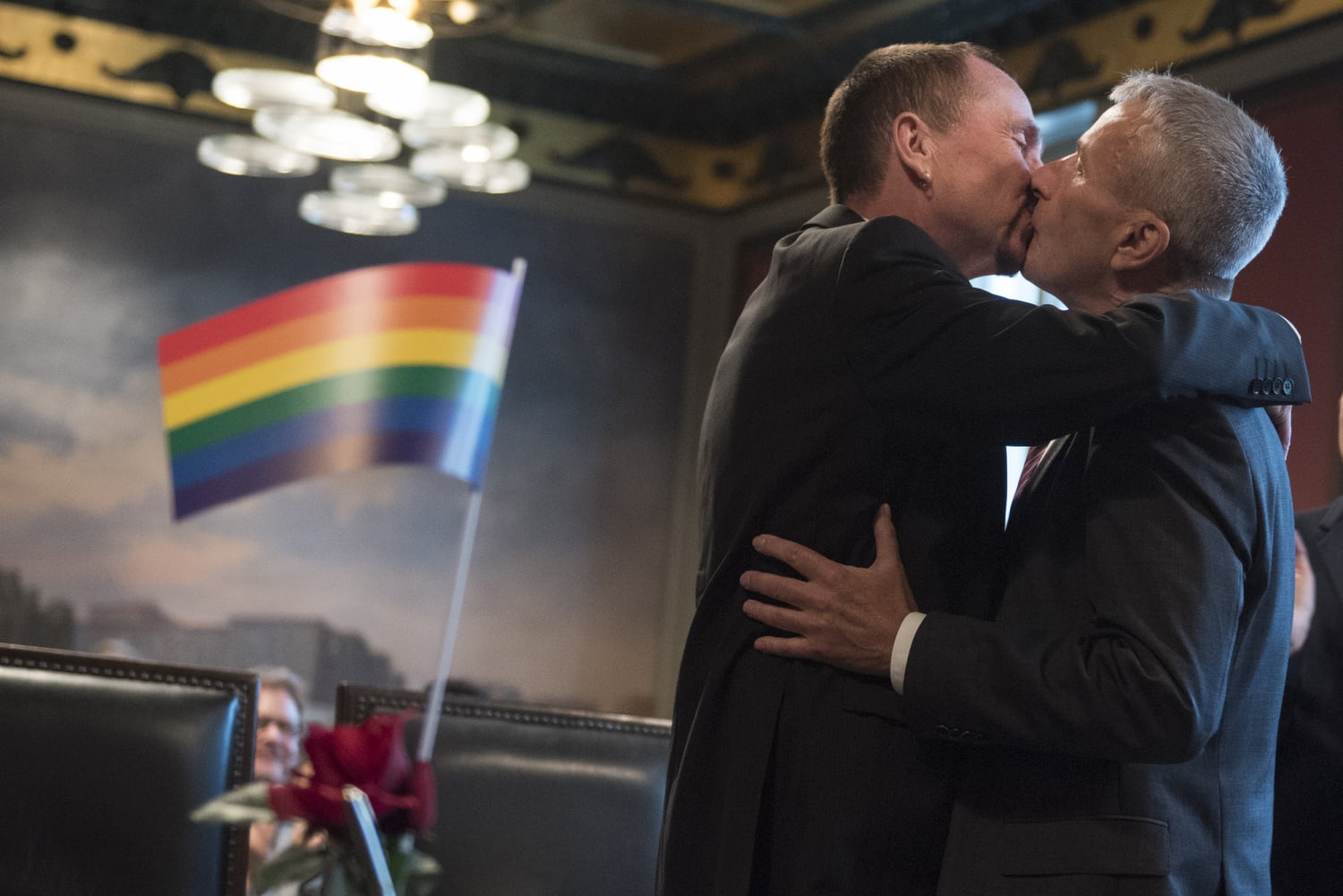
Recently, I bemoaned the Vatican’s decision to essentially cling to their traditions of marginalizing LGBTQ people. They still call homosexuality a sin and refuse to bless same-sex unions. Never mind the fact that Catholics still get divorced and eat shellfish, the Vatican still refuses to embrace change.
At a time when religion, as a whole is in decline and support for LGBTQ rights is growing, this just feels backwards, even by the standards of the Catholic Church. However, not all those who identify as Catholic feel the same way.
Even though the Vatican is set up as the central power of the Catholic world, there are those who go against that power. A few priests are daring to defy the Vatican and I want to take a minute to acknowledge their boldness. This is what Reuters has reported.
A dissident band of Roman Catholic priests leading a disobedience campaign against the Vatican said on Tuesday they would carry on blessing same-sex couples in defiance of Church orders.
The Vatican said on Monday that priests cannot bless same-sex unions and that such blessings are not valid, in a ruling that disappointed gay Catholics who had hoped their Church was becoming more welcoming under Pope Francis.
In some countries, parishes and ministers have begun blessing same-sex unions in lieu of marriage, and there have been calls for bishops to institutionalise de facto such blessings. Conservatives in the 1.3 billion-member Roman Catholic Church have expressed alarm over such practices.
“We members of the Parish Priests Initiative are deeply appalled by the new Roman decree that seeks to prohibit the blessing of same-sex loving couples. This is a relapse into times that we had hoped to have overcome with Pope Francis,” the Austrian-based group said in a statement.
“We will — in solidarity with so many — not reject any loving couple in the future who ask to celebrate God’s blessing, which they experience every day, also in a worship service.”
Whether you’re religious or not, let’s take a moment to applaud these priests. They’re doing something that Jesus himself once did. They see a powerful institution doing something wrong and they’re protesting that by doing what’s right.
In the process, they’re providing love, tolerance, and acceptance to a marginalized group that has suffered plenty, often in the name of religion. You can call that ironic, but I prefer to call it heroic. They have to know on some levels that they’re going to get in trouble for this.
They are likely going to get criticized. They’ll likely face protests from hardline conservative Catholics who cannot tolerate any deviation of any kind from certain traditions, no matter how outdated or intolerant they are. The fact these priests still went through with it says a lot about their character, as well as their faith.
It’s also worth emphasizing that what they’re doing is commendable in ways beyond the religious angle. They are just a small group of individual priests. The Vatican is a vast, powerful organization with immense wealth and influence. They have the benefit of being able to say with a straight face that their authority comes directly from a deity.
That’s a power that many governments envy. Some claim they’re inherently divine, but the results are often less-than-divine.
That power matters because it means they can change if they wanted. It would be a lot easier than what these rebellious priests are doing. The Pope could just come out and say that homosexuality isn’t a sin anymore for the same reason eating shellfish isn’t a sin anymore. He did it with purgatory. Why not do it with homosexuality?
That’s the problem with powerful organizations, though. When they’re powerful, they have the luxury of taking the path of least resistance. The easiest thing for powerful organizations to do is not change. It’s much less strenuous on the people and the systems around them to just keep doing what they’ve always been doing.
It keeps them in power.
It means less work for them and those who support them.
It means less thinking, contemplating, and second-guessing that maybe they’re doing something wrong.
At best, it’s lazy. At worst, it’s callous and negligent. Contrast that with the Catholic Priests who dare to go against such power. They know what they’re doing will bring consequences. They know they’re going to upset some powerful people, but they do it anyway.
That’s brave.
That’s bold.
That’s a level of spirit that religious and non-religious people alike can respect.
Regardless of your affiliation or your opinions of Christianity or Catholicism, take a moment to acknowledge that these men of faith are doing something great. They’re offering love and acceptance to their fellow human beings, even though they’re marginalized and demonized. It’s probably the most Christian thing they could possibly do and I, for one, salute them. I suspect Jesus would, as well.





 Jack Fisher's Official Publishing Blog