Category Archives: politics

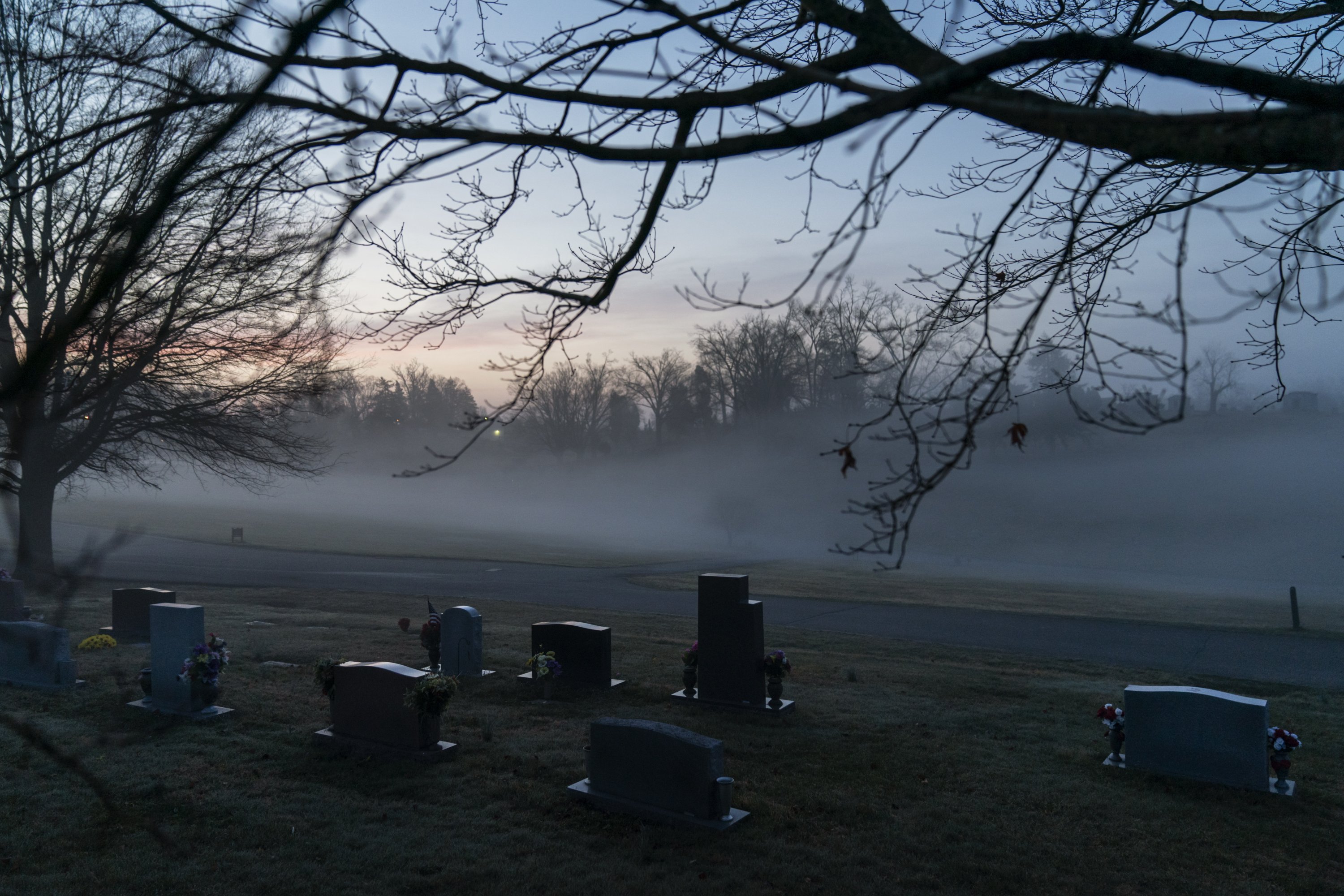
Suicides (Surprisingly) Went Down During 2020: Possible Reasons And Insights

Every now and then, I go out of my way to highlight good or uplifting news. From brave priests who do defy the Vatican to wholesome comic strips involving Mr. Rogers, I try to use these stories to lift everyone’s spirits during difficult times.

Let’s face it. We’ve had a lot of that lately. Last year gave us plenty of difficulties, to say the least. It certainly doesn’t help that good stories rarely make the news, mostly because it doesn’t garner ratings or shock value. I tried to do my part, but I admit it wasn’t easy.

I managed to find some silver linings, by they hardly made up for all the soul-crushing hardship that year wrought. My spirit is still not fully intact after being so broken by last year.

Even so, I still want to make that effort to highlight good news, especially when it’s unexpected or surprising. One such story involves the less-than-uplifting topic of suicide, something that is both emotionally charged and incredibly devastating for a great many people and their families.

If ever there was a year during which people could be forgiven for thinking such morbid thoughts, it’s 2020. If a story came out that indicated suicides went up during 2020 as the pandemic raged, then I doubt anyone would be surprised. It probably wouldn’t even be news.

However, according to a story from CBS, that’s not what happened. In fact, the opposite occurred. Against all dire assumptions and understandable cynicism, the number of suicides in the US declined significantly during 2020. I’ll give everyone a minute to wrap their heads around that.

CBS News: U.S. suicides dropped last year, defying pandemic expectations

The number of U.S. suicides fell nearly 6% last year amid the coronavirus pandemic — the largest annual decline in at least four decades, according to preliminary government data.

Death certificates are still coming in and the count could rise. But officials expect a substantial decline will endure, despite worries that COVID-19 could lead to more suicides.

It is hard to say exactly why suicide deaths dropped so much, but one factor may be a phenomenon seen in the early stages of wars and national disasters, some experts suggested.

“There’s a heroism phase in every disaster period, where we’re banding together and expressing lots of messages of support that we’re in this together,” said Dr. Christine Moutier, chief medical officer of the American Foundation for Suicide Prevention. “You saw that, at least in the early months of the pandemic.”

An increase in the availability of telehealth services and other efforts to turn around the nation’s suicide problem may have also contributed, she said.

I want to make one thing clear again before proceeding. Suicide is a serious issue that affects a lot of people. If at all you’re struggling with suicidal thoughts, please consider calling a help line or reaching out to someone. There are people out there who will listen.

Having said that, I also want to note that this news genuinely surprised me. Even as someone who tries to have more faith in humanity than most, this is pretty much the opposite of what I would’ve assumed and in the best possible way.

During a crisis, people tend to panic. We all saw that last year. Anyone who fought someone for access to toilet paper remembers that. When people panic, they get stressed out. When they get stressed, they tend to get depressed. How else are you supposed to feel when you see the death toll climbing every day?

Despite all that, fewer people fell beyond that darkest of dark points. More chose to endure. That bold part is something I highlighted because that is a real effect. Whenever a disaster strikes, people tend to come together. Things like political divisions, racial strife, and what not tend to fall to the wayside when we’re all at the mercy of something we can’t control.

It’s one of humanity’s greatest strengths. Our tribalism may divide us a lot during times of peace, but when the going gets tough, we come together for the sake of survival. That’s powerful sentiment and one that can bring out the best in people. During a global pandemic, we all have to come together to some extent to make it through.

In addition, some cite the rise of telemedicine and the ability to treat people with mental illness remotely as a contributing factor. I certainly think that played a part, but I suspect that the shared struggle and solidarity that often comes during a disaster was a larger factor.

That same shared sense of community and commonality directly counter some of the most powerful risk factors for suicide. Those who make that dire choice often feel alone and isolated. They feel they lack that core sense of community that’s so critical to any social species.

The fact it was strong enough to reduce suicide during a once-in-a-century pandemic is both revealing and encouraging. It shows that this shared sense of community has tangible benefits to large swaths of people. It also hints that the world we had prior to the pandemic wasn’t given enough people this sense of connection.

You can blame that on any number of things, from smartphones to outrage culture to politics. I certainly have my theories, but I’m not smart enough or informed enough to make them credible. I highlight this story because I think it offers and important perspective.

When things get really bad, people will come together. It’s only when they get bad enough that we realize how much more we can do as a community than we can as individuals. We shouldn’t forget that. Even after this pandemic is over and things revert to some semblance of normalcy, we can’t forget that we’re a social species.

We need each other.

We need friends, family, and neighbors. It doesn’t just make us all stronger during a crisis. It’s an integral part of being human.

Leave a comment

Filed under Current Events, health, human nature, politics, psychology

Was Socrates Right About Democracy?

Socrates - HISTORY

I am a proud American. I love my country, the ideals it espouses, and the vision it offers for freedom loving people. I consider myself lucky to have been born in the United States. I understand that being an American comes with many benefits that millions of others cannot enjoy. For that, I am eternally grateful.

However, I do not deny that this country I love has flaws. I am a patriot, but I do not overlook or underscore some of the objectively terrible things the United States has done in its brief history. We shouldn’t ignore those flaws. Loving your country doesn’t mean always believing it’s right, good, and just. I know that’s not a popular sentiment among certain Americans, but that’s exactly why I value it.

That same misguided sentiment also has a significant impact on democracy, one of America’s highest ideals. Regardless of your political leanings, that’s the one tradition that America holds more dear. We embrace democracy and empower the people to pick their leaders. Considering how leaders have traditionally come to power throughout history, it’s an admirable institution.

At the same time, it’s not without its flaws. Democracy, in principle, is great. It empowers the people. It allows the people to set the standards by which a ruler is put into power. Given how often power has been abused by rulers, that’s critical for a stable, functional society.

Despite that strength, it’s still worth asking an important question.

What are the greatest flaws of democracy?

I know just asking that will put me at odds with many of my fellow Americans. Thankfully, I’m not the first one to ask that question. In fact, this is a question that has been contemplated since before America was ever a country.

Democracy itself is not an exclusively American invention. Most educated people know that it existed in various forms throughout history, most notably in Ancient Athens. However, even back then, there were some who had major criticisms of democracy, both in principle and in practice. One of the most vocal critics was the Father of Philosophy himself, Socrates.

Now, I’m not a philosophy buff. I couldn’t begin to properly break down all the concepts, principles, and contributions that Socrates made to philosophy and Western Civilization in general. So, I won’t bother trying. Instead, I’ll just focus on what he said about democracy and why he viewed it so unfavorably.

To that end, this video form the YouTube channel, The School of Life, does a nice rundown of Socrates’ biggest criticisms of democracy. Watch it and follow his ideas. You may or may not agree with them, but they’re still worth contemplating.

Again, this is just a brief summary. The nuts and bolts of Socrates’ ideas and principles are far greater in terms of breadth and concept. With respect to democracy, though, his criticisms are fairly concise.

Democracy, namely the kind in which too many uneducated people have a vote, tends to lead towards demagoguery. Instead of diligent, qualified, well-meaning leaders, people will simply elect those who are capable of winning people over with promises and rhetoric. It doesn’t matter if they’re aristocrats or con-men. They just need to sway 51 percent of the population into giving them the power they seek.

I hope I don’t need to cite an example of this happening in the real world. I also hope I don’t need to name names of those who have carried themselves like demagogues in the American political landscape. In fact, there has been a distressing trend of American’s actively seeking to put their favorite demagogues for positions of power.

These are not skilled ship captains or trained doctors, like what Socrates described in his video. These are people who are just capable of persuading a large mass of people that they should wield power. They didn’t train to wield power like a doctor trains to treat illness. They just say they’re capable and it’s up to the people to believe them.

It’s not an unreasonable criticism. Does that mean I agree with it completely? No, I do not.

Does that mean I think there’s real merit to these criticism? Yes, I absolutely do and I think there are ways to address them.

Socrates’ issue wasn’t just with democracy in principle. He was more concerned about uneducated people who don’t appreciate or care for wisdom making critical decisions, such as who should lead a country. Another great philosopher, George Carlin, put it even better.

“Never underestimate the power of stupid people in large groups.”

I think this sentiment is more relevant now, especially after last year’s Presidential Election and the horrors of the January 6th insurrection at the Capitol. Me and my fellow Americans have never been more divided. As a proud American, this worries me a great deal.

I still love my country. I want it to be better. I want it to live up to its greatest ideals. However, I don’t think it can do so without taking the criticisms of someone like Socrates seriously.

Leave a comment

Filed under philosophy, politics, psychology

A Cyber Attack Managed To Shut Down A Major US Pipeline: Why We Should Be (Very) Concerned

In general, fearmongering is not productive. It’s one thing to raise awareness or express concern about an issue. It’s quite another to say that it’ll lead to the end of the world as we know it and everyone should drop what they’re doing immediately to address it.

One is a serious, substantive conversation.

The other is outright panic porn mixed with doom-saying.

This is why certain alarmists are hard to take seriously. I believe that climate change is real. I believe it’s a serious issue. However, I think those who just publicly yell about how awful the situation is and how terrible it’s bound to get aren’t helping. They’re just making it easier for people to write off valid concerns as fearmongering.

I don’t want to fall into that trap whenever I talk about issues I think warrant serious concern. At the very least, I’d like to raise reasonable awareness about an issue that may very well affect large swaths of people, both locally and globally. Even if an issue is urgent, we can’t let fearmongering obscure the issue.

Having said all that, I want to state outright that we should all be very concerned about the recent cyber attack on a major pipeline in the southern United States. You may not have felt its effects yet, but it’s likely you’ll notice the next time you have to gas up your car. To appreciate just how serious this attack was, here’s the story from Reuters.

Reuters: Cyber attack shuts down U.S. fuel pipeline ‘jugular,’ Biden briefed

Top U.S. fuel pipeline operator Colonial Pipeline shut its entire network, the source of nearly half of the U.S. East Coast’s fuel supply, after a cyber attack on Friday that involved ransomware.

The incident is one of the most disruptive digital ransom operations ever reported and has drawn attention to how vulnerable U.S. energy infrastructure is to hackers. A prolonged shutdown of the line would cause prices to spike at gasoline pumps ahead of peak summer driving season, a potential blow to U.S. consumers and the economy.

“This is as close as you can get to the jugular of infrastructure in the United States,” said Amy Myers Jaffe, research professor and managing director of the Climate Policy Lab. “It’s not a major pipeline. It’s the pipeline.”

Now, before you start freaking out about the possibility of terrorists hacking major utilities, it’s worth looking at this attack in context. This was not an attack done in the mold of the movie, “Live Free Or Die Hard.” These criminals were not Hans Gruber or some super-hacker in the mold of “Tron.” This was a ransomware attack.

For those not familiar with cyber crimes, a ransomware attack is when someone gets into a network or a specific computer and installs a piece of software that effectively locks all your drives. The only way to unlock it is to pay the hacker a certain sum of money, often in Bitcoin.

In general, these cyber-criminals are out to cause chaos and destroy entire countries. They’re just looking for some money. I guess in that sense they are like Hans Gruber.

For most people, there are established procedures to protect against ransomware and to weed it out. However, that’s just for personal computers and basic IT infrastructure in an average company. This attack hit a major utility. That fundamentally changes the context of this attack.

Ransoming someone with poor computer skills is one thing. That person will only suffer so much loss and frustration if they cannot save their data. A major utility is very different by orders of magnitude. Utilities like the Colonial Pipeline are critical for the basic functioning of our infrastructure. Shutting them down, even for a brief period, can cause a lot of damage.

On top of that, you’d think that a major utility would have some pretty robust cyber security, but you’d be distressingly wrong. Major government networks are still routinely hacked and hacked successfully. While most of these attacks are after personal data, the idea of a more malicious cyber attack is not an unreasonable concern at this point.

If a simple ransomware attack can disrupt a major pipeline, then what could a more coordinated attack do? It’s a disturbing question with equally disturbing answers. Remember, those who attacked the Colonial Pipeline were just after money. Imagine if they were looking to cause serious damage and loss of life.

This kind of cyber attack is not the stuff of science fiction and sub-par Die Hard movies. It has happened in the real world, the most famous being the Stuxnet attack that crippled Iran’s nuclear weapons program. That was a government-on-government attack that had major geopolitical ramifications.

Also, that’s just an attack we know about. I don’t think it takes an elaborate conspiracy theory to surmise that there have been other attacks like this that have not been made public. Some of those attacks might be many times scarier than either Stuxnet or the Colonial Pipeline.

This is all serious cause for concern. With each passing year, the world is becoming more connected and more tech savvy. An entire generation is coming up in a world where the internet is everywhere, both in industrialized nations and in developing countries. Like every generation before it, there will be conflict. It just won’t be fought in the same ways we’re used to.

If it’s possible to shut down a country’s pipelines, electricity, and communication networks without ever dropping a bomb or deploying a single troop, then we can’t assume it’ll never happen. We also can’t assume that it will, especially if we actively work on addressing the issue.

We managed to do that with nuclear weapons. We should make a similar effort with cyber attacks. We just learned that hackers can disrupt a major utility using a type of attack that is almost a decade old. Let’s not wait for another bolder attack on a larger target.

That still doesn’t mean freaking out and trying to live off the grid. It just means doing the necessary work to improve computer security, both on a personal level, as well as a governmental level. I don’t claim to be an expert in either, but if we can all do our part by just not having such an easily guessable password, we can all make a difference.

Leave a comment

Filed under Current Events, politics, real stories, technology

Why Don’t Anti-Abortion Advocates Talk About Vasectomies?

I don’t enjoy talking about hot-button issues like abortion.

I try to avoid talking about politics in general.

I know I’ve touched on controversial issues in the past, including abortion, but I’ve tried to get away from those topics this past year. A lot of that had to do with the 2020 Presidential election, which just brought out the worst in so many people.

Believe me, I had opinions on a number of issues, but I didn’t think sharing them would be very productive. Even with the benefit of hindsight, I think that was the right choice.

Now, the election is over. I know some people still haven’t accepted that, but the votes are in. Like it or not, we’re moving forward and a number of issues are not going away. Some are bound to get worse. One issue, I believe, that is almost certain to get more touchy is abortion.

It is the hottest of hot button issues and a while back, I even speculated that shake-ups on the United States Supreme Court could shift the legal landscape surrounding abortion. I think, given the current makeup of the court, that’s even more likely.

I’d even go so far to say there’s a good chance that Roe v. Wade, the landmark case that legalized abortion in the United States, will get overturned in the next two years. It’s not a guarantee, but it’s much more possible now than it was at this time last year. When that happens, the whole abortion debate will shift significantly.

However, the implications of that act is not what I want to talk about. Instead, I want to highlight one particular aspect of the abortion debate that never seems to get raised. I think there’s a not-so-subtle reason for that, but that’s exactly why I want to highlight it. It comes down to a simple question.

Why don’t anti-abortion advocates talk about vasectomies?

It’s not an irrelevant question. I would even argue it’s a question you can’t avoid if you’re primary goal is to reduce the number of abortions by any means necessary. I understand why making it illegal is the primary goal for the anti-abortion/pro-life crowd, but that cannot be the end of the debate.

Again, we have real-world examples of what happens when abortion is banned. They’re not pretty.

I’m still willing to set that aside for the sake of this question. I’ll even work under the assumption that those who identify as pro-life/anti-abortion are sincere when they say that abortion is the taking of a human life. I have reasons to question that assumption, but I’ll go with it anyways.

If you’re really serious about reducing abortion or just flat out ending it altogether, why not discuss vasectomies? By their nature, they eliminate the need for abortion.

A man with a vasectomy is exceedingly unlikely to impregnate a woman. It doesn’t matter how reckless and irresponsible they are with their sex life. The way vasectomies work ensure no sperm will ever come close to an egg. Even if you believe life begins at conception, this is critical. It means no abortion happens and no life is harmed.

Now, why am I singling out vasectomies instead of tubal ligation, which is the female equivalent? There is a reason for that and I promise it has nothing to do with sexism. It has more to do with logistics.

Simply put, a vasectomy is less costly and less invasive. On average, a vasectomy costs around $1,000 without insurance. By contrast, tubal ligation can cost up to $6,000 without insurance and has a slightly higher failure rate. The recovery period for a vasectomy is also shorter.

It’s simply cheaper and more effective. In addition, there’s also the matter of women being the one who bear the brunt of child-rearing for nine months at a time. Compared to that nine months of rigor, I think it’s also just more fair that men endure a few days of discomfort. That’s just my opinion, though.

Those opinions aside, I bring this back to the question at hand. Why aren’t anti-abortion activists talking about this? If they wanted to reduce abortions, shouldn’t they push for more men to get vasectomies? Should the male anti-abortion activists lead by example and get them as well?

That’s not to say this advocates full-blown sterilization. Both vasectomies and tubal ligation are reversible. Granted, it means undergoing another invasive procedure, but that will essentially guarantee that they’re serious about having children. They want a child and that matters a lot in the abortion debate.

In some cases, a reversal isn’t even necessary. Men can just freeze their sperm and preserve it so that it can later be used with in vitro fertilization. That’s an established procedure. There’s also another emerging procedure for creating sperm cells in a lab.

In the not-too-distant future, men won’t even need to freeze their sperm. They can just provide a cell sample, let a lab make sperm from that, and proceed to utilize standard in vitro to conceive children. Thanks to genetic screening technology like CRISPR, it might even produce healthier children overall.

All this would reduce, if not eliminate, the need for an abortion. This isn’t new technology. Vasectomies have been around a long time and, if anti-abortion activists were to push it, they could also support the development of technology like Vasalgel, which is basically a less invasive method that achieves the same result.

So, with all that being said, why don’t anti-abortion activists ever mention vasectomies? Why do they focus so much on the woman getting the abortion rather than the man who made it necessary?

There are many reasons for that, some more obvious than others. Many are mostly unspoken and indirect. There are those who simply oppose abortion because it removes consequences from promiscuous sex. If abortion had nothing to do with promiscuity, I doubt they would be as vocal.

There are also those who see abortion as a means of hindering the kind of population growth that they prefer. I’ve noted before how certain religious sects indirectly benefit by discouraging abortion. People with large, unplanned families are more likely to be in poverty and people in poverty are more likely to be uneducated. A less educated population tends to benefit certain people and anti-abortion is just an indirect way of pursuing those benefits.

In both cases, the issue isn’t entirely about abortion. It’s about the effects it leads to.

It’s understandable why that component of the anti-abortion stance don’t mention vasectomies. It’s for that reason I feel the question should be asked to those who don’t fall under that domain.

If abortion truly is a matter of life and death, as many anti-abortion activists sincerely believe, then shouldn’t any measure be on the table? A vasectomy, in this context, could both save life and ensure that no life is unnecessarily lost. Why not be more vocal about it?

For men concerned about fathering unwanted children, it wouldn’t be too hard a sell. If anti-abortion organizations even offered to pay for men in poverty to get vasectomies who wanted them, then wouldn’t that reduce abortion?

I don’t ask these questions to be facetious. With the abortion issue sure to face upheavals in the next few years, I think these sorts of questions are worth confronting. The longer the go unaddressed, the worse the abortion debate will get, along with the myriad of effects that surround it.

Leave a comment

Filed under abortion, men's issues, political correctness, politics, sex in society, sexuality, women's issues

Dear America: Let’s NOT Have Another Satanic Panic

I’m a proud American. I love my country and I celebrate its highest ideals. I also believe most Americans are good, decent people who cherish these values as well. I don’t deny its flaws, nor do I deny its mistakes in the past, as well as the present. I genuinely want America to be the best it can be.

That’s why I’d like to make a plea to America and all my fellow Americans at the moment.

Please, for the love of whatever deity you believe it, let’s not have another Satanic Panic.

This isn’t just about politics, although there are some distressing links. This isn’t just about culture, even though the imagery is certainly present. This is me, a proud American, urging his fellow Americans to not give into the temptation to start blaming demons and devils for their problems.

It’s not just absurd and idiotic. We’ve done it before. I’ve written about it. The lives of innocent people were ruined because of it. On top of it all, none of it turned out to be true.

There was no reason for the panic. There were no Satanic cults secretly torturing or abusing children. It was all made up. It was basically Christian Conservative fan fiction that people took too seriously. Much like the character of the devil they fear has no basis in Christian theology. It’s just a boogie man for adults.

None of it amounted to anything other than baseless fear and ruined lives in the 1980s. Now, it seems too many people have forgotten what a huge waste of time that was because concern about Satanic cults abusing children are back and more political than ever.

Much of that is because of a bullshit conspiracy theory that I won’t name or link to. You probably know who I’m referring to. They’re the one that thinks Tom Hanks is part of a Satan worshipping cabal. As it just so happens, this same cabal includes everyone who leans right politically absolutely hates.

If they’re to the right of Ronald Regan, they’re a Satan Worshipper.

If they didn’t vote republican in the last four elections, they’re a Satan Worshipper.

If they support position that doesn’t involve cutting taxes, ignoring racist policies, or overfunding the military, they’re a Satan Worshipper.

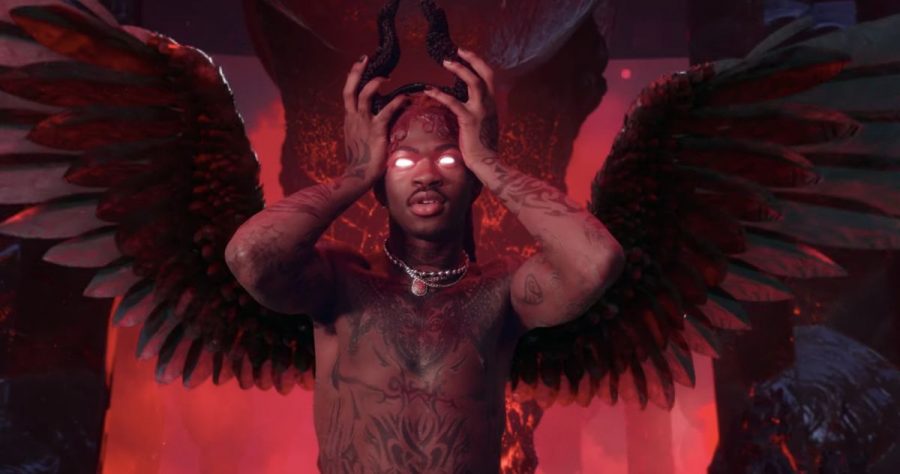
I’ve been avoiding this absurd, asinine, infuriating excuse for a conspiracy theory for years. It’s just too stupid to take seriously, let alone discuss in an honest, balanced way. However, thanks to the recent outrage surrounding Lil Nas X and his homoerotic, Satan-centered music video, I worry another panic is brewing.

Much of it is coming from the same part of the political spectrum as it did in the 1980s. This time, however, isn’t just a bunch of Christian conservatives with too much time and money on their hands. People who don’t even identify as religious are buying into this crap.

It’s not just about theology anymore. It all comes back to this age old belief that there’s a group of objectively evil supervillains who are causing all the problems in the world. Satan worshippers who eat children and deal in human trafficking is as evil as you can get. There’s nothing complicated or nuance about it. It’s the ultimate good versus evil match-up.

Except, and I cannot stress this enough, it isn’t real.

That evil conspiracy doesn’t exist. I could cite any amount of evidence, but I know that won’t convince those who ardently cling to it, even after its many predictions end up being wrong. Instead, I’m just going to point out one simple issue.

For any conspiracy of any level to function in any capacity, it requires that those involved are completely obedient, always keep their secrets, and never make mistakes. Since these conspiracies involve people and people, in general, are imperfect beings, they’re not just difficult to maintain. They’re impossible.

Human beings can’t keep secrets.

They can’t avoid simple mistakes.

When it comes to something as evil as Satan worship and child sacrifice, you’re just can’t keep that sort of thing a secret. Also, people that evil generally struggle to organize. It’s why most serial killers act alone. That kind of evil is an aberration. Building a conspiracy around that is like trying to herd a thousand cats all strung out on crack.

I’d sincerely hoped that after the events of the last election, the talk of evil Satan worshippers and conspiracies around them would die down. Sadly, I think Lil Nas X revealed there’s still a contingent of people out there who think the evil Satanic cabal is still out to get them.

That’s why I’m making this plea. My fellow Americans, this is not the way to a better tomorrow. Fighting invisible evil enemies will only ever succeed in making real enemies, both in our minds and among our fellow Americans. No good can ever come from something like that in the long run.

Moreover, believing and obsessing over a conspiracy of Satan worshippers acts as both a distraction and a delusion. Fighting something that isn’t there only keeps you from fighting actual problems involving actual people who are doing real harm, but not in the name of Satan.

It’s easy to think that there’s some centralized force of evil in the world. It makes the cause of all our problems seem tangible. It makes you feel like you’re a soldier on the front line of an epic battle, fighting alongside others who are every bit as committed as you. Unfortunately, this mindset is both dangerous and counterproductive.

There are real problems with America and the world. However, those problems don’t come from Satan, demons, or some secret cabal of lizard people. They come from other people. They come from your fellow humans, as well as your fellow Americans.

It’s complicated and messy. Just winning an epic battle against evil isn’t an option. We have to put in the work. We have to take responsibility. We have to operate in the real world with real people who have real issues. That’s how we do the most good for ourselves and our fellow Americans.

Once again, I urge everyone reading this to learn the lessons of the past and embrace the challenges of the present. Let’s hold off on another panic. Satan isn’t conspiring against us or our country or our fellow citizens. The cabal isn’t real, the conspiracy is fake, and Tom Hanks is a national treasure. If you really want to fight true evil, start by doing good by your fellow citizen.

2 Comments

Filed under Current Events, human nature, Lucifer, outrage culture, political correctness, politics, psychology, sex in society

Why Non-Religious Cults Are Becoming (Almost) As Dangerous

Most religious people are not dangerous or ignorant, nor are most of the priests, rabbis, mullahs, and monks who lead them. I want to make that clear early on. I know I’ve been very critical of religion in the past and I stand by much of those criticism. However, I do not want to give the impression that it makes sincere adherents unworthy of respect.

I have religious people in my family. They are good, decent people and their religious beliefs means a lot to them. I do not want to denigrate that in any way.

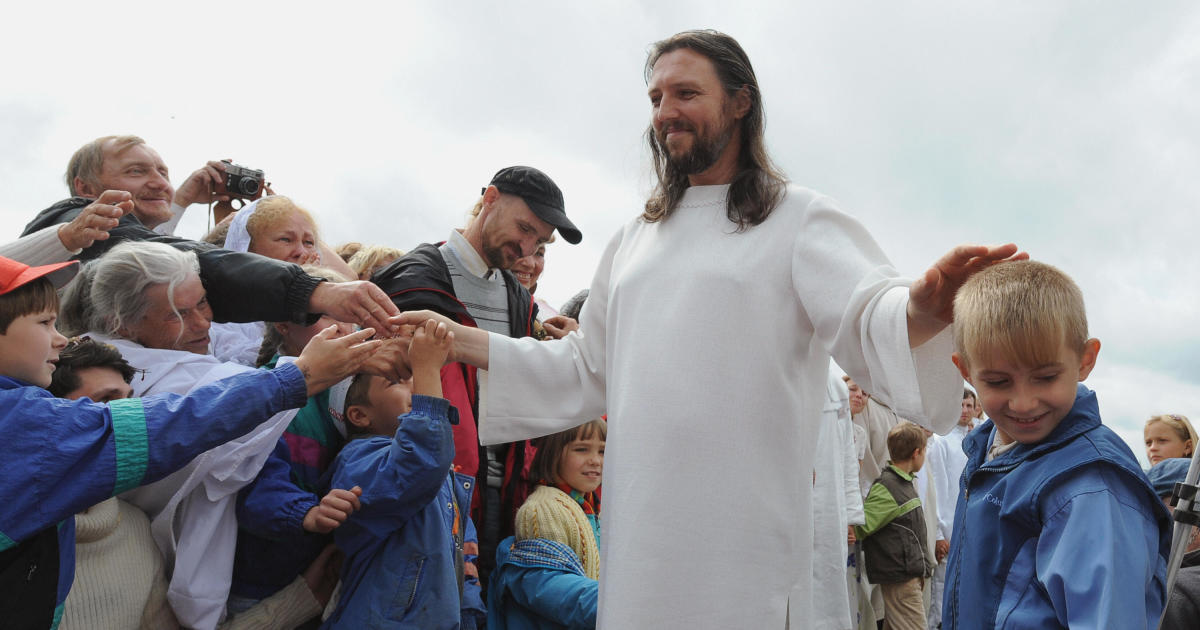
That said, extreme religious cults are dangerous. They are worthy of criticism and, in some cases, outright scorn. People have died because of these cults, including innocent children. If we’re going to be a better people now and in the future, we need to be vigilant of these dangerous cults. Otherwise, more people will suffer.

How we go about that is beyond my expertise. There are organizations with people far more qualified to pursue that effort, such as Cult Escape and Dare To Doubt. I urge others to support those efforts, regardless of your religious affiliation. There are a lot of people out there trapped in these cults who need help.

However, there has been another troubling trend in recent years that may complicate that effort. It involves cults that aren’t necessarily religious, in nature. Some have religious elements, but also mix in politics and conspiracy theories. The goals and methods aren’t always the same, but the outcome is similar.

People get sucked into an ideology.

They get caught up in a trend that evokes strong emotions within them.

They connect with like-minded people who reinforce and reaffirm their beliefs.

They start attacking or shunning outsiders or anyone they don’t agree with.

They stop doubting their beliefs and are openly scorned if they dare raise questions, making it next to impossible to leave.

It’s a common story that many endure, but now it’s happening without the religious angle. Now, people are falling into cults that offer little in terms of theology, but still descend into a toxic mix of groupthink, hero worship, and self-delusion.

You have organizations like Nxivm, which billed itself as a self-help program that sucked people in and reshaped their thinking at the hands of a sociopath leader.

You have charismatic public personalities like Jordan Peterson and Tony Robbins, who may not set out to create cult-like movements, but still create a community wrought with cult-like behaviors.

Then, there’s Q-Anon.

Believe me, I do not want to go into details about that. I’m afraid to even post any links. I do not want someone to get sucked into that ultra-toxic rabbit hole, which has led to real-world violence and torn families apart.

These are serious issues that affect real people, as well as their families. Thanks to the world-wide reach of the internet and clunky nature of social media, it’s a lot easier to fall in with the wrong digital crowd. You don’t have to be religious. You just have to be willing to buy into a certain ideology or narrative. No miracles are necessary.

That is dangerous and I suspect it’s going to get worse in the coming years, especially as mainstream religion continues to decline. Will it be as dangerous as the religious cults of old? Well, that depends on a number of factors. At the moment, even the worst non-religious cults have major shortcomings.

Religious cults can, by definition, hide behind the guise of religion. That comes with plenty of benefits, including the kind that allows them to avoid paying taxes. Religion also has legal protections, as evidenced by the constant push for “religious freedom.”

Non-religious cults don’t have the same advantages. In fact, it’s not unreasonable to say that these types of cults couldn’t even exist without the internet or the widespread connectivity of modern media. They also don’t have the overall structure that many religious organizations have. That means they’ll only be able to do so much.

On top of that, the nature of the internet makes it a lot harder for cults to keep their members in line. At any point, an adherent could get curious and start looking up opposing views that could cast doubt on their beliefs. There’s only so much a cult can do to control a person from behind a computer screen.

Even with those limitations, they’ve still done plenty of damage. They’re likely to do plenty more and we should be very concerned about that. The world is already a chaotic place. Extreme religious cults have already done plenty to add to that chaos. The last thing we need is for non-religious cults to do the same.

1 Comment

Filed under Current Events, human nature, outrage culture, philosophy, political correctness, politics, religion

Jack’s World: Understanding And Appreciating The Power Of Boredom

The following is a video from my YouTube channel, Jack’s World. It’s a brief exploration of the power of boredom. It’s something I’ve touched on a number of times and will likely do so again. While writing about boredom has helped me appreciate its impact, I feel like this video helps get the point across even more. Keep it in mind the next time the power goes out. Enjoy!

Leave a comment

Filed under Jack's World, philosophy, politics, psychology, YouTube

It’s Official: Decriminalizing Sex Work Is Now A Campaign Issue

Not long ago, the idea of any politician running on a platform of decriminalizing marijuana was unthinkable. By not long ago, I mean only 10 years. It really is remarkable how much things have changed on this particular issue. It’s no longer a fringe issue for Libertarian candidates and hippies.

These days, most politicians won’t pay too high a price for saying they’re fine with decriminalizing marijuana. If anything, favoring its continued decriminalization is now a liability. It’s legal in so many states and has so much public support that supporting continued criminalization is on par with supporting gay marriage bans.

It’s just not popular and could tank an aspiring candidates career before it even begins.

We’re getting to a point where marijuana is no longer a hot-button issue. It’s almost past the point of no return in that regressing at this point would be more trouble than it’s worth. However, there’s always a place for social issues in politics. It’s just a matter of time, trends, and circumstances.

Now, like weed before it, we might be seeing a new social issue fill that void. This time, it’s decriminalizing sex work. It’s something I’ve talked about before. I’ve even speculated on how it’s likely to affect other social trends. It seems some of that speculation was accurate.

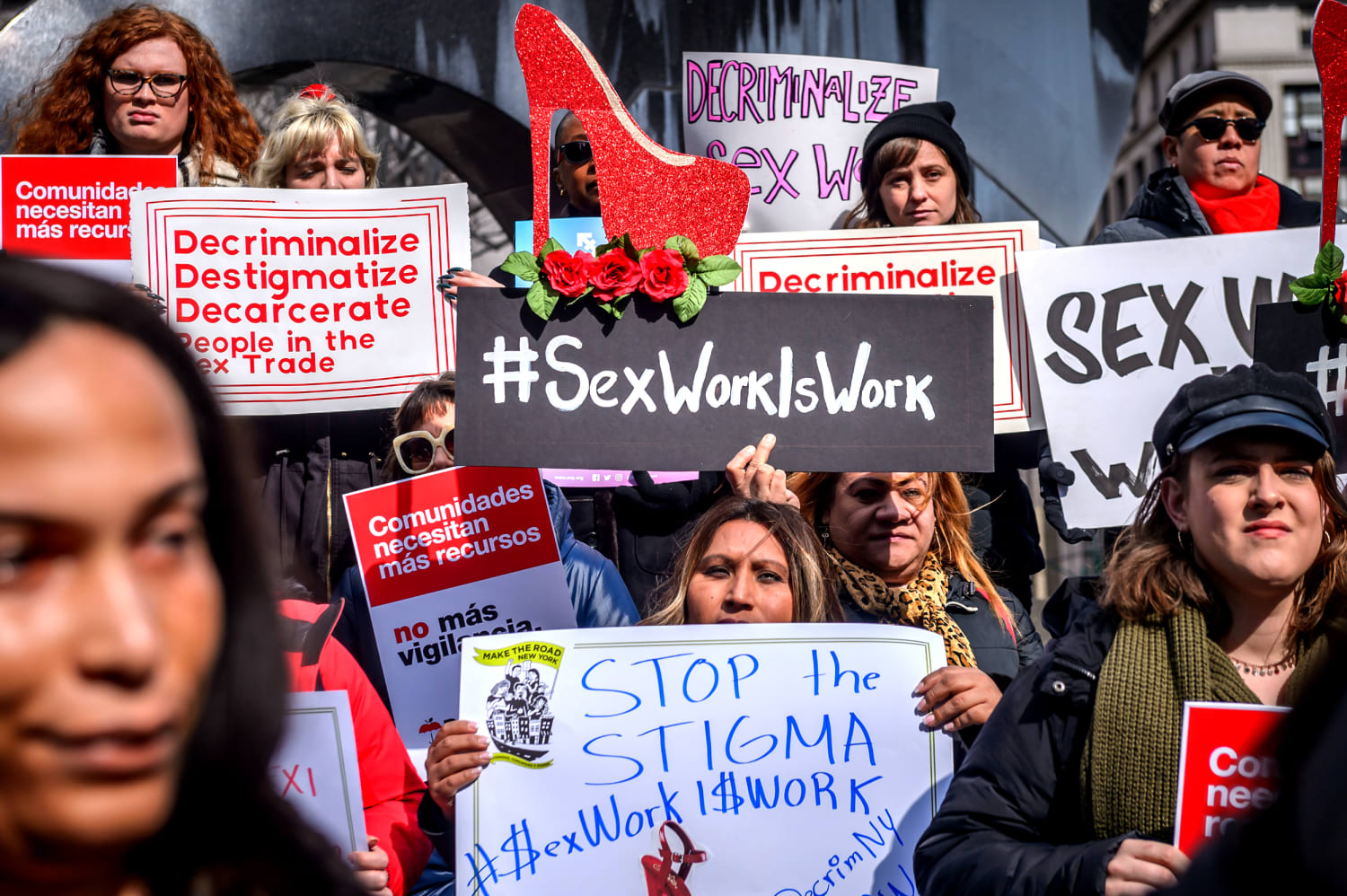
According to The Appeal, there’s momentum building for decriminalizing sex work in New York City. It’s gotten to a point where it’s now an issue in this year’s race for Manhattan District Attorney, one of the most important legal positions outside the federal government.

The Appeal: In Manhattan D.A. Race, Momentum Builds to Decriminalize Sex Work

New York State appears to be on a trajectory of expanding the rights of sex workers. On Feb. 2, the state repealed its “walking while trans” ban, an anti-loitering law that critics said the police were using to harass trans New Yorkers. Many advocates are pressing for the passage of legislation that would decriminalize sex work.

But most of the candidates seeking to be elected as Manhattan’s next district attorney this year don’t want to wait for the legislature. If they win, they say, they would take the DA’s office entirely out of the business of going after consensual sex work.

Six of the eight declared candidates told New York Focus and The Appeal: Political Report that they would stop prosecuting charges involving sex work, whether against people who are selling sex or against buyers.

The relative consensus is a measure of how quickly attitudes on sex work have shifted since even 2019, when only one out of seven candidates for Queens DA, Tiffany Cabán, supported the full decriminalization of sex work. A coalition of activists, known as Decrim NY, launched in 2019 and has strenuously championed change since then.

For those who don’t live in New York or follow their politics, it may not seem relevant. In the grand scheme of things, it’s a small issue in a political sphere with a limited scope. However, that’s how all issues begin.

Same-sex marriage was once a fringe issue. In the late 90s, it only affected a couple of states that started by offering benefits for domestic partnerships. It was not full-scale legalization, but it got the ball rolling. Once one state took that step, it snowballed from there.

Sex work probably won’t follow the exact same path, but there will be similarities. It just has to start somewhere outside the most rural parts of Nevada. Manhattan, one of most densely populated areas of the Country, would be a very high-profile site. If just one of these candidates can succeed on this issue, then that opens the door for others.

It helps that attitudes towards sex work have changed significantly in recent years. On top of that, decriminalizing sex work has become closely associated with reducing the stigma and harassment of the transgender community, as they often are disproportionally targeted under the current laws.

In addition, the very concept of sex work has changed considerably in wake of the pandemic, as indicated by the rise of those utilizing sites like OnlyFans. Those changes aren’t going to be automatically reversed once the pandemic is over.

There are many factors in play with this issue. It’s an issue that affects sexual attitudes, minorities, poverty, feminism, and so much more. That issue is sure to change even more once things like sex robots enter the picture. It won’t happen all at once, but this could be the beginning. Where it goes from here, only time will tell.

1 Comment

Filed under politics, prostitution, sex in media, sex in society

Catholic Priests Defy The Vatican To Sanction Same-Sex Unions (And We Should Cheer Them On)

I tend to be very critical of organized religion and those who take religion to extremes. I make no apologies for that, but I do make an effort to be fair. That’s why I go out of my way to highlight that most religious people, regardless of the religion they follow, are generally good, decent people whose faith genuinely enriches their lives.

That’s worth acknowledging because people can do genuinely good things in the name of their faith. It’s a beautiful thing. Just look at someone like Fred Rogers. That’s religious devotion at its finest.

I know I don’t highlight those stories enough. In my defense, the stories of people who actually practice what they preach and do genuine good for the world rarely makes the news. Then again, the news relies almost entirely on doom and gloom these days, so that shouldn’t be surprising.

That makes the effort to highlight the good a lot harder, but it’s still worth doing. To that end, I want to highlight a good story about religious people that stemmed from a bad story about a religious institution with a history of unholy behavior.

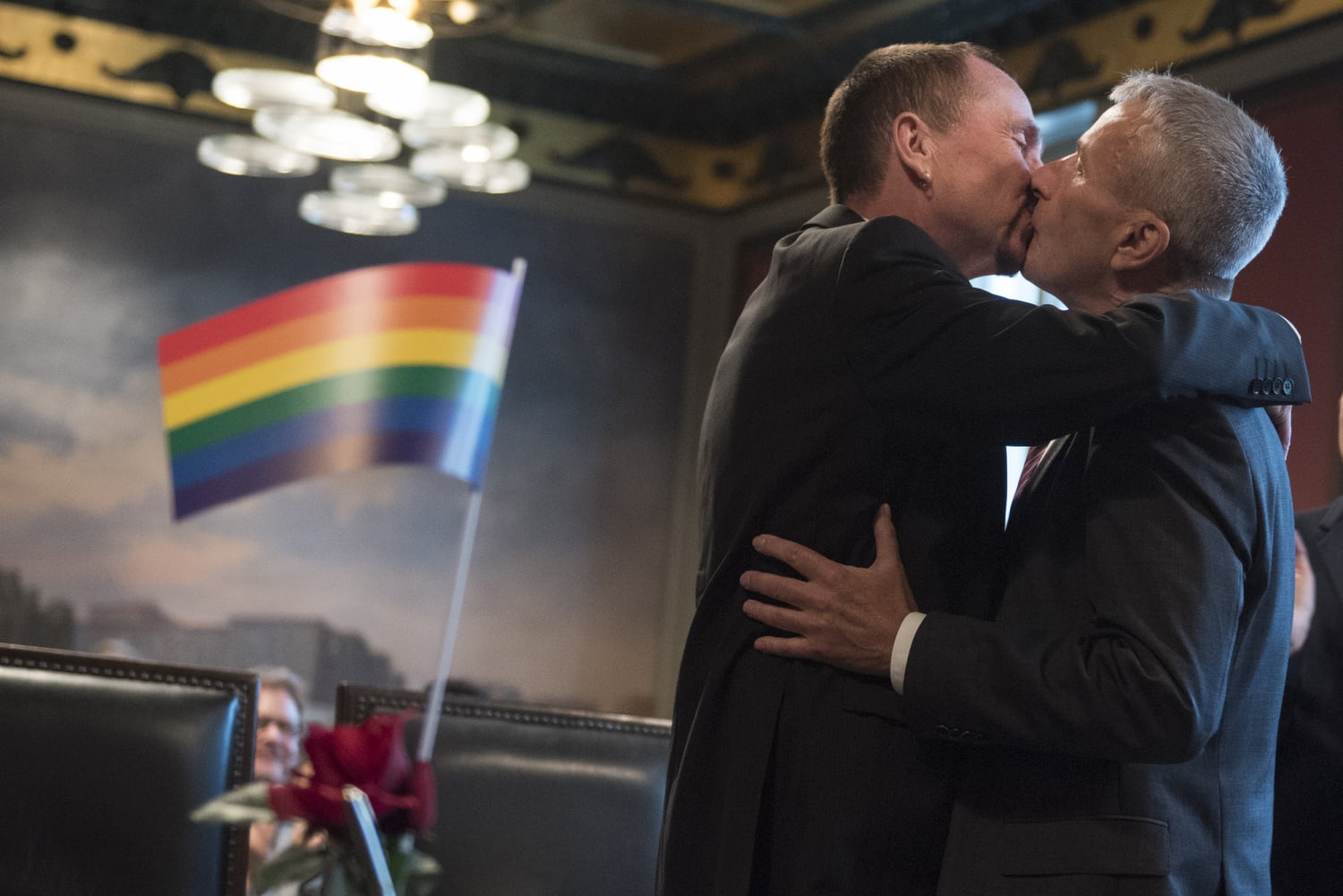
Recently, I bemoaned the Vatican’s decision to essentially cling to their traditions of marginalizing LGBTQ people. They still call homosexuality a sin and refuse to bless same-sex unions. Never mind the fact that Catholics still get divorced and eat shellfish, the Vatican still refuses to embrace change.

At a time when religion, as a whole is in decline and support for LGBTQ rights is growing, this just feels backwards, even by the standards of the Catholic Church. However, not all those who identify as Catholic feel the same way.

Even though the Vatican is set up as the central power of the Catholic world, there are those who go against that power. A few priests are daring to defy the Vatican and I want to take a minute to acknowledge their boldness. This is what Reuters has reported.

Reuters: Rebel priests defy Vatican, vow to bless same-sex couples

A dissident band of Roman Catholic priests leading a disobedience campaign against the Vatican said on Tuesday they would carry on blessing same-sex couples in defiance of Church orders.

The Vatican said on Monday that priests cannot bless same-sex unions and that such blessings are not valid, in a ruling that disappointed gay Catholics who had hoped their Church was becoming more welcoming under Pope Francis.

In some countries, parishes and ministers have begun blessing same-sex unions in lieu of marriage, and there have been calls for bishops to institutionalise de facto such blessings. Conservatives in the 1.3 billion-member Roman Catholic Church have expressed alarm over such practices.

“We members of the Parish Priests Initiative are deeply appalled by the new Roman decree that seeks to prohibit the blessing of same-sex loving couples. This is a relapse into times that we had hoped to have overcome with Pope Francis,” the Austrian-based group said in a statement.

“We will — in solidarity with so many — not reject any loving couple in the future who ask to celebrate God’s blessing, which they experience every day, also in a worship service.”

Whether you’re religious or not, let’s take a moment to applaud these priests. They’re doing something that Jesus himself once did. They see a powerful institution doing something wrong and they’re protesting that by doing what’s right.

In the process, they’re providing love, tolerance, and acceptance to a marginalized group that has suffered plenty, often in the name of religion. You can call that ironic, but I prefer to call it heroic. They have to know on some levels that they’re going to get in trouble for this.

They are likely going to get criticized. They’ll likely face protests from hardline conservative Catholics who cannot tolerate any deviation of any kind from certain traditions, no matter how outdated or intolerant they are. The fact these priests still went through with it says a lot about their character, as well as their faith.

It’s also worth emphasizing that what they’re doing is commendable in ways beyond the religious angle. They are just a small group of individual priests. The Vatican is a vast, powerful organization with immense wealth and influence. They have the benefit of being able to say with a straight face that their authority comes directly from a deity.

That’s a power that many governments envy. Some claim they’re inherently divine, but the results are often less-than-divine.

That power matters because it means they can change if they wanted. It would be a lot easier than what these rebellious priests are doing. The Pope could just come out and say that homosexuality isn’t a sin anymore for the same reason eating shellfish isn’t a sin anymore. He did it with purgatory. Why not do it with homosexuality?

That’s the problem with powerful organizations, though. When they’re powerful, they have the luxury of taking the path of least resistance. The easiest thing for powerful organizations to do is not change. It’s much less strenuous on the people and the systems around them to just keep doing what they’ve always been doing.

It keeps them in power.

It means less work for them and those who support them.

It means less thinking, contemplating, and second-guessing that maybe they’re doing something wrong.

At best, it’s lazy. At worst, it’s callous and negligent. Contrast that with the Catholic Priests who dare to go against such power. They know what they’re doing will bring consequences. They know they’re going to upset some powerful people, but they do it anyway.

That’s brave.

That’s bold.

That’s a level of spirit that religious and non-religious people alike can respect.

Regardless of your affiliation or your opinions of Christianity or Catholicism, take a moment to acknowledge that these men of faith are doing something great. They’re offering love and acceptance to their fellow human beings, even though they’re marginalized and demonized. It’s probably the most Christian thing they could possibly do and I, for one, salute them. I suspect Jesus would, as well.

1 Comment

Filed under Current Events, gender issues, political correctness, politics, real stories, religion, sex in society, Uplifting Stories

Profiles Of The American Worker: Bob Belcher And Hank Hill

The following is a video from my YouTube channel, Jack’s World. It’s a take on the American worker and all their American glory. I highlight the concepts and ideals surrounding these workers by citing two well-known animated representations in Hank Hill from “King of the Hill” and Bob Belcher from “Bob’s Burgers.” If you’re fans of these shows and appreciate the struggles of the American worker, I think you’ll appreciate this. Enjoy!

Leave a comment

Filed under Jack's World, noble masculinity, political correctness, politics, YouTube