Tag Archives: X-men comics

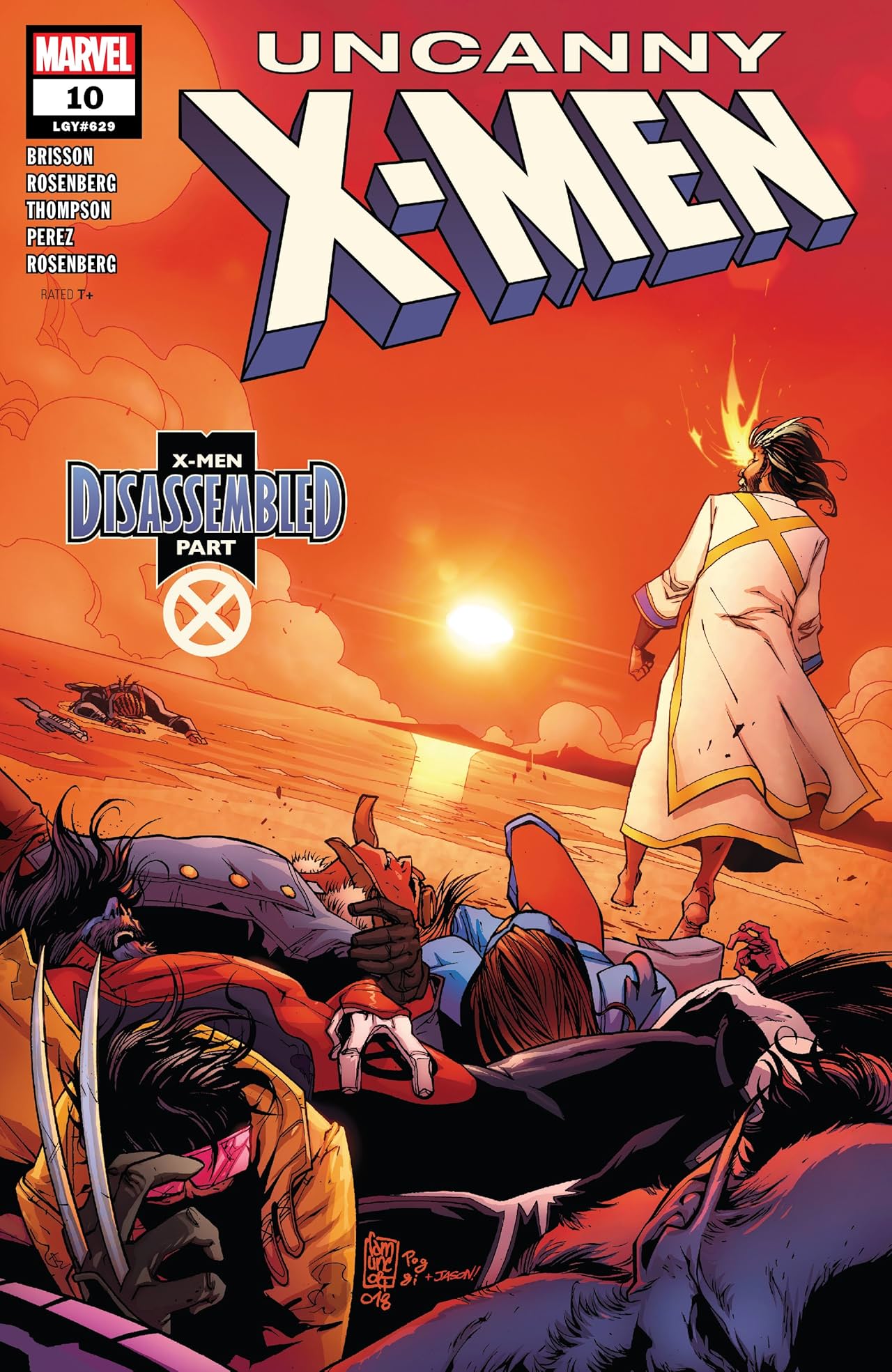
Jack Fisher’s Quick Pick Comic: Uncanny X-men #10

Every Wednesday, fans of comic books and superheroes are blessed with fresh batch of comics. It’s like Christmas every week and you don’t have to suck up to some jolly fat guy who lives at the North Pole. You just have to have a few extra bucks and a Comixology account.

This week, however, those extra bucks go a lot further than usual for X-men fans. That’s because “Uncanny X-men #10,” the final issue in a story arc that assembled almost every notable character associated with X-men has come out. Some weeks are harder than others when it comes to picking the most worthy comic from the bunch. This was not one of those weeks.

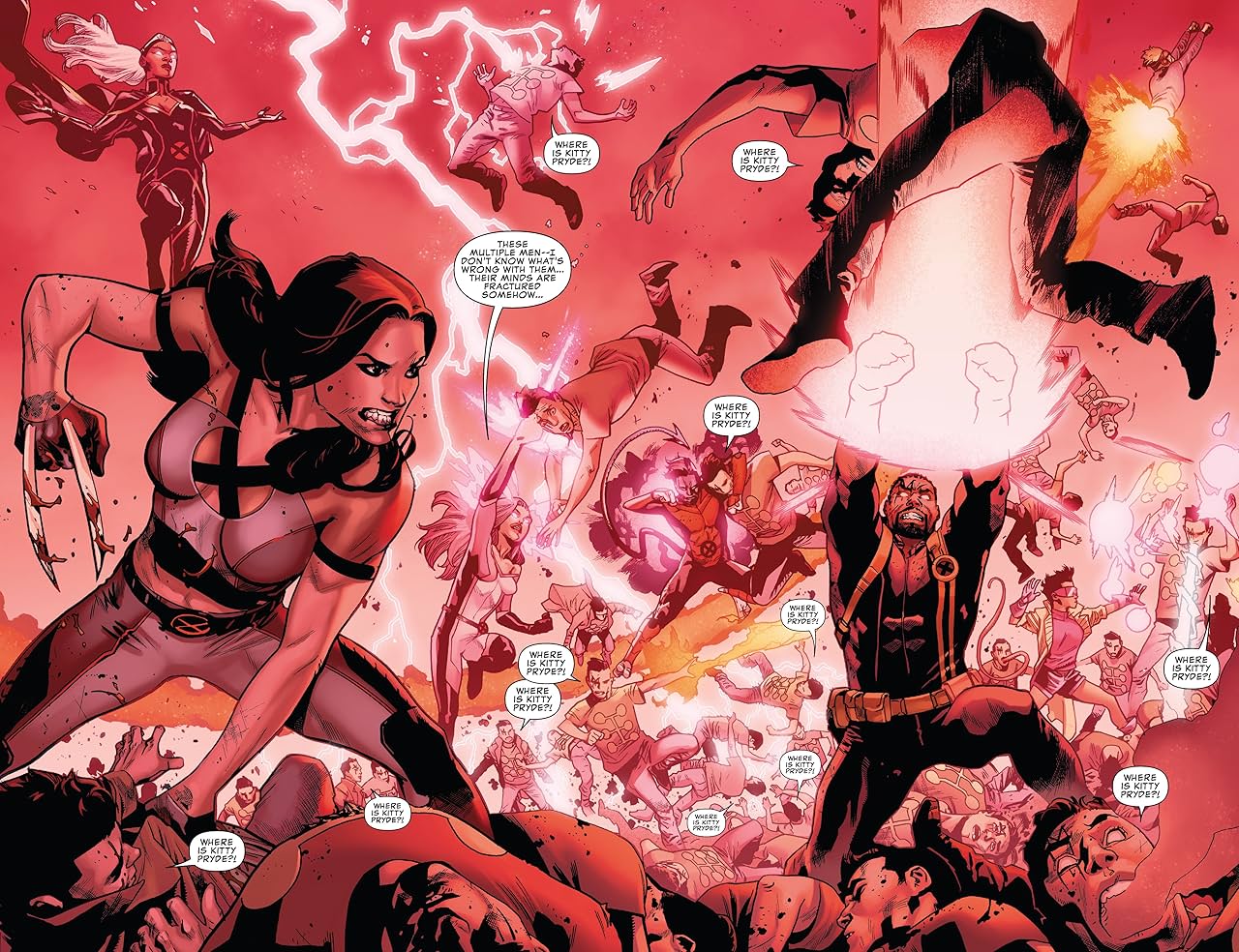
Make no mistake. “Uncanny X-men #10” is both a game-changer and a major upheaval for the X-men. It acts as a culmination of a battle that began with the return of Nate “X-man” Grey, but in a powerful new form. He’s not just another displaced character from a dystopian timeline, of which there are many in comics. His agenda is different and his personal connections to the X-men make him a daunting foe.
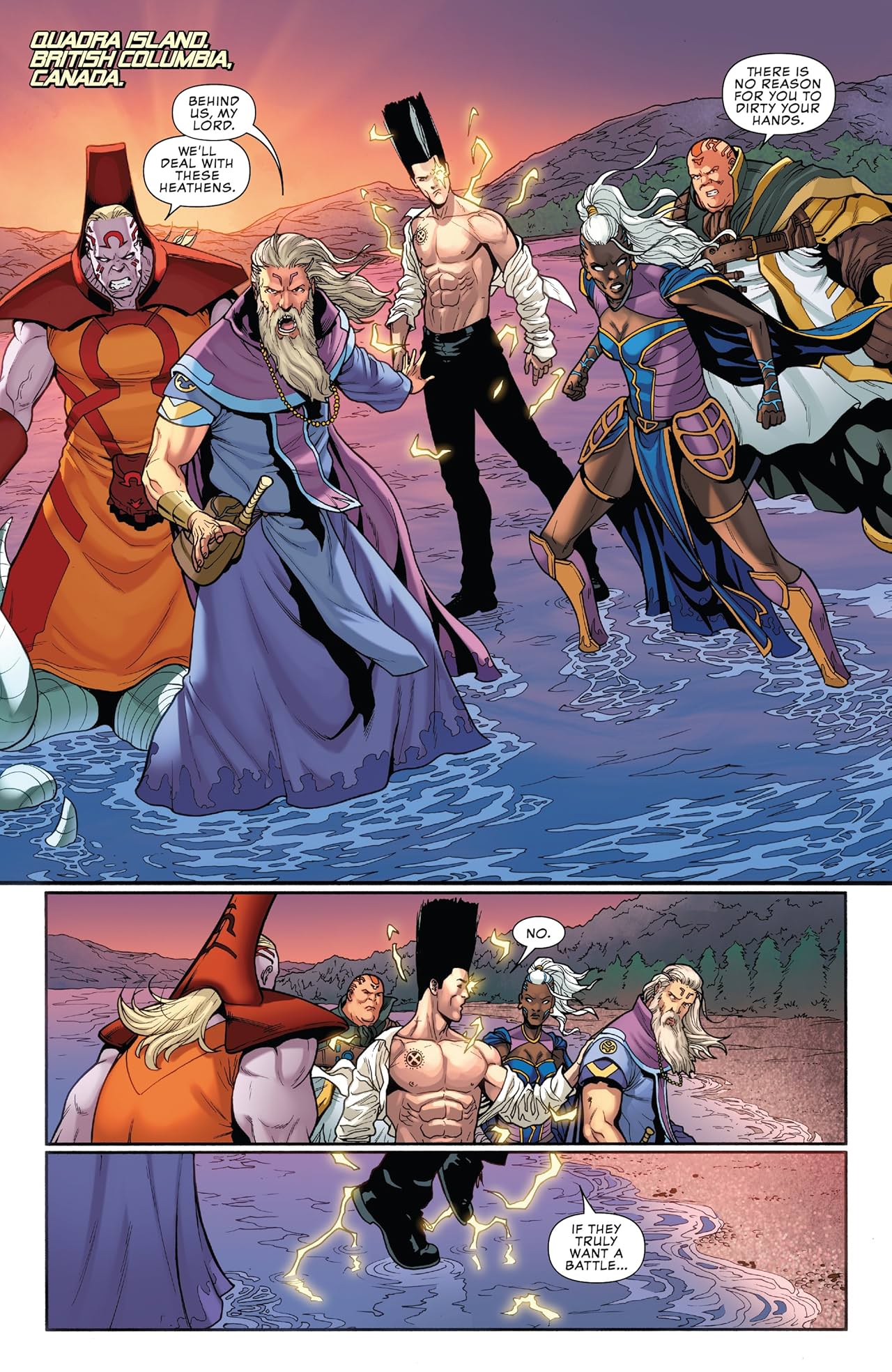
He’s not Apocalypse. He’s not Magneto. He’s not even some uneasy ally who was once an enemy and the X-men have had plenty of those. Nate Grey is out the save the world, but not by protesting injustice or signing an online petition. He literally wants to destroy it and remake it. Given the insane breadth of his power, that’s entirely possible.

For the past nine issues, he’s gone about his plan with the subtly of a hurricane. He’s abducted senators, mind-controlled powerful mutants, and waged war on anyone who might stand between him and a better world. The X-men, who have a strict policy against over-powered mutants destroying the world to remake it, oppose him at every turn.

Uncanny X-men #10” is just the final showdown and it’s a battle for the ages. The writing talents of Matthew Rosenberg, Ed Brisson, and Kelly Thompson team up with the artistic talents of Pere Perez to craft a mutant-powered spectacle that never slows down. It’s the most powerful mutants in the Marvel universe against a threat who wasn’t just a close friend. To characters like Jean Grey, he’s family.
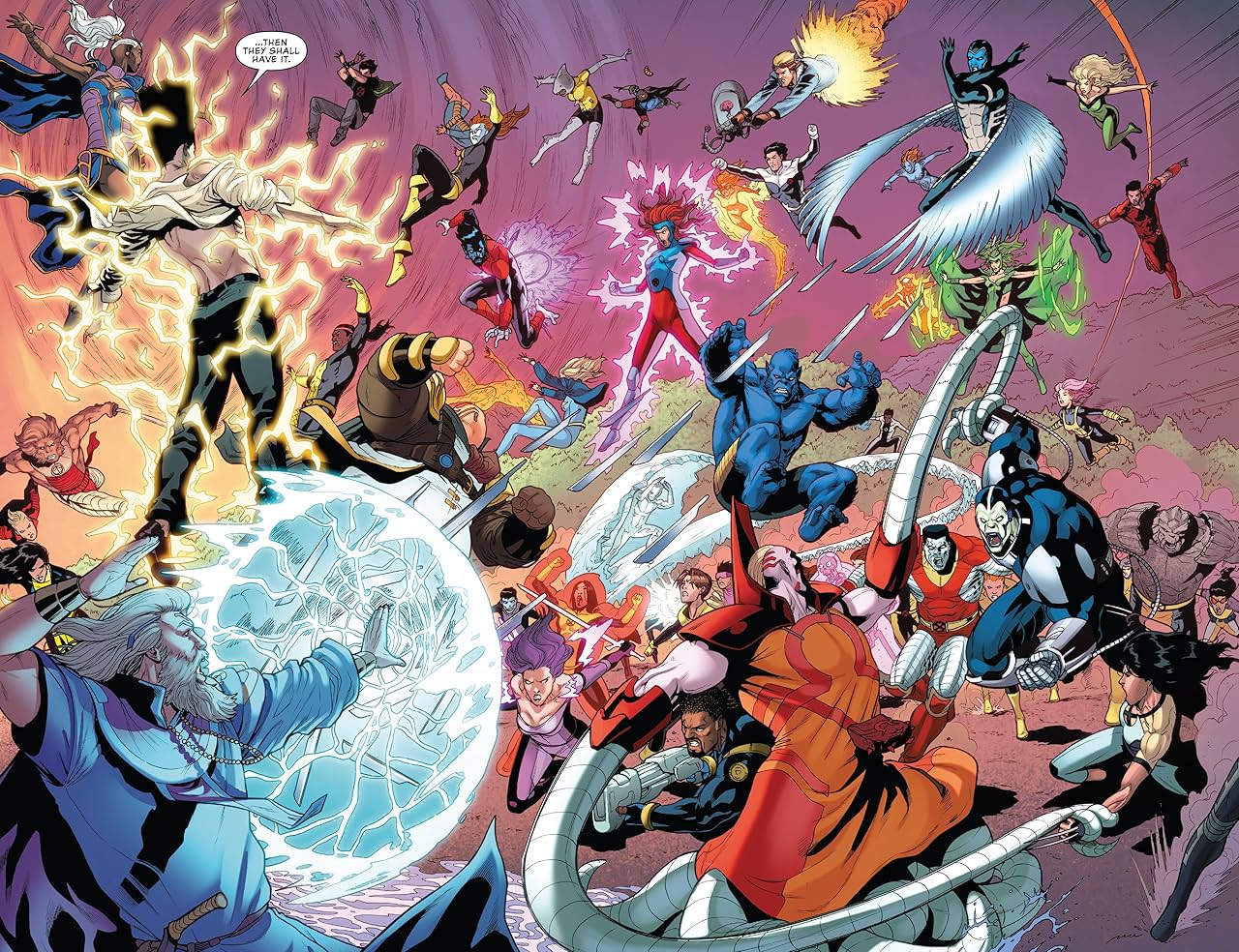
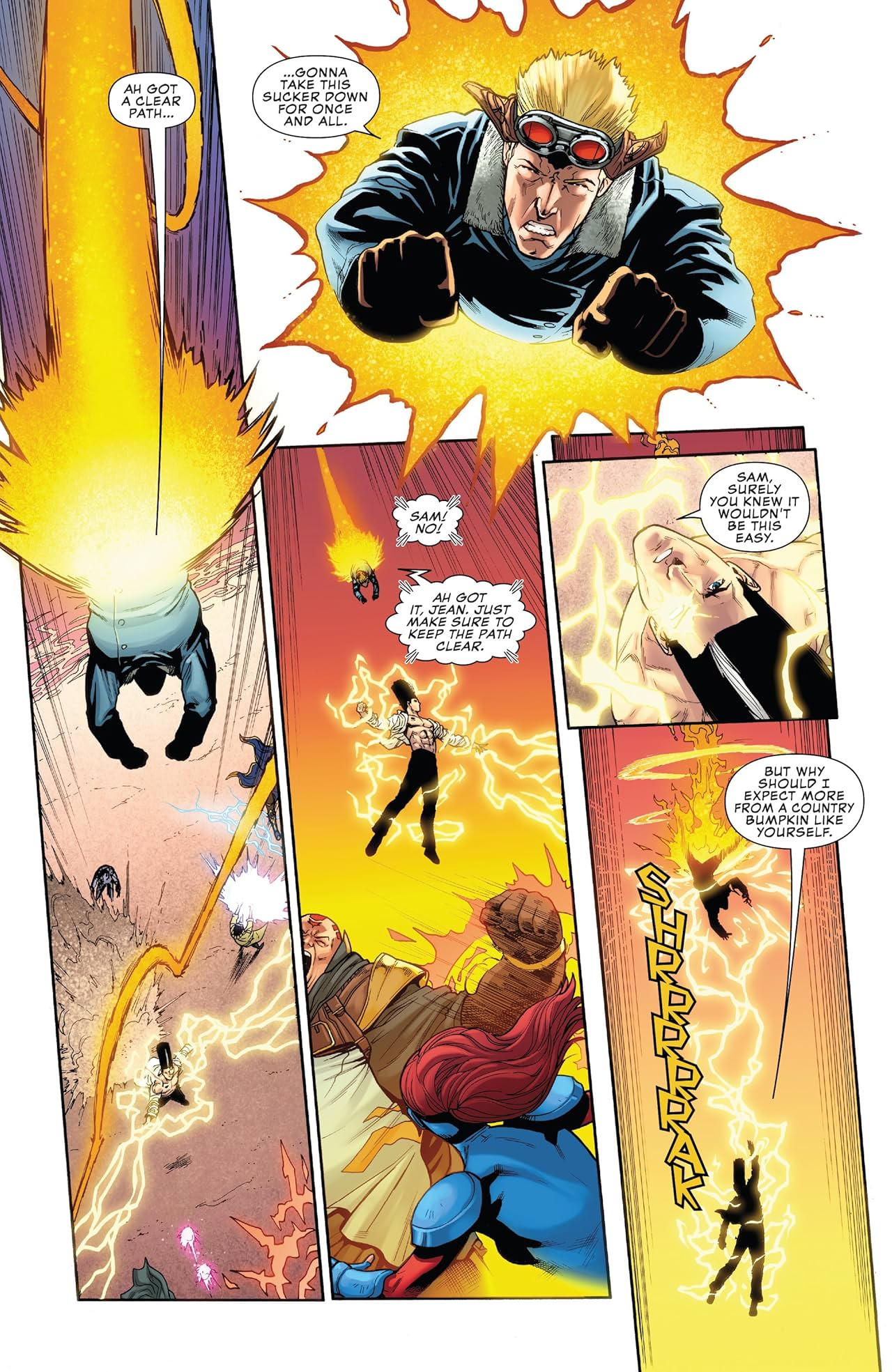
This is where “Uncanny X-men #10” shines in a special way. While a good chunk of the comic is dedicated to epic mutant battles, there’s never a point where the action is mindless and impersonal. In between all the fighting, there are major personal stakes for Nate and his alternate universe mother, Jean Grey.

Their interactions is what really gives dramatic weight to the spectacle. I won’t spoil the details of their exchange. I’ll just say that it’s beautifully done. It’s genuinely heart-wrenching to see Jean having to battle her own son. Even if he’s from an alternate universe, she sees him as family and that makes fighting him all the more difficult.

That kind of heavy drama is what brings out the best in the X-men. It’s what makes for the best moments in superhero comics, as a whole. However, what really makes “Uncanny X-men #10” worth getting is how it sets up the future of the series.

Again, I won’t spoil it. I’ll just say that the aftermath of the battle creates a very different world for mutants, humans, the X-men, and everyone in between. It’s a world where all the hopes and dreams of the X-men are effectively moot. What does that mean for them and those they protect? There are some telling hints, but there’s definitely an impact when all is said and done.
I’m sure there will be plenty of X-men fans who feel both excitement and dread after reading “Uncanny X-men #10.” If you’ve been following X-men comics in any capacity for the past several decades, then you know that’s not unusual. However, this feels like one of those issues that people will be referring to for years to come. Whether they love it or hate it, this comic marks a major turning point for the X-men.

Most X-men fans knew that 2019 was going to be a major year for the Children of the Atom. Between two movies, the pending Disney/Fox merger, and the return of multiple major characters, there’s a lot get hyped about. “Uncanny X-men #10” is just the latest catalyst that can only help the X-men’s prospects in 2019.

Leave a comment

Filed under Jack's Quick Pick Comic

The following is a review I wrote for PopMatters for X-Men Red #11.

Jean Grey Exercises the Power of Emotional Intelligence in ‘X-men Red #11’


Leave a comment

December 17, 2018 · 8:47 pm

The following is a review I wrote for PopMatters for “X-Men: The Exterminated #1.”

On Melodrama and Family Ties in Marvel’s ‘X-Men: The Exterminated #1’

Leave a comment

December 6, 2018 · 7:53 pm

The following is a review I wrote for PopMatters for Dead Man Logan #1. Enjoy!

Bar Fights, Final Journeys, and Dystopian Futures in Marvel’s ‘Dead Man Logan #1’


Leave a comment

November 29, 2018 · 9:50 pm

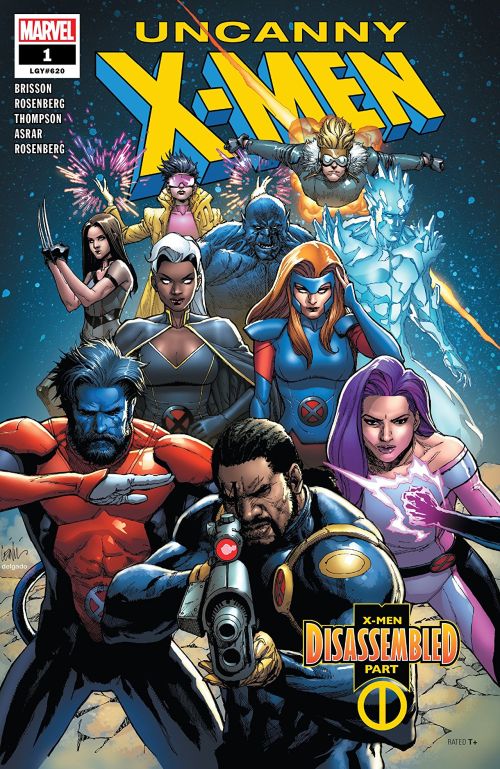
The Distressing (But Relevant) Questions Raised In Uncanny X-men #1

711931-_sx1280_ql80_ttd_

The most relevant stories are often the ones that ask the most difficult questions. The nature of those questions vary among places, people, cultures, and whatever happens to be pissing off a significant chunk of the population. Regardless of the circumstances, those questions are important and sometimes they come from unexpected places.

I wasn’t expecting such questions when I picked up “Uncanny X-men #1,” the latest relaunch in the most iconic X-men brand of all time. I was just glad to see Uncanny X-men return to prominence after an extended absence dating back to 2016. This first issue was over-sized and priced at $7.99, which is a lot for a single comic. I still feel like I got my money’s worth.

In addition to telling a great story that brought many prominent X-men characters to the forefront, “Uncanny X-men #1” did something unique in terms of how it established a conflict. For once, it didn’t involve killer robots, preventing a genocide, mutant terrorist, or alien space gods. Instead, it asked one profound question.

What if there was a way to preventing people from becoming mutants in the first place?

That may sound like a question that has come up in other X-men stories, but that’s only partially correct. This isn’t about curing mutants, a story that Joss Whedon brilliantly told during his run on Astonishing X-men and that “ X-men: The Last Stand” botched horribly. This is about inoculating children the same way we do for polio.

Specifically, a lab develops a vaccine that prevents the X-gene from expressing. Technically, they would still be mutants in that they would still have this gene. It just wouldn’t express itself. It would be akin to turning off the gene responsible for cystic fibrosis or sickle-cell anemia. It essentially treats mutation the same way we would treat any other genetic-based disease.

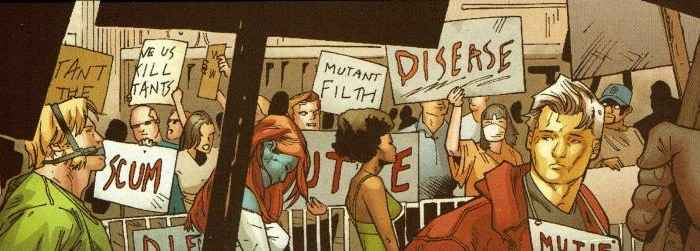
Naturally, the X-men and many other mutants don’t like this idea and not just because it’s akin to treating homosexuality as a mental illness. It reeks too much of genocide, something they’ve faced on more than one occasion. It would’ve been easy for “Uncanny X-men #1” to present it in that way, but that’s not how it plays out.

The all-star creative team of Ed Brisson, Kelly Thompson, Matthew Rosenberg, and Mahmud Asrar frame the issue in a very different way. Instead of some anti-mutant racist like Graydon Creed or William Stryker calling for mutant extermination, we get Senator Ashton Allen. He’s as generic a politician as can be in a superhero comic, but what he says and how he says is revealing.

Amidst a crowd of humans, mutants, and X-men, he talks about this mutant vaccine as a tool to alleviate suffering. He doesn’t rant about the dangers of evil mutants like Magneto or Apocalypse. He talks only about mutant children developing powers that could be dangerous to themselves or others. In that context, a vaccine might actually help them.

When you consider the mutant powers of characters like Rogue and Cyclops, who have mutant abilities that do real damage when uncontrolled, it seems entirely reasonable to make this vaccine available. Senator Allen never says anything about forcing it on kids or on mutants that already exist. He only ever emphasizes making it an option for concerned parents.

That’s distressing for the X-men because they don’t need to be omega-level psychics to imagine the implications. They can easily envision a concerned parent who doesn’t want their child to deal with the possibility that they may shoot lasers out of their eye one day. Any parent who cares for their child will want to mitigate the chances of them enduring such hardships.

In a world populated by mutant-hunting robots, parents already have plenty of incentive to use this vaccine. Given the damage that mutant-led conflicts often incur, the government has just as much incentive to make that vaccine available to everyone, free of charge and tax deductible. Governments less concerned with things like human rights could force it on children and that has some real-world parallels.

For mutants and the X-men, though, that means a permanent loss of their identity. Considering how mutants act as a metaphor for other oppressed minorities, this has implications for the real world, as well. I would even argue that the question will become increasingly relevant in the coming decades.

To appreciate just how relevant it could be, you need only look up the heartbreaking stories of parents who have disowned their children because they’re gay or transgender. In tragic some cases, people are driven to suicide. Even for those who aren’t parents, anything that might avert this kind of hardship is worth considering.

Given the complex causes of homosexuality, as well as the many factors behind transsexuality, it’s unlikely that there could ever be a vaccine to prevent it. The same can be said for conditions like Dwarfism. It’s not just genes, hormones, or radioactive spider bites that shape an individual’s persona. It’s a complex confluence of many things.

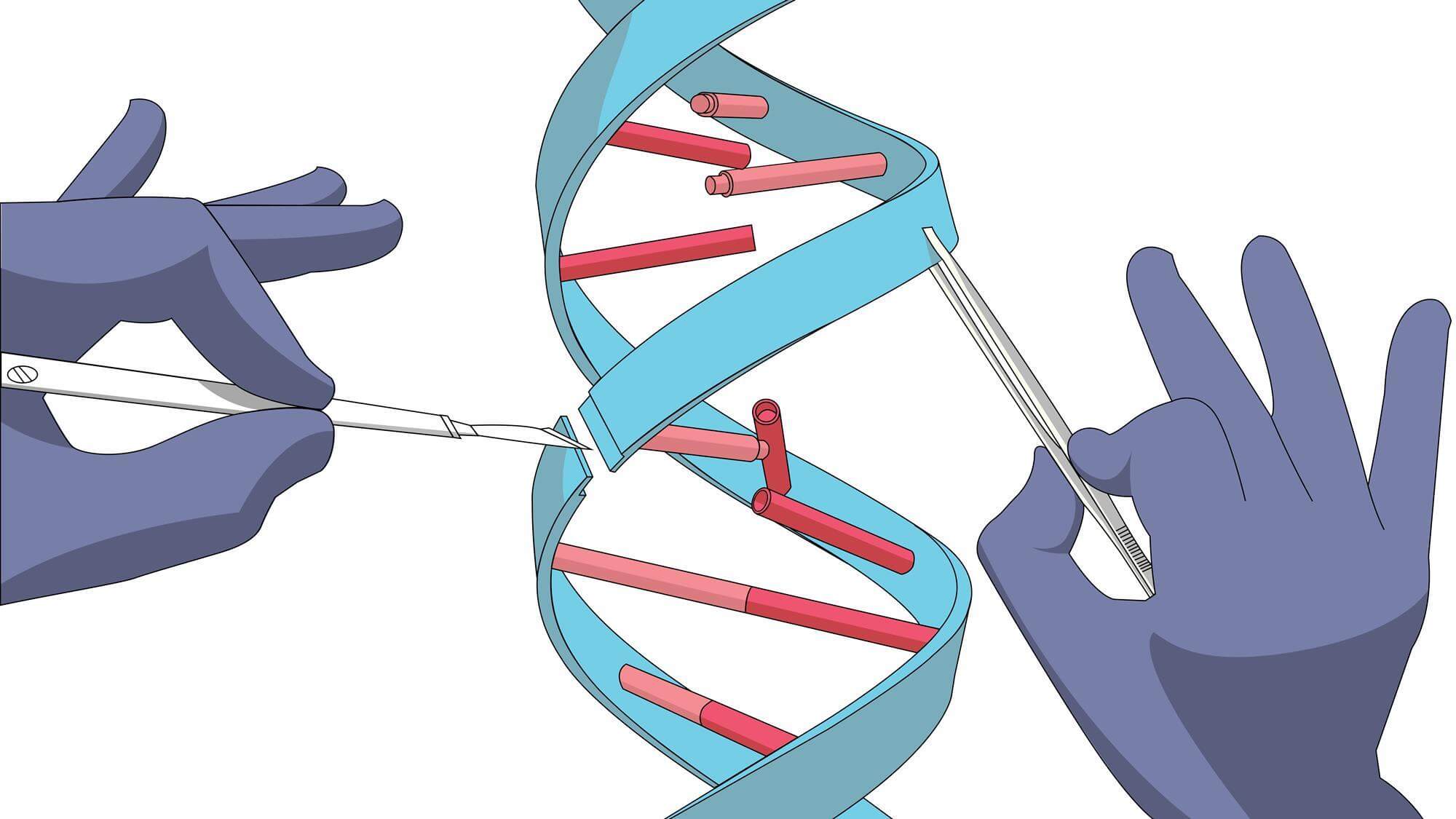
However, we are getting very close to a point where it’s possible to design children at the genetic level. Thanks to tools like CRISPR, it might even be possible one day to cut out entire traits from the human genome. That could, in theory, eradicate both cystic fibrosis and Dwarfism. More than a few people have expressed concern about that possibility.

Homosexuality and transsexuality are a bit different since there is no one gene or hormone that causes it, but most contemporary research suggests that genetics do play at least some role. Using similar technology, it might be possible for parents in the future to minimize or eliminate the chances of their children being homosexual or transsexual.

I imagine many in the LGBT community feel the same way about those efforts that the X-men felt about Senator Allen’s efforts in “Uncanny X-men #1.” Even if it only extends to giving parents this option for children and provides strict protections for those already born with these traits, it still treats who and what they are as a disease.

It’s dehumanizing and demeaning. More than one X-men in “Uncanny X-men #1” makes that abundantly clear. They don’t see being a mutant as a disease any more than homosexuality, transsexuality, or dwarfism. The fact that there’s now a way to prevent this makes for an existential crisis with some pretty heavy implications for the real and fictional world.

In the world of Marvel comics, a world without mutants has its own set of issues, the least of which would be the loss of a top-selling comic series. In the real world, though, the stakes are even higher. What would we, as a society, do if we suddenly had the tools to prevent homosexuality, transsexuality, and dwarfism in children before they’re even born?

I’ll even ask a more controversial question that’s sure to draw plenty of ire. What if those same tools could be used to modify the skin color, facial features, and overall appearance of our children? We already understand how genetics affects our appearance to some extent. What happens when we’re able to determine that for someone before they’re ever born?

These are objectively distressing questions. I’m glad “Uncanny X-men #1” dared to ask them. I doubt they’ll get debated or resolved completely in the proceeding issues, mostly because such resolutions are impossible in superhero comics. It still presents the X-men with a unique issue to confront and one that we will likely have to confront in the real world.

As is often the case with difficult questions, the answers are likely to anger some and distress many. Most people genuinely and sincerely want what’s best for their children. In the world of Marvel Comics, that could mean preventing them from gaining the kind of superpowers that makes them targets for Sentinels. In the real world, that could mean removing an entire class of people from the gene pool.

In issues like this, there are no heroes or villains. There are just difficult choices that we must make before someone else makes them for us.

Leave a comment

Filed under comic book reviews, futurism, gender issues, human nature, sexuality, superhero comics, Thought Experiment, X-men

The following is a review I wrote for PopMatters on Uncanny X-men #1. Enjoy!

An Uncanny Deconstruction of Superheroes in ‘Uncanny X-men #1’

Leave a comment

November 15, 2018 · 10:09 pm

The following is a review I wrote for PopMatters for X-23 #6. Enjoy!

Class, Clones, and Killer Robots in Marvel Comics’ ‘X-23 #6’

Leave a comment

November 8, 2018 · 5:02 pm

The following is a review I wrote for PopMatters for X-men Black: Emma Frost #1. Enjoy!

Ascent of a True Queen: ‘X-men Black: Emma Frost #1’

Leave a comment

November 1, 2018 · 4:56 pm

The following is a review for “X-men Red #9” that I wrote for PopMatters. Enjoy!

Marvel’s ‘X-men Red #9’ Gets into Psychic Wargames and Battling Ideas

Leave a comment

October 26, 2018 · 11:46 pm

What I Learned At The “Dark Phoenix” Panel At New York Comic Con 2018

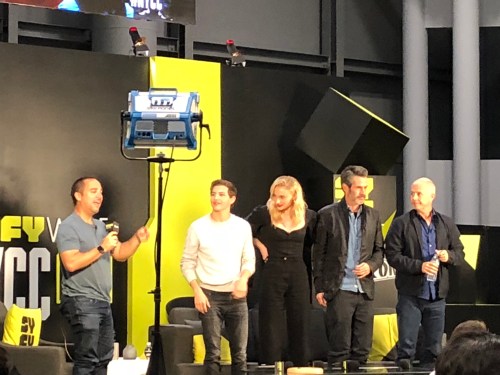
IMG_2742

There were a lot of wonderful moments at New York Comic Con this year. While I’ve already shared a few, it’s safe to say that the biggest highlight for me was being able to attend the panel for the “Dark Phoenix” movie. Since I’ve made my excitement and concerns about this movie very clear, I don’t think that should surprise anyone.

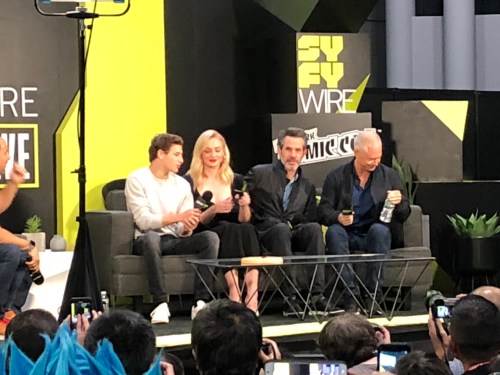
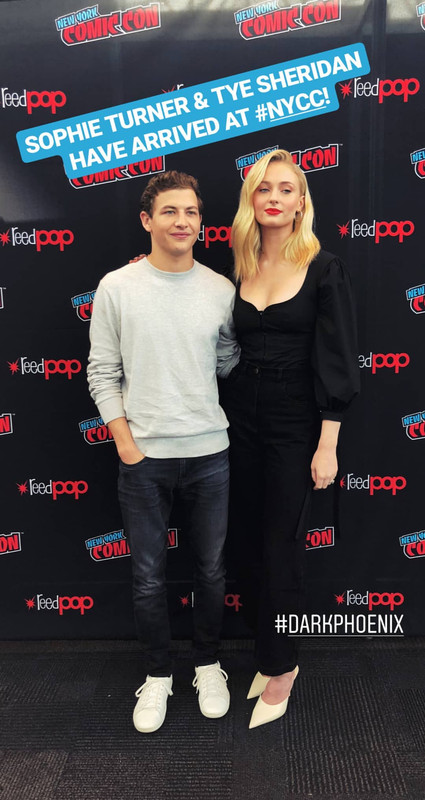
The panel itself was very well-attended. Anyone who claims that nobody is interested in this movie since Disney is buying Fox can officially piss off. As soon as Tye Sheridan and Sophie Turner walked out onto that stage, there was a huge cheer that echoed throughout the Jacob Javits Center. It was a really powerful moment.

I had to fight my way through a lot of equally-eager X-men fans to get a good seat. These pictures, by the way, are not taken from some comic reporting site. I took these with my phone and I’m very proud of how close I managed to get. It’s probably the closest I’ll ever get to celebrities like this for the rest of my life.

IMG_2737

While at the panel, I learned a few things of note that made me all the more excited about this movie. Some of those things have already been reported by some sites. Here are a few others I picked up on.


Sophie Turner and Tye Sheridan have great chemistry, more so than James Marsden and Famken Jansen did in the original X-men movie.

This was obvious by how how well they got along, how close they sat, and how much they smiled around one another. You can usually tell when an actor and actress don’t get along. It really shows and it tends to undermine the movie. If you don’t believe me, just look at how that worked out for Hayden Christiansen and Natalie Portman in “Star Wars: Attack of the Clones.


This movie will fully embrace the cosmic nature of the Phoenix Saga.

Those aren’t my words. That’s what Simon Kinberg said outright during the panel. He flat out admitted that “X-men: The Last Stand” did not do justice to the Phoenix Saga, which actually drew some cheers. He then made clear that the cosmic part of the Phoenix will be a big part of the movie and the footage they showed definitively proved that.

This is huge because anyone who claims this movie is just a remake of “X-men: The Last Stand” will not be able to say that with a straight face after seeing how it plays out.


Jean Grey is NOT the one in that grave during the funeral scene depicted in the trailer.


I was kind of surprised that Kinberg confirmed this, outright. He said during the interview that the funeral scene was not for Jean. There was someone else in that grave and the identity of that person, which he did not reveal, is what really divides the team.

On top of that, Kinberg made clear that this moment really undermines the faith the X-men have in Charles Xavier. Before this moment, they trust him implicitly. Jean, especially, trusts him. After what happens here, though, the team somewhat turns against him and he struggles to regain their trust.

That’s another powerful bit of drama that “X-men: The Last Stand” did not do much to develop. Xavier makes some hard choices and the consequences of those choices hurt many.


Cyclops really steps up and becomes the true leader of the X-men.

This also got plenty of cheers from the crowd. To hear Tye Sheridan talk about his character was a powerful moment. He talked about how Cyclops finds himself in a tough position where he has to make decisions that put him against others. He has to go against the will of friends, teammates, and even Charles Xavier. He isn’t given the role of leader. He earns it.

For the many Cyclops fans who hated how he got treated in the original X-men trilogy, this should be music to your ears. I could feel Tye’s enthusiasm for the character, along with many others in the crowd. I also noticed Sophie Turner smiling a lot when he talked about it, which I also think was a promising sign.


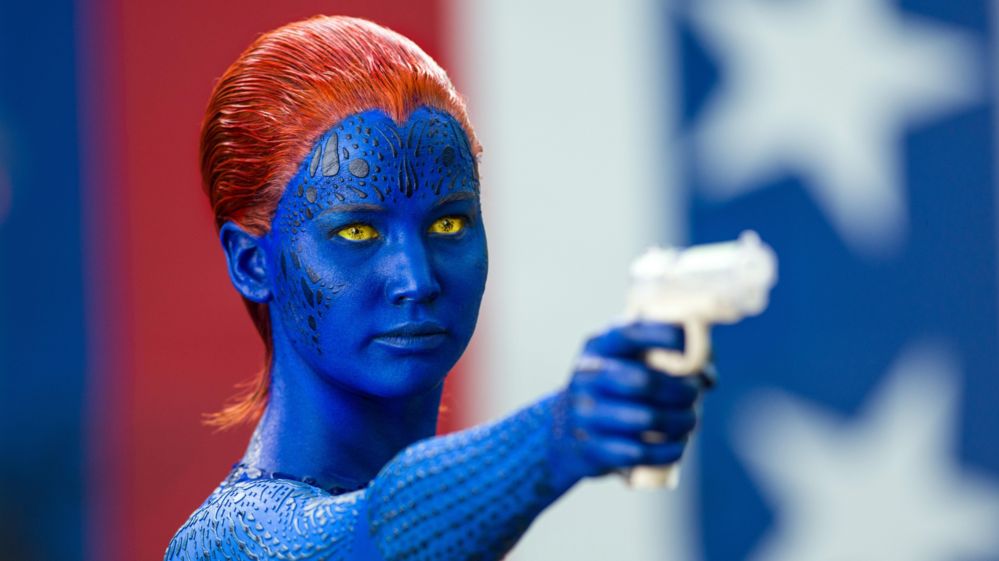
Jennifer Lawrence, more than any other cast member, tried to get “Game of Thrones” Spoilers out of Sophie Turner.

This was a serious question that also got some cheers, mostly from people dressed as “Game of Thrones” characters. Sophie Turner didn’t hesitate when she answered. She said that Jennifer Lawrence made her love of “Game of Thrones” very clear on set. She tried on more than one occasion to get some details from Turner. She didn’t say how much she succeeded, but I wouldn’t be surprised if Lawrence knows something we don’t.


There are a lot of other details I could mention from this panel. I’ll keep them to myself, though. They are now among my most precious memories of New York Comic Con and I honestly don’t know how they’ll be topped in the years to come. After being part of this panel, though, I’m a lot more hopeful about this movie. I genuinely believe it’s going to be the movie X-men fans have been waiting for.


1 Comment

Filed under Comic Books, Jack Fisher, Superheroes, Jack Fisher's Insights, superhero comics, superhero movies, X-men