Tag Archives: the bible

A Message To “Christians” Complaining About (Actual) Christian Tenants

In general, I try not get involved in religious discussions. Even though I talk about religion every now and then, I always make it a point to distinguish the individual from the ideology. There many good and decent people who identify as Christians, Muslims, Hindus, and plenty of other faiths. I have religious people in my own family. I love and respect them. And I make it a point to avoid talking about religion or any politics related to it.

That being said, there are some instances where I just can’t be that understanding. And in recent years, I’ve noticed the number of those instances increasing at an alarming rate. In the coming years, I may look back on 2025 as a major tipping point for me. Because that’s when the disconnect between religion and its adherents just became too vast to overlook.

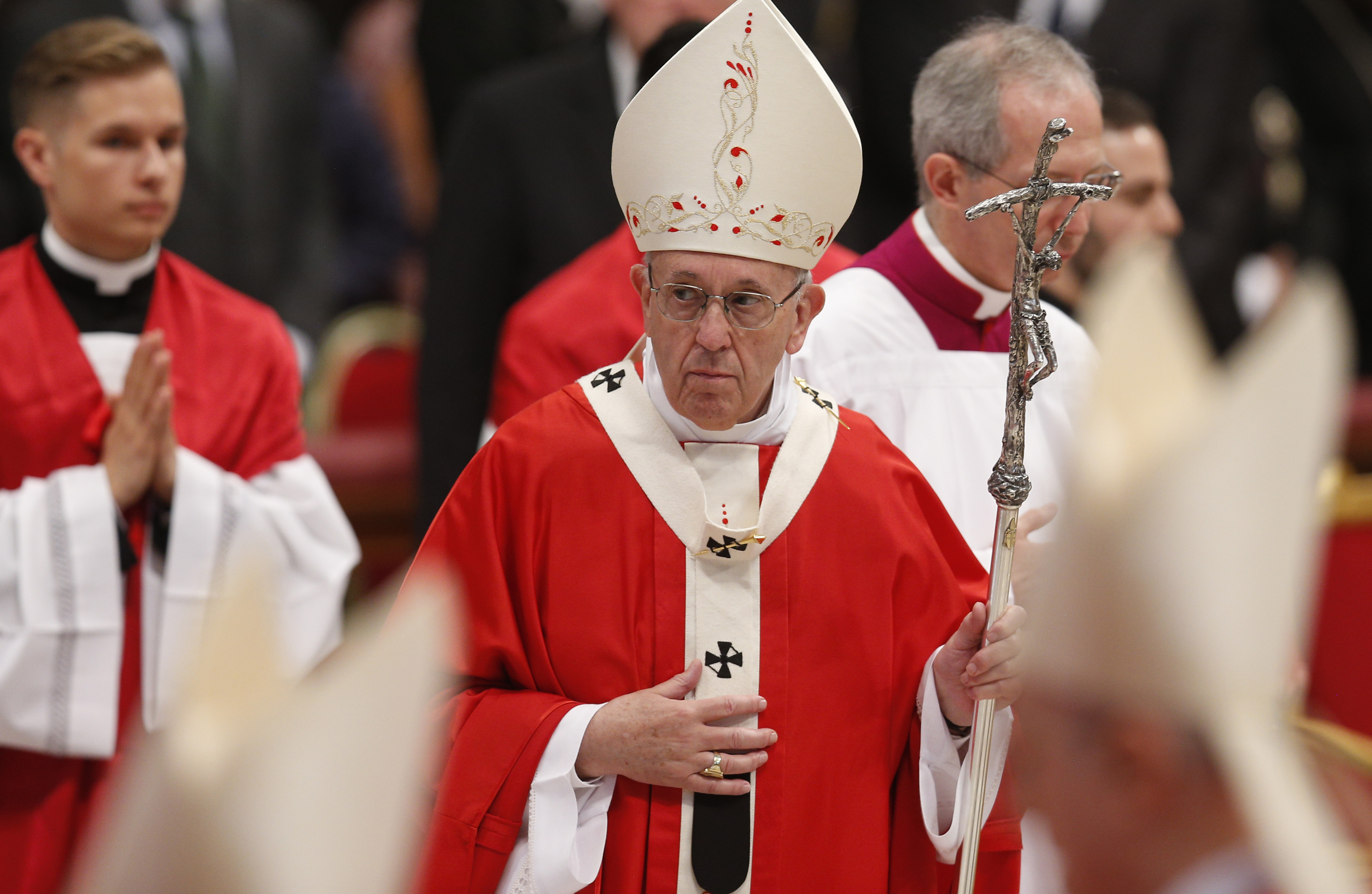
The big moment came just the day after the new Presidential administration was sworn in. That’s when Bishop Mariann Budde delivered an impassioned sermon at Washington’s National Cathedral in which she urged the newly elected President to exercise mercy, compassion, and empathy for everyone. This is not a wholly unreasonable request. It’s not even overly religious, in general. It’s just basic human decency. Isn’t that exactly what you’d want for anyone who occupies a position of power or influence?

Well, apparently that was too radical, too offensive, and too un-American for many “Christians.”

And yes, I put that word in quotes for a reason. Because the people who took offense to this sermon have as much right to call themselves a Christian as I do to call myself a Wookie. In this instance, I cannot be understanding or accommodating. Because this bishop wasn’t being disrespectful or condesending. She was literally just preaching some of the most basic teachings of Jesus Christ.

You don’t need a PHD in theology to understand those teachings. Pretty much every translation of every bible says the same thing. Jesus taught his adherents to love and care for one another. He emphasized having mercy for others, even when they wrong you. That is not a radical interpretation. It’s one of the few values that Jesus and most denominations agree on.

And yet, Bishop Budde faced a severe backlash, not just from the President, but from many people who dare to identify as “Christian.” I’ve even seen a few make these long, semi-coherent rants trying to quote mine the bible or other “Christian” principles to justify their outrage. But the mere fact that this was their recourse, arguing with a Bishop who just asked people to be merciful, speaks to a disgusting hypocrisy.

Now, there’s a lot I could say about that kind of hypocrisy. I used to foolishly believe that hypocrisy was one of the few traits that most people cannot tolerate in the long run. Sadly, I was wrong. Between shifts in politics, trends, and simply dealing with these people more directly, I no longer believe that. This kind of hypocrisy isn’t a bug. It’s a feature.

What else could justify people who call themselves “Christian,” yet are deeply offended by the literal teachings of Jesus or any sermon that dares to demand adherents to exercise empathy? What happened with Bishop Budde isn’t even a one-off. There are pastors who have been forced out of their positions because parishioners complained that their teachings were too progressive, liberal, or “woke.”

Just take a moment to wrap your head around that kind of mentality. Someone who calls themselves a Christian, goes to church, listens to a sermon, and doesn’t like what a bishop or pastor says. But their first instinct isn’t to re-evaluate what it means to be a Christian. It’s to whine, complain, and protest like a kid who just found out they actually have to be good in order to get presents on Christmas.

Instead of introspection, their first instinct is to get angry and whiny. That’s childish.

Their next instinct is to go out of their way to find some justification for why the Bishop or pastor is wrong and they’re right. That’s just self-centered and self-serving.

If they’re too lazy to do that (and most of them are), their final recourse is to call whoever delivered that message some agent of evil or part of some sinister agenda. That’s just plain fucking stupid, as well as overtly narcissistic.

It basically reveals that these “Christians” don’t give a damn about teachings, principles, or anything of the sort. They just want their pastors and bishops to tell them what they already believe. They want to be vindicated in everything they feel, even if it’s wrong, dumb, cruel, or sadistic. Most importantly, they want a version of their faith that justifies them doing whatever it is they’re currently doing or whatever it is they seek to do.

Even if they seek to do the exact opposite of everything Jesus taught, they want to be justified. They want to be able to commit every sin that Jesus preached against, but still be able to call themselves “Christian” without any cognative dissonence.

I don’t doubt for a second that, in their own twisted minds, they think they’re the “true Christians.” They think that call for empathy and compassion was somehow wrong, flawed, or inappropriate. To those people, I cannot be kind or subtle with my sentiments.

If you believe that what Bishop Budde said about mercy and compassion was wrong or even just inappropriate, then you are not a Christian. You never have been. You never were. And unless you actually come to grips with what Jesus actually taught, according to the bible, you never will be.


Leave a comment

Filed under Current Events, politics, religion

Jack’s CreepyPastas: The Devil’s Gospel

This is a video from my YouTube channel, Jack’s World. This is another CreepyPasta that I wrote and narrated myself. Enjoy!

Leave a comment

Filed under CreepyPasta, Jack's World, YouTube

Dumbest Things Religious People Call “Satanic” (According To Reddit)

In the past, I’ve been very critical of organized religion and certain religious tenants. I still stand by those criticisms because I think they’re worth making. There are a lot of inconsistencies, injustices, and hypocrisies that motivated by religion. They should be pointed out, especially by those who consider themselves religious.

Even within those criticisms, I make it a point to say that most religious people are genuinely good people. They do not deserve scorn or denigration for believing what they believe. I have religious people in my family. They are kind, loving people and religion helps enrich their lives in so many ways. I would never want to take that from them.

At the same time, there are people who use their religion to justify absurdities, atrocities, and everything in between. Now, you don’t have to look far to find the atrocities, but those tend to be both depressing and overdone. Most people with an internet connection are aware of them.

With that in mind, I’d like to take a moment to focus on the absurdities, if only because they tend to be more hilarious. Specifically, I want to focus on instances where religious people take their doctrines so seriously that they condemn certain things they don’t like as “satanic.”

It’s not a new phenomenon. In fact, so-called “Satanic Panics” have happened many times before. Sadly, we may be in the middle of another one. They’re often taken way too seriously by all the wrong people. Eventually, it comes out that they’re entirely fueled by absurdity.

However, I don’t think enough people appreciate just how absurd it can get. With that in mind, I’d like to share a video that documents people who have seen religious zealots condemn something mundane as Satanic. It comes courtesy of the YouTube channel, OnTap Studios.

Some of these stories are hilarious. Others are disturbing. Also, Pokémon comes up more than once.

Whether you’re religious or not, I encourage you to listen to these stories and determine for yourself just how absurd these Satanic sensationalisms go. Enjoy!

Leave a comment

Filed under real stories, Reddit, religion, YouTube

Why Do Preachers Need/Deserve Private Jets? (A Sincere Question)

Televangelist Kenneth Copeland Defends His Private Jets: 'I'm A Very  Wealthy Man' - Flipboard

Whenever I talk about religion on this site, I try to be as respectful and tactful as possible. I don’t seek to offend or insult anyone who identifies as religious. I also don’t seek to denigrate certain religious practices, although I do believe a few warrant extra scrutiny. I’m sure I’ve overstepped those bounds in the past and for that, I do apologize.

All that being said, I have a serious question I’d like to present to those who are genuine and sincere with their faith.

Why do preachers need, let alone deserve, private jets?

I promise I’m not being facetious. I’m also not trying to make a larger point about certain religions. I would genuinely like someone who identifies as religious to explain this to me. Don’t just throw bible quotes at me. Explain it to me like I’m a child.

I know preachers having private jets isn’t new. However, recent events have made preachers and their spending habits a lot more noteworthy. Some make elaborate excuses as to why they have private jets. I still don’t get it.

These are not CEOs who run multi-billion dollar companies.

These are not heads of state who have to be able to travel the world at a moment’s notice.

These aren’t even celebrities who have achieved a level of success that affords them the option of some added luxury.

These are preachers who, for the most part, make their living giving sermons to adherents. I’m not saying that isn’t a noble profession. I went to church as a child. I remember the preachers and priests who led the sermons. They were genuinely nice people and they didn’t have private jets. One of them didn’t even own a car.

Now, I know these kinds of religious leaders are in a different hemisphere compared to the charismatic televangelists who have their own megachurches. I also know that more than a few adherents who utterly despise these people. One of them once told me, “That jet won’t help them escape where they’re going.”

Regardless of whether or not you believe that, I would still like someone to explain this practice to me. I get that charismatic people will attract crowds, money, and power. I get that those same people will abuse that power in one way or another. That’s just human nature.

What I don’t understand is how the adherents who believe, support, and send money to these people can accept this sort of thing and not have it clash with their faith somehow. Nearly every major religion has strict condemnations of greed and excess. How can this be justified?

Again, this is a sincere question. I hope to get a sincere answer because the absence of an answer is every bit as revealing.

Leave a comment

Filed under Current Events, politics, rants, religion

Catholic Priests Defy The Vatican To Sanction Same-Sex Unions (And We Should Cheer Them On)

I tend to be very critical of organized religion and those who take religion to extremes. I make no apologies for that, but I do make an effort to be fair. That’s why I go out of my way to highlight that most religious people, regardless of the religion they follow, are generally good, decent people whose faith genuinely enriches their lives.

That’s worth acknowledging because people can do genuinely good things in the name of their faith. It’s a beautiful thing. Just look at someone like Fred Rogers. That’s religious devotion at its finest.

I know I don’t highlight those stories enough. In my defense, the stories of people who actually practice what they preach and do genuine good for the world rarely makes the news. Then again, the news relies almost entirely on doom and gloom these days, so that shouldn’t be surprising.

That makes the effort to highlight the good a lot harder, but it’s still worth doing. To that end, I want to highlight a good story about religious people that stemmed from a bad story about a religious institution with a history of unholy behavior.

Recently, I bemoaned the Vatican’s decision to essentially cling to their traditions of marginalizing LGBTQ people. They still call homosexuality a sin and refuse to bless same-sex unions. Never mind the fact that Catholics still get divorced and eat shellfish, the Vatican still refuses to embrace change.

At a time when religion, as a whole is in decline and support for LGBTQ rights is growing, this just feels backwards, even by the standards of the Catholic Church. However, not all those who identify as Catholic feel the same way.

Even though the Vatican is set up as the central power of the Catholic world, there are those who go against that power. A few priests are daring to defy the Vatican and I want to take a minute to acknowledge their boldness. This is what Reuters has reported.

Reuters: Rebel priests defy Vatican, vow to bless same-sex couples

A dissident band of Roman Catholic priests leading a disobedience campaign against the Vatican said on Tuesday they would carry on blessing same-sex couples in defiance of Church orders.

The Vatican said on Monday that priests cannot bless same-sex unions and that such blessings are not valid, in a ruling that disappointed gay Catholics who had hoped their Church was becoming more welcoming under Pope Francis.

In some countries, parishes and ministers have begun blessing same-sex unions in lieu of marriage, and there have been calls for bishops to institutionalise de facto such blessings. Conservatives in the 1.3 billion-member Roman Catholic Church have expressed alarm over such practices.

“We members of the Parish Priests Initiative are deeply appalled by the new Roman decree that seeks to prohibit the blessing of same-sex loving couples. This is a relapse into times that we had hoped to have overcome with Pope Francis,” the Austrian-based group said in a statement.

“We will — in solidarity with so many — not reject any loving couple in the future who ask to celebrate God’s blessing, which they experience every day, also in a worship service.”

Whether you’re religious or not, let’s take a moment to applaud these priests. They’re doing something that Jesus himself once did. They see a powerful institution doing something wrong and they’re protesting that by doing what’s right.

In the process, they’re providing love, tolerance, and acceptance to a marginalized group that has suffered plenty, often in the name of religion. You can call that ironic, but I prefer to call it heroic. They have to know on some levels that they’re going to get in trouble for this.

They are likely going to get criticized. They’ll likely face protests from hardline conservative Catholics who cannot tolerate any deviation of any kind from certain traditions, no matter how outdated or intolerant they are. The fact these priests still went through with it says a lot about their character, as well as their faith.

It’s also worth emphasizing that what they’re doing is commendable in ways beyond the religious angle. They are just a small group of individual priests. The Vatican is a vast, powerful organization with immense wealth and influence. They have the benefit of being able to say with a straight face that their authority comes directly from a deity.

That’s a power that many governments envy. Some claim they’re inherently divine, but the results are often less-than-divine.

That power matters because it means they can change if they wanted. It would be a lot easier than what these rebellious priests are doing. The Pope could just come out and say that homosexuality isn’t a sin anymore for the same reason eating shellfish isn’t a sin anymore. He did it with purgatory. Why not do it with homosexuality?

That’s the problem with powerful organizations, though. When they’re powerful, they have the luxury of taking the path of least resistance. The easiest thing for powerful organizations to do is not change. It’s much less strenuous on the people and the systems around them to just keep doing what they’ve always been doing.

It keeps them in power.

It means less work for them and those who support them.

It means less thinking, contemplating, and second-guessing that maybe they’re doing something wrong.

At best, it’s lazy. At worst, it’s callous and negligent. Contrast that with the Catholic Priests who dare to go against such power. They know what they’re doing will bring consequences. They know they’re going to upset some powerful people, but they do it anyway.

That’s brave.

That’s bold.

That’s a level of spirit that religious and non-religious people alike can respect.

Regardless of your affiliation or your opinions of Christianity or Catholicism, take a moment to acknowledge that these men of faith are doing something great. They’re offering love and acceptance to their fellow human beings, even though they’re marginalized and demonized. It’s probably the most Christian thing they could possibly do and I, for one, salute them. I suspect Jesus would, as well.

1 Comment

Filed under Current Events, gender issues, political correctness, politics, real stories, religion, sex in society, Uplifting Stories

How Conservatism, Christianity, And (Failed) Prophecies Created A Death Cult

When it comes to religion and religious people, I have a very simple standard for handling it.

If your religion gives you comfort and fulfillment, then that’s great. More power to you. I fully support you.

If being religious makes you a better person, then that’s great too. I fully support that as well.

If you sincerely believe what you believe and can tolerate others who believe differently, then that’s also great. We won’t have any problems. We’ll probably get along, as I’ve gotten along with many people who hold such beliefs.

However, if you use your religious beliefs to justify being an asshole to other people who don’t share your views, then that’s where I draw the line.

I’m willing to tolerate a lot of beliefs and theologies. I am not willing to tolerate that. Being an asshole is still being an asshole, no matter what deity, holy text, or preacher tries to say otherwise.

I make that disclaimer because there are certain sub-sets of every religion that does this. It doesn’t matter what they call themselves or what holy book they favor, they always seem to emerge. Assholes will find a way to be assholes. Religion just gives them more excuses than most and it’s incredibly frustrating. It’s one of the reasons I tend to criticize organized religion so much.

Religion can be a source of great comfort and fulfillment. It can also be a powerful tool for the corrupt and the power-hungry grifters who will jump at any opportunity to exploit people. Most of the time, it’s just infuriating to anyone with basic human decency. When religious zealots gain power, it becomes a serious concern.

However, there comes a point when serious concern turns into a legitimate, existential danger. It’s one thing for a group of uptight religious zealots to whine about a TV show that shows too many gay characters. It’s quite another when their policies and goals actively pursue the end of the goddamn world.

That’s not hyperbole.

That’s not even me taking their rhetoric out of context.

It’s true. There really is a certain segment of American Christianity that actively pursues a policy intended to bring about the end of days, as vaguely articulated in their holy book. They don’t hide it, either. That’s part of what makes it so scary, both to non-believers and other Christians who prefer the world not end.

This phenomenon is a dangerous and toxic convergence of extreme conservatism and evangelical Christianity. It centers largely around the nation of Israel, a country that has a way of triggering all sorts of extreme rhetoric. I won’t get into the particulars of that rhetoric. That’s not because I don’t think it’s relevant. It’s just impossible to talk about Israel these days without being accused of anti-Semitism.

There’s a reason why even Rick Sanchez got anxious when Israel came up.

All you need to know is that these end time beliefs rely on Zionism. Without getting too deep into the politics or the rhetoric surrounding this term, it’s a catch-all word for the creation and maintenance of a Jewish state in the holy land. Despite the historic presence of the predominantly Muslim Palestinians, these end times beliefs basically need Israel to be there. If it isn’t, then the prophecies in the bible can’t occur.

It’s the primary reason why this subset of Christianity is so dogmatically supportive of Israel, no matter what they do. It shows in polls. According to the Washington Post, half of evangelicals support Israel because they believe it’s important for fulfilling end-times prophecy. That continued support is a key political position for conservative politics. You can’t appeal to this brand of Christianity without supporting Israel.

Now, it’s one thing to dogmatically support another ally on the geopolitical stage. It’s quite another when your reasons for doing so have a basis in bringing about the end of the goddamn world. According to the prophecies that these right-wing Christians so ardently believe in, Israel has to exist in order for the anti-Christ to return and seize power.

Once the anti-Christ returns, the world basically descends into a massive glut of carnage and suffering. Countless people suffer and die. The world, as we know it, falls apart and becomes so objectively horrible that it’s basically indistinguishable from being in Hell. Anybody alive during this time, be they Christian or not, is left to suffer horribly.

Again, this movement wants this to happen. They, the conservative Christian evangelicals that so routinely vote for like-minded politicians, actively pursue policies that bring this suffering on. They’ll justify it by saying Jesus will come in the end and save everybody, as their holy text prophecies. Never mind the many times biblical prophecies failed to come true. These people are willing to take that chance.

It is, by any measure, a death cult. It helps explain why these same conservative religious zealots seem unconcerned with preserving the environment or facilitating peaceful relations in the Middle East. To do so would mean delaying the end of days and they don’t want that. They seem both eager and determined to bring about apocalyptic destruction their holy book depicts.

It would be one thing if these individuals were just another fringe cult in the mold of David Koresh and Marshall Applewhite. These people have legitimate political power. They have an entire political party in their palms. When they’re in power, they have access to nuclear weapons and military force. For anyone who doesn’t want the world to end, regardless of their religious affiliation, this should be troubling.

Death cults are dangerous enough, but one with this kind of influence is especially concerning. As someone who sincerely doesn’t want the world to end, I find this movement very concerning. Like I said earlier, I can respect anyone’s religious beliefs, but when those beliefs prompt you to support ending the goddamn world, how can anyone of any faith honestly respect that?

6 Comments

Filed under Current Events, philosophy, politics, rants, religion

How The Internet Has Weakened (But Not Destroyed) Organized Religion

pic

The current state of organized religion is ripe with conflict and mixed messages. On one hand, religious affiliation has significantly declined over the past 30 years. According to a 2018 survey from Eastern Illinois University, around 23 percent of the US population identifies as having “no religion.” For comparison, that number was only 5 percent in 1972.

In other industrialized countries, the decline is even more pronounced. Throughout Europe, more and more people are drifting away from organized religion. That’s especially true of young people, who are one of the least religious demographics in modern history. In terms of the bigger picture, organized religion is facing a generational time bomb that’s just starting to go off.

At the same time, however, religion still exercises an absurd amount of political power. Religious groups, particularly those who align themselves with conservative politics, have enormous influence. Its platform is tightly woven with that of a major political party. Many people in positions of power identify as religious. Many more rely on a religious base to get elected.

It’s a strange trend that seems counter-intuitive. How can something be weakening due to declining adherents, but still wield so much power? In an age where the egregious crimes of religious institutions have been exposed and more people are educated on the many absurdities of various holy texts, it feels as though organized religion should be on its death bed.

While there are many factors behind this situation, I believe that one particular factor is more influential than most. It also happens to be the same factor that has done the most to weaken religion while helping to sustain its political and social influence. It’s a force that has already radically changed everyone’s life, regardless of their affiliation.

That force is the internet and its impact on religion cannot be overstated.

I’m old enough to remember what it was like to talk about religion in the pre-internet days. You listened to your parents, relatives, priests, mullahs, rabbis, and monks. They told you the history and tenants of their religion. You might ask questions. You might not understand the philosophy behind it. No matter how curious or skeptical you were, you could only do so much to question it.

Most of the time, you just had to trust your elders that they knew what they were talking about. You also had to trust that they wouldn’t lie to you, which is often a risky bet. If you were really motivated, you might go to a library and do some research. Even then, you’d have an uphill battle a head of you, given the many complexities behind religion and why people believe in it.

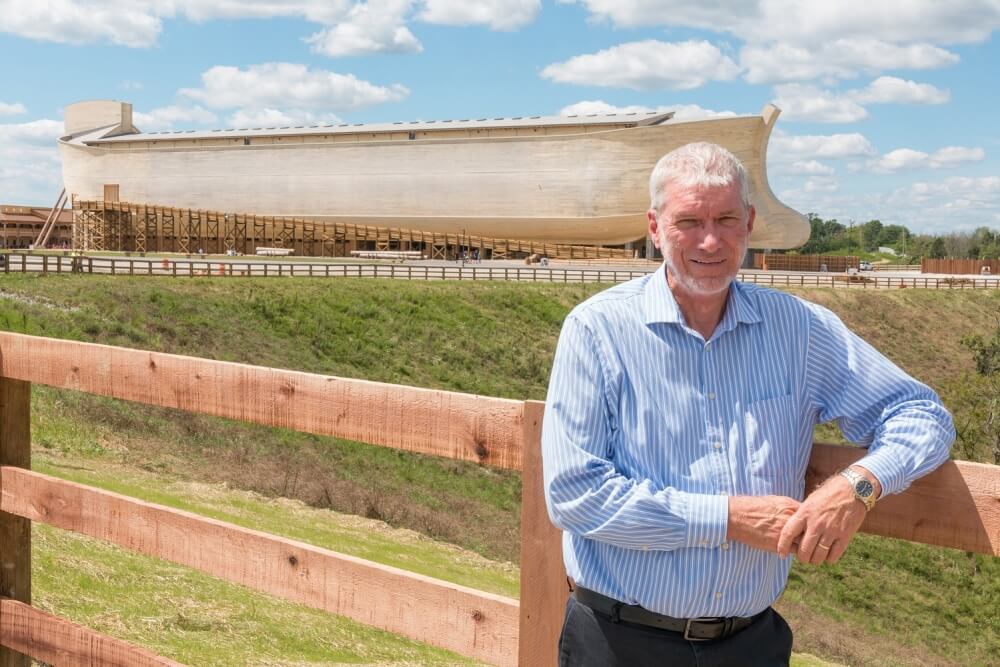
These days, it’s exceedingly simple to fact check an absurd religious claim. If someone were to claim that a 900-year-old man built a 300-foot wooden boat that housed two of every kind of animal for 40 days during a global flood, you wouldn’t have to spend years in college to learn why that’s absurd. You could just pull out your phone, do a few simple searches, and find out why this claim is completely wrong.

Even a kid who has only taken a basic science class can look up any of the stories their priest, mullah, rabbi, or monk tell them to find out whether they’re based on real history or embellished folklore. Religious institutions, parents, and schools can fight to control the information their young people receive. Many organizations do engage in activities that are outright indoctrination.

However, as demographic trends show, the effectiveness of those efforts only go so far. The information about the absurdities, inconsistencies, lies, and agendas is still out there. It’s widely available to anyone who can access a smartphone or a computer. There’s only so much anyone can do to prevent someone from accessing that information.

As a result, organized religion will never have the same sway it once did in centuries past. No matter how much conservative reactionaries complain, it’s impossible to go back. The combination of modern education and accessible information ensures that major religious institutions will never wield the power they once did.

Given the complexities of modern societies and the geopolitics surrounding it, it’s just not practical for a centralized religious institution to exist. The Vatican can still make statements about morality, ethics, and spiritual matters. It just has no means of enforcing them, as evidenced by how little typical Catholics follow their edicts.

Even without this power, the same internet that has permanently weakened religion is also the same thing that sustains some of its considerable influence. In fact, the internet might act as a catalyst that can turn certain individuals from nominal adherents to ardent zealots.

Think back to the young people sitting in churches, mosques, synagogues, or temples. While some might casually look up the religious claims out of curiosities, others might go out of their way to find information that confirms these claims. Even if they’re factually wrong, they’ll look for any bit of information that they can twist to make it seem true and cling to it.

This is why creationism still persists, despite extensive resources that thoroughly debunk it. If someone is really determined to find information that affirms their beliefs, they’ll find it on the internet the same way people find cat videos and knife-wielding crabs. There will even be unscrupulous people to exploit them, including those who are convicted felons.

Like it or not, there are people who sincerely want to believe their preferred religion and will cling to anything that strengthens that belief. Given the open nature of the internet, shaped by the whims of users rather than objective truth, it’s distressingly easy for someone to customize what kind of information they receive.

If someone only wants news and memes about how their religion is true while everyone else is doomed to eternal torture in Hell, then that’s what they’ll get. They can get their news and information from exceedingly bias sources while brushing off others as fake news. There’s nothing from stopping anyone from using the internet in such a manner.

We already see how this has divided people along political lines in recent years. I would argue that this has been going on with religion for even longer. The rise of the religious right and the prevalence of religious media has done plenty to tighten their grasp on ardent believers. While less people may identify as religious, those who do tend to be more dogmatic about it.

Since those kinds of believers can be mobilized and pandered to, they’re a more unified political force. As such, appealing to them means gaining power. That power may be tenuous and limited, but it’s still viable power that plenty of politicians exploit, sometimes to an egregious extent.

In a sense, the internet has made it easy for both the extreme zealots and the inherently skeptical. Those who might have identified as religious out of tradition in the past are more comfortable identifying themselves as non-religious today. It also helps there’s not as much stigma to being a non-believer as there used to be.

At the same time, those who were devout before can become outright zealots if they consume enough extreme content. In fact, their declining numbers in the general population might give them more reasons to become zealous. History has shown that small bands of religious zealots can do a lot of damage. The internet might hinder their ability to gain adherents, but it might also make them more desperate.

It’s a scary possibility, but one I tend to believe is remote. While I might not be a fan of organized religion, I still have many friends and family members who are religious and wonderful human beings. The internet hasn’t changed that. In the long run, I believe that basic humanity that binds us all will win out in the long run. The internet won’t always help, but it’s certainly a valuable tool.

2 Comments

Filed under extremism, human nature, philosophy, politics, religion

Why Sadism Is Necessary For Both Heaven And Hell

hell-fire

Imagine there’s this big, beautiful house on the top of a hill. It’s opulent, luxurious, and full of every comfort you can imagine. Inside, there are servants and guests that cater to every conceivable whim. There’s no suffering, whatsoever. The people who live there are as happy and content as can be.

In that same house, however, there’s a dungeon in the basement. Within that dungeon, people are being horribly and endlessly tortured. They’re repeatedly beaten, burned, and mutilated without mercy. The suffering is constant and the pain is unbearable. Every day, more and more people are forced into that dungeon and never let out. They constantly cry and scream for mercy, but it never comes.

Everyone in that house knows the dungeon is there. They’re constantly reminded of it. At times, they can even hear the tortured screams of those trapped inside. Some of the people there might even be friends and loved ones. However, they don’t do anything about it. They don’t show an ounce of sorrow or concern. They just continue enjoying the joys and comforts the rest of the house has to offer.

With this scenario in mind, how would you judge the people who weren’t in the dungeon? How would you judge anyone who is perfectly happy when others nearby are suffering horribly? It would be one thing if they didn’t know the torture was happening, but the people in that house have always known, even before they arrived. To still be happy in that house requires more than just an immense lack of empathy.

This is just one of many fundamental disconnects in traditional concepts of Heaven and Hell. While it’s not the first flaw I’ve pointed out, it’s one that I believe is incredibly relevant because it subverts core aspects of our humanity. Regardless of whether you believe humans evolved or were magically created, it’s a biological fact that humans are a very social species. Empathy is a key component of that dynamic.

Empathy doesn’t just allow us to coordinate, cooperate, and relate to one another. It’s at the core of our understanding of right and wrong. You could even argue that empathy is the core ingredient within the Golden Rule that so many religions preach in some form or another, including those that incorporate some form of Hell.

It’s also the foundation on which our innate sense of justice and fairness is built. Both foundations crack once Heaven and Hell enter the picture. However, when eternity enters the picture, which is common in various Judeo-Christian traditions, those foundations shatter.

It’s in that context where simply being callous to the suffering of others, even if you feel they deserve it, becomes unavoidably sadistic. As soon as eternity enters the equation, any sense of proportional justice becomes impossible. Even for the most monstrous individuals who spent every moment of their lives hurting others, a punishment without end eventually becomes unjust.

At that point, the pain and suffering someone endures is no longer about punishment or justice. It becomes part of a sadistic act that only becomes more sadistic the longer it goes on. If Hell is truly eternal, as many devout believers espouse, then its very existence is an act of infinite sadism.

That’s a major problem for any theology that includes an all-knowing, all-loving deity. By definition, a deity cannot be all-loving while exercising infinitely sadistic acts. If that same deity is all-powerful, then that only makes things worse because it means the deity has the power to both stop those acts and prevent them from ever happening. By not doing so, the deity becomes even more sadistic.

Now, there are plenty of traditions that include sadistic gods. The god of the Old Testament certainly qualifies in many respects. If a deity of that power opts to use it for sadistic acts, it doesn’t carry as much weight in terms of how humans approach morality and justice. Granted, it means the people who worship that deity must do so out of fear on some levels, but their approach in that context is understandable.

It’s less understandable when Hell and the concept eternal punishment becomes part of a larger theology because it means adherents must participate in sadistic activities, even if it just means ignoring the torture inflicted by someone else. Everyone in Heaven, no matter how wonderful it is, has to remain numb to the infinite suffering going on below them.

Considering how threats of Hell has been a common tool for proselytizing, the sadism gets compounded even more, both from a human and theological perspective. More than one adherent had used the threat of Hell to warn others about believing in something other than their preferred religion. They likely do so out of genuine compassion and concern for those who don’t believe.

However, once that same person goes to Heaven, they have to become a sadist on some levels. They must now exist in a domain where others they tried to save from eternal damnation are doomed to endless suffering. They know it’s happening at every waking moment. It doesn’t matter if time works differently in the afterlife. Eternity is still eternity.

Even if that same person convinced every person they met to embrace their theology, there’s still the countless others that they never reached. That doesn’t even begin to account for all the other hapless souls that have lived throughout history, practicing other religious traditions with every bit as much devotion and piety. Even if they committed no egregious crimes, they could be damned to Hell.

While many religious traditions offer some recourse for righteous individuals who follow a different faith or lived before those traditions began, the concept is still flawed because it requires some tolerance of injustice. When people are judged by actions or inactions for which they had no opportunity to react, tolerating the results means tolerating injustice.

It doesn’t even work if the deity involved only sends the worst of the worst people to Hell. No matter how bad somebody’s crimes were, they were finite in nature because humans are finite beings. The issues surrounding infinite punishment for finite sins is subject to its own set of theological and moral debates, but the implications are unavoidable.

Think of the most brutally sadistic person who lived 6,000 years ago, a time that even the most conservative Christians agree that humans walked the planet. Over the course of their life, they committed every possible crime and sin. They murdered, raped, tortured, and blasphemed with unrepentant glee. The scars of their crimes lasted years after their death.

However, after a certain amount of time, their deeds cease to have a real impact. The victims and the descendants of those victims move on. The world moves on. Eventually, the memory of the person’s crimes fade. The finite transgression become nothing more than a faded memory. At that point, what’s the purpose of continuing the punishment?

Moreover, what happens to that purpose if and when that monstrous individual seeks to repent? Given enough time and punishment, at least one damned soul would see the light and wish to atone in a way beyond suffering. In most civilized societies, we give those individuals that chance. Hell, if it is truly eternal, offers no such opportunity.

At that point, the punishment is no longer punishment. It’s just sadistic torture. It ceases being a measure of justice and becomes an act of injustice. Even if it takes a trillion years deliver a proportional punishment for a finite person’s egregious behavior, they’ll still be subject to trillions of more years of torment.

All the while, everyone in Heaven has to be okay with this. If part of being a righteous soul means compassion for victims and proportional punishment for transgressors, then nobody in Heaven can remain righteous. Even if the all-powerful deity demands it and they are powerless to change anything, they still have to temper the very empathy that made them righteous in the first place.

Heaven and Hell are difficult, distressing concepts. Whether you’re devoutly religious or a lifelong atheist, it’s never pleasant imaging an afterlife that involves horrendous punishment, even if it’s reserved for the worst of humanity. Not every religious tradition involves an afterlife or traditions of an eternal Hell, but the concept reveals more about our innate sense of humanity than it does any religious doctrine.

Human beings are at their best when they can empathize, appreciate, and understand one another. There will certainly be instances when people commit gross injustices. How we deal with them is critical in terms of how we structure our societies and survive in an ever-changing world. Anything that attempts subverts it or requires that we suspend our humanity will only make every gross injustice infinitely worse.

3 Comments

Filed under human nature, philosophy, psychology, religion

Creationism, Religion, And Mafia Morality

angry_god

Anyone who has seen at least one movie about the mafia has a good idea for how they do business. They take the whole “might makes right” approach to its logical conclusion. Being in the right means being strong. Being strong means being able to dictate what is right. It’s circular reasoning, but that’s how the mob justifies its activities, from loan sharking to protection rackets.

The setup is simple. You find someone who is inherently weaker, tell them what will happen to them if they don’t pay them, and let fear of death or bodily harm do the rest. The weak usually pay up, whether it’s money, respect, silence, or a combination of the three. The foolish will try to resist and often face serious consequences.

Most reasonable people find this kind of morality deplorable. However, this kind of morality is often employed by another organization that is not only legal. It doesn’t even have to pay taxes in many countries. That powerful entity is organized religion it can take mafia morality to a far greater extreme.

Before I go any further, I want to make clear that I’m not claiming that religion is worse than the mafia. Most religious people are kind, decent people who would never dream of employing this kind of morality. Only a subset of exceedingly dogmatic adherents resort to such extreme and I’m not just talking about the Spanish Inquisition.

These people aren’t pages in history or fodder for a Monty Python sketch. They’re real, they run official ministries, and even manage to obtain tax incentives for major projects. Their brand of religion isn’t just conservative. It’s unapologetically strict. They don’t just garner theological insight from holy texts. They take it as literally as the evening news.

That includes stories like Genesis, despite considerable evidence that it was derived from earlier flood-based stories from ancient Mesopotamia. They read that the god of the bible created the world in six days and they interpret that as six 24-hour days. There’s no room for metaphor or translation errors. This is infallible truth and any effort to contest that is met with the fiercest resistance.

While this kind of dogmatic adherence manifests in many ways, including justifications for slavery and anti-gay discrimination, one of the most overt manifestations occurs in the form of creationists. Now, as much as I respect the faith that many place in their particular religion, I’ve always had a hard time respecting creationists.

They’ve always struck me as a form of Christianity that’s as misguided as it is absurd. It’s not just that they believe the bible literally. They go so far as to say that everything science has concluded about life, evolution, cosmology, and physics is wrong. Some go so far as to claim that it’s an anti-Christian conspiracy on the level of the Illuminati and shape-shifting lizards.

If that was the extent of their faith, then I wouldn’t have a problem with it. Plenty of non-religious people believe in absurd conspiracy theories. However, creationism is especially pernicious in that a key factor in that dogma has a basis in mafia morality. It’s rarely stated overtly, but when it does show, it brings out the worst in its adherents.

Most recently, it reared its head in a surprisingly overt way during a debate between Aron Ra, the director of the Texas state chapter of American Atheists and a popular YouTube personality, and Kent Hovind, a well-known creationist evangelical who has made a career out of debating opponents.

This is the least absurd photo of Mr. Hovind I could find.

While I have my opinions about Mr. Hovind, who I feel has a serious credibility problem in terms of credentials, his methods for contesting evolution leave a lot to be desired. If you got more than a B-minus in a high school science class at a legitimate public school, even in America, you’re capable of seeing through his poorly-rendered ideas.

However, there are times when he, and other creationists like him, skip the part where they pretend to understand the science they deny and resort to the kind of mafia morality that they feel vindicates their beliefs. In essence, they threaten their opponent on behalf of their deity that believing in science will lead them to an afterlife full of eternal torture and suffering.

Never mind the inherent Problem of Hell that many religious and non-religious people have debated for centuries. By their logic, not believing in the holy texts of their religion is an outright affront to their deity and, for the same reason you don’t want to offend a powerful mafia boss, you don’t want to offend an all-powerful being.

Most creationists are subtle about this, but in his debate with Aron Ra, Mr. Hovind basically resorted to this tactic at the end of the nearly two-hour debate. These were his exact words:

“I would like to remind you guys, you’re gonna die one day and you’re gonna be dead for a long time. I hope you can take what you believe to the grave. You’re happy with it?”

While he doesn’t say outright that his deity is going to punish non-believers like Aron Ra for all eternity, the subtext is there. While non-believers may not be at all concerned with what happens after they die, it’s a genuine concern for someone like Mr. Hovind. He truly believes that his God is the kind of deity that would severely punish people for not believing in a specific translation of a holy text.

Ignoring for a moment the absurdities inherent in that attitude, take a moment to appreciate the kind of world Mr. Hovind and others like him believe. In their world, there’s an all-powerful, all-knowing being that wants human beings to think a certain way and accept certain concepts. Even if there’s evidence to the contrary, they must believe it. If they don’t, they’re punished with the full wrath of an all-powerful being.

That’s not just a scary thought, even for a devout believer. It’s the ultimate extreme of mafia morality. No matter how much evidence there is for evolution or how many errors in the bible are documented, the sheer might of an all-powerful deity trumps all of it. No matter what every tool of science or sense of the mind says, deviating in the slightest means punishment in the utmost.

While I’ve noted in the past how eternal punishment and eternal bliss tend to lose meaning in the long run, I suspect it’s a significant concern for creationists like Mr. Hovind. I even have some sympathy for them, if it is the case they genuinely fear the eternal torture referenced in their theology. It may be the case that they’re just charlatans or trolls and they wouldn’t be the first who used religion to aid their efforts.

Even if the Kent Hovinds of the world are just trying to get out of paying taxes, and failing to do so at times, the extreme mafia morality of their theology still has a major impact on adherents and religion. It’s worth noting that Mr. Hovind’s brand of creationism is on the decline among Christians. His kind is an extreme version of a faith that most people don’t accept.

It’s still a dangerous and distressing concept to espouse, that an all-powerful deity would punish reasonable people for accepting what evidence and reason tell them. That’s a tactic that ruthless mob bosses utilize, much to their detriment. Unlike the mafia, though, all-powerful deities don’t risk anything by being so ruthless and those caught in their path are bound to suffer.

8 Comments

Filed under human nature, philosophy, psychology, religion

Why You Can’t Believe In Eternal Hell, Be Anti-Abortion, And Be Morally Consistent

The Fallen Angels Entering Pandemonium, from 'Paradise Lost', Book 1 ?exhibited 1841 by John Martin 1789-1854

Brace yourself because I’m about to talk about two topics that make people very uncomfortable. One is abortion, a heated political topic that is poised to get even more heated, due to recent political upheavals. The other is Hell, a distressing theological issue that makes us dwell/lament on our impending death. If that weren’t volatile enough, I’m going to tie both topics together.

Rest assured, I’m not doing this to combine a couple of controversial issues for dramatic effect. While I loathe talking about issues like abortion, I don’t avoid it when it reveals something important about a particular movement or can demonstrate important lessons about society.

When it comes to Hell, a topic that heats up any debate between believers and non-believers, the conversations are just as difficult. I still feel they’re worth having. This one, in particular, counts as one of them because there are certain implications that warrant a more nuanced discussion.

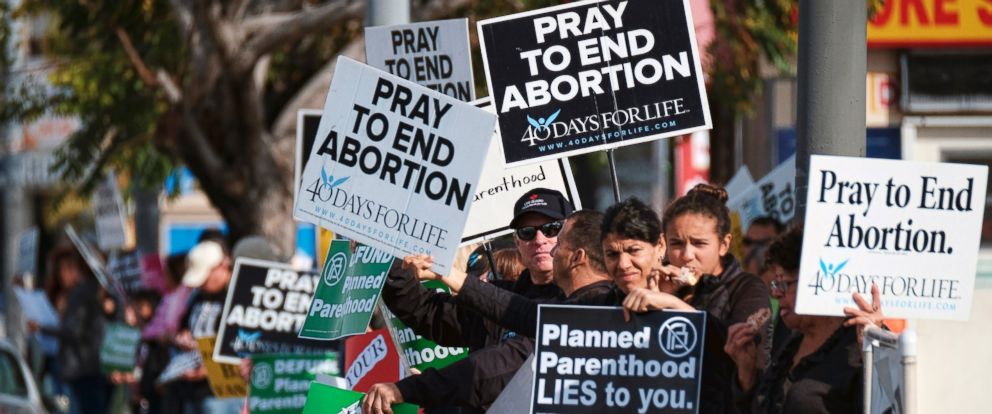
It’s no secret that those who are vehemently anti-abortion also happen to be religious. Anti-abortion protesters even cite bible passages to justify their position. Now, I can understand and even accept certain ethical aspects of the pro-life position. However, when religion enters the debate, that’s where some real disconnects emerge.

That’s because when those factors enter the pro-life equation, both the morality and the math break down. To understand why, it’s important to focus on an aspect of the abortion debate that the late, great George Carlin famously emphasized. He sought consistency in the anti-abortion debate and noted its rarity in the most hilarious way possible.

Consistency is important if your argument is going to have merit. Even with emotionally-charged topics like abortion, consistency is key to ensuring that an argument has some semblance of logic. Since logic and faith tend to conflict, especially in matters of science, bringing religion into the mix can easily derail that consistency.

This is where the issue of Hell enters the picture. It’s a very unpleasant, but very critical concept to certain religions, namely Christianity and Islam. It’s central to their theology, which emphasizes punishment for the sinful. It’s a very morbid, but very relevant concept because everybody dies and nobody knows for sure what happens afterwards, if anything.

In the abortion debate, Hell matters for the anti-abortion side because their most frequent refrain is that abortion is murder. Having an abortion is the taking of a human life and murder is an egregious sin. It’s one of the few sins that’s enshrined in both secular law and the 10 Commandments.

By holding that position, though, it raises an important implication for both the consistency of the anti-abortion position and the theology used to justify it.

If abortion really does take a life, then what happens to that life? Does it go to Heaven or Hell?

That’s a critical question to answer, but it’s here where both the consistency and the moral underpinnings of the anti-abortion debate break down. In fact, it doesn’t even matter which way the question is answered. It still has critical implications that make an anti-abortion stance for religious reasons untenable.

To understand why, we need to look at the possible answers to the question and examine the bigger picture. Say, for instance, that you believe the deity you worship saves the souls of aborted fetuses. They all get to go to Heaven because sending unborn children to Hell just doesn’t make sense for a loving God.

By that logic, though, wouldn’t abortion actually be the best thing a woman could do for her unborn child? If, by aborting a pregnancy, she guarantees that her child goes to Heaven, wouldn’t that be the greatest act of love a mother could give?

In that moral framework, any woman who gives birth is basically gambling with their child’s soul. By bringing them into a sinful world, they put them in a position to live a life that will eventually send them to Hell. It doesn’t matter if that chance is remote. It doesn’t even matter if the deity reserves Hell for the worst of the worst. Any child born still has a non-zero chance of damnation.

In that context, being anti-abortion is the worst position to take for someone who believes that their deity sends aborted fetuses to Heaven. If anything, they would have to be in favor of abortion for every pregnancy, planned or unplanned, because it means more souls in Heaven and fewer in Hell.

The implications are just as distressing if you answer the question the other way. If your deity sends aborted fetuses to Hell, then logic follows that this deity cannot be just or loving. A fetus, by default, has no ability to even contemplate sin, let alone commit it. Sending it to Hell implies that sin, itself, is an empty concept.

It also undercuts key aspects of Judeo-Christian theology, which says that someone must sin to warrant damnation. Holding both a fetus and a young child with a limited capacity to understand such concepts is untenable. Keep in mind, Hell is supposed to be full of torture and suffering. What kind of deity puts a child through that?

Even if the deity knows which fetus or small child is destined to sin and punishes them accordingly, that still renders the anti-abortion position pointless. If the deity already knows which life is damned, then why does it matter whether a woman opts to have an abortion? If that has already been determined, then abortion has no religious implications whatsoever.

Whatever the case, the very concept of Hell creates an illogical loop that is incapable of consistency. Even if you grant the most generous assumptions of a religious argument, it still falls apart as soon as you try to put it into an ethical framework.

While the very concept of Hell is subject to all sorts of moral complexities, it effectively supercedes those complexities in the abortion debate. Either Hell is full of innocent aborted souls or is devoid of them. In both cases, it reveals more about the deity and the adherents of a religion than it does the actual issue.

None of this is to say that those who make anti-abortion arguments on the basis of faith aren’t sincere. I don’t doubt for a second that they are. They genuinely believe that abortion is immoral and constitutes murder. However, when it comes to making a moral argument, consistency matters. Without it, the arguments are entirely arbitrary and there’s no winning that debate.

6 Comments

Filed under gender issues, human nature, philosophy, political correctness, religion, sex in society, women's issues