Tag Archives: Marvel Comics

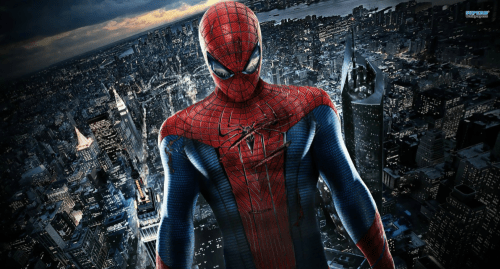
Why Spider-Man May Be The Most Incompetent Hero Of All Time

https://jackfisherbooks.com/wp-content/uploads/2017/03/4f8a2-1420239869401.png

Whenever I talk about comic books and superheroes on this blog, I generally try not to single one particular character out unless I’m trying to make a point. I find that singling out one too many characters is like pointing out all the plot holes in a Michael Bay movie. It just becomes too frustrating and futile in the long run.

That means if I’m going to dedicate a post to a character, it better be for a damn good reason. They must be a uniquely compelling sex-positive female character or a potential prelude for future female villains. Well, after talking about why most superheroes are incompetent by design, I feel compelled to single out one particular character who is, within this context, the worst offender.

That character isn’t some obscure, little-known sidekick from a bygone era either. In this case, the worst case of inept superheroes who take their incompetence to the next level is one of the most recognizable superheroes of the past 50 years. He’s had multiple movies, multiple cartoons, and multiple actors play him with varying degrees of success and/or failure.
Image result for Tobey Maguire Dancing gif

Yes, I’m talking about Spider-Man, also known as Peter Parker. He is, by far, the most recognizable and iconic of Stan Lee’s many creations. He’s also, by a ridiculous margin, the most profitable superhero in terms of merchandise sales. He makes enough money for Marvel every year for them to eat caviar every day off diamond-encrusted gold plates.

So why, then, is he so incompetent as a hero? Why is Marvel’s most iconic character a case study in how not to operate as a superhero? Well, some of it has to do with the built-in incompetence I mentioned before. Spider-Man can’t be too competent, otherwise his overall narrative just wouldn’t be as compelling and his toys wouldn’t sell.

However, compared to the many other orphaned heroes who get their powers through accident or tragedy, Spider-Man sets himself apart by not just screwing himself over, but also by undermining the very principles of power and responsibility that he espouses. That doesn’t just make him an incompetent hero. It just makes him misguided, albeit not on purpose.

So what exactly makes Spider-Man inept by both the standards of a superhero and the standards that he sets on himself? Well, that has everything to do with his tactics and how he goes about them. If you’ve ever read a Spider-Man comic, seen a Spider-Man movie, or watched a Spider-Man cartoon, you know those tactics well. It goes like this:

  • Someone commits a crime
  • Peter Parker springs into action, putting on his costume and mask
  • Spider-Man fights the criminal, making jokes and quips along the way
  • The criminal whines and complains about how he’s ruining their master plan
  • The fight plays out and Spider-Man wins
  • Spider-Man ties the criminal up with his webs for the police
  • Spider-Man goes back to being Peter Parker and uses the pictures he takes of himself to make a living

This is Spider-Man’s primary method for dealing with crime and irresponsibility. It is the primary structure of every major battle he’s ever fought, be it the Green Goblin, Dr. Octopus, or Venom. While he wins/survives many of those battles, and even goes onto marry a supermodel for a while, it’s only when you step back and scrutinize the larger picture that you see how he loses his war against irresponsibility.

First and foremost, it’s important to establish that Spider-Man is one of those heroes who doesn’t kill. Like Superman and Batman, he goes out of his way to prevent the loss of life, be it innocent life or that of his enemy. That’s an understandable position to take. Killing is one of those unambiguous moral lines and many superheroes define their heroics by respecting that line.

For Spider-Man, however, this moral stand against killing is a major liability and the catalyst for his ineptitude. Granted, it’s not intentional, but the byproducts are unavoidable and those close to him have suffered as a result. Just ask Gwen Stacy.

Now I’m not saying Spider-Man is directly responsible for such suffering. Like all heroes, his intentions are good. He wants to help people. He wants to save lives. The problem is that, with his tactics, he’s doomed to hurt far more people than he helps.

This is because his tactics essentially guarantee that he will be a target, his loved ones will suffer, and his enemies will become stronger as a result. This isn’t just because Spider-Man refuses to kill them, although that is part of it. It’s because of the very persona that Spider-Man creates that his efforts are so inept.

Spider-Man, unlike Batman or Daredevil, doesn’t present a very intimidating presence. He’s many things, but intimidating isn’t one of them. His costume isn’t that intimidating. He doesn’t operate in the shadows or anything. He’s actually a well-known public figure, thanks largely to his own efforts and those of his boss, the ultimate blowhard that is J. Jonah Jameson.

This is a huge problem because it ensures that Spider-Man’s presence isn’t considered a major threat or danger to his enemies. He’s more of an annoyance or inconvenience. Whether they’re the Green Goblin or a simple mugger, they know Spider-Man isn’t going to kill them. He’s not even going to seriously wound them. He’ll just fight them, tie them up, and give them over to the police.

Even for those without access to overpaid lawyers, that’s not so much a threat as it is a frustration. On top of that, Spider-Man doesn’t really have meaningful conversations that get people to rethink their choices. He’s just cracks jokes, makes lewd comments, and generally carries himself with the maturity of a 13-year-old. Granted, this is part of his charm as a character, but it also ensures his tactics are doomed to fail.

It’s one thing to anger and annoy an enemy in the heat of battle. That can work to a hero’s advantage. However, the problems with Spider-Man manifest after the battle is over.

By annoying and angering his enemies, all he does is give them more incentive to fight him and hurt those he cares about. On top of that, he wears a flashy, distinct costume that’s easily recognizable in both night and broad daylight. It’s also well-known, thanks to his own efforts at taking pictures of himself and selling them to a newspaper.

Even before the era of smart phones and Twitter hacks, that’s putting a pretty big target on his back. He makes himself an identifiable figure on which his enemies can focus on. Even if they don’t know his identity, they know the source of their frustration. Since Spider-Man doesn’t scare them, they have every possible reason to fight him.

To make matters even worse, he gives his enemies a common threat to rally against. Anyone who knows anything about social psychology, or has just been to a Taylor Swift concert, knows that nothing unites people better than a common cause. He doesn’t just make his enemies stronger as individuals. He makes them stronger as a team. How is that responsible?

In essence, Spider-Man doesn’t intimidate his villains, doesn’t do anything to deter their irresponsible decisions, and gives them a common enemy to really around. If being responsible is deterring the kind of criminals that killed his Uncle Ben, then he’s the most irresponsible hero of all time.

I’m not saying Spider-Man has to start killing like the Punisher. I’m saying that his own tactics undermine his goals. Now you could make a similar criticism to characters like Batman or Daredevil because they don’t kill and their enemies constantly escape to torment them. However, there is one key difference that sets them apart.

Batman and Daredevil, despite their gaudy costumes, are intimidating. In fact, intimidation is a key tactic of theirs. Batman said it himself in the early scenes of “Batman Begins.” He seeks to strike fear in those that prey on the fearful. In this sense, he does succeed.

You could make the argument that because of Batman’s presence, there people in Gotham City who choose not to enter a life of crime. The prospect of dealing with Batman is scary. Fear is a powerful deterrent. Only the truly deranged criminals dare to enter this life and take on Batman. In that context, it makes perfect sense that the kind of villains he faces are the exceedingly deranged kind.

Spider-Man can’t make that claim. He can’t claim that he scares or intimidates people into not choosing a life of crime. If anything, his tactics may annoy ordinary people who wouldn’t otherwise consider such a life, but try it anyways just to shut him up or make a name for themselves.

Every hero is different. Every hero has their own set of tactics, goals, and ideals. However, no hero is as inept, incompetent, or irresponsible as Spider-Man. So long as he keeps doing what he’s doing, and Marvel has a huge financial interest in never allowing it to change, he’ll continue emboldening his enemies while guaranteeing that everyone around him suffers.

It’s both an irony and a tragedy. In his efforts to be responsible with his powers, Spider-Man conducts himself in the most irresponsible way possible. Even if it’s indirect and unintentional, the results are the same. He can still call himself a hero because of his principles. He just can’t call himself a very competent hero.

11 Comments

Filed under Comic Books, Jack Fisher, Superheroes

Why Most Superheroes Are Woefully Incompetent (By Design)

Image result for incompetent superhero

I’ve been meaning to do a post like this for a while now. It’s a topic I’ve actually tried to discuss on comic book message boards. Unfortunately, most comic book message boards too readily devolve into debates about who can lift Thor’s hammer, who Wolverine is sleeping with, and whether or not She-Hulk shaves her pubic hair. Yes, it gets that bad.

Ignoring, for a moment, the immaturity of certain crowds on message boards, there are certain issues pertaining to comic books and superheroes that are too easy to overlook. I say this as someone who is plenty eager to overlook the flaws in a story if it means seeing Starfire, Wonder Woman, Emma Frost, and Storm of the X-men kick ass and look damn sexy while doing it.

One of those flaws, ironically enough, deals with the actual pragmatics that come with being a superhero. Granted, those practical details are usually an afterthought in most superhero comics. Why would anyone give much thought to that when they could instead focus on giant monsters, killer robots, and the Hulk’s penis?

Some of the problem has entirely to do with fans like me. I freely admit that, as a fan, I’m part of the problem. Superheroes, whether they’re in comic books, cartoons, or blockbuster movies, aren’t created with the intent of being really good at their jobs. They’re created as a product to sell. That means they have to be compelling, engaging, and part of a meaningful story.

That’s why we don’t care if Spider-Man fails miserably to stop a criminal or if Superman fails miserably to keep Lex Luthor locked in prison. So long as it’s part of a story, we keep buying in. We increase our emotional and financial investment. It keeps the narrative going and, by default, the money for the company producing the merchandise.

That’s also why there will never be a superhero who is too good at fighting crime, defeating enemies, and solving problems. After a while, they do too much good and the world they live in just doesn’t have enough flaws to be interesting anymore. Who wants to read about Spider-Man anymore after he’s effectively solved New York’s crime problem and spends his days taking photos of hobos pissing on trees in Central Park?

On some levels, comic book companies and movie studios of the world knows this. They’ll never admit it outright, but in the back of their mind, they have to know that they can never let a hero be too competent. Even Superman has to slip up every now and then. Make no mistake though. He definitely has throughout his 70-plus year history, sometimes in laughably disturbing ways.

There’s a very simple reason for this and unfortunately, it’s neither heroic nor sexy. I’ll give you a hint. It’s valuable, it’s green, and it fits perfectly in a stripper’s G-string. If you need more than one guess, you should probably see a doctor.

Yes, I’m talking about money. If anything, it’s kind of ironic, given the values that many superheroes hold and how broke many superheroes often are. They’re created to embody our greatest values, but they’re sole purpose, from an image standpoint, is to make money for the company that owns their rights.

Fortunately or unfortunately, depending on how you look at it, superheroes do succeed in that respect. According to The Hollywood Reporter, Spider-Man alone makes over a billion dollars a year in merchandising. That’s not a typo. I said billion. Batman is a very distant second with a little less than half-a-billion.

Superheroes are big business these days, both in terms of making money and spending it. According to rumors by Bleeding Cool, the next two Avengers movies could collectively cost a billion dollars. Again, that’s not a typo.

It’s because superheroes make so much money and generate so much money for the economy that they have to stay incompetent to some extent. Just look at the superheroes of old, from Greek mythology to the bible to the medieval legends of King Arthur. They all have one defining trait. They all had definitive endings.

Whether tragic or triumphant, the heroes of old were part of a finite narrative that had an ending. King Arthur dies. Hector dies. Jesus Christ triumphs over the Satan. If these were comics, they would never survive in the modern market because they’re too complete. Modern superhero stories can never truly end.

Even iconic comics like Watchmen, which was supposed to have a definitive end, but DC Comics nixed that by incorporating it into their mainline superhero comics. Granted, this thoroughly pissed off Watchmen’s creator, Alan Moore, but he’s been pissed off for any number of reasons for the past 30 years so that’s not saying much.

Instead of ending, modern superhero comics are prone to a tricky phenomenon that most comic book fans know all too well. It’s called retroactive continuity, also known as a “retcon.” This is basically the literary equivalent of a mulligan.

Has Spider-Man become too convoluted, mature, and dark? A retcon will make him a lovable loser again. See “Brand New Day.”

Has Batman become too campy and goofy? A retcon will make him dark and gritty again. See “Batman Begins.”

Have the Fantastic Four become too flat and boring? A retcon will make them a team of jaded young millennials. See 2015’s “Fantastic Four,” although pretty much every Fantastic Four fan would strongly advise against it.

Thanks to retcons, superheroes never age. They can always be reinvented, re-tooled, and adapted for a new audience. Granted, that won’t stop some audiences from whining about it, but it effectively ensures that the narrative never ends and the particulars of the story at every point in the timeline are subject to change.

This can be a good thing sometimes, such as when a retcon gives us a great character like the Winter Soldier in the Captain America comics. However, it can also splatter painfully disturbing details on an established narrative that didn’t need it. Just talk to Spider-Man fans about a story called “Sins Past” and watch them become visibly ill.

In the end, however, it often means that characters never really progress beyond a certain point and the problems they hope to solve never go away. The Joker always escapes. Lex Luthor always returns. Spider-Man’s girlfriend gets killed, injured, or impregnated by his worst enemy. It’s as frustrating as it sounds.

Most superheroes will gloss over this detail by taking a stand against killing. That’s perfectly understandable on some levels. The morality of killing someone is one of those few moral issues that don’t generate too much debate, unless it involves Nazis in video games. However, in some respects, the anti-killing is both an excuse and a sales tactic.

Batman is, by far, the best example in this respect. Despite being the alpha and omega of an ordinary man achieving extraordinary feats without superpowers, Batman still cannot and will not stomach killing any of his villains. No matter how many times they escape, kill, or torment others, he refuses to kill them.

Ignoring for a moment the debate on whether he’s responsible for the deaths those villains subsequently inflict, there’s one other issue that makes Batman’s anti-killing stance more a marketing gimmick than a morality stand. Batman’s villains are iconic characters in their own right.

Just look at the list of famous Batman villains. Then, remember how many of them are popular Halloween costumes. Also keep in mind one of them earned Heath Ledger an Oscar and another got Margot Robbie to put on hot pants. Creating characters this iconic isn’t easy. That’s why comic companies and movie studios are so reluctant to kill them.

This is the dilemma that all superheroes face in modern comics and movies. If Batman kills the Joker, then there are no more iconic battles between the two. If Superman kills Lex Luthor, then there’s no more epic struggle. That means there are fewer comics to sell, toys to make, and slutty costumes to create. That situation, from both a fan and business standpoint, is untenable.

As a result, every modern superhero is, by design, incompetent to some degree. On top of that, the villains are either insanely lucky or ridiculously resilient. That’s why we’ll never see a version of Batman, Superman, or Spider-Man who actually succeed at reducing crime. That’s why we’ll never see the X-men or the Justice League actually create a peaceful world.

It’s not that it’s impossible. It’s just that it ends the story and the ability for big companies to make a boatload of money off them. That ensures every modern superhero is a walking paradox. They can never truly achieve their goal, but they can never stop trying either. It’s not because it’s the right, moral thing to do either. It’s because movie studios and publishing companies still need to make money.

That’s not very heroic, to say the least, but that’s the world we live in. Until money and movie rights stop driving superhero narratives, we’ll never see a truly competent superhero.

5 Comments

Filed under Comic Books, Jack Fisher, Superheroes

The Logan Movie And Why It Matters

Today is a big day for X-men fans. As such, that means it’s a big day for me. I hope I’ve made it abundantly clear on this blog that I’m a big comic book fan and a big X-men fan. Hell, I dedicated an entire post to explaining why Storm is a better role model for girls than Wonder Woman. If that’s not enough to get my point across, then you’re just being difficult.

Today, the X-men fan in me is giddier than a school girl in a house full of puppies because this is the day the “Logan” movie comes out. This is not just another superhero movie for me, nor is it just another attempt by Fox to keep the X-men movie rights from returning to Marvel, although that certainly is part of it. This movie represents the end of an era for X-men and the potential beginning of another.

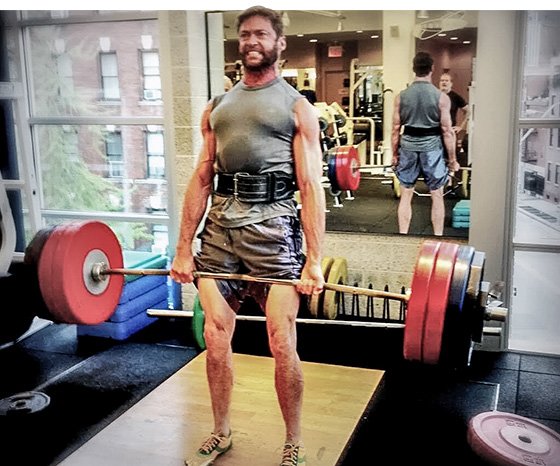
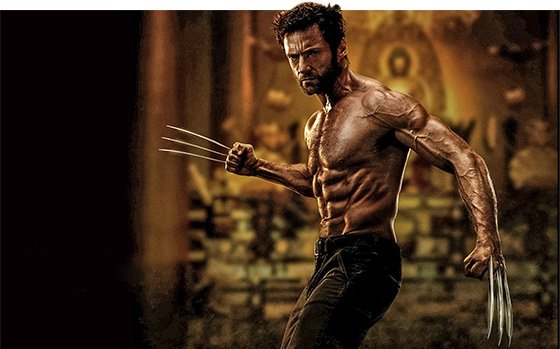
This movie was destined to be bittersweet because Hugh Jackman made clear that this movie would be his last time playing Wolverine. For X-men fans of the past 17 years, this is a big fucking deal. Hugh Jackman is to Wolverine what dick jokes are to Deadpool. They’re so intrinsically tied to one another. They make each other inherently better.

The fact that anyone can play the same character for 17 years in a major action movie that requires a ridiculous workout regiment says just as much about Hugh Jackman as it does about Wolverine. In that same time, we’ve had three actors play Spider-Man, two actors play Batman, and two actors play Superman. There has always been one Wolverine. Jackman sets that high bar. The cast of Justice League should take notice.

As an X-men fan, I will be sad to see Jackman hang up his claws after this. Wolverine will never be the same without him, but he’s better as a character because of him. For that, I will be eternally thankful to Mr. Jackman for his passion and dedication.

However, there’s another reason to be excited about this movie and it has little to do with Hugh Jackman or his sex appeal. I know. That’s a bold claim. I know many of the ladies out there would passionately disagree, but that reason is every bit as important as Jackman’s sexiness.

For this particular movie, as well as the future of the X-men in general, Wolverine isn’t the alpha and omega of all things X-men. It’s not just because the cast for X-men is so large and diverse. In this movie, Logan literally can’t be that guy anymore. His body, his spirit, and his resolve are breaking down. Even with metal bones and a healing factor, he just can’t do what he does anymore, nor does he even want to.

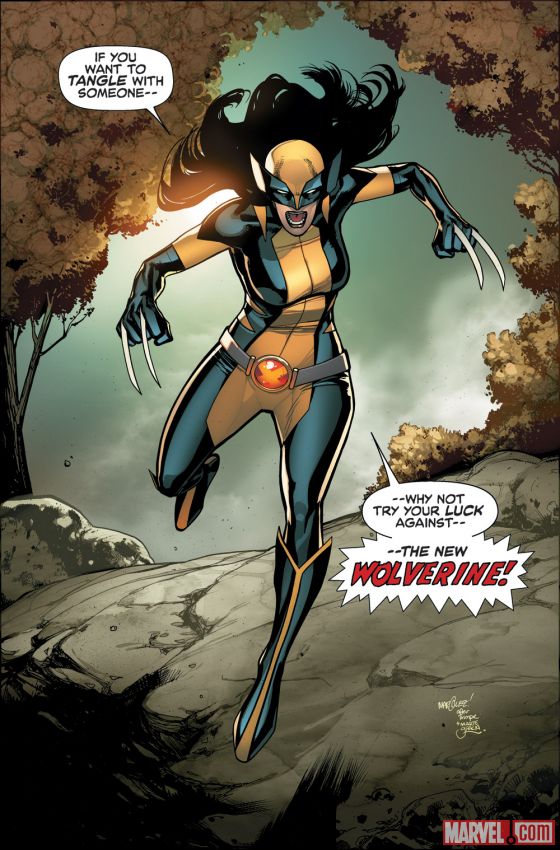
That’s where Laura “X-23” Kinny comes in. Who is X-23 and why should you care? Well, make no mistake. X-23 is a major reason to see this movie. She’s also a major reason to read the X-men comics because she is very much a part of the legacy that Wolverine has created.

X-23, who is played by Dafne Keen this movie, is one of the most important characters to enter the X-men comics in the past 20 years. She debuted in 2004 in season 3 of the X-men cartoon, X-men Evolution. For a kids show that aired on Saturday mornings, her story is pretty damn harsh.

On paper, she’s a clone of Wolverine. That’s not a new concept. Comic books are full of clone characters and stories about clones. Some of them are decent. Some are infamously terrible. However, X-23 took it many steps further.

Like Wolverine, she’s prone to outbursts of violent rage. She prefers solving her problems by stabbing them and she’ll spit, swear, and snarl in ways that would make any man’s balls feel a little bit smaller. She’s not a tomboy. She’s the kind of girl who beats the shit out of tomboys and looks badass doing it.

However, her story goes even deeper than that. X-23 never carried herself as a clone. She always carried herself as a part of Wolverine’s family. At first, she hated it. In fact, in her debut episode of X-men Evolution, she tried to kill him. Her reasons are best summed up by one succinct quote.

This is your fault, everything I am is because of you!

What exactly is she and why does she blame Wolverine? Well, one of the most defining traits, aside from his convoluted romantic history, about Wolverine is his mysterious past. It’s mysterious because a good chunk of it has been wiped from his memory. This mystery is a big part of what drove the first two Wolverine movies.

With X-23, however, she has no such luxury. She remembers everything and not just because she’s just a teenager. She remembers all the ways her creators tortured her. At least Logan got to live a life before he became a living weapon. X-23 was created from birth to be that same weapon. Every waking hour of her childhood was dedicated to turning her into a heartless killing machine.

Now I know I joke about how traumatic high school is for some teenagers, but what X-23 went through defies even the worst high school experiences, including gym class. She has been so systematically conditioned, trained, and abused to become more a thing than a person that it pisses her off and rightfully so.

In both X-men Evolution, and her comic book origin story “X-23: Innocence Lost,” she turns on her creators. By that, I mean she fucking maims every one of them. However, she still sees Logan as the reason she exists. It’s his DNA that made her. At first, she sees him as a source of pain. Eventually, though, she comes to see him as her salvation.

This is what is so meaningful and relevant about X-23 and her story. She was literally created to be more weapon than human. She was not supposed to have family, emotions, or attachments of any kind. Despite this, and all the torture that came with it, she still sought those connections out.

She even achieved it, thanks to her own efforts, as well as Logan. She came to see him as a father rather than an enemy. Logan, despite his predilection for beer and married women, embraced the opportunity to be a father to this girl. He brought out the best in X-23 and she brought out the best in him.

As a character, X-23 is both compelling and relevant. With Hugh Jackman leaving the X-men movies, who else can carry on his legacy? Deadpool can do a lot, even with his pants on, but even the sex appeal of Ryan Reynolds has its limits.

The X-men comics have already taken that step. After Wolverine died in a final battle against his creators, X-23 decided to honor her father’s legacy by taking on his mantle. On top of that, the yellow spandex looks better on her.

There’s one more reason why X-23 is so important to the future of the X-men, superhero movies, and female characters as a whole. At the moment, every comic company and movie producer not on a cocaine binge is trying to create better female characters. In many respects, they have plenty to work with.

DC and the Justice League have Wonder Woman, who is a already a female icon. Marvel has Captain Marvel, who they are working tirelessly to make into a female icon. The X-men also have Storm, a female character whose grace and badassery transcend race, gender, or whatever else hippies bitch about. However, X-23 represents something that’s different and vital.

It’s not just that these iconic female characters are all adults who have established themselves in competent roles. These characters try to embody the best of what women can be. X-23 follows a different struggle. She fights to overcome the dehumanization she endured as a child and become her own person. It’s a constant struggle, one that leads to some pretty brutal moments, but one that’s wholly relevant in 2017.

While “Logan” may be Hugh Jackman’s swan song to an iconic character, it’s also a celebration of the emergence of X-23. At a time when women have plenty of reasons to dread, X-23 represents the will and strength to confront those challenges, stab them, look damn good while doing it.

All his life, and through Hugh Jackman’s charisma, Wolverine claimed to be the best he was at what he did. Now, thanks to X-23, he can rest easy knowing that his legacy is secure.

5 Comments

Filed under Comic Books, Jack Fisher, Superheroes, Jack Fisher's Insights

Jack Fisher’s Top 5 Most Underrated Female Characters

When it comes to great female characters in pop culture, there are plenty of obvious choices. Contrary to what radical feminists believe about massive patriarchal conspiracies, our culture has created some pretty amazing women, real and fictional alike. So if there is a patriarchal conspiracy, they’re doing a piss poor job.

The best of the best, when it comes to female characters, are difficult to dispute. In the world of fiction, there’s Wonder Woman, Storm of the X-men, Captain Marvel from the Avengers, Supergirl, Sarah Conner from Terminator, Ripley from the Alien movies, Leslie Knope from “Parks and Recreation,” and Furiosa from “Mad Max: Fury Road.”

In the real world, we have just as many amazing women that raise the bar for both genders. We have Senator Elizabeth Warren, Madonna, Oprah Winfrey, Emma Stone, Maralyn Munroe, Lady Gaga, Janet Jackson, Malala Yousafzai, Michelle Obama, Taylor Swift, and whoever manages Taylor Swift’s public image. In either case, men and women alike have a great many choices in admirable female icons.

As great as these female characters are, however, there are still some characters that get overlooked and under-utilized. They’re still great characters in their own right. They just tend to get lost in the vast, chaotic, and constantly-shifting landscape of popular culture.

The same thing happens to male characters, but for better reasons. While they’re are plenty of great men in pop culture, there are a few too many that are blatant rip-offs of Superman, John McClane, and Batman.

So with that in mind, I’d like to acknowledge some of the overlooked, under-appreciated female characters that help make our culture great in their own unique way. For the sake of keeping this post brief and concise, I’ll focus on fictional characters. I find it’s a lot harder to ignore a real person these days when the media landscape is so vast, broad, and prone to strange memes and piss poor fact checking.

Since fictional characters can’t raise their voice, create a hashtag, or get thrown in jail for violating their probation, I figure they need this acknowledgement more than most. So without further adieu, here are Jack Fisher’s top 5 most underrated female characters.


5. Elaine Benes (Seinfeld)

This one may be a bit controversial because Seinfeld is a sitcom from a very different era. It’s also a show that gets constantly criticized by the politically correct crowd, but these humorless assholes only serve to undermine a female character who is balanced, compelling, and every bit as broken as the men.

In a show that has so many memorable characters, including Soup Nazis, Elaine still stands out as a great female character that brought out the best in actress, Julia Louis-Dreyfus. Elaine was an ex-girlfriend of Jerry Seinfeld, but that was never the primary emphasis for her character.

Elaine is smart. She has a distinct personality beyond just being the only woman in the main cast. She’s also every bit as quirky. In a show that has someone like Cosmo Kramer, that’s an accomplishment. On top of that, she can dance like no one else.


4. Berta (Two And A Half Men)

I’m not going to deny it. “Two and a Half Men” is as dirty a show as they come. It’s crude. It’s vulgar. It contains some of the least likable characters this side of South Park. I can totally understand why the same politically correct assholes that whined about “Seinfeld” would whine about this show.

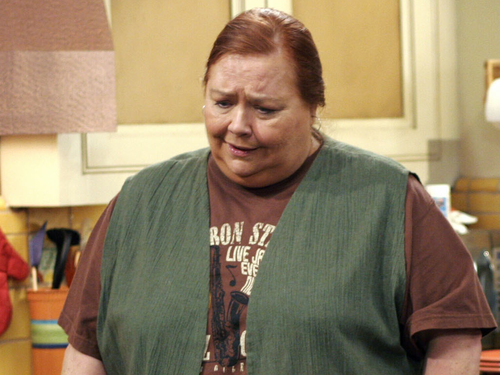
Despite all the crude vulgarity, this show still had Berta. Played by Conchata Ferrell, she was one of the best parts of this show. Even though she played the role of a housekeeper, she was one of the few who really stood up to Charlie and Alan Harper throughout the series. Those two can disrespect and denigrate all the women they want. However, they never dared to disrespect Berta.

Given the nature of the show and the very public meltdown that accompanied it, Berta definitely deserves credit for standing out. In a world with personalities like Charlie Sheen, that’s also an accomplishment.


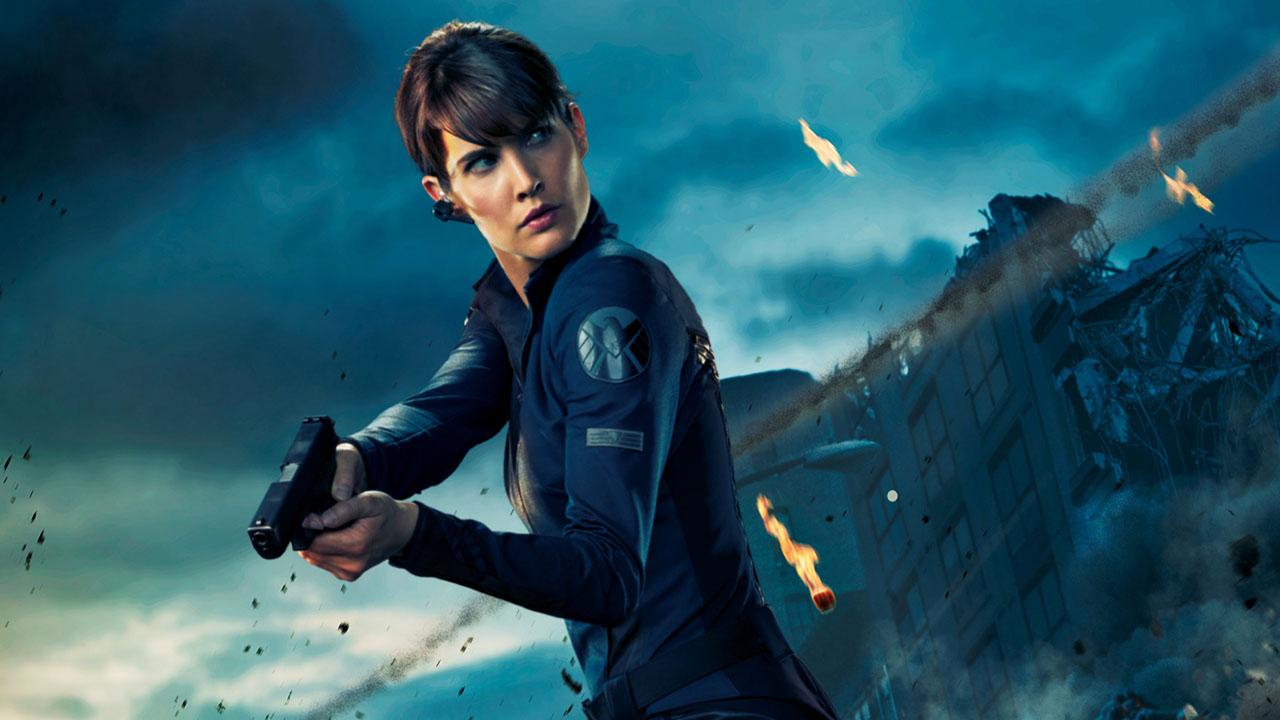
3. Maria Hill (Marvel Comics)

In the world of Marvel Comics, there are dozens upon dozens of powerful female characters. From heavy hitters like She-Hulk to lovable underdogs like Jubilee, there are so many iconic characters who have a strong place in comic book lore.

Then, there’s Maria Hill. She’s not a super spy martial artist like Black Widow. She’s not a sexy assassin like Elektra. She’s not even a side-kick like Batgirl. She’s the director of SHIELD and often the right hand of its one-eyed visionary, Nick Fury. The fact she doesn’t have superpowers and is in such a high position of authority in the same comic book universe that has She-Hulk says a lot about her.

She’s not just a hardass authority figure, although she can be at time. She’s not just someone who’s every bit as determined and capable as Nick Fury either. She commands respect in her own way. She has a personality that’s distinct and tough. She could easily be a CEO or a drill sergeant. Whatever she is, she’s someone others eagerly follow. For any character, male or female, that’s pretty awesome.


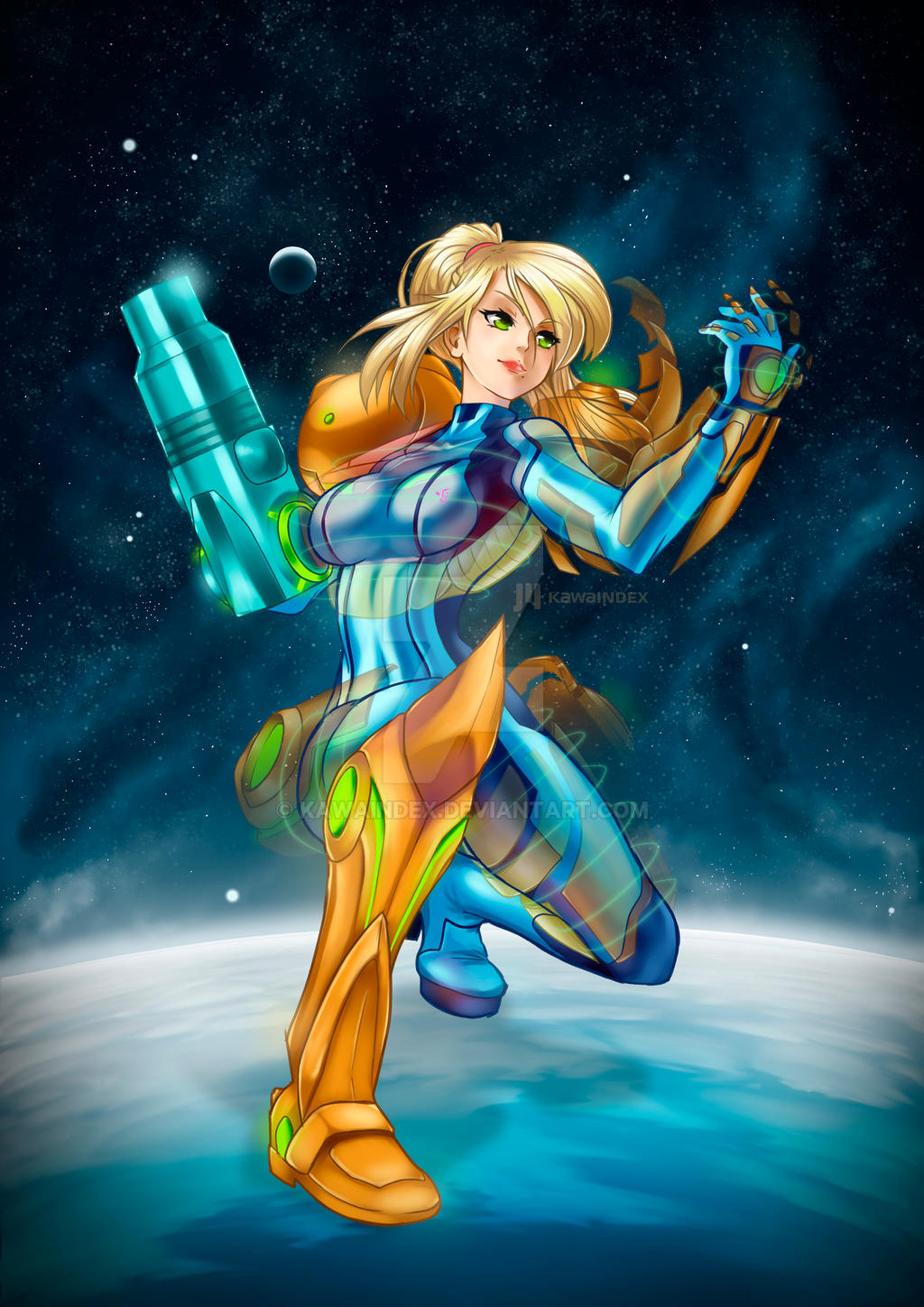
2. Samus Aran (Metroid)

Video games tend to be a hot-button issue when it comes to women, thanks largely to some whiny, asshole critics who go out of their way to piss people off. I won’t get into all the inane bullshit surrounding that issue, but I will concede that in the early days, women were basically the same as Disney princesses. If they weren’t being rescued, they were often in the process of being kidnapped by some giant lizard monster.

Then, Samus Aran came along. In the early 8-bit days of gaming, she set herself apart by being a badass female bounty hunter at a time when other characters were either elves, plumbers, or GI Joe knock-offs. Her ability to kick ass in games was so surprising that some gamers didn’t realize that she was a woman until the very end.

Samus was, and still is, a breakthrough character who tends to get overlooked in an era where more emphasis is on outrage over female characters rather than whether the character is actually awesome. She fought, kicked ass, and looked damn sexy while doing it. What more could you want out of a female character that doesn’t involve a bottle of lube?


1. Daria Morgendorffer

Some concepts are just too ahead of their time to have the kind of impact they deserve. The same goes for certain characters. Sometimes, a character comes along in a certain era that embodies something that doesn’t become truly meaningful until years later.

For Daria Morgendorffer of the classic 90s MTV show aptly titled, “Daria,” she’s one of those characters who would’ve been a much bigger deal if her show was on today. Daria is not your typical female protagonist. She’s not overly sexual. She’s not overly charismatic either. However, what she lacks in overt femininity, she more than makes up for with a distinct, memorable persona.

She’s dry and sarcastic. She’s coarse and brutally honest. She’s also caring and understanding when she needs to be. She’ll say what others are afraid to say and not give a damn who gets upset in the process. She never comes off as an overplayed trope or cliche. She’s very much her own person.

She’s also got an emotional side. Her feminine side isn’t completely subverted. Throughout the show, she has multiple love interests, including one that becomes a steady boyfriend. As a character, she feels both unique and real. She’s someone that men and women alike want as a friend and a companion. Few characters, female or otherwise, can make that same claim in modern TV show.

For me, personally, Daria has a special place in my heart. She was, and still is, one of my favorite TV characters in the 90s. I feel like TV has been missing something since her show ended. While she may have been ahead of her time, her words of wisdom ring true in any era. With that in mind, I’ll leave everyone with this:

Um, thank you. I’m not much for public speaking. Or much for speaking. Or, come to think of it, much for the public. And I’m not very good at lying. So let me just say that, in my experience, high school sucks. If I had to do it all over again, I’d have started advanced placement classes in preschool so I could go from eighth grade straight to college. However, given the unalterable fact that high school sucks, I’d like to add that if you’re lucky enough to have a good friend and a family that cares it doesn’t have to suck quite as much. Otherwise my advice is; Stand firm for what you believe in, until and unless experience proves you wrong. Remember, when the emperor looks naked, the emperor is naked. The truth and a lie are not sort of the same thing. And there is no aspect, no facet, no moment of life that can’t be improved with pizza. Thank you.

3 Comments

Filed under Jack Fisher's Insights

The Outrageous Outrage Of The Outrage Over An Invincible Iron Man Cover

As a general rule, I try to stay away from overblown media outrages. It’s not that I don’t have an opinion on them. It’s just that in my experience, peoples’ attention spans are so damn short and their outrage is so damn selective that it’s just not worth the time. I’d much rather dedicate my energy to something more productive, like writing novels that make men and women horny for all the right reasons.

However, there are certain outrages that I feel obliged to address. If said outrage involves comic books, superheroes, and people who whine about insanely petty issues, then I’m going to make my opinion known. I love comic books and superheroes. I hope I’ve made that abundantly clear on this blog. I’ll continue belaboring that love for as long as I must.

So when someone decides to throw a hissy fit that gives comic book fans like me a migraine, I’m going to take notice and I’m going to have an opinion, especially if said hissy fit involves something petty.

So what has people whining, bitching, and moaning at superhuman levels this time? Well, it all has to do with a comic book cover for an upcoming series called “Invincible Iron Man.”

It’s not actually the main cover for the book. It’s what we in the comic world call a variant, meaning there’s only so much that are printed. They’re basically a gimmick for comic collectors and since they can be pretty damn awesome, most comic book fans don’t mind. I certainly don’t.

This one in particular is actually a variant cover exclusive by J. Scott Campbell, a very talented and highly respected artist among comic book fans. This one was actually done for Midtown Comics, a premier comic book store in New York City that I make it a point to visit every time I go there. So of course it’s special and of course it’s going to carry more weight than others.

So what’s the controversy? Well, before I reveal that, let me show you the cover. If you can immediately spot the outrage, then I think you’re already part of the problem so this blog post won’t affect you. If not, then bear with me because it’s going to get even pettier than you think.

Not bad, right? Good colors, good lines, and a generally upbeat tone. It depicts Riri Williams, a young African American woman who will be taking the role of Iron Man for a while. Those of you who only know Iron Man from Robert Downy Junior’s depiction in the Avenger movies may be confused. Trust me, it’s actually more confusing than you think.

I won’t get into the reasons why someone else is taking over Iron Man. I’ll just note that this happens a lot in comics. Every now and then, an established character will either die or go MIA for a while so someone else can take up the mantle. It’s been happening a lot lately because Marvel has been seeking more diversity in its heroes.

Riri Williams is hardly the first. Last year, they did the same with Wolverine. The former Wolverine in the comics died and was replaced by his clone/daughter, Laura Kinney. By and large, it was a success. It generated little to no controversy. Even comic book fans shrugged it off. Who better to take over for Wolverine than his own daughter? It’s a beautiful thing.

So what’s up with this cover surrounding Riri Williams? On the surface, it’s the kind of cover that appeals to comic book fans who want a simple, visually appealing hook for a comic. It’s a visual medium, after all. Shouldn’t it be pretty to look at?

For some people, being pretty is some horrible affront to all that is good and just in the world. How is it terrible unjust? Just look at the cover again. Look at how sexualized it is. No seriously, look at it. Is this piece of artwork really so overtly sexual that a generation of children will be scarred for life by seeing it?

I try to be fair and understanding in all major controversies. I really do. This time, however, I have to fight the urge to bang my head against a brick wall. Is this what really qualifies as being too sexual lately? Is this comic book cover, in an era where the hardest of hardcore porn is available with a simple google search, just too damn sexy for public consumption?

Sadly, enough people whined about it to prompt Marvel to pull the cover from the market. It’s a victory for those who are so fragile, so weak, and so petty that they can’t stand the idea of any form of media being the least bit sexy. For anyone who is just a fan adding more beauty to this deranged world, it’s the equivalent of a tequila hangover.

This isn’t the first time people have lost their shit over a comic book cover being too sexy. A few years ago, those same puritanical, overly petty types lost their shit over this cover for Spider-Woman #1.

That cover is by Milo Manara, an artist with a history of creating artwork that is overtly pornographic. Is it the best style for a superhero comic that’s marketed to adults and kids? Probably not. At the very least, there’s some merit behind the outrage here. It doesn’t take an overly petty person to look at this cover and see that it takes too much inspiration from Nikki Manaj videos.

Again though, how petty do you have to be to think Riri Williams in this cover is too sexual? Yeah, she’s a teenager and she shows off her mid-drift. News flash people, teenagers dress like that. Anybody remember Madonna? She was a teenager at some point too a million years ago and she dressed like this.

Have we really regressed that much since the 1980s? Are we really returning to a time when a woman exposing her mid-drift is on the same level as flashing her tits at a bus full of kindergartners? I know outrage is usually selective and petty to some degree, but this is a world of internet porn and Honey Boo Boo. I think that kind of pettiness is obsolete.

Again, here’s the cover one last time. Again, this is Riri Williams, a young African American woman who is about to become a superhero. Look at it closely.

She’s not wearing a thong. She’s not wearing a bikini. She’s not even wearing a dress for crying out loud. She’s just wearing what you’ll probably see high school kids wear around the beach, a mall, or anywhere they want to show off how many sit-ups they’ve done. If J. Scott Campbell wanted to make an overly sexy cover, there are many other ways he could’ve done it.

Except he didn’t. Some may argue that Riri’s bodily proportions are wrong and unrealistic. Some would much rather have her look like someone we would probably ignore if she walked into a coffee shop in New York. These are the same people who don’t seem to mind Photoshop being used on fashion magazines or breast implants being used by porn stars. Once again, they have to be extremely petty and selective with their outrage.

I can stand people being petty. I can stand people being outraged over dumb shit. We’re a flawed species. We’re bound to act stupid for obscenely stupid reasons. However, when that stupidity is given credibility, I have a problem with it. I doubt this will be the last such problem, but it sets a sad and dangerous precedent. It means that those who whine and complain loud enough will have their childish arguments taken seriously.

We don’t take children seriously when they whine about not being able to eat candy for dinner every day. Why should we take them seriously with this? Trick question. We shouldn’t.

6 Comments

Filed under Jack Fisher's Insights

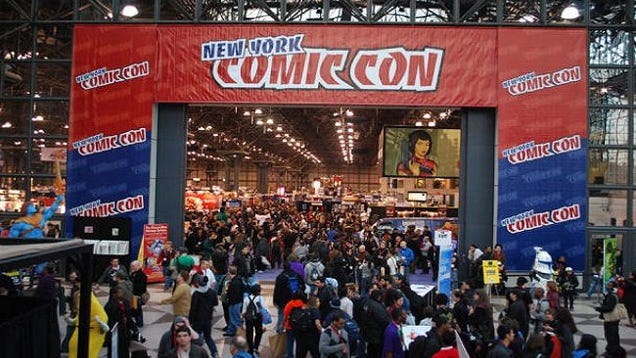
On My Way To New York Comic Con!

Just want to make a quick announcement to anyone curious about where I venture when I’m not writing about overtly sexy topics or writing books about said topics. Today is a very special day for guys like me and by guys like me, I mean comic book fans.

I love talking about comics on this blog, including the subtle connections to BDSM, sex-positive superheros, and their ability to depict a balanced romance. So it should come as no surprise to anybody that I make a big fucking deal about the New York Comic Con. It’s taking place this year at the Jacob Javits Center in New York City, a city I spent some time in earlier this year. Well, I’m going back to attend this most holy of festivals to comic fans everywhere!

I only have a day pass, which is all I could get, but I intend to make the most of it. New York Comic Con brings out so many colorful characters and so many passionate fans. I look forward to sharing that passion today and hope it inspires me for more sexy discussions/novels for the coming year. As we comic nerds love to say, excelsior!

2 Comments

Filed under Jack Fisher's Insights