Category Archives: movies

How To Do Romantic Sub-Plots Right (And Why Some Fail)

3586038c620fcc65ac400b9fc3bc86ca1

This will probably surprise no one who regularly visits this site, but I love romantic sub-plots. In many cases, they’re my favorite part of a movie, TV show, or comic book. I’ve made my love for romance in general fairly well-known, but romantic sub-plots offer a special kind of appeal.

Now, when I say romantic sub-plots, I’m not referring to the stories built solely around romance, like many of my novels. I’m referring to stories that are primarily presented as another genre, be it sci-fi, fantasy, or a blatant “Die Hard” rip-off, but include a secondary romantic story that runs parallel to the main story.

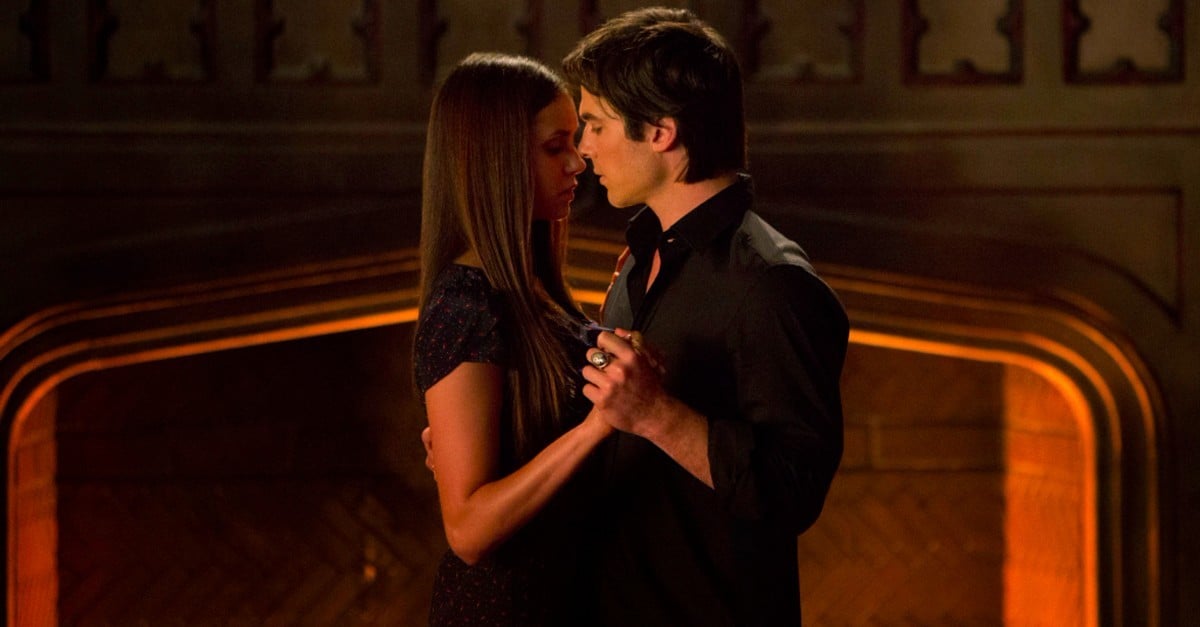
Sometimes, that story is subtle. Sometimes, it becomes a major catalyst for other parts of the main story. Sometimes, it just adds a little melodrama in between all the bigger, flashier conflicts. Watch pretty much any prime time show on the CW these days and you’ll see examples of every kind to some extent.

As much as I love these sub-plots, though, they can also be frustrating. For every romantic sub-plot I felt was handled well, I can think of five others that were horribly botched. On one end, you have the rich, balanced love story of Han Solo and Princess Leia in the original “Star Wars” trilogy. On the other, you’ve got the inherently toxic love story between Penny and Leonard in “The Big Bang Theory.”

There’s so much variety and diversity to romantic sub-plots that I could spend an entire weekend going through all of them. However, for the sake of making a more concise point, I want to focus on what makes a romantic sub-plot truly compelling. Regardless of genre, medium, or scope, a good romantic sub-plot can really enhance the overall plot.

Like every other sub-plot or storytelling tactic, though, romantic sub-plots are prone to all sorts of tropes, cliches, and traditions. Some are more useful than others. However, some can create obstacles and pitfalls that derail an otherwise promising romantic sub-plot.

While I don’t consider myself an expert on all the mechanisms that go into a good romantic sub-plot, I do know plenty of others out there who are far smarter than me and far more capable of explaining the subject in a more comprehensive way. They may not be experts either, but they know how to get the point across.

That’s where wonderful YouTube channels like Overly Sarcastic Productions come in. I’ve referenced it before in previous discussions about strong female characters, but it also provides other extensive breakdowns of various tropes and does it in a colorful, entertaining way, sometimes literally.

One such video in their Trope Talk series covers romantic sub-plots and the breakdown here is the best I’ve seen to date on what makes a good and not-so-good sub-plot. If you haven’t seen it yet, I highly recommend you watch it. If nothing else, it should put some of your favorite and least favorite romantic sub-plots into a larger context.

There’s a lot of fast-talking, broad-based breakdowns of this trope, which the narrator freely admits she doesn’t fully understand. However, she demonstrates that she understands enough to point out what not to do when pursuing a romantic sub-plot on a fairly basic level. I want to go beyond basics.

The video singles out a few TV shows and cartoons where the romantic sub-plot falls flat, such as “The Legend of Korra” and “Castle.” In both cases, the sub-plot is very shallow in that it’s built entirely on the fact that a straight male and a straight female character work closely together. As such, they become romantically entangled.

Therein likes the most glaring problem, though. Just being two characters who work together is seen as sufficient to justify the sub-plot. As a result, there’s no effort to build meaningful chemistry between the characters. In some cases, there isn’t even an effort to establish whether they’re romantically compatible with one another.

This is probably the most common, not to mention the most annoying, problem that arises when romantic sub-plots enter a story. The sub-plot is given the bare minimum in terms of depth, relying on the audience to fill in the blanks as to why these two should be together.

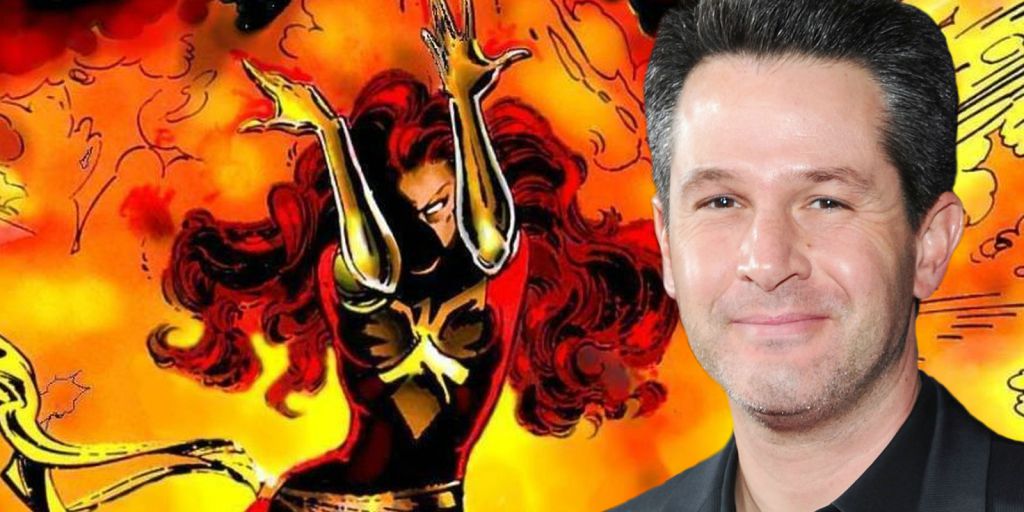
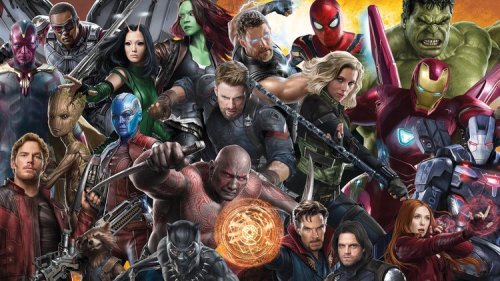
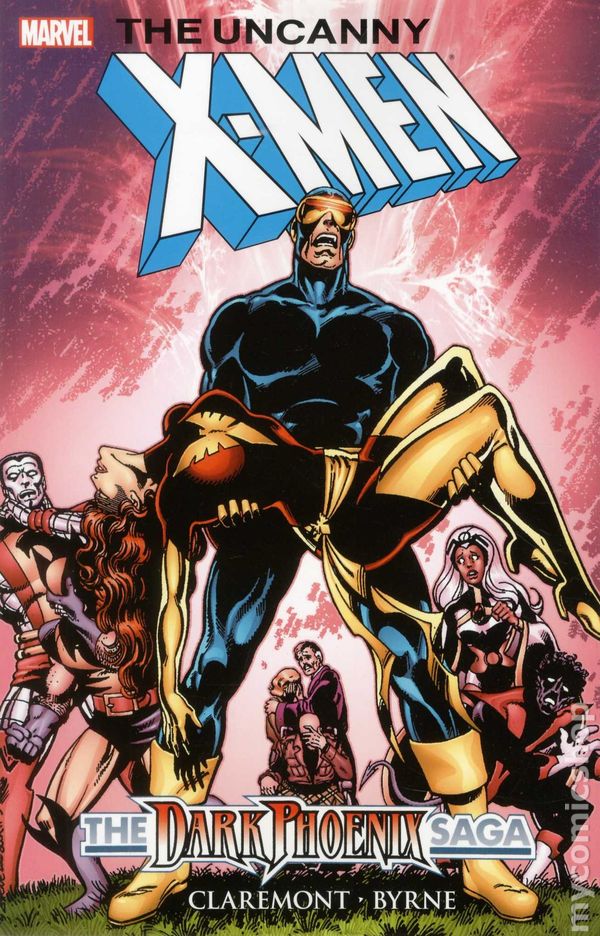
This happens a lot in the superhero genre. Romantic sub-plots and soap operas are the cornerstone of some of the most iconic superhero comics, TV shows, and movies. One of the most epic examples, the Dark Phoenix Saga, is set to become a movie next year. However, I would argue that the superhero genre is most guilty of this common shortcoming.

Take, for instance, the first “Iron Man” movie and the romantic sub-plot between Tony Stark and Pepper Potts. Never mind the fact that these two characters don’t have much of a romance in the comics. The first movie and the two successful sequels that follow do plenty to establish Tony and Pepper as the primary romance of the story. However, it does little to show why these two belong together.

The same thing happens with Thor and Jane Foster in the first two “Thor” movies. Unlike Iron Man, the comics establish a more robust romantic history between these two. The movies, however, do little to drawn from this history. They rely solely on the fact that Thor spends a little time around Jane, she’s attracted to him, and that’s all that’s necessary for the romance to unfold.

Again, it’s shallow in that it relies too heavily on the audience to fill in the gaps of chemistry and compatibility. For any functional romance, those gaps are pretty big. Just getting together is only a small part of that process and the story around it. Movies like “Thor” and “Iron Man” give the impression that just being around each other long enough is sufficient. These characters don’t have to actually work on their romance.

Compare that to the much more developed romances in the superhero genre, such as Barry and Iris in “The Flash” TV show. In that romance, just getting together isn’t the end of the story. It’s just part of it. Barry and Iris actually work, struggle, sacrifice, and even argue at times, but that’s exactly what makes their relationship so meaningful.

Outside the superhero genre, there are other ways the romantic sub-plot gets derailed in a way that’s more annoying than entertaining. I think “Friends” was one of the worst offenders with Ross and Rachel because almost the entirety of the sub-plot was built around them struggling to get together. Sure, the process of two people coming together can be compelling, but that can’t be the whole story.

Movies tend to struggle with it even more, but mostly due to logistical reasons. There’s only so much romantic development you can squeeze into a two or three hour movie. However, it can be done. Despite being brief and tragic, the sub-plot of Sarah Conners and Kyle Reese in the original “Terminator” movie showed that it is possible for a romantic sub-plot to be meaningful within those limitations.

Far more often, though, movies try to rush a sub-plot or outright force it. That’s part of what makes any romance hard to take seriously. In a movie like “Jurassic World,” where you have two very different characters in Claire and Owen, it really has to be forced because outside the plot of the movie, it’s hard to imagine these two having a meaningful relationship.

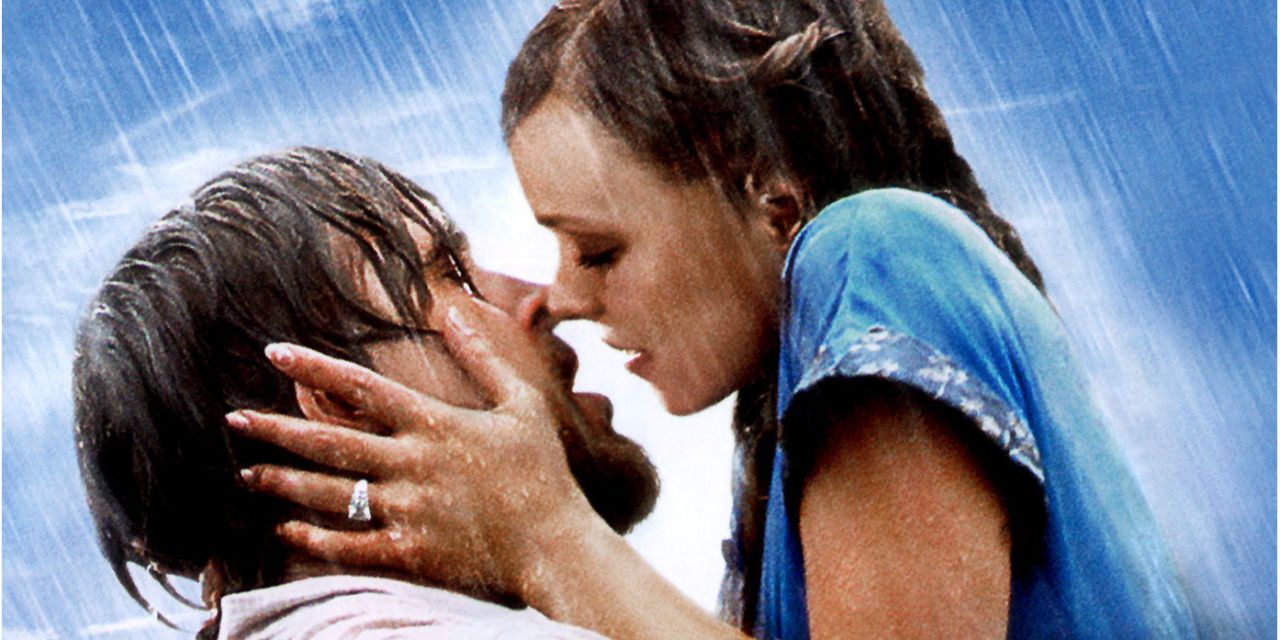
In some respects, that’s a good litmus test for any romantic sub-plot. If you can’t see the characters involved functioning outside the plot of the movie, then chances are the romantic sub-plot is fundamentally flawed. It’s easy to imagine iconic couples like Superman and Lois Lane, Cyclops and Jean Grey, or even Allie and Noah in “The Notebook” enjoying a functional relationship past the final credits.

Even for couples where it’s harder to picture them outside a conflict, it helps when a romantic sub-plot still puts in extra effort to make the romance believable. While this is a challenge in movies, TV, and comics, I’ve actually seen this handled a lot better in modern video games.

Romantic sub-plots are important elements of popular games like the “Uncharted” series. What makes that sub-plot effective, though, is how much time and energy is put into establishing why a man like Nathan Drake would be with a woman like Elena Fisher. It even goes out of its way to show how these two characters create a genuinely functional relationship towards the end.

While it might be a bit of a stretch, I would also cite the “Mass Effect” series that I’ve praised before in how well it handles romantic sub-plots. Now, it’s a stretch because the game is structured in a way where the player can choose a particular romantic sub-plot or choose to not have one at all. That makes the story a lot more fluid than a movie or TV show, but it still manages to create depth for a sub-plot.

That depth shows, regardless of which romantic sub-plot the player chooses. Whether it’s Shepard and Liara, Shepard and Ashley, or Shepard and Garrus, the game provides opportunities for depth and development. If you follow the sub-plot through to the end, the romance has genuine dramatic weight.

In the end, that’s the most important impact of any romantic sub-plot. When done right, it adds greater weight to the overall narrative. It creates an emotional dimension that goes beyond just achieving a goal or surviving a conflict. It fleshes out the emotions, passions, and desires of the characters involved.

Conversely, it can really disrupt the plot when done wrong. I’ve already covered how the worst love triangle in history derailed the X-men movies. Talk to any “Star Wars” fan and they’ll probably say the poor romance between Anakin Skywalker and Padme was the most disappointing part of the prequels not named Jar Jar Binks.

To some extent, a romantic sub-plot is a gamble. It stretches the odds, but it also increases the payout. When it fails, it can fail pretty spectacularly. When it works, though, it can make for some of the most dramatic, passionate moments in a story. As an unapologetic romance lover, I say it’s a gamble worth taking.

1 Comment

Filed under Comic Books, Jack Fisher, Superheroes, gender issues, human nature, Love Or Obsession, Marriage and Relationships, movies, romance, sex in media

Why Most Complaints About Hollywood Are Empty

hollywood-sign-mulholland-highway

There are a many annoying trends in the media these days and I’m not just talking about “fake news” or “alternative facts.” Those are trends that only bring out the worst in people whenever they’re discussed. While still annoying, there’s at least some legitimate substance behind those discussions. The trends I’m referring to are as empty as the whining they inspire.

It involves a new online cottage industry. It utilizes criticism wrapped in an agenda that’s disguised as meaningful social justice. It usually takes the forms of articles with click-bait heavy titles that give the impression that this is an official statement on behalf of all those who consume media. In reality, it’s just empty rhetoric that hides more whining.

You’ve probably seen these articles before. They’re often made by sites like BuzzFeed or Cracked, a site I’ve been reading for years and even reference frequently. They usually contain heavy-handed titles like this.

5 Things Action Movies Need To Stop Doing

8 Things Hollywood Needs To Stop Doing With Female Characters

7 Recurring Gags That Movies Need To Stop Using

14 Things TV Shows Need To Stop Doing With Minority Characters

15 Ways Hollywood Is Still Racist

37 Ways Movies And TV Are Still Offensive To Women And Minorities

9 Common Hollywood Practices That Need To Stop

None of these titles are to real articles, but you don’t have to look far to find articles like them. If there’s a legitimate and/or petty way to complain about the way Hollywood does business, then chances are there’s an article about it. Some pretend to express real concern about real issues. Most just whine about it, though.

I get that Hollywood is easy to criticize. It is, after all, a very shallow and cut-throat world with a history of scandals and less-than-ethical business practices. However, discussing those issues and trying to reform them is hard. Just whining about some of the content Hollywood puts out is easier and allows certain people to virtue signal. It’s not that hard to understand why people do it.

Even so, it doesn’t change a few inescapable facts that render all these click-bait articles utterly devoid of substance. Most of those fact come back to the simple truth that Hollywood is, and always has been, a business. It does have an agenda, but that agenda begins and ends with making money. Everything else is an afterthought.

It’s not very glamorous or sexy, but you could say that about almost every business venture. The only difference with Hollywood and the media is that pursuing that goal requires them to present a fantasy that sometimes requires that the goal be less obvious. That’s how you can get movies that protest corporate greed, but are still produced by corporations driven by greed.

It’s that same desire to make money and turn a profit that often leads to the kinds of practices that these wannabe media critics complain about. In general, people want to see beautiful women and attractive men following the kind of tried-and-true that has entertained people for centuries, long before movies and TV even existed.

From a pure business perspective, it’s easy to understand why Hollywood and media companies use these tropes. Like it or not, they work. People still aren’t tired of seeing male action stars like Tom Cruise run from explosions. People still aren’t tired of seeing beautiful women like Jennifer Lawrence or Scarlet Johannsen run around in skin-tight outfits either.

If the masses want it, then those in Hollywood would be lousy business people if they didn’t try to give it to us. There’s a demand for something. They supply it. That’s economics at its most basic. What these articles are basically asking for, to some extent, is that Hollywood stop doing what has historically made them money and do something completely different that may not work at all.

Think about that for a moment and try to appreciate the implications. You’ve got a job. It’s a good job that pays well. It involves doing something you know how to do and have seen, time and again, how well it works. Then, some person comes along who has never done your job and yells at you for how you do it.

On top of that, they claim that doing your job the way you do it contributes to all the horrible things in the world. Somehow, your job is what fosters all the racism, sexism, and bigotry that makes the world such an awful place and it’s your obligation to change everything about your job, risking your own money and livelihood in the process.

How would you feel about that person? Would you be all that inclined to listen to them? Would you even take them seriously? Chances are you wouldn’t and it’s not that surprising that Hollywood rarely responds directly to these complaints. The only reason Hollywood ever changes its approach to entertainment in any capacity is to make more money. That’s all there is to it.

It’s the biggest flaw in complaints about things like whitewashing, the Bechdel Test, and every damsel in distress trope. People can complain all they want. As long as movies, TV shows, and video games keep turning a profit, they’ll keep getting made. Hollywood and the media would be irresponsible, as a business, not to do just that.

That’s not to say Hollywood is doomed to remain stagnant. Hollywood, like any business, tries to follow market trends. That’s how we get things like a half-dozen superhero movies in a year and a glut of “Die Hard” rip-offs. When you find a winning formula, you stick with it. Those that don’t usually don’t stay in business for very long. The fickle and unpredictable nature of markets sees to that.

However, those who complain about Hollywood are basically demanding that they adopt this inherently risky method for producing media. They’re demanding that they ignore market trends and go out of their way to produce content that’s new, unproven, and politically correct to cultural and social sensibilities. They demand all this, regardless of how much it costs or how much profit it turns.

In general, when people make such unreasonable demands, they doom themselves to disappointment. For the professional whiners of the world, that basically creates a self-reinforcing cycle. They demand the impossible or the impractical. Then, when it doesn’t happen, they get upset and blame those who didn’t go out of their way for them.

It’s petty and annoying, but it’s the nature of the current media landscape. Thanks to the internet and social media, every has a platform and a voice. They have a mechanism for making demands that their media cater to certain groups and agendas, despite having no understanding of the business or economic forces behind the things they consume.

On top of all this, the process of making movies is getting more expensive with each passing year. That means producers have less room for error. If they make a movie that bombs, the losses are a lot bigger. It also means that even if a movie does well, the amount of profit it generates isn’t quite as great. That’s why the most profitable movies tend to be low-budget films that are unexpectedly successful.

It’s that unexpected part, though, that’s so frustrating to Hollywood. Nobody truly knows if a movie will be a hit, even if it’s from an established franchise. Sure, we can question how George Lucas thought Jar Jar Binks was a good idea for a character, but most every competent movie maker creates their products with the expectation and hope that they’ll be successful.

Now, none of that is to say that some themes aren’t overplayed. In recent years, Hollywood has made a concerted effort to improve how women are depicted in film and TV. The recent success of “Black Panther” has shown that there is money to be made in crafting products with a more diverse appeal.

However, these efforts weren’t the results of people complaining about a lack of diversity. They were the results of a business following market trends. The world is getting more diverse and so its consumer base. Naturally, a business will want to appeal to the most people possible. A successful business doesn’t care about the gender, race, religion, or sexual orientation of the consumer. The money is just as valuable.

For some people, though, that’s not happening fast enough and it doesn’t make up for past transgressions. Never mind the fact that history can’t be changed and doesn’t give a damn about how people feel about it. The fact that something once existed or doesn’t exist yet still offends some people.

At the end of the day, whining about the prevalence tropes, jokes, or themes that pervade Hollywood is no different than whining about how too many people like something that you hate. It’s selfish, petty, and asinine on every level. If it keeps making money, then it’ll keep happening. Until capitalism and economics radically changes, then those who keep whining about these trends will just have to deal with it.

Leave a comment

Filed under Celebrities and Celebrity Culture, media issues, movies

When (And When Not) To Listen To Fan Backlash

et_rian_johnson_041417_hulu_2

In Hollywood, there’s somewhat of a paradox when it comes to ego. You need to have a certain amount of arrogance to believe you can make the kinds of movies that fans, critics, and executives who love swimming in pools of cash all love. At the same time, you also need to be humble enough to know when your ideas are crap.

I’ve been writing almost daily since I was 15-years-old. I’m humble enough to know that I’ve written some pretty crappy things in that time. However, I’m also arrogant enough to believe that I have many great stories to tell, some of which I put in my novels and some of which I put in sexy short stories.

It’s a bit easier for someone like me because I’m not a famous director, artist, or novelist just yet. I can still walk down the street without body guards and not be harassed by fans or stalkers. For someone like Rian Johnson, though, I imagine it takes a very different blend of arrogance and humility to navigate the creative process.

I’m sure that blend has been more erratic than usual for the past several months for Mr. Johnson. There’s already a sizable contingent of Star Wars fans who see him the same way Batman fans see Joel Shumacher after “Batman and Robin.” To say fans had mixed reactions to “Star Wars: The Last Jedi” would be the most polite way of saying that these have been the most difficult times for those fans since the days of Jar Jar Binks.

While I made my sentiments on the movie clear last year, I don’t deny that fans have some legitimate gripes about the movie. There are indeed times when it feels like the movie is trying to push an agenda and it doesn’t push it very well. There are also fairly sizable plot holes that are difficult to overlook, which may also reflect some creative upheavals that occurred behind the scenes.

Regardless of how you feel about “Star Wars: The Last Jedi” or the criticism surrounding it, there’s no denying that it had issues. That was going to happen, regardless of how the movie turned out. However, it’s the way Mr. Johnson reacted to those issues that’s most revealing here. It’s also somewhat of a lesson in both arrogance and humility.

Since the film’s release, Rian Johnson hasn’t been willfully ignorant about fan criticisms. To his credit, he hasn’t resorted to name-calling or scoffing. He’s been fairly diplomatic, for the most part. In an interview with Business Insider, this was his primary response.

Having been a “Star Wars” fan my whole life, and having spent most of my life on the other side of the curb and in that fandom, it softens the blow a little bit.

I’m aware through my own experience that, first of all, the fans are so passionate, they care so deeply — sometimes they care very violently at me on Twitter. But it’s because they care about these things, and it hurts when you’re expecting something specific and you don’t get it from something that you love. It always hurts, so I don’t take it personally if a fan reacts negatively and lashes out on me on Twitter. That’s fine. It’s my job to be there for that. Like you said, every fan has a list of stuff they want a “Star Wars” movie to be and they don’t want a “Star Wars” movie to be. You’re going to find very few fans out there whose lists line up.

And I also know the same way the original movies were personal for Lucas. Lucas never made a “Star Wars” movie by sitting down and thinking, “What do the fans want to see?” And I knew if I wrote wondering what the fans would want, as tempting as that is, it wouldn’t work, because people would still be shouting at me, “F— you, you ruined ‘Star Wars,'” and I would make a bad movie. And ultimately, that’s the one thing nobody wants.

And let me just add that 80-90% of the reaction I’ve gotten from Twitter has been really lovely. There’s been a lot of joy and love from fans. When I talk about the negative stuff, that’s not the full picture of the fans at all.

While I agree with most of what Mr. Johnson said, it’s the bold parts that I find most questionable. It’s at that point where Mr. Johnson goes from being diplomatic to showing signs of the kind of arrogance that undercuts criticism, as a whole.

First off, the idea that George Lucas never made the original “Star Wars” with fans in mind is an unfair comparison. For one, that movie had no fan base to build from and no fans to please. Moreover, Lucas purposefully employed the kind of hero’s journey narrative that had been pleasing fans for centuries. The fact that Luke Skywalker’s story fits Joseph Campbell’s heroic archetype to the letter is not a coincidence.

Secondly, the passions of fans aren’t just built around wanting to see more light saber battles and/or Princess Leia in a bikini. Fans may be unruly and unreasonable at times, but they are the ones that make franchises like Star Wars so successful. They’re the ones who wait in line at the theaters, dress up at comic cons, and spark heated discussions on message boards.

The fans matter is what I’m saying. When there’s an obvious disparity between what the fans are saying and what critics are saying, then there are clearly larger forces at work that go beyond fans being petty. That’s when backlash becomes more than just complaining.

It’s one thing for a handful of fans to overly scrutinize a movie. It’s quite another when there’s a large contingent of fans express a wide variety of concerns, ranging from agenda-pushing to real gaps in the plot. That kind of variety implies that there were missteps beyond not making clear whether Han or Greedo shoot first.

When the criticisms don’t have to get that petty, it’s usually a sign that you should grit your teeth, thicken your skin, and sift through the anger and outrage to see what didn’t work in the final product. Doing so doesn’t mean admitting that you’re a bad director or artist. It just means that you’re willing to take in criticism and learn from it.

Rian Johnson, as well-mannered as he has been since “Star Wars: The Last Jedi” came out, never gives the impression that he, an admitted fan, took the criticisms of fans too seriously. It was akin to getting information from a test screening and completely throwing it out, something movies often do at their own peril.

It’s one thing to have a vision that you want to see through. I certainly felt that way when I wrote some of my novels. It’s quite another when that vision becomes so rigid that you stop listening to people trying to tell you that parts of it are flawed. Mr. Johnson seemed to ignore those flaws while listening to those who told him what he wanted to hear. Being a successful Hollywood type, that’s kind of unavoidable.

That’s also why maintaining a sense of humility is so important. I never assume that a vision that I have for a novel or short story is inherently flawless. In fact, I work under the assumption that it’s crap and needs refinement. The creative process itself is always ongoing and anyone who isn’t trying to improve their craft is dooming themselves to stagnation. Listening to fans, even annoying ones, is part of that process.

Now, I don’t know Rian Johnson and won’t pretend to understand the kind of pressure he faced from Disney to make “Star Wars: The Last Jedi” another billion-dollar hit. I also won’t pretend to understand what it feels like to see all sorts of hateful comments about how he ruined an iconic franchise. That takes thick skin that not a lot of people have.

However, when there’s an obvious disconnect between your vision and the sentiments of fans, one that is backed up by more than a handful of mean tweets, then ignoring the backlash is one of the worst things you can do. Trolls can be mean, but at a certain point, blaming trolls is no more credible than blaming the Illuminati.

If there’s a lesson to be learned from “Star Wars: The Last Jedi” and Rian Johnson, it’s that there are times when backlash is an unavoidable part of the creative process and there are times when it’s a sign that there’s a flaw in that process. The signs were there for Mr. Johnson. He chose to ignore them in the name of pursuing his own vision and arrogantly believing that it would work.

That arrogance isn’t necessarily a bad thing in terms of creativity, but it is a major risk and the fan backlash implies that the risk didn’t entirely pay off. J. J. Abrams played it safe in “Star Wars: The Force Awakens,” sticking to the tried and true formula that the original trilogy made so iconic. While it also had its share of criticism, it was minor and narrow compared to what Mr. Johnson got with “Star Wars: The Last Jedi.”

The fact that J. J. Abrams is coming back to direct the next Star Wars movie is another sign that there was more than just trolling behind the backlash surrounding “Star Wars: The Last Jedi.” While I still enjoyed the movie, personally, I believe the movie would’ve benefited by listening to the fans.

For Mr. Johnson and Mr. Abrams, I don’t envy the difficult position they’re in, having to direct the path of such an iconic franchise. However, if I could offer them any feedback whatsoever, it would be this. Fans are usually pretty forgiving. If Star Wars fans can forgive Jar Jar Binks, then they can forgive the flaws in Star Wars: The Last Jedi.” It just takes one solid story that reminds fans why they love Star Wars in the first place.

1 Comment

Filed under Celebrities and Celebrity Culture, movies, Star Wars