Tag Archives: religion

A Message To “Christians” Complaining About (Actual) Christian Tenants

In general, I try not get involved in religious discussions. Even though I talk about religion every now and then, I always make it a point to distinguish the individual from the ideology. There many good and decent people who identify as Christians, Muslims, Hindus, and plenty of other faiths. I have religious people in my own family. I love and respect them. And I make it a point to avoid talking about religion or any politics related to it.

That being said, there are some instances where I just can’t be that understanding. And in recent years, I’ve noticed the number of those instances increasing at an alarming rate. In the coming years, I may look back on 2025 as a major tipping point for me. Because that’s when the disconnect between religion and its adherents just became too vast to overlook.

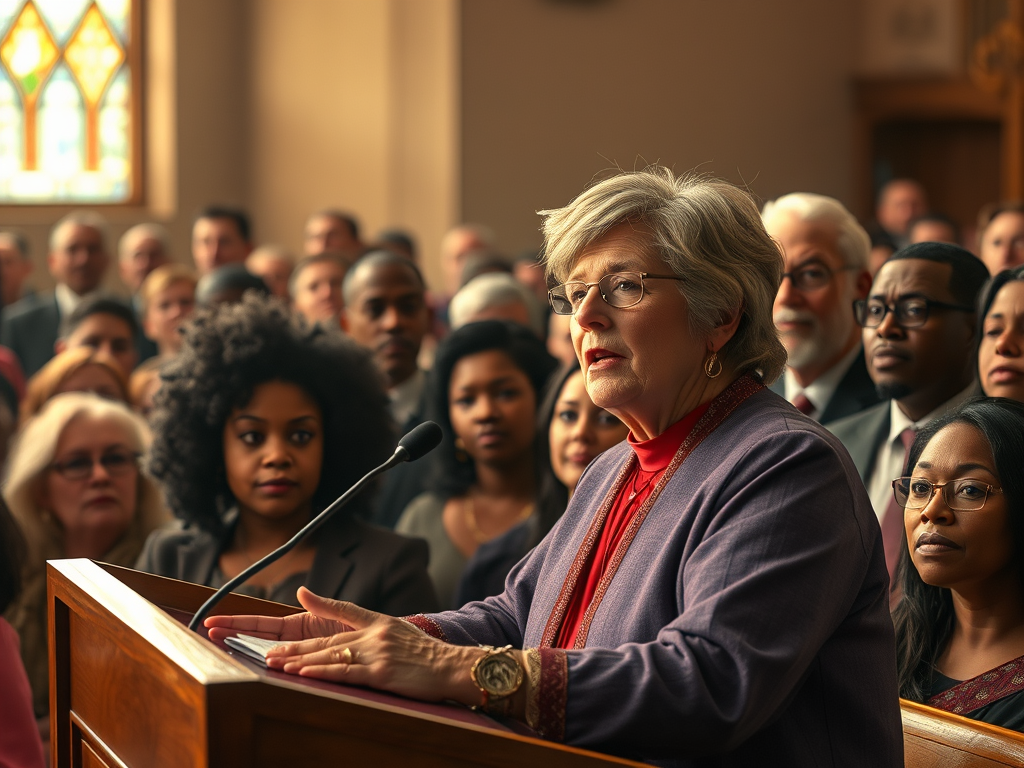
The big moment came just the day after the new Presidential administration was sworn in. That’s when Bishop Mariann Budde delivered an impassioned sermon at Washington’s National Cathedral in which she urged the newly elected President to exercise mercy, compassion, and empathy for everyone. This is not a wholly unreasonable request. It’s not even overly religious, in general. It’s just basic human decency. Isn’t that exactly what you’d want for anyone who occupies a position of power or influence?

Well, apparently that was too radical, too offensive, and too un-American for many “Christians.”

And yes, I put that word in quotes for a reason. Because the people who took offense to this sermon have as much right to call themselves a Christian as I do to call myself a Wookie. In this instance, I cannot be understanding or accommodating. Because this bishop wasn’t being disrespectful or condesending. She was literally just preaching some of the most basic teachings of Jesus Christ.

You don’t need a PHD in theology to understand those teachings. Pretty much every translation of every bible says the same thing. Jesus taught his adherents to love and care for one another. He emphasized having mercy for others, even when they wrong you. That is not a radical interpretation. It’s one of the few values that Jesus and most denominations agree on.

And yet, Bishop Budde faced a severe backlash, not just from the President, but from many people who dare to identify as “Christian.” I’ve even seen a few make these long, semi-coherent rants trying to quote mine the bible or other “Christian” principles to justify their outrage. But the mere fact that this was their recourse, arguing with a Bishop who just asked people to be merciful, speaks to a disgusting hypocrisy.

Now, there’s a lot I could say about that kind of hypocrisy. I used to foolishly believe that hypocrisy was one of the few traits that most people cannot tolerate in the long run. Sadly, I was wrong. Between shifts in politics, trends, and simply dealing with these people more directly, I no longer believe that. This kind of hypocrisy isn’t a bug. It’s a feature.

What else could justify people who call themselves “Christian,” yet are deeply offended by the literal teachings of Jesus or any sermon that dares to demand adherents to exercise empathy? What happened with Bishop Budde isn’t even a one-off. There are pastors who have been forced out of their positions because parishioners complained that their teachings were too progressive, liberal, or “woke.”

Just take a moment to wrap your head around that kind of mentality. Someone who calls themselves a Christian, goes to church, listens to a sermon, and doesn’t like what a bishop or pastor says. But their first instinct isn’t to re-evaluate what it means to be a Christian. It’s to whine, complain, and protest like a kid who just found out they actually have to be good in order to get presents on Christmas.

Instead of introspection, their first instinct is to get angry and whiny. That’s childish.

Their next instinct is to go out of their way to find some justification for why the Bishop or pastor is wrong and they’re right. That’s just self-centered and self-serving.

If they’re too lazy to do that (and most of them are), their final recourse is to call whoever delivered that message some agent of evil or part of some sinister agenda. That’s just plain fucking stupid, as well as overtly narcissistic.

It basically reveals that these “Christians” don’t give a damn about teachings, principles, or anything of the sort. They just want their pastors and bishops to tell them what they already believe. They want to be vindicated in everything they feel, even if it’s wrong, dumb, cruel, or sadistic. Most importantly, they want a version of their faith that justifies them doing whatever it is they’re currently doing or whatever it is they seek to do.

Even if they seek to do the exact opposite of everything Jesus taught, they want to be justified. They want to be able to commit every sin that Jesus preached against, but still be able to call themselves “Christian” without any cognative dissonence.

I don’t doubt for a second that, in their own twisted minds, they think they’re the “true Christians.” They think that call for empathy and compassion was somehow wrong, flawed, or inappropriate. To those people, I cannot be kind or subtle with my sentiments.

If you believe that what Bishop Budde said about mercy and compassion was wrong or even just inappropriate, then you are not a Christian. You never have been. You never were. And unless you actually come to grips with what Jesus actually taught, according to the bible, you never will be.

Leave a comment

Filed under Current Events, politics, religion

How To Tell If You’re In A Cult And Why it Matters

This is a video from my YouTube channel, Jack’s World.

This video is about cults and how to tell if you might be in one. It was a difficult video to make in that I tried to be sensitive to the difference between a cult and a religion. I also tried to be fair in discussing those who get roped into cults. These people are often victimized by these groups and it is important to keep that in mind when discussing this topic.

I also highlight the BITE model when determining the practices of cults. If you’d like to know more about this model, please see the link below.

Leave a comment

Filed under history, Jack's World, philosophy, politics, psychology, religion, YouTube

Jack’s CreepyPastas: The Devil’s Gospel

This is a video from my YouTube channel, Jack’s World. This is another CreepyPasta that I wrote and narrated myself. Enjoy!

Leave a comment

Filed under CreepyPasta, Jack's World, YouTube

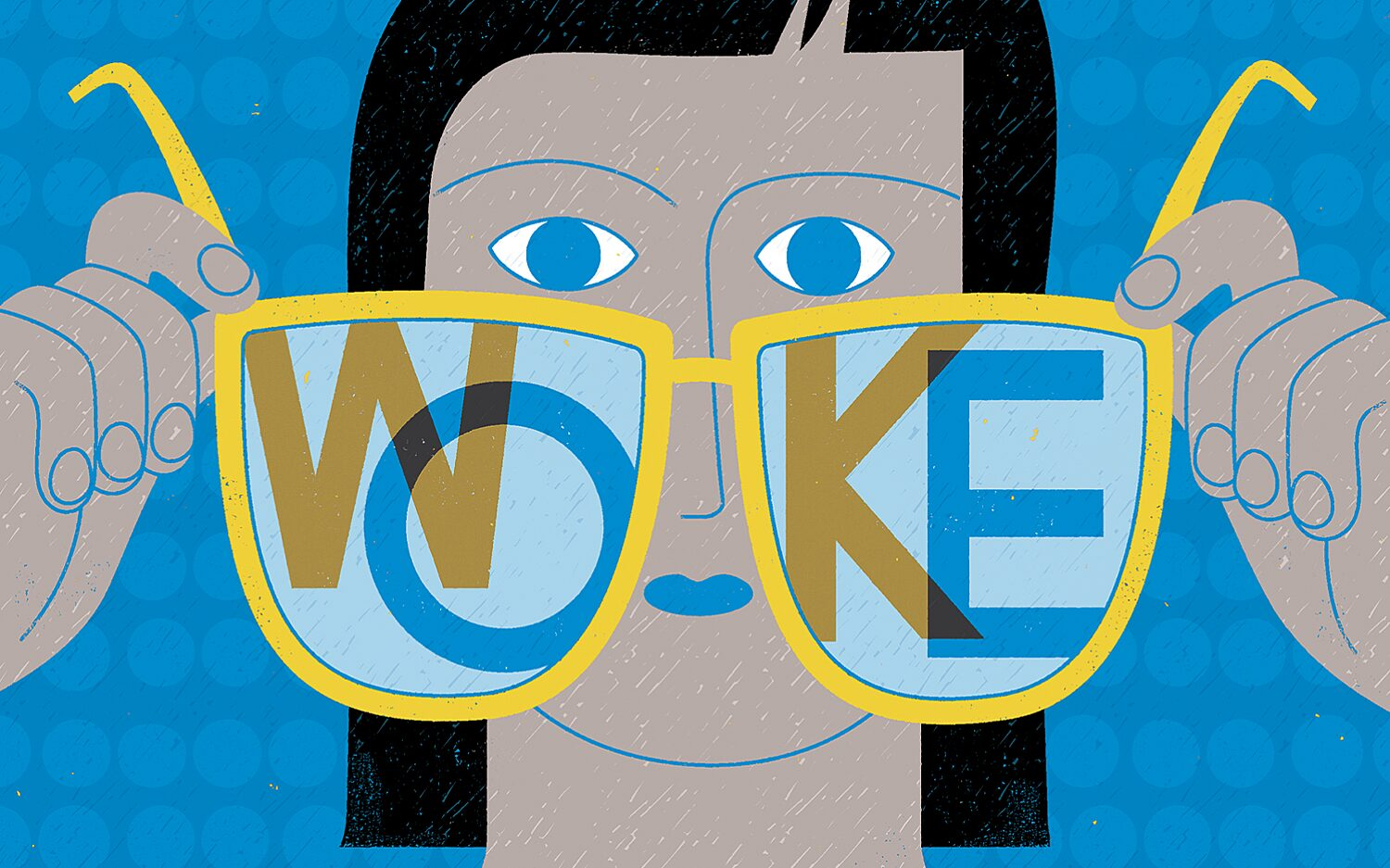
A Brief Note/Rant On The Definition Of “Woke”

As a general rule, I never argue semantics with people. I find those debates to be the least productive conversations in existence. Because when people just argue about the words they’re using, there’s no room for anything of substance. It just devolves into a shouting match between whose definitions are more valid.

This happens a lot in comments sections, political debates, and arguments that get completely derailed. But lately, I feel like it’s happening for even dumber reasons than usual.

One reason, in particular, that keeps coming up has to do with the definition of a very particular word. Now, brace yourself because the word I’m about to use is bound to invite all sorts of anger, vitriol, controversy, and disdain. It’s a word I’ve heard well-meaning people use as often as trolls and grifters. But it’s a word we can’t seem to escape, let alone define.

That word is “woke.”

I know. I just alienated 95 percent of the internet by typing it out. I understand that I just invited the most hateful/idiotic/misguided assholes to endlessly whine about how I’m some sort of agent of a secret cabal bent on destroying Western civilization.

To all those people, go fuck yourselves.

Seriously, fuck off to the end of the multiverse and stay there. You’ll be doing the human race a favor.

But I’m still going to talk about the word “woke” because it’s been thrown around more than empty condom wrappers at a brothel. It’s said at least 100 times a day on right-wing news outlets, usually as an insult or something meant to discredit a certain position. It’s often used by politicians, grifters, trolls, and many other objectively terrible human beings who seek only to harass, demean, and denigrate anyone who commits the high crime of disagreeing with them.

It’s also used by a lot of people who really don’t understand it. Some of those people are entirely well-meaning. I’ve heard my own parents use the word, often with a sense of exasperation and frustration. Now, I love my parents to no end. I even know they visit this website.

But seriously, they do not know what the word means and the way they’re using it is not that different from how asshole trolls use it. So, to that non-asshole contingent that includes parents, friends, and other well-meaning people, I’m here to clear up the definition of woke.

Since nobody will believe me if I cite a dictionary or some other source on the web, I’ll just keep it simple. Brace yourself again because I’m about to reveal the true meaning of woke and it might just make you uncomfortable.

Woke: To be aware of the political, economic, and social injustices within a system and to advocate efforts to rectify those injustices.

Seriously, that’s it. That’s what the word means. That’s what the concept has historically entailed, long before Fox News began using it to bemoan every single policy that dares help someone who isn’t a straight white male billionaire.

It’s just a way of denoting a real understanding about the injustices in the world. Those injustices cut across many walks of life, extending to race, religion, sexuality, gender, and so many other distinctions.

And those injustices are real. You can prove it. You need only look at census data and history books to find it.

Most decent human beings understand that such injustice is wrong. Most also understand that in a fair, just, and civilized society, we should work towards righting those injustices and preserving whatever mechanisms ensure such justice. That helps everyone at every level.

People against such an idea are usually people tend to not want to change things, mostly because the current situation benefits them in some way. Sometimes, they’re just people who want an excuse to not change anything they’re doing, either out of laziness, apathy, or spite. I’m sure there are other distinctions, but I won’t speculate on the particulars.

So, with this in mind, I ask this next question honestly and sincerely.

Are you going to change how you use the word “woke” and how you react to it?

And if not, why?

Seriously, why is it wrong or controversial to be aware of the various injustices in this world?

Why is it wrong to want to try and fix those injustices in some meaningful way?

I don’t deny that some people go about it the wrong way. There’s a time and a place to argue the gender and sexuality of video game characters, but this isn’t it. This is about real injustice in the real world.

And if you understand this concept and still think woke is a bad thing, then I don’t know what else to say other than think hard about what you’re protesting. And if that’s still too much for you, then just fuck off.

2 Comments

Filed under political correctness, politics, rants

Remembering And Learning From The Satanic Panic

This is another video from my YouTube channel, Jack’s World. This video is a brief video essay, as well as a reflection of sorts, on the Satanic Panic of the 1980s. It’s an issue that has suddenly become more relevant in recent years and for all the wrong reasons. But the circumstances (and absurdities) of what happened in the 1980s were unique. And they’re worth learning from, especially if those with agendas are intent on starting a whole new panic.

Leave a comment

Filed under Current Events, Jack's World, politics, psychology, YouTube

A Beautiful (Real) Love Story About How A Nun And A Monk Fell In Love

It’s easy to be cynical these days.

It’s easy to be downright fatalistic, at times.

I know I’ve been both, especially during the last election. In hindsight, I regret being so dire. That was not helpful to anyone and I sincerely apologize to those who felt my rhetoric was too dark.

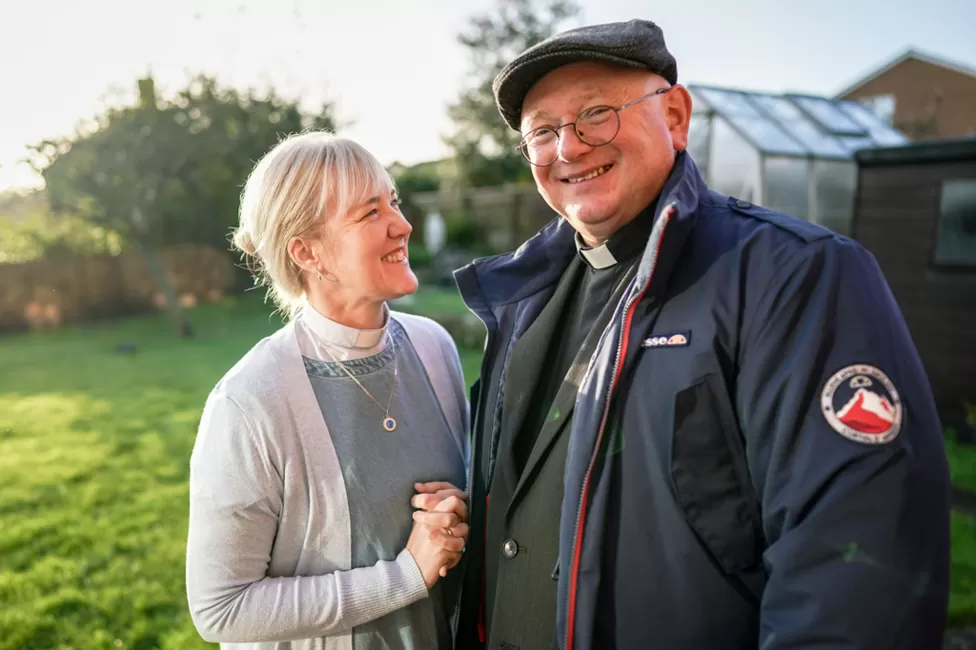
In an effort to balance all the distressing, dire news that seems omnipresent, I’d like to share a rare, but beautiful story that I came across. It’s a real, actual love story involving two real living people. It’s not overly sordid. It’s just a genuinely sweet love story involving a monk and a nun who fell in love.

I admit that sounds like a plot from a romance movie or a cheesy novel that someone like me would probably read, but it’s actually something that happened. Robert was a Carmelite monk in Oxford and Lisa Tinkler was a Carmelite nun. They had chosen to dedicate their lives to this strict, religious order. They each had religious experiences in their youth and, by most accounts, took their vows seriously.

Then, they met. Sparks flew. The chemistry was subtle, but real. And ultimately, love did what it did and they eventually got married.

But don’t think for a second this cost them their faith. If anything, their faith was a big part of it. Even as someone who tends to be very critical of organized religion, I find that genuinely beautiful. They live a life that seems antithetical to finding true love, but they still found it. Even if you’re not a romantic, you can’t deny there’s something genuinely sweet in that.

There’s a lot more I could say about a story like this, but I’ll just this article from the BBC tell their story. If you’re still cynical after reading it, then you’re just being difficult.

BBC: The Nun and the Monk Who Fell in Love and Married

Twenty-four years after becoming a nun, it was a brief touch of the sleeve of a monk in the parlour of the convent in Preston, Lancashire, that changed everything for Sister Mary Elizabeth.

The prioress of the order had taken her to meet the friar Robert, who was visiting from a priory in Oxford, to see if he wanted anything to eat. But Sister Mary Elizabeth’s superior was called away to take a phone call, so the two were left alone.

“It was our first time in a room together. We sat at a table as he ate, and the prioress didn’t come back so I had to let him out.”

Sister Mary Elizabeth had lived a devout, austere and mostly silent life as a nun, spending most of her days in her “cell”. As she let Robert out of the door, she brushed his sleeve and says she felt something of a jolt.

Twenty-four years after becoming a nun, it was a brief touch of the sleeve of a monk in the parlour of the convent in Preston, Lancashire, that changed everything for Sister Mary Elizabeth.

The prioress of the order had taken her to meet the friar Robert, who was visiting from a priory in Oxford, to see if he wanted anything to eat. But Sister Mary Elizabeth’s superior was called away to take a phone call, so the two were left alone.

“It was our first time in a room together. We sat at a table as he ate, and the prioress didn’t come back so I had to let him out.”

Sister Mary Elizabeth had lived a devout, austere and mostly silent life as a nun, spending most of her days in her “cell”. As she let Robert out of the door, she brushed his sleeve and says she felt something of a jolt.

“I was a little bit shocked. I wore a veil so he never even saw my hair colour. He knew nothing about me really, nothing about my upbringing. He didn’t even know my worldly name,” she recalls.

Before entering the Carmelite order – an ancient order of the Roman Catholic church – at the age of 19, Sister Mary Elizabeth had been Lisa Tinkler, from Middlesbrough.

Though her parents had not been religious, an aunt’s pilgrimage to Lourdes awakened something in six-year-old Lisa, such that she asked her father to build an altar in her bedroom.

“I had a little statue of Our Lady on it and a little Lourdes water bottle. Actually, I thought it was the bottle that was holy and not the water – so I was just filling it from the tap and drinking the water,” she says.

Lisa would make her own way to one of the Roman Catholic churches in her home town and sit alone in the second pew – where she says she developed an overwhelming love for the Virgin Mary, mother of Jesus, and ultimately a feeling she had a vocation.

A weekend retreat at a monastery while she was still a teenager convinced her of her calling. The monastery was run by Carmelite nuns from an order that had origins in the 12th Century and where the life was particularly spartan, secluded and strict – but she decided that was precisely the life she wanted to lead.

Though Lisa had wanted to join immediately, her mother – who was troubled by her daughter’s decision – secretly wrote to the monastery to delay her departure for a few months, so Lisa could spend one more Christmas at home. She joined in the new year.

“From then I lived like a hermit. We had two recreation times a day, about half an hour, when we could speak, otherwise you were on your own in your cell. You never worked with anybody, always on your own,” she says.

Over the years, Sister Mary Elizabeth felt her vocabulary diminish as she had little more to talk about with the other nuns – who were all decades older than her – except the weather and the nature in the garden. She saw her mother four times a year through a grille.

“When I had my 21st birthday, my cake and my cards were all passed through the drawer. And when my nephew was born he was passed through a kind of turntable,” she chuckles, looking back on it all quite fondly.

She describes the way she felt her “interior world” open up as the outside world closed to her. There was a sense of feeling content and fulfilled. But, that day in the convent parlour, it all changed with the touch of a sleeve and a message asking if she would walk away from monastic life and get married.

Sister Mary Elizabeth didn’t give Robert an answer to his question and did not know what to do.

He may have known nothing about her, but she knew a little about him.

On his visits from Oxford to the Carmelite retreat centre in Preston he had occasionally come to say mass at the nearby monastery and Lisa had watched his sermons from behind a grille.

Through hearing his anecdotes as he preached, she got snippets of a life growing up in Silesia in Poland near the German border, and about a love of mountains. Though she says at the time it did not feel like it had a profound impact on her.

Now, suddenly, that had changed.

“I didn’t know what it feels like to be in love and I thought the sisters could see it in my face. So I became quite nervous. I could feel the change in me and that scared me,” she says.

Sister Mary Elizabeth eventually plucked up the courage to say to her prioress that she thought she had feelings for Robert, but the response she got was disbelief.

“She couldn’t understand how it had happened because we were in there 24/7 under her watch all the time. The prioress asked how I could have fallen in love with so little contact,” she says.

Sister Mary Elizabeth had imagined the reaction of her family, or of her bishop, if she left. She also wrestled over whether her relationship with God would change.

But the interaction with her superior caused her to do something uncharacteristically impetuous.

“The prioress was little bit snappy with me, so I put my pants and a toothbrush in a bag and I walked out, and I never went back as Sister Mary Elizabeth,” Lisa tells me now.

Robert had messaged her to say he was planning to visit Preston again that evening. This time, it was to meet a Carmelite friend for advice at a nearby pub, the first person from the order he had trusted to tell of his and Lisa’s predicament.

Lisa guessed they would be meeting at the Black Bull about a mile up the road, so that was where she decided to head.

But instead of it being a joyful moment, Lisa was thrown into deep turmoil that November night in 2015.

“The rain was lashing down as I was walking along the Garstang road. The traffic was coming towards me with bright headlights and I just thought ‘I could just finish this,'” she says, referring to a momentary suicidal thought.

“I was really struggling, I thought I should just stop this from happening and Robert could get on with his life. But I also wondered if he really meant what he said about getting married.”

But Lisa kept walking until she found herself on a Friday night drenched, without a coat, in her habit outside the Black Bull. She only plucked up the courage to go inside when she saw the monk inside through an open door.

“When I saw her, my heart stopped,” says Robert.

“But actually I was paralysed by fear not by joy, because I knew in that moment that I had to be entirely for Lisa, but I also knew we were not practically ready for that,” he says.

Robert had been a Carmelite friar for 13 years by this point. He was a thinker, academic and theologian who came to monastic life in a search for meaning during what he describes as a crisis of faith and identity.

Looking back now, he feels his roots made that confusion almost inevitable – growing up in a region that recently transitioned from Germany to Poland, with a Lutheran father and Catholic mother.

But it was a dark period after a failed relationship that led him to continue his search for fulfilment in England where, in spite of the Lutheran Protestant theology he had settled on, it was in a Carmelite Roman Catholic monastery where he found his solace.

“I didn’t know much about Carmelites before and had not considered being a monk. In fact, I was always very suspicious of this kind of expression of faith,” Robert says.

But he says the order taught him how to embrace darkness, difficulties and crisis to the point where he felt settled. However, the encounter with Lisa – who he barely knew then as Sister Mary Elizabeth – turned his life upside down.

“That touch of Lisa’s on my sleeve started a change, but while I felt something gradually growing in my heart, I don’t think I ever reached a point where I felt I was crazily falling in love, because in becoming a monk or a nun they teach you how to deal with emotions like love,” says Robert.

He explains that his message to Lisa asking if they could marry was almost an intellectual tussle with himself.

“When she appeared at the pub the little demon in me was terrified. But my fear was not religious or spiritual, it was purely about how I would start a new life at the age of 53,” he says.

The transition was difficult, particularly at the beginning. Lisa remembers a moment just before Christmas, soon after they had both left their monastic lives.

“I looked at Robert and he was distressed and crying. At that moment we both hit rock bottom and it felt like we should just take something like Romeo and Juliet and just end it,” says Lisa.

“It was so hard because he both felt so alone and so isolated and didn’t know the way forward. But we just held hands and we got through it,” she says.

They describe the moment at the job centre when they both burst into tears when asked about their transferrable skills – and another time when they were driving from Preston to Yorkshire.

“I had ordered a book in Polish about nuns who had left their orders for various reasons. I read and translated it for Lisa in the car, but she had to pull over on the M62. We both needed to cry because their stories were so emotional and we could relate to them,” says Robert.

What brought them peace was the thing that guided them to their monasticism in the first place – connecting with their personal faith.

“All through your religious life, you’re told your heart is supposed to be undivided and given to God. Suddenly I felt like my heart was expanding to hold Robert, but I realised it also held everything else that I had. And I didn’t feel any different about God, and that was reassuring to me,” says Lisa.

Lisa first found work at a funeral home and later as a hospital chaplain. Though he was upset by a letter from Rome telling him he was no longer a member of the Carmelite order, Robert was soon accepted into the Church of England.

They both did get married, and now share a home in the village of Hutton Rudby in North Yorkshire – where Robert has been made a vicar of the local church. They are still on a journey to adjust to life outside the monastery.

Lisa in particular, who had been isolated for 24 years and not had the academic life Robert had before, talks of feeling like an observer in the outside world. Only now is she working out what hair styles and clothes work best for her after a life in a habit.

They both still yearn for elements of monastic life, Lisa even says that if it was not for Robert, she would return to being a Carmelite nun tomorrow.

“We became so used to the silence and the solitude, that’s hard to find in the business of the world, you get pulled in so many different directions, so it’s a constant struggle for me and Robert to remain centred and grounded,” says Lisa.

But they have found a solution that works.

“I often think I live in a monastery here with Robert, like two Carmelites where everything we do is given to God. We anchor ourselves in prayer but love can make a sacrament of everything you do and I realise nothing has really changed for me,” she says.

Lisa says they both agree there are three of them in the marriage.

“Christ is at the centre and comes before everything. If we were to take him out of the equation, I think it wouldn’t have lasted really.”

Leave a comment

Filed under real stories, romance, Uplifting Stories

Why You Should Be (Very) Skeptical Of The “He Gets Us” Commercials

In general, I don’t care for commercials. Unless they’re for an upcoming movie I’m excited about or some local pizza shop I haven’t tried, I tend to ignore or skip them. I’ll even mute them during a live broadcast. I just find them that unremarkable.

But every now and then, a commercial will come along that really annoys me. It’s not just the aesthetics of the commercial, the cheesy nature of the scenario, or the annoying jingles that some devious marketing team conjured. It’s the overall substance of the commercial and what it’s ultimately selling. Because it’s one thing to advertise in hope of selling a product. It’s quite another to advertise in hope pushing a questionable agenda.

This is how I feel about the recent flood of the “He Gets Us” commercials that have been popping up lately. If you’ve been awake and coherent for any commercial break lately, you’ve probably seen them. They’re part of a PR campaign by Christian organizations like The Signatry and billionaire activists like David Green, the co-founder of Hobby Lobby.

And it’s not a cheap, low-level campaign either. According to NPR, it’s part of a multimillion-dollar effort intended to change or influence the public perception of Jesus Christ and Christianity, in general. There’s even plans to air a special commercial during the Super Bowl, which is not a cheap endeavor.

That alone should hint at the ambition behind this effort, as well as the deep pockets of those funding it. As for the commercials themselves, they all have a very distinct tone.

You’ve got these dark backgrounds depicting people who appear real and genuine.

They’re often include messages about how Jesus was a refugee, hated hypocrisy, and was unfairly persecuted for his beliefs.

They often end with the tagline message that Jesus gets us and with references to the organization.

Anyone who has a passing familiarity with Christianity and the bible probably knows these details about Jesus Christ, already. Even if you’re not a Christian, it’s nearly impossible to live in the United States and not be aware of basic Christian ideas. That alone makes the idea of a campaign to inform and educate people about Jesus’ life seem somewhat redundant.

However, it’s the bigger picture behind the message and the larger trends in organized religion that genuinely concern me. Because even though the message seems uplifting and benign, it’s important to understand who it’s coming from and why.

In case anyone has forgotten, the family behind Hobby Lobby has also been behind a number of court cases and legal efforts to promote “religious freedom.” I put that term in quotes because it’s a very politically charged term. In America, when most people talk about religious freedom, they’re usually referring to the rights of mainstream Christians to oppress, denigrate, or discriminate against minorities, usually individuals of the LGBTQ+ community.

To them, religious freedom means the ability to refuse service to people based on their sexuality, race, or gender identity.

To them, religious freedom means the ability of their particular religion to get special treatment and protections by the state. They’ll rarely say anything about Jewish or Islamic communities getting similar treatment.

To them, religious freedom means being exempt from laws or policies about women’s health care, adoption, or science.

To them, religious freedom means the ability to indoctrinate their children on their terms through things like homeschooling or private schooling.

In essence, their struggle for religious freedom usually boils down to an effort for their brand of religion to have power, influence, and some measure of preferential treatment over the competition, be it other faiths or no faith at all.

Now, as always, I need to make clear that organizations and efforts like this do not reflect on the character of most Christians. As I’ve said before, most of the people in my family identify as Christian. Some are very active in their church. They are good, decent, loving people. And most of them couldn’t care less about the politics or private lives of others.

They’re goals are actually perfectly in line with the teachings of Jesus. They seek to help and comfort others through meaningful community-centered efforts. They don’t need multi-million dollar campaigns to do it. Their faith is enough for them. And if others join them in that effort, then everyone benefits. That’s a legitimately beautiful thing.

But efforts like “He Gets Us” attempt to go beyond those simple, smaller acts of piety. It’s attempting to reshape perceptions of the notion that being a Christian means being an intolerant, anti-science, anti-fun, anti-LGBTQ+, anti-woman, anti-abortion, pro-gun, pro-capitalism, anti-environmentalist bigot. Considering the damage the religious right has done to perceptions of Christianity, I totally understand that.

The problem is that those behind “He Gets Us” actively contributed to that perception. They’re the ones who funded organizations that opposed same-sex marriage, anti-discrimination bills, and political candidates who claim global warming is a hoax. They’re the ones who seek favorable treatment by the courts when it comes to refusing services to certain minorities or getting special exceptions from general business practices.

On top of that, organizations like Hobby Lobby and The Signatry have close ties to organizations like the Alliance Defending Freedom, a recognized hate group that often leads the charge in pursuing anti-LGBTQ+ and anti-abortion policies. You can definitely make the case that they actively contributed to the current situation regarding abortion in the United States.

It’s this disconnect that I find so troubling about these commercials. They send a message that the message of Jesus and Christianity is for everyone. It’s somehow a necessary message in the current cultural landscape. But it ignores the fact that religious right has effectively co-opted Christianity to create this current situation. And at no point in these commercials or in their promotional material does “He Gets Us” or the organization behind it apologize for that, let alone acknowledge it.

This initiative claims to want inclusivity, but ignores where that lack of inclusivity came from. It also ignores that Christianity, as an organization, has become a political force that advocates egregious injustices, outright inequality, and a distinctly fascist form of governance that a large segment of the population has embraced. Like it or not, Christianity is closely tied with a brand of politics that is completely antithetical to nearly every core teaching Jesus Christ ever espoused. To not acknowledge or confront that is like trying to change a tire on a car that’s actively on fire.

In that sense, the agenda “He Gets Us” feels less like an effort to redress actual missteps of modern Christianity and more like damage control. It comes off as oil companies trying to shirk responsibility for climate change by claiming they care about the environment too, but refuse to stop polluting.

Again, I’m not trying to say every Christian is responsible for the misdeeds of a select few, nor am I saying someone is a bad person for identifying as a Christian or even contributing to organizations like this. It’s critical to distinguish the individual people from the nefarious agendas that organizations push. If there’s one message I’d like to convey about “He Gets Us” and the message they’re trying to sell, it’s this.

Be very skeptical of their agenda.

Be very skeptical of any religious organization that chooses to spend millions of dollars on TV ads to address a PR problem that they’re responsible for.

If you truly do believe in the values and teachings of Jesus Christ, then you don’t need commercials or politically connected organizations to practice them. You just need faith and a desire to be decent to other people, even if they don’t agree with you.

Leave a comment

Filed under Current Events, politics, rants, religion, television

Combating Hate And Politics With Kindness (With Lessons From Mr. Rogers)

We live in a strange time.

I know you could say that about many other periods in history. Even within my own lifetime, I’ve experienced periods that are well beyond the scope of what we think of as normal. The recent upheavals with the COVID-19 pandemic certainly qualify.

But as overwhelming as that was, I still find today’s current state of affairs both unusual and striking. It’s not just that things are changing so fast and we’re all struggling to keep up. That has been a constant for much of the modern world. It’s more that people seemed so overwhelmed, so upset, and so frustrated that they’re forgetting the most basic elements of getting along with fellow human beings.

It’s true. People have always been mean, hateful, and downright cruel to one another. You don’t have to look far into the recent or distant past to see humans committing egregious atrocities on other humans. And I certainly don’t deny there have been worse times in that regard. If you’re alive today, you should consider yourself somewhat lucky. It wasn’t that long ago that such atrocities were both disturbingly common and largely unpunished.

But even with that perspective in mind, I feel like our collective capacity to hate one another has escalated considerably. You could blame politics, going back to the 2016 Presidential Election or even the 2008 Presidential Election. You could also blame the media, pop culture, social trends, religion, and everything in between. I know I’ve criticized those things plenty and will likely continue to do so in the future.

At the end of the day, though, I understand there’s only so much you can do to influence another person. Whether it’s on politics, personal tastes, or personality quirks, we’re all still individuals. We still have our own thoughts, feelings, and biases. That has always been the case. But I can’t recall a time when those elements we all share have been the fuel for so much outright hatred.

It’s easy to notice online, but it’s happening more and more in real life. Real people are committing real acts of violence and hatred towards other people for the simple crime of not agreeing with them on something, be it politics, ideology, or pop culture. It’s getting to a point where the disagreements don’t even have to be about something big like politics or religion. Just being different and existing is now sufficient to invite someone’s hatred.

That is not a tenable state of affairs.

That is not good for individuals, people, or the world in general.

You can blame the internet and political polarization all you want on this, but that only goes so far. At the end of the day, it’s people who still act. It’s people who still speak and send messages through various mediums, be it mundane or hateful. The tools we use don’t create the hate. They may reinforce and spread it. But like it or not, we are the ones that create it. We are the ones that use it as excuses for violence and hate.

I don’t deny that I’ve said dumb things on the internet. I’ve expressed hateful sentiments, both in real life and online. I’m only human and I do regret it. But I also try to counter those inclinations with something stronger. And as I’ve gotten older, I’ve come to realize that doing so is not that difficult. It doesn’t even require some kind of radical rethinking of your current thoughts, beliefs, or biases.

It all comes down to a simple approach.

Be kind.

That’s it. That’s really all you need to counter so much of the hate and mistrust that seems to infect our world at every turn. It may sound simplistic or cliched, but make no mistake. There’s real power in kindness. Most people understand that on some levels. But one man, in particular, dedicated his life to understanding it. You’ve probably heard of him. His name is Fred Rogers, better known to generations of kids as Mr. Rogers from “Mr. Rogers Neighborhood.”

Now, there’s a lot I could say about him and his message. There are no shortage of stories about him that are so heartwarming, they help renew your faith in humanity. But in the spirit of keeping things simple, I’ll just share this clip that I think best explains the true power of kindness.

Please take Mr. Rogers’ message of kindness to heart. In a world as divided as ours, a little kindness goes a long way.

2 Comments

Filed under Current Events, human nature, Jack Fisher's Insights

More Young Men Are (Unsurprisingly) Getting Vasectomies (And Why I’m Considering It Too)

Every now and then, you come across news that’s so unsurprising that it should hardly qualify as news. To report it is asking to reporting that the sun rose the other day. You don’t need reporters, scientists, witnesses, or researchers of any kind to affirm you. Anyone with semi-average intelligence could’ve inferred the same events.

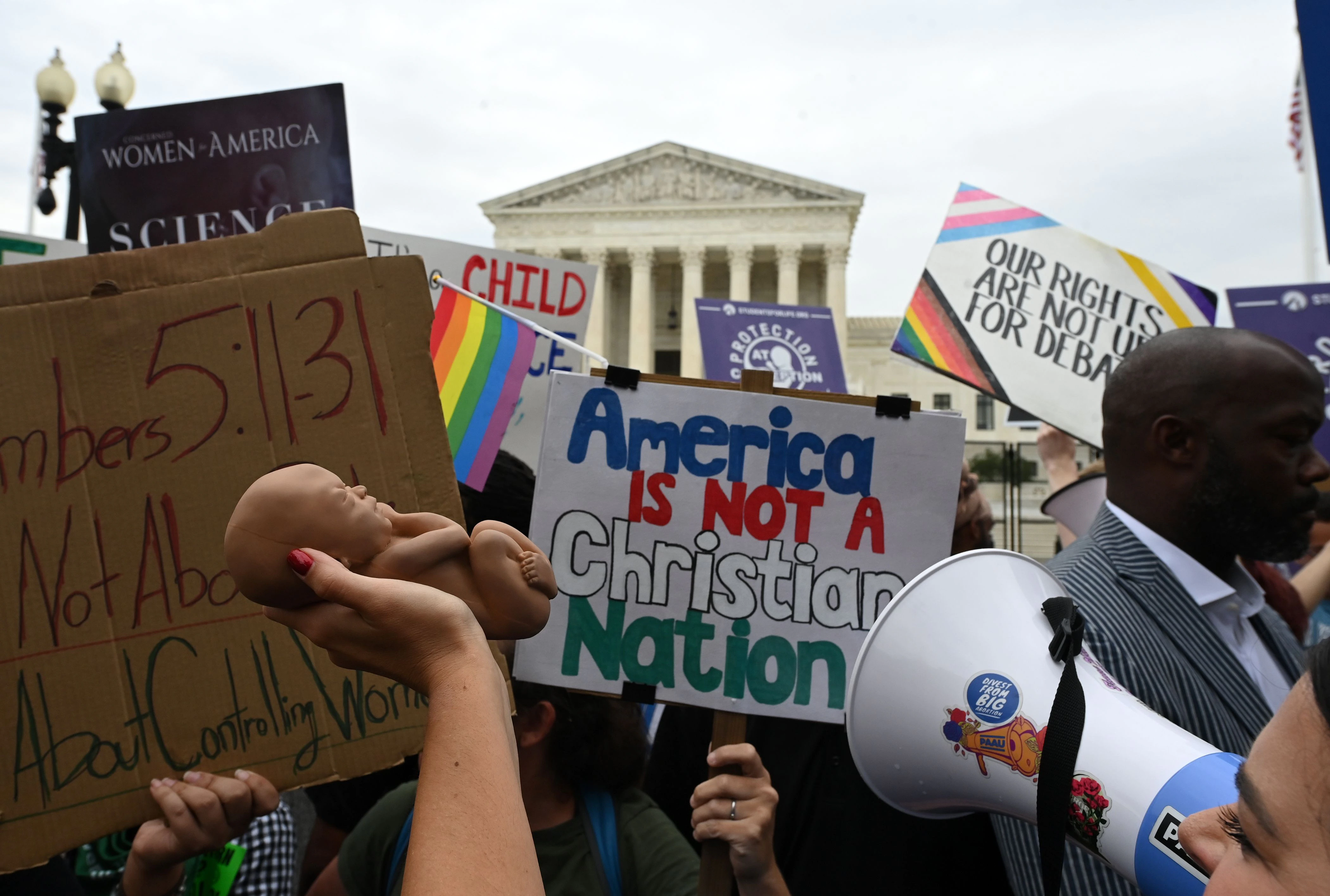
So when the United States Supreme Court overruled Roe v. Wade and effectively ended the constitutional right to abortion access, most competent people could infer there would be consequences. You don’t strip half the population of a critical right that they’ve held for over 40 years without incurring some sort of reaction. While that reaction has played out in many ways since the ruling, I want to highlight one in particular. And it’s a story that I doubt will surprise anyone.

It has to do with men getting vasectomies. Because shortly after this ruling came down, there was a major uptick in men seeking vasectomies.

Many of these men were also quite young, some still being in their early 20s. Many didn’t even have any kids and were basically undergoing a procedure that would make it nearly impossible for them to do so.

Now, as a man and as someone who has a functioning news feed, I get it. This ruling was dramatic and far-reaching in so many ways. It’s enough to make anyone of any gender think twice about having kids. It has certainly given me pause. But I also think it’s worth putting this trend into perspective.

Yes, it will definitely impact women in a far greater way.

Yes, women will suffer much more as a result of this ruling.

That is beyond dispute. There’s nothing political about that statement. There have already been documented cases of just how much women are suffering because they cannot get an abortion. But for men, the concerns are still personal, albeit in a less direct way.

Now, depending on which state you live in, there’s a much greater cost to getting a woman pregnant, be it your girlfriend, your wife, or your mistress. Some of that can be measured in terms of dollars. If women are forced to carry that child to term, you’re paying for it one way or another. It might be in the form of child care, pre-natal care, or child support. Even without the emotional cost, you’ll still pay a high price.

Even if you’re happily married and actually want kids, you may still have to pay in other ways. If your wife can’t get an abortion and has a complicated pregnancy, then not only is she more likely to suffer greater, her life could very well be at risk. In the worst case scenario, she might end up dead because the state won’t allow her to terminate a pregnancy that’s doing irreparable damage to her body.

By nearly every measure, it’s a bad situation for everyone involved. A world where the state can force people to have kids they don’t want or deny them certain care that would alleviate their suffering is not a tenable situation.

For that reason, I don’t blame any man for seeking a vasectomy. Whether they just don’t want kids, they don’t want to put their partner in danger, or they just hate wearing condoms, it’s understandable. And there’s a high probability that this situation will get worse before it gets better. It may even never get better.

That’s because more than one conservative mouth piece has said that they’re going to go after contraception now that they’ve won the abortion battle. These reactionaries aren’t being subtle anymore.

They’ve made it clear that they want to turn the clock back.

They want to undo the sexual revolution.

They want to undo feminism.

They want to regress society back to a state where women were just breeding mares and men were just drones who only existed to work and sire more drones/mares.

While we can and should fight back against these right-wing fascists, I no longer have hope that we can win that fight. These people don’t play by the rules. They’ve proven time and again that they will lie, cheat, and bully their way to impose their agenda, even when it’s unpopular. And since too much of the population is stupid, gullible, and ignorant, they’ll go along with it in the name of trolling people they don’t like.

That is not a promising future, nor is it one I’m looking forward to. I do hope I’m wrong. But based on what I’ve seen these past few months, I am starting to accept that we’ve already crossed a point of no return.

I’m still relatively young. I currently am not married and I have no kids. Just a few years ago, I was fairly confident in what I wanted for my future. I wanted to find the love of my life. And I wanted to have kids of my own one day. But in wake of recent events, that sentiment has changed.

It’s not that I don’t want kids or oppose anyone else having them. I just feel like if I did have kids at this point, I would be bringing them into a world that’s going to get progressively worse for them. If I have a daughter, she’ll grow up in a world where the state will gladly make her suffer in the name of conservative values. And if I have a son, he’ll grow up in a world where many of the fun, freedoms, and joys that I had will have been taken away from him.

Again, I really hope I’m wrong. I really hope the current trends change in a major way. But I’m old enough to have noticed a recurring pattern in the global political landscape. Things will get worse because there are too many incentives for those who have or are seeking power.

For that reason, and a few others I prefer not to share, I’m seriously considering getting a vasectomy. I know it’s a big decision and one that would have a significant impact on my personal life, especially if and when I do meet that special someone. But given the current state of the world, it feels like the right decision for me and for whatever children might have been born in this increasingly distressing world.

That’s not to say I’m ready to make my appointment with my doctor. This is just something I’m seriously considering at the moment. And when I do ultimately make my decision, I want to be certain it’s the right one.

I also understand that I may have to make this decision sooner rather than later. Because if the courts are capable of banning abortion, then they’re just as capable of banning vasectomies.

1 Comment

Filed under Current Events, extremism, politics, sex in society, sexuality

A Frightening (But Possible) Scenario For The Near Future

It has been a strange, scary, and distressing time for the United States of America. Anyone who has been following the news in any capacity these past five years would likely agree. Between the politics, the culture wars, and people whining about female characters in “Star Wars,” it has gotten quite ugly.

I also sincerely regret that I have likely contributed to that ugliness at times. I don’t deny that I have written things on this site that, in hindsight, were probably misguided in terms of both intent and overall point.

However, I won’t go so far as to delete what I’ve written or deny that I ever felt differently than I do now. I just accept that there have been times in my life where I believed, accepted, and propagated things I thought to be right, but eventually realized were wrong.

That’s neither good nor bad.

That’s just life and how your perspective changes with time.

Except now, I’m at an age where it’s a little easier to see the forest from the trees, with respect to current events. Not long ago, I thought I understood the general arc of politics, trends, cultural issues, and what not. I could see the patterns that began with people whining about Marilyn Manson and “South Park” in the 90s and culminated with people whining about diversity in children’s shows and boob armor today.

I now realize I was wrong, yet again.

I didn’t know just how messy, regressive, and irrational these issues could be, even in a first world country like the United States of America.

If I ever gave the impression that I was more informed than most, I apologize. I’m not. I know now that I hadn’t been on this planet long enough to see just how bad things could get or how much large groups of people could collectively deny objective reality.

As a result, the optimism with which I once harbored about the future of America and the human race in general has taken a severe hit. I won’t say it’s utterly dead, but it is on life support at the moment. With each passing day, I see people with objectively un-American ideas about freedom claiming they’re the true patriots. I also see people exercising blatant, unambitious hypocrisy and paying no price and feeling no shame.

Now, in wake of the Supreme Court’s ruling overturning Roe v. Wade and setting abortion rights back 50 years, I’m just about out of hope. It’s not just that I’m strongly against forcing women to have babies they don’t want or using misguided religious zealotry to justify certain laws, policies, or positions. These are all positions that a vast majority of people don’t agree with.

The same goes for organized religion. It has been in steady decline for decades. Young people, especially, are no longer buying into this old dogma. Despite that, the religious right has never been more powerful and it shows no signs of waning. And I’ve been on this planet long enough to understand something disheartening and distressing.

When uptight, repressive people gain power, they seek to use it. And they will use it in ways that are bound to be unpopular, damaging, and destructive. Since my beliefs, politics, and background are not at all in line with these zealots, I will likely feel that impact. I might not feel it as much as others, but I will feel it.

I don’t claim to know the future. I also know that things always change, no matter how hopeful or bleak they seem. However, given the cycles I’ve seen and the trends I’ve seen throughout my adult life, I get the sense the direction of that change is not going in a good direction. Moreover, it’ll never go in the direction it needs to for more people to prosper.

In order to illustrate this sentiment, I want to offer the following scenario that may or may not be a result of ongoing trends.


The year is 20XX.

The White House, both sides of Congress, and the Supreme Court are dominated by conservative Christian republicans. They’ve spent the past two years furthering their agenda, passing wildly unpopular policies that curtail abortion rights, denigrate LGBTQ communities, undermine public education, and embolden politically connected religious organizations.

Now, the mid-terms are coming up and it looks very likely that they’ll lose control of Congress. Several prominent democrats even promise to block any further policies by the religious right. However, rather than accept the loss of power that comes with every election cycle, leaders in the religious right decide to take action.

First, they start passing laws meant to “preserve democracy,” but end up limiting peoples’ ability to vote.

Then, they start promoting stories claiming that the other side is preparing to cheat during the election.

Then, they elevate news stories of questionable credibility that claim operatives within the democratic party have been arrested or charged with potential election crimes.

Then, in the name of preserving democracy, the upcoming election is deferred several months.

Then, protests and outrage break out across many major cities.

Then, the republican president declares a state of emergency, which includes enacting martial law within multiple states, especially those likely to have democratic governors or majorities.

Then, the National Guard and local police are deployed to quell riots and ensure peace.

Then, mass arrests take place. The fact that many of those arrested happen to be democrats or minorities is claimed to be just a coincidence or unrelated.

Then, voting rights for those arrested and charged with crimes are suspended.

Then, “special elections” take place, but under strict rules governed by a republican Congress and many republican dominated state governments.

Then, democratic leaders sue and attempt to block the act, but the conservative Supreme Court rules against them.

Then, the election results are in and, despite vast swaths of the public not being able to or allowed to vote, the conservative Christian republican candidates win and win big.

Then, armed with this new power, they alter more rules regarding elections and legislation in the name of “preserving the peace” or “protecting the public” or “maintaining democracy.”

In the end, the only citizens who are allowed to or are capable of voting are conservative Christian republicans and the only candidates they can vote for just happen to be conservative Christians. As a result, more regressive laws are passed that are not at all popular, let alone constitutional.

But that doesn’t matter at this point. It’s too late. They have the power and they’re never letting it go again.


Now, what I just described is only one possible scenario. I freely admit it’s an extreme scenario, not unlike what played out in “The Handmaid’s Tale.” However, extreme or not, the possibility is there, as are the disturbing trends.

The reversal of Roe vs. Wade and the domination of the Supreme Court by conservative right wing Christian may very well be the first act in a new trend. I’ve seen throughout my adult life how bold and unapologetic these types of shameless bullies can be.

It doesn’t matter if they’re caught lying.

It doesn’t matter if they’re caught in an act of blatant hypocrisy.

It doesn’t even matter if someone finds out they paid their mistress to get an abortion.

They face no consequences and feel no shame. They keep getting away with their deplorable behavior and they have every incentive to seek more power and influence. So long as they get the right people to vote for them, use the flaws of the system to their advantage, and depend on the relative apathy of most citizens, they’ll remain in power and they’ll keep securing more.

That’s always the endgame. It’ll go on as long as there’s are new opportunities and no obstacles, be they laws or people, to get in their way. And at this point, I honestly don’t know if there’s enough obstacles anymore.

Encouraging people to vote doesn’t seem to work anymore because voting has become so diluted in the United States. Unless you live in a swing state, it really doesn’t matter.

Encouraging people to protest doesn’t seem to matter, either. At most, it just inconveniences people who are rich, powerful, and capable of hiring private security. They literally have no incentive to change anything about what they’re doing or why they’re doing it.

I wish I knew of a solution or recourse. I really do. Maybe there is and I’m just not smart enough to realize it, let alone articulate it. But at the moment, I’ve never been less hopeful about the future of the United States and the human race in general. I really hope I’m wrong about my current outlook, but I’m not sure what could change these distressing trends.

If we’re at a point where we can’t even agree on objective reality anymore, then what hope do we have of creating a better reality for our future?

Leave a comment

Filed under Current Events, politics