Tag Archives: FXX

The “It’s Always Sunny In Philadelphia” Filter: A Simple Process For Making Choices

How do you make good choices?

How do you know when something is right, just, and ethical?

How do you go about determining the morality and ethics of any given situation?

These are the kinds of questions that lawmakers, philosophers, scientists, religious leaders, and YouTube commenters debate constantly. It’s one of those deep, fundamental issues that everyone contemplates regularly, but few can claim to understand. The world is so chaotic and complicated. It’s incredibly difficult to surmise a simple, concise, consistent standard for making good choices.

However, there are ways of simplifying that daunting process. It may still be impossible to completely resolve such issues for every person in every situation, but we can make it easier. As it just so happens, one of the greatest TV shows of all time, “It’s Always Sunny in Philadelphia,” provides us with an important tool that also happens to be hilarious.

Using that tool is simple. It goes like this.

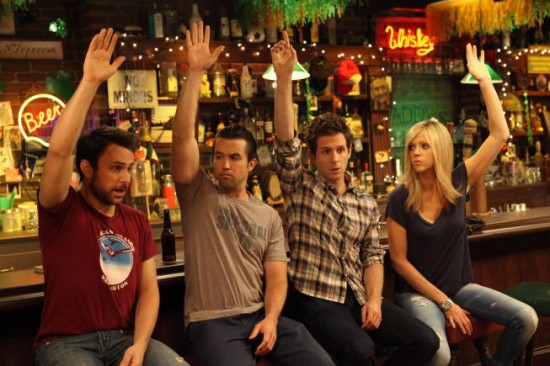
If a certain choice, response, or recourse seems like someone that the Gang would do in It’s Always Sunny in Philadelphia,” then chances are it’s not the one you should follow.

To anyone who has watched this show in any capacity, that makes total sense. For those who haven’t had a chance to watch this hilariously obscene middle finger to every sitcom ever made, here’s just a sample of what I’m talking about.

Even if you’re not familiar with the show, this should at least get you familiar with the implications. I’ve written aboutIt’s Always Sunny in Philadelphia” in the context of its masterful handling of dark comedy. I concede that this is one of those shows that isn’t for everyone. It’s hard to explain to most people the appeal of a show that finds humor in baby funerals, crack binges, and unauthorized Lethal Weapon sequels.

At the same time, it’s because this show dives head-first into dark comedy that it paints a clear picture on what goes into making bad decisions. There’s no getting around it. The characters in this show, also known as the Gang, are not morally upstanding people. In fact, they don’t even try to be moral. Nearly every episode involves them pursuing some elaborate plot based entirely on selfishness, greed, ego, or misguided pettiness.

They’re not stupid on the level of Homer Simpson or Peter Griffin, but they aren’t very smart either. Everything they do, from hoarding gasoline in an oil crisis to stalking a waitress, is incredibly simplistic. It can always be reduced to a basic level of selfish narcissism that never goes beyond basic.

It’s because the Gang’s choices are so basic and self-serving that the show is so funny in the first place. “It’s Always Sunny in Philadelphia” essentially takes the unique setup of a sitcom to amplify all the terrible traits and tropes that frequently go along with other shows that try too hard to be deeper.

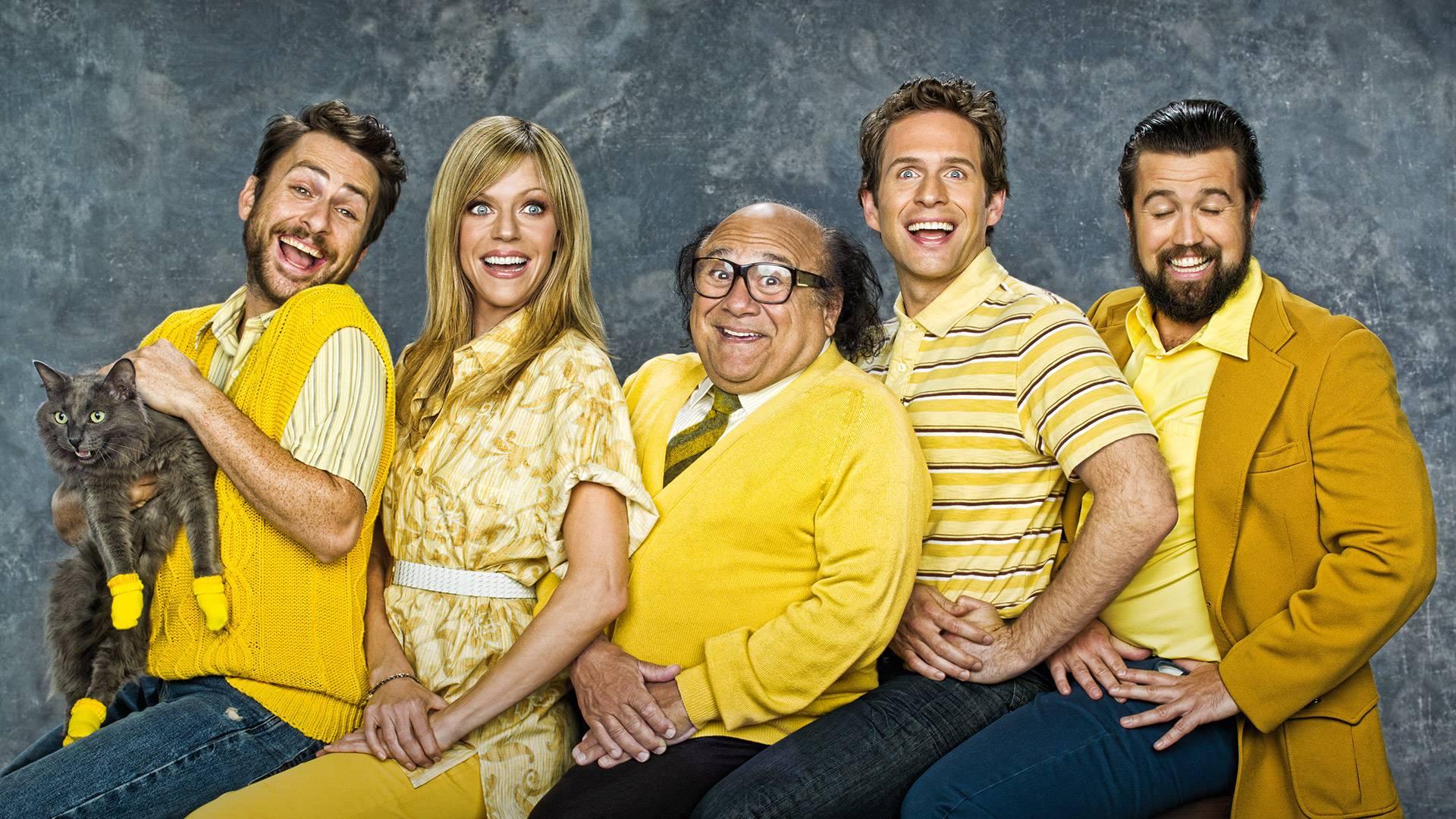
At its core, It’s Always Sunny in Philadelphia” doubles down on the simplicity of having characters who don’t even try to be moral. Through 14 seasons, the Gang actively avoids any effort to change or grow in a meaningful way. Charlie, Dee, Dennis, Mac, and Frank are the same selfish narcissists they are in Season 14 as they are in Season 4.

Even as the show has gotten bolder and more absurd with the Gang’s antics, their motivations are the same. They don’t need to be overly complex to be funny. That’s what makes these characters and the entire premise of “It’s Always Sunny in Philadelphia” such a great filter.

The next time you’re in a situation where you need to make a decision, try and apply this filter. What would Sweet Dee do? What would Frank Reynolds do? What would Dennis, Mac, and Charlie do? If you can determine that, then you can also determine exactly what not to do.

Even if it’s not specific, the moral filter of It’s Always Sunny in Philadelphia” can act as a reminder. If you’re going to be exceedingly selfish and narcissistic in making decisions, then you’re tempting fate the same way the Gang does with every absurd antic. Doing so will rarely pan out well for you and those around you.

If you need further proof, just look at Rickety Cricket.

Leave a comment

Filed under human nature, philosophy, political correctness, psychology, television

Why “It’s Always Sunny In Philadelphia” Is The Perfect Dark Comedy

sunny-920x584-1

Every TV show, from sitcoms to talk shows to adult cartoons featuring dimension-hopping super-genius, attempts to capture a certain theme and hone it to the utmost. They try to craft the right kind of characters who exhibit the necessary traits to convey those themes while still being memorable, likable, and endearing. On top of that, they have to do it for multiple seasons, at least until they achieve syndication.

It’s an enormous challenge. Few shows succeed and even fewer do so consistently. Even among those select few, there’s a risk that the characters and stories will get stale. Due to the nature of half-hour TV shows, there’s only so much you can do before Archie Bunker’s casual bigotry becomes more pathetic than funny. That doesn’t even get into shows that end up crashing and burning in the series finale.

Then, there’s a little show called “It’s Always Sunny In Philadelphia.” In the annuls of TV history, this show is basically a unicorn wrapped in gold, covered in diamonds, and encoded with the browser history of every active politician.

Pragmatically speaking, this is a show that should not have lasted 13 seasons. For one, it airs on FX, a network most people probably don’t know they have, if they actually have it. In addition, the show’s budget is incredibly limited. The pilot was allegedly shot for less than $100 by a cast of aspiring actors who had zero name recognition, at the time.

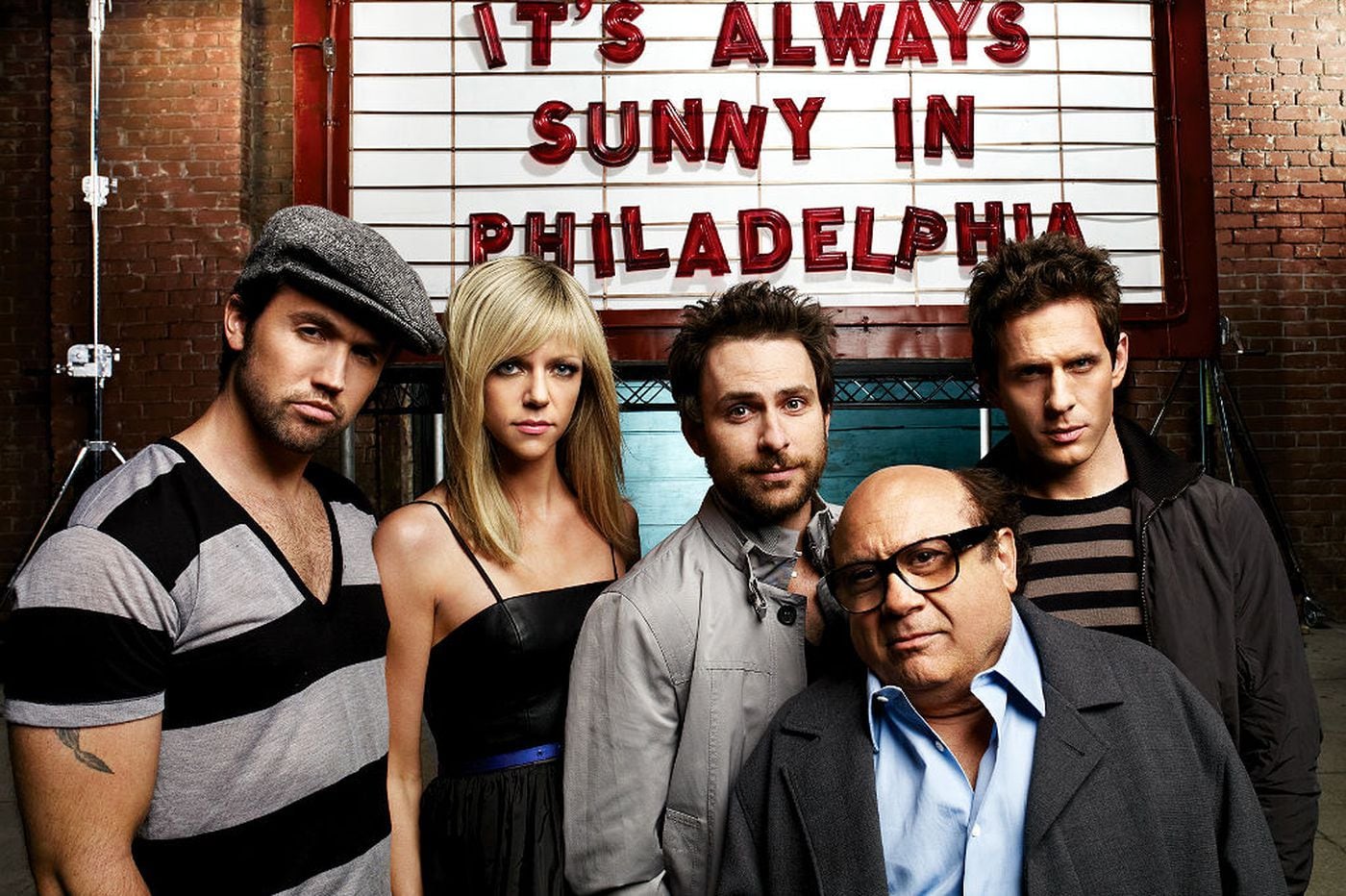
On top of that, there’s the premise of the show. In its simplest form, “It’s Always Sunny In Philadelphia” follows the shameless misadventures “the Gang.” This crew consisting of Charlie Kelly, Ronald “Mac” McDonald, Frank Reynolds, Dennis Reynolds, and Deandra “Sweet Dee” Reynolds basically take every traditional approach to making an enduring TV show and punches it in the kidneys.

This is a show where the characters will buy a boat with the intention of entrapping women.

This is a show where the cast will make an unauthorized Lethal Weapon sequel, complete with blackface, homoerotic subtext, and gratuitous sex scenes featuring Danny DeVito.

This is a show where two people are tricked into digging up the body of their dead mother.

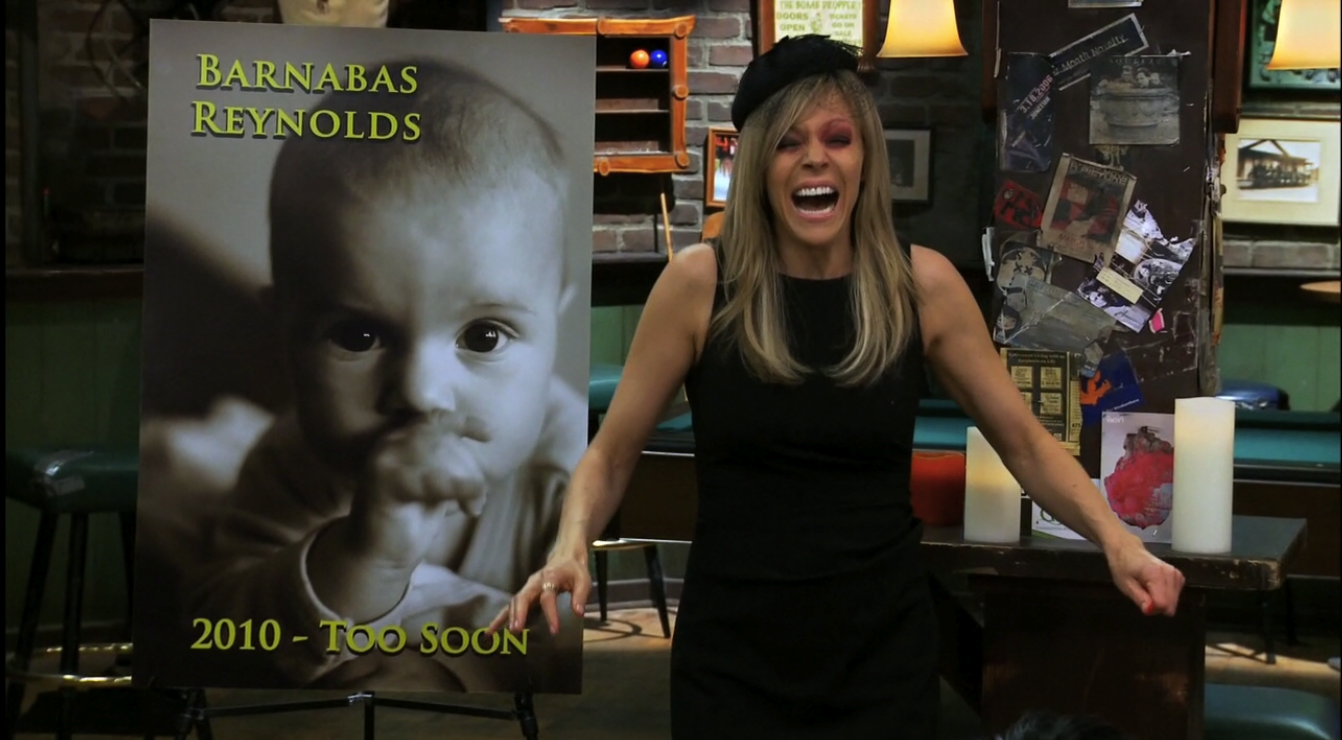
This is a show where you’ll see people hold a funeral for a baby to get out of a tax audit by the IRS.

These are not the activities of lovable characters. Even Shelden Cooper had moments in “The Big Bang Theory” where he came off as genuinely compassionate. With the Gang, there are none of those moments. Sometimes, they’ll be teased. In some episodes, the Gang will give the impression that they’re about to finally realize just how deplorable they are.

Trust me, they’re doing exactly what you think they’re doing and then some.

Ultimately, they don’t just revert back to their less-than-reputable selves. They demonstrate that they never had any intention of changing their ways. Anyone who believed otherwise either hasn’t watched more than two episodes of the show or are deluding themselves. As antithetical as this is for crafting a compelling TV show might be, it doesn’t change one inescapable fact.

It’s Always Sunny In Philadelphia” is funny, enjoyable, and obscenely entertaining.

It almost sounds like a paradox. As someone who only recently became a fan of the show, I have hard time explaining that appeal to most people in a way that doesn’t sound weird. It takes a moment to appreciate the appeal of watching a cast of self-absorbed, narcissistic alcoholics. However, within the tone and context of the show, it doesn’t just work. It achieves something profound.

Specifically, “It’s Always Sunny In Philadelphia” is the perfect manifestation of dark comedy at its finest.

Comedy, in any form, can be difficult. Jokes, gags, and bits can become overplayed and stale. There’s only so many times you can watch Charlie Brown fail to kick a football and still laugh. Dark comedy is even more difficult. It involves taking distressing, taboo subjects and trying to make them funny. Some, like George Carlin, can pull it off masterfully.

I like to think that if George Carlin were still alive, he would be a fan of “It’s Always Sunny In Philadelphia.” The show’s approach to dark comedy isn’t overly complex. It’s just exceedingly overt. It doesn’t try to balance out those dark themes with something serious or nuanced. It blatantly takes things to an extreme and dares to laugh at the absurdities.

Trust me, it gets more absurd than this.

Take, for instance, the funeral for the dead baby that I mentioned earlier. There are only so many ways you can make funerals and dead babies funny, but this show never shies away from a challenge. It also helps that every character in the Gang has the moral fiber of a Big Tobacco lobbyist on crack. They won’t just cross lines. They’ll make it a spectacle.

In this particular case, Sweet Dee is getting audited and for good reason. She acted as a surrogate to carry the child of a transgender woman that Mac used to date. Trust me, it’s more absurd that I can ever put into words. However, Dee didn’t do this out of the goodness of her heart. Nobody in the Gang is ever that altruistic. She did it because she got paid. Then, she decided to list the kid she gave up as a dependent for the tax benefits.

Naturally, this put her at odds with the IRS. Like every problem the Gang faces, she tries to run away from it or pass off the problem to somebody else. However, the problem only escalates. In most TV shows, especially half-hour sitcoms, this is the point where the characters face the consequences of their actions and try to learn from it. Instead, the Gang tries to resolve the problem by holding a baby funeral.

It’s undeniably dark, but the way it plays out is still funny. The way Dee and the rest of the Gang conducts themselves is so irreverent that the inherent darkness of the issue only makes it funnier. It shows just how far the Gang is willing to go to shirk responsibility and avoid consequences. It gets bad and it belabors just how irredeemable these characters are, but it’s still funny.

A big part of what makes that approach funny is how blatant this show is when it comes to the time-tested tropes that TV shows have relied on for decades. Take any show, from “Breaking Bad” to “Friends,” and you’ll see a concerted effort to develop and progress the characters over time. Ideally, they achieve some sort of ultimate goal by the end.

Instead of growth, the Gang actively avoids any effort at growth. Their only goal is to continue being the unapologetic assholes they’ve always been, drink heavily, and recklessly pursue whatever crazy ideas they come up with. Who they are in the first few seasons of “It’s Always Sunny In Philadelphia” aren’t considerably different than who they are in the latest season.

In any other show, characters who don’t grow and progress usually derail the underlying themes. Sometimes, that’s unavoidable. The very structure of a TV show, especially a half-hour sitcom, ensures that the characters can only grow so much. Even after the show achieves syndication, it tries to stick to a formula, even if doing so undermines the very process the characters need to evolve.

By going out of their way to not evolve, the Gang insures “It’s Always Sunny In Philadelphia” never deviates too far from the qualities that make it funny. It even channels its use of dark comedy to poke fun at the same tropes that other shows heavily rely on. From the frustrating use of clip shows to turning romantic sub-plots into a case study for excessive stalking, the show seems to revel in spitting on these time-tested methods.

What makes that comedy even more potent is that after 13 seasons, “It’s Always Sunny In Philadelphia” has lasted longer than some of the most iconic TV shows in history. It has outlasted the likes of “Cheers,” “Mash,” “Friends,” and “Frasier.” Moreover, it keeps finding a way to be funny and relevant. I think a non-insignificant part of that is how it uses dark humor.

There’s plenty more to be said about the show and why it has lasted so long. Even some of the show’s cast members have a hard time explaining why the show is still on the air. Even more likely wonder how the show can keep getting away with being so brazen about using dark comedy to tackle issues surrounding race, religion, gender, sexuality, mental health, and bird law.

There are likely many factors that have contributed to the success and longevity of “It’s Always Sunny In Philadelphia.” It helps that the actors and crew of the show really enjoy working together. There’s something to be said about a show in which the original cast have a genuine passion for their work. It’s well-documented how a toxic environment behind the scenes can derail successful shows.

At the end of the day, though, “It’s Always Sunny In Philadelphia” works because it’s funny and entertaining. It found a way to take the best aspects of dark comedy and run with it. As long as it can keep doing that, the show will have an audience. If it can include more episodes that involve Mac dancing or Danny DeVito getting naked, then that’s just a bonus.

1 Comment

Filed under Celebrities and Celebrity Culture, Current Events, outrage culture, political correctness, politics, psychology, television

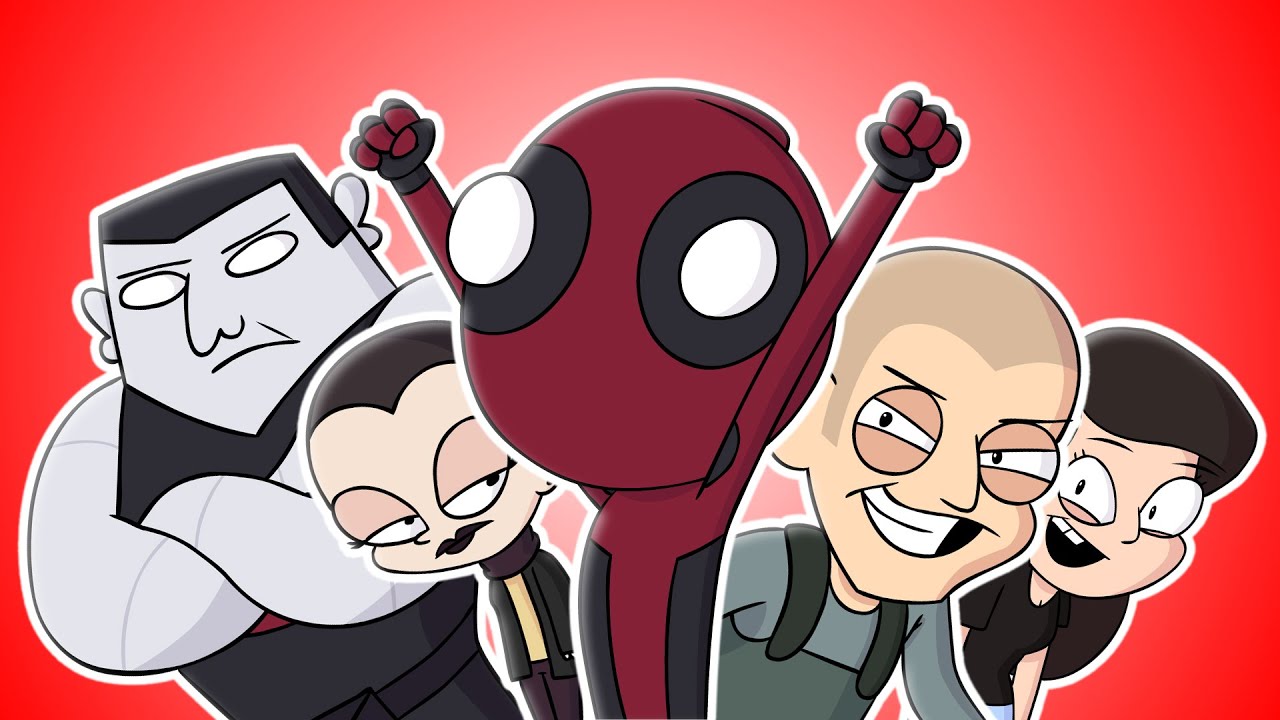
How To NOT Screw Up The Deadpool Cartoon

https://i.ytimg.com/vi/TvByfYT-1N8/maxresdefault.jpg

I thought about doing a post on this sooner. Fortunately or unfortunately, depending on how you look at it, I got so caught up in talking about the prospect of a second sexual revolution that it kind of slipped my mind. For a subject that involves Deadpool, superhero comics, and a large potential for toilet humor, that’s quite a feat.

Then, as I gave it more thought, it became clear that this was something I had to do. I just couldn’t call myself a fan or an aspiring writer if I just let something like this fall to the wayside. I already set the precedent by doing it with “X-men Dark Phoenix.” Now, I’m doing it with Deadpool. Okay, that came out wrong…or did it? Sorry, I just couldn’t resist.

As I mentioned earlier this week, with a huge grin on my face and a boner in my pants, Deadpool is getting his own cartoon in 2018. After crushing any and all expectations at the box office, raking in $783 million despite an R-rating and a lot of dick jokes, how could Fox resist? That kind of money will be a lot of chimichangas.

https://i0.wp.com/i.dailymail.co.uk/i/pix/2015/12/23/01/2F93FBDD00000578-3371340-image-m-10_1450834319539.jpg

Deadpool will be joining FXX, a network that airs shows and cartoons that are distinctly not Disney. With shows like “Archer” and “The Americans,” this is a network that would’ve made Walt Disney faint, but he’d probably still watch. I’ve yet to meet anyone who can’t get some entertainment value out of “The Americans.”

It’s a network that isn’t afraid of raunchy humor and that’s a good thing too because Deadpool is nothing but raunchy. This is a man who tried to have sex with a female incarnation of death and flirts with Spider-Man. There’s just no way a guy like him could operate under Disney’s kid-friendly policies.

By all accounts, Deadpool has everything going for him. He has a successful movie, a fitting network, and Ryan Reynolds’ sex appeal. He couldn’t be in a better position without being in a hot tub at the Playboy Mansion. Even so, I’m not going to assume too much. Fox still has a mixed legacy when it comes to maximizing the X-men’s potential. I don’t want to keep reminding them of “Wolverine Origins,” but I will if I have to.

https://i0.wp.com/www.denofgeek.us/sites/denofgeekus/files/styles/article_width/public/0/65/x-men-origins-wolverine-deadpool.jpg

In that spirit, I’m going to do for the Deadpool cartoon what I did for the upcoming “X-men: Dark Phoenix” movie. Namely, I’m going to make a short list of how to ensure this cartoon doesn’t suck.

Don’t get me wrong. I want this cartoon to be awesome. I want it to be every bit as awesome as the movie. However, I’ve learned through experience that establishing a floor is less frustrating than setting a high bar. By pointing out the pot-holes in a road, it’s easier to find your own path.

Deadpool, being the eccentric, walking poop joke that he is, can’t rely too heavily on guidance and standards. Between his style and his limited attention span, micromanaging might as well be his kryptonite. So with that in mind, here’s a short list of ways to not screw up the Deadpool cartoon.


Tip #1: Embrace Deadpool’s Crude Humor

This is actually a lesson Fox already learned the hard way. I know I said I didn’t want to keep reminding everyone of “Wolverine Origins,” but in this case it’s unavoidable. That movie had many problems, but the way it treated Deadpool, turning him into “Barakapool” as X-men fans call him, was at the top of the list.

While the movie was, at its core, a Wolverine movie, it completely robbed Deadpool of all his crazy quirks and crude humor. There were no dick jokes, gratuitous blood splatters, or inappropriate references to outdated pop culture memes. The movie tried way too hard to be PG-13 and that meant giving Deadpool the FCC treatment.

Naturally, it didn’t go over well. “Wolverine Origins” is widely regarded as the worst X-men movie of all time, so much so that Hugh Jackman almost quit the movie entirely. Conversely, “Deadpool” is widely praised as being the best X-men movie of all time and a big part of that success came from embracing Deadpool’s crude humor.

He’s quirky, erratic, crude, violent, and horny. He’s also fun, heroic, likable, and honorable when he needs to be. The movie captured all of these traits and didn’t give a damn if it meant an R-rating. It still worked beautifully and that’s what the cartoon needs to embody.


Tip #2: Craft Stories That Appeal To Adults (For The Most Part)

There was a time when comics, as a whole, were associated with kids. That time wasn’t too long ago either. When I was a kid, cartoons featuring comic characters were geared towards kids. The X-men, Spider-Man, Batman, and the Justice League were all branded as kids shows and that was their primary audience for the most part. Given the billions in merchandising these properties generate, that strategy clearly worked.

However, the kids who grew up loving those cartoons aren’t kids anymore. Their adults and the demographics have shifted considerably, creating large swaths of older consumers who seek more adult-themed material. With “My Little Pony” being the exception, the market is trending towards more adult stories.

At the moment, the comics featuring Deadpool and other major X-men characters are fairly mature. They aren’t exactly “Game of Thrones,” but they do address real-world issues that can make for some pretty iconic stories, some of which end up being big-budget blockbuster movies.

The cartoons, however, are not that mature. They’re the only part of the superhero marketing machine that hasn’t matured. There cartoons out there for Spider-Man and the Avengers, but they are so watered down and so censored in their plot that they’re unwatchable to any fan over the age of 7.

Deadpool can finally break that mold. Deadpool is already on a network that has adult cartoons like “Archer.” While Deadpool has shown up in other cartoons, he’s never been able to be his rude, crude self. This cartoon needs give him that chance. They need to let him joke about dicks, breasts, poop, and everything in between. That’s the only way to capture the true essence of Deadpool.


Tip #3: Keep The Cast Small And Stay Focused On Deadpool

This is an easy trap to fall into with any show, animated or otherwise. Every successful show needs a strong supporting cast. Sometimes, that cast can be pretty damn big. Just look at all the supporting characters “The Simpsons” have gained over the years.

Deadpool may be unique in his love of dick jokes and Mexican food, but he’s had a solid supporting cast throughout his history. Most notably, he’s been closely associated with other established X-men characters like Cable, as well as certain superhero teams like X-Force.

These are all elements that could fit into a cartoon more effectively than the movie. It was a running joke with the movie on how low the budget was. At $58 million, it cost $17 million less than the first X-men movie and that’s in 2000 dollars. It couldn’t have too large a cast because it just didn’t have the money.

As a result, the movie made every character count. With animation, however, there’s more flexibility. Fox could utilize even the most obscure X-men characters, like Doop. Given the sheer size of the X-men mythos, the temptation will definitely be there to throw in as many characters as possible into this cartoon.

Fox needs to resist that temptation as best it can. It needs to focus solely on Deadpool and only a handful of supporting characters. If the number of characters in the cast ever exceeds the number of fingers on both hands, then the cast is too bloated. This isn’t an X-men cartoon that focuses on a team. It’s a Deadpool cartoon that focuses on Deadpool. That should be a given, but it’s still worth belaboring.


Tip #4: Break The 4th Wall, But Don’t SHATTER It

It’s one of Deadpool’s most defining traits, more so than his iconic costume or love of tacos. He constantly breaks the fourth wall. For those of you who don’t know fancy Hollywood jargon, that means he talks to the audience. He knows he’s a comic book character. He understands he’s part of a show and he embraces it.

He did it in the movie on multiple occasions, but not in “Wolverine Origins.” The critical and box office reception of both should tell you everything you need to know about how important this is. It’s one of Deadpool’s most defining traits and any cartoon has to include that.

However, like any defining trait, it can be overdone. Like Spider-Man’s origin story, something can be done to death. It can even totally derail the story. The “Ultimate Spider-Man” cartoon did a lot of fourth wall breaking early on and it made the stories insufferable at times.

In the comics, Deadpool’s fourth wall breaking is only sprinkled in every now and then. It’s usually an aside, never seriously affecting the flow of the story. It’s usually just a good way to throw in some extra laughs. That’s the approach the cartoon should use. Let Deadpool be Deadpool. Let him break the fourth wall. Just don’t let him break it to the point where it undermines the story.


There you have it. Like my list for the Dark Phoenix movie, I’ve no expectations that anyone from Fox or Marvel will ever read this list, let alone take it seriously. This is just me, an aspiring erotica/romance writer and die-hard X-men fan, articulating my hopes and dreads.

Between this cartoon and “X-men: Dark Phoenix,” 2018 is going to be an exciting year for me. I hope it exceeds my expectations, but I’ll settle for it not sucking. These days, when there are way too many things that can go wrong behind the scenes, that’s probably the healthiest mindset to have. If I can draw inspiration from it all and craft some quality erotica/romance along the way, then that’ll just be extra hot sauce on the chimichangas.

Leave a comment

Filed under Comic Books, Jack Fisher, Superheroes

New Deadpool Cartoon Announced (And Why It Matters)

https://i0.wp.com/media.comicbook.com/2017/05/deadpoolcartoon-995473-1280x0.jpg

In addition to being an aspiring erotica/romance writer, I have a fairly diverse set of interests. I talk about many of them on this blog. I love superhero comics, superhero movies, futuristic technology, and activities that involve nudity. I like to explore these topics because the world is a diverse and sexy place. I want this blog to reflect that, as well as entertain/titillate.

So when news emerges that involves superhero comics and a potential for entertainment/titillation, expect me to mention it at some point. When that news involves someone like Deadpool, a character who has built his entire appeal on that and dick jokes, you can pretty much set your watch to it.

I’ve talked about Deadpool many times before. I’m not the only one either. Deadpool is the new golden boy for Fox, Marvel, and the entire superhero genre. He was once a niche character with an especially loyal set of fans and cos-players. Then, former sexiest man alive, Ryan Reynolds, made Deadpool the hottest thing in spandex not named Jennifer Lawrence.

https://i0.wp.com/media.gq.com/photos/58249cdda9546c3d5193215a/16%3A9/w_1280/1216-GQ-FERR02-01-Ryan-Reynolds-Deadpool-04.jpg

The Deadpool movie wasn’t just a game-changer. It dropped a metric ton of napalm on the game, blew it up with C4, and roasted marshmallows over the entrails while strippers danced in the background. If that sounds crazy, then congratulations. You now have some insight into why Deadpool is so appealing.

The first Deadpool movie completely shocked the established superhero genre, grossing $783 million on a $58 million budget. At a time when many superhero movies need budgets of at least $250 million to be taken seriously, that’s not just impressive. That’s downright jarring.

The fact that Deadpool did this while being rated R, complete with exposed breasts and Ryan Reynold’s jerking off with a stuffed unicorn, makes it all the more astonishing. It proved that superhero movies could be mature, sexy, and appealing. It also proved they can be extremely profitable and nothing speaks louder in the entertainment industry than money. Why else would Disney have made fivePirates of the Caribbean” movies?

The impact is still being felt, but it’s already starting to show. Just this year, Fox proved that Deadpool’s success was not a fluke. The R-rated “Logan” movie made $606 million on a $97 million budget while generated critical acclaim. Once can be an anomaly. Twice is the beginning of a trend.

https://i0.wp.com/media.comicbook.com/2015/11/wolverine-deadpool-158564.jpg

In an effort to continue that trend, Fox and Marvel announced this past week that they will be making a Deadpool animated series for the FXX network. That’s the same network that hosts such kid-unfriendly shows like “Archer” and “It’s Always Sunny In Philadelphia.” There couldn’t be a more appropriate home is what I’m saying.

Now, this news might not seem like a big deal to non-comic fans. Deadpool had a successful movie, making Fox and Marvel a boatload of money. With a sequel already in the works, why not capitalize on his popularity with a cartoon? It sounds like a normal money grab by big corporate media giants who are never satisfied with merely having a few pools of money to swim in.

There’s no doubt that’s part of the dynamic here, but there are far larger implications, some of which might have an impact on erotica/romance. Bear with me, here, because this is where I try to gaze into a crystal ball and not throw up. Since I haven’t won the lottery or predicted the Super Bowl yet, assume my ability for foresight is limited.

https://i0.wp.com/laliko.com/uploads/posts/2013-08/thumbs/1376886939_1121rr21w-00-op_03.jpg

Earlier this year, I talked about the success of the “Fifty Shades of Grey” movie, as well as the challenges associated with creating quality erotica/romance. Some of these challenges aren’t insurmountable, but they are daunting. The success of “Game of Thrones” might be nudging public attitudes to some extent, but only to a point.

Since Hollywood is too damn impatient when it comes to exploiting a market, I speculated that animation might actually be the key to future erotica/romance. It effectively circumvents many of those daunting challenges I mentioned. Cartoon characters don’t get too testy when you ask them to take their clothes off.

With a Deadpool cartoon being on FXX, there’s a lot more potential for raunchy sexiness. We already see it in shows like “Archer,” which doesn’t shy away from the kind of crude humor that is usually reserved for “South Park.” Unlike “Archer,” though, Deadpool has more brand recognition. He generates far more attention and not just because he’s been known to cross dress every now and then.

https://i0.wp.com/comicsalliance.com/files/2010/10/deadpool-marvel-girl-costume.jpg

Deadpool will be entering a market that’s ripe for growth. Adult-themed animation has been around for years, but has never been more than a niche market. That might be changing just in time for Deadpool.

In recent years, shows like “Archer” have inspired other shows like “Rick and Morty,” gaining more than just a cult following. These shows get away with plots and humor that would never make it past the network executives who are routinely terrified of getting a call from the FCC. By being animated, they can push the proverbial envelope in ways that go far beyond an exposed nipple.

Deadpool doesn’t stop at nipples, though. He’s a character who married a succubus and flirted with Spider-Man. He does things that made the kid-friendly executives at Disney faint. With a cartoon, they can even do things that Ryan Reynolds would never agree to and he’s the guy who agreed to do “R.I.P.D.

The potential that a Deadpool cartoon has cannot be understated. He can do more than just create another hit cartoon for a network that already has a few under their belt. He can foster a new audience that’s hungry for more mature animation.

https://i0.wp.com/s3.foxmovies.com/foxmovies/production/films/103/images/gallery/deadpool1-gallery-image.jpg

Between the success of movies like “Fifty Shades of Grey” and TV shows like “Rick and Morty,” Deadpool is coming along at the best possible time. By creating a larger audience, it’ll let the big wigs at major media studios that audiences do want sexier content. They want media that’s fun, sexy, and not afraid of showing a few nipples every now and then.

There will always be a place for kid-friendly cartoons, but animation need not be a medium that appeals to one segment of the population. There are many more people out there who want sexier material and they don’t need to whine to their parents for money to buy it.

A Deadpool cartoon definitely has plenty of appeal, especially to those who enjoyed the sex and violence of the movie. It has everything it needs to be success. However, it’s the implications of that success that may have far sexier implications.

2 Comments

Filed under Comic Books, Jack Fisher, Superheroes, Jack Fisher's Insights, Uncategorized