

The following is a review I wrote for PopMatters on Uncanny X-men #1. Enjoy!
An Uncanny Deconstruction of Superheroes in ‘Uncanny X-men #1’
The following is a review I wrote for PopMatters on Uncanny X-men #1. Enjoy!
An Uncanny Deconstruction of Superheroes in ‘Uncanny X-men #1’
Filed under superhero comics, superhero movies

The following is a review I wrote for PopMatters for X-23 #6. Enjoy!
Class, Clones, and Killer Robots in Marvel Comics’ ‘X-23 #6’

The following is a review I wrote for PopMatters for X-men Black: Emma Frost #1. Enjoy!

The following is a review for “X-men Red #9” that I wrote for PopMatters. Enjoy!
Marvel’s ‘X-men Red #9’ Gets into Psychic Wargames and Battling Ideas
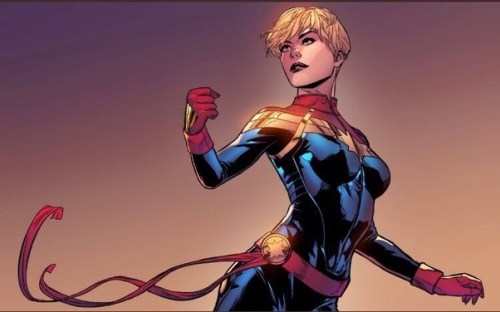
Some characters are iconic from the get-go. Spider-Man, Superman, Wonder Woman, and Batman all managed to establish themselves as special early on in their history. They’re the lucky ones, though. Most characters have to go through a long, arduous process to reach the top tier of superhero icons. A lot of them never make it, but those that do are special in their own right.
These days, the character who best embodies that spirit is Carol Danvers. You don’t have to go back too far to remember a time when she was relegated to the superhero B-list. As Ms. Marvel, she had her share of fans. I was one of them. She also had her place in the annuls of Marvel lore. However, she was never able to break through and join that elite club occupied almost exclusively of Stan Lee creations.
That all changed when Kelly Sue DeConnick came along and reinvented Carol Danvers as Captain Marvel in 2012. That process, which has since become one of my favorite runs on a comic book series of the past 10 years, helped Carol finally break into the upper echelon of superheroes. With a movie coming out in 2019 staring Brie Larson, it’s safe to say she’s entrenched.

I could write a dozen articles about why Carol Danvers’ character resonates more now than it did when she first showed up in 1968. I’ve already mentioned some of the unique challenges she faces as she enters rarefied air among Marvel heroes and female superheroes, in general. However, I want to focus on one particular aspect of her character that helps her stand out.
As it just so happens, it’s also part of her character that recently underwent a major upheaval in the comics. Among other comic book fans, it has been controversial. I’ve certainly seen more than a little whining on message boards and Reddit. I have my share of criticisms too, but I intend to justify why I believe this is a promising new era for Carol “Captain Marvel” Danvers.
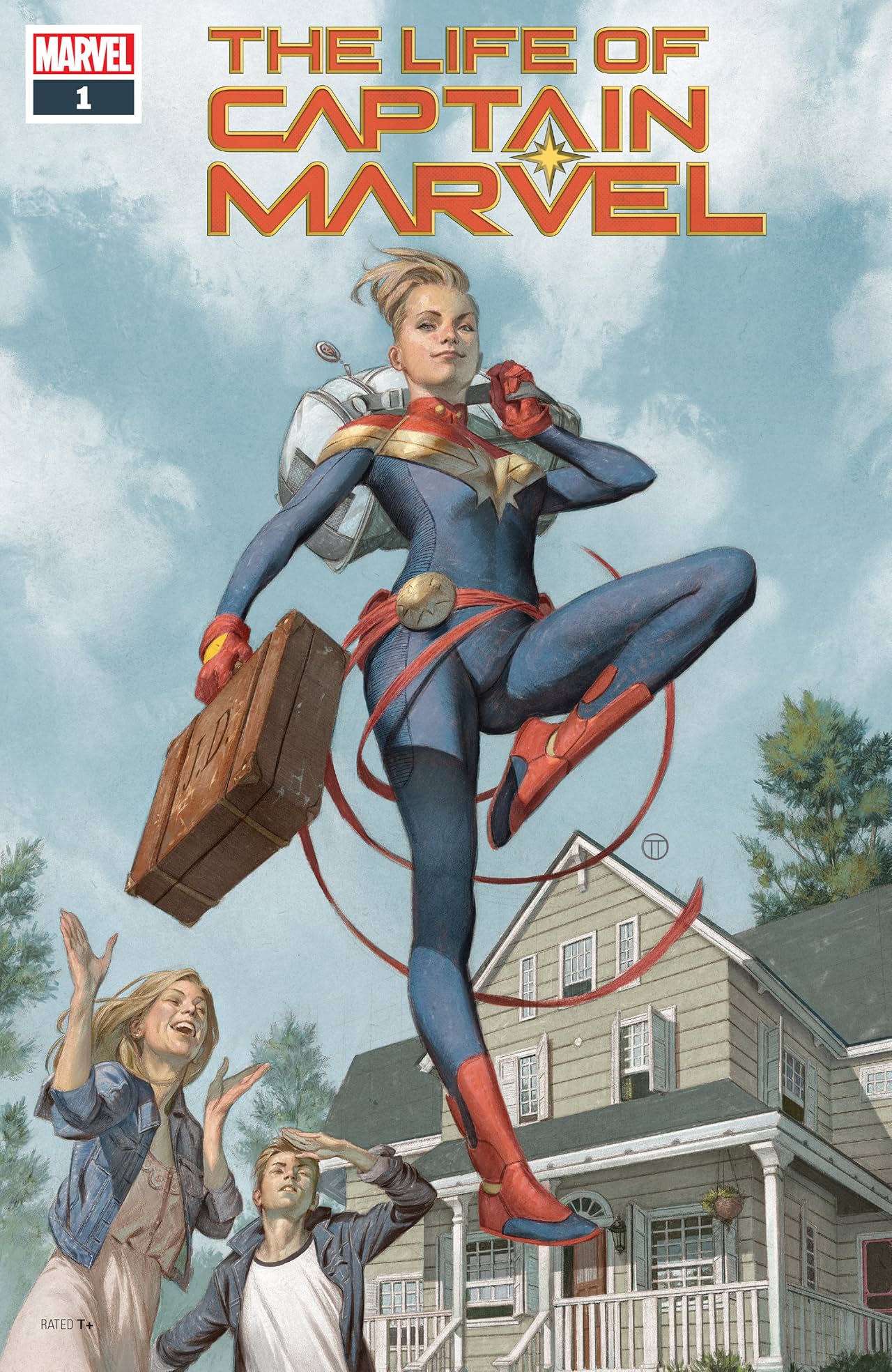
The upheaval in question occurred in a recently-launched mini-series called “The Life of Captain Marvel.” Written by Margaret Stohl, who has been guiding Carol’s journey for several years now, I cannot recommend this series enough. It is, by far, one of the best Carol Danvers stories ever written. Years from now, it will likely mark a major turning point for her story.
That’s because Stohl does something that’s both critical and controversial to Carol’s history. She makes a major alteration to an aspect of Carol’s life that doesn’t change her past, but puts it in a very different perspective. That change, in my opinion, makes Carol a much more intriguing character.
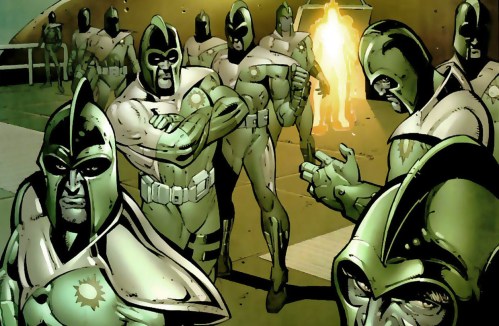
If you want to avoid spoilers, you should probably stop reading here and check out the series. Again, I highly recommend it. The big change, however, takes place in the fourth issue. Here, her mother, Marie, drops a bombshell revelation on Carol that rocks her world. She reveals that she’s half-human and half-alien. Specifically, she’s half-Kree.
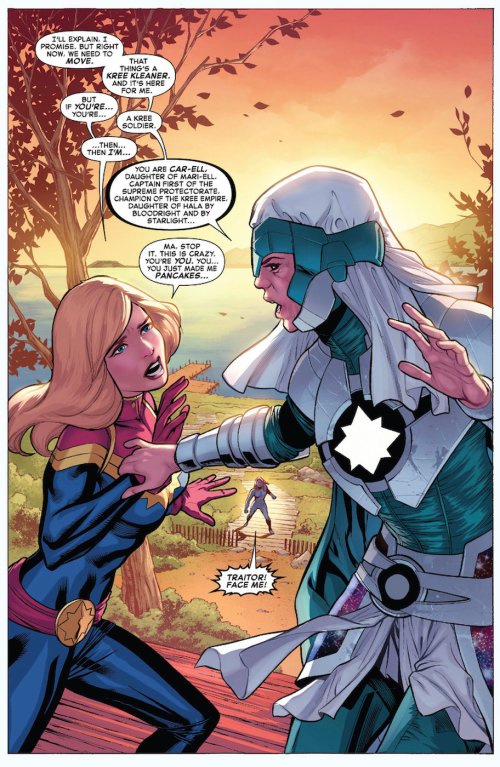
Anyone who saw “Guardians of the Galaxy” knows why that’s a big deal.
Anyone who has a passing knowledge of Marvel history knows why that’s a huge deal.
The fact that she’s half-alien isn’t that unique. Peter “Starlord” Quill has a similar heritage. The reason it’s such a big deal for Carol is because it changes the context of how she got her powers and the role she plays in the greater Marvel universe.
Before this change, Carol’s powers were somewhat of an afterthought. Like Spider-Man, they were the result of an accident. Her’s just involved alien device called the Psyche Magnetron. She got caught in an explosion and that explosion allegedly fused her DNA with Kree DNA to give her superpowers. It’s not the most contrived origins story, but it’s not exactly epic.
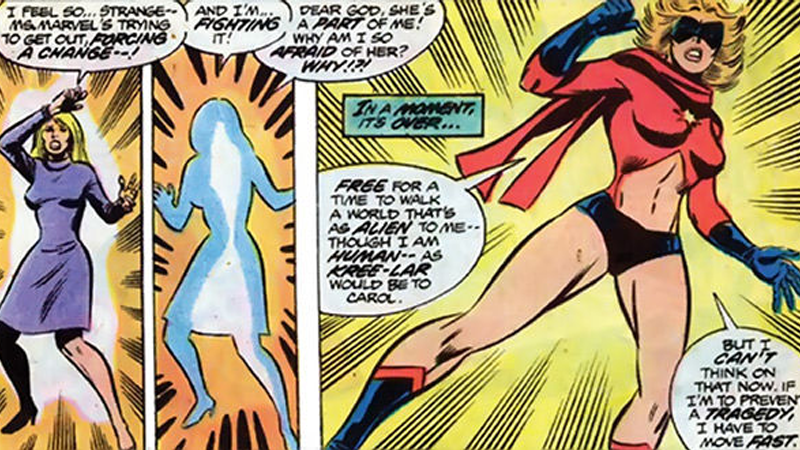
To some extent, getting her powers by accident undercut all the work she did before that. Even without powers, she managed to carve out a successful career in the air force and NASA. That work became somewhat superfluous once she got superpowers. Unlike Peter Parker, she was already on a heroic path. Getting powers just seemed like skipping a bunch of steps.
With the revelation by her mother, there’s more connective tissue between her journey as Carol Danvers and her journey as Captain Marvel. Her mother, who comes out as a full-blooded Kree warrior, tells Carol that the accident wasn’t the sole cause of her abilities. It was just the catalyst. These are her exact words.
“What humans see as Kree powers are just our biological adaptations to a life of combat. They’re triggered in battle, usually around adolescence. Sadly, most of us have known war by then.”
This implies that even if she hadn’t been caught in the crossfire of the Psyche Magnetron, her Kree abilities would’ve come out at some point. For some fans, including die-hard Captain Marvel fans, it feels like this is denigrating her origins. I respectfully disagree with that notion. I believe this gives Carol’s story a new kind of appeal.

In terms of how superheroes become iconic, how they get their powers and how they choose to use them plays a huge part in their appeal. I would argue that just making Carol an ordinary human who got caught in an accident has limited appeal. Like I said before, she’s not Peter Parker. She’s not an average person. She’s more like Batman in that she’s an overachiever who strives to do more.
Her being half-Kree adds a new dynamic to the mix because it makes Carol a product of two different worlds. She is born on Earth and lives her whole life as a human. However, she now has this alien heritage that has already influenced her life in ways she didn’t understand. You need only look at the mass appeal of Superman to see why that story is compelling.
Being half-Kree means Carol suddenly has a connection to a race that has waged war on Earth before. She also has a connection to a world that has blatantly experimented on humans before. At the same time, her human life wasn’t exactly ideal. Unlike Superman, she was not raised by picture perfect parents like the Kents.

Her mother, despite being a Kree warrior, was in an unstable relationship with Carol’s very human father. Their family suffered a devastating loss when Carol’s brother, Steve, died in combat. They never really recovered from that and, for most of Carol’s history, that loss kept her parents as a side-note at best in her journey.
With Carol’s mother being a Kree warrior, it changes her into something more than a woman who stayed in a bad marriage. It adds more layers to why she and her husband clashed. Even in the first few issues of “The Life of Captain Marvel,” her father comes off as a generic asshole. Finding out he was dealing with an alien wife makes his struggles a lot less generic.
In many ways, Carol’s parents represent her divided heritage. Her father didn’t want her embracing her Kree side and fighting alien wars. Having already lost a son, who can blame him? Her mother didn’t want to stop Carol from embracing both sides of her heritage, even though that was sure to leave her conflicted.
It effectively connects Carol’s superhero journey with that of her family. Those journeys involve some heavy losses, painful secrets, and destructive alcoholism. It’s something you’re not going to find with Superman, Spider-Man, Batman, or any of the X-men. It leaves Carol Danvers in an uncertain, but promising state.
It’s not yet clear how much of Stohl’s revisions will find their way into the “Captain Marvel” movie. To some extent, it helps that Carol’s origin isn’t as iconic as that of other heroes. The Marvel Cinematic Universe has already done some considerable tweaks to certain characters to make them fit the narrative. I have a feeling we’ll see plenty of that in the movie.
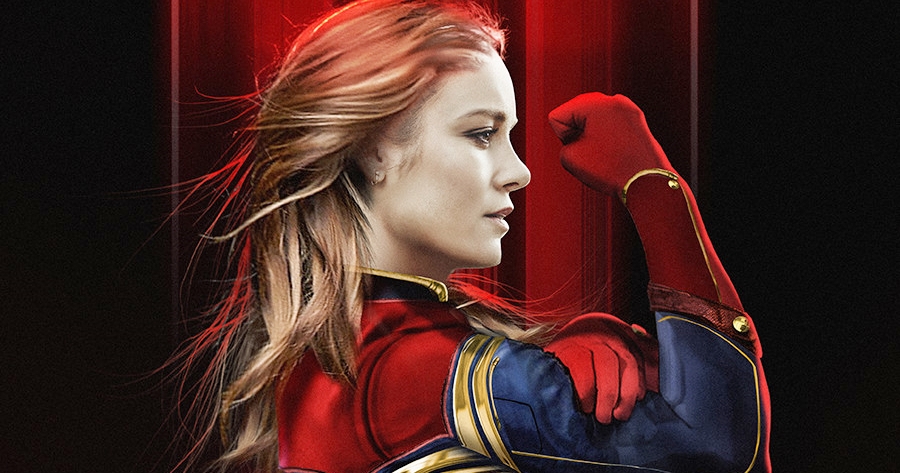
However things plays out on the big screen for Carol, I think her story in the comics just became a lot more interesting. I know there are some fans upset by this. I’ll even concede there are some parts of this revision I don’t care for. There was some appeal to Carol just being an ordinary human who worked her ass off to achieve what she did.
Every major revelation or retcon in a comic or movie comes at a price. You’re bound to upset some people. That’s unavoidable in a world full of such diverse tastes. However, I believe that Carol gained much more than she lost in “The Life of Captain Marvel.” I believe she’s bound to gain a whole lot more, both through her movie and through the new host of stories that can be told.
Whatever the case, I hope Brie Larson takes plenty of notes.


The following is a review I did for PopMatters for “The Life of Captain Marvel #4.”
Carol Danver’s Past Has a Twist in “The Life of Captain Marvel #4”

The following is a review I wrote for PopMatters for “What If? Punisher #1.” Enjoy!
‘What If? Punisher #1’ Toys With Spider-Man’s Concept Of Power And Responsibility
Every Wednesday, a new batch of comics comes out and for comic fans like me, it’s the biggest highlight of the week that doesn’t involve ice cream and whiskey. Within that batch of comics, it’s hard find the gems that really stand out. That’s why every week, I pick out a comic that I feel warrants extra praise.
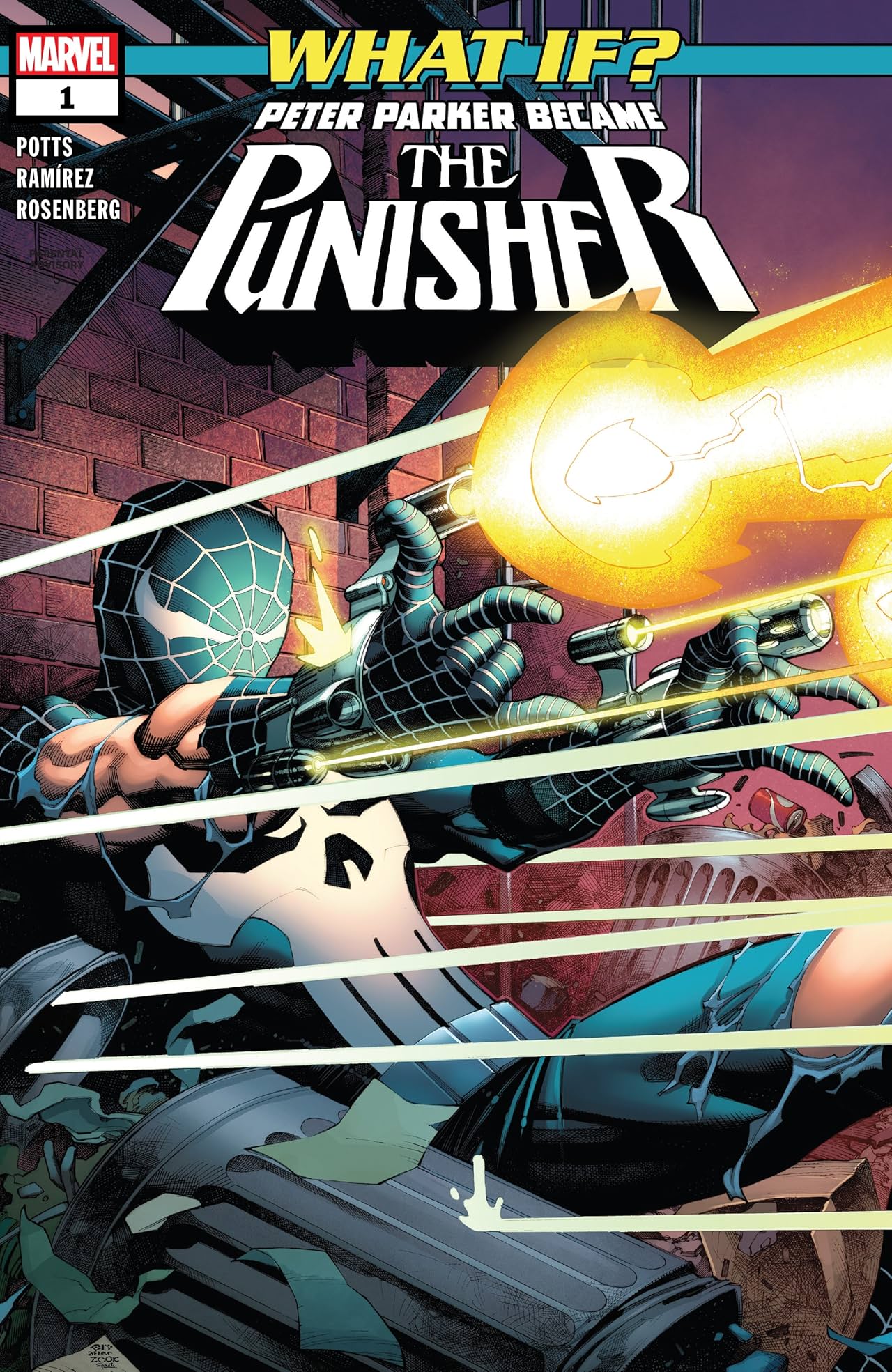
This week, my quick pick is “What If? Punisher #1.” Now, this may seem like an odd selection. In fact, this comic is very much an anomaly. There was once a time where Marvel had an ongoing “What If?” series that basically offered alternate history takes on iconic characters and stories.
Personally, I have mixed feelings about how these stories are handled. For the most part, they’re hit or miss. They’re either really good or really bad. Rarely, if ever, are they fleshed out stories.
“What If? Punisher #1” finds a way to stand out because it does more than speculate on what would happen to Spider-Man if he chose a slightly different path. It actually explores the entire premise that with great power comes great responsibility. It even makes the case that the mainline Spider-Man in the long-running “Amazing Spider-Man” series is wholly irresponsible in his methods.
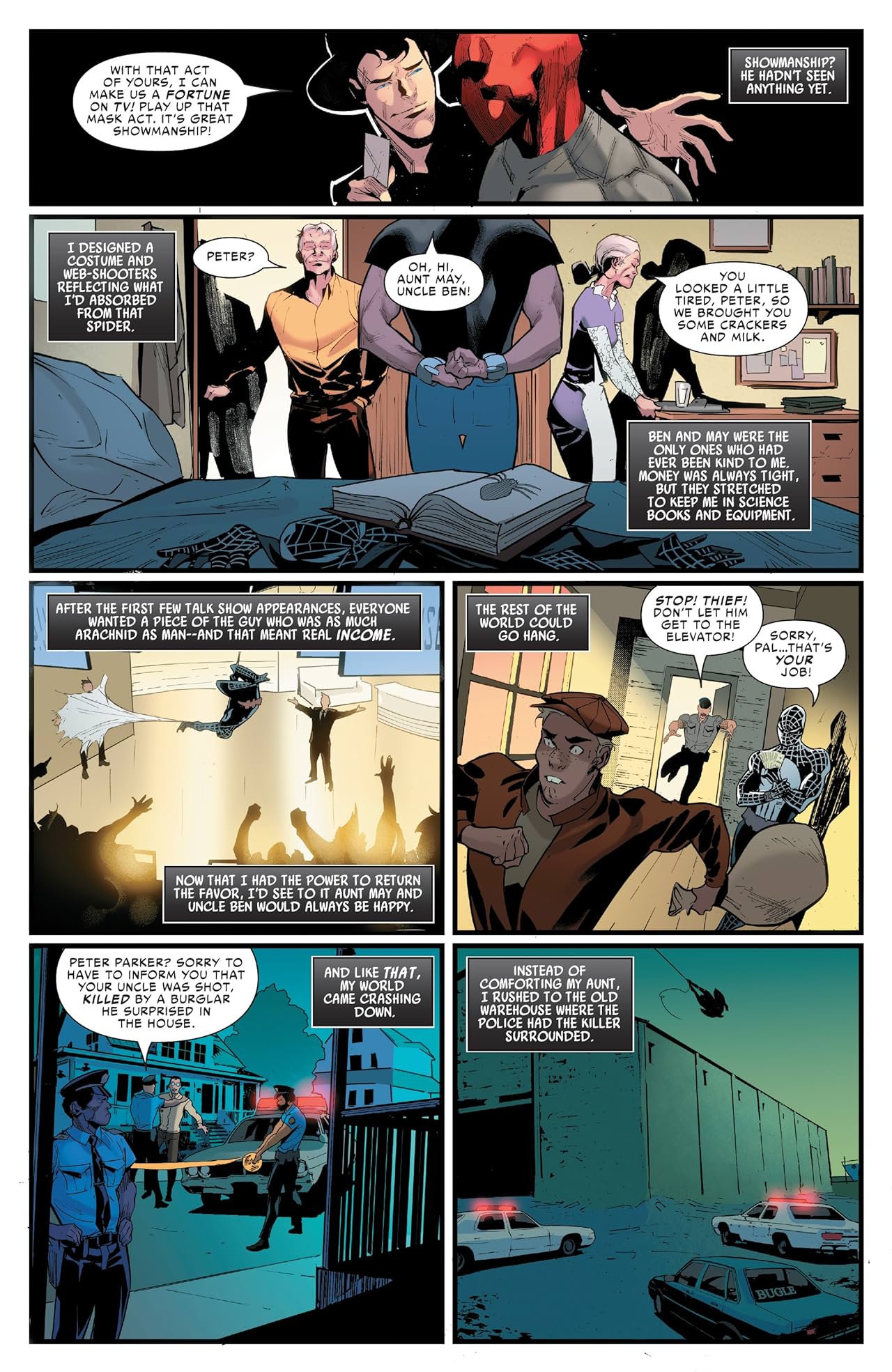
This is an idea that I’ve actually explored before. I once made the argument that Spider-Man is the most inept hero of all time. I got a lot of hate for that piece, mostly by long-time Spider-Man fans. I don’t blame them for a second. However, this comic actually takes some of the concepts I discussed and puts them into a cohesive story.
It doesn’t radically reinvent Peter Parker or Spider-Man. It also doesn’t radically alter his origin. He still fails to stop a burglar that goes onto murder his Uncle Ben. From that tragedy, he learns that critical lesson about power and responsibility. The only difference in this timeline is that great responsibility means killing his enemies, just like the Punisher.
It’s a line that the Friendly Neighborhood Spider-Man doesn’t dare cross most of the time. In nearly every famous iteration of Spider-Man, Peter makes clear that he does not kill. However, “What If? Punisher #1” makes the case that not only is this irresponsible. It actually played a part in hurting his loved ones.
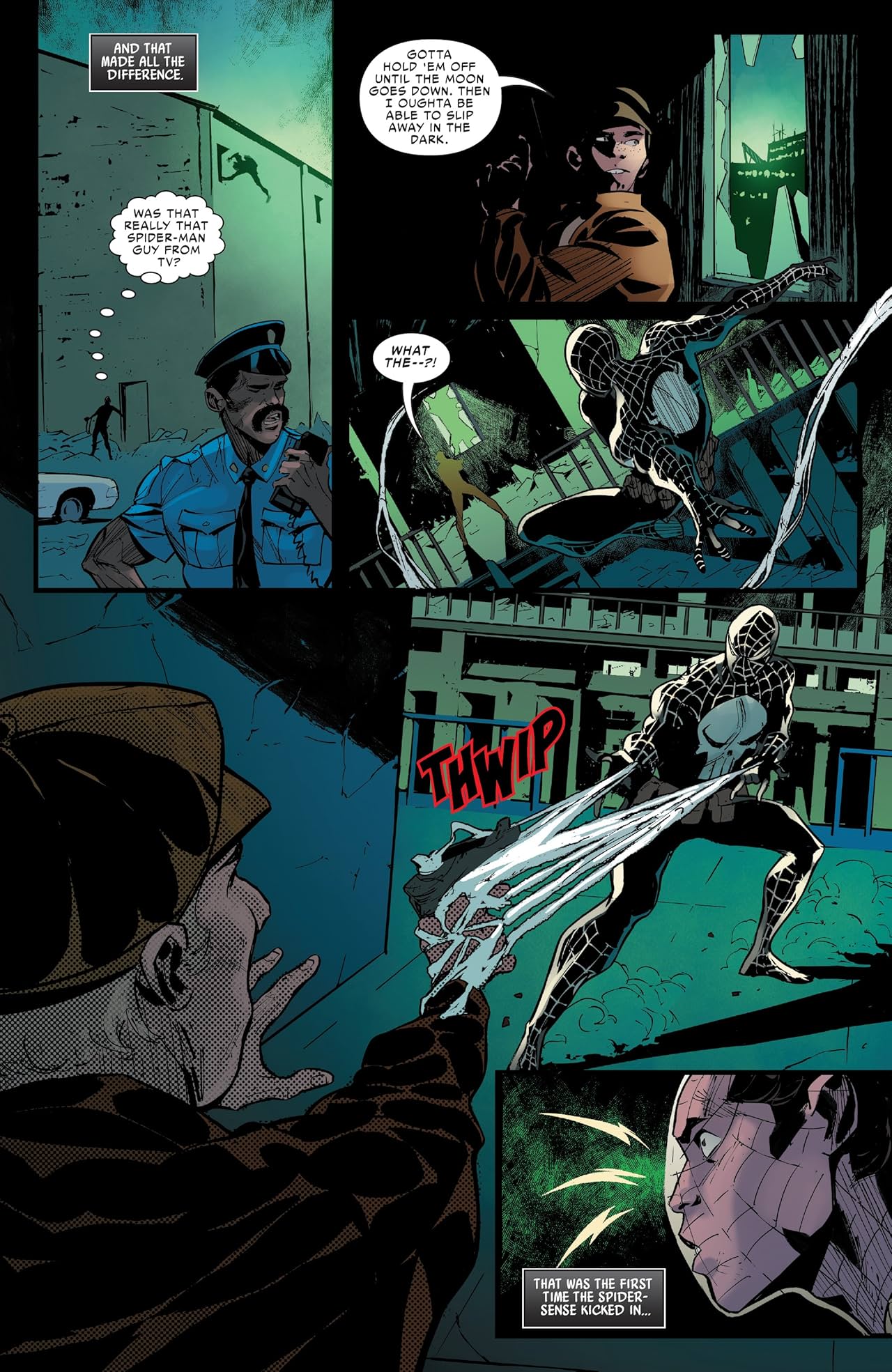
How that happens and how it makes this case is something I won’t spoil. Since this is a “What If?” comic, though, there’s not room to dig deeper. There are more than a few gaps and oversights, but most of that is due to logistics rather than merit. At the very least, this comic asks some pretty damning questions about how Spider-Man approaches power and responsibility.
Even though most “What If?” comics are quickly forgotten and have no impact on the actual canon, this issue is worthy of my pick because the concept is so intriguing. It’s too brief and very much incomplete, but the ideas it presents are pretty remarkable. Not all Spider-Man fans will like it, but it’ll definitely get them thinking.
Filed under Jack's Quick Pick Comic
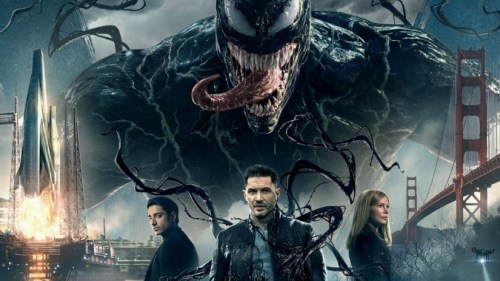
Certain movies are subject to unique standards. Nowhere is this more apparent than with superhero movies. A sci-fi movie can be flexible with its use of sci-fi elements. The same can be said for generic genres like romantic comedies, horror, action, and even stoner movies. A superhero movie, whether fairly or unfairly, will be judged by much stricter criteria.
This is the problem “Venom” faced before it even started shooting. Most fans, especially those who follow Marvel Comics, were probably intrigued by the possibility of a movie about Venom. Casting Tom Hardy in the lead role definitely help. No offense to Topher Grace, but he’s far more qualified to play Eddie Brock than he’ll ever be.
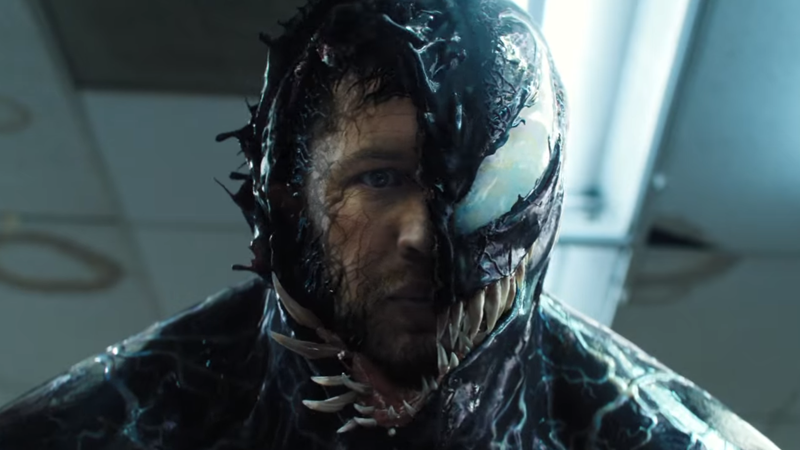
Even so, “Venom” had a lot of logistical problems from the beginning. It wasn’t going to feature Spider-Man. It wasn’t going to take place in the Marvel Cinematic Universe. It wasn’t even going to get input from Kevin Feige and everyone else at Marvel Studios, who have made creating billion-dollar movies seem inane. By some standards, that’s a serious handicap.
Most Marvel fans, and I consider myself one of them, aren’t too keen on the idea of a Venom movie that doesn’t involve Spider-Man or have any connection to the MCU. Even if you have a passing familiarity with Venom in the comics, you probably know that a lot of his story is connected with Spider-Man. Telling a Venom movie without Spider-Man is like telling a Joker movie without Batman.
Actually, that may be a bad example. Forget I said that.
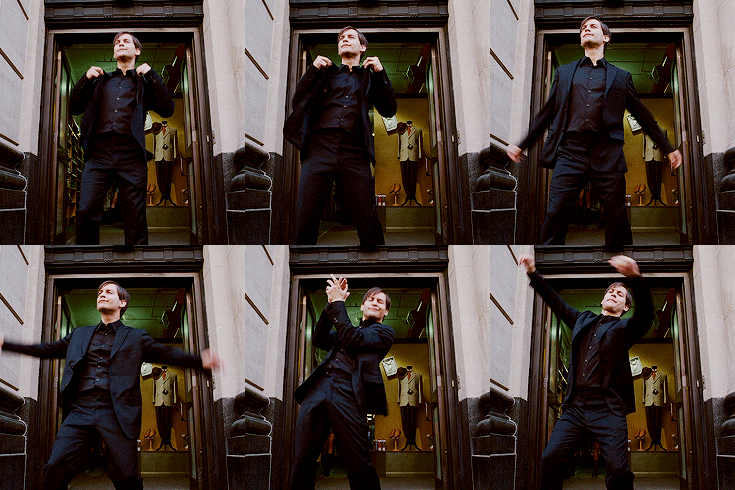
Logistical issues aside, I was still intrigued enough to give “Venom” a try. Like many other Marvel fans, I was not pleased with how his story was handled in “Spider-Man 3.” The only good that came out of that was a slew of dancing Toby Maguire memes. I felt Venom deserved better.
Well, without getting too deep into spoiler territory, I can affirm that “Venom” definitely succeeded where “Spider-Man 3” failed. It’s not just a good movie about Venom. It’s a good movie, overall. It had a lot of things working against it, but it still worked.
I know that the movie didn’t exactly thrill critics, nor did it blow the minds of hardcore fans who saw it. At the same time, it wasn’t messy or cumbersome like the theatrical cut of “Batman v. Superman: Dawn of Justice.” Yes, this movie probably would’ve benefited by taking the “Deadpool” approach and gone for an R-rating. However, it still succeeds in many ways.
At its core, “Venom” works because it’s less about alien symbiotes infecting random people and more about Eddie Brock. This is his story and Tom Hardy does an excellent job capturing his persona. You don’t have to read a single comic to understand that Eddie Brock is not Peter Parker. He’s not exactly a hero, but he’s not a blood-thirsty villain, either.

Although that’s not necessarily obvious.
Eddie Brock is one of those guys who’s a loser and not just because he ends up bonding with a parasitic alien. One of the best things this movie did was show that Eddie’s life falls apart because of a decision that he makes. He’s not a victim of bad luck. In the beginning, his life is actually really good. However, he makes a fateful choice that completely changes that.
At the same time, the movie establishes that Eddie is not the kind of guy who jumps at the chance to be a hero. He has a few opportunities before he bonds with the Venom symbiote. He doesn’t take it and unlike Peter Parker, it’s not purely out of responsibility. He’s just not the kind of guy who embodies the selfless spirit of Superman or Captain America.
Then, when he encounters the symbiote, these personality flaws intensify. At first, he’s just overwhelmed. He reacts in a way most people would. His first instinct isn’t to help people or be a hero. He’s actually petty and self-serving for the most part. As the story unfolds, he and the symbiote literally and figuratively feed off one another. They both grow and evolve, as characters.
That process involves plenty of action, some of which is pretty visceral. If you’re looking for the kind of cartoonish beat-downs we got in “Spider-Man: Homecoming,” you’re going to be disappointed. The action here is quite violent. It’s not on the same gratuitous level as “Deadpool,” but it’s close and it even holds back at times.
Given Venom’s brutal nature in the comics, this can be a bit of a problem. In watching this movie, you get the sense that the effects team worked overtime to keep the violence just below PG-13 levels. At times, it feels forced and that impacts the story to some extent.

This moment could’ve been MUCH bloodier.
That’s not the only issue, nor is it the biggest. While I believe the story works, I also can’t deny that it’s missing some key components. Those not familiar Spider-Man’s history surrounding Venom probably won’t notice, but it’s hard for me to be a Marvel fan and overlook some of these flaws.
The story of how Venom and Eddie Brock come together is solid, concise, and compelling, as it’s presented in this movie. However, it still feels like it’s missing a lot of emotional depth without Spider-Man. A big reason why Venom, and Eddie by extension, becomes so menacing is because of Spider-Man’s role in his story. Removing him from that story is glaring, to say the least.
To fill in those gaps, the movie creates a new source of conflict through the Life Foundation, which acts as the primary antagonist through its unscrupulous Mark Zuckerberg wannabe, Carlton Drake. That’s not to say Drake isn’t a decent villain, but he’s not even in the same hemisphere as Erik Killmonger or Thanos.

Pictured here is NOT Thanos.
Even by non-superhero standards, these villains are pretty bland. It’s basically Venom versus and evil corporation who ends up serving an alien agenda. There’s nothing memorable or iconic about them, but that’s okay in the context of this movie because they still fulfill their primary purpose. They create the necessary moments that move Eddie’s story forward.
On top of that, the lack of connections with the MCU make this movie feel small by comparison, especially in a year when “Black Panther” and “Avengers: Infinity War” broke box office records. “Venom” has everything it needs to connect with the MCU. There’s nothing in the story that precludes it from having a role, but Sony has gone on record as saying that this movie is completely detached from that world.

The shared reaction of many Marvel fans.
As much as I’d love to see Tom Hardy and Tom Holland battle in a future movie, the lack of MCU connections still don’t take away from everything this movie does well. Overall, “Venom” is good movie that had a lot of factors working against it. This movie faced an uphill battle from the beginning, but still managed to achieve a lot. If I had to score it, I’d give it a 7 out of 10.
I’ve heard some claim that this movie belongs in the early 2000s and just doesn’t work within the current market of superhero movies. I say that’s bullshit. Good movies work, regardless of the year or era they come out. “Venom” is a good movie, but it’s also one that could’ve been much greater.
Coming out of the theater, I was satisfied, but felt as though there was a lot of potential left on the cutting room floor. It’s hard to know whether this movie would function better with an R-rating or as part of the MCU, but it manages to do plenty within its many constraints. Tom Hardy was handicapped in bringing Eddie Brock and Venom to life, but he still pulled it off.
Again, with all apologies to Topher Grace, Tom Hardy is now the definitive face of Venom and this movie sets him up for a promising future.


 Jack Fisher's Official Publishing Blog