Category Archives: Uncategorized

10 Health Benefits of Orgasms

Let’s face it. Most people don’t need many reasons for having orgasms. It’s one of those wonderful little gifts nature gives us that needs no instruction manual, accessories, or certifications. It comes to us hard-wired, up-to-date, and primed for use as soon as we’re ready. It’s still somewhat taboo to talk about, let alone celebrate, but writing and reading erotic stories gives me a special appreciation for them.

On this blog, I’ve already talked about the unexpected health benefits of BDSM and the benefits of sexual promiscuity. Those benefits may be surprising to some, but I doubt anyone is surprised to hear that there are actual health benefits to orgasms. On some levels, I think we all know that. Nature wouldn’t make them feel so good or urge us to seek them so passionately if there weren’t some benefits.

That kind of simple logic isn’t enough for some people though. Science likes to verify things, even if they’re intuitive. Sometimes the results are shocking. In this case, however, I don’t think anyone will be surprised to hear that there are substantial health benefits to an orgasm.

And before the uptight, overly conservative, sex-negative crowd (who probably don’t read this blog in the first place), let me just say this. No, these benefits aren’t contingent of two people being married, the same gender, or even in the same room. Nature can only be so elaborate when it comes to politics. Orgasms, as a whole, are as non-partisan as they come.

The fine folks at WebMD compiled a short list of just a few. I think they’re worth citing, if only to inspire those who love romance and erotica.

WebMD: 10 Surprising Health Benefits of Orgasms

1. Orgasms Keep Your Immune System Healthy – Beats chicken noodle soup, that’s for sure

2. Boosts Your Libido – Makes too much sense, but nice for science to verify it just in case

3. Improves Women’s Bladder Control – Anyone who’s been on a road trip knows this is a good skill to have

4. Lowers Your Blood Pressure – How can anyone be tense after an orgasm?

5. Counts as Exercise – Needs way less motivation than a treadmill

6. Lowers Heart Attack Risk – Much better than giving up fried foods

7. Lessens Pain – Perfect balance when you think about it

8. May Make Prostate Cancer Less Likely – For men, it counts as medicine and no prescription required

9. Improves Sleep – It’s basically nature’s tranquilizer dart

10. Eases Stress – Again, how can anyone be tense after an orgasm?

So for the good of your health, people, have more orgasms! I’ll try to do my part with my books, but we must all do ours as well. The benefits to orgasms are, quite literally, in our hands.

19 Comments

Filed under Jack Fisher's Insights, Uncategorized

The Antidote to the Alpha Male/Beta Male Conflict (Involves Deadpool Again)

Yesterday, I talked about the bane of beta males and alpha males. Together, they are an overplayed, overdone, and over-emphasized stain on popular culture. Between sitcoms like “The Big Bang Theory,” underdog movies like “The Karate Kid,” and pretty much the premise of every teen movie made since 1980s, we’ve had our fill of alpha males and beta males.

We get it. Alpha males represent everything we hate about masculinity (even if they have more sex and embody all the traits we want in our leaders and CEOs). Beta males represent every lovable underdog who deserves to get the girl in the end (even if that gives every man and women false expectations and inevitable disappointment). It’s been done. We know how that story ends. So let’s tell a new story. To tell that story though, I have to revisit our old friend Deadpool.

I’ve written about him before. It seems appropriate to write about him again because the Deadpool movie just cleaned up nicely at the Teen Choice Awards. He breaks the mold of so many traditional stereotypes. He’s not an alpha male. He’s not a beta male. Granted, his crazier than a sack of crack-addicted ferrets, but the success of his movie may very well show that there’s a place for a new type of male in popular culture.

In the same way the recent Ghostbusters movie offered something different for female characters, Deadpool tweaks the concept of a well-rounded male character and, in some cases, shoots it in the ass. He’s confident, competent, and more than a little arrogant, which is kind of like an alpha male. He’s also affectionate, sensitive, and emotional, which is kind of like a beta male. In many respects, he’s a balanced male character that both men and women alike can respect

Again, it’s worth pointing out that Deadpool, as an established comic book character, is one of the craziest motherfuckers in comics. So what’s it say about the status of male characters when he’s the one who embodies the traits of a balanced male character?

Perhaps it’s fitting. Our tastes in male characters is kind of crazy when you think about it. We’re conditioned to despise alpha male characters, but we constantly elect them to positions of power and admire them when they’re athletes. It’s downright schizophrenic when you think about it and Deadpool actually has voices in his head. There’s just something wonderfully poetic about that.

Crazy or not, the shocking success of Deadpool, which made $782 million on a $58 million budget, will likely prompt a re-examining of our crazy sentiments in male characters. History shows that when there’s money to be made, those who profit from popular culture are going to exploit the hell out of it.

There may already be signs. Since the Deadpool movie, another movie came out that utilized a character who doesn’t fit into the alpha male/beta male dynamic. That movie didn’t do nearly as well as Deadpool, but it did offer a unique entertainment experience that helped make it successful in its own right. I’m talking about the movie, “Central Intelligence.”

A little Hart and a big Johnson? It sounds like the kind of humor that came right out of the Deadpool movie, but it works beautifully here. The trailer, however, only hints at the new Deadpool-like twist on male characters. Specifically, the character of Bob, played by the Rock, embodies many similar traits as Deadpool does in his movie, albeit with only 5 percent of the crazy.

Bob is a big, tough, muscle-bound badass who works for the CIA. In most movies, he’d be the kind of alpha male we’d end up rooting against. Instead, he’s not just a good guy who is a unique foil for Kevin Hart’s loud-mouthed, overwhelmed, and overly-frustrated character. He’s oddly well-rounded, showing that he can be tough, sensitive, understanding, and badass. He’s not defined by jealousy or loss or any other shallow excuse most alpha males use for being assholes. He’s a character who is lovable by both men and women alike.

In the end, isn’t that the best manifestation of masculinity? A male character that men and women alike can love? There does seem to be a market for this. Rotten Tomatoes gave “Central Intelligence” a 68 percent score, which is certified fresh. It also made $200 million on a $50 million budget. That’s not a bad return for a non-superhero movie. Could this be a sign of things to come?

If so, it’s a trend I hope will benefit my own male characters. I’ve tried to be balanced with them in my work to date. I intend to keep trying with my next project. I hope that effort shows in “The Big Game,” if it gets picked up by a publisher. I’m still waiting for a response, but if it’s taking this long, I hope that means they’re being more thorough. Time will tell, but I like to think that the future is bright for male characters.

1 Comment

Filed under Jack Fisher's Insights, Uncategorized

The Rise (and Necessary Fall) of the Beta Male

Over the course of the past couple decades, which are the primary decades in which I’ve lived my adult life, I’ve noticed a trend in popular culture. I think others have noticed it as well. I see it in novels, TV shows, cartoons, comics, and movies. It doesn’t matter if the themes are erotic or romantic. It shows up everywhere. More specifically, they show up everywhere. Who are they? I’m talking about beta males.

Let’s face it. Whether we admit it or not, we all know the traits of an alpha male. We know because those traits show up in pretty much every story that needs a villain. They’re aggressive, tough, angry, mean, self-centered, self-absorbed, and self-centered. They are bullies, plain and simple. Look at Biff Tanner from the “Back to the Future” movies. He’s basically the template of the alpha male.

Why is this an issue? It’s simple. We hate the alpha male. More often than not, he is the least likable character in a story. Never mind that these are traits associated only with men and never women. They are the enemies. They are the villains. They are the ones we’re supposed to root against, even if they’re the ones we turn to for protection and strength in the real world.

Enter the beta male, the lovable underdog who is everything the alpha male is not. He’s sweet, he’s sensitive, he’s caring, and above all, he’s emphatic. In other words, he’s basically a stereotypical woman.

In many respects, he’s an affront to both men and women. He is the antithesis of masculinity and symbolic of all the weaker traits we associate with women. It’s almost as if popular culture can’t stand the idea of men being tough without being assholes. It demeans both genders when you think about it.

So how did we get here? Well, that’s hard to say and probably something that requires multiple blog posts. I suspect it comes from our innate desire to root for the underdog or the unspoken acknowledgment that most men don’t possess the traits of an alpha male, which in turn makes us jealous. I can look into that later. For now, I’m talking about the beta male and why he matters.

There’s no dictionary definition for a beta male. We define him basically as what an alpha male is not. That’s not a good definition, defining something solely by what it isn’t. Urban Dictionary isn’t exactly a definitive site, but it does offer some interesting takes.

An unremarkable, careful man who avoids risk and confrontation. Beta males lack the physical presence, charisma and confidence of the Alpha male.

That’s a short and simple definition. Then, there are those favored by radical feminist and extremely liberal types.

A man who is content with nontraditional gender roles; i.e., he is not threatened by intelligent and/or powerful women, and he does not have to be in control of every situation to maintain his sense of self. (Frequently, he does manifest a quiet kind of confidence and control over his surroundings, but it’s not important to him that this is noticed by others.)

A beta male is often introverted, intelligent, and introspective. Though he may have been branded a “nerd” growing up, the adult beta is frequently a thoughtful, capable, and fascinating individual whom many women find appealing.

Then, there’s the opposite side of that coin.

To be a bitch like male.

In many respects, the beta male embodies the agenda of whatever someone or some line of thinking wants. If feminists want the beta male to be their ideal template for men, then that’s what he’ll be. If liberals want the beta male to be the superior, enlightened, understanding men who embody their ideals, that’s what he’ll be. The beta male is basically the universal tool for those looking to play into stereotypes for their protagonists.

There are already plenty of them. There’s Ross from “Friends.” There’s George from “Seinfeld.” There’s Peter Parker from “Spider-Man.” There’s the entire cast of “The Big Bang Theory.” There are even movies built entirely around this concept, my personal favorite being “She’s Out of My League.”

In every case, the story is the same. The weaker beta male is the underdog who never gets a break. Then, through some magical thinking and obscene luck, they win the day against the odds. It can be a good story and it makes for a nice fantasy, but that is what it is at the end of the day: a fantasy.

In real life, we don’t want beta males running everything. We don’t want beta males being our police officers, our fire fighters, or our star athletes. We want alpha males for those jobs.

When we look for a spouse or a lover, we tend not to favor those who we constantly have to coddle and protect. We want someone who will at least be our equal. We want someone who makes us stronger or at least can stand by our side on the same playing field.

So in a sense, our sentiment towards the beta male is downright schizophrenic. We love them in movie, but we discount them in real life. In real life, we see alpha males still dominating in terms of success. They get more attention, more sex, and more opportunity. Can this kind of discrepancy last? I say it can’t.

Reality, being the frustrating force that it is, tends to chip away at false fantasies in the long run. The cult of the beta male cannot last. There are only so many times we can watch Peter Parker get dumped or Ross from “Friends” get rejected. At some point, it stops being entertaining and we seek something else.

I say this as someone who has, to an extent, used beta male characteristics in my own stories. My book, “Skin Deep,” gives the main protagonist, Ben Prescott, a few beta male traits. It also gives his main rival, Zachery Crenshaw, a number of stereotypical alpha male traits. In this story, I stop short of making them too flat. I do make a conscious effort to balance them out. I like to think I succeed more than a typical episode of “The Big Bang Theory.” However, it’s a skill I’m still trying to refine.

In my other stories, I try to avoid too many beta males. I’ve actually noticed that erotic fiction in general tends to avoid beta males. Even in BDSM stories, they favor alpha male traits for both men and women alike. The success of “50 Shades of Grey” is a sign that there is a market for these kinds of characters. I hope to contribute to that market with future books, as well as my current books.

So for those who are as sick of beta males as me, check out my books or look back on the beta males in previous stories. Yes, that’s a shameless promotion of my own work. Yes, it’s entirely self-serving. However, it’s not something you’d expect of a beta male, would you? I rest my case.

8 Comments

Filed under gender issues, Jack Fisher's Insights, sex in media, sex in society, Uncategorized

The (Unspoken) Benefits of Sexual Promiscuity

A while back, I wrote an post about the lesser-known benefits of BDSM. It’s true. There is actual real-world evidence that BDSM is good for your health. It’s one of those things people automatically assume is deviant and unhealthy. While it’s easy to see why people would think that, the real world tends to never be quite that easy.

So I thought it might be interesting to look at another assumption that most people in the western world have about sexual mores: the impact of sexual promiscuity. Like BDSM, a good chunk of the population has a certain set of assumptions about those who are sexually promiscuous. I could spend 10 blog posts describing them.

Someone is promiscuous? They must have issues at home. They must have horrible self-esteem. They must have been abused or something.

On top of that, there’s an egregious double standard with respect to sexual promiscuity. With men, they’re expected to be promiscuous to some extent. People look at a young man and assume, “That man wants to fuck every girl in his zip code.” It’s not necessarily an accurate assumption. The intensity of the male sex drive is often vastly overestimated, but society tends to structure itself around this assumption because it’s men who seem to commit most of the sexual crimes. It’s true that men do tend to commit more crimes in general, be they sexual or otherwise, but the rate for women is not zero. According to the FBI, women do commit their share of crimes.

That doesn’t stop the blind assumption that women who have a lot of sex must be “damaged” or something. How can anyone want to do something that feels so good and is such a vital part of life and not be damaged? That last sentence was sarcasm by the way. Society has progressed in recent years to see sexually active women differently. Comedian, Amy Shumer, even made a successful movie around it.

Even with this progress, however, there’s still this perception that sexual promiscuity is a bad thing. There’s a good reason for that. There’s even some history behind it. For most of human history, particularly in western land-owning cultures, promiscuity made it difficult to know for sure that your children were yours. If they weren’t, then passing down land and wealth became exceedingly difficult.

Then, there’s the disease factor. For most of human history, we didn’t have effective treatments for various STDs. That made promiscuity legitimately dangerous for many parts of the world, especially those living in cities and slums. However, modern technology has done a lot to change that. Most of the terrible diseases of the past have been wiped out or are easily treated by modern medicine. Some are still incurable, but the progress of modern medicine is still progressing. There will come a day when even those diseases are cured. So our understanding of sexual promiscuity needs to change.

So what is the psychology behind sexual promiscuity? Well, it’s a fairly new field of study to say the least. Research is still developing so the picture isn’t clear, nor should anyone expect it to be. Sexuality and human biology are complex, despite what some in the media would have us believe. What works for some people is not going to work for everyone. Human beings are just too diverse.

That said, Psychology Today did an in depth analysis on the research surrounding sexual promiscuity last year. It’s aptly titled, “What are the Psychological Effects of Casual Sex?” It’s an interesting idea that will definitely undermine some of the things we were taught in sex ed class as teenagers, but it has major implications. One of the most defining quotes of this article is this one:

If casual sexual activity doesn’t violate your moral code, your sense of integrity, or the commitments you have made to yourself and/or others, then it’s probably not going to be a problem for you in terms of your psychological well-being.

This seems to imply that the effects of sexual promiscuity have a lot to do with our assumptions about it. It’s sort of a classic self-fulfilling prophecy. If you think it’ll be harmful, then it’ll be harmful. If you think it’ll be good for you, then it’ll be good for you. Religion, culture, and upbringing all play a role and we’re just starting to understand it. As that understanding evolves, it will likely effect the way we tell stories about sexuality, which will in turn affect my stories. So I’ll definitely be keeping an eye on this topic.

Also, as they did with BDSM, the fine folks at ThinkTank did a video about the possible benefits of casual sex. I value their insight so I’ll let them make their case as well.

10 Comments

Filed under Jack Fisher's Insights, Uncategorized

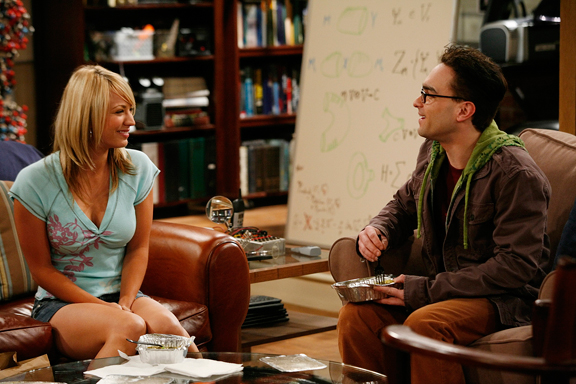
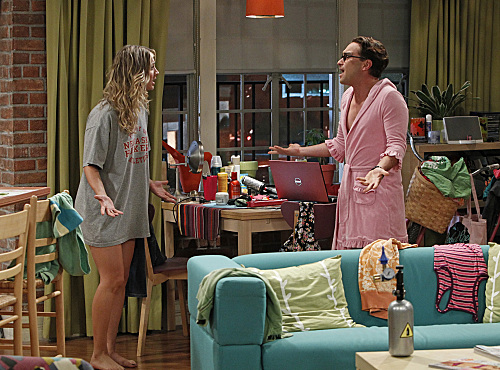
A Relationship of Unequals: Penny and Leonard of “The Big Bang Theory”

Earlier this week, I talked about the importance of romantic relationships between equals. It’s too common these days that strong female characters have to overpower male counterparts. That makes finding examples of a romance among equals, even if it’s as simple as an X-men comic, more important as our culture evolves. By that same token, it’s just as important to acknowledge relationships between apparent unequals. That brings me to one of my favorite shows on TV right now, “The Big Bang Theory.”

Now let me make this clear, just in case I didn’t make it clear enough already. I love this show. It’s one of my favorite shows on TV. It’s funny, it heartfelt, and it’s has lovable, compelling characters. That’s the most you can ask of any TV show these days. However, there’s one component of this show that bugs me and it has to do with the never-ending romance of Penny and Leonard.

I know that this is, by far, the most important romance of the show. From the show’s first episode, this romance has been the driving force behind many plots. It’s perfectly understandable. A cute girl moves in across the hall. A lonely, single guy is going to notice. There’s nothing wrong with that being the foundation of a relationship. There are many wonderful love stories, real and fictional alike, that begin this way. It’s what happens after the beginning that make Penny and Leonard an unstable relationship at best and a toxic one at worst.

We’ve all heard it before. Opposites attract. It’s a common theme in many romance stories and it definitely works in some respects. It’s cute and concise so of course it isn’t entirely reflective of reality. Even science doesn’t offer a clear-cut answer. According to Psychology Today, research involving relationships among opposites tend to have mixed outcomes. It can work. It can also fail. In the fictional world of TV and within the limits of a half-hour show, those failings often get overlooked with Penny and Leonard.

Let’s look at the basics first:

  • Penny is an outgoing, bubbly, impulsive, irresponsible young woman who caters to nearly every “blonde” stereotype imaginable
  • Leonard is a shy, repressed, awkward, neurotic, needy young man who caters to every “nerd” stereotype imaginable

There’s definitely some appeal to seeing these two come together. Love finds a way, right? Well, love is only part of the equation here. Love is an important element of a relationship, but making that relationship work requires a lot more.

As I’ve written about before, doomed romances tend to have a common theme. Chief among those themes are the inequalities among the characters. It’s one thing for a princess to fall in love with a smuggler. It’s quite another to make that relationship work, given the differences between these characters. When two people come from different worlds and have different interest, it can hinder communication between them. Any relationship expert with any degree of competence will agree. Poor communication is toxic to a relationship.

Communication between Penny and Leonard is rarely clear. It leads to many of the hijinks within the show. Early in Season 2, they send each other a lot of mixed messages by dating other people. Penny dates one of her stereotypical dumb jock types while Leonard dates another stereotypical nerd type. Having already gone on a date at this point in the show, there’s no excuse for ambiguity. They know where they stand.

Later in Season 3, it gets even more erratic. In Episode 19, “The Wheaton Recurrence,” Leonard tells Penny he loves her. Her response, “Thank you.” It leads to yet another break-up between them, which is a recurring theme. Yes, they eventually come back together. Yes, Penny eventually does admit she loves him, albeit several seasons down the line. Along the way, the inequalities become more and more striking.

These inequalities go beyond just being different personality types. Good relationships can overcome different personalities. It’s the inequalities that become toxic. What makes this relationship so unequal is that nearly every major decision, every point of progress, and every major turn is done by one person: Penny.

She decides if and when they go out on dates. She decides if and when they begin/resume a relationship. She decides if and when she and Leonard have sex. Leonard, being the quintessential beta male, never does anything to assert himself. He tries at times and often fails hilariously, most notably in Season 3, Episode 23, “The Lunar Excitation.” In that episode, he tries to do exactly what Penny did with him, get drunk and assert that they’re going to have sex. It works when Penny does it. It doesn’t work when Leonard does it.

Now I know there’s a double standard in that scenario. A man asserting sex with a woman is still taboo, but the comic ineptitude that Leonard demonstrates makes this taboo a moot point here. It further reinforces that Penny is the one with all the power in this relationship. She can end it, start it, and guide it as she sees fit. Leonard, being so meek, can never assert himself convincingly.

These sorts of inequalities don’t just create bad dynamics. It also makes jealousy a whole lot worse. In Season 6, Episode 8, “The 43 Peculiarity,” Penny and Leonard are together again. Then, Penny gets an attractive male lab partner while going to community college and this is enough to freak Leonard out. While it is funny at how he deals with it, this kind of jealousy hints at another troubling trait that is toxic to relationships.

Jealous, namely the unhealthy variety, can go beyond simple envy, which we all have whenever we see someone driving a nice car. The jealousy in this instance becomes possession. Leonard sees his relationship with Penny as a precious piece of property that he must guard from those who may steal it. He doesn’t trust Penny. He knows she has a promiscuous past. He lets it get to him.

Penny is just as guilty of this as well. In Season 6, Episode 3, “The Higgs Boson Observation,” Leonard connects with Sheldon’s new female assistant, Alex. Penny flat out admits this bothers her. Despite her having so much power in this relationship, she still gives the impression that she owns Leonard’s affection for her.

When jealousy becomes possessive, it’s usually a sign that a relationship is entering dangerous territory. Jealousy is supposed to remind us of how we feel about our partners, not that we own them. That’s the biggest flaw with Penny and Leonard. Their relationship is something they both think they own. They can’t discern the concept from the person.

What makes this even worse is how Penny’s power extends beyond this relationship. Throughout the show, her promiscuity is well-documented. It fits into the “blond” stereotype that Penny seems to embody at every turn. Again, there’s nothing wrong with that, but it does expose what I think is the most egregious inequality of this relationship.

If she wanted to, Penny could end the relationship and find someone else just like Leonard or someone the exact opposite of him. Due to her looks and her social skills, she can find another relationship fairly easily. Leonard, being so socially awkward and weak, cannot do this. While he certainly could find someone else, his poor social skills limit him in ways that don’t limit Penny.
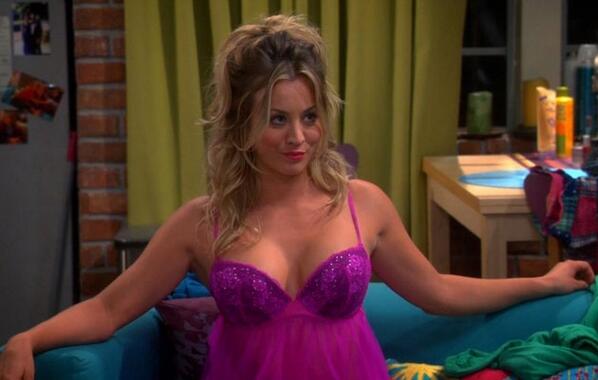
Naturally, these flaws don’t derail the relationship on the show. TV always takes liberties with certain relationship dynamics. Authors do the same. I know I have, but I like to think the stereotypes I use in books like “Skin Deep” aren’t as egregious or excessive as we see in “The Big Bang Theory.”

I don’t doubt the appeal of Penny and Leonard’s relationship. It certainly helps make the show entertaining. However, when I take a step back and look at the dynamics of this relationship, I see in it a lot of flaws that reflect outdated themes. I hope to avoid these flaws and explore new themes in my books. At the very least, “The Big Bang Theory” can offer a guide on what to avoid.

19 Comments

Filed under Jack Fisher's Insights, Uncategorized

A Relationship of Equals: An Unexpected Example From An X-men Comic

375131-_sx1280_ql80_ttd_

This past week, I’ve been writing my thoughts about strong female characters and evolving trends in our concept of romance. I think these are thoughts worth sharing because popular culture is always evolving. Our tastes in stories, characters, and romance changes from person to person, from generation to generation, and from culture to culture. I’ve already seen plenty of changes in my lifetime. I expect to see plenty more, especially as I work on my own love stories.

One of the points I made in my article about doomed romances involves the flaws in dynamics of such romances. When one person, be it male or female, is unequal in terms of sacrifice and input, then that’s typically an obstacle that’s difficult to overcome. When a relationship is between equals, then the romance between them makes both characters stronger. That’s the kind of romance I’m hoping to create with one of my future books. As such, it’s important to take note of promising examples. Low and behold, I found one yesterday.

As I’ve already stated before on this blog, I’m a huge comic book fans. Some of my early exposure to love stories came from famous comic book romances. Among those romances are Cyclops and Jean Grey, two of the most prominent members of the X-men. I always had a soft spot for them. Their love story is among one of the most epic (and convoluted) in the history of comics, stretching all the way back to 1963 and involving multiple deaths along the way (long story).

Like many romances that began in different eras, it didn’t always make both sides equal. However, I would argue that the relationship of Cyclops and Jean Grey was far more equal than those of classic superhero romances like Superman and Lois Lane or Spider-Man and Mary Jane. Unlike those romances, Cyclops and Jean Grey are both superheroes on the same team. They both have superpowers and a superhero identity. On paper, they should be equals. In practice, however, it often led to tiresome tropes. A lot of them centered around Jean Grey fainting and needing to be rescued a lot. Case and point, here’s a clip from the famous X-men animated cartoon in the 90s.

Make no mistake. That happened A LOT. Jean Grey seemed to faint way too often in this cartoon. Things got slightly better for her in the X-men movies, but until her role in this years X-men: Apocalypse, she was largely relegated to being a prize for Cyclops and Wolverine to fight over. It’s a major reason why this romance isn’t quite as celebrated as other major comic book romances and I say it’s a valid reason.

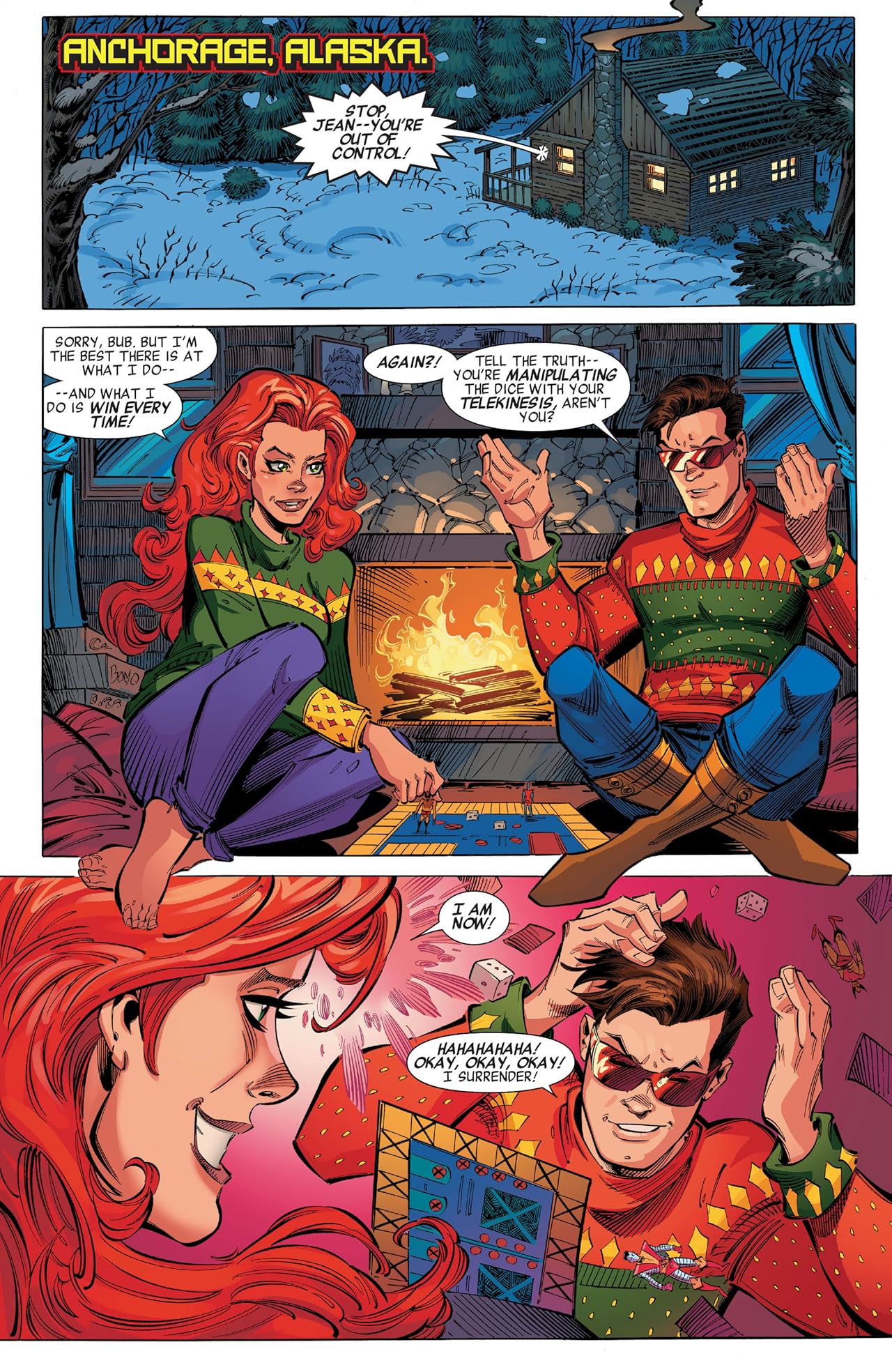
So imagine my surprise when I picked up my comics yesterday and came across X-men 92 #5. In this issue, we catch up with Cyclops and Jean Grey, who are now retired from the X-men and trying to build a life as two normal, healthy lovers. Despite terrible tastes in sweaters, their efforts yield mixed results as superheroes rarely stay retired.

However, it’s not that Cyclops and Jean Grey end up having to don their superhero costumes again that strikes me about this issue. It’s how utterly refined their relationship dynamics are here. Remember that clip I linked to earlier with Jean Grey fainting? That doesn’t happen here. Not once. Anyone who watched all 76 episodes of the X-men cartoon in the 90s can probably appreciate how big a deal that is.

Instead, the comic does something special with these two, something that I actually don’t see very often in comics these days. It shows Cyclops and Jean Grey as two lovers, being superheroes on an equal playing field. At no point do they end up having to save one another. At no point do they undermine or frustrate one another. Every step of the way, they support and complement each other.

That’s not to say there aren’t some disagreements. Cyclops is initially mistrustful of some of the allies they come across, which is perfectly in line with his character, but Jean Grey vouches for them and he trusts in her. He trusts her as anyone should trust their lover and it pays off. He supports her. She supports him. It’s a beautiful thing that shows a relationship actually functioning.

This is something that pop culture overlooks and for good reason. The narrative of how two people fall in love or how two people fall out of love is often more dramatic. However, it’s a story that gets told and retold too often and in too many different forms these days. Rarely do we get a story that shows two lovers actually functioning together on an equal playing field. That’s what makes X-men 92 #5 so astonishing. It uses the romance to complement the story rather than drive it.

This is an important insight and one that I definitely want to take note of for my own work. As I said before, I do have a few projects in mind that rely on relationships between equals. I want to use strong male and female characters who don’t have to rely too much on overplayed tropes because I want my work to stand out. I can’t do that if I tell the same kind of story that people have read a million times before in various forms. So comics like this are vital tools for writers like me.

For others seeking different kinds of love stories, I strongly recommend X-men 92 #5. It offers a different take on an under-appreciated, and often underrated, relationship between two iconic characters. I hope we see more stories like this in comics, as well as movies, books, and TV shows. I think the time is right for this kind of romance to take hold.

49 Comments

Filed under Jack Fisher's Insights, Uncategorized

Strong Female Characters and the (Strange) Assumptions About Them

I’m of the opinion that we make more progress than we think, but not nearly as much as we should. There’s no doubt about it. Novels, TV shows, cartoons, comics and video games have come a long way with respect to female characters.

We’re all familiar with the time-tested tropes. For a long time, a female character could basically be cut and pasted from any James Bond movie. Either she’s a devious, femme-fatale or a pretty love interest meant to supplement the story of the male protagonist. If she’s promiscuous in any way, she’s probably going to die. If she’s innocent and pure, she’ll probably live and be the hero or the prize for the hero. While there’s a place for these kinds of stories, the times are changing.

In recent years, there is a renewed interest in strong female characters who don’t fit into these same tropes. I’ve mentioned a few, like Vanessa in the Deadpool movie. Other more prominent characters include Black Widow in “The Avengers,” Furiosa from “Mad Max: Fury Road,” and Katniss Everdeen from “The Hunger Games.” These are all characters that take center stage, neither supplementing male protagonists nor becoming too similar to male protagonists. It’s a beautiful thing and an overdue change.

However, is our understanding of what makes up a strong female character really that refined? I’m of the opinion that pop culture in general is still stumbling around in the dark like a drunk monkey, trying to figure it out. It’s kind of important for me to acknowledge because I’m a writer. I’m trying to create strong female characters in my books. I admit it’s a work-in-progress, but how much progress have we actually made?

Once again, the fine folks at Cracked.com use a little dirty humor to point out some of the flaws in our current understanding in strong female characters. I don’t agree entirely with their assessment of certain aspects of pop culture, but some of their points are worth making and they’re points I need to consider for my own work. They focus specifically on movies, but I think it can apply to any medium right now.

6 Bizarre Assumptions Movies Make About Strong Women

So maybe we’re not as progressive as we think we are. The one quote in the article that stands out the most is this one:

It seems to come back to this idea that this is all a zero-sum game, that anyone asking for more female characters really hates males and wants to see them mocked and emasculated. “Oh, you say you want more strong female characters? How about if we just showed them shooting a dude right in the penis? Would that do it?”

This, I think, is the key to understanding the core of a strong female character. Their strength doesn’t come from overpowering men or being better than men. It comes from being able to operate on a level playing field with men. It’s not about one gender dominating the other. It’s about equality. There’s a time and place for dominant and submissive personalities. The success of “50 Shades of Grey” is proof of that. Those times and places, however, should be the exceptions rather than the norms.

It’s a challenge. That’s for sure. Everything worth doing is a challenge. It’s one I want to take on. I believe I did to some extent with “The Big Game.” Yes, it is a story that utilizes some BDSM elements. However, I do it in a way that allows both male and female characters to operate equally. It’s my next book that will present a far greater challenge.

This next book, which is still without a title, is structured around what I hope to be a strong female character. I don’t want that character to fall into some of the same traps that Cracked.com so eloquently laid out. I want her to be tough and strong without having to dominate over every male character. I won’t claim I’ll succeed in full, but I’d like to make a concerted effort. If I can find a publisher willing to take a chance as well, I’d like to see that effort pan out.

8 Comments

Filed under Jack Fisher's Insights, Uncategorized

Video Game Romances – Beyond Princesses and Pac-Man

There are a lot of mediums to tell stories these days. Sure, there will always be a place for books, but media is a lot more complex. I’m not just talking about TV and movies either. I’m sure that with the success of Pokemon GO, someone is trying to use AR and smartphones to make a love story. However, there is one medium that has influenced me more than most and it’s not one people usually associate with love stories. Yes, I’m talking about video games.

First off, I’m not just talking about Mario rescuing Princess Peach. That’s romance at its most basic, overly Disney-like levels. In Mario’s defense, there weren’t many ways to tell meaningful stories in the 8-bit days. That changed as gaming technology improved. Now, video games can tell stories every bit as intricate as any big budget movie. The difference here is that the audience can control the direction of that romance. That makes people more engaged in the development of this romance, as opposed to watching it unfold on a movie screen or seeing it unfold in the pages of a book. Make no mistake. That can be pretty powerful.

Having played a lot of video games as a kid, I can vividly remember the first video game romance that really struck me. It’s this one:

That’s Tidus and Yuna from a video game called Final Fantasy X. It’s a game I didn’t play for the romance. I played it because at the time, I was really into RPG style games. I knew this game had a story. I even knew it had some romantic elements to it, as plenty of other games had. What I didn’t know was how deeply the romance in this game would strike me.

Without getting into the long, convoluted story, which would take no fewer than 15 blog posts to do justice, I’ll just say that by playing this game, you put yourself in a position to grow attached to each character. You’re the one that helps them grow and moves them along in their story. You have a say in terms of the pace and efficiency with which they move. So when two characters develop a strong romance, it does have an emotional impact.

For me, the biggest impact came at the end of the game. Without throwing too many spoilers into the mix, I’ll just say that it’s the first time I ever got genuinely emotional at the end of a game. I remember feeling a lump in my throat when I watched the final cutscene. I just sat there holding my controller, my mouth hung open in amazement. Did it really happen? Did I really get this attached to these characters? Short answer: yes, I did.

Playing Final Fantasy X didn’t just influence my taste in video games. It helped shape my tastes in romance for years to come. Other games built on what Final Fantasy X established, at least for me. Games like Mass Effect and Dragon Age actually allow players to choose which romantic partner they want to pursue. It doesn’t even have to be male/female. It can be a same-sex romance as well. It can even be between a human an an alien. That’s how much video games have progressed these days.

It’s a level of engagement that cannot be matched in a book, but it does offer an important lesson. It shows that when there’s an emotional and personal investment in a romance, it has a much stronger impact. The strength of any love story, be it a Shakespearean play or a game of Super Mario Brothers, is the impact it has.

That’s the biggest challenge I have with my stories, creating a romance that has that impact. I like to think books like “Skin Deep” create an engaging romance that gets people worked up, but I know there’s room for improvement. My upcoming book, “Embers of Eros,” is my most ambitious effort at such a romance. However, it’s still at the mercy of Crimson Frost Publishing, who continue to delay its release.

I will continue to make more effort at these romances in future books. For now, there’s plenty of other romance to explore, including games. So while I wait to tell my story, here’s a nice article from Complex.com about realistic video game romances.

The 25 Most Realistic Video Game Romances

5 Comments

Filed under Jack Fisher's Insights, Uncategorized

Anatomy of Doomed Romances

I’ve talked about the right and wrong ways to explore sexuality and BDSM on this blog. I’ve talked about the potential benefits and insights that alternative concepts of sexuality may bring. However, there’s another side of that coin that’s worth talking about and, given that my work involves both erotic and romantic elements, it’s something that needs to be touched on.

A lot of my books have heavy romantic elements. At their core, books like “Skin Deep,” “Child of Orcus,” and even the aptly titled “The Escort and the Gigolo” are love stories. A big part of the story involves two characters coming together in a meaningful way. For the most part, I try to make this journey compelling, as well as sexy. I try to avoid typical Disney cliches. We all know them when we see them. It’s a “love at first sight” or a “forbidden love they can’t have.” Those make for tantalizing possibilities, but do they really make for healthy relationships?

It’s an important question to ask because some of these stories fail to acknowledge the flaws in those relationships. Make no mistake. Those flaws are there. The concept of “love at first sight” is sweet and all, but it’s barely the first step to a meaningful relationship and not taking more steps can undermine both the story and the relationship as a whole.

This isn’t a new issue either. Doomed romances are a big part of literature, going back to the days of the ancients. There’s an undeniable appeal to them, albeit one that reflects a crass understanding of love and meaningful relationships. Paste Magazine even made a list a few years back that highlights some of the most notable. I don’t think their choices will surprise anybody.

8 Epically Doomed Relationships in Literature

That’s one kind of doomed relationship. Most won’t argue the premise. Then, there are the doom relationships explored by Cracked.com in an article that may surprise some. Being a humor website full of dirty jokes, they took a more crass look at certain iconic romances. As is often the case, a crass gaze reveals an unexpected insight.

5 Movie Romances That Won’t Last According To Science

Some of the romances on this list are sure to make a certain subset of fans tense, but sometimes science and reality can be just that harsh. We tend to forget that relationships founded on excessive sacrifice or two people from different words, such as Han Solo and Princess Leia or John Bender and Clair Sandish, have more obstacles to overcome than most. By and large, those obstacles can be pretty detrimental. They’re not impossible to overcome, but the stories rarely explore this. It’s almost always just about how they come together. Then, the credits roll and we’re all left to fill in the blanks.

I understand why that happens. Exploring the intricacies of how relationships blossom and flourish is rarely as interesting as the process of coming together. I’m guilty of that as well in some of my stories. My book, “The Final Communion,” is the best example of that. At the same time, the concept of doomed romances provides an important context to developing romance as a whole. It’s a context I hope to keep in mind as I explore new stories. “The Big Game” doesn’t have heavy romantic elements, but some of the other books I have in mind will. Whatever comes of them, I hope I can show that there is a place for more meaningful romance that won’t feel so doomed in the end.

2 Comments

Filed under Jack Fisher's Insights, Uncategorized

Wonder Woman Movie Official Trailer (No BDSM)

Since I’ve been talking about Wonder Woman all week, it’s only fitting that this is the week where the trailer to her first big movie drops. It has been a long time coming. Despite being one of the most iconic female heroes of all time, she has never starred in her own movie. Catwoman got a movie. Elektra got a movie. But not Wonder Woman? It’s an injustice to say the least.

The wait is almost over though. The trailer is here and no, it does not show any signs of Wonder Woman’s BDSM origins. Not that anyone expected it to, but that’s kind of where we are with Wonder Woman right now. The vision of William Marston, her creator, has undergone many shifts and revisions. Right now, DC and superhero movies need a Wonder Woman that plays into the same themes that other movies have in recent years. It may take a long time for those BDSM origins to be revisited in a movie, but it’s a start.

4 Comments

Filed under Uncategorized