Tag Archives: Iron Man

The (Not So) Hidden Philosophical Insights In “Avengers: Infinity War”

landscape-1522945902-mlu-17652-r

The past few weeks have been exciting, shocking, and downright cathartic for fans of superhero movies. The success of “Avengers: Infinity War” is beyond dispute. Between critical praise and a record-setting box office haul, it has entered uncharted territory in terms of success, both as a movie and as a cultural phenomenon.

As a lifelong comic book fan who hasn’t forgotten the dark days “X-men Origins: Wolverine” and “Batman and Robin,” the impact of this movie puts a big smile on my face. Even those who doubted a movie this ambitious could be made or keep hoping for superhero fatigue can’t deny the breadth of what “Avengers: Infinity War” has achieved.

Those achievements are worth celebrating, at least until the first trailer of “Avengers 4” comes out. As part of that celebration, I also think it’s worth taking a step back and looking at the bigger messages that “Avengers: Infinity War” conveys. To simply call it a big, flashy spectacle meant to milk movie fans of money would be a gross oversimplification.

Nothing becomes this successful without having meaning beyond the spectacle. No movie can appeal to such a wide audience or get them to pay grossly inflated ticket prices without having that meaning. Movies like “Avatar” and “The Godfather” have that kind of meaning that transcends the content of the movie. Even other superhero movies like “The Dark Knight” dare to explore deeper philosophical insights .

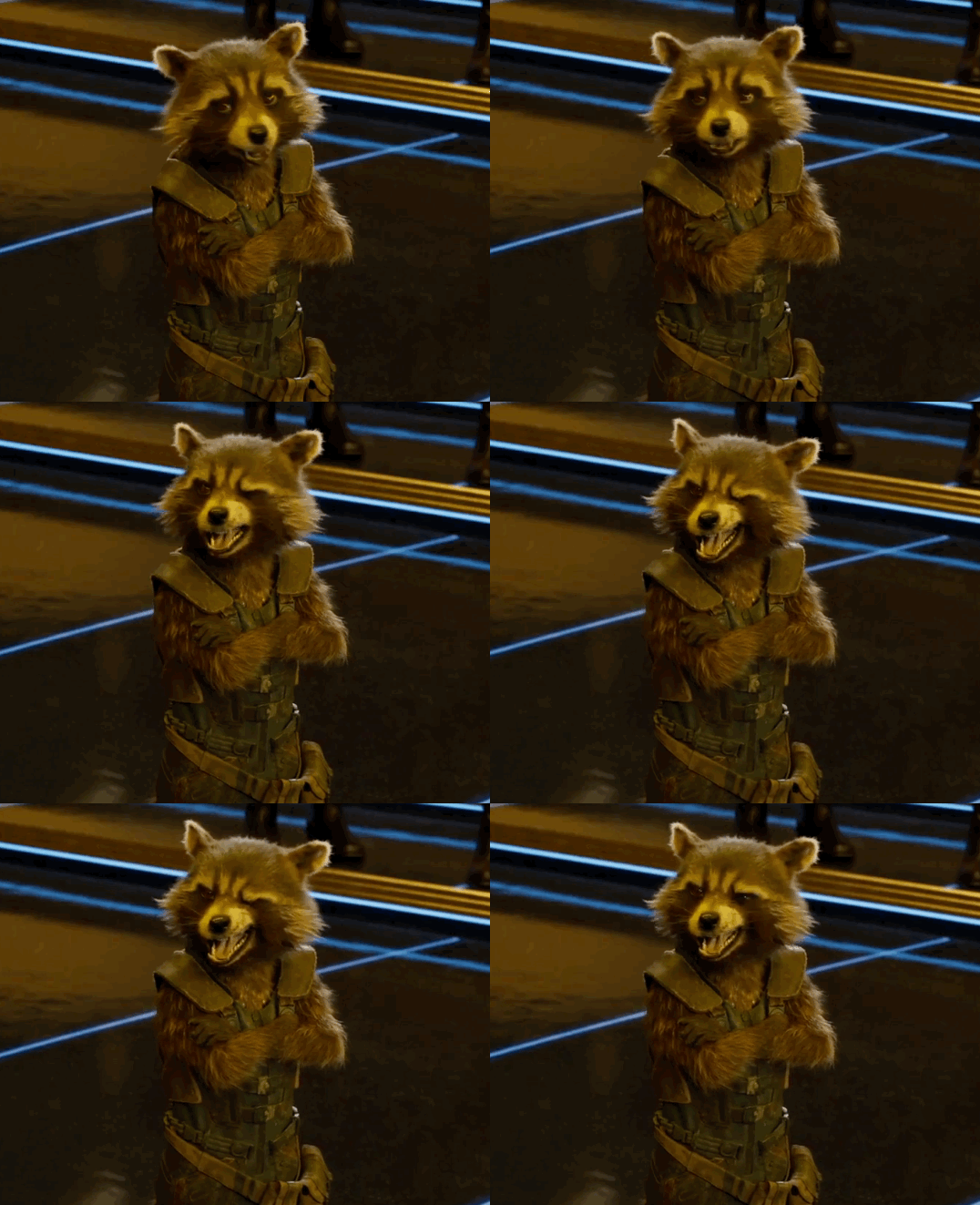
I believe those insights are present in “Avengers: Infinity War.” I also believe that those insights are unique because the entire setup for the movie is so unique. No movie in history has required a decade of build-up, multiple phases, and an over-arching narrative that spans movies that range from gods invading Earth to talking Raccoons teaming up with renegade space pirates .
That puts this movie in uncharted territory. The events of the movie can’t function in a vacuum without losing elements of that larger message. While the nature of that message is debatable, I’m going to make a case that the deeper meaning in “Avengers: Infinity War ” is one that complements those of the previous Avengers movies. I’ll even go so far as to claim it has implications for the real world.

The core of that message, I believe, has to do with a simple truth that probably seems inane, especially to those who read a lot of comics or consume a healthy dose of superhero-themed media. However, it’s a message worth belaboring and it can best be summed up like this.

A united team is stronger than a collection of powerful individuals.

I know that sounds like a snippet from one of Captain America’s inspiring speeches. It’s probably something teachers, coaches, and parents have conveyed to their kids, going all the way back to pre-school. However, I think “Avengers: Infinity War” conveys that message in a way that makes for a much greater spectacle with an equally great impact.

Even if you watch “Avengers: Infinity War” without seeing the last two Avengers movies, there’s one obvious obstacle that all the heroes face in the battle against Thanos. Before the first shot is fired, they’re all deeply divided. They’re not a team. They’re a mess.

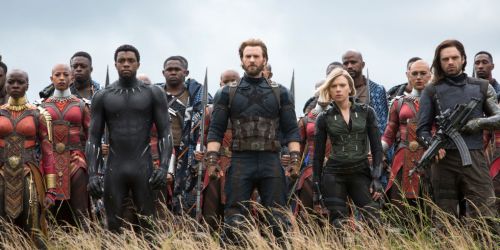
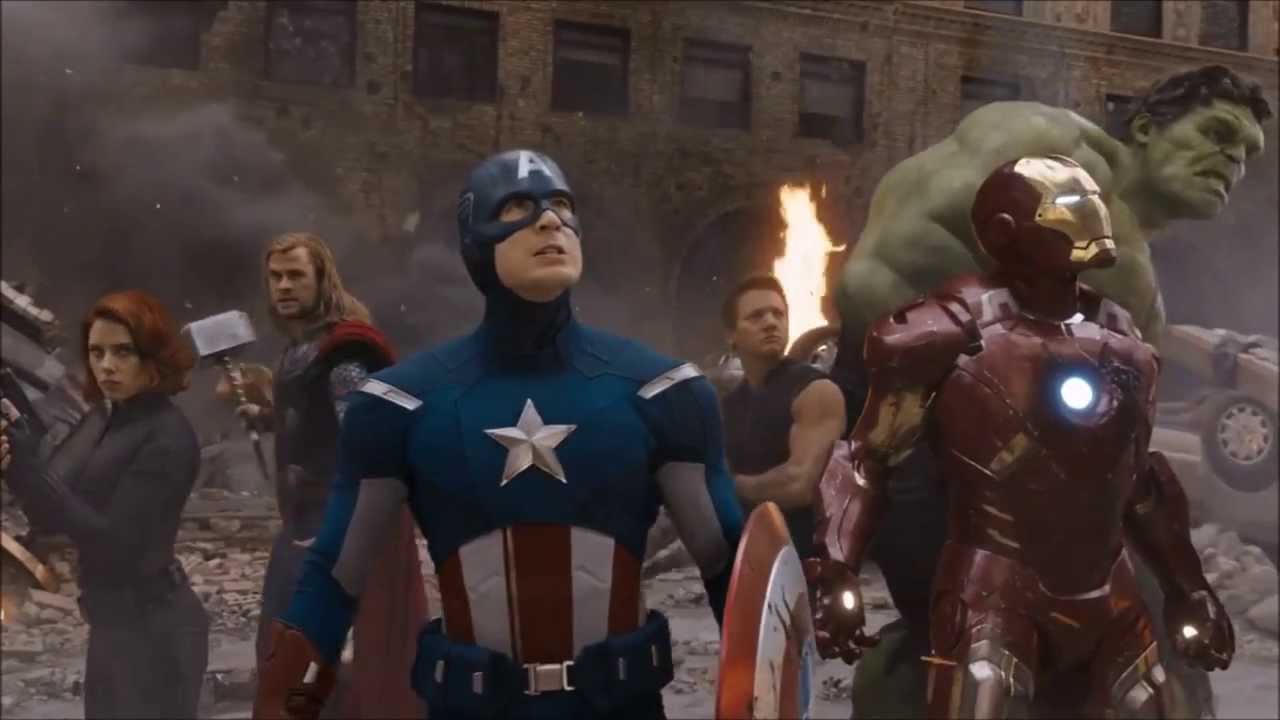
Iron Man and Captain America aren’t on friendly terms. Tony Stark said as such at the beginning of the movie. It’s also established that Captain America and those loyal to him are fugitives, a direct result of the events in “Captain America: Civil War.” They are, to some extent, a metaphor for a divided team and a divided society.

That may not sound like a big deal, but to the extent it reflects a core strength of humanity, as both a species and a society, it couldn’t be more vital. I’ve mentioned before how tribal people can be. I’ve even framed it as a flaw, at times. While it certainly can work against us, it’s also one of our greatest strengths.

I don’t think it’s unreasonable to say that the human ability to form groups, work together, and coordinate in the name of a common goals is one of our greatest survival advantages. By forming teams and organizing societies, we’ve become the most dominant species on this planet. The Avengers are, from a philosophical standpoint, the embodiment of that team strength.
As individuals, we all have plenty of shortcomings. Not everyone knows how to fix a car, program a computer, or treat a staph infection. There are also too many of us who die from stupid accidents or treatable infections. As a team within a society, though, we’re able to thrive and overcome obstacles that no individual can overcome, even if they’re a super soldier or a billionaire inventor.

In “Avengers: Infinity War,” the team faces the ultimate obstacle in Thanos. He hits like an unpredictable force of nature. He brings callous, chaotic death and is willing to cross every conceivable line to achieve his goal. He’s not someone that can be dissuaded, talked down, or negotiated with. He must be opposed directly.

In other words, he’s the worst kind of threat the Avengers could’ve faced in their current condition. That’s critical because the first “Avengers” movie and “Avengers: Age of Ultron” do plenty to establish the value of having a unified team against such threats. In both those movies, the Avengers bicker and clash. However, they stay united and eventually defeat the threat.

You don’t need to look that deep into history to see parallels that reflect the strength of unified alliances. The unity of the allied powers in World War II proved overwhelming to the Axis. Contrary to popular belief and even a few popular alternate history stories , the Axis powers were never that close to winning the war. In fact, they were a very poor allegiance and hurt each other much more than they helped.

Even in recent times, greater unity in the form of globalization, free trade, and mass communication has helped unite the world on an unprecedented scale. While globalization gets a bad rap these days, it has helped create one of the most peaceful and prosperous times in human history. Like the Avengers, disparate societies are working together to achieve things they couldn’t achieve on their own.

In “Avengers: Infinity War,” and I know this is somewhat of a spoiler for those who haven’t seen the movie, the divisions within the team kept them from uniting against Thanos. They couldn’t be as effective as they were in “Avengers” and “Avengers: Age of Ultron.”
You could also make the argument that the Avengers weren’t willing to sacrifice as much as him. There were, indeed, opportunities to stop Thanos in his tracks. However, those opportunities required someone to die. The logic was that sacrificing one life would save many, trillions in this case.

That may seem like a failure on the part of the Avengers, but I would argue those difficult decisions are a direct byproduct of disunity. When a team is divided and not coordinating with one another, they have to make these kinds of sacrifices. Even if they did, though, it still doesn’t guarantee that they would beat Thanos.

It’s another consequence of disunity, division, and not coordinating with one another. Everything becomes a reaction. There’s little room to plan or prepare. That worked against the Avengers in a big way because they did have some warning surrounding Thanos. The visions Tony had in “Avengers: Age of Ultron,” at the very least, offered hints as to what might be coming.

Rather than use that opportunity to unite, they ended up divided. In the end, the outcome of “Captain America: Civil War” ensured that “Avengers: Infinity War” was going to end badly for the Avengers. It’s part of what helped give “Avengers: Infinity War” such an enormous impact. It takes those over-arching narratives from other movies and gives them greater weight.

Now, none of this is to say that the Avengers would’ve defeated Thanos easily had they been united from the beginning. Even if every one of them had been present and on the same page, there are no guarantees against a threat like Thanos. Like a supervolcano eruption or a gamma ray burst, it’s impossible to know whether we can survive a powerful threat we’ve never faced before.

Even so, history and nature are ripe with examples that demonstrate how united, cohesive teams are better able to survive major threats than powerful individuals. One human versus one hungry grizzly bear is not a fair fight. An entire team of humans, armed with a desire to survive and the collective know-how of multiple individuals, makes it exceedingly unfair for the grizzly.

Like the Avengers, the best teams are those that maximize an individual’s unique talents while empowering them with a collective drive. In those same teams, the conflict between individualism and collectivism strikes a critical balance. They aren’t so unified that they become prone to drone-like behavior. They also aren’t so divided that they’re too weak to coordinate.

We see that balance in teams that win championships. We also see it in organizations that accomplish great things, from building the pyramids to landing a man on the moon . A lot of what humanity has achieved, as a species, has been done through a collection of brilliant individuals who are able to work within a society to make their ideas happen.

The same effect applies to superheroes, who embody ideals of individual powers and abilities. On their own, Captain America, Iron Man, Thor, and even Ant Man can do great things. As a team, though, they can do much better.

It’s both a lesson and a powerful message, laced within a cinematic marvel. It shows just how weak and vulnerable we are when we’re divided, petty, and disorganized. Hopefully, “Avengers 4” can complete the story by showing just how strong we can be when we’re united, motivated, and driven. It may be an old, overplayed message, but it’s one worth belaboring in a world that’s still very divided.

Leave a comment

Filed under Comic Books, Jack Fisher, Superheroes, human nature

The following is a review I wrote for PopMatters for Avengers #1. Enjoy!

Marvel’s Avengers #1 Defends Old School Avenging

Leave a comment

May 3, 2018 · 2:06 pm

Infinitely Astounding And Then Some: My Review Of “Avengers: Infinity War”

https3a2f2fblogs-images-forbes-com2fcurtissilver2ffiles2f20182f042favengers

We’ve heard it all our lives from parents, teachers, and cartoon characters. Good things come to those who wait. Patience is a virtue. If something is worth having, then taking your time and going through the process will make it that much more rewarding.

As impatient, overly energetic kids, we hated that. As adults, we still hate it to some extent. However, those inane words of wisdom have proven themselves valid time and again.

To some extent, the Marvel Cinematic Universe has a been a decade-long exercise in patience. That patience has already paid off in so many ways with so many memorable moments, raising the bar for cinematic excellence every step of the way. After ten years of that process, though, how could it possibly vindicate all the patience?

Well, having seen “Avengers: Infinity War,” I’m comfortable saying that all the waiting, hype, and post-credits teasers was totally worth it. Never before has a movie come along that required so much build-up and so much connection from other films over such a lengthy period of time. Never before has a film franchise ever achieved such sustained, consistent success that has raked in billions for its Disney overlords.

By nearly every measure, “Avengers: Infinity War” is the culmination of all those efforts. It’s an effort that spans dozens of movies, made and re-birthed entire careers, and dared to tell the kind of story that required such a lengthy, elaborate process. It’s the kind of movie that, a decade ago, seemed impossible. Well, the impossible has been done and the results are nothing short of astounding.

Beyond the hype, setup, and process that went into making this movie, “Avengers: Infinity War” is a ride like no other. It’s not just about superheroes coming together to battle a common enemy. It’s not just about big battle scenes and witty quips between gods and talking raccoons. This is a movie with a powerful, impactful story that strikes so many emotional chords.

That may seem strange for a superhero movie, which have traditionally been big-budget spectacles meant to delight the inner child/fanboy in us all. The idea that a superhero movie could generate real drama and evoke powerful emotions almost seems like a subversion of the underlying appeal of the genre.

It’s for that reason that “Avengers: Infinity War” is so special. It doesn’t just build around the appeal of all these iconic characters, most of which are older than the actors and actresses playing them. It crafts a story that takes all the emotional stakes that had been set up in other movies and pushes them to the absolute limit.

The emotional journey that began in “Iron Man” and “The Avengers” comes to a head in a way that’s both definitive and powerful. There’s no more teasing surrounding Thanos, the Infinity Stones, and all the agendas surrounding them, many of which began in the earliest phases of the MCU. The stakes are clear, the threat is there, and the battles surrounding both are appropriately epic.

Beyond just the spectacle, though, “Avengers: Infinity War” succeeds in what might be the most important aspect for a movie of this scope and scale. The story and the high-octane clashes that fuel it all unfold in a way that makes the last decade of Marvel movies feel even more relevant.

Marvel big-wigs like Kevin Feige love to say it’s all connected. Well, “Avengers: Infinity War” strengthens those connections. Suddenly, the plots involving the infinity stones, going all the way back to “Captain America” and “Guardians of the Galaxy,” matter that much more.

All those plots gain much greater weight as Thanos fights to retrieve all six stones. Now, all the triumphs and failures of these characters more weight. These characters we’ve been cheering for and connecting with now have to push themselves beyond their limits. The end result is an experience that hits as hard as a punch by the Hulk.

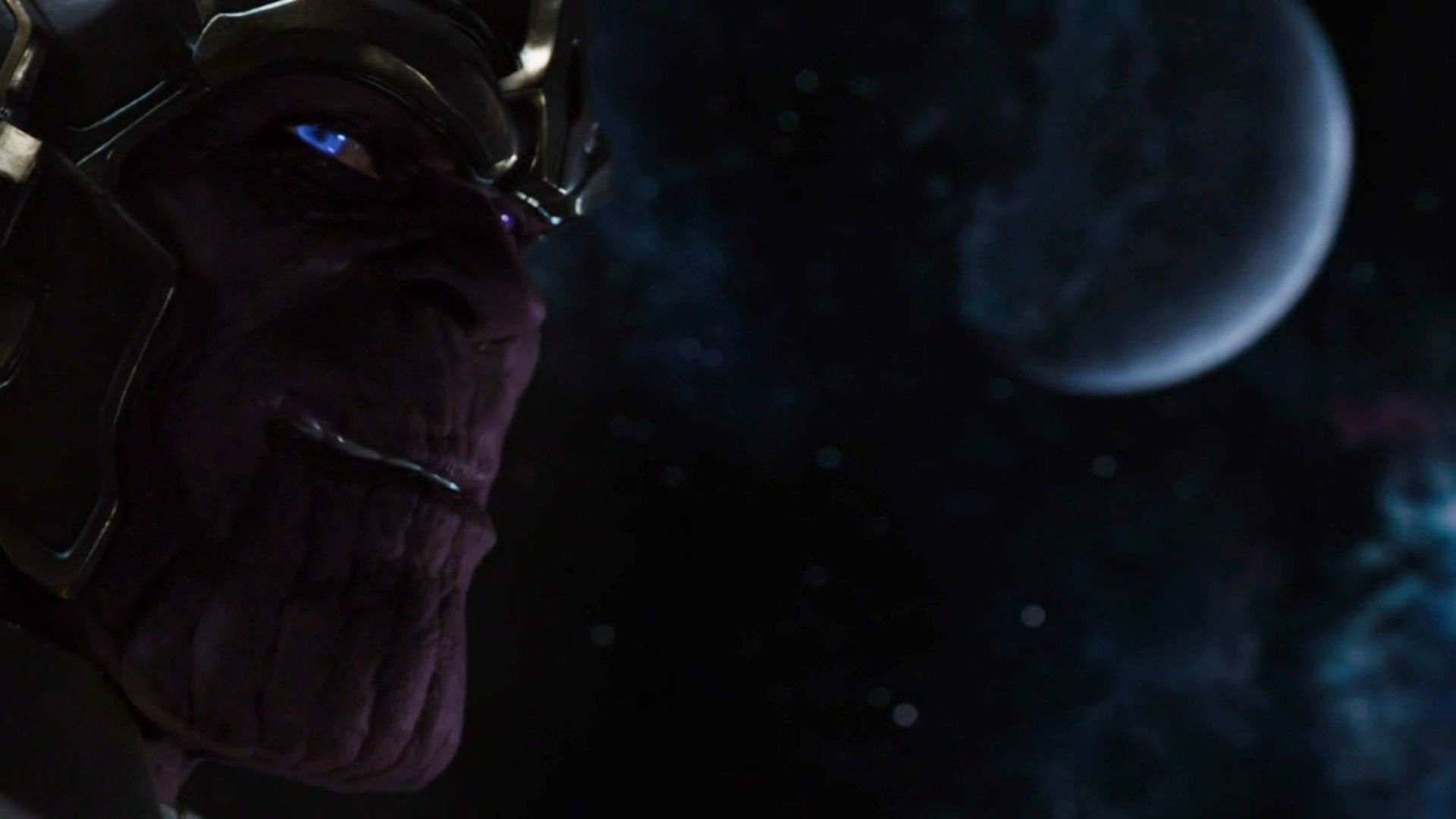
Beyond the connections created by the past ten years of Marvel movies, “Avengers: Infinity War” succeeds in another important way. It crafts the conflict around a powerful, compelling villain. After seeing the movie, I think most would agree that Thanos really steals the show and not just because Josh Brolin’s voice gives us all the right shivers.

It was probably the biggest challenge of this movie, beyond having to build it around a decade of overarching plot points. This movie needed to make Thanos more than just a daunting threat. It had to make him compelling. Given his colorful history in the comics, that was more challenging than most non-comic fans realize.

Thanos needed to be adapted, to some extent, in order for him to work. He couldn’t just be this mad, death-obsessed monster. In a universe that has birthed compelling villains like Loki and Erik Killmonger, he has to have some level of complexity. “Avengers: Infinity War” gives him more than any CGI-generated character could ever hope for.

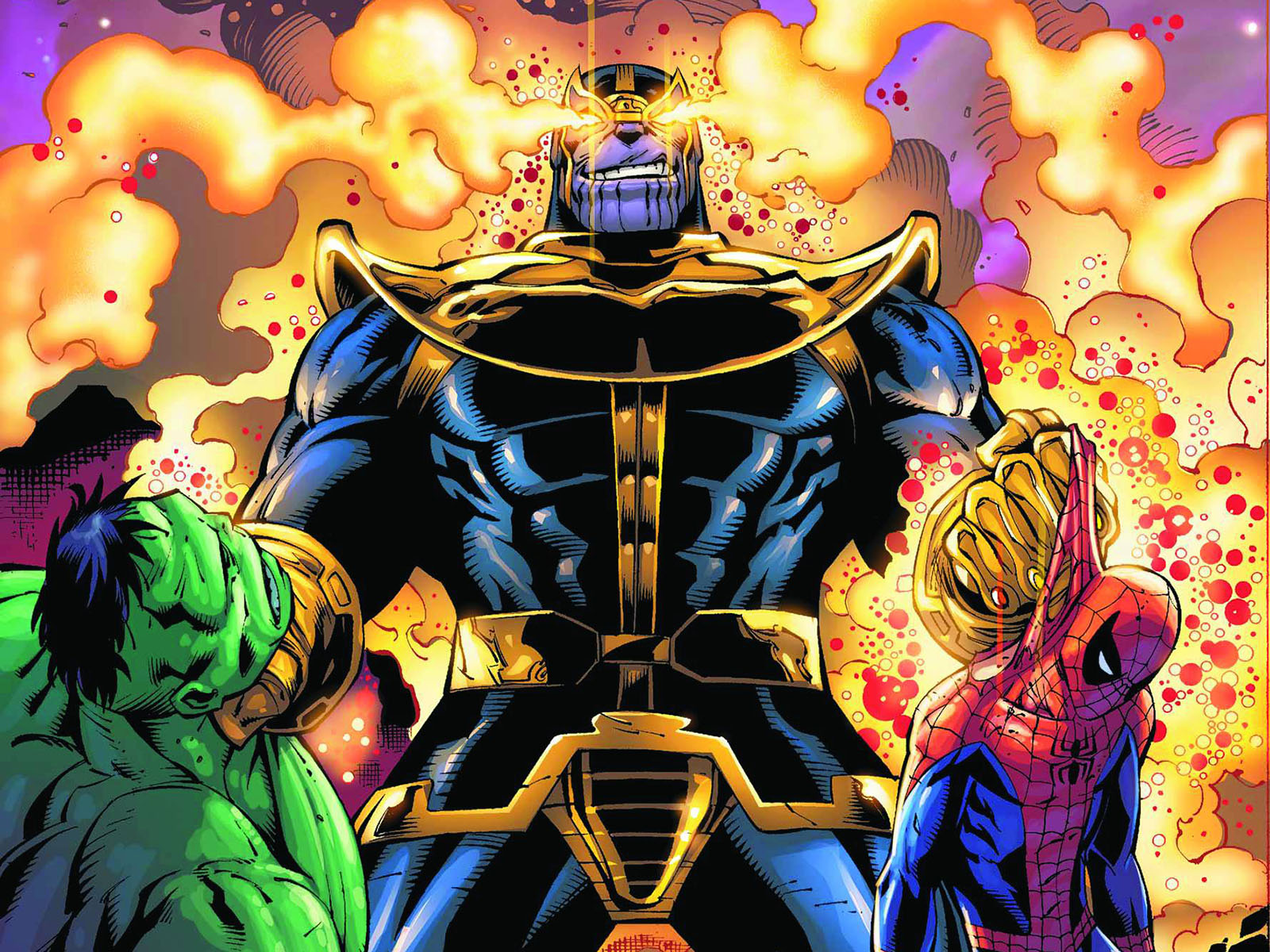
It’s not just that Thanos is menacing, powerful, and able to subdue the Hulk. It’s that he has a clear, unambiguous motivation. He’s very overt about what he’s doing and why he’s doing it. What makes it all the more remarkable is that he finds a way to justify it that doesn’t come off as outright villainous. I would argue that he justifies his actions are better than any other villain in the MCU.

That doesn’t just make Thanos compelling, as both a character and a villain. It helps create moments that establish he’s not just some overwhelming force of evil. He’s a being who has feelings and emotions. Even in the comics, Thanos is a very emotion-driven character. The emotions, in this case, are directed towards something other than wanting to hook up with the living embodiment of death.

As menacing as Thanos is, though, he’s driven by his passions and those passions push him to the kinds of extremes that make all villains so dangerous. It’s not the same kind of greed and ego that makes Lex Luthor’s villainy so overt. As a result, the Avengers have to tap into their own passions to stop him.

This brings out the best in them as well. There are moments between Iron Man, Spider-Man, Vision, the Scarlet Witch, Starlord, Gamora, and Thor that really elevate the drama. There are moments of romance, building on romantic sub-plots from previous movies. There are moments of heart-wrenching loss, more so than any other Marvel movie to date. Most importantly, though, those moments carry weight and impact.

That, more than anything, is what makes “Avengers: Infinity War” a special cinematic experience that was worth waiting a decade for. To some extent, the movie makes clear that it needed those ten years to build up the drama and story. It also needed those ten years to make us, the audience, really care about all these characters. That way, when the final credits roll, we all feel the true breadth of that impact.

You could, in theory, still watch “Avengers: Infinity War” without having seen any other Marvel movie or superhero movie, in general. Even in that context, it’s still a great movie full of action, drama, and memorable moments featuring gods, super soldiers, and talking raccoons. However, without all the movies that came before it and all the connections from them, it just doesn’t carry the same weight.

If “Avengers: Infinity War” has any flaws, it’s that. To truly appreciate the impact of the movie, it’s necessary to know and somewhat care about the other movies in the MCU that helped set it up. Without that, the movie is just another spectacle. It’s still an amazing spectacle full of quality acting and stunning effects. It just relies so much on the foundation that other movies have crafted.

I’ve no problem saying that “Avengers: Infinity War” is one of the greatest superhero movies ever made. It may very well go onto become the highest-grossing superhero movie of all time. However, it’s not without flaws. They are very minor, but they are there.

If there’s one glaring flaw in this masterful superhero saga, though, it’s that the movie is clearly organized to be in two parts. Like “Kill Bill” or the latest “Star Wars” trilogy, the story is incomplete, by necessity. As a result, the ending feels abrupt. It’s still more impactful than gut punch by an army of Hulks, but it’s one of those endings that never comes off as an endpoint.

This movie is presented very much in the mold of “The Empire Strikes Back” in that it hits the heroes hard, allows the villains to make devastating gains, and really raises the stakes for the sequel. Just as that movie made you want to see Luke Skywalker battle Dearth Vader again, “Avengers: Infinity War” makes you want to see the Avengers take down Thanos.

There’s so many things to love about “Avengers: Infinity War” and what it managed to accomplish. It is definitely a historic achievement for movies and the superhero genre, as a whole. If I had to score it, I’d give it a 9.5 out of 10. It’s not perfect because it’s incomplete, but it’s as close to perfect as anything can get after ten years of build-up.

The wait was long and agonizing, but so worth it. The wait for “Avengers 4” will likely be agonizing as well, but Marvel Studios has made a glorious habit of rewarding such patience so I certainly don’t mind waiting. “Avengers: Infinity War” once again raised the bar. I look forward to seeing how Marvel and Disney raise it again.

5 Comments

Filed under Comic Books, Jack Fisher, Superheroes, Movie Reviews

The Outrageous Outrage Of The Outrage Over An Invincible Iron Man Cover

As a general rule, I try to stay away from overblown media outrages. It’s not that I don’t have an opinion on them. It’s just that in my experience, peoples’ attention spans are so damn short and their outrage is so damn selective that it’s just not worth the time. I’d much rather dedicate my energy to something more productive, like writing novels that make men and women horny for all the right reasons.

However, there are certain outrages that I feel obliged to address. If said outrage involves comic books, superheroes, and people who whine about insanely petty issues, then I’m going to make my opinion known. I love comic books and superheroes. I hope I’ve made that abundantly clear on this blog. I’ll continue belaboring that love for as long as I must.

So when someone decides to throw a hissy fit that gives comic book fans like me a migraine, I’m going to take notice and I’m going to have an opinion, especially if said hissy fit involves something petty.

So what has people whining, bitching, and moaning at superhuman levels this time? Well, it all has to do with a comic book cover for an upcoming series called “Invincible Iron Man.”

It’s not actually the main cover for the book. It’s what we in the comic world call a variant, meaning there’s only so much that are printed. They’re basically a gimmick for comic collectors and since they can be pretty damn awesome, most comic book fans don’t mind. I certainly don’t.

This one in particular is actually a variant cover exclusive by J. Scott Campbell, a very talented and highly respected artist among comic book fans. This one was actually done for Midtown Comics, a premier comic book store in New York City that I make it a point to visit every time I go there. So of course it’s special and of course it’s going to carry more weight than others.

So what’s the controversy? Well, before I reveal that, let me show you the cover. If you can immediately spot the outrage, then I think you’re already part of the problem so this blog post won’t affect you. If not, then bear with me because it’s going to get even pettier than you think.

Not bad, right? Good colors, good lines, and a generally upbeat tone. It depicts Riri Williams, a young African American woman who will be taking the role of Iron Man for a while. Those of you who only know Iron Man from Robert Downy Junior’s depiction in the Avenger movies may be confused. Trust me, it’s actually more confusing than you think.

I won’t get into the reasons why someone else is taking over Iron Man. I’ll just note that this happens a lot in comics. Every now and then, an established character will either die or go MIA for a while so someone else can take up the mantle. It’s been happening a lot lately because Marvel has been seeking more diversity in its heroes.

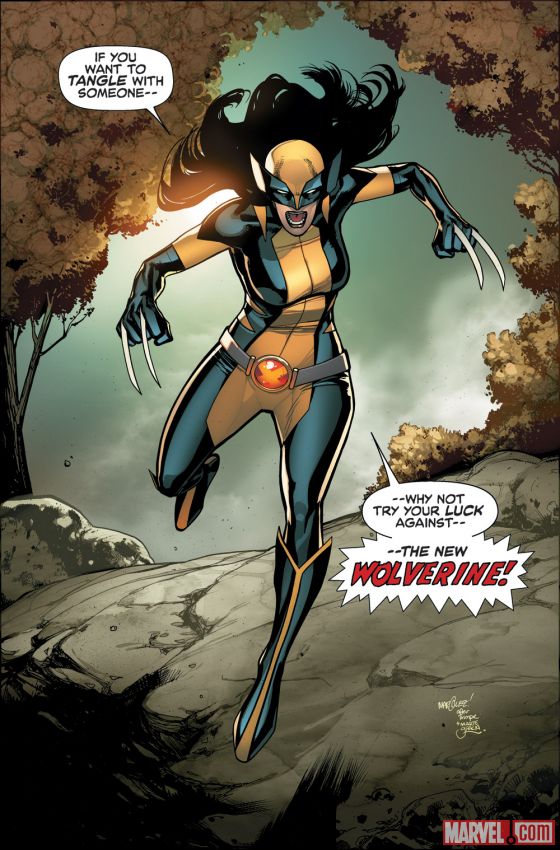
Riri Williams is hardly the first. Last year, they did the same with Wolverine. The former Wolverine in the comics died and was replaced by his clone/daughter, Laura Kinney. By and large, it was a success. It generated little to no controversy. Even comic book fans shrugged it off. Who better to take over for Wolverine than his own daughter? It’s a beautiful thing.

So what’s up with this cover surrounding Riri Williams? On the surface, it’s the kind of cover that appeals to comic book fans who want a simple, visually appealing hook for a comic. It’s a visual medium, after all. Shouldn’t it be pretty to look at?

For some people, being pretty is some horrible affront to all that is good and just in the world. How is it terrible unjust? Just look at the cover again. Look at how sexualized it is. No seriously, look at it. Is this piece of artwork really so overtly sexual that a generation of children will be scarred for life by seeing it?

I try to be fair and understanding in all major controversies. I really do. This time, however, I have to fight the urge to bang my head against a brick wall. Is this what really qualifies as being too sexual lately? Is this comic book cover, in an era where the hardest of hardcore porn is available with a simple google search, just too damn sexy for public consumption?

Sadly, enough people whined about it to prompt Marvel to pull the cover from the market. It’s a victory for those who are so fragile, so weak, and so petty that they can’t stand the idea of any form of media being the least bit sexy. For anyone who is just a fan adding more beauty to this deranged world, it’s the equivalent of a tequila hangover.

This isn’t the first time people have lost their shit over a comic book cover being too sexy. A few years ago, those same puritanical, overly petty types lost their shit over this cover for Spider-Woman #1.

That cover is by Milo Manara, an artist with a history of creating artwork that is overtly pornographic. Is it the best style for a superhero comic that’s marketed to adults and kids? Probably not. At the very least, there’s some merit behind the outrage here. It doesn’t take an overly petty person to look at this cover and see that it takes too much inspiration from Nikki Manaj videos.

Again though, how petty do you have to be to think Riri Williams in this cover is too sexual? Yeah, she’s a teenager and she shows off her mid-drift. News flash people, teenagers dress like that. Anybody remember Madonna? She was a teenager at some point too a million years ago and she dressed like this.

Have we really regressed that much since the 1980s? Are we really returning to a time when a woman exposing her mid-drift is on the same level as flashing her tits at a bus full of kindergartners? I know outrage is usually selective and petty to some degree, but this is a world of internet porn and Honey Boo Boo. I think that kind of pettiness is obsolete.

Again, here’s the cover one last time. Again, this is Riri Williams, a young African American woman who is about to become a superhero. Look at it closely.

She’s not wearing a thong. She’s not wearing a bikini. She’s not even wearing a dress for crying out loud. She’s just wearing what you’ll probably see high school kids wear around the beach, a mall, or anywhere they want to show off how many sit-ups they’ve done. If J. Scott Campbell wanted to make an overly sexy cover, there are many other ways he could’ve done it.

Except he didn’t. Some may argue that Riri’s bodily proportions are wrong and unrealistic. Some would much rather have her look like someone we would probably ignore if she walked into a coffee shop in New York. These are the same people who don’t seem to mind Photoshop being used on fashion magazines or breast implants being used by porn stars. Once again, they have to be extremely petty and selective with their outrage.

I can stand people being petty. I can stand people being outraged over dumb shit. We’re a flawed species. We’re bound to act stupid for obscenely stupid reasons. However, when that stupidity is given credibility, I have a problem with it. I doubt this will be the last such problem, but it sets a sad and dangerous precedent. It means that those who whine and complain loud enough will have their childish arguments taken seriously.

We don’t take children seriously when they whine about not being able to eat candy for dinner every day. Why should we take them seriously with this? Trick question. We shouldn’t.

6 Comments

Filed under Jack Fisher's Insights