Tag Archives: internet

How AI Slop Will Evolve For Better AND For Worse

This is a video from my YouTube channel, Jack’s World.

The development of artificial intelligence has incurred many consequences. But the most visible to date has been the emergence of “AI Slop.” It has flooded social media, including YouTube. And as generative AI continues to improve, the nature of this slop will evolve.

There are plenty of strong opinions about AI Slop, most of which are negative. I do share some of those opinions, but I also try to approach it with a balanced perspective in this video. Enjoy!

Leave a comment

Filed under AI Art, Artificial Intelligence, Jack's World, YouTube

How To Get Around (Certain) Paywalls

First off, fuck paywalls.

I understand why the exist. I understand that content creators, media outlets, and individuals need to make money for their efforts. It’s a necessary evil to fund the many good things the internet provides.

That being said, fuck paywalls. They’re one of the most annoying things to manifest on the internet that don’t involve whiny trolls with too much free time.

With each passing year, it seems, more and more websites are resorting to paywalls to restrict or limit access to their content. This is especially common with news outlets, including major newspapers like the Washington Post and the New York Times. But I’m also seeing it on smaller outlets that aren’t major newspapers, especially those that cover sports, entertainment, or various genre news.

They’re all annoying as hell. They’re basically asking for a newspaper subscription that can range anywhere from a couple of dollars to the equivalent of a yearly Netflix subscription. At a time when most people are already annoyed by the amount of subscriptions they have to pay for, this is making a bad problem much worse. It’s essentially segmenting the internet in ways that run counter to how it began.

But rather than lament on this annoying trend, I’d like to offer some guidance to those who hate paywalls as much as I do. Even if you too understand why they exist, nobody will blame you for not wanting to purchase an entire subscription just to read one or two articles. For those instances, there are some ways to get around that.

For the sites that offer a handful of free articles before requiring a subscription, you could always use a VPN. These VPNs, also known as Virtual Private Networks, basically mask your IP address so that it always seems like you’re coming from a new location. While some sites are aware of this tactic, it’s very difficult for them to filter it out. VPNs offer many other uses aside from getting around paywalls. They do come at a cost, but you do get a lot out of them.

But if you don’t want to invest in a VPN, another way to get around paywalls is to use certain free sites. They don’t necessary get around the paywall. They just allow you to see the content in a more raw format. It’s like seeing copying the sheet music instead of the song and letting another program play it. All you do is put in the URL to an article or site section into the site and let it work.

There a number of sites that do this. Not all of them work on every site, but here are the ones that work best.

https://12ft.io

www.archive.org

Please note that these don’t work for every site. For some media outlets, you will get errors or your browser will just freeze. But in most cases, you can usually expect to get around the paywall and at least read the main substance of an article.

It works for now. I don’t doubt for a second that many outlets are already looking for a way to block this sort of thing. And if there comes a day when all paywalls can be circumvented, then those same outlets will find another annoying way to fund their operations.

Again, I get why this happens. Before paywalls, there were all sorts of insufferable pop-up ads, banner ads, and mailing lists. Once those fell out of favor, site operators looked for another way to monetize their content. Paywalls are just the latest manifestation of that effort.

They’re annoying and most people still hate them. But, so long as they exist, we need to live with them and know how to get around them. I hope this helps.

Leave a comment

Filed under media issues, technology

Jack’s Holiday PSA: Avoid Shopping With Temu

In general, I enjoy shopping. I know that’s an odd trait for a straight male, but it’s just how I am. It may or may not stem from how often my mother took me shopping when I was young. But regardless of the reason, I like to think my enjoyment of shopping has trained me to shop smarter and not harder.

Having established that context, let’s talk about Temu. And let’s try to talk seriously.

Because if you’ve been on the internet for any amount of time for the past year, you’ve probably seen ads for Temu. They’re usually very targeted and they stand out in particular ways. You’ll often see products you’ve never seen at a store and at prices that seem too low to be real. Some look like brand name products. Others look like something somebody assembled in their garage.

Whatever the product, the ads are so ubiquitous that they’re almost impossible to avoid. And during the holiday season, you probably saw even more of them. Hopefully, you didn’t just click, sign up, and buy without thinking. If you did, then you might already know why I’m making this.

For background, Temu is a relatively new ecommerce site that launched in late 2022. It’s similar to Amazon in that it sells a wide range of products, but unlike Amazon the site and the interface are a lot more gamified. It has all these widgets and gimmicks that resemble an online casino. And using these features earn you special tokens that you can use to buy products on Temu. But in general, you’ll be buying things the same way you buy them at other sites.

However, as low as the prices seem and as great as the deals appear to be, there are a lot of red flags surrounding this site and the Chinese company that runs it. If you need a comprehensive breakdown of all of them, Snopes did an in-depth investigation on the many issues surrounding it. I highly recommend reading and re-reading this piece before you even visit the site.

In general, Temu is a site that offers tons of cheap stuff, but a lot of that stuff is cheap because it’s a rip-off, a knock-off, or low in overall quality. And what you see on the site isn’t necessarily what you end up receiving. And what you receive is rarely a product that will last. That’s an important detail because Temu’s return and refund policies aren’t nearly as forgiving as most.

Basically, if the product breaks within 90 days of purchasing (and that counts how long it took to ship), you’re out of luck.

That, alone, should give you pause before shopping at Temu. Cheap or not, you won’t get much value out of anything there if it breaks within a few months of purchase. However, there’s one another important detail to consider. It has to do with the potential malware and spyware included with the app.

It’s not a conspiracy to suspect that an app from a Chinese company might contain software that undermines the privacy of its users. Even American companies have a not-so-great track record of respecting the privacy of their customers. But the company behind Temu has a well-documented history of using their apps to extract data from users’ devices.

That means that if you download the Temu app, you’re very likely giving the app and the company behind it access to every photo, contact, text message, and browsing history that’s on the device. Whether they use that data to extort you or just target you with more ads is entirely dependent on the whims of the company. But just be aware that there is a price to pay for lower prices.

That’s a lesson my mother often instilled in me when she took me shopping. It wasn’t just the old mantra of you get what you pay for. If you see cheap prices, there’s usually a reason they’re cheap. And that reason often comes at a price you can’t always put a dollar figure on.

Leave a comment

Filed under Current Events, technology

Why We’ll Never (Fully) Get Rid Of Misinformation

How Private Information Helps Fake News Hoodwink the Public

Being informed is important. In some cases, it is literally a matter of life and death. That’s a big reason why I’ve made multiple posts urging people to get vaccinated against COVID-19. It could literally save your life. It’s also free, by the way. How many other things that could save your life are also free?

Seriously, people, get vaccinated. I’ll belabor that as much as I have to.

However, this isn’t only about vaccines or the idiots who refuse to get them. It’s about the “information” that these people are using to justify their choices. I put “information” in quotes because calling some of this stuff information is a poor use of the term.

Information, by definition, is supposed to inform. It’s supposed to make you more aware and educated about the world around you. Lies, propaganda, and misinformation do none of that. That sort of thing makes you dumber, more vulnerable, and more easy to manipulate by those willing to do so.

It happens in politics, religion, pop culture, business, and even shady marketing schemes. Much of these endeavors don’t have facts, truth, or verifiable information on their side. As a result, they require that people buy into whatever misinformation they feed them. It’s dishonest, disgraceful, and should be condemned to the utmost.

The problem is that people still buy into it.

Moreover, some people actively seek for this kind of information.

This is something I think many people have experience with, either directly or indirectly. I also suspect it has become a lot more relevant lately, given the rise of anti-vaxxers and conspiracy theories. This sort of mentality was always present. The problem is that the internet and social media have made it disturbingly easy to spread.

Now, it’s easy and tempting to blame big tech companies for this phenomenon. Make no mistake. Big tech companies are certainly at fault to some degree. Many of these same companies also have done some incredibly shady things, to say the least.

However, I’m still of the opinion that, no matter how disreputable big tech companies can be, it still ultimately falls on the users to control what information they seek. Whether it’s Google, Facebook, or TikTok, these systems don’t operate in a vacuum. They simply respond to user input. We are, to some extent, responsible for the information we seek.

I’m certainly guilty of seeking out information that isn’t exactly reputable. There have been times, including a few very recent instances, where I find myself seeking information that turned out to be less than truthful. Even if it was for something as innocent as comic book news or NFL trade rumors, it’s still misinformation as best and outright lies at worst.

That may not do much harm if the information you’re seeking is only damaging to your Fantasy Football team, but if that information involved politics or your health, then that’s where the real damage can occur. I’ve already seen it manifest with friends who fell down some very dark internet rabbit holes. Some of that might have just been by accident, but I also don’t doubt it was intentional in some cases.

In recent years, I’ve tried to make a more concerted effort to seek accurate, truthful information. I haven’t always succeeded, but I genuinely try to find true and accurate information, even if it’s something I don’t like. The fact it takes so much effort has me worried.

On top of that, it has led me to believe that it might not be possible to avoid misinformation. Even without the internet, it will find you. Propaganda and lies did exist before the digital age. It’ll likely always exist to some extent, so long as human brains are wired a certain way. Since we can’t change that anytime soon, despite the best efforts of Elon Musk, we’re likely stuck with misinformation.

This has me genuinely concerned because, even as some tech companies are making greater efforts to combat misinformation, it’s still relatively easy to find. On top of that, there are people out there working for nefarious organizations who are actively engaged in creating, spreading, and supplementing misinformation. Even if you shut them all down tomorrow, others will just spring up to replace them.

In some respects, it’s a lot like the war on drugs. You could arrest every single drug dealer in the world this morning, but by dusk a bunch of new dealers will emerge to take their place. Like it or not, there’s still a demand and there’s money, influence, and power to be gained.

Misinformation may not be the same as heroin or pot, but is subject to the same incentives. People actively seek it. Taking it in makes them feel special, important, and smarter than their neighbor. Today, it’s misinformation about vaccines, liberals, and gaming culture. Tomorrow, it might be about something else entirely.

It all comes back to how we’re wired. Our brains are not designed to seek truth or accurate information. They’re designed to keep us alive. Misinformation might be damaging in the long run, but it can make us feel better in the short-term, which is sadly more than enough incentive for some, even if it proves deadly in the long run.

I seriously wish I could end this on an uplifting note. I genuinely tried to find some way of putting a positive spin on this struggle. Unfortunately, the best I could come up with is to simply urge everyone to try harder to seek true and accurate information. If these past two years have taught us anything, it’s that bad information can cause a lot of harm.

We can never get rid of it, so long as our brains operate as they do.

We can and should still do our part. Truth and accuracy matters. You may not like it, but it may very well save your life in the long run.

Leave a comment

Filed under Current Events, outrage culture, political correctness, politics, psychology, rants, technology

To Anyone Who Wants To Avoid Getting Hacked: Use Two-Factor Authentication (And Set It Up Now)

How to Secure Your Apple Account with Two-Factor Authentication

The internet is a vast, crazy place. It’s full of wonders and horrors. It offers a wealth of knowledge, as well as an endless stream is lies, scams, and misinformation. You’ll wonderful, disturbing, beautiful, yet perverse place. You can meet all sorts of amazing people online, but you can also encounter some of the weirdest, creepiest individuals on the face of this planet.

The internet is remarkable, yet chaotic is what I’m saying. The same could be said for cars and highways. That’s why you wear seatbelts and make sure your side has airbags. That way, if something does go wrong, you have something in place that can save you.

In that same spirit, I’d like to offer an important bit of advice to anyone who uses a computer and regularly accesses the internet, which is increasing with each passing day mind you. It has to do with security, a topic that has become a lot more relevant in recent years.

It wasn’t that long ago that a single cyberattack shut down a critical pipeline that disrupted fuel supplies for the entire eastern United States. However, I feel like people have already forgotten about that incident and the lessons it had to offer.

There are a lot of things to be said about that attack and why it was successful. However, much of it came back to poor cyber security practices. That included little practices like not logging out of a secure network, using easily-guessed passwords, or using the same password for multiple logins. As more and more of our lives go online, these practices will become increasingly damaging.

I know this because I too have been guilty of doing this. Just recently, I had a few security scares for some email accounts that I still use. I didn’t make a big deal about it at first. Then, I realized just how much sensitive information I had in these accounts and I needed to be more careful.

That’s why I immediately activated two-factor authentication.

That’s also why you should activate it too.

No matter how small or large your presence is online, I cannot recommend utilizing this feature enough. Do it for your email accounts. Do it for your social media accounts. Do it for your online shopping accounts. You don’t have to do it for everything, but if you have the option, definitely take advantage of it.

It’s not that hard to utilize. If you have a cell phone that can receive texts, you can use it. Yes, it is an extra step to log in. You have to both enter a password and a code that’s sent to your cell phone. It’s a bit more tedious, but it assures that, even if someone steals your password, they still can’t log in without your phone. It’s not perfect security, but it makes a big difference.

The security at the Colonial Pipeline facility didn’t utilize it. A majority of companies don’t utilize it on a large scale. There are some legitimate reasons for that, but most people don’t use it because it’s inconvenient. It’s another step on top of having to remember a password. Some people just don’t like that.

I get it, but I also get the risks of being hacked or losing your data. If you have a choice between being slightly more inconvenienced or losing critical data, then the choice should be clear. Endure that little bit of inconvenience. It’ll protect you, your data, your money, your identity, and so much more.

I had a bit of a cyber scare recently and while I was able to fix it before anything happened, I made sure I was more proactive. Trust me. You don’t want to learn the hard way why you should utilize extra layers of security whenever you’re online.

I’ll say it again. If you can activate two-factor authentication for any or all your accounts, do it. You’ll spare yourself plenty of stress and frustration. The internet is still an amazing place, but it can be dangerous. Your password is just a seatbelt. Two-factor authentication is an airbag. Your odds of being safe are much better when you can rely on both.

Leave a comment

Filed under Current Events, rants, technology

Whistleblower Confirms That Facebook Is Harmful: So What Do We Do About It?

See the source image

There are certain products in this world that we know are harmful, but use them anyway. Cars kill thousands every year through traffic accidents. Thousands die every year by overdosing on drugs that were legally prescribed to them. However, we still use these products because they are essential for our way of life.

With that in mind, I think most people already know that certain social media platforms, such as Facebook, can be harmful. You don’t need to look that hard to find harmful or damaging misinformation on Facebook. Having been in college at the time Facebook really took off, I think most people understood to some extent that this product could be used for immense harm.

So, was it really that surprising when a whistleblower came out and revealed just how much Facebook was aware of the damage they were doing? Just like tobacco companies before them, they could see that harm unfolding in real time. They just weren’t willing to take the kinds of steps that would hinder their profits.

They’re a multi-billion dollar business. They want to keep making billions for years to come. That shouldn’t surprise anyone. That’s the nature/flaw of capitalism.

In case you haven’t been following this story, the fallout from this whistleblower’s revelations are still unfolding. If you want details on the story, here is what NPR reported:

NPR: Whistleblower to Congress: Facebook products harm children and weaken democracy

Facebook’s products “harm children, stoke division, weaken our democracy and much more,” Frances Haugen, the former Facebook employee who leaked tens of thousands of pages of internal documents, will tell lawmakers on Tuesday.

“When we realized tobacco companies were hiding the harms [they] caused, the government took action. When we figured out cars were safer with seat belts, the government took action,” she will say, according to her prepared testimony. “I implore you to do the same here.”

Haugen will urge lawmakers to take action to rein in Facebook, because, she says, it won’t do so on its own. “The company’s leadership knows ways to make Facebook and Instagram safer and won’t make the necessary changes because they have put their immense profits before people,” she will say.

There’s much more to the article, but I singled out this excerpt because it effectively sums up the situation. Again, most reasonable people probably suspected that a platform like Facebook was doing real harm to public discourse and the psychology of teenagers, especially girls. It’s still nice to have confirmation.

As someone who uses Facebook, I can attest to its harms. There is some pretty toxic crap throughout the site, as well as some equally toxic people. Sadly, some of that toxicity comes from friends and relatives sharing content, often of a political nature, that gets people upset and outraged. That’s not a bug, either. According to the whistleblower, that’s entirely on purpose.

Now, in the interest of maintaining some kind of perspective, I’m inclined to remind everyone where that content on Facebook comes from. Remember, they’re not the one’s producing it. They’re just the platform. It’s the users and the people who are creating that. It’s people willing to lie, denigrate, demean, and troll who create the content that makes Facebook and social media so toxic.

To blame Facebook entirely for these harms is like blaming car manufacturers for traffic fatalities. At the end of the day, the car itself doesn’t cause the harm. It’s the person using it.

That being said, Facebook is not a car, nor should we treat it like one. It’s also not a tobacco company and we shouldn’t treat it like that, either. Facebook doesn’t create a tangible product that we can hold in our hands to harm ourselves, nor is it a chemical we willingly put in our bodies. It’s a digital service that we engage with and, in turn, it engages with us.

From that exchange, real harm is possible. This whistleblower confirms that and, based on the available information, I think the data presented is valid. That still leaves one question to ponder.

What do we do about Facebook and other companies like it?

That’s still an unresolved question and one that too many people try to answer bluntly. Shortly after this story came out, the ever-popular #DeleteFacebook hashtag started trending. However, I doubt anything will come of that. I’ve seen that hashtag trend on multiple occasions and it has done little to affect Facebook’s growth.

These revelations are bad, but I doubt they’ll be enough to bring Facebook down completely. They may lose subscribers and revenue in the short-term, but they’ll adapt and grow in the long run. You don’t become a multi-billion dollar company without being able to adapt in lieu of bad press.

At the same time, I think we should take some action to mitigate the impact of Facebook and social media. What could that entail? I’m not smart enough to offer a comprehensive answer, but I do know the extremes people are throwing around just won’t work.

For one, Facebook can’t be banned or shuttered. It makes too much money and it would set a dangerous precedent for every business, online or otherwise. It’s also probably grossly unconstitutional, at least in western democracies like the United States and Britain.

Even if it were banned, people would find a way to get around it. Just look at the countries that have tried to ban porn. People still find a way to get it.

Others have thrown around ideas like splitting up Facebook, just like America once did with oil companies and phone companies. That would certainly be extreme and there are precedents for doing so. However, would that really change how Facebook and social media are utilized by real people? Would those not satisfied with the newly broken up Facebook simply create something similar under a different name?

The most logical recourse might just involve demanding that Facebook make the changes they refused to make, according to the whistleblower. They could also be subject to major fines and taxes, as we’ve done before with tobacco. Will those measures be effective? I don’t know, but I’m skeptical, to say the least.

I honestly don’t think there’s an easy answer to the question. I also think that, even if governments did implement new measures on social media companies to combat their harms, both the companies and the users would find a way around it. Both sides are just too motivated at this point.

I still believe there’s a better solution. I just don’t know what it is and if anyone has one to offer, please share it in the comments. In the meantime, I guess the best recourse we can all do is to just be careful about what we place on Facebook and be more mindful of the content we consume.

Leave a comment

Filed under Current Events, health, human nature, outrage culture, political correctness, politics, psychology, technology

OnlyFans Reverses Its Decision To Ban Porn (But They Deserve No Praise)

OnlyFans bans adult content in drastic move to reshape its business -  SlashGear

Well, that didn’t take long.

Just a couple days after OnlyFans announced that they were banning most of their pornographic content, and after I’d commented on it as well, they’re reversing course. For reasons I’m sure had nothing to do with the massive backlash they received online, as well as the reminder of what happened to Tumblr, they announced they’re not going forward with this new policy.

In fact, they didn’t even wait to make an official press release or anything of the sort. The announcement came in the form of a tweet, which is very revealing in its own right.

Now, without trying too hard to read between the lines, I’d like to make a few comments.

I’ll try not to speculate too much into what went into this decision or why it was made so quickly after their previous announcement. For now, I think it’s reasonable to assume that it all came back to money. OnlyFans realized that it was going to lose way too much money banning porn from their site rather than fighting the legal battles waged by those who hate it.

In the end, money usually wins out and sex still sells, last I checked. It’s the primary reason why prostitution is the world’s oldest profession.

Whatever their reason, let’s not overlook the bigger picture. This whole ordeal revealed a lot about the sex industry, sex workers, and the moral crusaders who seek to destroy both. Remember, OnlyFans didn’t make their initial decision because they suddenly became Puritans and believed anything overly sexy would trigger the Apocalypse. They did this because their payment processors threatened to cease their service, thereby preventing them from paying their content creators.

It was basically a mafia shakedown, but the mafia in this case were being pressured by the organizational equivalent of Ned Flanders. Much of that pressure came courtesy of the National Center on Sexual Exploitation. They may sound noble, but don’t be fooled. This organization is basically a tool of the religious right. They’re primary goal is to rid the media of all forms of porn, sex work, and anything that wouldn’t be censored in a 1950s sitcom.

These people are basically on the same level as he Taliban. I know that’s a poor choice of words, given recent events, but it fits too well.

That’s why OnlyFans deserves no praise for changing their minds.

That’s why their payment processors deserve just as much criticism, if not more so.

These people gave into pressure from a bunch of religious radicals who won’t rest until the world is as unsexy as possible. They may claim they’re doing it to protect children and victims of sex trafficking, but that’s just the sugar they mix in with the bullshit to make it more palatable.

I think it’s also telling that some of the most vocal opponents of OnlyFans’ decision came from sex workers. The site wasn’t just a hub for their content. It became a lifeline for some people, some of whom were just in desperate need of extra money.

These were not people looking to harm children or exploit the vulnerable.

These were just people looking to better their lives, as is often the case for those who turn to sex work.

The problem is that, due to the influence of moral crusaders and religious zealots, they’re easy targets. Few politicians or companies are going to get much backlash for screwing over sex workers. These are people who already face significant stigma and shame from those who refuse to accept the world isn’t as pure as a 1950s sitcom. Attacking the very mechanisms they need to earn their living is only going to make things worse for them.

Banning the mechanisms that facilitate sex work aren’t going to make sex work go away. Moreover, shaming and denigrating sex workers or the people who patronize them isn’t going to make people less horny. It’s just going to make people more desperate, more frustrated, and more vulnerable.

Now, I get the importance of making sure that sites like OnlyFans don’t host content that features underaged sex workers or people who have been coerced into this life. That’s a serious crime. That’s also illegal and should be prosecuted to the fullest extent of the law.

However, trying to address that issue by attacking sites like OnlyFans is like trying to prevent car crashes by demanding that car manufacturers stop producing cars. It’s misguided, counterproductive, and puts peoples’ lives and livelihoods at risk.

There’s no doubt that this will continue to be an issue. While I think it’s generally a good thing that OnlyFans walked back this decision, I have a feeling the anti-sex, anti-fun crowd will continue fighting their misguided fights. This ordeal demonstrated that sex workers do have a voice and they have some power. They would be wise to use it moving forward.

Leave a comment

Filed under Current Events, political correctness, prostitution, religion

Why Amazon Accepting Bitcoin Would Be A Game Changer (And Why They Might NOT Do It)

Jeff Bezos Directs Amazon to Accept Bitcoin and Other Popular  Cryptocurrencies: Report – Bitcoin News

In all the years I’ve been browsing the internet, I’ve never seen something so divisive or so disruptive as cryptocurrencies. Yes, that includes both video games and internet porn. Crypto’s impact has been that profound. That impact is likely to continue in unexpected ways for years to come.

However, there is still plenty of uncertainty and confusion surrounding cryptocurrencies. I recently had dinner with my parents and my mother asked me to explain it to her. I tried. I’m pretty sure I failed. I tried to simply frame it as digital money, but that didn’t even come close to explaining what cryptocurrency is, how it works, and why it has become such a huge industry.

There are far smarter people than me who can explain what cryptocurrencies are and how they work. This video here does a decent job of explaining it to beginners who aren’t particularly tech savvy.

While I’ve been following the rise, fall, revival, and growth of cryptocurrencies for years, I didn’t actually buy any until very recently. I even wrote about my experience, which ended up being somewhat mundane. It was no different than using an ATM.

That’s somewhat illustrative of where cryptocurrencies are right now. Buying currencies like Bitcoin has never been easier. You can download any number of wallets for free on your phone. If you don’t want to link your bank account to it, then finding an ATM like I did is very easy.

If you have any spare change lying around, you can turn it into Bitcoin. That’s where we’re at now with cryptocurrencies.

The harder part at the moment is actually spending Bitcoins. While you can find numerous online merchants who take Bitcoins, you can’t exactly use them to pay your bills, buy your groceries, or just purchase something on a whim. That’s one of the biggest barriers to cryptocurrencies in general. Using it is more cumbersome than regular cash. That’s why most see Bitcoin as an investment asset rather than a usable currency.

That could change very soon, however. The reason for that change could come from the largest retail entity on this planet, Amazon. If ever there was a company that could completely change the way we see and use cryptocurrencies, it’s this one. It may ultimately make Jeff Bezos even richer than he already is, but let’s table that concern for a moment.

This isn’t just me speculating. There was a recent rumor among the business world that Amazon was looking to start accepting Bitcoins as a payment method. While Amazon ultimately shot down that rumor, they did not say they would never accept Bitcoins.

In fact, I would go so far as to say it’s only a matter of time before Amazon starts accepting cryptocurrencies in some capacity. There’s just too much money to be made from doing so and Amazon, like all big businesses, is always looking to grow. This would be one way of doing that and it’s impossible to overstate the larger impact that would have.

For one, it would send shockwaves through all currency markets, crypto and otherwise, more so than a million tweets by Elon Musk. Suddenly, this asset isn’t just an investment vehicle anymore. It’s a form of money with an actual use.

Amazon is already the biggest retailer in the world. It’s also becoming one of the largest grocery chains. It still has some competition, mostly through companies like Walmart. None of them accept Bitcoin yet, but you can be reasonably certain that as soon as one of them takes that leap, the others will follow.

Beyond just being a novel payment method, Amazon accepting Bitcoins could have a far broader change. One of the main driving forces behind the development of cryptocurrencies is that this is money that has no boarders. It doesn’t matter where you are in this world. You could be in America, China, or the middle of Africa. So long as you have an internet connection, you can access this currency.

For companies like Amazon, that means accessing a customer base that has been traditionally inaccessible. There are over a billion people in this world who have no bank accounts. In some parts of the world, their currency just isn’t usable for companies like Amazon. Converting them to other currencies is already a hassle. Bitcoin could change that.

By accepting Bitcoin, Amazon and other retailers like it have the potential to the entire world in ways that weren’t possible until recently. If they’re going to keep growing, they need those customers and, like it or not, these people need Amazon. Opening more people up to an accessible market can only help get goods to people who need them.

All that being said, I can also understand why Amazon and other large retailers might resist accepting cryptocurrencies. Beyond them just being too loosely regulated, their volatile nature could be a problem for large retailers.

I can attest to that volatility personally. When I bought my first Bitcoins, the price was around $35,000. Then, it shot up to over $60,000 for a while. A few months later, it crashed to the point where it was worth less than my initial investment. It eventually recovered, but that’s a lot of instability for a currency.

That’s something I’m sure Amazon is aware of. By taking Bitcoins as payments, they’re also accepting its wild volatility. All those Bitcoins that paid for all those goods could be worth a thousand dollars one day and worth a fraction of that the next. Even if Bitcoin represents only a small portion of payment, that’s sure to create some anxiety among investors.

Given the current state of the economy and the world, as a whole, I understand why Amazon would hold off on diving into cryptocurrencies. For a large, publicly traded company, anything that makes the stock price or the overall value of its assets less certain might just be too much to handle for now.

It may not happen this year. It may not even happen next year. However, I’m not among those who think all cryptocurrencies are a scam, a scheme, or a fad. These aren’t Pokémon cards or Beanie Babies. This is a valuable tool for the digital world that has the potential to open up exchange with everyone, regardless of where they live.

That tool still needs refinements. Bitcoin certainly has its flaws. That’s beyond dispute. Amazon is aware of those flaws, as well. As they are refined, currencies like Bitcoin will gain more acceptance. Amazon and other big retailers will be part of that process. When that day finally comes, expect a whole new world to emerge. I don’t claim to know what kind of world that’ll be, but I’m excited to see how it unfolds.

Leave a comment

Filed under Bitcoin, Current Events, futurism, technology

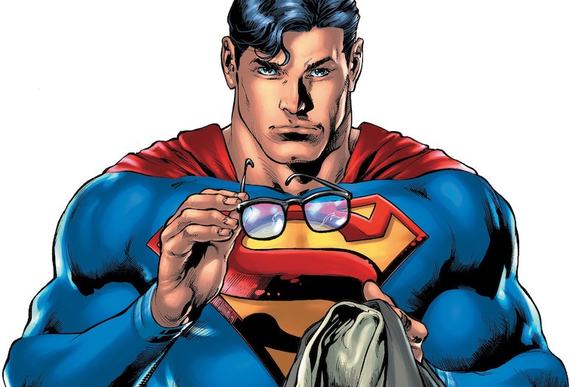
Why Superhero Secret Identities Are More Relevant Than Ever

Superman

You don’t have to be a lifelong fan of superheroes to know the role that secret identities play in their over-arching narrative. It’s one of those story elements that often goes hand-in-hand with a hero’s journey. Part of becoming a hero involves forging an identity and, more often than not, this identity can’t function alongside the one they start with.

It’s a story that has roots in the early days of modern superhero comics. It wasn’t just a common plot point. It was practically a given. It was as necessary as capes, colorful costumes, and punishing masked criminals.

From a practical standpoint, having a secret identity has some legitimate merit. There are things Bruce Wayne can do as Batman that he cannot do and vice versa. The same goes for Superman, Wonder Woman, Spider-Man, and many other iconic heroes. In “Batman Begins,” Bruce Wayne set the stage for his secret identity by crafting Batman as a symbol, one that conveyed an idea that went beyond the person in the costume.

In recalling that scene, I think that idea was more prophetic than Christopher Nolan initially intended. When I look at how secret identities have come to define many characters, I believe they’re more important today than they have been in any other era.

I don’t just say that as a long-time fan of superhero comics who has used his knowledge of the genre to explore serious issues. I believe that we, as a society, are entering uncharted territory when it comes to how we manage our identities. The influence of the internet, social media, and an increasingly connected world is more powerful than any fictional hero. It’s already finding its way into superhero media.

This topic became especially relevant for Superman fans because back in late 2019, the release of “Superman #18” officially revealed Superman’s identity as Clark Kent. Now, it wasn’t not the first time Superman’s identity has been exposed, but this time it wasn’t a gimmick. Now, Superman had to learn how to be Superman without a secret identity.

Over the past decade, the value and vulnerabilities of secret identities have been under fire. One of the most jarring moments of the original “Iron Man” movie was the very end when Tony Stark didn’t attempt to hide the fact he was Iron Man. For those not familiar with the comics, it might not have seemed like a big issue. Trust me, it was a major shift.

While Tony Stark debuted as Iron Man in 1963, his identity didn’t become public until the early 2000s. That’s nearly four decades of him operating with a secret identity. In the context of his journey, this was not a trivial decision.

What happened to Spider-Man at the end of “Spider-Man: Far From Home” was even more jarring. While his secret identity has been revealed many times in the comics, it’s almost always retconned. Like Batman and Superman, he has to have a secret identity. He has to have a civilian life that’s separate from his superhero life.

There’s even a notable episode of “Superman: The Animated Series” in which Superman flat out admits that he’d go crazy if he couldn’t be Clark Kent. Think about that for a second. Superman, one of the most powerful and iconic superheroes of all time, admits that can’t handle a life without a secret identity. This is someone who can handle Lex Luthor, Darksied, and Brainiac. If he can’t handle it, then what hope do we have?

That question might not have been too relevant 20 years ago. Before the age of smartphones, broadband internet, and social media, a superhero might have been able to get away with having their identity exposed. You could say the same for anyone who happened to have a dirty secret or a double life. Whether it was an affair or a secret hobby, you didn’t have to work that hard to keep it secret.

Back then, not everyone had a fully-functional camera in their pocket or a means of sharing their media on a mass scale. Even if someone did manage to take a compromising picture or video, it wouldn’t be a huge revelation unless it was published by a major news source and even then there was no guarantee it would have staying power, especially if other major stories broke at the same time.
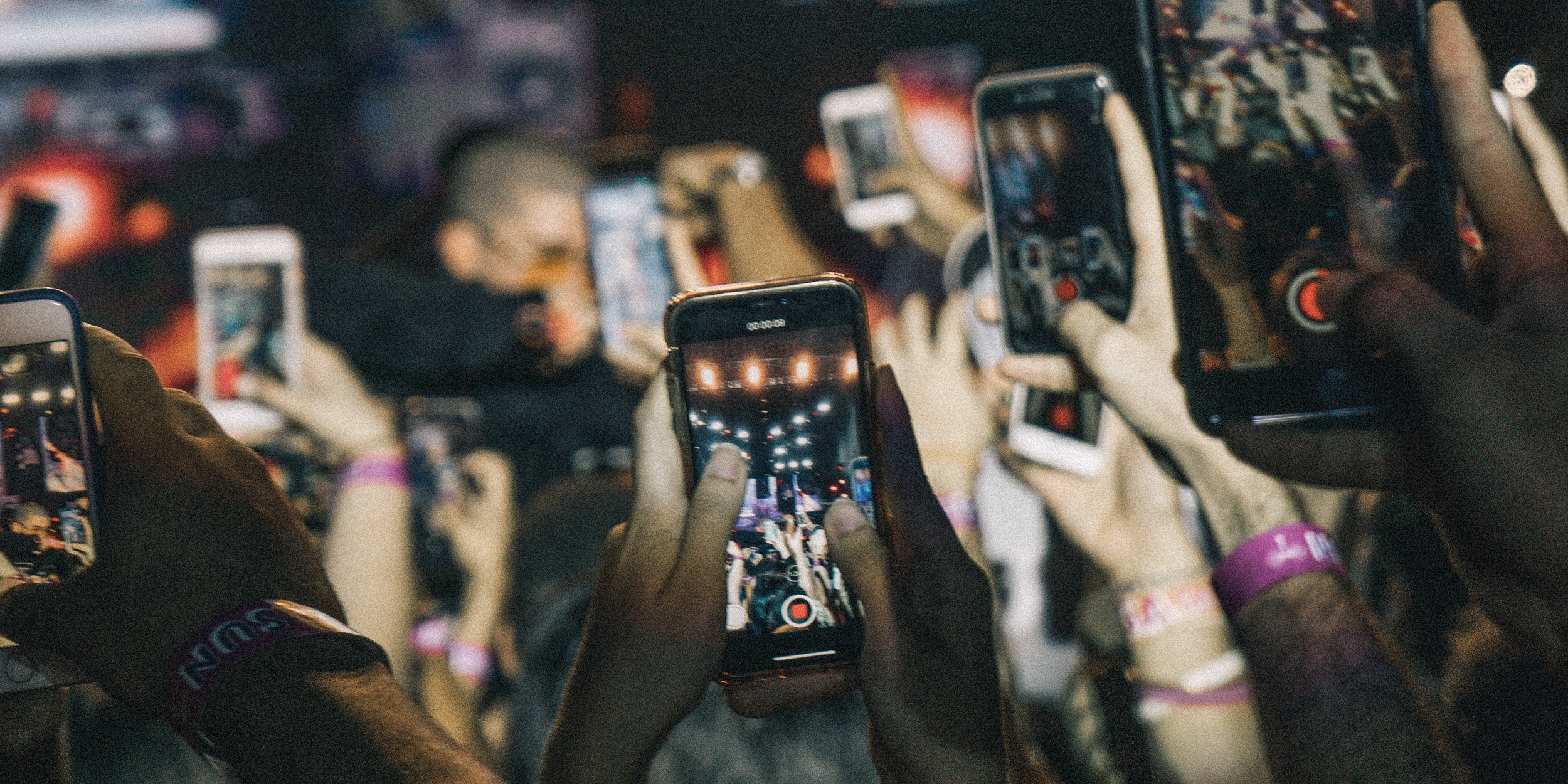
Now, anyone with a smartphone and an internet connection can capture compromising footage of anyone and share it with the world in seconds. In the world of superheroes, it makes keeping an identity harder than ever. Spider-Man found that out the hard way at the end of “Spider-Man: Far From Home.” Ordinary people and major celebrities are finding that out as well in the real world.

The internet and social media has created an unusual, yet potent system that skews the dynamics of having an identity, secret or otherwise. On one hand, it’s easier than ever to create an anonymous persona on the internet. With that persona, people are unbound by the propriety of real-world interaction.

It’s part of why the comments section of any website or social media feed is full of deplorable rhetoric that highlights the worst in people. Ordinary people can use the anonymity of the internet to say thing they would never say to another human being face-to-face. At the same time, celebrities and people of influence have the opposite problem.

In this hyper-connected world, every word and every action is permanently archived and subject to greater scrutiny. Every mistake or misstep is amplified and blown out of proportion. Every bit of subtext and nuance is completely lost in the various biases and agendas of the public. In essence, public figures have little to no control of their identity. They are very much at the mercy of how others perceive them.

That kind of scrutiny can have benefits and drawbacks. You could argue that the added scrutiny of social media has held celebrities and people of influence to a higher standard. They can no longer operate in the shadows with impunity. Dirty secrets will come out. Bad behavior will be documented. The O.J. Simpsons and Bill Cosbys of yesteryear could not get away with their deplorable behavior in today’s environment.

That may be a good thing on some levels, but it comes at a cost and not just for those who have had their lives ruined by the internet. In a world where anonymous identities are easily created and valued identities are easily ruined, how can anyone hope to maintain a balanced perspective? Whether you’re an accomplished celebrity or just some random blogger, don’t you still need a persona that feels true?
For people who are stuck in difficult situations, such as those belonging to racial, religious, or LGBTQ minorities, having that secret identity might be the only one that feels true or genuine. If that gets exposed, then those individuals could be in legitimate danger. There are parts of the world who will punish these individuals in ways far more serious than online trolling.

In the past, these kinds of people didn’t have an outlet or a means of connecting with others who share their struggles. They either had to organize in secret or set up their own communities, which often meant making themselves real-life targets. The ability to create an identity, secret or otherwise, can be a powerful mechanism for helping people forge an identity that feels true to who they are.

To some extent, superheroes embody the importance of these identities. They can’t do what they do without them. They can’t remain connected to the people and the world they’re trying to protect if they’re always in costume, trying to maintain this persona they’ve created. Without it, they become disconnected and overwhelmed. As a result, they can’t be the heroes they need to be.

For people in the real world, having these identities is more important than ever. You don’t have to be a superhero to appreciate their value, but as our world becomes more connected, it’s become a lot easier to understand why Spider-Man and Batman work so hard to preserve their secret identities.

The fact they still struggle, despite having super-powers and billions of dollars, is a testament to just how difficult it can be. As the world becomes increasingly connected and increasingly tribal, it’s only going to get harder.

Leave a comment

Filed under Current Events, Marvel, media issues, outrage culture, political correctness, politics, psychology, Spider-Man, superhero comics, superhero movies

Ode To Zoom And How It Helped Me Get Through The Pandemic

Zoom for beginners: how to best use the app for your video calls - The Verge

A year and a half ago, not many people knew what Zoom was. In fact, if you asked someone if you wanted to set up a Zoom call, they would probably just stare at you blankly and wonder if you had been watching too many cartoons. They were more likely to respond to Skype calls or FaceTime. That seemed to do the trick for most video conferencing needs.

Then, the COVID-19 pandemic hit. Need I say more?

Suddenly, we couldn’t just wake up, meet up with friends or family, and interact like we’ve always done. We had to rely more and more on technology, especially video conferencing, to fill that gap. In doing so, we realized that Skype and FaceTime just weren’t enough.

That’s where Zoom came in. We all learned quickly that this software wasn’t just much more useful. It was a vital link between friends, family, teachers, students, and so much more. We all came to rely so heavily on Zoom that it has basically supplanted all other forms of video conferencing in the span of a year. That’s a hell of a accomplishment.

Most people don’t fully appreciate the story behind Zoom. It’s actually really sweet in that it has a romantic sub-plot. Being a lover of romance, I certainly appreciate that. The basics are that the company’s founder, Eric Yuan, was struggling to maintain a long-distance relationship with his then-girlfriend, now-wife. He was familiar with video conferencing technology, but quickly realized its limitations.

Rather than lament on the frustrations of long-distance relationships, he decided to actually do something about it. That’s what led him to create Zoom. It really is a beautiful story and I just gave the bare basics of it. If you want a more complete story, check out this video by the YouTube channel, Company Man. Seriously, you’ll appreciate Mr. Yuan and Zoom even more.

Beyond the story behind this software, I can attest to how vital it has been to keep me connected with friends and family. When the pandemic hit, we had no idea how long it was going to last. I had still made plans to visit friends and family over the course of the year. As those plans were crushed by the pandemic, just maintaining contact became a challenge.

At first, we tried to use FaceTime, but that proved unreliable. It was also a pain in the ass to get multiple people on the same call. Once we discovered Zoom, an entire world opened up. It started simply with my mother organizing this big group Zoom call between the family and a relative who was getting married. It proved so successful that many of us started finding other uses for Zoom.

One of the most important to me, personally, came from my dad. While he’s usually reluctant to adopt new technology, he came to enjoy scheduling video chats with me and my brother every Saturday morning. We would just sit in our kitchens, open up a chat, and sip coffee while talking about this or that. It felt very much like a normal meet-up. Even after we’ve all been vaccinated, we still do it. It’s a much better way to keep up than a typical phone all.

On top of that, Zoom has helped me strengthen ties with siblings who don’t live nearby anymore. One of my favorite daily rituals during the week is to join my oldest sister in a Zoom call while she and her friends watch Jeopardy. It has been a great way to both meet new people and grow closer to her, even though she doesn’t live nearby anymore.

Without Zoom, none of this would’ve happened. It wouldn’t have even been possible, given how cumbersome FaceTime and Skype has been. For that, I’m grateful. I’m sure I’m not the only one. I imagine Zoom has helped plenty of people stay connected with friends and family in ways they wouldn’t have been able to do with simple phone calls. It has also helped people who usually resist new technology to embrace it. I consider that a good thing.

Even after the pandemic is over, I still plan on using Zoom to keep up with friends and family, especially during times of the year when it’s harder to travel. I hope others do the same. Connecting with loved ones is critical during a crisis. Staying connected when times are good is every bit as important.

To Mr. Yuan, on behalf of everyone who has benefited so much from Zoom, I sincerely thank you.

Leave a comment

Filed under Current Events, human nature, Jack Fisher's Insights, technology, YouTube