
This is another video from my YouTube channel, Jack’s World. This video is a thought experiment about enemies, justice, and punishment. Specifically, it asks how we would punish our worst enemies and what we are willing to do to those who have legitimately wronged us. I welcome further comments and discussion on this. Enjoy!
Tag Archives: crime and punishment
Thought Experiment: How Would You Punish Your Worst Enemy?
Filed under Jack's World, Thought Experiment, YouTube
Bernie Madoff Is Dead: Reminders And Perspectives
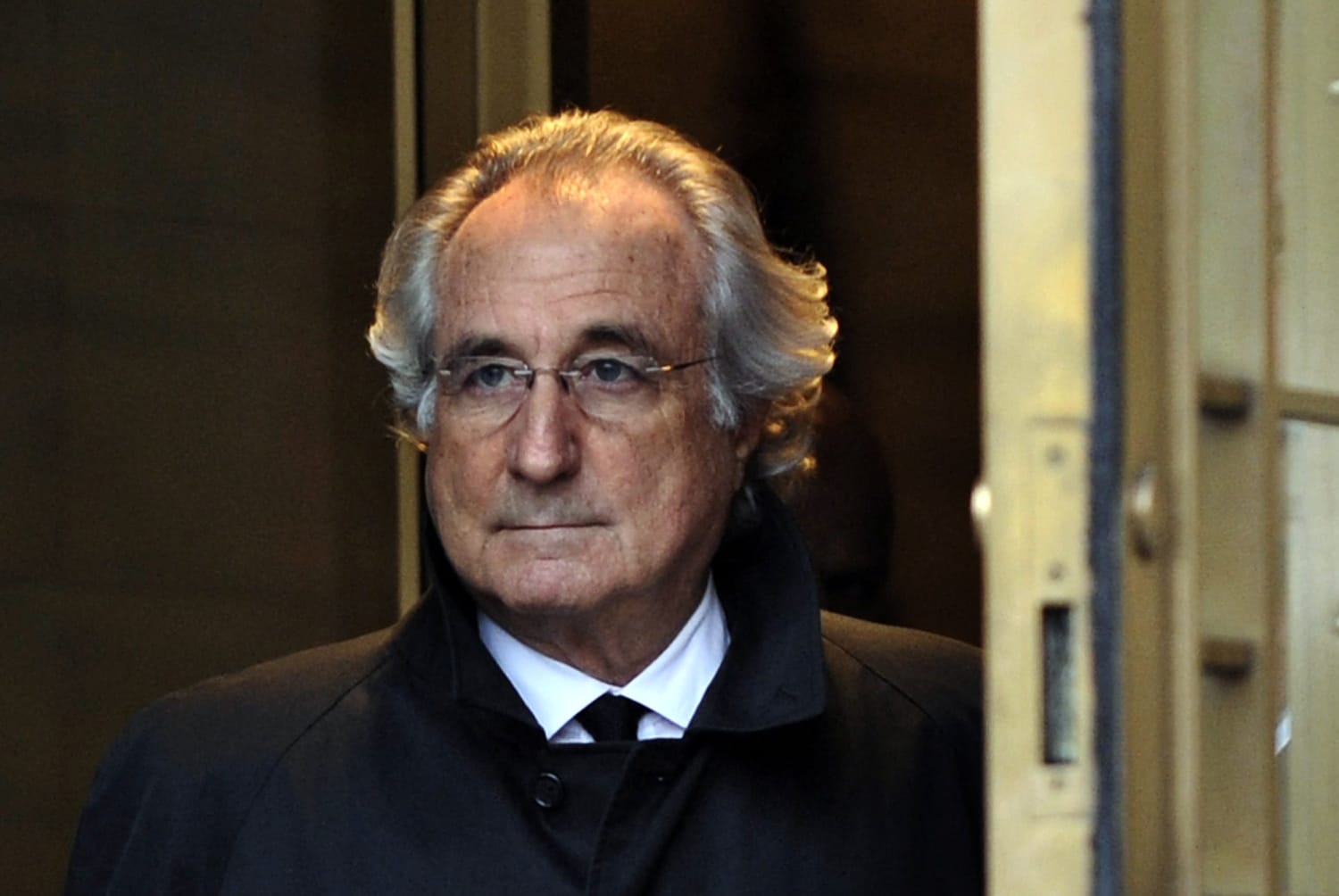
In general, it’s wise and considerate to not celebrate another human being’s death. Even if you despise that person on so many levels, we should make an effort to not take too much satisfaction in someone else’s passing. It’s just basic human decency.
However, there are some exceptions and I think most would agree the death Bernie Madoff qualifies.
There aren’t a whole lot of people in this world who have managed to make themselves so universally hated. Somehow, Madoff found a way. Hatred of him and his crimes has transcended politics, ideology, race, religion, and geography. That’s a rare kind of hatred, but one Madoff rightly earned.
After his huge, decades-long Ponzi scheme was exposed, he became the face of evil and greed. The man stole from everyone. From Hollywood elites to holocaust survivors, he’d steal from anyone just to keep his scheme going.
For that reason, it’s entirely understandable that some are celebrating the recent news of his death. After decades of bilking people out of their money and living the life of immense wealth, Madoff died alone in prison with no friends, family, or loved ones to mourn him. It may very well be the most justice we can expect for a crime of this magnitude.
AP News: Ponzi schemer Bernie Madoff dies in prison at 82
Bernard Madoff, the infamous architect of an epic securities swindle that burned thousands of investors, outfoxed regulators and earned him a 150-year prison term, died behind bars early Wednesday. He was 82.
Madoff’s death at the Federal Medical Center in Butner, North Carolina, was confirmed by his lawyer and the Bureau of Prisons.
For his many victims, I’m sure Madoff’s death is cold comfort, at best. I certainly have my opinions of the man. I’d rather not share them, if only to avoid the ire of the FCC. Instead, I want to offer some perspective on the death of this fraudster and the lessons from it that we should heed.
Most people already know the basics of Madoff’s scheme. It was, by and large, a massive Ponzi scheme. It’s certainly not a new scam. It’s been around for decades. Madoff’s was just the biggest. How he went about sustaining it for so many years has been covered by many people far smarter than me.
However, the size and specifics of the scheme matter. It was always going to fall apart, as all Ponzi schemes do. It’s like gravity. There’s only so much money you can steal to give to previous investors. Eventually, you just run out of people and money. The math always works against you.
The fact that so many Ponzi schemes still occur, despite all these forces working against them, is something worth noting. The death of Bernie Madoff doesn’t mean these types of schemes will go away. There will always be some ruthless, amoral con-man out there who manages to scam people out of money through trickery, deceit, and fraud. The death of one famous fraudster isn’t going to discourage the fraud.
Another perspective that we shouldn’t forget is how Madoff’s scheme could’ve, and probably should’ve, been exposed years ago before it got this big. It’s well-documented that Harry Markopolos, a financial analyst from Boston, figured out the scheme as early as 2000 and tried multiple times to expose it. Unfortunately, the right people didn’t listen and the system didn’t work as it should’ve.
That’s another thing that tends to happen a lot with these schemes. There are often people who figure it out long before it makes the news or alerts the authorities. Sometimes, it hastens the collapse of the scheme, but skilled con-men find a way to get around it. That only ensures more people get hurt in the long run.
With Madoff’s death, it leads me to wonder just how many other schemes like his are out there, unexposed and operating under the guise of legitimacy. We may not think they’re scams. They may go out of their way to assure us that they’re nothing like Madoff. We should still be vigilant.
There are some proactive steps you can take. There are signs you can look for and government agencies you can call. Madoff was a skilled con-man, but even he couldn’t hide every aspect of his lies. Even the most determined fraudsters can only do so much to subvert the basic math of finance.
There’s also one other perspective I think is worth highlighting and it might be the most revealing of it all. Of all the distressing details surrounding the Madoff saga, the one that stands out most to me is how Madoff inevitably gave up on it.
When he was exposed, it wasn’t because someone at the FBI or SEC caught him lying. It wasn’t because he messed up and a regulator caught him in the act. Madoff went down because he willingly gave up. He turned himself over when he realized he just couldn’t keep the scheme going anymore.
It wasn’t a matter of law enforcement catching the criminal. It was a matter of the criminal just giving up because fighting it just wasn’t worth the effort anymore. Take a moment to think about that and the implications.
We, as a law-biding society, didn’t catch Bernie Madoff. He just gave up. That says a lot more about the system in place than it does about our collective hatred of con-men like him. It also raises the question of what would happen if someone even more ruthless and amoral found themselves in a similar position.
How much further could they take the scheme?
How many more victims could they exploit?
These are distressing questions and the answers should give us pause. A man as infamous and cunning as Bernie Madoff could only succeed in a system with enough flaws for him to exploit. Who’s to say there isn’t someone worse operating a similar fraud right now?
This infamous criminal is now dead and he will be rightly vilified for his crimes for years to come. However, let’s not let his death or our shared hatred of him give the false impression that crimes like his won’t happen. They certainly will. It’s just a matter of catching them before they hurt too many people.
There are many people like Bernie Madoff who are still alive and still operating their various frauds. We can’t stop all of them. At the very least, we can make sure they never succeed as long or as much as he did.
Filed under Current Events, human nature, psychology, real stories
Why Liars, Cheaters, And Hypocrites Get Away With It

We all deal with them.
We all encounter them.
We all despise them on some levels.
Call them any vulgar insult you want. It’s perfectly warranted, but it doesn’t change what they do. The liars, cheaters, and hypocrites of this world will keep doing it. They’ll keep lying to your face, cheating you out of money, and breaking promises or precedents without a second thought.
I know it’s a depressing thought. It has become a lot more in our collective faces in recent years, given how political rhetoric has become so heated. Both sides argue with one another. They each lie or cheat to varying degrees. They jump at the chance to call the other out on it, but nothing really changes.
They keep on lying and people who align with their politics buy into it, even when they know it’s a lie. It’s frustrating. I argue it’s gotten even more infuriating in recent years. It does, however, raise an important question.
Why do people who lie, cheat, and break promises keep getting away with it?
It’s a valid question. Nobody likes being lied to. Even kids know on some level how wrong it is. So, why does it keep happening and why does nobody seem to pay a price? Well, the very nature of those questions already answer that to some extent.
In short, people keep getting away with it because they never get punished, pay a price, or face any consequences for their dishonesty.
It’s not a very comforting answer, I know. It’s probably just as infuriating as being lied to. That doesn’t make it any less true.
Think about it. What price does someone really pay for lying? Sure, there’s the accompanying guilt that comes with it, but for some people, that’s not much of a price. You don’t have to be a psychopath incapable of guilt to lie. You just have to be capable of enduring the momentary discomfort that comes with it.
That’s not much of a price for certain people, especially when there’s money to be made and power to be gained. Granted, certain liars and hypocrites will lose credibility with certain people. Lie too much to one person and they won’t trust you, let alone be inclined to do you any favors.
On a larger scale, though, that’s less of an issue. Add mass media and the internet to the mix and it’s basically an afterthought. Right now, anyone can tweet or post some completely dishonest information to any number of major sites.
They could claim a certain politician beat up a child.
They could claim that a certain celebrity sexually assaulted someone.
They could claim that the theory of evolution is a plot by the Illuminati to keep people from finding out about the shape-shifting lizard people that secretly run our government.
That last one is a real conspiracy theory that some people actually believe, by the way. I wish I had made up something that absurd.
Some of these lies may incur lawsuits or blocks, but again, is that really much of a price? Some people can afford frivolous lawsuits. Many don’t care if certain people block them. Even when major websites try to clamp down on it, that only seems to fuel the liars.
That’s another critical element as to why it keeps happening. Not only do liars, cheats, and hypocrites pay little to no price for their dishonesty. In some cases, they’re rewarded. In some cases, the reward is huge.
We may hate hypocrites and liars, but so long as they have something to gain and little to lose, not much will stop them. If they have no sense of guilt or shame, as many politicians and CEOs often do, they have every incentive to do what they do. There’s just too much money and power to be gained.
On top of that, there are some people who want to believe in their lies. Everyone has their own reason for doing so. It often boils down to the lies being more appealing than the truth or reinforcing some position they already have. Whatever their reason, they keep give even more incentives to those willing to exploit that inclination.
I say this not to be dire, although I don’t deny the election last month is a motivating factor. I offer this as a means of adding perspective to those frustrated by the dishonesty and hypocrisy that seems so prevalent, no matter where you look.
There’s a reason it’s there and is a painfully valid reason. As long as the liars, cheaters, and hypocrites we despise keep gaining so much and losing so little, they will continue with their deplorable behavior. They have no reason not to. It’s just the nature of our flawed world.
We can only do so much to make it less flawed. One way you can help is to keep voting, even if it’s just for the least dishonest candidate. It’s not a perfect fix, but it’s a start.
Filed under Current Events, human nature, media issues, outrage culture, philosophy, political correctness, politics, psychology, rants
Jack’s World: Why Cops Who Wear The Punisher Logo Are Hypocrites

A while back, I wrote a piece about cops using the Punisher’s logo. In looking over news clips of that story, I decided that it warranted a full-fledged video on my YouTube channel, Jack’s World. I believe this is an important story and an important point worth making in multiple forms. I hope others feel the same.
Why Cops Who Use The Punisher Logo Are Hypocrites
There are some topics I generally avoid talking about. It’s not because I’m ignoring or downplaying the issue. I just feel like I don’t have anything meaningful to contribute. It’s for that reason that I haven’t touched on recent issues surrounding police brutality, Black Lives Matter, and defacing statues of historical figures. I’m neither qualified, nor knowledgeable enough to add anything to the conversation.
I support the efforts of Black Lives Matter to raise awareness of police brutality.
I’m against police brutality.
I’m in favor of prosecuting the officers responsible for George Floyd’s death to the fullest extent of the law.
I’m in favor of police reform, which includes demilitarization and criminal justice reform.
I have little else to contribute beyond that. I acknowledge that my perspective is limited. I’m not a young black man living in an urban area that’s subject to significant police brutality. I won’t claim to understand anything about the issues people in that situation face every day for years on end. That’s not why I’m finally talking about this.
I only decided to throw my voice into the mix when I read a story about police officers using the famous emblem of the Punisher as a logo. As someone who is a lifelong comic book fan, and a general proponent of a fair and just society, this bothers me in so many ways. I’ll even take it a step further. I’ll make a larger statement that I hope other cops, comic book fans, and overall decent human beings can appreciate.
The cops who are co-opting the Punisher’s logo are hypocrites.
There’s no way around it. There’s no nicer way to say it, either. These police officers, who took an oath to uphold the law, are hypocrites on a level that would make Ted Haggard blush.
If they’d read more than one Punisher comic, they would understand why and think twice about plastering that logo on their cars. I doubt they know the Punisher as anything other than that tough, badass ex-soldier who kills criminals in the most brutal ways possible. That’s not even a half-accurate representation of who Frank Castle is and why he does what he does.
Now, I won’t get into the elaborate lore surrounding the Punisher. Most people can find that information easily. But you don’t have to know much of that lore to understand why cops using his logo is antithetical to Frank Castle’s mission.
The basics are simple. Frank was just a normal, law-biding citizen. He served his country. He loved his family. He did everything a decent, upstanding person is expected to do. Then, while picnicking with his family, a group of criminals who have no appreciation for the law, the people who uphold it, or human life in general, brutally murder his wife and children.
That’s what begins Frank Castle’s mission, but it’s a mission that decent, law biding people can’t take part in. That’s especially true if you’re a police officer and not just because Frank is a former soldier. A cop joining Frank’s mission would be like a vegan opening a chain of slaughterhouses.
At his core, the Punisher carries out this mission so others don’t have to. He’s already lost everything. He’s already broken. He’s got nothing left, other than the killer instincts he’d honed as a soldier. That’s why he chooses to channel those skills into taking out the kind of people who murder an innocent family just trying to enjoy a picnic.
It’s worth noting that the targets of this mission are not kids selling drugs, petty thieves, and assholes who park in a handicap spot. Those people may break the law, but they still live within the society the law helps foster. The kind of people who murdered Frank’s family do more than just break the law. They scoff at the very notion of it. They’ll hurt anyone they want and not give a damn about the consequences.
The Punisher is extremely selective. He reserves his wrath for those he knows deserve it. He also breaks the law to inflict it. That part is worth emphasizing too. Frank is a vigilante who murders. He is not and cannot be part of the justice system because he ignores it. He has to because the monsters he hunts ignore it too.
Someone still has to be around to both respect and uphold the law. That’s what good, respectable police officers are supposed to do. To use the Punisher’s brutal methods undermines that critical purpose.
Unlike Frank, Cops also have families, friends, and communities to uphold. They are supposed to enforcers of the law. They’re part of a system meant to serve and protect. If they start ignoring those critical parts, then the system just doesn’t work. It goes back to Frank doing what he needs to do so that others don’t have to.
When a cop usurps the Punisher’s logo, they’re sending a message that they don’t give a damn about a fair and just society. They just want to punish the people they think need punishing. That’s a crude, misguided interpretation that is antithetical to the basics of law enforcement. They may think they’re being badass heroes in their minds, but they failing to see the hypocrisy of subverting the law to enforce it.
This is a big reason why the Punisher’s creator, Gerry Conway, has gone on record as saying he opposes cops using the logo. They’re not just co-opting his creation. They’re using it to justify atrocities. That’s not just wrong. It’s disturbing that anyone who claims to champion the law would take that approach.
It’s also worth noting that in one iconic Punisher story, Welcome Back Frank by Garth Ennis, the Punisher encounters a group of people who tried to follow his example. They became vigilantes as well and tried to punish those who they thought deserved it. They said they admired him. They even wanted to join him. What was Frank’s response?
He shot them dead on the spot.
That, more than anything, proves the hypocrisy of cops who use that logo. They already have a logo. They have a badge and a uniform that tells society they’re there to uphold the law. If that’s not enough for them, then maybe they shouldn’t be cops.
Filed under Current Events, human nature, Marvel, political correctness, politics, psychology, superhero comics
How Much Are We Willing To Hurt The Innocent To Punish The Guilty?
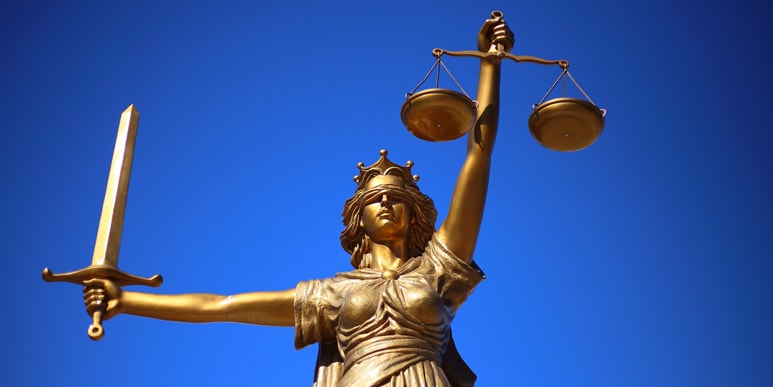
There are certain questions that nobody likes to ask, but still need to be answered. Questions concerning crime, justice, and punishment are usually at the top of that list. Lately, answering those questions has becom more urgent. If current cultural trends continue, that urgency will only increase.
That’s not because people are becoming more keen on justice. It’s more a byproduct of injustice being so much more visible in the age of the internet and social media. Crimes don’t just make the news these days. They can trigger full-blown social movements, destroy careers, and bring down powerful people.
To some extent, this is a good thing. We, as a social species, have an innate sense of justice hardwired into us. When we see something unjust, be it a kid stealing a cookie or a gruesome murder, most sane people want to see some level of justice enacted. When it isn’t, that bothers us. That’s where our sense of empathy comes from.

That said, it is possible for that innate desire for justice to go too far. Nature is a blunt instrument, largely out of necessity. Our desire for justice is no different and in the same way egregious injustices are harder to hide, gross misapplications of justice are becoming more visible as well.
As of this writing, the Innocence Project, a non-profit legal organization that works to exonerate those who’ve been wrongly convicted of a crime, have freed 350 people, some of whom were on death row. Those are the lucky ones, though. In a 2014 study, the National Academy of Sciences estimated that approximately 4 percent of those sentenced to death row may be innocent.

Think about that, for a moment, as a simple math problem. For every 100 people who are executed by the state for their crimes, 4 of them are completely innocent. Whether you’re liberal, conservative, libertarian, or communist, the murder of an innocent person offends our humanity to the core. Only a sociopath would be comfortable with that math.
That murder of some innocent people for the sake of punishing the guilty is an extreme example, but one that nicely highlights the potential pitfalls of our reckless crusade against injustice. I don’t bring it up to start a debate on the death penalty, which is very much a dead-weight issue within politics these days. I’m using it to provide context for misapplications of justice that aren’t as clear cut.
Thanks to social media and global connectivity, it’s a lot easier attack injustice without the rigid bureaucracy of legal justice system. It’s largely because of this emerging technology that the ongoing anti-harassment movement and the push for greater diversity have become more vocal. Instances of injustice that might have been ignored in the past are now much easier to confront.

Instead of hiring a lawyer, getting the cops involved, or going door-to-door to raise awareness, these perceived injustices can be attacked online, which can subsequently lead to offline consequences. While that can be an effective recourse for those who wield great power and have an army of lawyers, it does come at a cost and innocent people have felt that cost.
While there are plenty of cases that don’t become mainstream news, some of the most notable include the Duke Lacrosse incident or the UVA rape case. These are both cases that struck the right and wrong chords at the right and wrong time, evoking in people their inherent aversion to injustice in the utmost. It got people upset and emotional, so much so that they didn’t stop to wonder whether those involved were really guilty.

The alleged crimes were undeniably heinous. There’s no question about that. Anyone guilty of such crimes deserves to be punished. However, in wanting to punish such crimes, innocent people suffered. Some had their reputations temporarily ruined and others have been irreparably destroyed.
There are other lesser known cases of innocent people suffering because of an accusation that later turned out to be false. There are likely more in which the innocent person never gets justice. It’s impossible to know how common they are. Most will point out how rare those instances and in terms of raw numbers, that’s true.
However, that still implies that we have to accept the price that some innocent people will suffer in our pursuit of justice. It also highlights how important it is to have a functioning justice system that includes traditions such as due process and the presumption of innocence.

It’s a tradition worth belaboring too.
It’s an imperfect process, admittedly. There have been notable cases where someone likely got away with a crime because the standards for a conviction are so high. The principle behind that system is that, in the name of not condemning the innocent, we accept the price that some of the guilty may escape justice.
For some people, that’s more untenable than the condemnation of an innocent person. That has become a much more prominent theme in recent years, due to the anti-harassment movement. That’s somewhat understandable, given how long men like Harvey Weinstein got away with their deplorable behavior.
In the effort to prevent or punish such deplorable behavior, though, those critical tenants of our justice system that are supposed to protect the innocent are being cast aside. There are some within the anti-harassment movement who emphasize the importance of believing the victim’s accusations in lieu of the presumption of innocence.
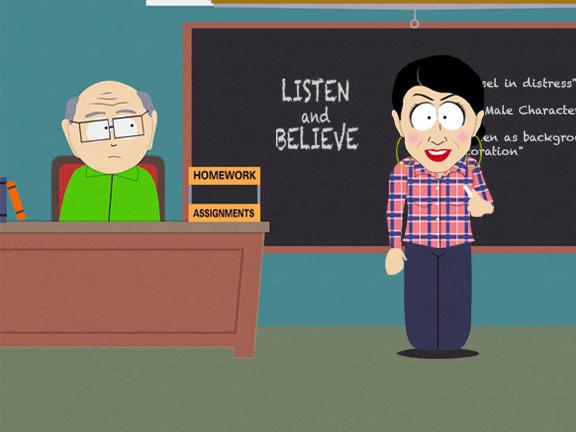
Other, more radical, voices in the movement have favored changing the standards of evidence for rape cases so that they would no longer be subject to reasonable doubt. Granted, these are somewhat extreme measures that probably won’t upend our justice system anytime soon. Others far smarter than me have already pointed out the dangers and debunked many of the assumptions.
None of this is to say that the anti-harassment movement or the effort to hold people accountable for their behavior is entirely misguided. I’m in favor of exposing crimes and having the guilty pay for those crimes, provided they really are guilty. I support efforts to reduce harassment, sexual or otherwise. I support efforts to reduce sexual assault on women and men. Most decent human beings share that sentiment.
What I don’t support is the idea that it’s okay for more innocent people to suffer for the sake of capturing even more guilty people. As I mentioned before with the Innocence Project, our flawed justice system already condemns innocent people. A willingness to let more innocent suffer is the wrong direction to go in fighting injustice.

I know that’s easy for someone like me to say because I’ve never been the victim of a serious crime. I’ve had some stuff stolen before, I’ve been cheated out of some money, and I have been roughed up before, but I’ve never been seriously injured or assaulted. I can’t imagine how someone who has been seriously victimized feels about what happened to them.
Their suffering matters. The suffering of innocent people matters too. It’s why the question surrounding hurting the innocent to punish the guilty needs to be asked, even if the answers make us uncomfortable. The fact those answers make us uncomfortable reflects the flaws of our justice system and how imperfect our world really is.
At the same time, it also reminds us why seeking justice and combating injustice matters. We, as a society and a species, cannot function if there isn’t some semblance of justice. For victims and innocent alike, we need those institutions so that we can prosper and grow as a civilization.

From the anti-harassment movement to crusading prosecutors to overt bias in the court system, there comes a point in the pursuit of justice where compromising the innocent is a price that some are willing to pay. Once that line is crossed, though, it sets a dangerous precedent that relies on dangerous assumptions.
To be willing to compromise the innocent, it’s necessary to believe that people who fit a certain profile are guilty by default. If their gender, race, ethnic group, religion, or nationality checks enough boxes, then innocence becomes an afterthought. It becomes another numbers game in assessing potential guilt over actual guilt.
That’s a precedent that can easily devolve into a panic and, as history has shown, panics tend to harm the innocent far more than the guilty. It also undercuts the suffering of actual victims because if actual guilt becomes an afterthought, then so too does actual victimization.

That, in many ways, is the greatest price that comes with compromising innocence. Punishing a guilty criminal simply rights a wrong. Punishing an innocent person has impacts that go beyond simply making an undeserving individual suffer. It has a ripple effect on the entire concept of justice, much of which cannot be qualified.
That’s why, even if it is as rare as some claim, the punishment of one innocent person should offend our sense of justice more than a guilty person escaping. A guilty person is still going to be guilty, no matter what their high-priced lawyers say. An innocent person who is punished for a crime they didn’t commit often lose so much more than just their innocence and that’s an injustice no one should tolerate.
Filed under Current Events, gender issues, human nature, philosophy, political correctness


 Jack Fisher's Official Publishing Blog