Tag Archives: WGA

SAG-AFTRA’s Deal For AI And Video Game Voice Actors: Why It Matters (And Why It’s Concerning)

One of the biggest stories in 2023 was the SAG-AFTRA strike, which also coincided with the WGA strike. It was one of the most impactful and extensive labor disputes in recent history. Some would even argue it was the most important strike to ever occur in the entertainment industry. I’m certainly inclined to agree with that. That’s part of why I felt compelled to mention it.

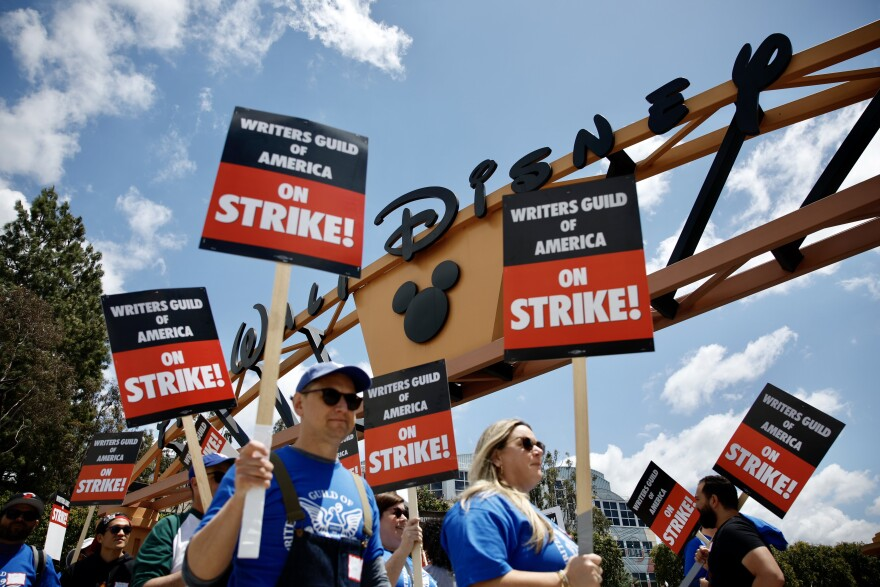
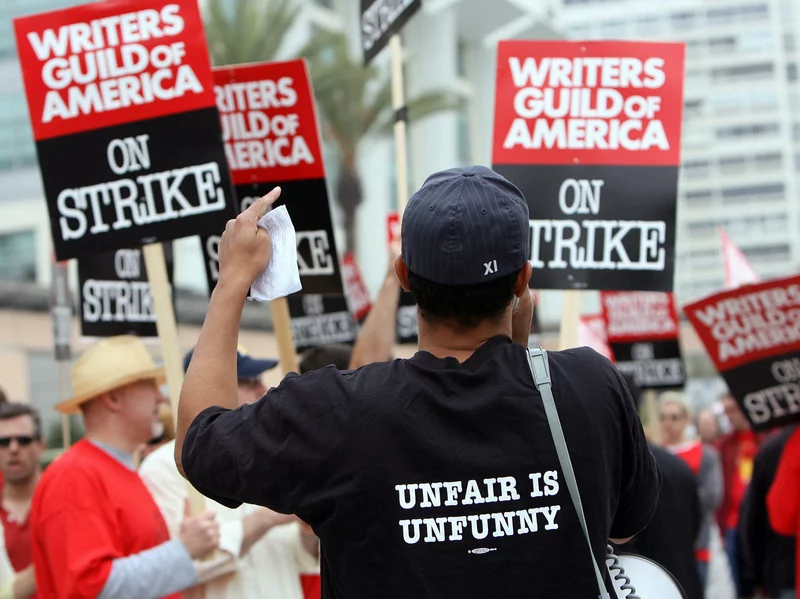
The strike by both unions had many issues of concern, but one of the biggest had to do with artificial intelligence and emerging technology like generative AI. Both writers and actors alike were concerned that studios would start using AI to effectively replace them or use their past works to create derivatives without any compensation.

It was a very legitimate concern. I’m of the opinion it was the single most pressing issue for everyone involved in the entertainment industry. Artificial intelligence is no longer just the domain of sci-fi stories. Even the limitations of existing tools are capable of producing music, art, literature, and various other forms of content. Future tools promise to be even more effective.

Eventually, in the not-so-distant future, AI tools might get to a point where they can produce content at or near the quality of any human. They don’t even need to achieve human-level intelligence. They just need the right amount of refinement, investment, and engineering.

But even with this pressing issue, both the WGA and SAG-AFTRA largely won their dispute. They were able to get a contract that included provisions protecting them from future encroachments by AI. That is certainly an important, worthwhile consideration. It helps ensure that those working in the entertainment industry can continue to make a living.

However, less than a few months after the strike ended, there are already new encroachments. And they’re happening with the full support and sanction of SAG-AFTRA. According to multiple reports, the union reached a deal with a company called Replica Studios to allow actors to license their voices to be replicated by artificial intelligence for video games.

Naturally, this has caused some concern and consternation, especially among voice actors who do a great deal of work in gaming. On the surface, it seems like an about-face. This seems like a manifestation of what they were protesting against during the strike, letting studios use AI to replicate iconic voices or figures in certain productions.

However, I don’t think it would be accurate to say this is a complete reversal. For one, SAG-AFTRA makes it clear that the intention of the deal is to ensure that those whose voices are licensed and utilized by AI receive appropriate compensation. This way, studios can’t just use a bunch of recordings of a famous voice and stick them in a game without paying the appropriate people. That is perfectly reasonable.

At the same time, there’s no denying that this will undermine current and future voice actors working within the gaming industry. The process for voice acting in most modern games can be extensive and expensive. A high-profile game like Grand Theft Auto V cost over $250 million to develop, unadjusted for inflation, and that game involved a lot of voiceover work.

Developing video games has only become more expensive over time, much more so than movies, TV shows, or music. Some are already estimating that the development of Grand Theft Auto VI could exceed $2 billion when all is said and done. No matter how you feel about video games or their development, that is not sustainable.

In that context, it makes sense to allow the use of AI tools to help cut down on that cost, especially as games and computing power increases. And it will certainly benefit those who have iconic, established voices in the video game industry.

But for those who aren’t in the industry yet or just aren’t well-known, this could be the first step in rendering voice acting in video games an unviable career path. It could become to acting what switchboard operators were to telephones.

I don’t doubt for a second that those in SAG-AFTRA are aware of this. They have to know on some levels that AI technology will continue to advance. They can’t fight it. They can’t stop it. They can’t prevent it from becoming more and more capable with each passing year.

And unlike video or artwork, mimicking voices is a more mature technology. It’s something that doesn’t really need much refinement to replace the work of a human voice actor. If they didn’t make this deal, then it just would’ve been harder to work around with each passing year.

Even if this deal is ultimately beneficial to actors and voice actors, it should still be a concern. It sets an early precedent for how unions, studios, and actors are attempting to accommodate advances in AI with their profession. While this primarily impacts the gaming industry, it is bound to affect others eventually.

There will come a point where AI is capable of replicating the imagery, mannerisms, and presence of any living actor. There will also come a point where AI is capable of producing animated content that’s difficult to distinguish from the kind that’s traditionally produced. What happens to the industry and those who work within it at that point? Would this deal that SAG-AFTRA did for gaming work? Or will it only delay further disruptions?

I don’t claim to know the answer. But if you’re involved in the entertainment industry in any way, this warrants serious attention. The existing AI tools we have now are plenty disruptive. They’re only going to get better with time, investment, and better engineering. The incentives are strong and at this point, there’s no putting the AI genie back in the bottle.

This technology isn’t just going to affect our lives. It’s going to affect how we make a living. If we don’t find a way to coexist with it, then that will only cause greater problems down the line. And it will impact far more than video game development.
1 Comment

Filed under AI Art, Artificial Intelligence, technology, television, video games

Napster, Generative AI, And How The Internet’s Past May Define Its Future

This is a video from my YouTube channel, Jack’s World.

This video explores a major chapter in the history of the internet to help inform what may lay ahead for the future. And for those of a certain demographic, one of the most disruptive programs during the early days of the internet was Napster.

This famous/infamous program completely upended the music industry. It also triggered lawsuits and upheavals from which the industry has never recovered. How it all played out was complicated, but the end result set a precedent that has helped shape the course of the internet.

Now, with the rise of generative AI, a similar predicament is playing out. And we would all be wise to heed the lessons learned from Napster.

Leave a comment

Filed under AI Art, Artificial Intelligence, ChatGPT, Jack's World, technology, YouTube

The End Of The WGA Writer’s Strike: Important Lessons And (Distressing) Insights

When an underdog succeeds, it’s worth celebrating. It’s a big reason why sports movies and superhero movies have so much appeal. Most audiences just love it when an underdog triumphs over daunting odds. And they love cheering with them when they ultimately succeed.

In that spirit, we should cheer the recent news surrounding the WGA strike that has been going on since mid-July 2023. According to the Associated Press, a tentative deal between the WGA and the major studios has been reached. While that doesn’t mean the strike is completely over, it marks a critical step in getting people back to work in an industry that was already reeling from the aftermath of the COVID-19 Pandemic.

AP: Writers’ union reaches tentative deal with Hollywood studios to end historic strike

As someone who loves movies, TV, and mindless entertainment as much as the next consumer, this is great news. This strike was bound to do more and more damage the longer it went on. We probably won’t know the full extent of that damage until a few years from now when we can look back at the impacts with the benefit of hindsight.

There’s also a personal element to this strike. I have multiple family members who work in the entertainment industry, mostly in the film and production side of things. They, more than most, felt the impact of this strike. Early on, a few even told me that this strike had the potential to last a long time. One even said they didn’t expect a resolution until late November. There was even a possibility it could continue well into 2024.

Thankfully, that no longer appears to be the case. This tentative deal, assuming it gets ratified, will provide some overdue benefits to the writers who play a big part in making the shows and movies we love so much. They deserve a deal that allows them to reap the fruits of their creative labor. You don’t have to look hard to find out just how much they were getting screwed over by a changing entertainment industry that studio executives and CEOs were exploiting to the utmost.

And therein lies an important lesson that’s worth highlighting, even as the strike comes to an end. This whole issue happened because the entertainment industry was changing. The old system that relied on residual income from broadcast TV and DVD sales just wasn’t going to cut it in an era of streaming media. The writers and actors behind some of these successful shows just weren’t getting the same share of the profits. And the studios were very much aware of this.

They could’ve adapted to ensure that those involved in the production could continue to be compensated fairly, even as consumers switched from traditional outlets to streaming.

They could’ve been open, honest, and transparent with the new economics of producing successful TV shows and movies in the post-COVID world.

They could’ve even explained why it was considerably difficult to pay generous residuals in a world of streaming media wherein profit margins were just too thin, if there even were profits to begin with.

But they didn’t. The executives, the CEOs, and those with the real power within these entertainment companies chose not to be proactive. Instead, they prioritized the price of their company stock and the investors who owned that stock. This is to be expected, as that tends to be the default reflex of publicly traded companies.

Call it callous in that it blatantly disregards the real work and toil of those producing the content.

Call it greed in the shallowest possible sense.

But at the moment, that’s simply how the incentives align in the entertainment industry, if not most industries in the global economy. There’s just too much money to be made by the rich and well-connected to do anything else. They are not going to do right by their workers unless they’re forced to, if not by law than by organized labor.

That may come off as cynical, but it’s also an important insight and one that every worker in every industry would be wise to remember. Because over the course of this strike, it quickly became clear how out of touch and callous these billionaire CEOs and executives were. They kept demanding that writers be reasonable with their requests. But at the same time, they were making hundreds of millions of dollars in salary and millions more in stock options.

These are not people capable of identifying with the life and struggles of working people.

These are people who might as well live on a different planet with respect to wealth, privlidge, and access.

Men Like David Zazlav and Bob Iger will never have to worry about paying a mortgage on time, falling behind on their bills, or ending up homeless because they cannot afford the outrageous rents in cities like Los Angeles and New York. So, how can we possibly expect them to empathize, let alone understand, the struggles of the writers and workers who help make their companies successful.

Most of these executives never set foot on a production stage, nor do they write or edit a single script. They just sit in offices, make demands/decisions, allocate money, and deal directly with investors whose primary focus is seeing a return on their investment.

And even if the company were to fail completely, these people would still end up with millions upon millions of dollars in their bank accounts. If they wanted to, they could never work a day for the rest of their lives. But those who actually work for them would be completely screwed.

It’s an unequal, unfair situation full of misaligned incentives. The executive and CEO class holds the power, the cards, and the money. They will not do the right things as a first recourse. They will only ever do what investors and their own self-interests incentive, by default. No matter how much money they have, they’ll keep trying to make more. And if that means screwing over their workers in any possible way, they’ll do it.

Remember that the next time labor issues come up. This doesn’t just apply to the entertainment industry, either. Any industry with a similar incentive structure will have the same issues. If there are rich, well-connected CEOs with shareholders to please, don’t expect them to prioritize workers beyond what they can legally and logistically get away with.

The only true counter to this uneven dynamic is that, despite all the power and money executives weird, they still need workers. They still need consumers. They still need to be credible in the eyes of the public to some extent. That kind of leverage is critical to maintain and appreciate.

Because the world will continue to change.

Every industry, from entertainment to making widgets, will continue to change with society and technology.

Those doing the work need to change with it because those with the money and power sure as hell won’t do right by anyone but themselves, unless they have to. And only those doing the work can make that happen.

1 Comment

Filed under AI Art, Artificial Intelligence, ChatGPT, Current Events, writing

Why You Should Side With The Writers In The Latest WGA Writers Strike

Back in late 2007, there was a three-month strike between the major studios of Hollywood and the Writer’s Guild of America (WGA), the largest labor union representing professional writers working in the entertainment industry. That strike was one of the most disruptive forces to hit the industry in decades. Like many other labor strikes, much of the issue came down to money. MOst of it came down to how much writers were getting paid in residuals for things like DVD sales and other emerging distribution channels.

Even though the dispute was resolved, there were major effects on various shows and movies. If you want to know why there were so many reality TV shows that emerged in the late 2000s, this is a major factor. Shows that don’t employ elaborate stories or scripted content don’t have to pay a large writing staff. That means more profits for the studios and the executives.

As someone who tends to despise reality TV, I hated this trend.

And to those who watched those shows and continue to do so, just know that the situation we now find ourselves in with respect to entertainment is largely because of you.

Flash forward to today and the WGA has gone on strike again. Now, I’m sure most peoples’ primary concern is whether or not this will affect their favorite shows. As someone who loves binging non-reality TV shows, I admit that is a concern for me too. However, even if your favorite shows end up affected, do not cast the blame on the writers. That’s like blaming the miners who get trapped in a mine and not the corrupt executives who skimped on safety.

This latest strike promises to be different compared to what happened in 2007. A lot has changed in the entertainment industry since then, even before the impact of the COVID-19 pandemic. Now, residual revenue for DVD sales is less a concern because fewer consumers are buying DVDs. So much of everything has gone to streaming now and that’s seriously impacting writers’ ability to make a living from their craft.

On top of that, there’s the emergence of AI chatbots like ChatGPT that could potentially undermine writers even more by allowing studios to basically let AI fill in rather than paying another writer. And anyone who knows anything about how most industries operates, including entertainment, understands that if executives can increase profits by squeezing out workers, they’ll do it. And they usually won’t hesitate because the financial incentives are just too strong.

This, more than anything, is why we the consumers should side with the WGA. Even if it means your favorite shows get delayed, this is one labor struggle that goes beyond just pay disputes. Writers in entertainment weren’t making much beforehand. I’ve even heard a few jokes online among the comic publishing crowd that certain comic writers, especially those who independently publish, make more money than some of the writers on major shows and movies.

And it’s set to get worse and many studios are seeking to treat their writers like gig workers. Instead of employing a consistent, stable writing staff that knows each other and understands the product, studios think they can just hire a few freelancers, pay them less, and get a product that’ll still be watched by fans. And since these writers won’t have rights to residuals or copyrights, then the studio can keep more of the profits.

This should concern you, the consume. Because if the entertainment industry is screwing skilled writers out of money, then that will eventually affect the quality of every show and movie you see. If you think things are bland now with every major studios just milking established franchises to death, I promise it’ll get worse if they squeeze out talented writers.

Great writing is how underrated shows like “Arcane” can somehow find an audience.

Great writing is how shows like “Avatar: The Last Airbender” can become beloved franchises.

Great writing is how movies like “Puss in Boots: The Last Wish” can end up being way better than anyone thought it could be.

As someone who still aspires to be a good writer one day, I may have some bias when it comes to who I side with in an issue like this. But if you’re a consumer of entertainment that doesn’t suck, or just don’t want to go through another glut of reality TV again, it’s in your interest to side with the WGA.

They work hard to entertain us.

They work hard to enchant, inspire, and enlighten us.

That’s not something you can reduce to gig work. That deserves both our respect, as well as fair compensation for their labor.

1 Comment

Filed under Current Events, movies, television, writing