

It’s a common pattern in pop culture. Elvis and the Beatles didn’t invent rock music. They just made it mainstream. “The Godfather” didn’t invent the Italian Mafia. It just made it mainstream. The movie “Deep Throat” didn’t invent blowjobs. The human race figured that out centuries ago. The movie just finally got around to recognizing how amazing the concept would be.
These patterns often play out before our eyes without us really noticing. Nobody ever realizes they’re part of something greater, at least until they’re being played by Denzel Washington or Daniel Day Lewis in a movie. There’s always some strange revolution going on and I’m not talking about the kind that involves fad diets.
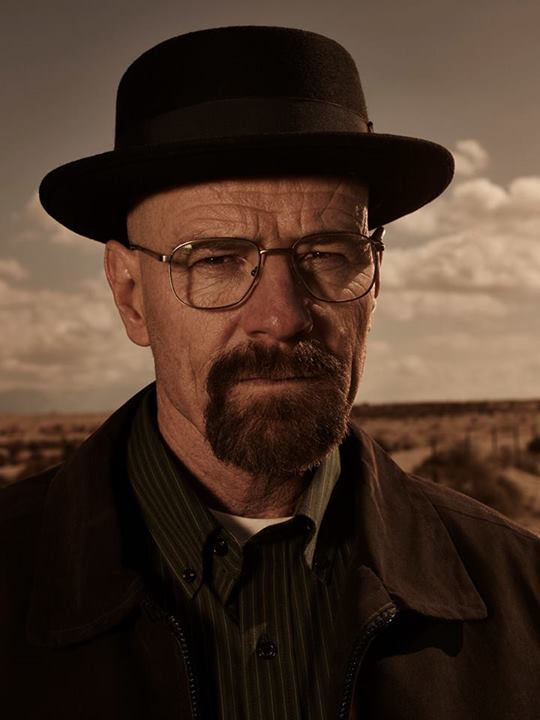
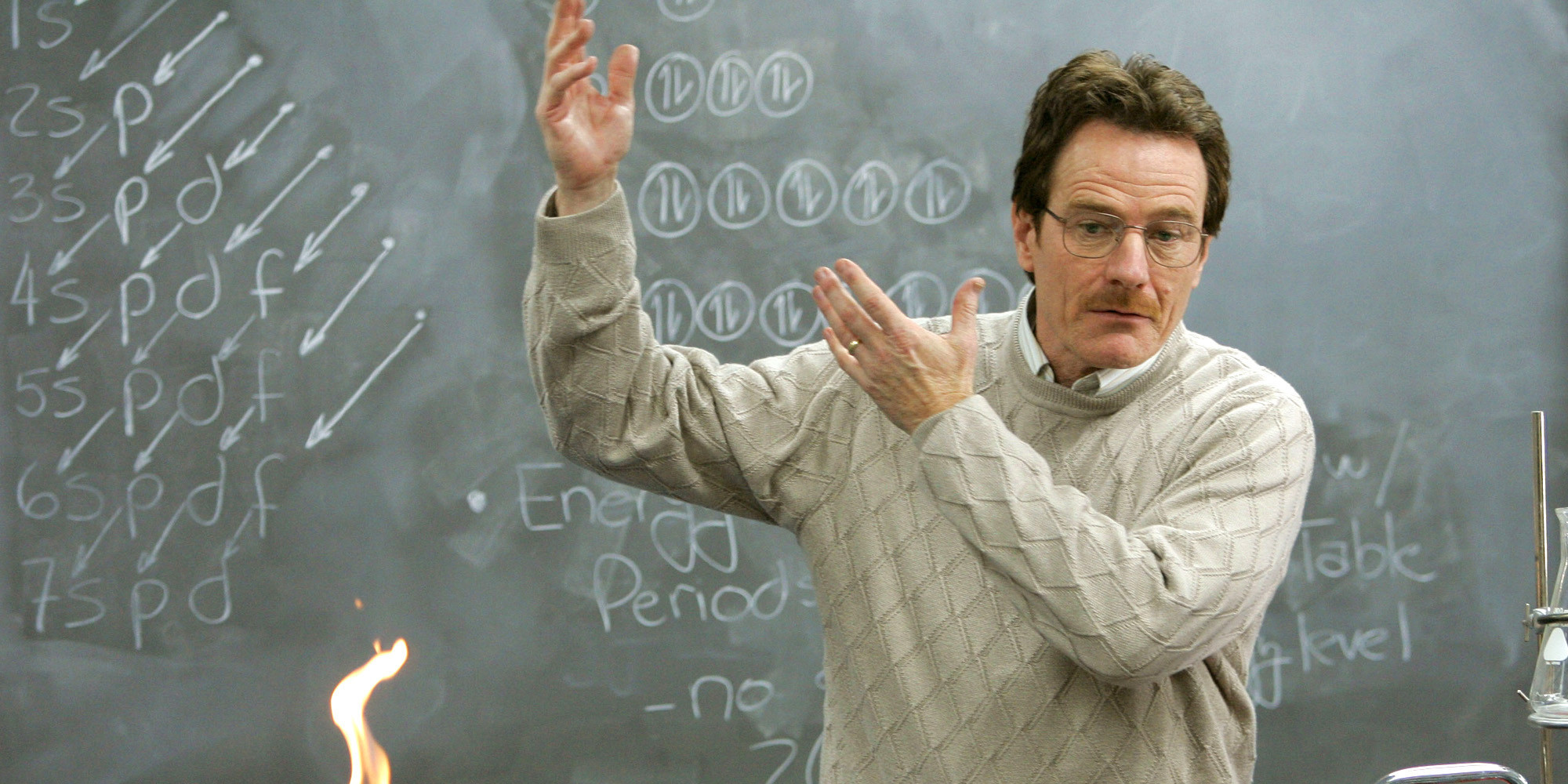
When I decided to break down the impact of Walter White on villains and antagonists in pop culture, I knew I was a bit late to the party. “Breaking Bad” has been off the air since 2013. In that time, the cultural impact of Walter White and how Bryan Cranston brought this character to life has spread. Many have already done far more thorough breakdowns of this character that are far more insightful than anything I could ever do.
At the same time, however, a part of me still looks at Walter White and sees the same pattern that has played out in music, TV, and even porn. Like Elvis, Walter White didn’t invent the complex antagonist/anti-hero. He just made it mainstream. However, I think there’s another character who accomplished this while Bryan Cranston was voicing bad Power Rangers villains.
Which character am I talking about? What kind of character could’ve possibly captured the complexities and depth that Walter White embodied without having his own show on AMC? This character actually pre-dates AMC, cable TV, Power Rangers, and even hippies. His name is Erik Lensherr, but he’s best known as the X-men villain, Magneto.

Yes, this is going to be another one of those posts. If you’ve been following this blog for any length of time, you know I jump at the chance to relate anything I can to comic books, especially X-men.
I’ve already used X-men to highlight what I feel are relevant issues. I’ve cited an X-men comic as a prime example of a true relationship of equals. I’ve cited X-men as teaching valuable lessons in the importance of foreplay. I’ve even singled out one X-man in particular, Storm, as a more viable female icon than Wonder Woman.
That said, it should come as no surprise that I make another connection when the unapologetic comic book fan in me sees the opportunity. For Magneto, the opportunity is definitely there. Based on his story, his personality, and his actions, he can claim that he was Walter White before there ever was a Walter White.
That claim isn’t hard to justify to anyone who learned about Magneto from the X-men movies, specifically the first X-men movie in which he was played by Gandalf himself, Sir Ian McKellen, and the pseudo-reboot entitled “X-men: First Class” in which Michael Fassbender gave the character an uncomfortable amount of sex appeal.

Both these movies make it a point to emphasize one of the most important, not to mention traumatic, aspects of Magneto’s character. He’s a holocaust survivor. He didn’t just live through one of the greatest atrocities in the history of mankind. He lost his entire family in it. He literally saw humanity at its worst. Can anyone honestly blame him for being a villain?
Unlike Walter White, it wasn’t desperation or circumstance that made Magneto want to give a big middle finger to the human race and get the ball rolling on their successors. He’s always been a little pissed off at the world for allowing such an atrocity. When you’re surrounded by the greatest evils of humanity, is it any wonder why you would found a group called the Brotherhood of “Evil” Mutants?
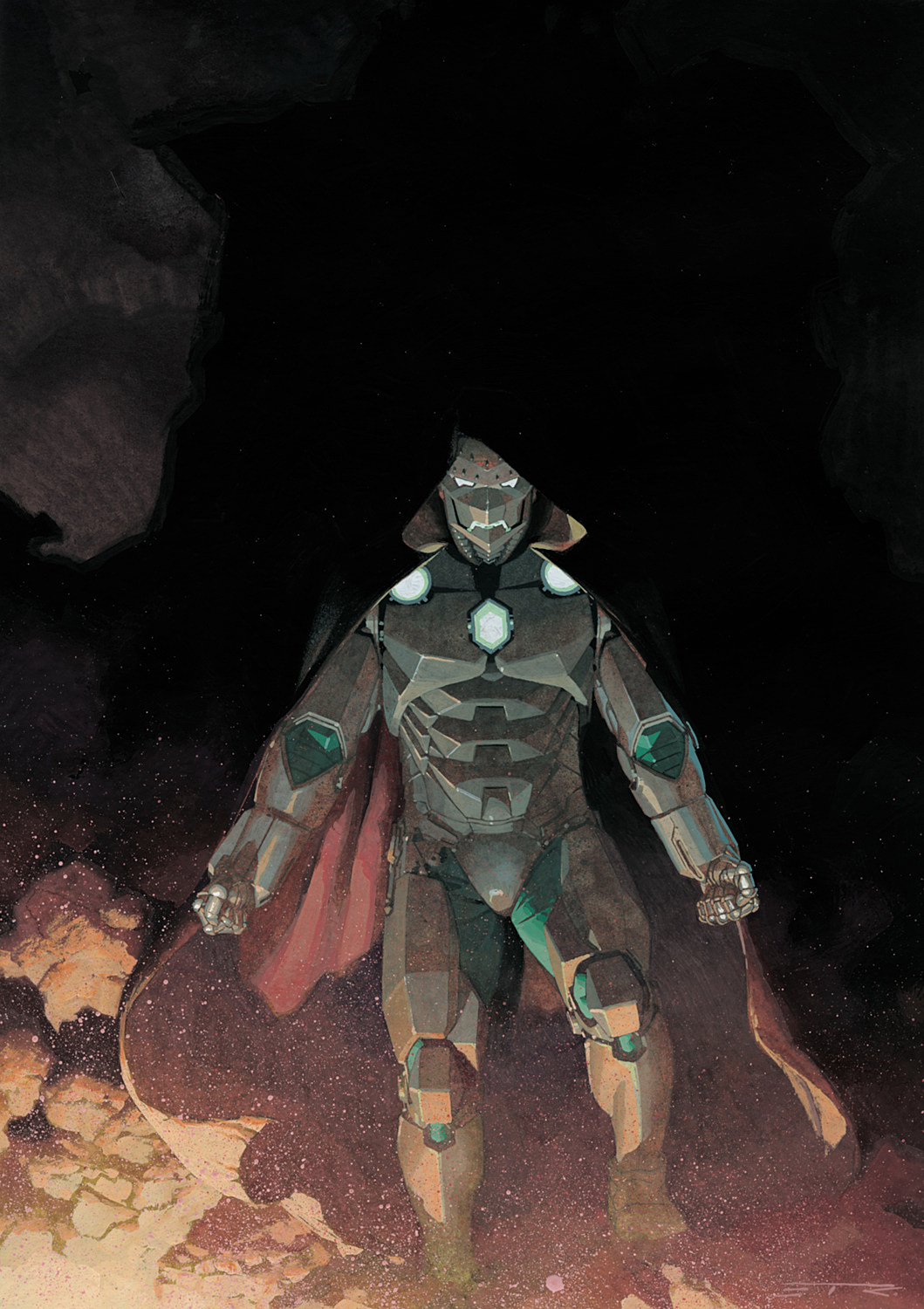
Even if he does have a good reason for being evil, this justification alone doesn’t put Magneto on the same level as Walter White. A major aspect of Walter White and the concept he embodies is the complexity of his character. If Magneto were just another Dr. Doom wannabe who just happens to have a better reason for hating the human race, then this concept wouldn’t apply.
However, Magneto does have depth. He does have complexity. His history is rich with stories that has him navigating a vast gray area of morality. One day, he’s a reformed man who helps the X-men fight off killer robots trying to wipe them out. On another, he’s creating a giant mutant monster to unleash upon the human race.

This isn’t just a bitter old man who gets moodier than most. His shifting allegiances, as well as his efforts to walk that fine line between villain and anti-hero, doesn’t happen sporadically. Magical spells aren’t used to just make him a hero, although that tactic has been used on other characters in comics.
Magneto’s story, much like Walter White, follows him making hard decisions in difficult situations. The consequences of these decisions lead him down many paths, some of which get pretty damn dark. Just read Cullen Bunn’s 2014 “Magneto” series for proof of that. That series alone ensures Magneto deserves to be on the same level as Walter White.
What makes Walter White such a compelling character is that his struggle and his hard decisions feel so real. He’s a man struggling in a difficult situation, but those situations only serve to bring out the worst in him.

Magneto may live in a world of mutants, superheroes, and characters who ride cosmic surfboards, but what he endures is painfully real. He lived through a real atrocity that has scars that we, as a species, are still struggling to confront. Whether the evil within him was always there or influenced by these struggles, it still felt painfully real.
The X-men, and the mutant struggle that Magneto has always been a part of, embodies the struggles of minorities. Even X-men director, Bryan Singer, has cited these struggles as an important part of the mythos. The struggles of minorities and the atrocities they suffer is painfully real.
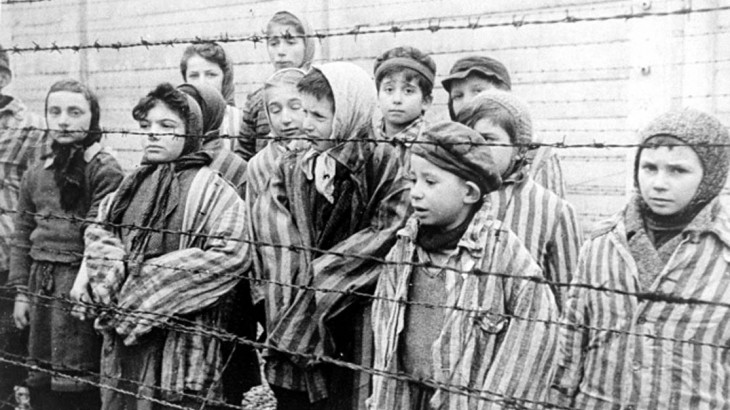
In the case of Magneto, the horror of these real events helped shape his fictional path as a character. Walter White can’t claim he endured such atrocities. He endured injustice, but not on the same level as Magneto. These forces shaped their respective stories and personas.
At the end of the day, it still leaves us wondering whether these forces actually made them evil or just brought out the evil that was already there. While it may involve a little of both in the grand scheme of things, it’s still a big part of what makes these characters so compelling. At least with Magneto, he can say he knocked first.


 Jack Fisher's Official Publishing Blog