
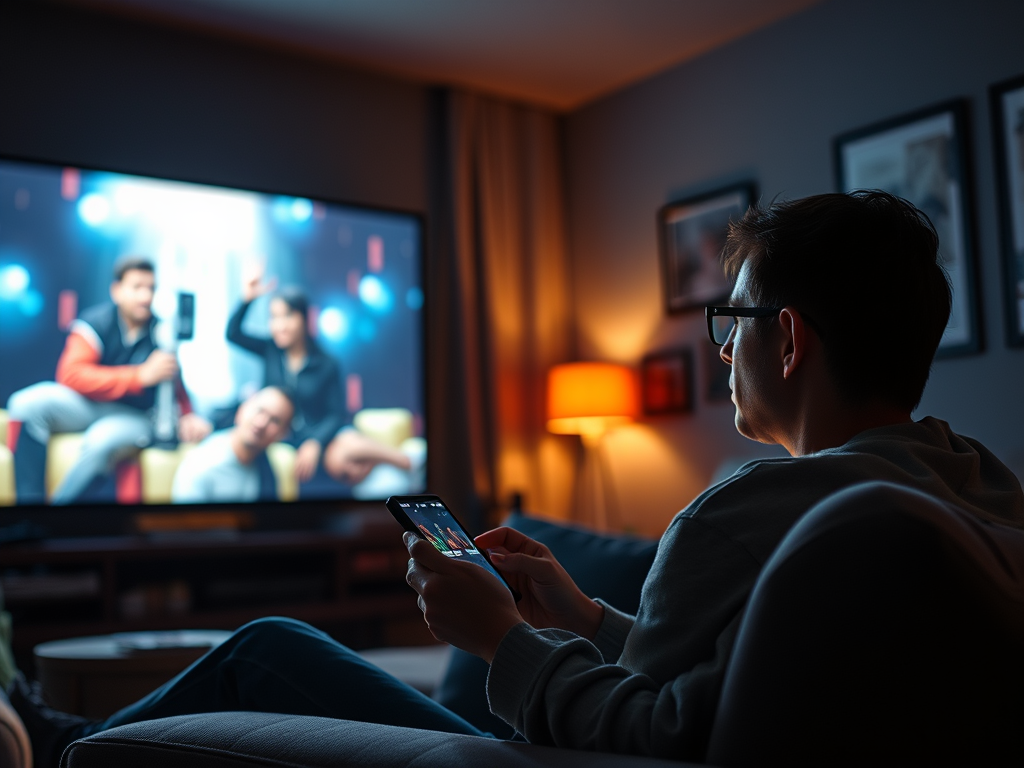
In January 2026, Matt Damon recounted how Netflix, one of the biggest distributers of movies on the planet, wants filmmakers to restate plot multiple times for an audience. Their reason for doing this has nothing to do with the content or artistic vision of a film. It’s just Netflix accommodating the sizable chunk of their audience who stream movies while also looking at their phones or tablets.
For accomplished filmmakers, this probably feels like studios and executives tampering with their art. It’s people in offices completely detached from the creative process trying to micromanage a product for consumers. The mere idea of changing their vision to accommodate a studio may seem inherently dirty. Since few creatives have the same influence as Matt Damon or Ben Affleck, they would probably capitulate to these demands.
A lot has been made of these remarks. Filmmakers, movie buffs, and general audiences of all kinds recoil at the idea of Netflix making such demands. The idea of studios and profit-hungry executives undermining art in the name of shareholders feels wrong on so many levels. But let’s take a step back from those feelings and share a brief bit of introspection.
Say what you want about Netflix, their business model, and capitalism in general. But they are not to blame for making such demands of filmmakers.
We are to blame.
We are the reason for this ongoing trend in movies and TV.
We are actively making it worse and companies like Netflix are just responding to this.
This isn’t a matter of opinion or principle. This is a well-documented phenomenon among the average consumer. People don’t just watch a movie or TV show anymore. They turn it on, watch for a bit, and casually do things on their phones or tablets as it plays. It rarely has anything to do with the quality or coherence of a movie. It’s just what people do these days.
I freely admit I do this. There are times when I’ll turn on a movie or TV show and casually do things on my iPad. Most of the time, I do this with movies or shows I’ve already seen multiple times. I also do it frequently while watching live sports, mostly during commercials or breaks in the action. Sometimes, if something comes up, I’ll just pause it so I can focus. But that’s fairly rare.
There have even been times where I don’t really engage with what I’m watching at all. I’ll have a movie, show, or sport on while I’m actively playing a video game. But I only do this with certain types of content. For something like a baseball game in the early innings or stand-up comedy specials, you don’t need to be continually watching. You can do other things and people did so before smartphones. It’s just more common now because smartphones enable us to do more things.
And I know I’m not the only one who does this. I’ve observed this with friends, relatives, and even people in a movie theater. Call it what you want. Lament how our attention spans are shrinking and our appreciation for real art is faltering. But that’s overly simplistic. It’s just another way of whining about people using their phones all the time.
I don’t deny that can be a problem. But it also ignores the bigger picture. People who complain act like humans thought, acted, and felt differently in the past. I imagine if people had smartphones at Woodstock in 1969, they would’ve used them the same way. If the average movie-goer had smartphones in the 1980s, they probably would’ve casually scrolled their social media feeds while Indiana Jones outran a boulder. To claim otherwise is to just be out of touch and smug.
No matter how you feel about this phenomenon, it’s misguided to blame Netflix. They didn’t create the smartphone. They didn’t put the idea in our heads to just use movies and TV shows as background noise while doomscrolling. They’re just responding to what their customers’ behavior. That’s what capable, competent businesses do.
If you want them to do something else, then it’s on us, the customer, to give them new incentives. If we are unwilling or unable to do so in an organized manner, then that’s not the fault of Netflix. It’s our fault. We either acknowledge that or we continue to make it worse by whining.


