Tag Archives: Scientology

Why Non-Religious Cults Are Becoming (Almost) As Dangerous

Most religious people are not dangerous or ignorant, nor are most of the priests, rabbis, mullahs, and monks who lead them. I want to make that clear early on. I know I’ve been very critical of religion in the past and I stand by much of those criticism. However, I do not want to give the impression that it makes sincere adherents unworthy of respect.

I have religious people in my family. They are good, decent people and their religious beliefs means a lot to them. I do not want to denigrate that in any way.

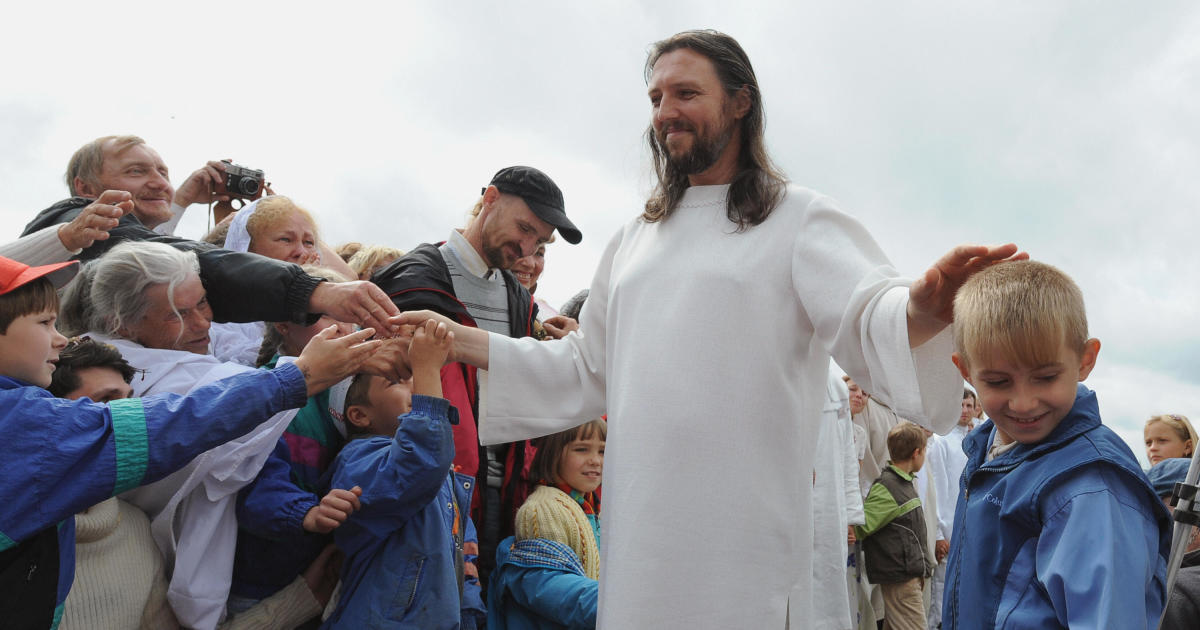
That said, extreme religious cults are dangerous. They are worthy of criticism and, in some cases, outright scorn. People have died because of these cults, including innocent children. If we’re going to be a better people now and in the future, we need to be vigilant of these dangerous cults. Otherwise, more people will suffer.

How we go about that is beyond my expertise. There are organizations with people far more qualified to pursue that effort, such as Cult Escape and Dare To Doubt. I urge others to support those efforts, regardless of your religious affiliation. There are a lot of people out there trapped in these cults who need help.

However, there has been another troubling trend in recent years that may complicate that effort. It involves cults that aren’t necessarily religious, in nature. Some have religious elements, but also mix in politics and conspiracy theories. The goals and methods aren’t always the same, but the outcome is similar.

People get sucked into an ideology.

They get caught up in a trend that evokes strong emotions within them.

They connect with like-minded people who reinforce and reaffirm their beliefs.

They start attacking or shunning outsiders or anyone they don’t agree with.

They stop doubting their beliefs and are openly scorned if they dare raise questions, making it next to impossible to leave.

It’s a common story that many endure, but now it’s happening without the religious angle. Now, people are falling into cults that offer little in terms of theology, but still descend into a toxic mix of groupthink, hero worship, and self-delusion.

You have organizations like Nxivm, which billed itself as a self-help program that sucked people in and reshaped their thinking at the hands of a sociopath leader.

You have charismatic public personalities like Jordan Peterson and Tony Robbins, who may not set out to create cult-like movements, but still create a community wrought with cult-like behaviors.

Then, there’s Q-Anon.

Believe me, I do not want to go into details about that. I’m afraid to even post any links. I do not want someone to get sucked into that ultra-toxic rabbit hole, which has led to real-world violence and torn families apart.

These are serious issues that affect real people, as well as their families. Thanks to the world-wide reach of the internet and clunky nature of social media, it’s a lot easier to fall in with the wrong digital crowd. You don’t have to be religious. You just have to be willing to buy into a certain ideology or narrative. No miracles are necessary.

That is dangerous and I suspect it’s going to get worse in the coming years, especially as mainstream religion continues to decline. Will it be as dangerous as the religious cults of old? Well, that depends on a number of factors. At the moment, even the worst non-religious cults have major shortcomings.

Religious cults can, by definition, hide behind the guise of religion. That comes with plenty of benefits, including the kind that allows them to avoid paying taxes. Religion also has legal protections, as evidenced by the constant push for “religious freedom.”

Non-religious cults don’t have the same advantages. In fact, it’s not unreasonable to say that these types of cults couldn’t even exist without the internet or the widespread connectivity of modern media. They also don’t have the overall structure that many religious organizations have. That means they’ll only be able to do so much.

On top of that, the nature of the internet makes it a lot harder for cults to keep their members in line. At any point, an adherent could get curious and start looking up opposing views that could cast doubt on their beliefs. There’s only so much a cult can do to control a person from behind a computer screen.

Even with those limitations, they’ve still done plenty of damage. They’re likely to do plenty more and we should be very concerned about that. The world is already a chaotic place. Extreme religious cults have already done plenty to add to that chaos. The last thing we need is for non-religious cults to do the same.

1 Comment

Filed under Current Events, human nature, outrage culture, philosophy, political correctness, politics, religion

Chris Pratt, Religious Celebrities, And Why We Should Be Concerned

chris-pratt-james-gunn-guardians-of-the-galaxy-3-controversy

In general, celebrities operate on an entirely different level of reality than non-celebrities. Their concept of normal is so skewed, so distorted, and so out of touch that it’s hard to relate to them. Just read up on the weird things Gwyneth Paltrow has said in recent years for proof of that.

Even if they are out of touch, it is possible for celebrities to be genuinely decent people and succeed in an industry known for horrendous corruption. Some celebrities do work that legitimately makes the world a better place. By most measures, Chris Pratt of “Parks and Recreation” and “Guardians of the Galaxy” fame is one of them.

I consider myself a fan of his. Mr. Pratt has done many things that have won him the respect and admiration of many. Just read the stories about him visited children’s hospitals and try not to like him. While he has undergone some unfortunate upheavals in recent years after his divorce from actress Anna Farris, he has generally managed himself well in the world of celebrity culture.

However, recent events surrounding Mr. Pratt may be cause for concern. While I doubt he’s heading towards the kind of celebrity meltdowns that have doomed others, I think there is reason to worry about the effects that continued fame, celebrity, and wealth will have on him. That’s because those effects may be compounded by another huge complication, namely that of organized religion.

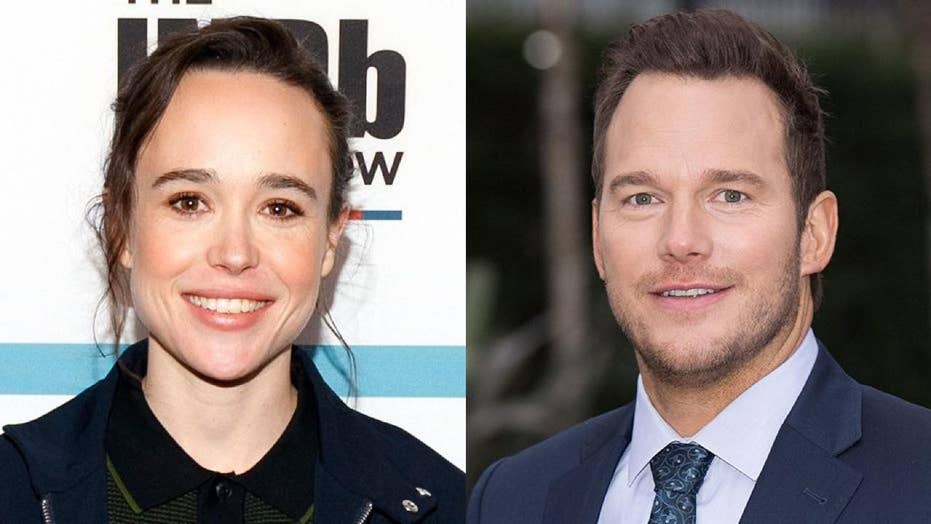
While Mr. Pratt has not hidden the fact that he’s religious, it recently became an issue when Ellen Page, a noted LBGT activist, called him out for attending a church that has a history of anti-gay rhetoric. Now, as someone who has levied plenty of criticism about religion before, I generally support pointing out the injustices and absurdities of religion. In this case, I’m surprised by the backlash.

In general, Ms. Page was subject to significant attacks for her criticism. She was made out to be the bully here and she’s someone who was subject to deplorable treatment by the director who botched X3. In general, people are siding with Mr. Pratt, saying that Ms. Page was out of line for criticizing him for the church he attended.

Personally, I don’t think Ms. Page went about her criticism the right way. Given the horrendous attacks religious organizations have orchestrated against the LGBT community, I don’t blame her for being vocal. This incident, however, and the way Mr. Pratt responded to it leaves me concerned about the cumulative impact that celebrity and religion will have on him.

To understand the extent of those concerns, you need look no further than another famous Hollywood actor who was also respected, popular, and religious. That actor is Mel Gibson. Today, he’s more a joke and an internet meme. However, it wasn’t that long ago when he was Hollywood’s golden boy.

Like Mr. Pratt now, Mel Gibson a successful action star who could also do comedy and drama. For a time, he was the actor many women in and outside of Hollywood swooned over. I know because at one point, my mother admitted to having a major crush on him and having seen some of his old movies, I honestly can’t blame her.

While Mr. Gibson didn’t make a big deal of his religion for the most part, it did rear its influence when he went through his infamous meltdown in 2006. Even after he apologized for that incident, his streak of making anti-Semitic comments has become somewhat normal. As a result, his once-impeccable reputation is a distant memory.

That’s not a fate that anyone deserves, especially Mr. Pratt. Now, I would argue that he’s in a better position than Mr. Gibson was. The various stories surrounding him and the people who work with him paint him as someone who manages himself very well. I would be genuinely surprised if Mr. Pratt ever underwent a similar meltdown.

That said, there is still a distressing history of religion having a less-than-beneficial impact on celebrities. Whether it’s Kirk Cameron encouraging people to not use their critical thinking skills in the name of Christianity or Tom Cruise bashing psychiatry in the name of Scientology, religion can turn respectable celebrities into an embodiment of perverse religious dogma.

In certain circumstances, they can even help compound that dogma. Celebrities already wield more influence than most priests, mullahs, monks, or rabbis. Religious organizations have a strong incentive to cater to and hold onto celebrity adherents. That way when these celebrities say something about their religion, people are more inclined to listen.

Some celebrities do this willingly and freely. Others are guided towards it. It’s well-documented that Tom Cruise gets special treatment in the Church of Scientology. While we don’t know if Mr. Pratt’s church does something similar for him, they certainly have a reason to do whatever they need to do for him to maintain his support and his money, by default.

At the moment, Mr. Pratt’s church is not on the same level as Scientology or even the Catholic Church. By most measures, it’s a fairly standard conservative Christian church that holds positions that won’t surprise anyone who know anything about religiously-motivated morality. It still holds questionable beliefs and wields more influence than most local churches.

Depending on how Mr. Pratt manages that influence, he could either keep his religious affairs private or go down the path of someone like Kirk Cameron, celebrities whose excessive religiosity hinders their respectability. On top of that, it could lead to him starring in some exceedingly awful movies.

The worst case scenario for Mr. Pratt would be something on the level of Mel Gibson, a meltdown that permanently taints his once-golden image as a likable pretty boy who visits children’s hospitals. I don’t think he deserves that. No celebrity deserves a downfall like that, but religion does tend to make that slope a little steeper.

I haven’t met Chris Pratt and I probably never will, but based on what is publicly known, he’s a good man who has done plenty to deserve our respect. Religion, for the most part, doesn’t change that. However, when taken to extremes, as some celebrities have shown, it can reveal just how corrosive certain dogma can be to otherwise decent people.

As Stephen Weinberg once said of religion, “With or without it you would have good people doing good things and evil people doing evil things. But for good people to do evil things, that takes religion.” Mr. Pratt is a good person and it would be nothing short of tragic if his sincerely held faith did something to undermine that. Even if you don’t agree with Ms. Page for calling him out, her concerns are still valid.

1 Comment

Filed under Celebrities and Celebrity Culture, gender issues, human nature, LGBTQ, outrage culture, psychology, religion