
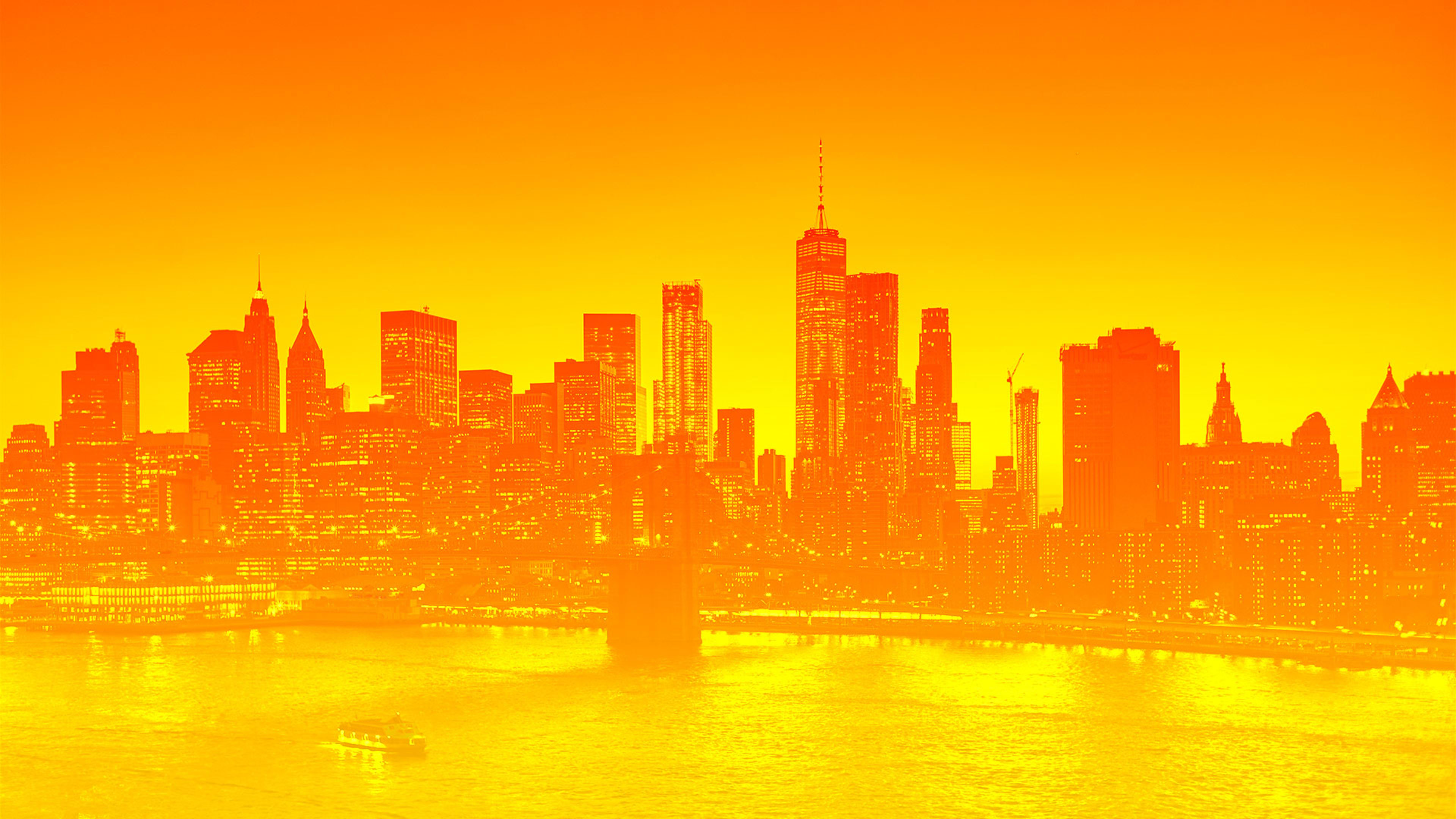
It’s the middle of summer. That means that, relative to where you live in the northern hemisphere, it’s going to get hot. In some places, it’s going to get very hot. I’ve been to Las Vegas in the middle of June. There are certain kinds of hot that are much less bearable than others.
But enduring heat in the summer is nothing new. Most people who live in any temperate climate zone probably understands that. However, with every intense heat wave, and the death that comes with it, there are usually some larger discussions about climate change. Most of those discussions tend to get lost in the politics of climate deniers and anti-science grifters, but it’s still a discussion worth having.
I may not be old enough to remember what summers were in the early 20th century, but I’ve been living on this planet long enough to know that the climate in my area has been changing. I’ve actually lived around the same area for all my life, except for a few years when I went to college. And in that time, I’ve certainly noticed a general warming trend.
When I was a kid, the hottest year for a long time was in 1997. I know that’s not the hottest year on record, but it certainly felt like the hottest year to that point in my life. I couldn’t give you the hard data, but I remember a lengthy stretch during that summer in which every day seemed to be 100 degrees. I also remember vividly how the water at the pool and beach felt as warm as bath water, at times. There was none of that initial chill you got when you jumped in. I enjoyed that to some extent, but I didn’t enjoy the extra sunburn that often came with it.
During that same summer, there was very little rain. I can only remember a few days in which we had a couple of thunderstorms. But aside from that, most days were brutally hot under a blazing sun. Just going outside for a brief period was too much. Even as a kid who wanted to go outside to play baseball, it was just too much.
For years after the summer of 1997, I don’t recall experiencing anything that hot. Sure, there were a few heat waves here and there. I even remember having to deal with one in a college dorm without air conditioning. Believe me, I would not wish that on anyone. But eventually, summers got to a point where they all seem to feel equally hot in the same way 1997 felt.
After around 2010, which was years after I’d graduated college, summers with the kind of heat I once thought was so abnormal just felt normal. I came to expect weeks on end of temperatures that exceed 100 degrees. I came to expect long dry spells, followed by round after round of heavy thunderstorms. When I eventually got my own place, I actually spent nearly $7,000 getting a new HVAC unit to deal with these summers.
And therein lies the issue with hot summers, climate change, and how we navigate it. For a lot of people, it happens so gradually that we just come to see it as normal. Never mind the fact that the devastating effects of climate change are documented, measurable, and indisputable. Never mind the fact that the number of people actually dying of heat-related illness is increasing. It’s not that more people are denying climate change. We’re just accepting it.
But is that tenable?
Is that sustainable?
Is that even a just and moral thing to do on a planet we share with over seven billion people?
I would argue that this is something we’re just choosing not to think about, regardless of whether or not we accept the science of climate change. Right now, the path of least resistance is to just adapt as best we can and accept the death, suffering, and environmental destruction that comes with it. It’s basically the Rick Sanchez approach of “The answer is don’t think about it!”
The biggest problem with that approach is that, beyond all the suffering and death, it assumes we’ll always be able to adapt. It assumes that there’s not a point in which the planet becomes so hot that certain places become unlivable, which would displace millions of people and create a refugee crisis the likes of which we’ve never seen before. It also assumes that we’re able to pay the cost, in terms of money and lives, of entire coastlines being changed due to rising sea levels.
Those are all some very lofty assumptions, which I would argue we should not make blindly.
Now, I don’t claim to know the proper course of action here. Climate change is such a big, complex phenomena that no one group of people and no one nation can do something to address it fully. We live on a shared planet. So, anything that involved addressing its issues has to be a shared effort. Whether or not we’re capable of doing so remains to be seen.
But if the climate changes to a point where failing to do so just costs too much, then we might not have a choice.


 Jack Fisher's Official Publishing Blog