
When I was a kid, there was a general attitude towards any movie or TV show that was animated. Unless it was “The Simpsons,” then animation was largely associated with kids. Even when there was a concerted effort to appeal to older demographics, animation was still seen as less mature form of storytelling. Even when it was exceptionally well done, this stigma persisted.
Eventually, animation and animated content, in general, matured to a point where the stigma really doesn’t work anymore. Cartoons aren’t just for kids. We now have shows like “Bojack Horseman” and “Rick and Morty” that have helped change the popular perception of animation. On top of that, the added influence of Japanese anime, from “Dragonball Z” to “Ghost In The Shell,” have helped attitudes about animated content evolve even more.
This shift all happened within my lifetime. It’s a simple recognition that attitudes, perceptions, and trends are always changing. And they’re going to continue to change, regardless of how we might feel about certain issues now.
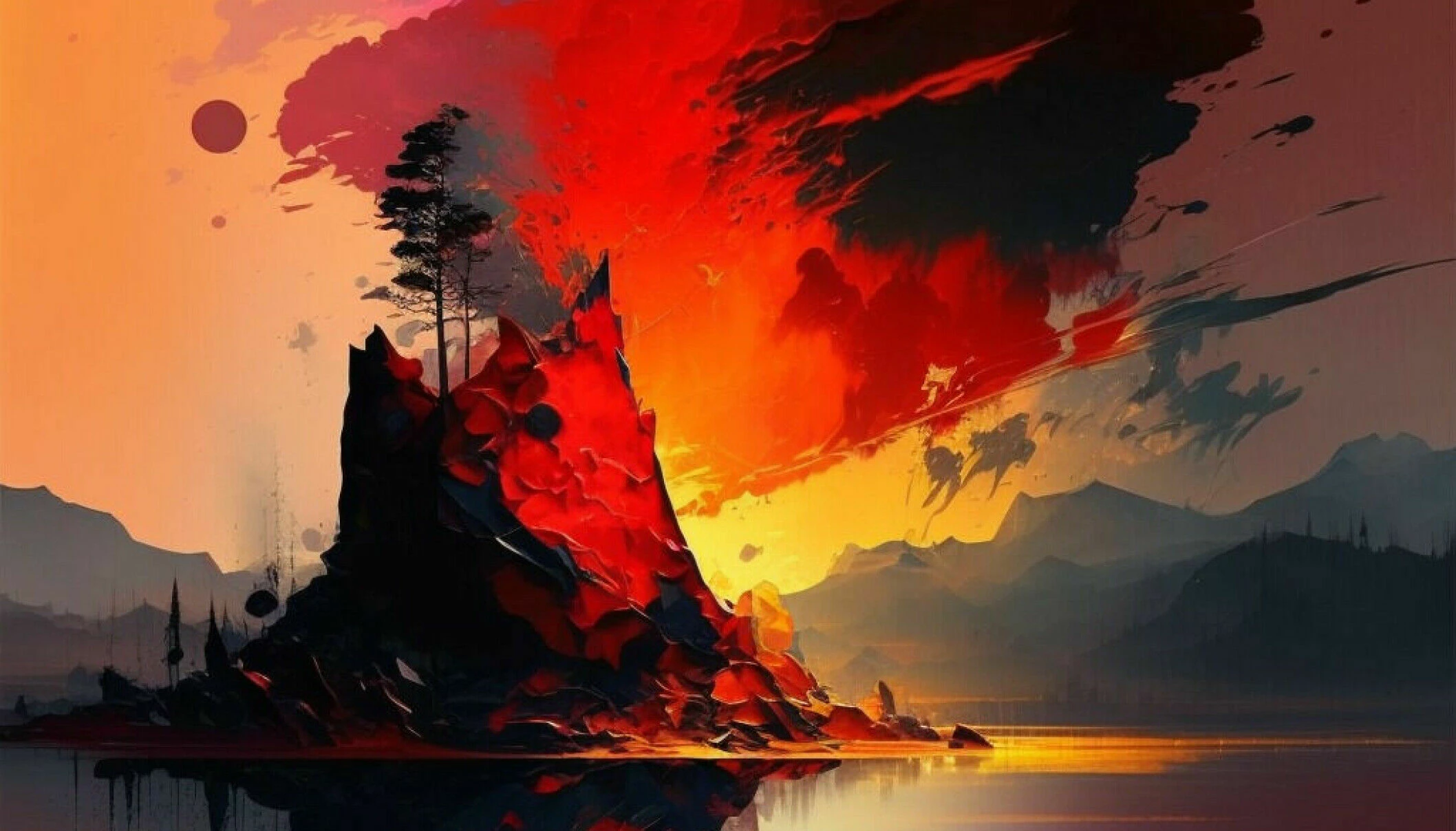
This brings me to AI generated art. It’s a topic that, depending on where you discuss it, can generate a lot of debate, disagreement, and consternation. I’ve been in more than one discussion with someone who claims AI generated art can only ever be a bad thing in the long run because it enables trolls, assholes, grifters, and bad actors.
I’ve also been in similar discussions with those who claim AI art isn’t even art. It’s, according to them, nothing more than a fancy calculator that crunches numbers on where to place certain pixels on a screen. While I think that’s a gross oversimplification, I don’t think it takes away from the end result. Whether it’s produced by a human or a computer, the end result is still the same. An artistic rendering is created. But regardless of what form it takes, we have certain attitudes about it.
As I write this, I think the prevailing sentiments toward AI art are negative. Show someone an AI generated image and they might concede that it looks nice. But they’ll still have an aversion to it, knowing it’s created by AI. And if you how them a human-generated piece of art, even if it doesn’t look nice, that same person will still ascribe more value to it than they would an AI generated image. That’s just where we are right now.
But in a recent study by Scientific Reports, an interesting insight was uncovered. When the researchers conducted a survey that included approximately 200 people, they found that when people weren’t aware that an image was AI generated, then their attitudes about it were more positive. In many cases, they could not discern between the artwork generated by humans and those generated by AI. But as soon as they were aware that something came from an AI, their sentiments changed.
It’s probably not too surprising, but it’s also revealing. It speaks to where we currently are in our perspectives on anything created by an AI. It still has this synthetic, uncanny valley feel to it. We still inherently ascribe more value to something that is created by a human over that of a machine. And while that is certainly understandable, given that human generated art requires more labor and passion, how much will that value persist in the coming years?
That’s not an unreasonable question because the quality of AI art has changed considerably in the past few years. And it’s likely to continue improving in ways we’re not ready for. Not too long ago, it was somewhat easy to discern when something was created by an AI. The issues it had with rendering hands and fingers are well-document. However, those issues have been addressed and improved considerably, especially with newer models.
As such, you don’t need to be a wide-eyed utopian futurist to predict that AI art generators will improve to a point where it’s genuinely difficult to tell if it was created by a human. This study already showed how close we are. The participants weren’t able to surmise on a surface level that they were dealing with a mix of AI and human-generated art. With improved tools, even the most discerning and tech savvy among us might not be able to figure it out.
At that point, our attitudes towards AI art will have to change. Think what you want about AI and whether it’s capable of creating real art, let alone appreciate what goes into it. But if it’s capable of making something we can’t discern from its human-made counterparts, then those negative sentiments we have are entirely arbitrary, as well as subjective.
And those same attitudes might not be shared by younger people who have grown up in an environment surrounded by the internet, AI, and AI generated content. They might not have any issue with seeing AI generated art as real art. And anyone who just despises AI art as a concept might find themselves in the same group as those who still think all cartoons are just for kids.
It’s hard to know where these trends will lead as AI technology advances. It’s already affecting how we see art, knowledge, and what it means to be intelligent. And how we feel today might not be at all in line with how future generations will feel in the decades to come. Only time will tell.
I’ll simply note that humans, in general, are a visual species. We seek to create, admire, and cherish art, regardless of the source. For that reason, I think there will certainly be a place for any kind of art, whether it comes from a human or an AI.


 Jack Fisher's Official Publishing Blog